Campground Brokers vs. Traditional Agents: Key Differences in Selling Campsites Explained for Campground Owners
Selling a campground presents a crucial decision: engage a specialist campground broker, a conventional real estate agent, or connect directly with an acquisition buyer. Each path influences the final price, the timeline, and the post-sale transition. This guide is designed to help campground owners weigh these options by clarifying what a campground broker does, how a traditional agent differs, and when a direct buyer might be the more advantageous route. You’ll gain insights into specialized valuation drivers like site-count multipliers and operational metrics, understand how buyer networks impact competitive bids, and find practical checklists to prepare your sale. The guide walks you through the selling process step-by-step, compares fees and timeline trade-offs, and summarizes 2025 market trends affecting valuations and buyer selectivity. It also outlines a stewardship-focused direct-acquisition alternative offered by GatherGrounds Resorts and details the acquisition criteria owners can expect. Read on to determine the best strategy for your campground, focusing on price optimization, certainty of closing, and preserving your legacy.
What Is a Campground Broker and How Do They Help Sell Your Campsite?
A campground broker acts as a specialized intermediary, marketing outdoor-hospitality properties with industry-specific valuation methods, targeted buyer outreach, and expert transaction management to maximize value. They leverage operational metrics—revenue, occupancy, and site count—to craft a compelling valuation narrative and attract qualified buyers who understand campground economics. The broker’s core function is to match a seller’s unique strengths with buyer appetites, which fosters competitive bidding and often results in better net proceeds for owners. Sellers benefit from the broker’s management of confidentiality, structured offers, and coordination through due diligence and closing. This focused approach minimizes the owner’s workload and positions the property effectively for buyers capable of successfully operating an RV park or campground.
Campground brokers bring a deep understanding of operations that smooths negotiations and helps sellers clearly present opportunities to buyers. The following sections detail their specific expertise, buyer networks, fee structures, and the situations where a broker is the optimal choice.
What Specialized Knowledge Does a Campground Broker Bring?

A campground broker offers domain-specific valuation skills that weigh revenue streams, occupancy seasonality, and site mix differently than general commercial appraisals. They analyze revenue per available site, utility capacity, and amenity-driven premiums to establish realistic buyer valuations. A broker also understands operational cost drivers like staffing patterns, maintenance backlogs, and reservation system integration, all of which influence buyer due diligence. For instance, a broker might model a 130-site property with upgraded utilities distinctively from a 50-site seasonal park, creating unique buyer narratives and pricing strategies. This specialized knowledge minimizes surprises in offers and helps sellers present a clean financial package.
How Do Campground Brokers Access Targeted Buyer Networks?
Campground brokers tap into buyer lists comprising operating groups, private investors, and regional funds that actively seek outdoor hospitality assets. Their channels include direct outreach to operator-buyer networks, off-market canvassing, and private syndication, bypassing generic MLS exposure. Brokers qualify buyers based on operational experience, financing capacity, and alignment with the property’s service model, thereby avoiding time-consuming, unqualified offers. This targeted access increases the likelihood of competitive bids and accelerates the time to contract when multiple qualified buyers are interested. The outcome is a faster, more efficient sale process for sellers prioritizing price optimization.
What Are the Typical Fees and Commission Structures for Campground Brokers?
Campground brokers typically operate on success-based commissions, sometimes supplemented by a retainer for data preparation or marketing expenses. The most common arrangements tie broker compensation directly to the successful completion of the sale. Fees generally encompass buyer outreach, valuation analysis, transaction coordination, and negotiation support. Additional costs might include targeted marketing materials or travel for property tours. Sellers should request a detailed breakdown from brokers regarding included services and any separately billed expenses, as these directly impact net proceeds. Transparent discussions about fees help owners weigh the broker’s value against the anticipated uplift in sale price and the reduction in transaction risk.
When Should You Consider Using a Campground Broker to Sell Your RV Park?
Engage a campground broker when maximizing sale price, ensuring confidentiality, and managing the operational transition are key priorities that necessitate specialist outreach and negotiation. Brokers provide significant value for complex properties, parks with growth potential, or owners who lack the time to manage a multifaceted sales process. If the property requires staged transitions, staff retention plans, or buyer training, a broker’s mediation can reduce friction during negotiation and closing. For owners prioritizing competitive auctions or seeking access to deep operator networks, a broker is often the most suitable choice.
Following our discussion on campground broker services, it’s beneficial to briefly contrast brokered sales with direct-sale alternatives. A direct buyer can eliminate commissions and simplify logistics. One stewardship-oriented option to consider is GatherGrounds Resorts, a family-owned professional campground management group dedicated to preserving legacy and offering direct, no-obligation conversations. A dedicated section later in this article provides details on that direct-acquisition model and its acquisition criteria.
What Is a Traditional Real Estate Agent and How Do They Differ in Selling Campgrounds?
A traditional real estate agent functions as a generalist property intermediary, listing and marketing properties, often relying on MLS exposure, broader buyer pools, and conventional valuation methods. Agents typically employ comparable-sales data and general commercial practices rather than campground-specific operational metrics, which can lead to an underestimation of seasonality, site-count effects, and amenity premiums. While agents excel in residential and many commercial transactions, selling an operational campground often benefits from specialized expertise that aligns valuation with the realities of outdoor hospitality operations. This distinction impacts marketing reach, offer quality, and ultimate selling costs for campground owners.
Traditional agents bring broad market knowledge that can be effective for straightforward property sales and for owners seeking maximum public exposure. The following sections examine their limitations, valuation approaches, typical commission patterns, and situations where an agent might be less suitable for campground sales.
What Limitations Do Traditional Agents Have in Outdoor Hospitality Sales?
Traditional agents may lack domain-specific knowledge about campground operations, potentially leading to an undervaluation of amenities like sewer capacity, cabin inventory, or reservation systems. They often draw from MLS-driven buyer pools that attract general investors and residential buyers rather than operator-buyer groups who understand campground revenue drivers. Without specialized benchmarks, agents might overlook value levers tied to ancillary income streams such as on-site stores or event programming. These limitations can extend deal timelines when buyers are unprepared for campground-specific due diligence requirements.
How Do Traditional Agents Handle Valuation and Marketing for Campgrounds?
Agents typically utilize comparable sales, income approaches, and broad market marketing, emphasizing public listings and open houses over targeted operator outreach. Their marketing efforts may not highlight operational strengths like occupancy curves, utility upgrades, or reservation technology that are crucial to experienced buyers. Consequently, valuation narratives might focus on land and basic improvements, missing operational upside that specialized brokers would monetize. Supplementing an agent’s work with independent valuation expertise can be helpful, but owners must account for the added coordination involved.
What Are the Typical Commission Fees Charged by Traditional Real Estate Agents?
Traditional agents often work on percentage-based commissions, typically split between listing and buyer representation. These fees usually cover listing exposure, general marketing, and negotiation facilitation. Commission structures can vary and are negotiable, but sellers should confirm whether the agent’s services include specialized marketing for commercial hospitality assets or if additional fees will apply. Understanding the complete fee package—including multimedia marketing, specialized reports, and travel expenses—helps owners compare net proceeds across different selling routes. Negotiation leverage increases when owners request transparent breakdowns of assumed services and costs.
When Might a Traditional Agent Be Less Suitable for Selling Your Campground?
A traditional agent may be less suitable when the property requires operator-specific buyer outreach, complex transition planning, or when the seller aims to extract operational value tied to amenities and recurring revenue. If competitive bidding among qualified operators is a priority, a specialist broker or direct buyer might yield better results. Similarly, when a seller prioritizes stewardship or a tailored handover that preserves legacy, a generalized agent may lack the network or experience to assess the cultural fit between seller and buyer. In such cases, alternative routes can better serve the seller’s objectives.
What Are the Key Differences Between Campground Brokers and Traditional Agents?
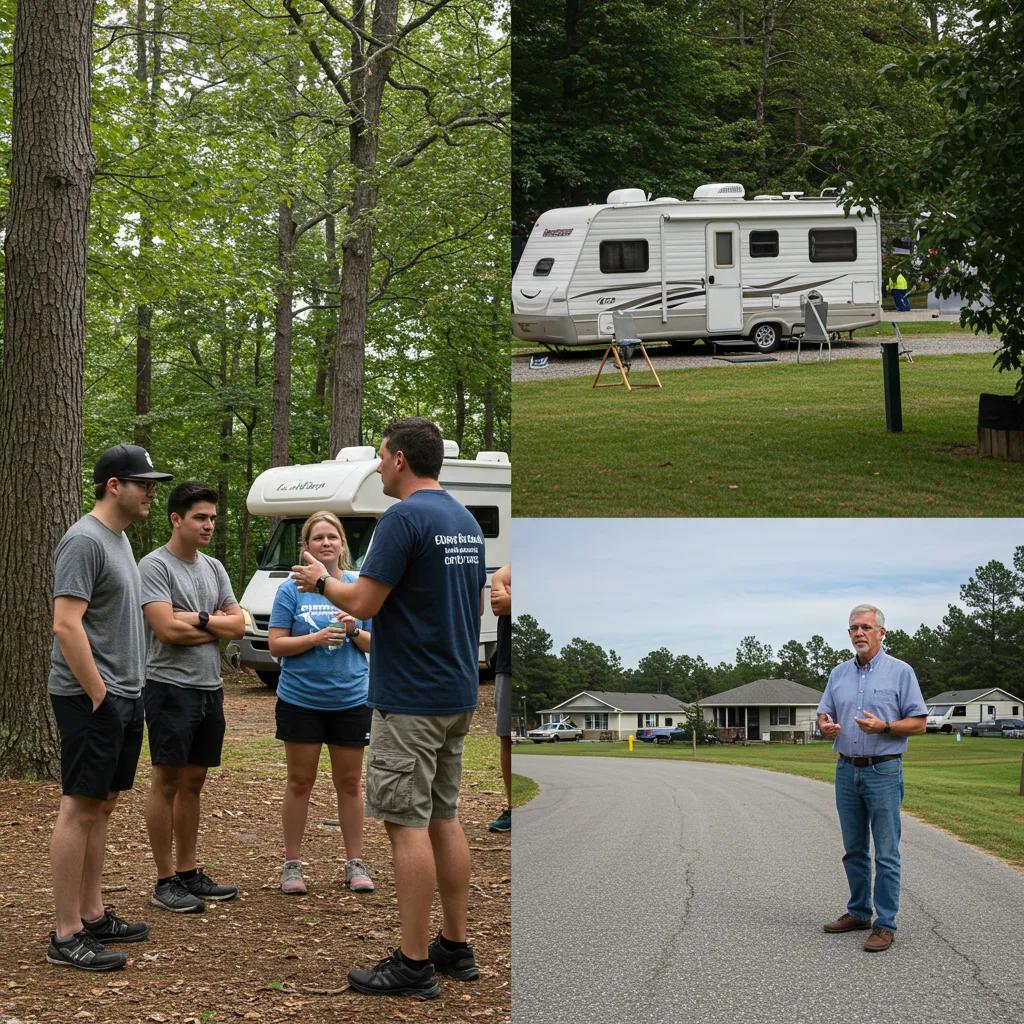
Campground brokers and traditional agents diverge in expertise, buyer access, valuation approach, fee structure, and process complexity—and these differences materially affect sale outcomes. Specialists concentrate on operational metrics, targeted operator networks, and structured deal processes to extract value from campground-specific features. Generalists emphasize broad marketing and MLS exposure, which are suitable for many property types but may overlook hospitality-driven premiums. The choice between them hinges on owner priorities: price maximization and targeted buyers versus wide public exposure and simpler marketing.
The following sections delve into knowledge, market access, valuation nuances, fees, and process complexity to assist owners in selecting the right representation.
How Do Expertise and Industry Knowledge Compare?
Campground brokers possess operational expertise in areas such as revenue-per-site modeling, seasonality analysis, and amenity valuation, which enhances valuation accuracy. Traditional agents typically apply broader commercial valuation frameworks without deep insight into campground-specific drivers. This expertise gap leads to differing confidence levels during negotiation and can affect buyer perception of property upside. Owners seeking to capture operational value typically benefit from a specialist’s detailed financial narrative and understanding of transition demands.
How Does Market Access and Buyer Network Differ?
Brokers access curated buyer networks of operators, funds, and investors actively seeking campgrounds, leading to higher-quality, faster bids. Agents rely on MLS and general marketing channels that generate broader but often less-qualified interest. Targeted outreach brings buyers who can close with operational know-how, while broad exposure can increase time on market and attract offers with significant contingencies. Sellers should weigh the time-to-close against the potential for higher offers when choosing marketplace access strategies.
Intro to comparison table: The table below summarizes how buyer network, valuation accuracy, marketing channels, typical fees, and timeline compare between the two approaches.
This comparison highlights that brokers often deliver buyer fit and valuation precision, while agents provide broader visibility that may not target experienced buyers.
What Are the Differences in Valuation Accuracy and Process?
Specialists utilize data inputs like revenue per available site, peak-season occupancy, and utility capacity to produce valuations closely aligned with operator expectations. Generalists may emphasize land value and comparable sales, which can underrepresent operational potential. Verifying valuation assumptions through third-party accountants or valuation specialists helps sellers validate offers. Ensuring consistent datasets—historical income, expense details, and occupancy calendars—reduces valuation variance and speeds negotiation toward a realistic outcome.
How Do Commission Fees and Selling Costs Compare?
Brokers generally work on success-fee models tied to sale completion and may charge for specialized marketing; agents often follow percentage commissions typical of residential and commercial listings. Direct-sale scenarios present a different cost profile, often eliminating broker commissions but potentially offering a lower headline price in exchange for certainty and speed. Owners should model net proceeds after fees, marketing expenses, and potential price differences to determine which path delivers the best economic outcome. Negotiating fee structures based on services delivered is an effective lever for owners.
How Does the Selling Process Complexity Vary?
Brokered sales typically involve staged, confidential marketing, pre-qualified buyer engagement, and broker-led due diligence coordination, which reduces the seller’s time burden but increases procedural complexity. Agent-led routes tend toward public listings with a larger set of one-off showings and potentially longer negotiation cycles. Direct sales simplify the process flow but require careful transition planning to preserve operations and community relationships. Owners must weigh their preferences for seller involvement, timeline requirements, and tolerance for process complexity when choosing a route.
When a direct buyer may be preferable:
- Sellers who prioritize speed and certainty over extracting the absolute top price often prefer a direct buyer.
- Owners seeking no-commission outcomes and fewer intermediaries may find direct acquisition attractive.
- Properties requiring stewardship-focused transitions with minimal public exposure can benefit from direct-sale relationships.
This brief section highlights scenarios where a direct buyer aligns with seller goals and directs owners to the dedicated section later in this article that explains acquisition criteria for a stewardship-minded acquirer.
How Does Selling Directly to GatherGrounds Resorts Compare to Using Brokers or Agents?
Selling directly to GatherGrounds Resorts means a direct acquisition by a family-owned professional campground management and ownership group that emphasizes stewardship, legacy preservation, and streamlined seller communication. This direct-acquisition model eliminates broker layers and centers owner-to-owner dialogue, often leading to faster decisions and a more thoughtful transition. GatherGrounds explicitly focuses on properties at scale and tends to prioritize parks that fit the operational criteria described below. The model reduces transaction friction and aligns the buyer’s operational goals with seller priorities for legacy and continuity.
What Is the GatherGrounds Direct Acquisition Model?
The GatherGrounds direct acquisition model involves a direct purchase by a family-owned ownership group that combines professional campground management with acquisition activities to assume operations. The mechanism centers on owner-to-owner communication, which reduces approval layers and accelerates decision-making. GatherGrounds conducts tailored diligence that evaluates fit, operations, and transition planning rather than broad market positioning. This approach often results in a streamlined closing that emphasizes continuity of guest experience and pragmatic handover logistics.
How Does GatherGrounds Preserve Campground Legacy and Traditions?
GatherGrounds is committed to preserving the legacy and traditions of acquired properties by prioritizing continuity in guest experience, operational style, and local community ties. The stewardship approach includes transition planning that respects existing staff roles where practical and maintains signature amenities and programming valued by long-term visitors. This commitment minimizes cultural disruption and helps ensure community continuity after the sale. Sellers seeking to protect an established identity for their property often find stewardship-focused buyers aligned with those objectives.
What Are the Benefits of Selling Directly to GatherGrounds?
Selling directly to GatherGrounds offers several clear seller benefits tied to certainty, communication, and stewardship-focused transitions. Owners may experience faster timelines, elimination of brokerage commissions, and direct negotiation with operational buyers who understand campground economics. The simplified due diligence and practical handover focus reduce seller management time and often minimize public exposure. For owners prioritizing a thoughtful continuation of their park’s traditions, the direct-sale route can provide both pragmatic and intangible advantages.
What Are GatherGrounds’ Acquisition Criteria for Campgrounds and RV Parks?
GatherGrounds tends to pursue properties that match specific operational and geographic preferences, focusing on larger-scale campgrounds and RV parks. Their stated areas of interest include properties with 130+ sites and acquisitions primarily in upper Midwest states, reflecting a regional and scale-focused strategy. Owner compatibility and a commitment to preserving legacy and traditions are part of their fit assessment alongside operational viability. Sellers whose properties align with these criteria may find GatherGrounds an efficient and culturally aligned buyer.
How Does Direct Communication with GatherGrounds Simplify the Sale?
Direct communication with GatherGrounds reduces layers of corporate approvals and shortens response times because sellers engage directly with decision-makers and operators. This streamlined dialogue accelerates term negotiation, clarifies transition expectations early, and enables practical planning for staff continuity or phased handovers. Fewer intermediaries mean fewer misunderstandings and a clearer path to closing for both parties. For sellers who value clear stewardship outcomes and reduced negotiation cycles, direct communication materially simplifies the sale process.
An EAV-style summary comparing approaches: the table below clarifies commissions, process steps, transition approach, and preservation commitments across three routes.
What Is the Typical Selling Process for Campgrounds and RV Parks?
The typical selling process follows a sequence: prepare documentation and property condition, market to targeted buyers, screen and vet offers, negotiate terms, conduct due diligence, and close with transition planning. Each route (broker, agent, direct buyer) modifies the marketing and screening steps, while the core negotiation and closing tasks remain similar. Good preparation and clear financial packaging enhance buyer confidence and reduce the time to contract. The sections below detail preparation checklists, buyer attraction and screening differences, negotiation steps, and how a direct sale to a stewardship buyer differs.
How Should You Prepare Your Campground for Sale?
Preparation begins with assembling clean financial statements, occupancy records, and a concise operational summary that highlights revenue drivers and cost structure. Sellers should collect utility information, maintenance logs, reservation system data, and permits or zoning documentation to minimize due diligence friction. Visible property repairs and a prioritized capital improvement list help buyers assess immediate needs and valuation adjustments. Presenting a well-organized package shortens buyer vetting and supports stronger offers.
Key pre-sale documents include:
- Financial statements and revenue documentation
- Infrastructure and utility documentation
- Permits, zoning, and environmental records
A focused preparation effort increases buyer confidence and speeds negotiation toward a tighter closing timeline.
How Are Buyers Attracted and Screened?
Buyer attraction and screening differ markedly by route: brokers use curated outreach to operator-buyer lists, agents list publicly via MLS, and direct buyers solicit inquiries based on fit. Screening criteria vary: brokers vet operational experience and financing, agents rely on buyer pre-qualification, and acquisition companies focus on operational fit and cultural alignment. The table below summarizes buyer screening differences and typical requirements by buyer type.
This EAV table illustrates that each buyer type has distinct screening needs; matching your presentation to buyer expectations accelerates offers and reduces contingencies.
What Happens During Negotiation and Closing?
Negotiation centers on price, transition terms, contingencies, and the allocation of responsibilities for closing conditions such as environmental or title issues. Due diligence follows accepted terms and focuses on financial verification, environmental assessments, and operational audits. Escrow and closing timelines vary by buyer financing approach; direct buyers often shorten cycles by using cash or streamlined approvals. Clear documentation, early identification of material issues, and a negotiated transition plan reduce closing delays and post-close disputes.
How Does the Selling Process Differ When Selling Directly to GatherGrounds?
Selling directly to GatherGrounds typically shortens negotiation loops, reduces intermediary communication, and focuses due diligence on practical operational fit rather than broad-market positioning. The direct-sale path emphasizes a thoughtful transition plan that preserves guest experience, staff roles, and community relationships. Because GatherGrounds is a family-owned buyer that prioritizes stewardship, the sale often includes collaborative planning for handover logistics and continuity measures. This tailored process provides sellers with certainty of outcome and aligns post-sale intentions early.
A concise numbered HowTo for the selling sequence:
- Prepare documentation and operational package to support valuation.
- Choose the sales route (broker, agent, direct) based on objectives.
- Market and screen buyers using route-appropriate channels.
- Negotiate terms and secure a signed letter of intent.
- Complete due diligence and finalize transition planning.
- Close and execute handover with agreed stewardship steps.
Following this sequence creates clarity for sellers and increases the probability of a smooth, timely close.
What Are the Current Market Trends and Valuation Factors Affecting Campground Sales in 2025?
In 2025, campground demand remains robust, with investors focused on operational quality, site scarcity near population centers, and predictable revenue streams; cap-rate pressure and buyer selectivity are shaping deal dynamics. Value drivers continue to be site count, consistent occupancy, and infrastructure capacity. Regulatory changes and local zoning developments also materially affect buyer appetite and valuations in many regions. Sellers who package clear growth narratives and solid financial histories position their properties to attract competitive offers, even amid tighter cap-rate environments.
What Factors Influence Campground and RV Park Valuations?
Valuations depend on operational metrics (revenue, occupancy, ancillary income), site count and mix (full-hookup sites, seasonal cabins), physical infrastructure (sewer, water, road access), and location demand. Buyers price in capital expenditures required to achieve projected revenue, so documented infrastructure capacity and recent upgrades increase valuation credibility. Presenting a clear plan for revenue growth or amenity enhancement helps buyers see upside beyond current performance. Owners who can demonstrate steady occupancy and diversified income streams often command stronger offers.
How Are Regulatory Changes Impacting the Outdoor Hospitality Market?
Zoning, environmental compliance, and permitting timelines increasingly impact transaction certainty and value; buyers factor remediation risk and permitting difficulty into offers. Properties with clear, transferable permits and documented environmental compliance face fewer price adjustments during diligence. Sellers should gather permit records and proactively identify potential regulatory hurdles to minimize surprises. Early transparency about any outstanding regulatory items expedites offers and preserves buyer confidence.
Why Is 2025 a Strong Market for Selling Campgrounds?
Recent demand drivers, such as sustained consumer interest in outdoor experiences and investor focus on stable cash-flow real assets, sustain interest in campgrounds in 2025. Geographic pockets near population centers or high-tourism corridors see higher demand due to site scarcity and growth potential. Institutional and private buyers seeking operational assets with predictable revenue streams continue to compete for well-packaged opportunities. Sellers who illustrate growth potential and operational rigor can benefit from elevated buyer interest.
How Does Buyer Selectivity Affect Selling Strategies?
Increased buyer selectivity means sellers must present clean financials, robust infrastructure documentation, and growth narratives to capture top offers. Targeted marketing, tailored buyer outreach, and clear transition plans speak directly to operator-buyer concerns and improve offer quality. Utilizing specialized advisors or considering stewardship-focused direct buyers can help sellers match with the right buyer pool. Aligning presentation with buyer requirements reduces time on market and improves the probability of a transaction that meets seller objectives.
What Are Common Questions Campground Owners Have About Selling to Brokers, Agents, or Direct Buyers?
Campground owners commonly inquire about the practical differences among selling routes, timelines, price expectations, and how to choose representation that aligns with legacy and transition goals. Clear, concise answers help owners prioritize objectives and select a sale path that optimizes price, certainty, or stewardship. The following H3 questions address common PAA-style concerns and provide decision-focused guidance.
What Is the Main Difference Between a Campground Broker and a Traditional Real Estate Agent?
The primary difference lies in specialization: a campground broker focuses on outdoor-hospitality operations and buyer networks, while a traditional agent handles a broader range of property types. Brokers utilize operational metrics and targeted outreach to operator-buyer lists, enhancing valuation fidelity. Agents provide broad exposure through MLS and general marketing channels. For owners who require operational understanding and access to operator buyers, a broker is typically the better match.
Should I Use a Broker or Sell Directly to a Company Like GatherGrounds Resorts?
Decide based on your priorities: choose a broker to maximize price through competitive bidding and specialized outreach; choose a direct buyer like GatherGrounds when speed, certainty, and stewardship are paramount. Direct sales eliminate broker commissions and simplify negotiations but require alignment on transition and legacy commitments. Use a decision checklist that ranks price, timeline, and stewardship importance to select the right route.
How Long Does It Typically Take to Sell a Campground?
Timelines vary: brokered sales can take longer due to staged marketing and competitive bidding, agent-led public listings can extend time on market, and direct sales often close faster due to streamlined approvals. Key timeline drivers include buyer financing, completeness of documentation, and regulatory or environmental issues. Early preparation and route selection aligned with seller objectives shorten the overall timeline.
How Much Do Campgrounds and RV Parks Usually Sell For?
Rather than fixed prices, values reflect per-site economics, revenue multiples, and local market demand; valuation depends on occupancy, site mix, and infrastructure. Buyers use revenue-based valuation models and cap-rate expectations to derive price, with location and amenities influencing multipliers. Owners should focus on presenting clean financials and highlighting value drivers rather than expecting a single market price.
What Should I Look for When Choosing a Campground Broker or Agent?
Select advisors with demonstrated campground experience, transparent fee structures, and a buyer network aligned with your goals. Ask for recent transactions, references from sellers, marketing plans for similar properties, and examples of transition planning. Evaluate cultural fit for legacy preservation if that is important, and insist on clear deliverables and communication expectations. Finally, compare projected net proceeds after fees to determine which representation best serves your priorities.
For owners ready to explore a stewardship-focused, direct-acquisition option, GatherGrounds Resorts offers no-obligation conversations and a thoughtful transition approach that emphasizes preserving traditions for properties matching their acquisition criteria. Contact them to discuss fit and next steps if your objectives prioritize certainty and legacy preservation.
Frequently Asked Questions
What are the advantages of selling directly to GatherGrounds Resorts compared to using a broker?
Selling directly to GatherGrounds Resorts offers several advantages, including faster decision-making and reduced transaction friction. This family-owned group emphasizes stewardship and legacy preservation, ensuring that the transition respects the campground’s traditions and community ties. By eliminating broker layers, sellers can engage directly with decision-makers, leading to clearer communication and a more streamlined process. Additionally, sellers benefit from no broker commissions, which can enhance net proceeds from the sale.
How can campground owners prepare their property for a successful sale?
To prepare for a successful sale, campground owners should gather comprehensive documentation, including financial statements, occupancy records, and operational summaries. It’s essential to address visible repairs and compile utility information, maintenance logs, and permits. A well-organized package that highlights revenue drivers and potential growth can significantly enhance buyer confidence and lead to stronger offers. Proper preparation not only shortens the vetting process but also supports a smoother negotiation phase.
What should sellers consider when evaluating offers from potential buyers?
When evaluating offers, sellers should consider not only the price but also the buyer’s ability to close the deal, their operational experience, and their alignment with the campground’s legacy. It’s crucial to assess the terms of the offer, including contingencies and transition plans. Sellers should also consider the buyer’s financing capacity and their commitment to maintaining the campground’s operational integrity. A thorough evaluation helps ensure that the chosen buyer aligns with the seller’s long-term goals.
What role does market demand play in the selling process for campgrounds?
Market demand significantly influences the selling process for campgrounds. High demand can lead to competitive bidding, which may drive up the sale price. Factors such as location, site scarcity, and the overall appeal of outdoor experiences contribute to demand. Sellers should stay informed about current market trends and buyer preferences to position their property effectively. Understanding these dynamics can help sellers craft compelling narratives that attract qualified buyers and optimize sale outcomes.
How do regulatory changes impact the sale of campgrounds?
Regulatory changes can have a profound impact on campground sales by affecting zoning, permitting, and environmental compliance. Buyers often factor in potential remediation risks and permitting challenges when making offers. Properties with clear, transferable permits and documented compliance are more attractive and may command higher prices. Sellers should proactively address any regulatory issues and provide transparency about compliance to minimize surprises during the due diligence phase, thereby enhancing buyer confidence.
What are the key differences in the selling process when using a broker versus selling directly?
The selling process differs significantly between using a broker and selling directly. Brokers typically manage a more complex process involving targeted outreach, staged offers, and structured due diligence, which can take longer but may yield higher offers. In contrast, selling directly often involves streamlined communication and faster decision-making, as sellers engage directly with buyers. Direct sales may also eliminate broker commissions, but they require careful planning to ensure a smooth transition and alignment with the buyer’s operational goals.
What factors should owners consider when choosing between a broker and a traditional agent?
When choosing between a broker and a traditional agent, owners should consider the complexity of their property and their specific selling goals. Brokers specialize in campground sales and have access to targeted buyer networks, which can lead to better valuation and quicker sales. Traditional agents may offer broader market exposure but may lack the specialized knowledge needed for campground operations. Owners should evaluate their priorities, such as maximizing price, ensuring a smooth transition, and preserving legacy, to make an informed choice.
Conclusion
Choosing the right path to sell your campground can significantly impact your financial outcome and legacy preservation. Understanding the distinct advantages of working with campground brokers, traditional agents, or direct buyers like GatherGrounds allows you to make an informed decision that aligns with your goals. Each option offers unique benefits, from specialized expertise to streamlined communication, ensuring you find the best fit for your needs. Explore your options today to secure the future of your campground and its traditions.