What Makes Your Campground Stand Out in Sales: Proven Strategies to Maximize Value and Attract Buyers
Selling your campground or RV park is a significant decision, both personally and financially. It’s about clearly showing what makes your property a valuable asset to potential buyers. This guide will walk you through how campground valuation, buyer perception, and current market trends come together to set a competitive price and attract the right buyer. You’ll discover practical valuation methods like NOI and cap rate, a step-by-step checklist for preparing your documents and operations, and strategic upgrades that can boost your per-site revenue and buyer interest. We’ll also compare selling through a broker versus directly to buyers and show you how to highlight your campground’s strengths to investors or operators. Finally, we’ll touch on 2025 market trends and how GatherGrounds Resorts approaches acquisitions as a family-oriented direct buyer, offering a pathway for owners considering a sale.
How Do You Accurately Value Your Campground for Sale?
Getting the valuation right is key to setting a fair asking price. It means translating your campground’s past and projected performance into a marketable figure, typically using Net Operating Income (NOI) and cap rates. This process converts your recurring operating revenue, minus operating expenses, into NOI. This NOI is then capitalized by a market cap rate to estimate value, giving buyers a predictable cash-flow basis for their offer. Presenting a clear NOI, along with an adjusted NOI that accounts for seasonality, one-time expenses, and owner-addbacks, builds buyer confidence and can lead to a better final sale price. Understanding these core concepts will help you compare valuation methods and choose the best approach for your property and the buyers you want to attract.
What Are the Key Campground Valuation Methods Including NOI and Cap Rate?

Common valuation methods for campgrounds include NOI capitalization, sales comparables (multiples), and discounted cash flow (DCF) models. Each offers unique advantages for both buyers and sellers. NOI is calculated by subtracting operating expenses from total revenue, providing a clear view of recurring cash flow. The cap rate represents the buyer’s required return, applied as Value = NOI / Cap Rate. Sales multiples compare recent transactions of similar properties based on a per-site or revenue multiple, helping to validate cap-rate-derived values in active markets. Here’s a quick comparison to illustrate these methods and typical considerations for outdoor hospitality assets.
This table outlines the primary valuation approaches sellers should understand before listing.
This comparison highlights that NOI-based valuation provides a transaction-ready cash-flow metric, while comparables and DCF add market context and growth assumptions, strengthening your pricing rationale.
Which Factors Most Influence Campground Value: Location, Amenities, and Occupancy?
The main drivers of value include geographic demand, the number of sites, annualized occupancy rates, and revenue per available site. These components directly impact both your NOI and the perceived upside for a buyer. Location dictates seasonal demand and local draw, while amenities like full hookups, modern restrooms, and glamping options can significantly increase average daily rates and length of stay. Occupancy trends and historical booking data demonstrate stability to buyers; a consistent occupancy increase of 10–20% often translates to a meaningful rise in NOI and valuation. Understanding these drivers allows you to prioritize improvements that buyers value most and present tangible performance metrics during negotiations.
How Does Professional Appraisal Enhance Your Campground’s Market Price?
A professional appraisal offers an independent valuation that synthesizes NOI, cap rates, sales comps, and the property’s physical condition into a well-supported price opinion, boosting your credibility as a seller. Appraisers review financial statements, occupancy records, capital expenditure history, and comparable sales, adjusting NOI for one-time items and owner-related expenses to create an adjusted NOI that buyers can trust. For instance, a direct buyer’s valuation might mirror this adjusted NOI analysis: normalizing seasonal revenue and removing non-recurring costs helps refine the expected purchase price. Choosing an appraiser experienced in outdoor hospitality can reduce surprises and strengthen your negotiation position from listing to offer.
What Steps Should You Take to Prepare Your Campground for a Successful Sale?
Getting your campground ready for sale means organizing your financials, addressing key property maintenance, and documenting your operations. This shows buyers they face lower execution risk and see clearer upside potential. The process is straightforward: clean, verified records and visible, prioritized improvements shorten the due diligence period and increase buyer confidence, often leading to better net proceeds and a faster closing. This preparation benefits you by reducing negotiation friction and enabling competing offers in active markets. The following sections detail specific documents, maintenance priorities, and operational items to organize for a smooth transaction.
What Essential Financial Documents Do You Need to Organize?
Buyers will expect multi-year financial statements, tax returns, profit & loss statements, and detailed occupancy/revenue reports to underwrite your NOI and identify trends affecting valuation. Prepare at least three years of P&Ls and tax returns, monthly occupancy records, channel and reservation reports, and a capital expenditure ledger detailing recent investments and any deferred maintenance. Including reconciliations for major revenue streams and notes on seasonal adjustments clarifies adjusted NOI items and minimizes buyer diligence questions. The table below lists critical documents, explains why each is important, and provides examples or templates you can use to speed up buyer review.
Organizing these records into a single sales package reduces repetitive requests and signals that your operations are well-managed, often shortening the negotiation timeline and strengthening offers.
How Can Property Maintenance and Upgrades Increase Buyer Interest?
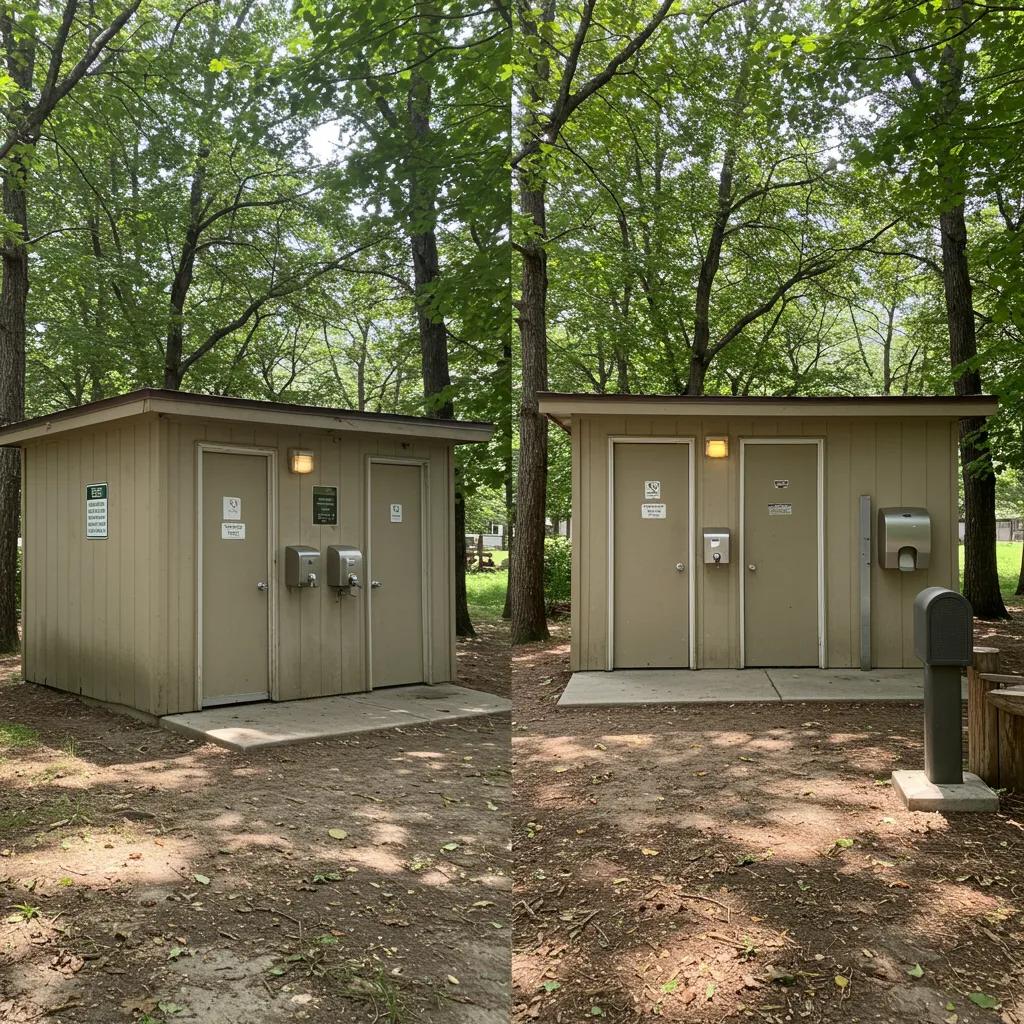
Visible maintenance and strategic upgrades reduce a buyer’s perceived risk and can increase per-site revenue, directly improving NOI and sale price through higher multiples or lower discount rates. Focus on high-impact, cost-effective projects such as renovating restrooms and showers, upgrading electrical hookups, improving signage and landscaping, and a limited rollout of glamping units or premium sites to test demand. Presenting before-and-after photos and a clear capital expenditure schedule helps buyers evaluate ROI and estimate how quickly improvements will generate revenue. The table below compares common upgrades, estimated costs, and expected buyer appeal or ROI to help you prioritize projects before listing.
Prioritizing projects that enhance guest experience and can be documented with short-term revenue increases makes your property more attractive while keeping your investment measured and strategic.
Why Is Optimizing Operations Important for a Smooth Ownership Transition?
Standardized operations reduce friction during due diligence and make the park easier for a new owner to manage, increasing buyer confidence in the continuity of NOI. Create concise SOPs for reservations, on-site maintenance, seasonal staffing plans, and vendor contracts, and assemble supplier contact lists and software credentials for transfer. Demonstrating repeatable processes—like standardized check-in, cleaning, and revenue reconciliation—lowers perceived management risk and can shorten post-closing transition assistance. Efficient operational documentation is therefore both a buyer benefit and a seller negotiation tool, as it clarifies real, transferable value during the sale process.
How Do Brokers Compare to Direct Buyers When Selling Your Campground?
Choosing between a brokered sale and a direct sale impacts your timeline, net proceeds, confidentiality, and control. Brokers can maximize price through market exposure, while direct buyers often offer speed and certainty. Brokers typically market listings, screen buyers, and manage negotiations for a commission, which can increase the gross sales price but takes time and exposes the property to broader scrutiny. Direct buyers reduce marketing friction, can close faster, and often simplify the deal structure, but sellers must weigh the potential trade-off between speed and achieving the maximum market price. Understanding these differences helps sellers choose the path that aligns with their personal goals—whether that’s maximizing proceeds, maintaining confidentiality, or securing a legacy-preserving exit.
What Roles Do Campground Brokers and Real Estate Agents Play in Sales?
Brokers manage listing exposure, buyer qualification, marketing collateral, and negotiation logistics to attract competitive bids that can drive up the price. They assemble offering memoranda, coordinate showings, vet potential buyers’ financing, and guide the transaction through escrow and closing, typically charging a commission based on the sale price. Brokers add value in thinner markets where buyer pools are limited, but the process can lengthen the time to close and increase confidentiality risk as the property is widely marketed. Knowing what services to expect allows sellers to evaluate whether a broker’s market reach aligns with their goals or if a more private, direct sale better suits their timeline.
Why Choose a Direct Sale to GatherGrounds Resorts Over Using a Broker?
Selling directly to GatherGrounds Resorts offers an alternative to brokered listings, providing a family-owned approach that emphasizes trust, careful transitions, and preserving the campground’s legacy. GatherGrounds Resorts’ acquisition of campgrounds and RV parks offers a direct purchase option to campground owners, simplifying negotiation and reducing intermediary fees while prioritizing operational continuity and staff retention. For owners seeking a thoughtful, no-pressure conversation about retirement or their next steps, a direct buyer can offer speed and certainty without the extensive marketing cycle required by brokers. This path is particularly suitable for owners focused on legacy preservation, operational continuity, and a streamlined transition.
What Are the Pros and Cons of Selling Through Brokers Versus Direct Buyers?
Deciding between brokers and direct buyers requires weighing net proceeds against transaction speed, confidentiality, and seller effort; each route has clear trade-offs depending on your priorities. Brokers often generate higher market exposure and potential competitive bidding but add commission costs and longer marketing timelines. Direct buyers offer faster closings, fewer moving parts, and the potential to keep successful teams and traditions in place, though sellers might accept a different price profile for those benefits. Consider a checklist of your priorities—price, speed, confidentiality, legacy—and choose the method that best matches your financial and non-financial goals.
- Sellers should assess three primary priorities before choosing a sale path.
- Sellers should request written timelines and fee structures when interviewing brokers.
- Sellers should compare net proceeds after commissions and expected time-to-close for each route.
Weighing these factors makes it easier to determine whether a broker’s market reach or a direct buyer’s certainty best serves your objectives.
What Current Market Trends Are Shaping Campground Sales in 2025?
In 2025, campground sales are being shaped by sustained growth in camping demand, continued interest from RV park investors, and the increasing importance of experiential offerings like glamping. These trends are intensifying buyer competition for well-located, amenity-rich parks and compressing cap rates in active markets, while macro factors like interest rates affect financing availability and pricing expectations. Understanding current market dynamics—demand, investor appetite, and financing conditions—helps sellers time their listing, package improvements, and set realistic expectations for net proceeds. Examining each trend clarifies how to position your property to capture the highest valuation.
How Is Growth in Camping and RV Ownership Affecting Sales Opportunities?
Rising RV ownership and continued interest in outdoor experiences are expanding the buyer pool, increasing competition for quality parks and raising the value of sites with modern amenities. New camper demographics—younger, experience-oriented travelers—are driving demand for upgraded facilities and novel lodging options, which can translate to higher revenue-per-site and stronger valuation multiples. Investors and RV park investors are actively seeking stable cash-flow assets, which tightens market windows for sellers who can demonstrate consistent occupancy and documented revenue growth. This buyer demand supports the case for targeted investments prior to sale to amplify both price and interest.
Why Is Glamping and Experiential Travel Increasing Campground Value?
Glamping and curated experiences increase per-site revenue and attract higher-spending demographics, often delivering higher ADRs and longer lengths of stay compared to traditional tent or RV sites. Adding premium units or experience packages can justify multiple price points and diversify revenue streams beyond nightly rates, improving resilience to seasonal fluctuations. Buyers value properties with demonstrated experience-based revenue uplift because those assets often command higher valuation multiples and broader market interest. Integrating premium offerings strategically before sale can therefore lead to concrete valuation gains and a stronger positioning in the 2025 marketplace.
Enhancing Campsite Revenue Management with MERMCAMP Model
Revenue Management (RM) maximizes revenue and profitability in industries with perishable goods. This study proposes the MERMCAMP model (Model for Evaluation of Revenue Management in Camping Industry), a framework developed to evaluate RM implementation in outdoor hospitality. The model is based on previous research and was further refined through an expert consensus in a qualitative Delphi survey. A panel of 10 experts participated in several rounds of interviews to identify and evaluate key RM practises for the camping sector. MERMCAMP comprises 119 items categorized under eight key elements: culture, forecasting, segmentation, pricing, distribution channels, competitors, evaluation and digitalization. The model provides a practical and scalable approach for campsite operators to improve pricing, inventory management and business performance.
Indoor vs. outdoor hospitality: enhancing campsite revenue management implementation with MERMCAMP, S Janković, 2025
How Do Economic Factors Like Interest Rates Impact Campground Sale Prices?
Interest rates directly influence buyer financing costs, cap rate expectations, and ultimately the price buyers are willing to pay for income-producing assets like campgrounds. When rates rise, buyer purchasing power can contract and cap rates may expand, lowering sale prices; conversely, favorable financing conditions can compress cap rates and increase values. Sellers should monitor current lending trends and consider timing, potential seller financing options, or price adjustments accordingly to optimize outcomes. Strategic timing and clear communication of stable NOI help mitigate market-rate effects and preserve sale momentum.
How Can You Maximize Your Campground’s Sale Value Before Listing?
Maximizing your sale value involves targeted amenity upgrades, demonstrable guest experience improvements, and operational efficiencies that reduce perceived buyer risk and increase projected NOI. The strategy is to invest selectively in projects with strong ROI, standardize operations to lower transition friction, and market performance metrics that buyers use to underwrite value. Prioritizing interventions that increase revenue per site and reduce volatile expenses will typically deliver the highest incremental value. The subsections below detail which amenities matter most, how guest experience translates to price, and which efficiencies buyers prioritize.
What Amenities and Features Are Most Attractive to Today’s Buyers?
Buyers consistently prioritize high-impact amenities that increase revenue and modernize the guest experience, including reliable Wi–Fi, upgraded restrooms and showers, premium hookups, and carefully integrated glamping units. These features raise average daily rates and attract repeat customers, both of which translate to stronger NOI. Reservation system integrations and contactless check-in options improve operational efficiency and appeal to tech-savvy campers, making the asset more scalable. Below is a short ranked list of top amenities buyers seek and why each matters.
- Quality Restrooms & Showers: Enhances guest satisfaction and occupancy potential.
- Reliable Wi–Fi/Connectivity: Enables higher booking conversion and longer stays.
- Glamping/Premium Sites: Delivers higher ADR and attracts new demographics.
- Full Hookups & Electrical Upgrades: Supports newer, higher-revenue RVs.
These amenities combine to increase per-site revenue and make the property more attractive to RV park investors and other outdoor hospitality buyers.
How Does Enhancing Customer Experience Influence Sale Price?
Customer experience improvements translate into measurable financial outcomes through higher repeat visitation, increased ancillary spend, and improved occupancy—factors that buyers use to project higher NOI. Track guest satisfaction metrics, average length of stay, and ancillary revenue to create a compelling narrative for buyers about revenue stability and growth potential. Programs like loyalty discounts, packaged experiences, and on-site activities can increase RevPAR-equivalent for campgrounds and be showcased during marketing. Demonstrating how experience initiatives raise both utilization and spend strengthens your valuation case and supports higher multiples in a sale process.
What Financial and Operational Efficiencies Boost Buyer Confidence?
Buyers look for reliable reservation systems, clean financial reconciliations, documented SOPs, and vendor contracts that transfer easily to new ownership to reduce integration risk. Implementing standardized reporting, automating revenue tracking, and creating concise operation manuals shows buyers that the property can be run with predictable margins and low management overhead. Presenting KPIs—such as occupancy rates by month, ADR, and ancillary revenue per site—helps buyers model future cash flows more accurately. These efficiencies therefore convert into lower due diligence friction and often a faster, smoother closing process.
What Is the GatherGrounds Resorts Acquisition Process and How Does It Benefit Sellers?
GatherGrounds Resorts approaches acquisitions with a structured yet seller-friendly process designed to facilitate thoughtful transitions while respecting each property’s unique identity and team. The acquisition process typically begins with an initial, confidential conversation to understand the owner’s goals, followed by a valuation discussion, limited due diligence, and a negotiated closing that prioritizes continuity where appropriate. As a family-owned buyer, GatherGrounds focuses on preserving successful elements of operations, keeping great teams in place, and maintaining traditions that matter to the community. Understanding these steps helps sellers decide if a direct sale aligns with their exit strategy and legacy objectives.
How Does GatherGrounds Ensure a Thoughtful and Legacy-Preserving Transition?
GatherGrounds Resorts is committed to practices that protect the campground’s identity by retaining effective staff, maintaining beloved programs, and honoring community relationships throughout and after acquisition. Communication plans with employees and local stakeholders are prioritized to minimize disruption, and operational handovers are structured to transfer knowledge and retain customer goodwill. Case examples from similar transitions show that keeping popular amenities and trusted managers in place often preserves revenue continuity and guest loyalty. These legacy-preserving choices are central to the company’s approach and can be a deciding factor for owners who want continuity.
What Are the Advantages of Selling Directly to GatherGrounds Resorts?
Selling directly to GatherGrounds Resorts can speed negotiations, reduce transaction complexity, and avoid broker fees while offering the prospect of stewardship that respects legacy and staff continuity. The direct sale route minimizes intermediary communication, which can protect confidentiality and shorten the time to close when sellers seek certainty. GatherGrounds Resorts’ acquisition of campgrounds and RV parks offers a direct purchase option to campground owners, translating into seller benefits like faster decisions and fewer moving parts in the deal process. For owners prioritizing a thoughtful handoff and simplified negotiations, a direct buyer presents a compelling alternative.
How Can Sellers Start a No-Obligation Conversation with GatherGrounds?
Sellers can prepare for an initial, confidential conversation by gathering baseline financials, site counts, recent occupancy reports, and a summary of notable improvements or deferred maintenance to discuss value and objectives. Typical first-call topics include owner goals, preferred timelines, approximate site counts, and a high-level discussion of financial performance to gauge mutual fit. GatherGrounds encourages a no-pressure approach where owners can explore options and learn how legacy-preserving transitions are structured before committing. Having these materials ready expedites the initial review and helps both parties determine next steps efficiently.
What Common Questions Do Campground Sellers Have About the Sales Process?
Campground sellers frequently ask about timing, required documentation, and how to improve profitability before listing; clear answers reduce uncertainty and help sellers act with confidence. Typical concerns include the expected time-to-close, which documents expedite due diligence, and short-term tactics to raise NOI prior to sale. Addressing these items systematically—timeline, paperwork, and profitability steps—helps sellers position their property to attract better offers and simplifies negotiations. The following subsections provide realistic ranges and practical checklists to guide owners through the most common questions.
How Long Does It Typically Take to Sell a Campground or RV Park?
The time to close varies by route: brokered listings often take several months to a year from listing to closing, depending on market activity and buyer financing, while direct sales to a motivated buyer can close much faster if documentation is ready. Due diligence periods commonly range from 30 to 90 days, but well-prepared sellers with organized records and clear SOPs frequently shorten that timeframe. Factors that lengthen the process include environmental reviews, complex leases, or financing contingencies; factors that shorten it include clean financials, turnkey operations, and motivated buyers. Preparing ahead of time therefore accelerates sale timelines and reduces negotiation friction.
What Documents Are Required to Complete a Campground Sale?
Closing a campground sale generally requires title documents, leases or site agreements, business tax returns, P&Ls, occupancy data, capital expenditure records, permits, and environmental or zoning documentation as applicable. Buyers also request vendor contracts, reservation and payment system exports, insurance certificates, and any relevant warranties for recent improvements. Organizing these documents into a single digital data room expedites due diligence and reduces repetitive information requests that can delay closing. Being proactive with a comprehensive document package increases buyer confidence and often results in quicker, cleaner offers.
How Can Sellers Increase Their Campground’s Profitability Before Selling?
Short-term profitability improvements that are cost-efficient include targeted rate optimization, packaging value-added experiences, promoting longer-stay discounts, and reducing discretionary operating expenses without sacrificing guest satisfaction. Tactical marketing—seasonal promotions, partnerships with regional attractions, and improved online listings—can increase occupancy in the near term and demonstrate growth potential to buyers. Additionally, implementing simple operational efficiencies, such as automated revenue tracking and basic SOPs, improves margins and buyer perception of controllable expenses. Prioritizing low-cost, high-impact actions creates a stronger financial snapshot and can materially influence buyer offers.
- Rate and packaging changes: Adjust pricing tiers and create add-on packages to lift ADR and ancillary revenue.
- Targeted maintenance: Complete high-impact repairs that affect guest satisfaction and occupancy.
- Operational standardization: Create basic SOPs and reconcile financials to improve margins and reduce due diligence delays.
These steps provide prioritized, actionable ways to boost NOI and present a cleaner asset to prospective buyers, improving both the speed and quality of offers.
This article has presented valuation methods, preparation steps, market trends, and decision guidance to help campground owners maximize sale value and choose the best transaction path. For owners interested in a direct-buyer conversation, GatherGrounds Resorts’ acquisition of campgrounds and RV parks, offering a direct purchase option to campground owners, represents one family-owned alternative that emphasizes legacy preservation and thoughtful transitions; owners can prepare the materials outlined above before initiating a confidential, no-obligation discussion.
Frequently Asked Questions
What Should I Consider When Choosing Between a Broker and a Direct Buyer?
When deciding between a broker and a direct buyer, consider factors such as your timeline, desired sale price, and confidentiality. Brokers can provide broader market exposure and potentially higher offers, but they may also involve longer timelines and commission fees. Direct buyers, like GatherGrounds Resorts, can offer quicker closings and a more personal approach, which may be beneficial for sellers focused on legacy preservation. Assessing your priorities will help you choose the best path for your sale.
How Can I Prepare My Campground for a Quick Sale?
To prepare your campground for a quick sale, focus on organizing financial documents, enhancing property maintenance, and streamlining operations. Ensure that you have clear, multi-year financial statements, occupancy reports, and a list of recent upgrades. Address any deferred maintenance issues and create standard operating procedures (SOPs) for smooth transitions. A well-prepared property not only attracts buyers faster but also instills confidence in their decision-making process.
What Are the Benefits of Upgrading Amenities Before Selling?
Upgrading amenities can significantly enhance your campground’s appeal and value. Features like modern restrooms, reliable Wi-Fi, and glamping options attract a wider range of buyers and can justify higher asking prices. These improvements can lead to increased occupancy rates and higher average daily rates (ADR), which directly impact your campground’s net operating income (NOI). By investing in high-impact upgrades, you can create a compelling case for potential buyers.
How Do Market Trends Affect My Campground’s Sale Price?
Market trends, such as rising demand for camping and RV ownership, can significantly influence your campground’s sale price. Increased competition for well-located properties with desirable amenities often leads to higher valuations. Additionally, trends like the popularity of glamping can attract a broader demographic, enhancing revenue potential. Staying informed about these trends allows you to position your property effectively and set realistic expectations for your sale price.
What Role Does Customer Experience Play in Valuation?
Customer experience is crucial in determining your campground’s valuation. Positive guest experiences lead to higher repeat visitation, increased ancillary spending, and improved occupancy rates, all of which contribute to a stronger net operating income (NOI). By tracking guest satisfaction and implementing programs that enhance the overall experience, you can create a compelling narrative for buyers, showcasing the potential for revenue growth and justifying a higher sale price.
How Can I Ensure a Smooth Transition for New Owners?
To ensure a smooth transition for new owners, create comprehensive documentation of your operations, including standard operating procedures (SOPs), vendor contracts, and staff training materials. This preparation reduces perceived management risk and helps new owners maintain continuity in operations. Additionally, communicating with employees and stakeholders about the transition can foster goodwill and minimize disruption, ultimately preserving the campground’s value and reputation.
What Should I Expect During the Due Diligence Process?
During the due diligence process, buyers will review your campground’s financial records, occupancy data, and operational practices to assess its value and potential risks. Expect requests for documents such as tax returns, profit and loss statements, and maintenance records. Being well-prepared with organized documentation can streamline this process, reduce buyer concerns, and lead to a smoother transaction. Clear communication and transparency are key to building buyer confidence during this phase.
Conclusion
Maximizing your campground’s sale value involves understanding key valuation methods, preparing essential documentation, and enhancing buyer appeal through targeted improvements. By leveraging market trends and operational efficiencies, sellers can position their properties to attract competitive offers and achieve favorable outcomes. Engaging in a direct conversation with GatherGrounds Resorts can provide a streamlined, legacy-preserving alternative to traditional sales methods. Start your journey today by preparing the necessary materials for a no-obligation discussion about your campground’s future.