
Stay-and-Play Versus Standard Campgrounds: Weighing the Pros and Cons for Your Next Trip
Deciding between stay-and-play campgrounds and standard campgrounds can really shape how your family enjoys the great outdoors. This guide breaks down what each type of campground offers, why their unique features matter, and how to pick the best fit for your budget, your kids’ ages, and what you want to do. Stay-and-play (think resort-style) spots pack in amenities and planned activities, while standard campgrounds focus on simpler setups and a closer connection to nature. You’ll get clear definitions, a look at the good and bad points, a handy checklist, and practical questions to ask when you’re planning your next family getaway. We’ll use terms like “stay-and-play campgrounds,” “standard campgrounds,” and “family-friendly campgrounds with amenities” to help you find what you’re looking for. After covering the practical stuff, we’ll highlight a real stay-and-play example to show you how these amenity-rich places can meet your family’s needs.
What Are Stay-and-Play Campgrounds and Their Key Benefits?
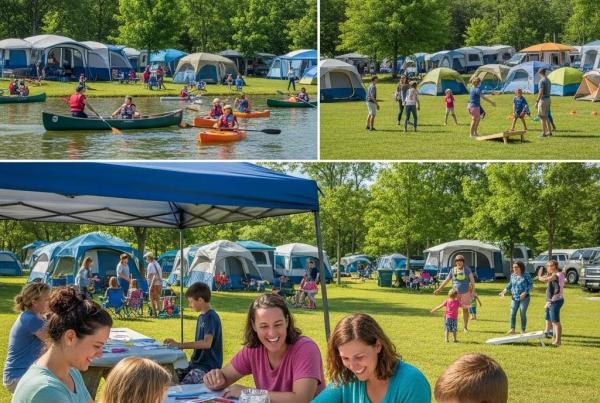
Stay-and-play campgrounds are essentially campground resorts that bundle on-site entertainment, various lodging options, and modern conveniences to make family trips a breeze. They work by concentrating amenities—like water features, playgrounds, and scheduled events—so your family spends less time traveling between activities and more time enjoying them right there. This means more efficiency, safer supervised fun for the kids, and predictable comfort for the adults. Let’s dive into the features that make this experience so appealing.
What Features Define a Stay-and-Play Campground?
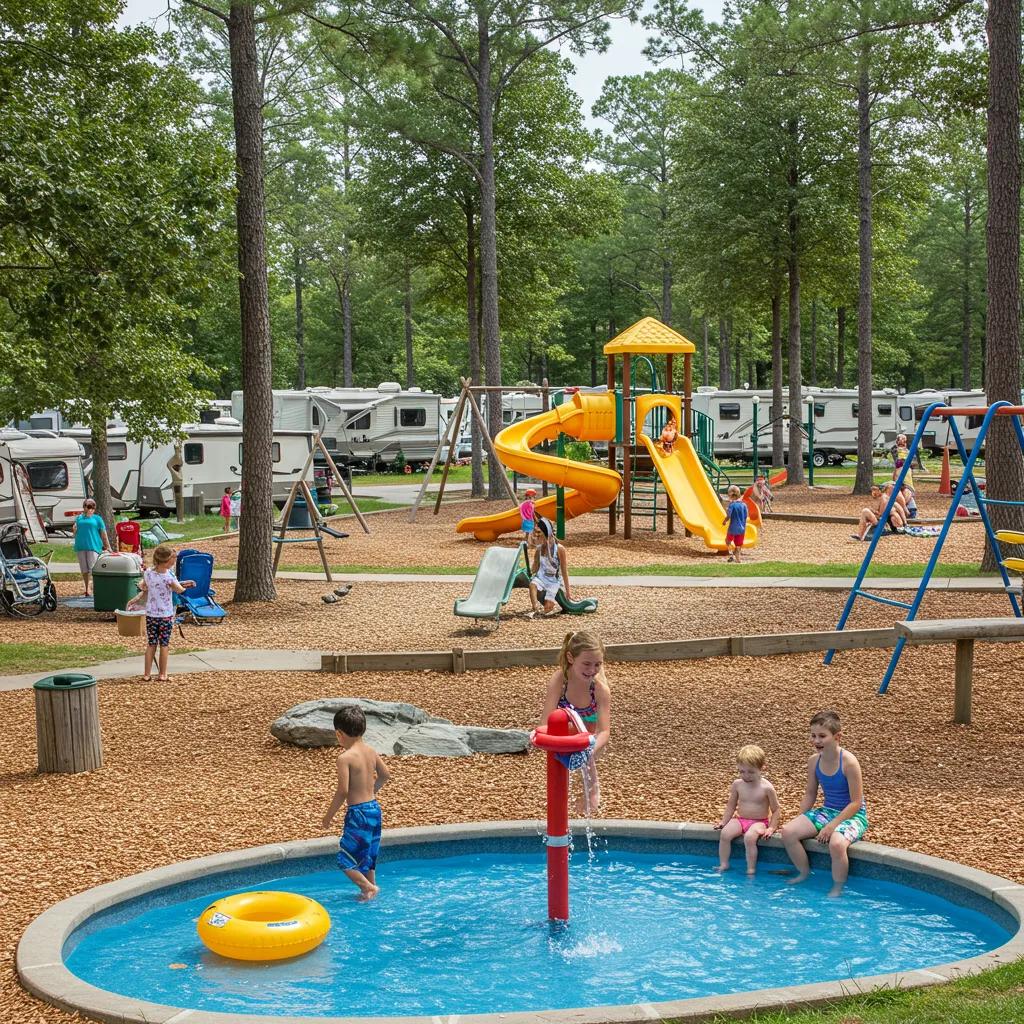
Stay-and-play campgrounds typically offer a range of accommodation choices, staffed services, and activity-focused infrastructure designed for family stays. These features cut down on setup time and provide reliable amenities for everyone. You’ll often find on-site water attractions, rental options, and up-to-date restrooms that make longer stays much more practical. Here’s a look at common features and how they benefit families.
- RV sites: These spots come with hookups, giving your family’s RV a comfortable place to stay.
- Tent camping areas: For those who love traditional tent camping, these sites offer proximity to the main amenities.
- Cabin rentals: If tents and RVs aren’t your style, cabins provide a comfortable alternative for easier stays.
- Wibit water park and swimming lake: A central hub for water fun that will keep kids entertained for hours.
- Programmed family events: Themed activities that create easy-to-follow itineraries and opportunities to connect with others.
These features explain why stay-and-play sites are so popular with families looking for convenience and a variety of things to do. Now, let’s look at who benefits most from this type of camping.
Who Should Choose Stay-and-Play Campgrounds?
Stay-and-play campgrounds are perfect for travelers who prioritize convenience, a wide array of activities, and less logistical hassle for their families. This includes parents with young children, groups of multiple families, and visitors who prefer ready-made entertainment over detailed planning. They might be less ideal for campers seeking absolute quiet or the lowest possible cost, where a standard campground might be a better match.
Stay and Play Packages in Tourism Planning
When developing the trip planner, stay and play packages and
Tourism strategies for Fort St. James, 2010
What Are the Main Advantages of Stay-and-Play Camping?
Stay-and-play camping offers comfort, structured activities, and safety features that simplify family vacations. Guests enjoy easy access to amenities like updated bathrooms, full hookup sites, and supervised play areas, which reduce stress and boost enjoyment. Scheduled events and central facilities encourage social interaction and predictable daily routines for families. The next section compares this model to traditional campgrounds to help you see the trade-offs.
How Do Standard Campgrounds Differ and Who Are They Best For?
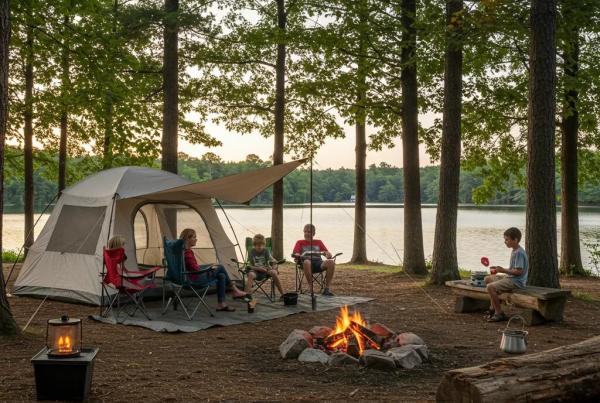
Standard campgrounds focus on minimal infrastructure, natural surroundings, and self-reliance, which leads to a more immersive nature experience and lower costs. They typically offer dispersed sites or basic loops without extensive organized activities, encouraging visitors to create their own adventures. The upside is greater solitude, lower nightly rates, and closer access to trails, wildlife, and peaceful evenings. Here’s what you can generally expect at a standard campground.
What Are the Core Characteristics of Standard Campgrounds?

Standard campgrounds usually have basic facilities, more space between sites, and fewer on-site services compared to resort-style parks. Campers often find no full hookups, limited staff, and simple restrooms that require more planning. This setup appeals to campers who prefer developing their outdoor skills and enjoying quieter settings over conveniences. Here are some typical characteristics.
- Minimal infrastructure: The focus is on the natural landscape with fewer built amenities.
- Limited programming: Few, if any, daily events or organized activities are offered.
- Lower nightly cost: Fees are reduced, reflecting the fewer included services.
These characteristics attract campers who value independence and less oversight. Next, we’ll explore which types of campers are drawn to this approach.
Which Campers Prefer Standard Campgrounds?
Campers seeking solitude, budget-friendly trips, or a hands-on outdoor challenge often prefer standard campgrounds. Backpackers, families on a tight budget who are comfortable with DIY camping, and experienced outdoorspeople frequently choose these sites to deepen their connection with nature. This preference stems from valuing quiet, dispersed sites, and extensive trail access. The next section will cover the main benefits of this traditional camping experience.
What Are the Benefits of Traditional Camping Experiences?
Traditional camping helps build skills, resilience, and a stronger sense of place through unplugged time and hands-on activities. Campers get opportunities for navigation, campfire cooking, and observing wildlife without the distractions of resort amenities. Lower costs also mean more budget for extended trips or better outdoor gear. Understanding these benefits can help families decide which trade-offs align with their vacation goals.
What Are the Pros and Cons of Stay-and-Play Campgrounds?
When evaluating stay-and-play options, it’s important to weigh the convenience and variety of activities against the cost and potential for crowds. Stay-and-play sites excel at providing convenience, consistent amenities, and family programming, which reduces the planning burden and increases supervised fun. The trade-offs usually involve higher nightly rates and a more social, lively atmosphere that might mean less solitude. Here’s a quick comparison table to help guide your decision.
This table compares the core features of stay-and-play and standard campgrounds.
This comparison shows how concentrating amenities changes the camping experience. The following paragraphs will look more closely at comfort, activities, and social aspects.
How Does Comfort and Convenience Compare in Stay-and-Play Campgrounds?
Comfort at stay-and-play campgrounds comes from features like full hookup sites, updated bathrooms and showers, and cabin rentals that remove everyday hassles for families. These amenities support longer stays and less gear-related stress, which is especially helpful for less experienced campers. The reduced setup time and on-site services often justify the higher fees for families who prioritize ease. Next, we’ll explore the range of entertainment and programming these parks offer.
What Entertainment and Activities Are Available?
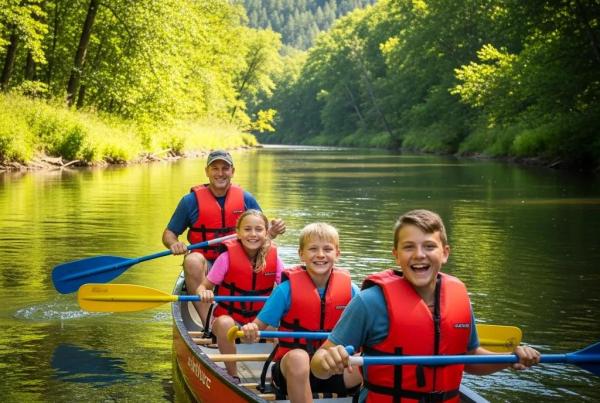
Stay-and-play campgrounds offer a wide variety of on-site entertainment, including water parks, playgrounds, sports courts, and daily themed events. Organized activities keep children engaged and provide adults with predictable schedules for relaxation or participation. Specific attractions like a Wibit water park and canoe rentals make water-based fun and exploration accessible for mixed-age groups. After activities, families often appreciate the convenience of an on-site store and pavilion rentals for group get-togethers.
Glamping: Convenient and Luxurious Family Camping
Glamping is a new pattern of camping travel using more convenient and luxurious amenities. Family vacationers’ willingness to pay for glamping travel sites: A family functioning segmentation
Family vacationers’ willingness to pay for glamping travel sites: A family functioning segmentation, SO Lyu, 2020
What Are the Cost and Social Considerations?
The cost trade-offs for stay-and-play camping include higher nightly rates but bundled entertainment and fewer expenses for outside activities. Socially, these campgrounds foster a lively, community atmosphere that many visitors find enjoyable and family-oriented. However, the increased density can mean more noise and less privacy compared to standard campgrounds. We’ll now look at the pros and cons of the standard model to provide a balanced perspective.
What Are the Pros and Cons of Standard Campgrounds?
Standard campgrounds offer affordability and a deeper connection to nature, but they require more self-sufficiency and a willingness to accept simpler facilities. They provide quieter stays, more dispersed site options, and lower fees that appeal to budget-conscious families and those seeking solitude. The limitations include fewer planned activities and greater logistical considerations for sanitation and weather protection. Here’s a short list of tangible benefits for those who prioritize nature and budget.
- Lower cost per night: Allows for longer trips on a tighter budget.
- Natural settings: Enhances opportunities for wildlife viewing and quiet evenings.
- Skill-building: Encourages hands-on camping, navigation, and cooking.
These benefits explain why many campers still opt for standard sites despite the fewer conveniences. Next, we’ll cover common challenges and offer practical tips.
How Does Affordability and Nature Connection Benefit Campers?
The affordability of standard campgrounds allows families to put their funds toward experiences like guided hikes or gear upgrades instead of resort fees. Nature connection is stronger when amenities are minimal, enabling campers to focus on trails, stargazing, and quiet time. These priorities make standard sites an excellent, educational option for children learning outdoor skills. The next section reviews practical challenges families should be prepared for.
What Challenges Do Standard Campgrounds Present?
Challenges include managing logistics for water, toilets, and weather, as well as longer setup and teardown times compared to amenity-rich parks. Families need to pack extra supplies, coordinate food and gear, and accept fewer immediate conveniences. On-site supervision and safety presence are typically lower, requiring parents to be proactive. The following section will discuss how privacy and seclusion play a role in the decision.
How Does Privacy and Seclusion Factor Into the Experience?
Privacy at standard campgrounds depends on how sites are spaced and their location within the park; dispersed sites often provide the most quiet and solitude. This seclusion can be the main draw for couples or small families wanting uninterrupted time in nature. It comes at the trade-off of on-site services and safety presence that some parents prefer. Understanding these trade-offs will help inform the decision matrix that follows.
How to Choose Between Stay-and-Play and Standard Campgrounds for Your Family Trip?
Making the right choice means matching your priorities to the campground’s features: your budget, your children’s ages, the types of activities you want, and how far you’re willing to travel will all point you toward the best fit. A simple three-step checklist can help narrow down your options: list your priorities, compare the amenities you need, and confirm logistics like site type and cancellation policies. The decision matrix below helps map your family’s priorities to the recommended campground type.
This decision table links family priorities to campground recommendations.
This matrix clarifies the trade-offs and helps your family make the most practical choice. Next, we’ll outline specific questions to ask before you book any site.
What Factors Should Influence Your Campground Choice?
Key factors include your budget, your children’s ages and activity needs, how much solitude you desire, and the travel distance to the site. Consider whether you need full hookup sites, cabin rentals, or tent areas that match your gear and experience level. Also, weigh the program schedules and on-site services against the cost and expected crowd levels. These considerations lead directly to practical booking questions.
What Questions Should You Ask Before Booking?
Before you book, confirm essential policies and facilities to avoid surprises and ensure a smooth stay. Ask about hookups, the condition of showers and restrooms, daily event schedules, pet policies, and cancellation terms. Verify parking arrangements, check-in procedures, and the availability of nearby services for groceries or emergencies. Asking these questions will speed up your planning and reduce on-site stress.
- Does the campground offer full hookup sites or cabin rentals?
- Are daily family events or programmed activities scheduled?
- What are the restroom and shower standards?
Getting answers to these questions helps families set realistic expectations and choose the right site. Next, we’ll present a concrete stay-and-play example that shows how amenity-rich offerings translate into family value.
Why Is Walnut Hills Family Campground a Top Stay-and-Play Option?
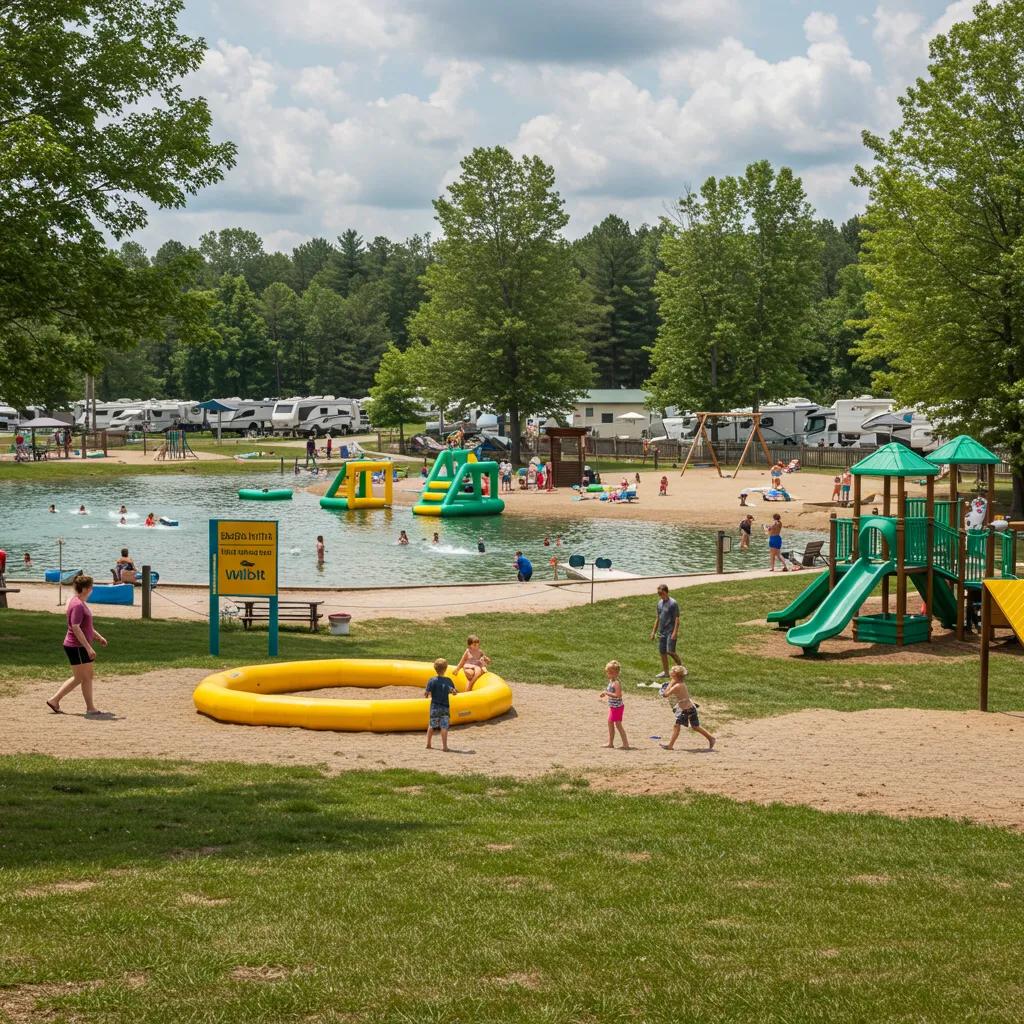
Walnut Hills Family Campground, part of GatherGrounds Resorts in Durand, Michigan, is a prime example of a full-service, amenity-rich camping experience that perfectly aligns with family needs. The property boasts features like a Wibit water park, a swimming lake, canoe rentals on the Shiawassee River, multiple playgrounds, updated bathrooms and showers, full hookup sites, RV sites, tent camping areas, and cabin rentals. These amenities minimize planning effort and ensure children have daily entertainment through family events and planned activities. Families looking for a stay-and-play model should consider Walnut Hills for its blend of natural access and modern comforts; you can check reservation availability directly through the campground operator when you’re ready to plan.
This table lists Walnut Hills amenities and who benefits most.
These specific examples illustrate how an amenity-rich campground can support diverse family priorities and simplify trip planning.
Frequently Asked Questions
What should I consider when choosing between stay-and-play and standard campgrounds?
When deciding between stay-and-play and standard campgrounds, consider factors such as your budget, the ages of your children, desired activities, and the level of comfort you seek. Stay-and-play campgrounds are ideal for families wanting convenience and structured activities, while standard campgrounds suit those looking for solitude and lower costs. Assess your family’s priorities, such as the need for amenities like full hookups or cabin rentals, to make an informed choice that aligns with your trip goals.
Are stay-and-play campgrounds suitable for large family gatherings?
Yes, stay-and-play campgrounds are particularly well-suited for large family gatherings. They offer a variety of amenities and programmed activities that cater to different age groups, making it easier to keep everyone entertained. Facilities like communal areas, playgrounds, and organized events foster social interaction, allowing families to bond while enjoying shared experiences. Additionally, the convenience of on-site accommodations reduces logistical challenges, making it simpler to coordinate group activities and meals.
What types of activities can families expect at stay-and-play campgrounds?
Families at stay-and-play campgrounds can expect a wide range of activities designed to engage all ages. Common offerings include water parks, organized sports, themed events, and nature trails. Many campgrounds also provide rental options for equipment like canoes or bikes, enhancing the outdoor experience. These activities are typically scheduled throughout the day, allowing families to plan their time effectively and ensuring that children have plenty of opportunities for supervised play and social interaction.
How do standard campgrounds support skill development for children?
Standard campgrounds provide an excellent environment for children to develop outdoor skills through hands-on experiences. With fewer amenities, kids are encouraged to engage in activities like navigation, campfire cooking, and wildlife observation. This setting fosters independence and resilience, as children learn to adapt to their surroundings and manage basic camping tasks. The natural environment also offers opportunities for exploration and learning about ecosystems, making it a rich educational experience for young campers.
What are the typical costs associated with stay-and-play campgrounds?
Stay-and-play campgrounds generally have higher nightly rates compared to standard campgrounds due to the extensive amenities and services they offer. Costs can vary based on the type of accommodation, such as RV sites, cabins, or tent areas, as well as the season and location. While the initial expense may be higher, families often find that the bundled entertainment and reduced need for external activities can offset these costs, making it a worthwhile investment for a hassle-free vacation.
Can I find pet-friendly options at stay-and-play campgrounds?
Many stay-and-play campgrounds offer pet-friendly accommodations, but policies can vary widely. It’s essential to check with the specific campground regarding their pet policies, including any restrictions on breeds, size, or the number of pets allowed. Some campgrounds may provide designated pet areas or activities, while others might have specific rules to ensure a safe and enjoyable environment for all guests. Always confirm these details before booking to ensure a smooth experience for you and your furry friends.
Conclusion
Choosing between stay-and-play and standard campgrounds can significantly impact your family’s outdoor experience, balancing convenience with immersion in nature. Stay-and-play campgrounds offer a wealth of amenities and structured activities that cater to families seeking ease and engagement, while standard campgrounds provide a more budget-friendly option with deeper nature connections. Understanding these differences empowers families to make informed decisions that align with their unique needs and preferences. Start planning your next adventure by exploring the campground options that best suit your family’s priorities today.