
Tent Camping vs. RV Camping: Key Differences Every Camper Should Know at Walnut Hills Family Campground
Tent camping and RV camping offer distinct ways to experience the outdoors at places like Walnut Hills Family Campground in Durand, Michigan. This guide breaks down the practical differences between tent sites and RV sites, why those differences matter for families and groups, and how local amenities like river access and on-site attractions can influence your choice. You’ll learn about the core contrasts in immersion, setup effort, weather protection, and cost, with local examples showing how sites near the Shiawassee River or RV sites with hookups can change your decision. We’ll compare initial and ongoing expenses, list shared and site-specific amenities, detail setup and weather strategies, and offer scenario-based recommendations to help you pick the best option for your group. By the end, you’ll have a clear framework and practical next steps for reserving the right site at Walnut Hills Family Campground.
What Are the Main Differences Between Tent Camping and RV Camping?
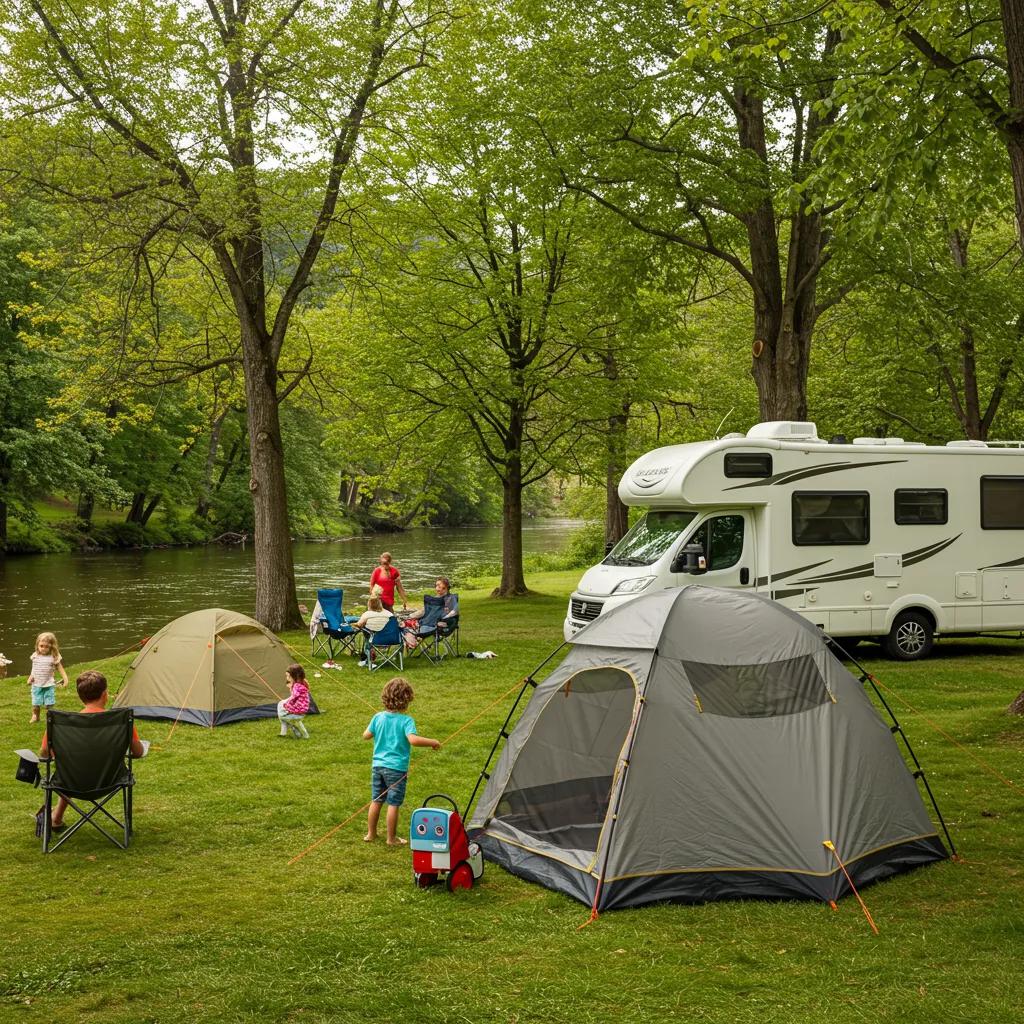
Tent camping focuses on direct nature immersion with minimal infrastructure, while RV camping emphasizes built-in comfort, climate control, and utility hookups. Tent camping puts you right at ground level, letting you hear the sounds and see the sights of nature up close, offering a more primitive outdoor recreation experience. RV camping, on the other hand, is like having a mobile accommodation with beds, a kitchen, and enclosed shelter. Both styles offer family-friendly benefits but differ in setup time, gear needs, and typical campsite requirements. Understanding these distinctions helps campers choose sites that match their priorities for cost, exposure to weather, and closeness to activities.
This table provides a quick overview of the main characteristics to help you scan the key differences.
This matrix clarifies the tradeoffs to consider when selecting a Walnut Hills tent site or an RV site, and it leads into how those tradeoffs affect budgets and amenity use at the campground.
How Does Tent Camping Offer a Unique Nature Immersion Experience?
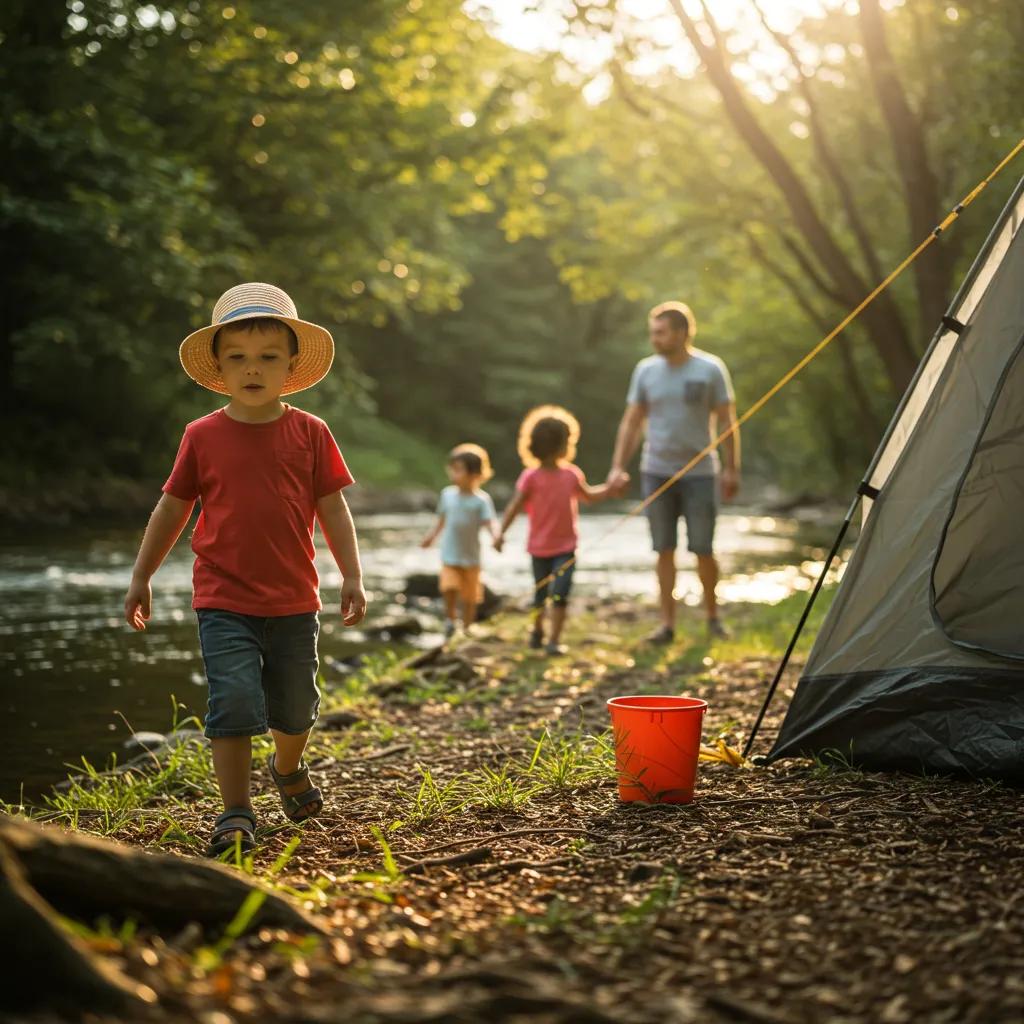
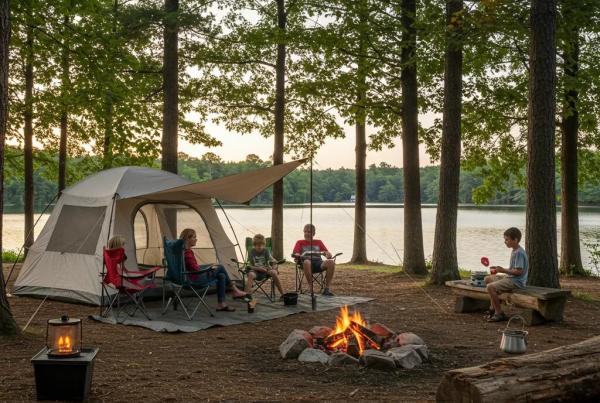
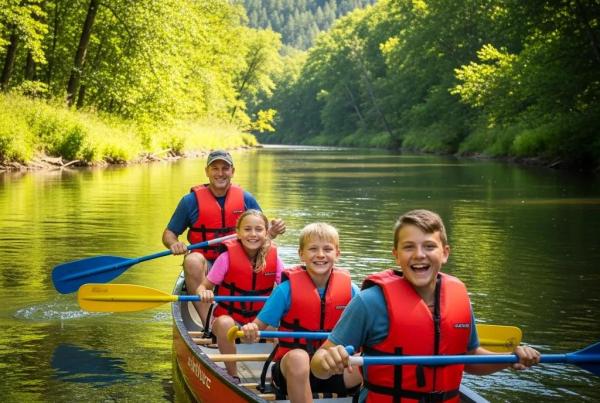
Tent camping places you at ground level, allowing for direct sensory engagement with your surroundings. You can hear the river currents, feel the nighttime breezes, and observe wildlife up close. This immersion encourages spontaneous exploration and gives children hands-on experiences with nature, fostering curiosity and outdoor skills. At Walnut Hills, tent sites near the Shiawassee River offer easy access to float trips and shoreline activities that enhance this immersive effect. Families who prioritize outdoor discovery often choose tent sites for these experiential benefits and for the social bonding that comes from shared campsite tasks.
What Comforts and Conveniences Does RV Camping Provide?

RV camping offers comforts like enclosed sleeping areas, fixed beds, onboard kitchens, and the ability to run heating or air conditioning. This reduces exposure to weather and improves sleep quality. The built-in storage and lockable space also simplify organization for multi-day family trips and keep gear secure overnight. Walnut Hills RV sites with hookups support these conveniences by providing utility connections and proximity to renovated restrooms and showers, minimizing the need for portable solutions. For families seeking predictable comfort and quick shelter readiness, RV camping significantly lowers the physical demands of setup and tear-down.
How Do Costs Compare Between Tent Camping and RV Camping at Walnut Hills?
When comparing costs, it’s important to separate initial investment from ongoing expenses. Tent camping typically involves modest gear purchases, while RV ownership entails vehicle financing, insurance, and maintenance. The reason for these differences is straightforward: tents and portable gear are one-time, lower-cost items, whereas an RV is a high-value asset with recurring costs like fuel, storage, and servicing. Site fees also play a role; tent sites often have lower nightly rates than full-hookup RV sites, though amenity use can offset savings. For clarity, the following table breaks down common cost categories so you can weigh initial versus ongoing costs.
Before finalizing your budget, consult Walnut Hills’ rates page for current site fees and consider how the amenities you plan to use will affect the overall cost. The next section explains how shared attractions at the campground influence value for both tent and RV campers.
This numbered list highlights primary cost factors campers should compare when choosing between tent and RV options.
- Compare one-time gear purchases versus recurring vehicle ownership costs.
- Factor nightly site fees alongside expected amenity use and supplies.
- Include travel fuel and potential storage or servicing fees for RV ownership.
What Are the Initial and Ongoing Expenses for Tent Camping?
Initial tent camping expenses typically include a tent, sleeping systems, a cook setup, and lighting. These items create a low-to-moderate barrier to entry for new campers. Ongoing costs are mainly consumables—fuel for stoves, food, replacement gear—and occasional upgrades to improve comfort or durability. Tent camping often scales well for occasional family trips because extra campers require minimal incremental spending compared to vehicle-based options. Budget-minded families can prioritize versatile, durable gear to reduce long-term replacement costs and maximize value per trip.
How Do RV Camping Fees and Maintenance Affect Your Budget?
RV camping introduces recurring line items such as routine maintenance, insurance, fuel, and potential storage fees, which collectively raise the ongoing cost compared to tent camping. Site fees for full-hookup RV sites at campgrounds are another influencing factor because they support water, electric, and sewer access that enable onboard amenities to function. For families who use an RV frequently, the per-trip cost can decrease compared to repeated tent rentals, but the fixed costs remain significant. That tradeoff—comfort and convenience versus higher recurring costs—is central to deciding if an RV is the right long-term investment.
Which Amenities and Facilities Enhance Tent and RV Camping Experiences at Walnut Hills?
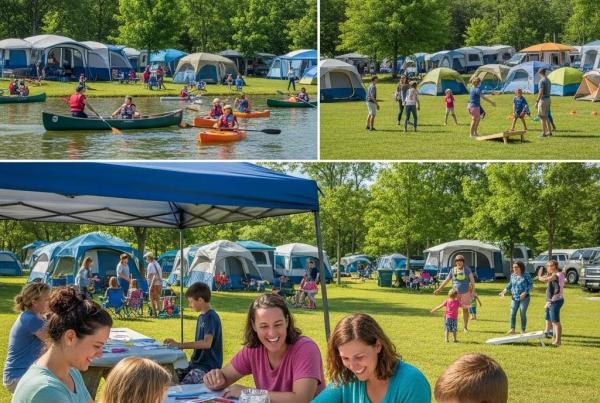
Shared campground amenities enhance the practical value of each camping style by creating on-site experiences that require little extra gear. Amenities like the Wibit water park, playgrounds, a large dog park, and organized weekend events provide ready activities for families, while Cheff’s Canoe Rental offers river access that complements tent or RV stays alike. These shared attractions reduce the need to bring specialized equipment and boost family activity options regardless of site choice. The table below maps key amenities to how they serve tent campers and RV campers to make the differences clear.
This mapping shows how shared amenities produce overlapping value, which often narrows the practical differences between tent and RV experiences at Walnut Hills.
The campground’s list of features also includes practical, site-level benefits that campers should consider.
- Playgrounds and family events provide supervised activity options.
- Renovated bathrooms and showers reduce reliance on portable solutions.
- A campground store and sports courts simplify day-to-day needs for families.
These shared facilities often influence decisions toward site types that best place your group near the attractions you plan to use.
What Tent Camping Facilities Are Available Near the Shiawassee River?
Tent sites near the Shiawassee River prioritize easy water access and scenic shade, enhancing river-based activities and family exploration. Proximity to Cheff’s Canoe Rental supports float trips without long carries, and river-adjacent sites often offer natural screening for privacy and wildlife viewing. Pack lightweight river gear, quick-dry clothing, and secure dry bags to protect electronics and sleeping gear. Reserving a river-adjacent tent site early is recommended for peak family weekends when water activities are in high demand.
What RV Site Amenities Include Full Hookups and Modern Comforts?
RV sites with full hookups provide water, electric, and sewer connections, enabling air conditioning, refrigeration, and onboard plumbing—features that simplify multi-day stays for families. Level pads and generous parking space reduce setup friction and allow easy access to shared restroom facilities when needed. Renovated bathrooms and showers across the campground complement RV utilities for larger groups who still prefer modern amenities. Choosing an RV site close to playgrounds or the Wibit concentrates family activities within a short walk.
How Do Shared Amenities Like the Wibit Water Park and Dog Park Serve All Campers?
Shared attractions create common ground where tent and RV campers gather for family-friendly recreation and community events, enhancing the social aspect of camping. The Wibit water park provides a low-prep, high-fun option for kids that requires no specialized gear from most families, while the dog park supports pet owners in both camping styles. Event weekends and sports courts extend daytime options and reduce planning overhead because the campground supplies the activities. These shared amenities strengthen the case for choosing the site type that puts your group closest to the activities you value most.
How Do Setup, Comfort, and Weather Protection Differ Between Tent and RV Camping?
Setup complexity and weather resilience determine how quickly you can get comfortable and how protected your group will be from the elements. Tent setup involves pitching fabric, staking, and campsite preparation, which promotes teamwork but requires physical effort and contingency planning for rain or wind. RV setup centers on parking, leveling, and connecting utilities, which takes less physical strain but requires additional equipment and driver skill. Both approaches benefit from pre-trip checklists that prioritize safety and comfort to ensure predictable stays regardless of weather.
This checklist outlines essential setup steps to compare physical effort and readiness for each camping style.
- Tent setup: select level ground, clear debris, stake and tension the shelter.
- RV setup: align, level, deploy stabilizers, and connect water/electric/sewer as available.
- Weather prep: secure rain protection, pack layered bedding, and have emergency supplies.
These steps highlight differences in physical demands and preparation strategies, and they lead into specific tips for minimizing setup time and improving weather protection.
What Is the Setup Process and Physical Effort Required for Tent Camping?
Pitching a tent typically involves clearing a site, laying a footprint, assembling poles, and staking. For families, dividing tasks makes the process efficient and safe. Tent setup is more physically active and can take longer with larger family shelters and tarps, especially in variable weather. Bring a compact toolkit, extra guylines, and quick-dry shelter components to speed assembly and protect against wind or rain. Practicing tent setup at home and assigning roles reduces onsite stress and maximizes time for activities.
How Does RV Camping Simplify Setup and Provide Climate Control?
RV setup streamlines shelter readiness by moving living quarters onto a wheeled platform that becomes habitable after parking, leveling, and connecting utilities. Once hooked up, climate control systems quickly stabilize interior temperatures, improving sleep and reducing exposure risks during storms. Onboard kitchens and enclosed spaces also simplify meal prep and gear storage, letting families focus on activities rather than shelter maintenance. For groups sensitive to weather or with mobility limitations, RV camping offers a reliable, lower-effort shelter model.
Which Camping Style Is Best for Families and Groups at Walnut Hills?
The best camping style depends on your priorities: cost sensitivity, desire for nature immersion, group size, and accessibility needs. For young, adventurous families seeking river activities and close nature contact, tent camping is often recommended due to its direct access and lower gear costs. For multi-generational groups, families with older members, or those prioritizing comfort and minimal setup, RV camping provides space, storage, and predictable shelter. Assessing these priorities yields an actionable decision framework that aligns your family’s needs with Walnut Hills’ site offerings and amenities.
This short decision checklist helps families choose between tent and RV camping based on top priorities.
- Budget priority: choose tent camping for lower initial costs.
- Comfort or mobility needs: choose RV camping for indoor amenities and climate control.
- Activity focus: choose the site near the river or shared amenities you plan to use.
After prioritizing your needs, check site availability and plan your reservation through Walnut Hills’ online reservations to secure the ideal site for your dates and group.
What Makes Tent Camping Ideal for Nature-Loving Families?
Tent camping is ideal when families prioritize immersive outdoor learning, campfire routines, and shoreline access for river floats or lakeside play. The lower equipment investment enables larger groups to participate without the financial barrier of vehicle ownership, and kids benefit from hands-on nature exploration. Tent sites near the river at Walnut Hills create easy transitions between campsite and water activities, increasing daily variety during a stay. Families focused on exploration and skill-building will find tent camping aligns well with those goals.
How Does RV Camping Support Larger Groups and Comfort Needs?
RVs provide dedicated indoor spaces, multiple sleeping areas, and kitchen facilities that streamline meal prep and rest for larger or multi-generational groups. Storage capacity and lockable interiors reduce concerns about gear security, and onboard utilities enable longer comfortable stays regardless of weather. At Walnut Hills, selecting an RV site with full hookups and proximity to key amenities helps maximize convenience for family schedules. When comfort and continuity of routine matter most, RV camping supports those priorities.
How Can You Decide Between Tent and RV Camping Based on Your Family’s Priorities?
To decide, rank your priorities in order—budget, weather tolerance, group size, planned activities—and match them to the site features you need, such as river adjacency for tent camps or full hookups for RVs. Consider hybrid options available at many campgrounds, like cabin rentals or seasonal RV sites, if your group needs a middle ground. Finally, confirm site availability and make reservations early using the campground’s online reservation system to secure the best location for your chosen camping style. This approach converts your priorities into a concrete booking plan for a successful family stay at Walnut Hills Family Campground.
Frequently Asked Questions
What are the best practices for tent camping setup at Walnut Hills?
When setting up a tent at Walnut Hills, choose a level area free of debris and sharp objects. Lay down a footprint to protect the tent floor, then assemble the poles and stake the tent securely. It’s advisable to practice this process at home to ensure efficiency. Additionally, consider weather conditions; having a rainfly and extra guylines can provide added protection against wind and rain. Organizing tasks among family members can also streamline the setup process, making it a fun group activity.
What should families consider when choosing between tent and RV camping?
Families should evaluate their priorities, such as budget, comfort, and planned activities. Tent camping is generally more cost-effective and offers a closer connection to nature, making it ideal for adventurous families. In contrast, RV camping provides more comfort and amenities, which can be beneficial for larger or multi-generational groups. Consider the ages and needs of all family members, as well as the types of activities you plan to engage in, to make the best choice for your camping experience.
How can weather conditions impact the camping experience at Walnut Hills?
Weather can significantly affect both tent and RV camping experiences. Tent campers may face challenges like rain or wind, which can complicate setup and comfort. It’s essential to have proper gear, such as waterproof tents and tarps. RV campers benefit from climate control and protection from the elements, but they should still prepare for potential weather-related issues, such as securing outdoor items during storms. Always check the weather forecast before your trip to ensure a safe and enjoyable experience.
What types of activities are available for families at Walnut Hills Campground?
Walnut Hills Campground offers a variety of family-friendly activities, including access to the Wibit water park, playgrounds, and organized events. Families can also enjoy canoe rentals for river floats, which are particularly appealing for those camping near the Shiawassee River. These amenities enhance the camping experience by providing entertainment and opportunities for social interaction, making it easier for families to bond and create lasting memories during their stay.
Are there any specific safety tips for camping with children at Walnut Hills?
When camping with children, safety is paramount. Always supervise kids near water and ensure they wear life jackets during water activities. Set clear boundaries for where they can explore and establish a meeting point in case anyone gets lost. Additionally, teach them about wildlife safety and the importance of not approaching animals. Having a first aid kit on hand and knowing the location of the nearest medical facility can also provide peace of mind during your camping trip.
What are the advantages of reserving a campsite early at Walnut Hills?
Reserving a campsite early at Walnut Hills ensures you secure your preferred site, especially during peak seasons when demand is high. Early reservations allow you to choose locations that are close to desired amenities, such as the river or playgrounds, enhancing your camping experience. Additionally, booking in advance often provides better rates and options for specific site types, whether you prefer tent or RV camping. This proactive approach helps avoid last-minute stress and ensures a smoother planning process for your family trip.
Conclusion
Choosing between tent camping and RV camping at Walnut Hills Family Campground allows families to align their outdoor experience with their unique priorities, whether it’s cost, comfort, or immersion in nature. Each option offers distinct advantages, from the simplicity and adventure of tent camping to the convenience and amenities of RV camping. By understanding these differences, you can make an informed decision that enhances your family’s camping experience. Start planning your ideal getaway today by checking site availability and making a reservation online.