Comparing Costs: Tent Sites vs. RV Sites at Ridge Ranch Campground – Is There a Big Price Gap?
Ridge Ranch Campground offers both tent and RV sites, sparking a common question for families and travelers: is tent camping noticeably cheaper than parking an RV? This guide breaks down how site types, hookups, seasonality, and extra costs influence nightly and extended-stay pricing. We’ll compare typical tent and RV expense profiles so you can make smart, value-driven choices. You’ll discover industry-standard nightly and weekly rates, which amenities most impact price, how location and seasonal demand shift costs, and practical booking steps tailored for Ridge Ranch Campground. We’ll use camping pricing terms like “lakefront tent sites” and “full-hookup RV sites,” along with specific features like “electric hookup” and “sewer hookup,” and real-world cost categories like “fuel” and “maintenance” to show the total trip impact. After exploring these factors and cost comparisons, we’ll walk you through money-saving tips and the GatherGrounds Resorts reservation process, so you can check availability and book either Tent Sites or RV Sites with confidence. Let’s start by looking at the average cost breakdown to see where tenting and RVing typically align or diverge in value.
What Are the Average Costs of Tent Sites and RV Sites at Ridge Ranch Campground?
Understanding average campsite pricing sets expectations. Generally, nightly rates for tent and RV sites vary based on hookup level, site location, and the season. Tent sites commonly fall into categories like “standard” or “lakefront,” while RV sites range from basic “no-hookup” spots to “full-hookup” 30-amp and 50-amp tiers. Each is distinguished by its specific utilities: electric hookup, water hookup, and sewer hookup. For context, industry averages typically place tent nights in a modest range and RV nights in a higher range due to included utilities and infrastructure. This section provides an estimated pricing table (aligned with industry standards) and explains how Ridge Ranch’s features correspond to these tiers. Knowing these tiers will help you interpret Ridge Ranch’s current published rates directly on its booking resources.
Below is an estimated pricing table showing common nightly/weekly ranges and how they map to site attributes for your planning.
This table summarizes typical price bands and the reasons behind them. These ranges help campers forecast their budgets while checking the campground’s current rates. The next subsection dives into how tent-site nightly and seasonal pricing tends to shift between off-peak and peak periods.
How Much Does Tent Camping Cost per Night and Seasonally?
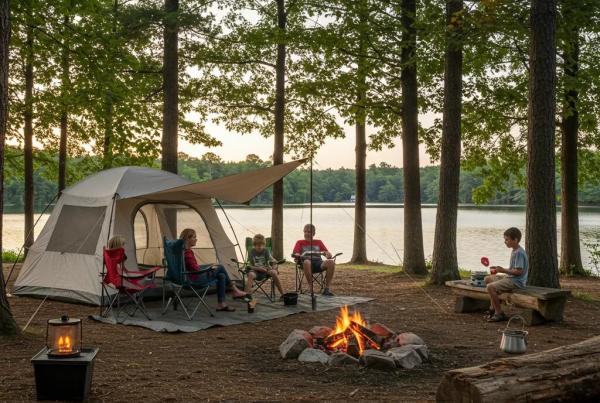
A tent site offers basic outdoor lodging, typically including a tent pad, picnic table, and fire pit. Pricing increases when location or added amenities come into play. Seasonal factors drive tent rates: off-peak months and weekdays see lower demand and thus lower nightly prices, while summer weekends and holidays create peak demand that pushes tent-site fees to the higher end of their range. Families choosing lakefront tent-site options will pay a premium for direct water access and proximity to playgrounds and rentals, which adds value but also increases the nightly cost. Understanding these seasonal shifts helps campers pick dates where tent camping offers the best cost-per-person value. This seasonal pattern naturally leads us to examine RV pricing tiers next.
What Are the Pricing Tiers for RV Sites with and without Full Hookups?
RV site pricing tiers reflect the presence and capacity of utilities—electric hookup (30-amp vs 50-amp), water hookup, and sewer hookup—as well as site layout, such as back-in or pull-through. Mechanically, full-hookup RV sites command higher nightly rates because they bundle ongoing utility access and convenience. No-hookup spots are priced lower but shift utility and comfort costs back to the traveler. At Ridge Ranch Campground, many RV Sites offer full hookups with water, electric, and sewer, which aligns with the higher end of typical RV price bands. Recognizing these tiers allows for comparisons that factor in both the nightly fee and potential downstream utility or service savings, which we’ll illustrate in the weekly and extended-stay comparison next.
How Do Weekly and Extended Stay Rates Compare for Tent and RV Sites?
Extended-stay pricing reduces the per-night cost through weekly or seasonal discounts, which is especially valuable for families seeking multi-night value near amenities like Ridge Ranch’s 17-acre lake. The reason these discounts exist is simple: campgrounds prefer longer bookings to reduce turnover and administrative effort, passing those savings onto guests. For tents, weekly stays often significantly reduce per-night rates during shoulder seasons. RV sites with included utilities may offer modest weekly discounts but provide greater absolute value when utility costs are factored in. Campers planning extended visits should compare the weekly cost—multiply the nightly rate by seven, then subtract estimated weekly discounts—to determine which site type offers the lower total budget for their group size and usage patterns.
What Amenities and Features Affect the Price Difference Between Tent and RV Sites?

Amenities drive price through both direct costs (infrastructure for hookups) and demand (family-friendly attractions near premium sites). Electric hookup, water hookup, sewer hookup, lakefront access, and proximity to playgrounds and planned activities are key factors that increase a site’s value and, consequently, its price. These amenities are integral to the site offering and explain why certain site types—like full-hookup RV sites or lakefront tent sites—are consistently priced higher than basic sites. Below is a table mapping common amenities to their expected effect on price, clarifying which features most significantly change rates and why.
This mapping clarifies the connection between specific amenities and their price impact, guiding campers to prioritize features that matter most for their trip goals. The next subsections outline which amenities tent sites include, what hookup options RV sites offer at Ridge Ranch, and how family-friendly features influence pricing.
Which Amenities Are Included with Tent Sites at Ridge Ranch?
Tent sites generally include basic features like a picnic table and fire pit. Some lakefront tent sites also offer direct access to the water and beach areas. The way included amenities affect price is through demand: tent sites closer to family activity zones or the 17-acre lake attract more interest and therefore a premium. At Ridge Ranch Campground, standard tent-site inclusions provide for basic camping needs, while premium tent-site options (lakefront) add convenience and higher perceived value. Campers should match their desired amenities to their budget to ensure the extra cost for lakefront or premium positioning delivers proportional enjoyment.
Common tent-site inclusions:
- Picnic table and fire pit at the site.
- Shared access to playgrounds and lakefront areas.
- Nearby parking pad and restroom facilities.
These standard inclusions offer a baseline of value. Choosing a premium tent site increases the cost but can reduce the need for paid rentals and off-site activities.
What Hookup Options and Utilities Are Available for RV Sites?
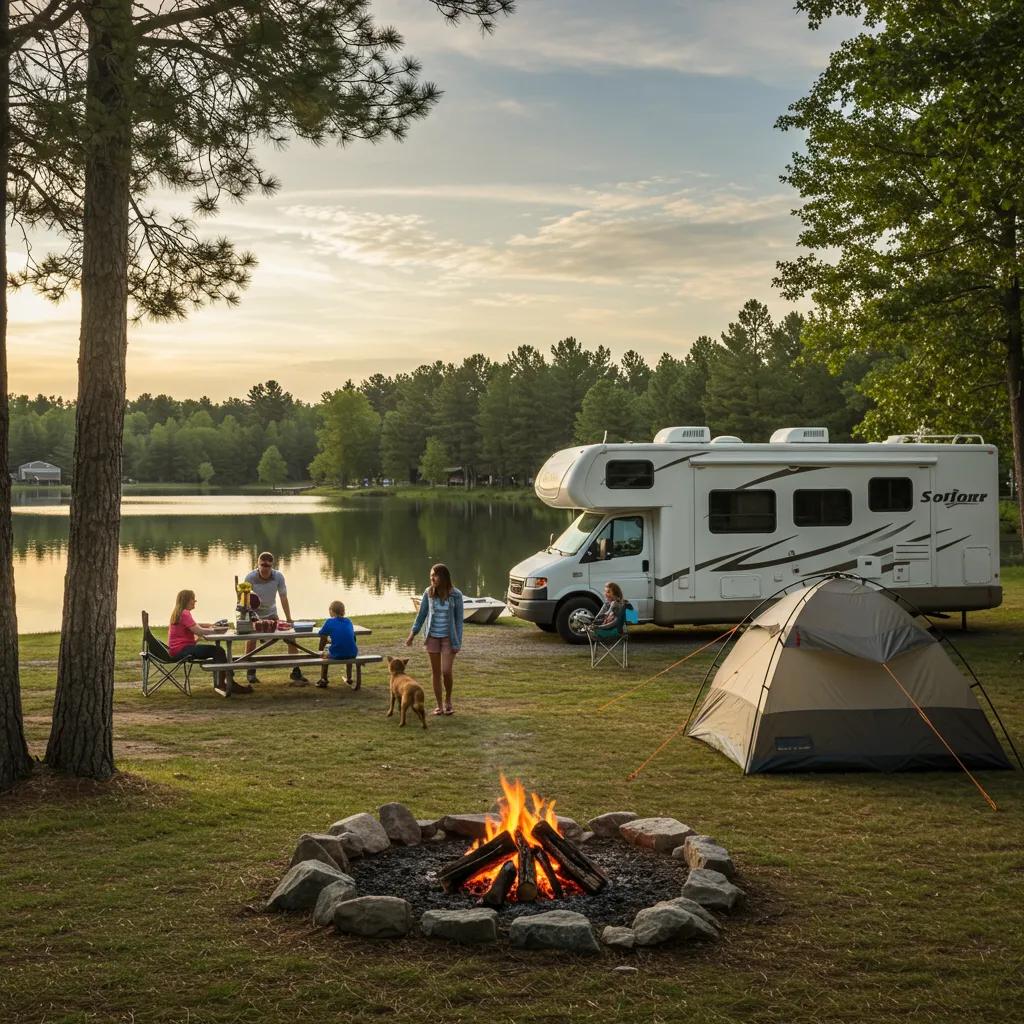
RV site hookups are structured around electric hookup (30-amp and 50-amp), water hookup, and sewer hookup options. Full-hookup sites combine all three for maximum convenience. The reason hookup options increase the nightly price is twofold: infrastructure costs plus the convenience value for RV owners who avoid external utility steps or additional service charges. At Ridge Ranch, many RV Sites offer full hookups—water, electric, and sewer—which supports longer stays and family convenience. Partial-hookup and no-hookup tiers remain options for budget-conscious travelers. Understanding which hookup tier you need helps clarify nightly rate choices and can reduce surprise utility costs during your stay.
How Do Family-Friendly Amenities Influence Site Pricing?
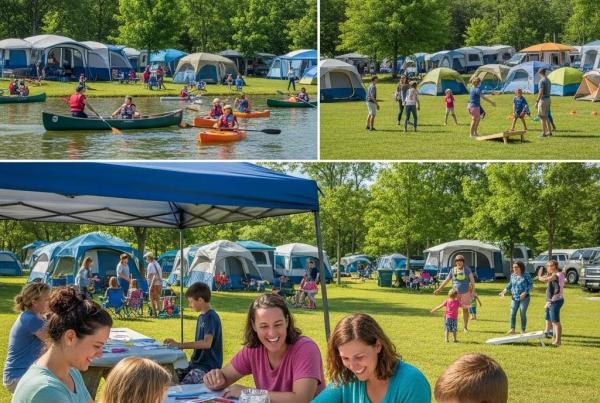
Family-friendly amenities—like paddleboat rentals, playgrounds, planned activities, and lake access—drive demand for nearby sites and therefore increase rates in those areas compared to quieter, more remote sites. The mechanism is straightforward: concentrated family amenities attract date-sensitive bookings (weekends, holidays), increasing occupancy and enabling price premiums. Ridge Ranch Campground’s family focus and 17-acre lake amplify demand for tent sites and RV sites near the lake with short walks to activities, which raises per-night pricing in those areas. Families should weigh these convenience premiums against their activity budgets when selecting a site to ensure the higher rate aligns with their planned usage.
How Do Seasonal and Location Factors Influence Campground Pricing at Ridge Ranch?

Seasonality and proximity to major routes shape demand cycles and pricing strategies. Peak summer months and holiday weekends lead to higher nightly fees, while off-season periods offer lower rates and greater availability. The reason seasonal trends matter is that campgrounds aim to balance occupancy and revenue—high demand means higher prices, and low demand means promotions or off-peak discounts. Ridge Ranch’s location near Interstate-80 enhances convenience for travelers passing through and weekend visitors, which can create pockets of elevated demand separate from purely seasonal trends. The following table outlines typical seasonal and location-driven effects on campsite pricing and helps campers anticipate when rates might be higher.
Key seasonal and location drivers include:
- Summer shoulder and high-season weekends.
- Holiday and event-driven demand spikes.
- Highway-driven transient demand from nearby Interstate-80.
What Seasonal Trends Affect Tent and RV Site Rates?
Seasonal trends are defined by months with higher outdoor activity—typically late spring through early fall—when both Tent Sites and RV Sites move into peak pricing tiers. The reason rates increase is demand elasticity: more campers compete for the same supply, a factor that affects both tents and RVs equally. However, RV rates may be higher in absolute terms due to hookups and infrastructure. Holidays and community events create short-term spikes beyond the normal seasonal window, making advance booking crucial. Understanding these seasonal dynamics allows campers to choose quieter windows at Ridge Ranch Campground for better per-night pricing.
How Does Ridge Ranch’s Location Near Interstate-80 Impact Pricing?
Proximity to Interstate-80 increases convenience-driven demand, especially among travelers seeking easy overnight stops or families on long journeys who prefer minimal detours. The mechanism here is that convenience raises willingness to pay; transient travelers often accept slightly higher rates for simplified logistics and reduced travel time. Ridge Ranch’s easy access can therefore sustain steadier occupancy outside strict peak seasons, helping the campground justify stable mid-range pricing for certain RV Sites and tent locations. For budget planning, consider these proximity premiums when comparing sites to more remote campgrounds.
Are There Additional Fees or Utility Charges to Consider?
Beyond the nightly rate, potential extra costs include reservation fees, pet fees, activity or rental fees (paddleboats, equipment), and occasional utility surcharges for heavy water or electric use. These costs are important because they convert an advertised nightly rate into a true trip expense. For RVs, utilities—if billed separately—can significantly alter the cost equation. Campers should explicitly check reservation terms and ask whether full-hookup RV Sites include utilities or if surcharges apply, then add those estimates into their total trip budget. Accounting for these extras before booking reduces the risk of surprise charges and supports a reliable cost comparison between Tent Sites and RV Sites.
What Are the Key Differences in Cost and Value Between Tent Camping and RV Camping?
Comparing tent and RV camping requires looking beyond the nightly fee to consider comfort, privacy, setup time, maintenance, fuel, and utility expenses—each a cost category that contributes to the overall value proposition. Tent camping’s lower infrastructure needs often result in the lowest direct site fees, but RV camping can offer savings in convenience and family comfort that offset higher nightly costs. To make this concrete, the table below compares typical cost categories and their ranges so readers can evaluate total-trip expenses rather than just per-night fees.
How Do Space, Privacy, and Comfort Levels Compare?
Space and privacy trade-offs vary by site type. Tent sites often provide a more immediate outdoor experience with compact footprints, whereas RV Sites typically offer greater living space, on-board amenities, and privacy features like enclosed sleeping areas and climate control. The mechanism is that built-in amenities and physical structure add perceived value and justify higher RV rates for families seeking comfort. Choosing between them depends on traveler goals—minimalist outdoor exposure favors tent sites, while multi-day family comfort and quick setup favors RV Sites. Those priorities should guide whether the higher RV nightly fee yields proportional subjective value.
What Are the Maintenance and Fuel Cost Considerations for RV Camping?
RV ownership introduces recurring costs—fuel for towing or driving, routine maintenance, and potential dump or servicing fees—that add to the site fees, creating a larger operational budget. The reason these costs matter is that they are largely independent of campground rates but directly affect the cost per trip. A week-long RV trip may require significant fuel and maintenance budgeting relative to a tent weekend. Campers should calculate estimated fuel and maintenance per trip and add it to projected site fees to compare the true costs of RV camping versus tenting. Practical budgeting for RV expenses ensures that nightly rate differences don’t mask larger operational costs.
Is Tent Camping Generally More Affordable Than RV Camping at Ridge Ranch?
Yes, tent camping is generally more affordable on a per-night basis at most campgrounds, including Ridge Ranch Campground, when comparing base site fees alone. However, the final cost comparison depends on seasonality, site selection, and utility inclusion. The mechanism is that tent sites have lower infrastructure costs and fewer built-in utility expenses, while RV sites that include full hookups command higher nightly fees but may save money on separate utility charges for long stays. For example, a multi-night family stay in an RV with included utilities might approach the total expense of a tent stay once fuel and maintenance are factored in. Therefore, the cheapest option will depend on travel distance, desired amenities, and length of stay. This direct answer clarifies that tenting is typically cheaper, but exceptions exist based on usage patterns.
How Can Campers Maximize Value and Save on Tent and RV Site Costs at Ridge Ranch?
Campers can maximize value by aligning timing, site selection, and amenity needs to minimize unnecessary premiums while still capturing the experiences they want. Strategic choices reduce the cost per person and improve overall trip satisfaction. Tactics include booking during off-peak windows, choosing mid-tier sites that meet essentials without premium location charges, and leveraging weekly or extended-stay discounts where available. The following numbered list outlines high-impact strategies to save on both Tent Sites and RV Sites at Ridge Ranch and similar campgrounds.
- Book midweek or shoulder-season dates to capture lower nightly rates and higher availability.
- Choose a non-lakefront site if the price premium outweighs the desire for daily water access.
- For RVs, select the lowest necessary hookup tier to avoid paying for unused utilities.
These strategies combine timing and site-type decisions to reduce total trip costs while maintaining the core camping experience. The summary that follows outlines how families can find package deals or discounts.
What Are the Best Times to Book for Lower Rates?
The best booking windows usually fall on weekdays and during shoulder seasons outside of peak summer holidays when demand and rates are highest. The reason is that campgrounds experience predictable demand cycles: weekends and holidays attract family bookings, while weekdays attract fewer reservations and often show lower prices. Advance booking for peak dates is essential, while last-minute weekday openings can yield savings for flexible travelers. Campers should monitor calendar availability and target off-peak weekdays to lock in lower per-night costs.
Are There Package Deals or Discounts for Families and Groups?
Campgrounds sometimes offer family or group discounts, activity bundles, and extended-stay pricing that reduce per-person costs when multiple sites or nights are booked together. The mechanism behind packages is volume-based pricing—campgrounds prefer larger, predictable reservations and pass savings to guests who provide that certainty. Families and groups should inquire about group bookings and check the campground’s published rates and notices for package availability to find the best value. Searching for bundled activity options can also reduce individual rental fees for paddleboats or planned activities.
How Can Choosing the Right Site Type Affect Your Overall Camping Budget?
Selecting the appropriate site type—matching tent or specific RV hookup tiers to actual needs—minimizes wasted features and reduces overall expense by avoiding unnecessary premiums. The reason correct site choice matters is that paying for a full-hookup RV site when only basic electric is needed wastes funds, while selecting a lakefront tent site for someone who won’t use the water access also reduces cost-efficiency. Example scenarios show a family can save by trading a premium lakefront site for a nearby non-premium site and allocating saved funds to activities instead. Thoughtful site selection balances comfort and cost to maximize total-trip value.
How Do You Reserve Tent and RV Sites at Ridge Ranch Campground?
Reserving a site involves checking availability, selecting a site type, reviewing fees, and making payment—each step designed to confirm the right fit before committing. The reservation process begins with searching dates and filtering by site type (Tent Sites or RV Sites) and hookup level, reviewing site photos and amenities, and then completing payment and confirmation. Below is a step-by-step walkthrough of the typical online reservation process used by GatherGrounds Resorts for Ridge Ranch Campground, followed by guidance on availability checks and cancellation policies to help travelers complete bookings with confidence.
- Search available dates on the campground’s booking portal and enter party size.
- Filter results by site type (Tent Sites or RV Sites) and any desired hookup levels.
- Review site photos, map location, and included amenities to confirm fit.
- Add reservation details, review nightly and any additional fees, then complete payment to receive confirmation.
This stepwise process ensures campers verify amenities and fees before finalizing their booking. Next, we’ll explain availability checks and pricing visibility before confirmation.
What Is the Step-by-Step Online Reservation Process?
The booking flow typically starts with entering your preferred dates and party size, followed by filtering for Tent Sites or RV Sites and desired hookup tiers. Then, you’ll review site-specific photos and map locations. After selecting a site, campers examine the rate breakdown for nightly charges and any additional fees, such as reservation or activity fees, then proceed to payment and receive a confirmation reference. The reason this sequence matters is that it allows one last validation of site features and expected costs before committing funds. Following these steps reduces booking errors and ensures the selected site matches both budget and amenity expectations.
Can You Check Availability and Pricing Before Booking?
Yes, availability calendars and rate previews allow campers to compare dates and site types, so you can see how pricing changes by date, day of the week, and season. The mechanism for dynamic pricing is that campgrounds update nightly rates based on occupancy and seasonal demand, so shoppers should compare several date windows to find optimal rates. Campers should also inspect cancellation windows and read rate notes for additional fees before payment to avoid surprises. Performing these checks before booking increases your chances of securing the best available rate for your desired site type.
What Are the Cancellation and Refund Policies?
Cancellation policies generally specify a window for full refunds, partial refunds, or non-refundable deposits. The exact timing and fees vary by campground and time of year. The mechanism is to balance operational certainty for the campground with consumer flexibility—shorter-notice cancellations often incur higher fees due to lost revenue. Campers should review the published cancellation windows and modification rules for Ridge Ranch Campground when making a reservation and consider travel protection for peak-season bookings. Contacting the campground directly is the recommended step if an exception or special arrangement is needed.
What Are the Most Common Questions About Tent vs. RV Site Costs at Ridge Ranch?
Answering common questions directly helps campers quickly assess which site type aligns with their budget and expectations by summarizing core price drivers and booking considerations. This FAQ-style section uses concise answers to top questions, clarifying cost comparisons, hookup availability, and how Ridge Ranch’s amenities influence value. The final set of questions addresses comparative costs, hookups, price drivers, and contextual comparisons to Ohio averages so readers can see Ridge Ranch’s likely position relative to statewide norms.
Is Tent Camping Cheaper Than RV Camping at Ridge Ranch?
Short answer: generally yes, on a per-night basis. This is because tent sites typically have lower infrastructure costs and fewer included utilities, though exceptions occur for long stays or certain peak periods. The reason is that RV sites with full hookups internalize utility infrastructure and convenience into the nightly fee, pushing RV rates upward compared to basic tent sites. Campers should calculate total costs—including fuel, maintenance, and any utility surcharges—to determine the actual cheaper option for their specific trip.
Do All RV Sites Include Full Hookups, and How Does This Affect Price?
No, not all RV sites include full hookups. Some sites offer partial hookups or no hookups, which changes the price tier substantially. Full-hookup RV sites command higher nightly rates because they include electric hookup, water hookup, and sewer hookup, while no-hookup sites cost less but require more external resource planning. Booking the correct hookup tier avoids paying for unnecessary infrastructure and ensures nightly rates align with on-site needs.
What Factors Influence the Price Difference Between Tent and RV Sites?
Several major factors explain price differences: amenities (hookups, lakefront access), seasonality (peak vs off-peak), site location (proximity to activities), and duration of stay (nightly vs weekly discounts). Each factor shifts demand or costs: hookups increase infrastructure value, lakefront access raises demand, peak seasons force higher rates, and extended stays often lower per-night prices. Understanding these factors helps campers predict price changes and prioritize spending.
How Does Ridge Ranch Compare to Other Campgrounds in Ohio for Site Fees?
Relative to Ohio averages—where reported industry ranges place tent sites broadly lower and RV sites higher—Ridge Ranch Campground positions its value through family-friendly amenities, a 17-acre lake, and a mix of site types that meet diverse budgets. The mechanism behind this positioning is amenity-driven demand: specialized family features and lake access justify modest premiums while delivering higher value through activities and convenience. Campers should compare published rates against Ohio averages to judge relative value and choose the site type that best matches their priorities.
Frequently Asked Questions
What are the benefits of tent camping compared to RV camping?
Tent camping offers a more immersive outdoor experience, allowing campers to connect with nature directly. It typically requires less setup time and fewer resources, making it a more accessible option for spontaneous trips. Additionally, tent sites are often located in quieter areas, providing a peaceful environment. While RV camping offers more comfort and amenities, tent camping can be a more affordable choice, especially for those looking to minimize costs and enjoy a simpler camping experience.
Are there specific times when tent sites are more affordable?
Yes, tent sites are generally more affordable during off-peak seasons, which typically include weekdays and shoulder seasons outside of summer holidays. Campgrounds often lower rates during these times to attract visitors when demand is lower. By planning your trip during these periods, campers can take advantage of reduced nightly rates and increased availability, making it a cost-effective option for families and groups looking to save on their camping expenses.
What should I consider when choosing between a tent site and an RV site?
When deciding between a tent site and an RV site, consider factors such as comfort, amenities, and your camping style. Tent sites are ideal for those seeking a more rustic experience, while RV sites offer conveniences like electricity and water hookups. Additionally, think about your group size, the length of your stay, and the activities you plan to engage in. Evaluating these aspects will help you choose the site type that best aligns with your needs and budget.
How can I find the best deals on camping sites at Ridge Ranch?
To find the best deals on camping sites at Ridge Ranch, consider booking during off-peak times, such as weekdays or shoulder seasons. Additionally, look for family or group discounts, which can lower per-person costs when multiple sites are booked together. Monitoring the campground’s website for special promotions or package deals can also yield savings. Lastly, booking in advance can help secure lower rates before they increase closer to peak seasons.
What amenities should I prioritize when booking a campsite?
When booking a campsite, prioritize amenities that align with your camping goals. For families, proximity to playgrounds, water access, and planned activities can enhance the experience. If comfort is a priority, consider sites with full hookups for RVs, which provide essential utilities. For tent campers, look for sites with picnic tables and fire pits. Understanding your group’s needs will help you select the right amenities that maximize your camping enjoyment while staying within budget.
Are there any hidden fees I should be aware of when booking?
Yes, when booking a campsite, be aware of potential hidden fees such as reservation fees, pet fees, and charges for additional activities or rentals. Some campgrounds may also impose utility surcharges for heavy usage, especially for RV sites. To avoid surprises, carefully review the campground’s terms and conditions before finalizing your reservation. Asking about any additional costs upfront can help you budget more accurately for your camping trip.
How does the location of Ridge Ranch Campground affect pricing?
The location of Ridge Ranch Campground near Interstate-80 significantly impacts pricing due to increased demand from transient travelers seeking convenient overnight stops. This accessibility can lead to slightly higher rates compared to more remote campgrounds. Additionally, the campground’s proximity to local attractions and amenities can drive demand, especially during peak seasons. Understanding these location-driven factors can help campers anticipate pricing trends and make informed decisions about their stay.
Conclusion
Understanding the cost differences between tent and RV sites at Ridge Ranch Campground empowers campers to make informed decisions that align with their budget and preferences. By considering factors such as amenities, seasonal pricing, and site types, families can maximize their camping experience while minimizing expenses. Whether you prefer the simplicity of tent camping or the comfort of an RV, there are options available to suit every need. Start planning your next adventure today by exploring our booking options for both tent and RV sites.