The Real Cost of Camping: Understanding Reservation Fees and Their Financial Impact
Camping reservation fees are a small upfront charge that can increase the total cost of a trip by turning a quoted nightly rate into a higher, finalized booking price. This article explains what reservation fees are, why campgrounds charge them, how they change the per-night economics of short and long stays, and practical strategies to budget around them. Readers will learn how reservation fees interact with common extra charges—pet fees, utility hookups, extra guest charges—and how to spot hidden or “junk” fees before booking. The piece also provides a campground-specific overview showing how Walnut Hills Family Campground by GatherGrounds presents base offerings like RV sites, tent sites, and cabin rentals alongside included amenities such as a Wibit water park and river float trips. Finally, you’ll get concrete camping budget tips for Michigan families, clear EAV-style tables comparing fee types, and a step-by-step checklist for planning and booking to keep surprises off your final bill.
What Are Camping Reservation Fees and How Do They Affect Your Total Cost?
A reservation fee is a per-booking charge applied when you hold a campsite, covering booking system and administrative costs while guaranteeing a site. This fee functions as a surcharge added to the base nightly rate and therefore increases the total booking cost, especially on short stays where the fee is spread across fewer nights. Understanding this mechanism lets campers calculate the true per-night price they will pay and compare options more accurately. Below is a concise table showing how reservation fees typically apply in practice and how they are usually structured.
This table clarifies that reservation fees are commonly per booking and that their fixed nature can raise the effective per-night cost, motivating shoppers to compare total costs rather than base rates alone. The next subsection defines the fee and why campgrounds adopt it.
What is a reservation fee and why is it charged?
A reservation fee is charged to offset costs of running an online booking system, payment processing, and administrative time required to secure a campsite. Campgrounds use this mechanism to reduce no-shows and to cover third-party booking fees that otherwise eat into operating margins. For guests, the benefit is a guaranteed site on desired dates and simpler digital confirmations that lock in logistics. Understanding the rationale helps travelers evaluate trade-offs between convenience and added cost and guides decisions about booking windows and stay length.
How do reservation fees influence the overall cost of camping?
Reservation fees change the arithmetic of short trips versus longer stays by adding a fixed cost that has a larger percentage impact on one- or two-night stays than on week-long reservations. For example, a fixed reservation fee added to a single-night base rate can raise the total by a substantial percent, while the same fee divided across multiple nights reduces the per-night premium. Campers can reduce the relative impact by booking longer stays or by timing reservations during promotions that waive or reduce booking charges. Recognizing this dynamic empowers families to plan stays that optimize value per night.
Are reservation fees refundable or non-refundable?
Reservation fee refundability varies widely: some booking fees are non-refundable and retained regardless of cancellation, while others are refundable within a specified cancellation window. Many campgrounds set tiered refund rules where full refunds apply if cancelled early, partial refunds apply in a mid-window, and no refund applies close to arrival. Always check the reservation terms when holding a site because refundability directly affects the risk you accept when paying a booking fee. Knowing typical refund windows helps travelers choose refundable options when plans are uncertain.
What Additional Campground Fees Should You Expect Beyond Base Rates?

Additional campground fees are extra charges beyond the base nightly rate that cover services or conditions such as pets, hookups, and extra guests; these fees compound into the final bill. These fees are often merited by actual costs (e.g., septic or electric usage) but sometimes appear as administrative surcharges that catch guests by surprise. A clear breakdown of common fee types and ranges reduces unexpected spending and helps compare campgrounds more fairly. Below is a table comparing common fee categories, how they apply, and typical ranges or notes.
This table highlights that many additional fees are per-night or per-reservation, and they can accumulate over a multi-night stay. The next subsection lists common extra fees campers should expect.
What are common extra fees like pet fees, utility fees, and extra guest charges?
Common extra fees include per-pet charges, tiered utility hookup fees for RVs, and additional-guest charges when occupancy exceeds the base site allowance. Pet fees may be charged per pet or as a flat per-stay fee and can include rules about size or breed. Utility hookups are often tiered—electric-only, electric+water, or full hookups including sewer—and each tier increases the nightly price. Extra guest charges apply to visitors or additional overnight occupants and are typically billed per person per night.
How do hidden campground fees increase your camping budget?
Hidden fees—such as convenience fees for online reservations, site selection surcharges, or payment processing charges—can add dozens of dollars to a booking and often appear late in checkout. When combined with pet or hookup fees, these minor charges compound and can materially change a family weekend budget. A sample booking that adds a reservation fee, a pet charge, and a hookup tier demonstrates how small line items quickly raise the final total. Awareness and early inspection of the booking breakdown can prevent surprises.
How can you avoid or minimize extra campground fees?
There are actionable steps campers can take to reduce extra charges before and during booking. Book longer stays to spread fixed fees over more nights, confirm included amenities to avoid paying for access, and select sites that match your needs to avoid site selection surcharges. Pack supplies to avoid campground store markups, verify pet policies in advance, and bring compatible hookup adapters to prevent on-site rental charges. These tactics reduce incidental spending and improve overall trip value.
How Much Does Camping Cost Per Night at Walnut Hills Family Campground?
Base nightly costs at campgrounds vary by site type, season, and included services; Walnut Hills Family Campground offers RV sites, tent sites, and cabin rentals with amenities that affect pricing. Price drivers include hookup type (full hookup vs primitive), weekend versus weekday rates, and peak-season demand such as summer weekends and holiday periods. The table below compares site types, typical included amenities, and primary price drivers to illustrate how different choices change per-night economics.
This table emphasizes that RV hookup levels and seasonal demand are primary cost drivers, while cabins charge for enclosed space and convenience. The next subsection lists base-rate categories and helps interpret inclusions.
What are the base rates for RV sites, tent sites, and cabin rentals?
Base rates generally reflect site type and basic inclusions: RV sites typically offer varying hookup tiers, tent sites include access to campgrounds’ shared facilities, and cabin rentals provide enclosed sleeping space and sometimes utilities. At Walnut Hills, offerings such as RV sites, tent sites, and cabin rentals are positioned to deliver family-oriented experiences without long travel, and included amenities add value compared with competitors who charge separately. Exact seasonal rates and detailed pricing live in the campground’s rate and reservation resources, which guests should consult when budgeting.
How do seasonal and hookup options affect campsite pricing?
Seasonality and hookup tiers are major determinants of price: peak summer weekends and holidays usually command higher nightly rates, and full hookups raise RV site prices compared with primitive or electric-only options. Weekday stays and off-peak months generally offer lower rates and greater flexibility. Booking strategies like reserving mid-week nights or traveling outside holidays can reduce per-night cost significantly.
What amenities are included in the base camping rate?
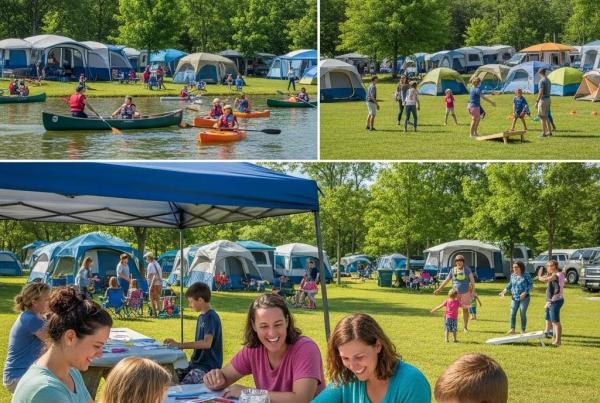
Included amenities often add substantial value and can offset higher base rates: many campgrounds include access to lakes, playgrounds, and community events. Walnut Hills lists family-friendly amenities such as a Wibit water park, a swimming lake, playgrounds, a large dog park, and weekend family events that enhance the stay. Confirming which amenities are included helps families compare total value and avoid paying extra for activities they expect to be part of the base experience.
What Are Walnut Hills’ Cancellation and Change Policies for Reservations?
Cancellation and change policies define refund windows and modification procedures, and they directly affect how refundable your reservation fee or total payment will be. Clear timelines typically specify full refunds if cancelled well before arrival, partial refunds apply in a mid-window, and no refunds close to arrival; knowing these windows reduces financial risk when plans shift. The next subsection outlines typical timelines and how reservation fees interact with refunds.
How do cancellation fees and refund windows work?
Cancellation rules commonly establish thresholds—full refunds if cancelled X days before arrival, partial refunds within a Y-day window, and non-refundable status after a close-in date. Reservation fees may be treated separately from nightly rates in refund calculations: some campgrounds retain the booking fee while refunding the nightly charges, while others refund the fee only within a specific window. Reviewing the stated policy when booking ensures you understand which portion of your payment is at risk.
What is the process to modify or change a reservation?
Modifications usually follow a simple workflow: access the online booking portal, request date or site changes, and confirm any rate or fee differentials before accepting the new reservation. If online changes are limited, contacting the campground reservation team by phone or the booking interface often resolves requests. Expect potential change fees or rate adjustments when switching to peak dates or different site types.
How Can You Plan and Budget Effectively for Your Walnut Hills Camping Trip?

Effective camping budgets add base rate, reservation fee, expected extras, and incidentals into a single planner so families understand total cost before booking. A proactive checklist streamlines decisions and reduces surprises, and targeted booking strategies can lower per-night expenses while preserving experience quality. The numbered checklist below helps families build a clear budget for a weekend or longer stay.
- Estimate base rate for chosen site type and season.
- Add the reservation fee and any platform charges.
- Include expected extras: pet fees, hookup tiers, and extra guests.
- Allocate funds for incidentals: food, equipment, and activities.
This checklist provides a compact planning rhythm that turns opaque costs into predictable totals and leads directly into tips for reducing costs.
What should families know about total camping costs and fees?
Families should treat the total cost as base rate plus reservation fee plus per-night extras and incidentals, with the reservation fee exerting the largest relative effect on short stays. Budget drivers include occupancy, pet arrangements, hookup needs, and planned activities like river float trips or Wibit water park time. Building a simple sample budget for a family weekend helps reveal pressure points and informs choices about site type and length of stay.
How does Walnut Hills ensure transparent pricing and avoid hidden fees?
Walnut Hills emphasizes clear listings of site types and amenities, and its family-focused offering includes many activities and facilities that increase perceived value. The campground’s published rate and reservation resources are where guests can confirm which amenities are included and which line items may be charged extra. Verifying the booking breakdown and asking about refund rules before finalizing a reservation reduces the chance of encountering hidden fees.
Where can you find detailed fee information and make reservations?
For complete fee details and to secure a site, use the campground’s reservation system and rate resources that list site categories and policy terms. Always review your booking confirmation carefully to confirm applied fees and any refundability notes. If policies or fee lines appear unclear, contacting the campground’s reservation support resolves questions before arrival.
Frequently Asked Questions
What factors should I consider when choosing a campground?
When selecting a campground, consider factors such as location, amenities, site types, and seasonal pricing. Look for campgrounds that offer the activities you enjoy, like hiking, fishing, or water sports. Additionally, check the campground’s policies on pets, group sizes, and reservation fees. Understanding the amenities included in your base rate can also help you gauge overall value. Lastly, read reviews from previous campers to get insights into their experiences and the campground’s management.
How can I find the best deals on campground reservations?
To secure the best deals on campground reservations, consider booking during off-peak seasons or weekdays when rates are typically lower. Sign up for newsletters from campgrounds or booking platforms to receive notifications about promotions and discounts. Additionally, using comparison websites can help you find the best rates across multiple campgrounds. Lastly, consider joining loyalty programs that offer rewards or discounts for frequent campers, which can lead to significant savings over time.
What should I do if I need to cancel or change my reservation?
If you need to cancel or change your reservation, first review the campground’s cancellation policy to understand any fees or refund eligibility. Most campgrounds allow modifications through their online booking system, but contacting customer service can provide additional assistance. Be mindful of deadlines for full or partial refunds, and try to make changes as early as possible to minimize potential costs. Document any changes or confirmations for your records to avoid misunderstandings.
Are there any tips for camping with pets?
When camping with pets, always check the campground’s pet policy to ensure they allow animals and understand any associated fees. Bring necessary supplies, such as food, water, and bedding, to keep your pet comfortable. Ensure your pet is leashed and supervised at all times to maintain safety and respect for other campers. Additionally, consider bringing a crate for your pet to provide a secure space when you’re not around. Lastly, plan for pet-friendly activities to ensure everyone enjoys the trip.
What are some common mistakes to avoid when booking a campsite?
Common mistakes to avoid when booking a campsite include not reading the fine print regarding fees and policies, failing to compare total costs across different campgrounds, and overlooking the importance of amenities. Additionally, many campers forget to check for seasonal pricing variations, which can significantly impact costs. Always confirm the cancellation policy and any potential fees for changes. Lastly, don’t wait until the last minute to book, especially during peak seasons, as sites can fill up quickly.
How can I ensure a smooth camping experience for my family?
To ensure a smooth camping experience for your family, start by planning ahead. Create a checklist of necessary gear, food, and activities to bring along. Involve family members in the planning process to ensure everyone’s preferences are considered. Familiarize yourself with the campground layout and available amenities to maximize your stay. Lastly, maintain flexibility in your plans to adapt to unexpected changes, such as weather conditions or site availability, which can enhance your overall experience.
Conclusion
Understanding camping reservation fees and their impact on your total trip cost is essential for effective budgeting and planning. By recognizing how these fees interact with base rates and additional charges, families can make informed decisions that enhance their camping experience. To ensure a smooth booking process, explore our comprehensive resources and tools designed to help you navigate campground costs effectively. Start planning your next adventure at Walnut Hills Family Campground today!