Explore Michigan Campgrounds with Horseback Trails — a Practical Guide to Equestrian Camping
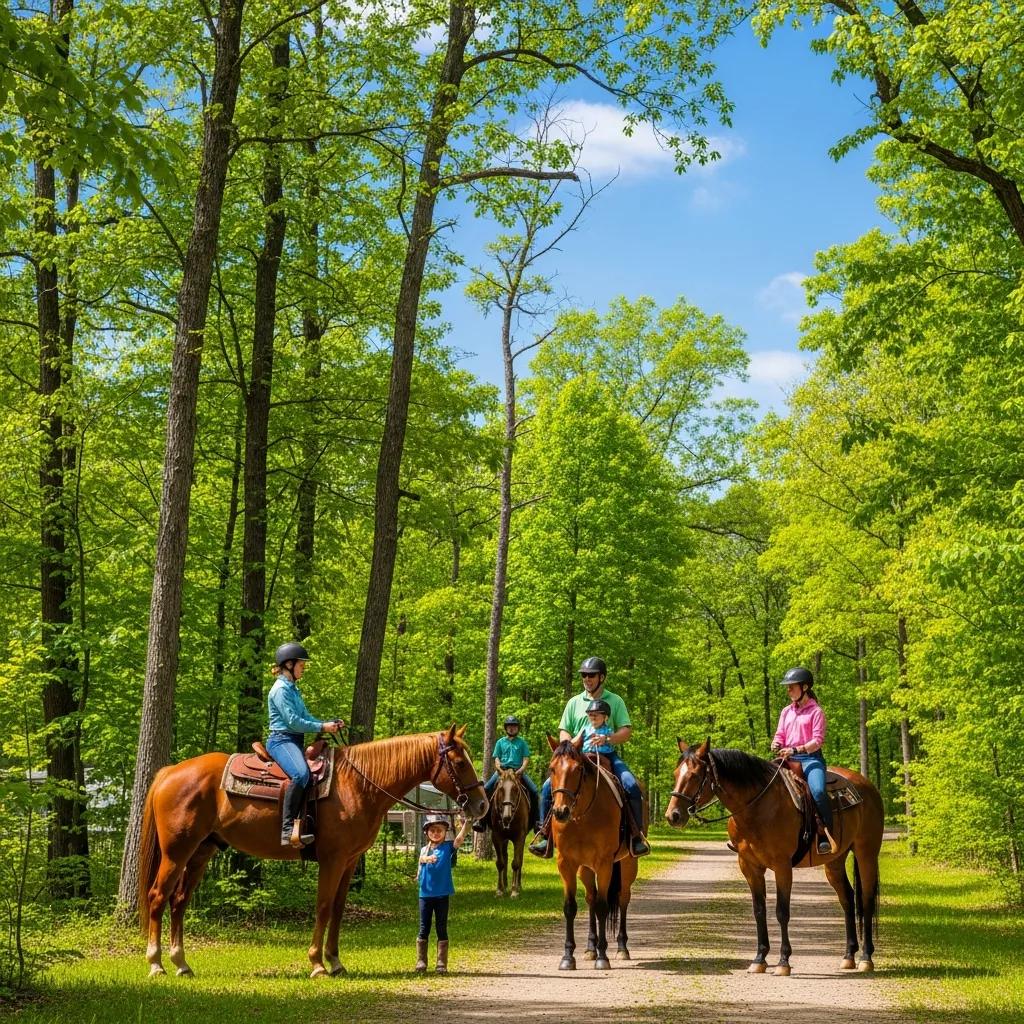
Equestrian camping in Michigan pairs overnight outdoor stays with direct access to riding trails, making it ideal for multi-day adventures with family or friends. This guide walks you through where to camp with horses, how to manage trailer logistics and daily horse care, and why Waterloo State Recreation Area is a top destination for riders in the state. You’ll find which state and private campgrounds offer horse amenities, how local trail networks and stables support riders, and practical packing and reservation steps to make your trip run smoothly. We also include a nearby lodging option—The Oaks Campground by GatherGrounds—as a family-friendly base for exploring Waterloo trails, while keeping commercial mentions concise and informational. Sections cover why Michigan is great for equestrian camping, top campgrounds with horse facilities, an in-depth look at Waterloo’s trail system, trip-planning essentials, and a short overview of The Oaks Campground. By the end you’ll have clear checklists, comparison notes, and route ideas for a safe, scenic equestrian camping trip in Michigan.
Why Michigan Is a Great Choice for Equestrian Camping and Trail Riding
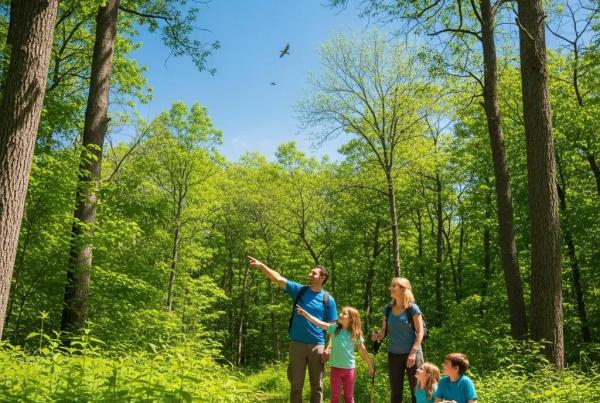
Michigan stands out for equestrian camping because it combines varied terrain with well-managed trail systems that suit riders of many experience levels. From hardwood forests and rolling dunes to peaceful lakeshores and open meadows, the state delivers diverse riding scenery and memorable routes. State recreation areas and active local horse communities help keep trails maintained, host events, and offer rentals or guided rides. These factors create reliable riding seasons—usually spring through fall—while winter riding is possible in a few places with extra preparation. Knowing these advantages makes it easier to pick the right time and place for your next equestrian camping trip.
On the ground, Michigan’s equestrian benefits show up as marked trail loops, dedicated horse campgrounds, and facilities that support trailering and tack storage. Many routes are planned to pass scenic overlooks and ridgelines, adding value for families and experienced riders alike. The next section highlights specific landscape features that make Michigan especially suited to horseback riding and how seasonal conditions shape trip planning.
What About Michigan’s Landscapes Makes Them Ideal for Riding?
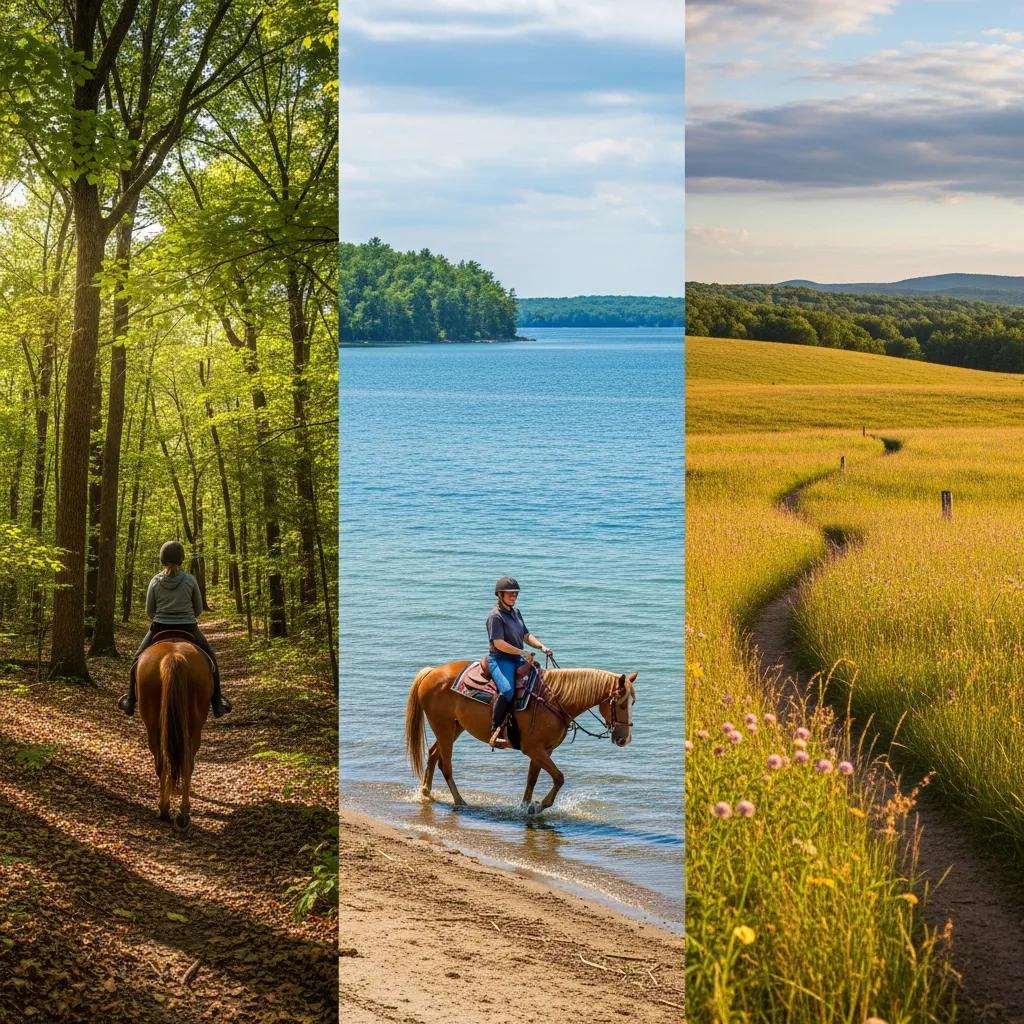
Michigan’s landscape variety—from shaded glades to lakeside corridors—creates ride options for relaxed family outings and longer endurance trips. Trails commonly cross mixed hardwoods and low wetlands, sometimes with boardwalks or bridges that help with footing while keeping scenery fresh. Timing matters: late spring through early fall usually offers the driest, safest trail conditions; shoulder seasons require more attention to mud and temporary closures to protect trails. Match your route to terrain—sandy or dune-adjacent paths need different shoeing and pacing than compact forest tracks—so your horse and equipment are ready for the ride.
Scenic features like lake overlooks and shaded canopy sections also make natural rest stops and great photo moments that families appreciate. Understanding how terrain and weather interact helps you plan ride distances, rest breaks, and where to camp overnight, linking directly to trail networks and local resources discussed below.
Which Trail Networks and Equestrian Communities Support Riding in Michigan?
Michigan is home to several large trail systems and active equestrian groups that keep routes accessible and well-maintained across regions. Long multi-use corridors and state-spanning trails provide extended ride opportunities, while regional networks around recreation areas offer loop rides ideal for day trips. Local associations and riding clubs donate time for trail work, update signage, and host organized rides, which helps maintain safe trail etiquette and up-to-date conditions. These groups are also a reliable source for current trail reports, scheduled events, and volunteer-led guided rides.
Community involvement often results in mapped trailheads, horse-friendly campground amenities, and cooperative events that welcome visiting riders—especially helpful for visitors coming from cities. Knowing which organizations manage a region shortens the learning curve and ties directly into the campground and trailhead choices below.
Top Michigan Campgrounds with Horseback Riding Trails
Michigan offers a blend of state-run equestrian campgrounds and private horse-friendly sites that provide trailer parking, corrals or picket posts, and direct trail access. Public recreation areas often reserve horse camps with space for rigs and tack storage, while private properties may offer on-site stables or nearby maintained trail networks. When comparing sites, consider trailer turning radius and parking, corral or tie options, water access for horses, and campsite separation between livestock and family areas. The table below compares key campgrounds by equestrian amenities and proximity to Waterloo State Recreation Area to help you pick the right base for riding trips.
The table highlights equestrian amenities and relative distance to Waterloo State Recreation Area so you can quickly identify which sites match your logistics and comfort needs.
Which State Parks Offer Reliable Equestrian Facilities and Camping?
Several Michigan state parks and recreation areas offer dedicated equestrian facilities that combine overnight camping with direct trail access—dependable choices for riders. State-managed sites usually provide signed horse trails, designated horse camping loops, and trailer parking areas sized for rigs and horse-care routines. Reservations and permits are handled through state systems, so plan ahead to secure a horse campsite during peak season and check for seasonal trail closures posted by park staff. State parks also give access to larger maintained trail networks and support infrastructure like maps and ranger stations.
Using state recreation areas as a base also connects riders to local stables and volunteer trail groups that may provide guided rides or rentals—useful if you don’t bring your own mount. Knowing how state sites structure horse camping helps you prepare permits and campsite logistics for multi-day itineraries.
What Private Equestrian-Friendly Campgrounds Should You Consider?
Private equestrian-friendly campgrounds range from small ranch-style operations with on-site stables to family campgrounds that allow horse trailers and offer simple amenities like picket posts and hay storage. These properties often differ from state parks in booking flexibility, cancellation policies, and family-focused extras such as ponds, playgrounds, or recreational trails for non-riding guests. Some private owners offer lessons, rentals, or full stable services—availability varies, so confirm offerings before you arrive. Many private sites are attractive to families who want a mixed experience: horse-friendly facilities plus kid-friendly activities.
Weigh private vs. public options by comparing amenities, reservation channels, and on-site equestrian support—these factors feed into trip planning and reservation choices covered later.
How Waterloo State Recreation Area Functions as an Equestrian Hub

Waterloo State Recreation Area is a central equestrian destination thanks to miles of signed horse trails, multiple loop options for different skill levels, and campgrounds that support horse trailers and overnight horse care. The park’s trail network ranges from short family-friendly loops to longer backcountry routes that challenge experienced riders, with strategically placed trailheads for flexible access. Nearby services—like local stables offering guided rides or rentals—help visitors who need horses or extra guidance. Those qualities make Waterloo a practical and scenic hub for day rides or multi-day excursions.
The table below summarizes popular Waterloo loops, their distances, and suitability so you can pick routes that match your group’s fitness and experience.
Key Features of Waterloo’s Equestrian Trail System
Waterloo’s horse trails mix looped and connector routes through hardwood forests, open fields, and lakeside corridors, with signage and wayfinding to help navigation. Trail surfaces range from compacted soil to sandy stretches near dunes, so check footing when choosing a route and plan shoeing or pace accordingly. Seasonal restrictions often require avoiding wet sections to prevent trail damage—riding after dry spells improves the experience. Many loops include logical rest and water points, which helps families plan comfortable rides for children and horses.
Trail maps and ranger updates support safe planning by noting closures, reroutes, and best-access trailheads; knowing where to park trailers at trailheads reduces morning congestion and streamlines early departures.
How Local Stables Like Horse N’ Around Improve the Experience
Local stables such as Horse N’ Around complement Waterloo’s trails by offering guided rides, rentals, and local trail knowledge for visitors without their own mounts or who prefer a guided outing. Guided rides teach trail etiquette and highlight local features, while rentals let visitors ride without transporting a horse. Stables typically coordinate meeting points at trailheads and can recommend loops based on rider ability, group size, and recent trail conditions. Booking guided rides ahead of peak season is wise to secure preferred times.
Relying on local stable services is especially useful for family groups or urban visitors—they help with logistics, suggest trailer parking and tack storage, and set expectations for on-trail conditions before you go.
How to Plan a Successful Equestrian Camping Trip in Michigan
Successful equestrian camping depends on gear, permits, reservation timing, and seasonal safety so both riders and horses stay comfortable and secure. Start with a packing checklist that covers feed, hay reserves, water buckets, secure overnight ties or corrals, manure tools, and basic equine first-aid supplies. At the same time, check reservation channels: state sites use the Michigan DNR system and may require advance permits, while private campgrounds manage bookings directly with their own policies. Finally, plan routes that match your group’s conditioning and include contingencies for weather or trail closures.
Breaking planning into a clear checklist reduces oversights and ensures horse-care and rider-safety needs are covered. The table below summarizes reservation and permit actions for common campground types.
Essential Gear and Preparations for Horse Camping
Bring properly fitted tack, saddles, and enough feed and hay for the trip plus a reserve supply. Pack water buckets, manure forks and bags, and secure tie or corral options for overnight safety. Rider safety gear—helmets, a first-aid kit, and sturdy boots—is essential, along with an equine first-aid kit containing bandages, wound-care items, and emergency contacts. Check trailer readiness: lights, brakes, and tie-down points should all work, and the trailer layout should allow safe loading and easy access to feed and gear. Plan manure disposal and campsite practices that follow campground rules and protect the environment.
Packing from a horse-focused checklist keeps you from running short and aligns with trail etiquette—these preparations naturally lead to the reservation guidance below.
How to Make Reservations for Michigan Equestrian Campgrounds
Reservation steps depend on whether the campground is state-managed or private. For state recreation areas, use the official reservation system to book horse campsites well before summer weekends and confirm any permit requirements or seasonal restrictions. Private campgrounds take bookings directly—call or use their online portal to reserve a trailer-capable site and confirm on-site amenities like corral access or hay storage. As a practical tip, reserve several months ahead for busy holiday weekends and review cancellation policies to avoid fees. Keep written confirmation of campsite type, trailer accommodations, and check-in instructions for arrival.
For family-oriented private lodging near Waterloo, The Oaks Campground by GatherGrounds accepts online reservations for trailer-friendly campsites; riders should double-check trailer parking and any horse-specific accommodations when booking to ensure a smooth arrival.
Why The Oaks Campground Makes a Good Base for Waterloo Riding
The Oaks Campground by GatherGrounds is a family-focused lodging option near Waterloo State Recreation Area that balances recreational amenities with practical access for riders. Located in Munith, Michigan, the campground includes family-friendly features such as a large fishing pond, playgrounds, pavilions, a swimming lake, and about 120 acres of golf cart riding trails—amenities that suit multi-generational groups traveling with riders. Operationally, the campground is conveniently located for visitors from nearby cities, offering an easy base for day trips into Waterloo while providing on-site conveniences for families who want non-riding recreation. Ownership and operations are transitioning to GatherGrounds Resorts at the end of the 2024 season, which could influence future amenities and services.
This overview positions The Oaks as a nearby lodging and family-recreation option while noting its usefulness for equestrian visitors who need trailer access and close proximity to Waterloo trails.
Family-Friendly Amenities at The Oaks Campground for Equestrian Guests
The Oaks Campground’s on-site amenities make it a comfortable spot to return to after a day on the trail. Highlights include a large fishing pond for quiet time, playgrounds for kids, covered pavilions for meals and gear staging, and a swimming lake for cooling off. The property also offers practical trail-adjacent features—like golf cart riding trails across 120 acres—and planned water-park elements in future seasons, which help entertain non-riding guests while riders are out on the trails. These features make The Oaks a good choice for groups where not everyone rides but everyone wants activities and comfort.
Knowing which amenities serve riders versus general family fun helps equestrian groups choose campsite placement and plan daily itineraries that balance trail time with on-site activity.
How The Oaks Campground Makes Access to Waterloo Trails Easier
The Oaks Campground sits close enough to Waterloo State Recreation Area to shorten trailer drives to trailheads and simplify early departures. Guests can stage gear in pavilions, use available trailer parking, and take short drives to recommended Waterloo trailheads for a variety of loop options. For early morning rides, the campground’s proximity reduces towing time and gives you longer cool-weather riding windows. Confirm trailer parking details at check-in and plan arrival so you have time to maneuver your rig and prepare horses before heading to the trail.
By combining family amenities with practical trailer logistics, The Oaks serves as an effective staging area for riders who want comfortable lodging, convenient trailer access, and fast connections to Waterloo’s routes.
The practical lists and side-by-side comparisons above help riders and families pick campgrounds, plan logistics, and make reservations for horse-focused outings in Michigan. Use the checklists and tables to coordinate permits, bookings, and gear so your next equestrian camping trip blends trail time, family recreation, and smooth logistics.
Frequently Asked Questions
What should I consider when choosing a campground for equestrian camping in Michigan?
Look for horse-friendly amenities like corrals, reliable water access, and trailer parking. Check how close the campground is to trailheads and the types of trails available so they match your skill level. Also verify seasonal restrictions, reservation rules, and the campground layout to make horse care and family activities manageable.
Are there any specific health and safety tips for horseback riding in Michigan?
Safety matters: wear a properly fitted helmet and sturdy riding boots, and make sure your horse is healthy and shod appropriately for the terrain. Learn about local wildlife and trail hazards like steep or wet sections. Carry a basic first-aid kit for riders and horses, and tell someone your route if you’ll be riding in less-populated areas.
What are the best times of year for equestrian camping in Michigan?
Late spring through early fall is ideal—trails are usually drier and more accessible then. Summer offers long riding days but watch for heat and hydration needs; early fall brings cooler temps and great foliage. Winter riding is possible in select places but needs extra prep for snow and ice.
How can I find local equestrian events or riding clubs in Michigan?
Start with state equestrian associations and local riding clubs—many list events on their websites or social pages. Stables and equestrian centers often have community bulletin boards with clinics and rides. Online groups on Facebook or Meetup can also connect you with local riders and events.
What should I pack for a multi-day equestrian camping trip?
Bring enough feed and hay plus reserves, water buckets, a secure tie or corral, and manure tools. For yourself, pack riding gear, weather-appropriate clothing, and a first-aid kit. Include veterinary basics in an equine first-aid kit and any medications your horse needs. A checklist helps make sure you don’t forget essentials.
What are the benefits of using local stables for guided rides in Michigan?
Local stables provide route knowledge, trail etiquette guidance, and often rentals for visitors without horses. Guides tailor rides to skill level, share local history and safety tips, and can handle logistics like meeting points and trailer parking—making your visit easier and more enjoyable.
Conclusion
Equestrian camping in Michigan combines scenic trails, family-friendly facilities, and well-kept campgrounds that work for riders and their horses. With a little planning—matching routes to terrain, packing the right gear, and booking the appropriate campsite—you can build a memorable trip that blends riding with family recreation. Use the campground comparisons and planning checklist here to start shaping your next equestrian adventure. Ready to plan? Gather your gear and make your reservations to enjoy Michigan’s trails.