Must-Have Camping Tools for Your Next Adventure: Essential Gear for Family Camping at Walnut Hills
Camping with family blends play, safety, and comfort, and packing the right must-have camping tools makes every trip more enjoyable and less stressful. This guide explains which tools and equipment families should prioritize for stays at campground destinations like Walnut Hills Family Campground, focusing on practical choices for Michigan weather, water activities, and multi-generation groups. You will learn about shelter and sleep systems, camp kitchen essentials, safety and navigation gear, personal comfort and hygiene items, and activity-specific equipment for paddling and the Wibit water park. The article will present short checklists, comparison tables, and targeted packing tips for tent, RV, and cabin stays so you can prepare efficient kits for kids and adults. Read on for family camping checklists, safety priorities, and location-specific recommendations that make packing faster and camping more comfortable.
What Are the Essential Shelter and Sleeping Tools for Family Camping?
Shelter and sleep systems include tents, sleeping bags, pads, pillows, stakes, and repair kits; these items provide protection, insulation, and restful sleep by creating a dry, insulated micro-environment. Proper shelter choices account for family size, ease of setup, and Michigan’s variable temperatures, which affect insulation needs and water resistance. Choosing the right combination reduces nightly temperature loss and improves safety by preventing exposure and damp gear. The next subsections break down tent types, sleeping system specs, and how cabin rentals change what you pack.
Which Tents and Shelters Best Suit Family Camping at Walnut Hills?
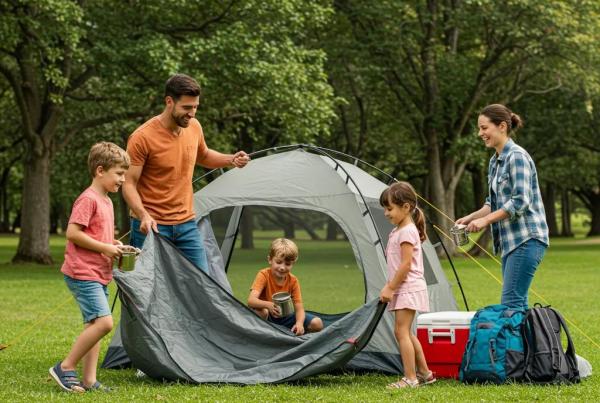
Family tents and two-room tents provide separate sleeping and living areas and suit parents with toddlers by offering privacy and organized gear storage. Tent choice depends on capacity hyponyms like “family tent” or “two-room tent,” meronyms such as tent poles and stakes, and features like fast-pitch designs that reduce setup time. For windy or rainy nights prioritize higher waterproof ratings and taped seams; for quick arrivals consider pop-up or fast-clip models that shorten setup. Comparing tent sizes and setup times helps you decide between a family tent, two-room tent, or bringing minimal shelter if reserving a cabin rental at Walnut Hills Family Campground.
Intro to the shelter comparison table: the table below compares typical family shelter options by important attributes to clarify trade-offs for camping parties.
This comparison highlights that cabins reduce packing complexity while tents offer flexibility; the next subsection explains sleeping system choices for Michigan nights.
What Sleeping Bags and Pads Ensure Comfort in Michigan’s Climate?
Sleeping systems combine bags, pads, and small pillows to control microclimate and comfort; insulation type and pad R-value determine warmth and pressure-point comfort. For Michigan spring-to-fall family trips, choose sleeping bags rated slightly below expected low-night temperatures and prefer synthetic fill for damp resistance, with down for compressibility if you can keep it dry. Sleeping pads with higher R-values improve insulation from cold ground—kids often need thicker pads for comfort—while inflatable or closed-cell foam pads offer trade-offs in weight and durability. Store sleeping bags in breathable sacks during the day to preserve loft and avoid packing wet gear, which leads into how a cabin rental changes gear needs.
How Do Cabin Rentals Affect Your Camping Gear Needs?
Cabin rentals at Walnut Hills Family Campground shift the gear balance by removing the need for tent systems and heavy pads, yet travelers still need bedding, towels, and small kitchen items to maximize comfort. When staying in a cabin, families can skip tent poles, stakes, and some bulky cook gear, but should still pack insulated clothing, personal toiletries, insect protection, and compact entertainment for kids. Bringing a compact first-aid kit and child-size life jackets remains important even in cabins because water activities at the campground still demand safety gear. Understanding what cabins provide streamlines packing and helps families plan activity-specific equipment for river and water-park days.
Intro to shelter key checklist: a short list of shelter and sleep essentials helps finalize what to pack for tent, RV, or cabin stays.
- Tent essentials: durable tent, ground tarp/footprint, extra stakes.
- Sleeping essentials: sleeping bags rated for local lows, sleeping pads, pillows.
- Cabin-specific: towels, bedding layers, small kitchen kit, insect repellant.
These items cover the core shelter needs and lead naturally to camp cooking and meal planning for families.
What Camp Kitchen Tools Are Must-Haves for Outdoor Meals?
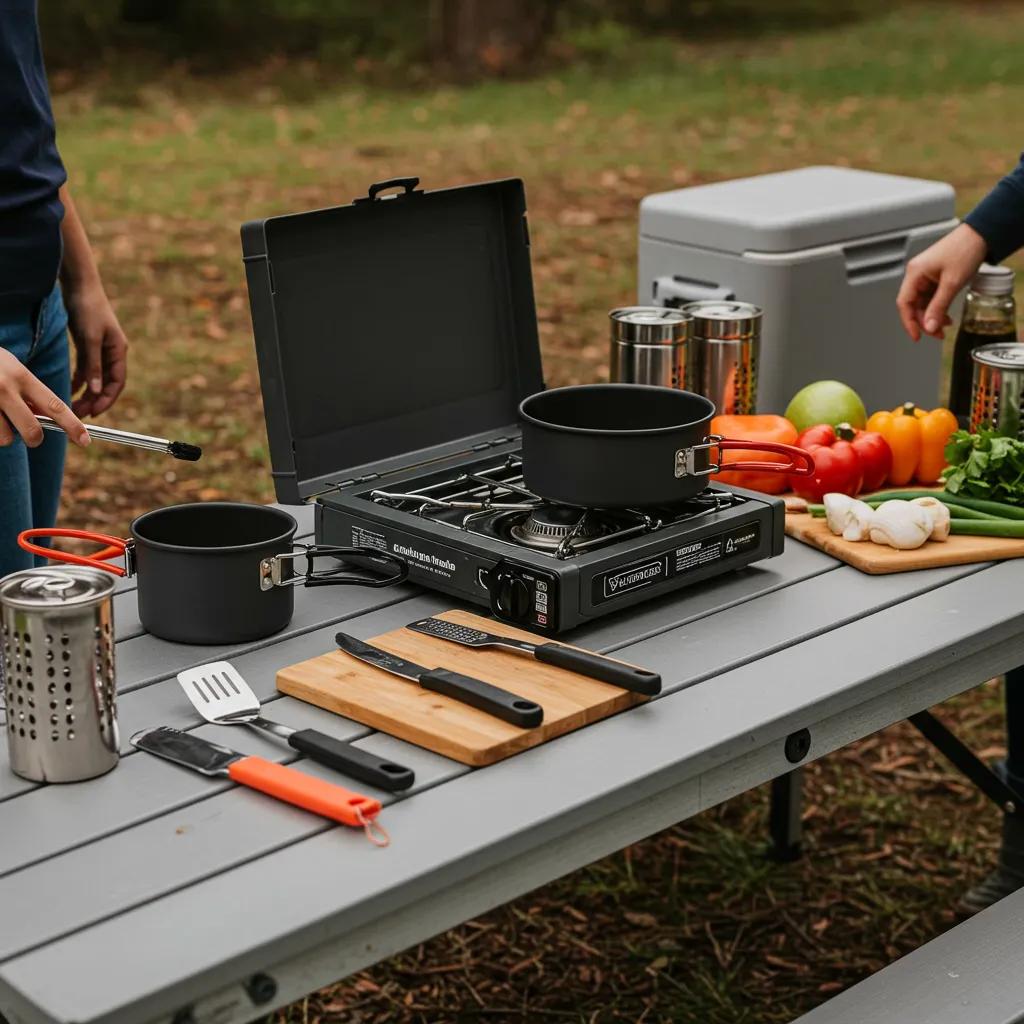
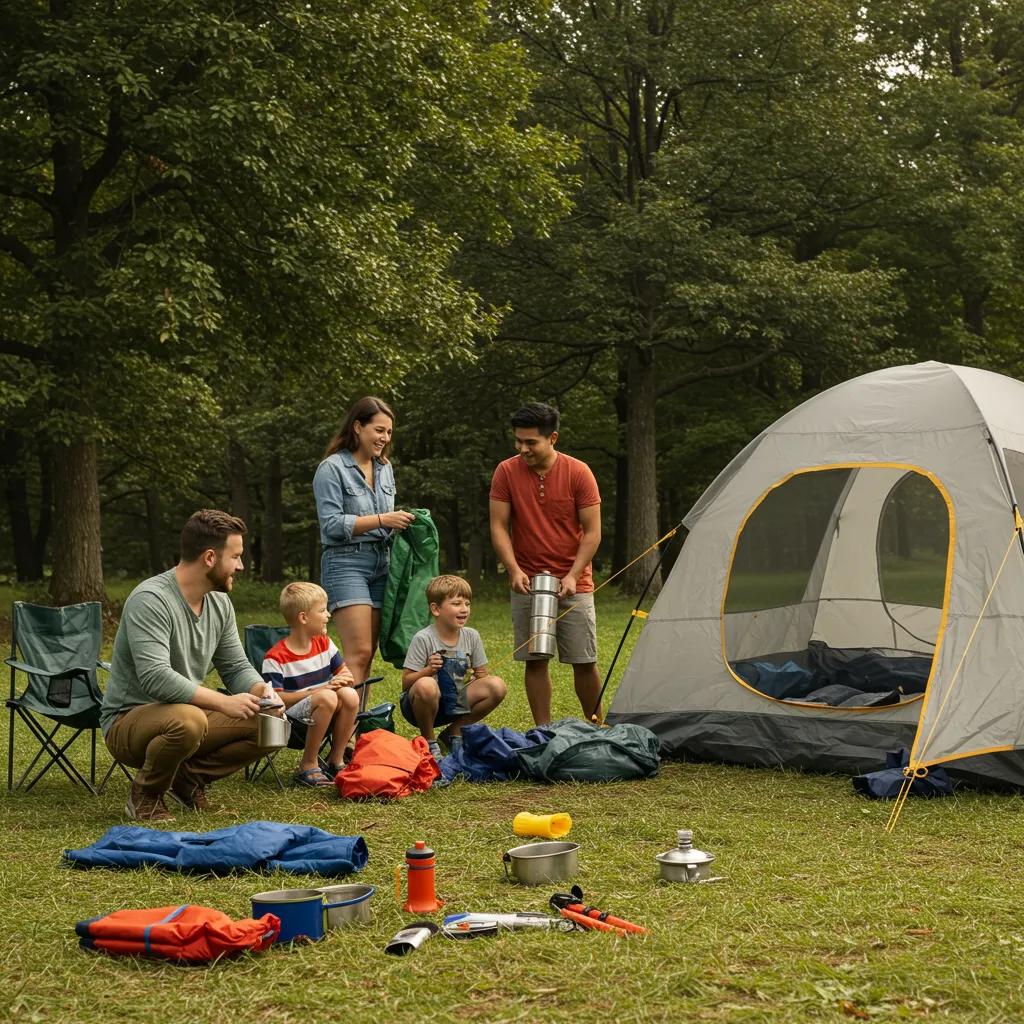
A camp kitchen toolkit centers on a reliable stove, cookware, cooler, utensils, and water management; these components enable safe family meal prep, reduce waste, and simplify cleanup. Portable stoves come in single- and two-burner hyponyms that balance portability and cooking capacity, while cookpots and pans sized for family meals reduce meal time and fuel use. Water storage and sanitation protect food safety, and an organized cooler improves ice retention for multi-day trips. The next subsections compare stoves and cookware, cooler strategies, and utensil/water solutions while noting campground picnic and amenity convenience for family meals.
Which Portable Stoves and Cookware Are Ideal for Family Camping?
Portable stoves and cookware enable family-friendly meal timing by supporting simple one-pot or multi-burner cooking; single-burner stoves are compact, while two-burner stoves speed family meals for larger groups. Consider fuel type—propane canisters are common and easy to use—and pack safe fuel storage and a stable cooking surface; cookware materials like hard-anodized aluminum or stainless steel balance weight and durability. Choose pot and pan sizes that match meal plans (large stockpot for pasta, skillet for pancakes) and include a windscreen for consistent flame performance. Safe stove operation reduces risk and prepares you for varied meal plans at the campground’s picnic areas and shared amenity spaces.
Intro to stove/cookware comparison table: this table compares family-focused stove and cookware attributes to help select a reliable camp kitchen setup.
This comparison clarifies capacity versus portability trade-offs and transitions into cooler and food storage strategies.
How to Choose Coolers and Food Storage for Multi-Day Trips?
Cooler selection and food storage determine how long perishables remain safe; capacity per person and ice retention are primary considerations for family trips. Use the guideline of roughly one day’s worth of chilled food per person per cooler volume estimate and prefer hard-sided coolers with long ice retention for multi-day stays. Favor frozen ice blocks over bagged ice for longer-duration cooling, pack raw meats in sealed containers on the bottom, and organize food by meal to minimize opening. These practices extend food freshness and reduce waste, which complements the campground’s picnic amenities that can aid family meal logistics.
What Utensils and Water Storage Solutions Simplify Camp Cooking?
Utensils and water containers simplify meal prep and sanitation by matching capacity to family size and minimizing cleanup time; essentials include spatulas, ladles, cutting board, and a family set of plates and cups. For water storage, use a gravity-fed dispenser or large BPA-free jugs for cooking and washing, and carry a separate container for drinking water with filtration options if needed. Pack biodegradable soap and a collapsible basin for dishwashing, using a grey-water plan that respects the lake and river areas. Efficient utensil and water systems shorten chores and return focus to family activities, leading into safety and navigation essentials.
Intro to kitchen checklist: quick utensil and storage checklist to streamline family meal times.
- Essential utensils: spatula, tongs, serving spoon.
- Water solutions: 5–10L jugs, filtered drinking container.
- Cleanup: biodegradable soap, scrubber, collapsible basin.
These steps increase meal efficiency and point toward ensuring family safety outdoors.
What Safety and Navigation Tools Should You Pack for Michigan Camping?
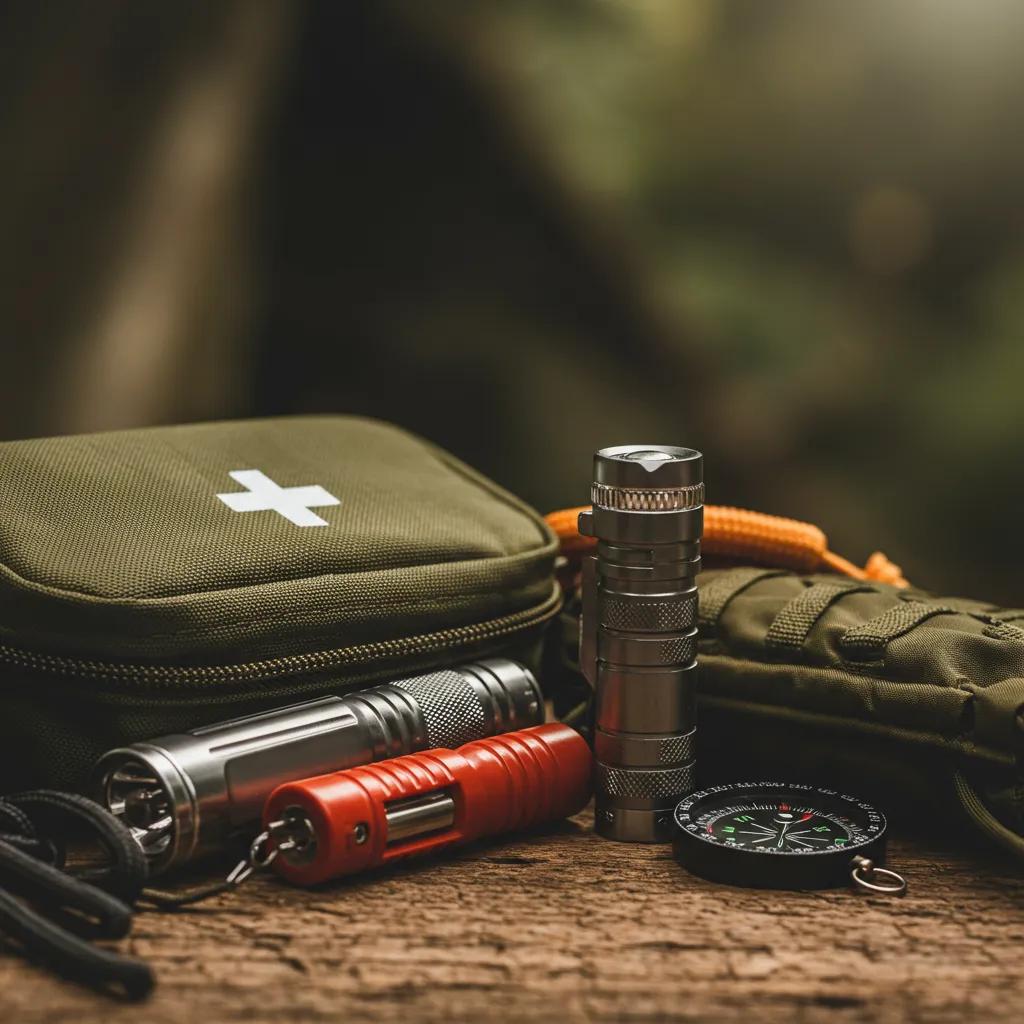
Safety and navigation tools prioritize first aid, lighting, fire-starting, multi-tools, and reliable mapping; these items reduce risk and increase situational awareness at Walnut Hills and on nearby trails and waterways. A well-stocked first aid kit addresses common family needs such as blister care, allergy meds, and child-sized bandages, while lighting combinations and backup fire starters maintain preparedness after dark. Navigation aids include offline maps, a compass, and basic GPS apps pre-downloaded to phones for river launch sites. The following subsections outline first-aid contents, multi-tool and lighting strategies, and practical navigation aids for on-site adventures.
Which First Aid Kit Items Are Essential for Family Camping?
A family first aid kit contains wound care, blister treatment, antihistamines, children’s dosing, and emergency instructions to handle common campsite injuries and allergic reactions. Pack adhesive bandages in multiple sizes, sterile gauze, adhesive tape, antiseptic wipes, blister pads, tweezers, and a digital thermometer; include child-specific dosing information for OTC pain relievers and antihistamines. Store medications in a labeled pouch and keep the kit accessible, ideally in a dry, shaded spot at the campsite. Having these supplies organized reduces response time during incidents and leads into tools for daily preparedness like multi-tools and lighting.
Intro to first-aid table: quick attributes of family first-aid kit items for decision-making in the field.
How Do Multi-Tools, Fire Starters, and Lighting Enhance Preparedness?
Multi-tools provide on-the-spot fixes—pliers, knife, screwdriver—enabling quick repairs to stoves, tents, and toys; a compact multi-tool reduces the need for multiple instruments. Lighting should include a headlamp per adult and child plus a central lantern for camp tasks; prefer rechargeable or battery-backed combos with spare batteries stored separately. Fire starters include waterproof matches, a striker, and backup lighters stored in a dry container to enable safe fire-building and emergency signaling. Combining these tools increases resilience at night and prepares families for unexpected equipment issues, which connects to recommended navigation aids for local activities.
What Navigation Aids Are Recommended for Walnut Hills Adventures?
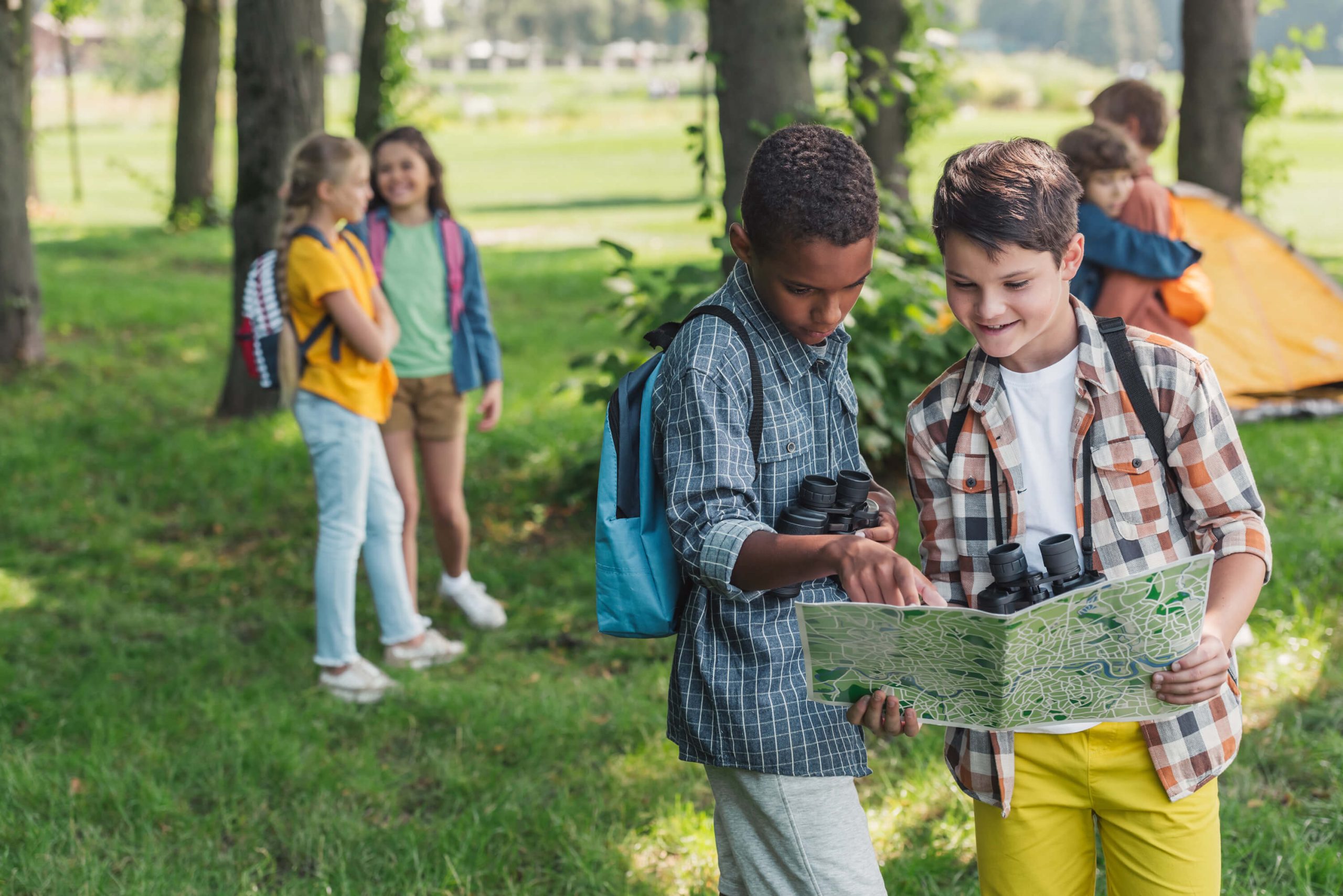
Navigation aids for Walnut Hills adventures include offline trail maps, a compass, and pre-downloaded GPS app maps for the Shiawassee River launch points; these tools help families find boat access and follow shoreline wayfinding. Prepare simple semantic triples to remember: , , . Teach basic compass/map skills to older kids, and save waypoint coordinates for key amenity clusters such as the canoe livery or lake access. These steps make on-site travel safer and segue into personal comfort and hygiene considerations.
How Can You Maximize Personal Comfort and Hygiene While Camping?
Comfort and hygiene tools improve family morale and reduce complaints by offering good seating, quick-dry towels, shade, and eco-friendly toiletries; these items create a cleaner, more restful campsite. Comfortable camp chairs and microfiber towels address seating and water-activity drying needs, while biodegradable soaps, reef-friendly sunscreen, and effective insect repellents protect health and local ecosystems. Pack storage solutions to keep clothing dry and plan shade options like pop-up canopies for midday comfort. The next subsections recommend specific chair and towel types and environmentally mindful hygiene items.
What Are the Best Camp Chairs and Towels for Family Comfort?
Camp chairs that prioritize stability, weight capacity, and compact folding store easily and accommodate parents and kids at the same time; child-size seats and low-profile models help little ones sit safely close to adults. Microfiber towels dry quickly, pack small, and double as picnic blankets or extra layers at the lake and Wibit water park. Choose chairs with cup holders and durable fabric for repeated family use, and store towels in waterproof sacks for wet-day rotations. Comfortable seating and fast-dry towels keep everyone relaxed and transition into hygiene essentials like sunscreen and bug protection.
Which Biodegradable Toiletries, Bug Spray, and Sunscreen Are Essential?
Biodegradable toiletries and EPA- or reef-friendly sunscreen protect the Shiawassee River and swimming lake while maintaining family health; select lotions and soaps labeled biodegradable and choose non-chemical repellents for sensitive children. Use insect repellents appropriate for age groups and apply sunscreen liberally before water activities; pack a small med kit for sunscreen reapplication and sensitive-skin treatments. Respecting the lake and river ecology with eco-friendly products keeps natural areas healthy and supports enjoyable water-based recreation, which leads into gear for those water activities.
What Activity-Specific Gear Do You Need for Walnut Hills Adventures?
Activity-specific gear includes paddling equipment, swimwear and water safety items for the Wibit water park and swimming lake, fishing basics, and easy-to-transport games; these items let families fully use Walnut Hills Family Campground’s amenities. For paddling, life jackets and dry bags are essential; for the Wibit park, quick-dry clothes and water shoes protect feet and improve traction. Bringing fishing basics and games increases downtime enjoyment and encourages low-prep family bonding. The following subsections detail paddling essentials, swim-park safety, and fun extras while noting campground amenity considerations.
What Equipment Is Required for Kayaking and Canoeing on the Shiawassee River?
Paddling on the Shiawassee River requires properly fitted personal flotation devices (PFDs), paddles sized to user height, and dry bags for electronics and spare clothes to prevent water damage. Select child-size life jackets certified for recreational use and teach basic paddling strokes and group paddling signals before launch; always assess river conditions and group skill levels. Bring a small repair kit, spare paddle, and rope for simple rescues or towing, and store gear in an organized chest for quick access at the canoe livery. These precautions support safe river outings and introduce swim-park gear for lakeside fun.
Which Swim Gear Is Needed for the Wibit Water Park and Swimming Lake?
Swim gear for the Wibit water park and swimming lake includes secure life jackets for children, water shoes for traction, rash guards for sun protection, and quick-dry towels for rotation between activities. Use child-size life jackets that allow movement yet provide buoyancy, and supervise children closely during Wibit play or lake swims. Pack sunscreen and a small shade solution for breaks between sessions to reduce sun exposure and keep younger swimmers comfortable. Well-chosen swim gear increases safety and enjoyment, and the campground’s water amenities make these items central to trip planning.
What Outdoor Games and Fishing Gear Enhance Family Fun at Walnut Hills?
Outdoor games and basic fishing gear create low-effort family entertainment that complements on-site playgrounds and common areas; lightweight cornhole boards, frisbees, and compact bocce sets travel easily. For fishing, bring simple rods, a small tackle box, and basic bait items while checking local regulations and safe shoreline spots near the swimming lake. Games and fishing foster family bonding and provide flexible alternatives for weather or nap schedules. To finish, remember that preparedness improves the trip—consider booking a stay at Walnut Hills Family Campground to choose among RV sites, tent camping areas, or cabin rentals and align your packing with the specific lodging option.
Frequently Asked Questions
What are the best practices for packing for a family camping trip?
When packing for a family camping trip, prioritize essential items based on your destination and activities. Create a checklist that includes shelter, cooking gear, safety equipment, and personal items. Organize your gear by category to streamline packing and ensure nothing is forgotten. Consider the weather and specific needs of family members, such as children’s comfort and safety. Use waterproof bags for clothing and gear to protect against moisture. Lastly, involve the family in the packing process to ensure everyone has what they need for a fun trip.
How can I ensure my family stays safe while camping?
To ensure family safety while camping, prepare a comprehensive first aid kit and familiarize yourself with its contents. Educate family members about campsite rules, wildlife safety, and emergency procedures. Always supervise children near water and teach them basic safety skills. Use proper lighting at night and ensure all cooking equipment is used safely. Additionally, have a communication plan in case of emergencies, including a charged phone and offline maps. Regularly check weather conditions and be prepared to adapt your plans accordingly.
What should I consider when choosing a campsite at Walnut Hills?
When choosing a campsite at Walnut Hills, consider factors such as proximity to amenities, water access, and the type of camping experience you desire (tent, RV, or cabin). Look for sites that offer shade and wind protection, especially during hot summer months. Check the layout for space and privacy, particularly for larger family groups. Additionally, consider the activities you plan to engage in, such as fishing or hiking, and select a site that provides easy access to those areas. Reservations may be necessary during peak seasons, so plan ahead.
What are some eco-friendly practices to follow while camping?
Practicing eco-friendly camping involves minimizing your impact on the environment. Use biodegradable soaps and toiletries, and avoid single-use plastics by bringing reusable containers and utensils. Follow Leave No Trace principles by cleaning up after meals and disposing of waste properly. Stick to established trails to protect local flora and fauna, and avoid disturbing wildlife. When using fire, ensure it is contained and fully extinguished before leaving. Educate your family about the importance of preserving nature to foster a sense of responsibility and respect for the environment.
How can I keep my food fresh during a multi-day camping trip?
To keep food fresh during a multi-day camping trip, choose a high-quality cooler with good insulation and ice retention capabilities. Pack perishable items in sealed containers and use frozen ice blocks instead of bagged ice to extend cooling time. Organize food by meal to minimize cooler openings, which helps maintain a stable temperature. Consider bringing non-perishable items like canned goods and dried fruits for easy snacks. Additionally, store food away from your sleeping area to prevent attracting wildlife and ensure a safe camping experience.
What activities are suitable for families at Walnut Hills?
Walnut Hills offers a variety of family-friendly activities, including swimming at the lake, enjoying the Wibit water park, and paddling on the Shiawassee River. Families can also engage in fishing, hiking, and playing outdoor games like cornhole or frisbee. The campground often hosts organized events and activities, providing opportunities for family bonding and socializing with other campers. Always check the campground’s schedule for special events and plan your activities around the interests and ages of your family members to maximize enjoyment.
Conclusion
Equipping your family for a camping adventure at Walnut Hills with the right tools enhances comfort, safety, and enjoyment, ensuring a memorable experience for all ages. By prioritizing essential gear for shelter, cooking, safety, and activities, you can streamline your packing and focus on creating lasting memories. Explore our comprehensive guides and checklists to make your next camping trip effortless and fun. Start planning your adventure today and discover the perfect camping setup for your family!