Top Pet-Friendly Campgrounds for Family Adventures in Michigan: Your Guide to Dog Parks, Family Activities, and Accommodations
Finding pet-friendly campgrounds that genuinely balance safe play for dogs with family-focused fun can transform a weekend into a multigenerational memory. This guide explains what defines the best pet-friendly family campgrounds in Michigan, how dog parks and water-based attractions fit into family itineraries, and which accommodations suit kids and pets—from RV sites to cabins. Families often struggle to find sites that combine space for large dogs, structured kids’ activities, and clear pet policies; this article offers practical criteria, packing and etiquette checklists, and quick evaluation tools so you can plan confidently. You’ll get a clear view of standout amenities like dog parks, Wibit-style water parks, and river floats on the Shiawassee River, plus a local example that illustrates those features in action. Read on for destination guidance, accommodation comparisons, safety and etiquette best practices, and booking-focused next steps that help you pick and prepare for a dog-friendly family camping trip in Michigan.
What Makes Michigan’s Pet-Friendly Family Campgrounds Stand Out?
Michigan’s top pet-friendly family campgrounds stand out by offering dedicated pet amenities, family attractions, and clear, safety-first policies that let dogs and kids enjoy outdoor recreation together. These features work together to reduce stress for parents, increase exercise and socialization for dogs, and broaden activity options for kids, creating a balanced outdoor experience. Key differentiators include fenced dog parks, on-site wash stations, family water play areas, and proximity to pet-tolerant trails or river access. The table below maps how specific amenities translate into family and pet benefits so you can evaluate campgrounds quickly.
Which Amenities Are Essential for Families Camping with Pets?
Essential amenities combine safety, convenience, and fun so families and pets share the holiday without friction. A fenced dog park with separate small-dog and large-dog zones reduces escapes and conflict, while pet wash stations and on-site cleanup supplies make post-play chores manageable for parents. Child-centered attractions such as playgrounds and a Wibit-style water park give kids supervised activity zones that run in parallel to pet recreation, letting adults split duties efficiently. Understanding these essentials helps families pick campgrounds where both dogs and children can thrive, and it sets expectations for gear and supervision before booking.
Families should look for a mix of pet-focused infrastructure and family activities that operate in complementary ways, which leads into why dedicated dog parks make such a difference.
How Do Dog Parks Enhance the Camping Experience for Families?

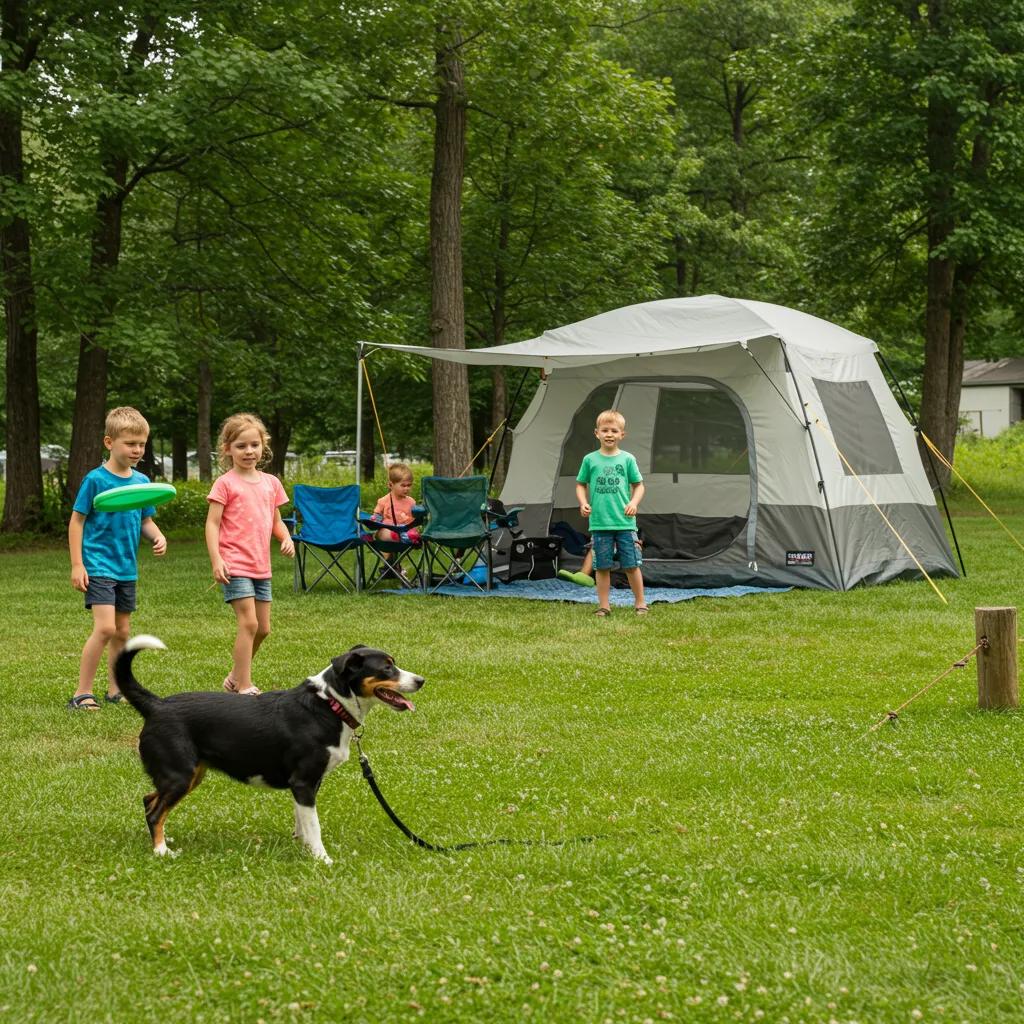
Dog parks at campgrounds provide contained, active spaces where dogs expend energy, socialize, and stay engaged while parents supervise nearby child-friendly activities. Fenced enclosures, clear signage, and separate areas for different sizes or temperaments reduce incidents and allow parents to relax during scheduled family events or water play. Ideal dog park features include double-gated entries, potable water stations, shaded benches, and visible rule signage that enforces leash and cleanup expectations. Spotting these features on a campground listing or property description should be a priority for families who want predictable pet-friendly camping.
Research into dog park design highlights the importance of features like secure entrances, adequate space, and clear signage to ensure a positive experience for both dogs and their owners.
Dog Park Design and Management Strategies for Canine Recreation
The increase in the rate of dog ownership and the need for parks has led to an increase in the demand for dog parks and an increase in the countries where dog parks already exist. Dog parks are areas that serve to meet the social and behavioural needs of dogs beyond the private areas of the home, as well as providing opportunities for dogs to establish healthy communication with their owners and other dogs. The aim of this study is to determine how a successful dog park design criteria should be. For this purpose, dog parks were examined under the headings of planning (accessibility, location, car parking and roads, other facilities) and design (entrances and exits, gates, boundaries, surface materials, activity areas, park furniture, planting).
Benefits and conflicts: A systematic review of dog park design and management strategies, 2022
When a campground pairs a quality dog park with adjacent family amenities, it simplifies daily logistics and enhances the overall vacation rhythm, which we’ll see reflected in typical on-site activities.
What Unique Family Activities Are Offered at Michigan Campgrounds?
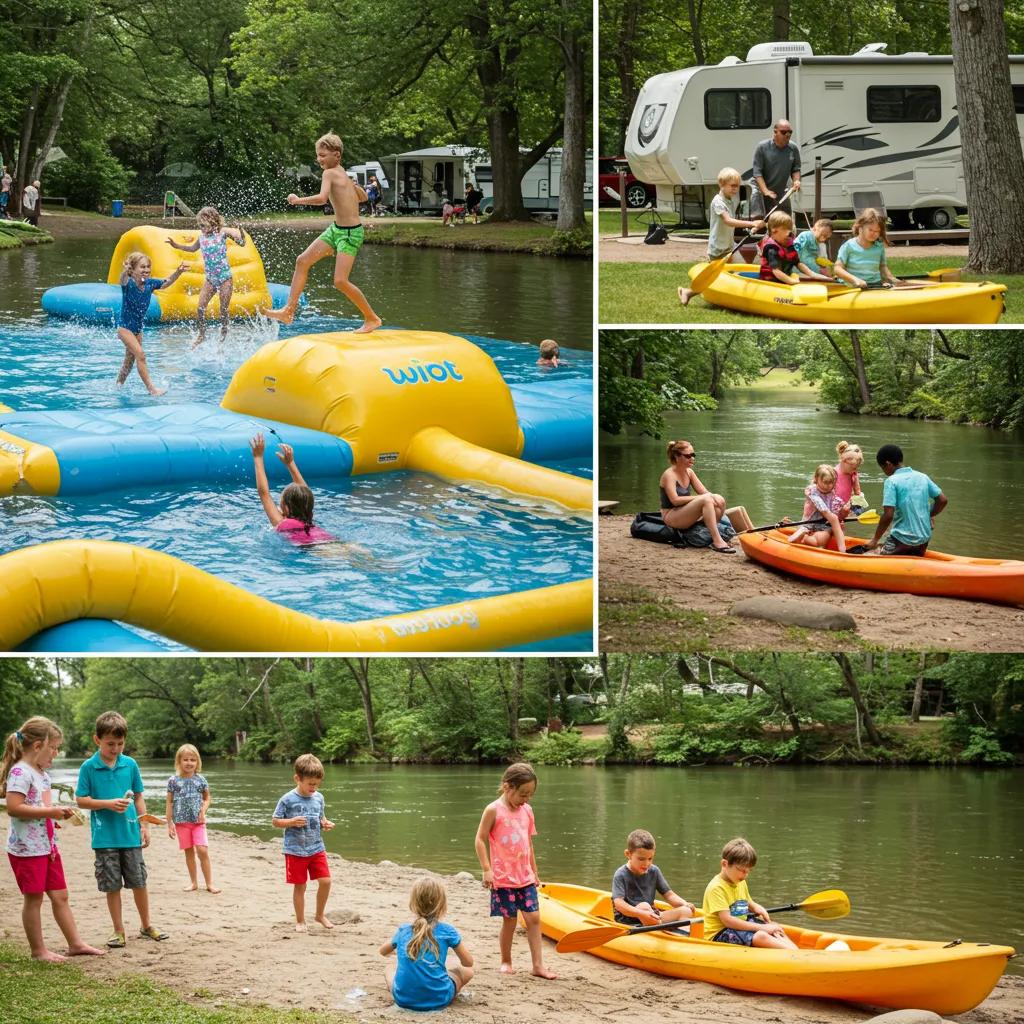
Michigan campgrounds often pair pet-friendly spaces with lake-based recreation, playgrounds, and scheduled weekend programming that appeals to kids and adults alike. Inflatable Wibit-style water parks and swimming lakes create centralized family hubs where lifeguards or staff-led sessions may operate, while canoe and kayak floats on local rivers provide scenic family movement and mild adventure. Weekend events—crafts, kids’ games, and family dances—add structure and memory-making opportunities, and many campgrounds schedule activities to run around pet-friendly hours or designated pet-free zones. Families that plan around activity schedules and pet compatibility can combine river floats and water-park time with supervised dog-park visits to maximize enjoyment for every member of the group.
This balance of pet- and family-oriented activities is exactly what to look for when choosing a campground, which brings us to where to find the best of these properties in Michigan.
Where Can You Find the Best Pet-Friendly Campgrounds with Dog Parks in Michigan?
Top pet-friendly campgrounds cluster near accessible outdoor assets—lakes, rivers, and family recreation corridors—so proximity and travel time matter for families juggling small kids and pets. Evaluating locations by drive time, nearby pet services, and whether on-site features include dog parks and supervised family activities will narrow choices quickly. Property-level descriptions that list dog-park features, water-park access, and river float options offer the clearest signals that the campground is family-ready. The next subsection highlights a flagship example that illustrates how amenities, accommodation variety, and event schedules can align for an optimal family camping experience.
Why Is Walnut Hills Family Campground a Top Choice for Families with Pets?
Walnut Hills Family Campground, located in Durand, Michigan, exemplifies a balanced pet-and-family approach through its combination of RV sites, tent sites, and cabins alongside dedicated pet amenities. The property lists a large dog park, Wibit water park, swimming lake, playgrounds, and Shiawassee River float trips as core features that serve both children and dogs. These on-site activities and accommodation variety make it easy for families to choose the lodging that fits their dog’s needs and the kids’ comfort levels, then plan around scheduled weekend events. For families seeking to book a stay that supports pets and kids together, Walnut Hills provides an illustrative example to compare against other Michigan campgrounds.
This local example helps illustrate nearby outdoor options families can explore from a basecamp.
What Nearby Pet-Friendly Trails and Attractions Can Families Explore?
Campgrounds near rivers and regional greenways provide easy access to pet-friendly trails and float launches that extend family adventure beyond the property boundary. Shiawassee River access points enable canoe and kayak floats that are generally manageable with well-trained dogs aboard, while nearby parks and trails often permit leashed walking and short hikes suitable for children. Always confirm leash rules and any seasonal restrictions before arrival, and plan shorter routes for younger kids and older dogs to avoid fatigue. Knowing where to find pet-friendly trails supports day planning—pair a morning river float with an afternoon at an on-site water park for a rhythm that balances active time and rest.
With location and activities in mind, the next decision is which accommodation best fits your family and pet.
What Are the Best Accommodation Options for Families Camping with Pets?
Accommodation choice—RV site, tent site, or cabin—shapes comfort, logistics, and how you manage pets during activities. RV sites offer hookups and space for familiar sleeping quarters, tent sites place families closer to nature and often nearer to shared facilities, and cabins provide enclosed shelter for pets that need confinement or rest away from camp activity. The table below compares these options with pet allowance guidance and ideal family scenarios to simplify selection.
How Do RV, Tent, and Cabin Sites Accommodate Pets and Families Differently?
RV sites accommodate pets by offering level pads, tether-friendly space, and proximity to utilities that make pet care convenient, while also providing room for children’s gear and quiet hours that respect everyone’s rest. Tent sites immerse families in nature but can mean more effort keeping dogs tethered or inside portable enclosures and walking farther to facilities; choose tent sites near bathrooms for convenience. Cabins offer enclosed spaces that simplify pet containment and napping schedules for kids, but often require adherence to stricter pet policies and possible fees—confirm rules before booking. Aligning accommodation choice to your dog’s temperament and your family’s activity plan reduces surprises and improves the trip’s flow.
Are There Pet Policies and Fees Families Should Know Before Booking?
Common pet policy elements include leash requirements, maximum pet counts, cleaning or deposit expectations, and restricted areas like pools or indoor playrooms where pets may be barred. Ask these quick booking questions: how many pets are allowed, are there size or breed limits, what are cleaning fee rules, and where are leash-free areas located? Properties that publish clear pet policies help families plan gear and supervision; if a listing lacks specifics, request clarification before reserving. Walnut Hills Family Campground notes pet-friendly amenities such as a large dog park and lists accommodation types (RV sites, tent sites, cabins), so checking its pet policy page and booking information directly is a recommended step for families planning a stay.
Confirming rules and expectations lets you pick the right lodging and pack appropriately.
How Can Families Plan a Safe and Enjoyable Pet-Friendly Camping Trip?
Successful pet-friendly camping depends on planning gear, health checks, and etiquette that keep dogs, kids, and other guests safe and comfortable. Pre-trip vet checks, up-to-date vaccinations, and microchip information are foundational, while packing the right supplies—leashes, waste bags, bowls, pet-first-aid—makes on-site care straightforward. A compact checklist below organizes essentials with practical packing tips to reduce last-minute stress. After packing, families should review campground rules and event schedules to coordinate participation with pet supervision responsibilities.
What Should You Pack for Camping with Dogs and Kids?
Packing for kids and pets centers on safety, hydration, and layered activity needs so everyone stays comfortable across lake, trail, and evening schedules. Bring life jackets for small children, travel bowls and extra water for dogs, and a portable crate or bed for secure rest times; include sunscreen and quick-dry towels for wet activities. A small travel pet-first-aid kit and copies of vaccination records help with veterinary visits or unforeseen incidents, and extra safety items—flashlights, whistles, and reflective gear—assist in low-light supervision. Planning packing by activity block (water, trail, evening) reduces forgotten items and helps maintain child and pet routines while away from home.
What Are the Best Practices for Pet Safety and Etiquette at Campgrounds?
Campground etiquette centers on supervision, respect for leash rules, and proactive cleanup to maintain safe communal spaces for families and pets. Keep dogs leashed unless in a designated fenced area, never leave pets unattended where they may bark or escape, and follow quiet hours to respect sleeping children and other campers. When encountering other dogs or children, ask permission before approaching, and be prepared to remove a reactive dog from social situations quickly. These practices protect animals and people, and they create a repeatable model for peaceful family camping experiences that encourage positive interactions with other guests.
How Do Family Events and Activities Enhance Pet-Friendly Camping Adventures?
Family events and scheduled activities create structure that turns a camping trip into a series of manageable, memorable experiences, especially when organizers consider pet compatibility. Events like kids’ games, evening entertainment, and organized floats provide shared timing that families can use to rotate supervision duties or schedule dog-park sessions. When campgrounds offer pet-friendly time slots or supervised pet activities, families can participate more fully without leaving dogs unattended. Recognizing how events fit into daily rhythms helps families extract maximum value from on-site programming while ensuring pets remain safe and included.
What Weekend Events Are Available for Families at Pet-Friendly Campgrounds?
Typical weekend events include kids’ crafts, movie nights, DJ dances, scavenger hunts, and supervised sporting activities that cater to multiple age groups and create shared family experiences. Families can coordinate pet care by pairing one guardian at a dog-park session while another joins a kids’ activity, using scheduled event times to plan rotation and rest. Many campgrounds encourage photo-sharing and testimonials around events, which builds community while showcasing family-and-pet-friendly moments. Planning around event schedules ensures pets are never left unattended and that families can fully engage in the campground’s programming.
How Do Water Parks and River Float Trips Cater to Families and Pets?
Water parks and river floats amplify family adventure by offering active, supervised play areas and scenic float options that fit a range of ages and fitness levels, though pet access varies by activity and operator. Inflatable water parks often restrict pets on the inflatables and encourage shoreline supervision, while calm river floats on waterways like the Shiawassee can accommodate well-trained dogs if policies allow and safety measures (life vests for small dogs) are in place. When water activities are pet-incompatible, on-site dog parks or pet-sitting options let families rotate participation; always confirm operational rules and safety guidelines before booking or launching a float. Preparedness and coordination make water-focused days safe and inclusive for both kids and dogs.
This ends the guide following family-first criteria and practical planning tools for pet-friendly camping in Michigan.
Frequently Asked Questions
What should families consider when choosing a pet-friendly campground?
When selecting a pet-friendly campground, families should evaluate several factors, including the campground’s pet policies, available amenities, and proximity to outdoor activities. Look for campgrounds that offer fenced dog parks, pet wash stations, and family-friendly attractions. Additionally, consider the layout of the campground to ensure easy access to facilities for both pets and children. Checking reviews and asking about the experiences of other families can also provide valuable insights into the suitability of the campground for your specific needs.
Are there specific health and safety precautions for pets while camping?
Yes, ensuring your pet’s health and safety while camping is crucial. Before your trip, schedule a vet check to confirm vaccinations are up to date and discuss any specific health concerns. Bring a pet first-aid kit, including items like bandages and antiseptic wipes. Additionally, ensure your pet is microchipped or has a collar with an ID tag. During your stay, keep your pet leashed in shared spaces, and monitor them closely to prevent any accidents or encounters with wildlife.
How can families manage pet care during scheduled activities?
To effectively manage pet care during scheduled activities, families can create a rotation system where one adult supervises the pet while the other participates in activities. Look for campgrounds that offer pet-sitting services or designated pet-friendly events, allowing pets to be included in some activities. Additionally, consider using a portable crate or a secure area in your accommodation for pets during times when supervision isn’t possible. Planning ahead ensures that pets are cared for while families enjoy their time together.
What are the best practices for keeping dogs safe around water activities?
When engaging in water activities, it’s essential to prioritize your dog’s safety. Always use a life jacket for dogs, especially if they are not strong swimmers. Keep dogs on a leash when near water to prevent them from running off or jumping in unexpectedly. Ensure that the water area is safe and free from hazards like strong currents or sharp objects. After water play, rinse your dog to remove chlorine or saltwater, and monitor them for signs of fatigue or distress.
What types of activities can families enjoy together at pet-friendly campgrounds?
Families can enjoy a variety of activities at pet-friendly campgrounds, including hiking, swimming, and organized events like crafts or games. Many campgrounds offer family-friendly amenities such as playgrounds, water parks, and scheduled activities that cater to both kids and pets. Families can also explore nearby trails or rivers for additional outdoor adventures. Engaging in these activities together fosters bonding and creates lasting memories while ensuring that pets are included in the fun.
How can families ensure a smooth check-in process with pets?
To ensure a smooth check-in process with pets, families should confirm the campground’s pet policies in advance, including any fees or restrictions. Prepare all necessary documentation, such as vaccination records and proof of pet ownership, to present upon arrival. Arriving during designated check-in hours can help avoid delays. Additionally, having your pet on a leash and ready for check-in will streamline the process and help staff accommodate your needs more efficiently.
Conclusion
Choosing the right pet-friendly campground in Michigan can create unforgettable family adventures that cater to both kids and dogs. With amenities like fenced dog parks, water play areas, and structured activities, families can enjoy a stress-free outdoor experience. By planning ahead and understanding campground policies, you can ensure a smooth and enjoyable trip for everyone. Start exploring our recommended campgrounds today to find the perfect spot for your next family getaway!