Top Reasons to Choose Campgrounds Near Michigan State Parks for Family and RV Camping
Picking a private campground next to a Michigan state park gives you the best of both worlds: easy access to trails, lakes, and wildlife, plus the creature comforts that make family and RV trips smoother. When you base your nights on private ground, you can spend your days exploring the park’s miles of trails and waterways without the hassle of moving campsites. This guide walks through why campgrounds near Michigan state parks are smart for families and RVers, how they improve outdoor time, what kid- and RV-friendly amenities to expect, and practical planning tips—like handling park passes and reservations. Along the way we use a nearby private campground as a real example so you can see how adjacency plays out in choices, amenities, and timing.
Why Choose Campgrounds Near Michigan State Parks for Your Next Outdoor Adventure?
Campgrounds beside Michigan state parks act as convenient bases that blend private-site comforts with immediate entry to large public recreation areas. Staying next to a park cuts travel to trailheads and beaches, reduces what you need to carry by leaning on on-site services, and often provides quieter overnight options than crowded park campgrounds. That mix is especially helpful for multi-day trips, families juggling different activities, and RV travelers who want full hookups but still want quick access to the outdoors. Below are the key ways proximity improves a camping weekend.
Campgrounds adjacent to state parks stand out for three simple reasons:
- Immediate Access: A short walk, bike ride, or drive to trails and lakes means more time outside and less time in the car.
- Complementary Amenities: Private campgrounds often offer hookups, play areas, and water features that make park days easier and more enjoyable.
- Simplified Logistics: On-site stores, programmed events, and utility hookups reduce planning stress for caregivers and RV owners.
Those three advantages show how adjacency changes the rhythm of a trip; next we’ll dig into specific recreation and planning benefits.
What Benefits Does Proximity to Michigan State Parks Offer Campers?
Being close to a state park unlocks direct recreational and practical benefits. You get easy entry to extended trail systems, freshwater lakes and ponds, and rich wildlife areas—so hiking, fishing, birding, and scenic drives are all within reach without long drives from camp. That flexibility helps families split days between on-site play and park exploration, lets anglers sample multiple spots in one outing, and gives birders the chance to catch early-morning activity at nearby wetlands. Pack layers for changing weather, bring a daypack with basic first-aid and snacks, and aim for one longer hike per stay to balance active and downtime.
Those straightforward access perks lead naturally to family-focused advantages—safety, convenience, and programming—that make adjacent campgrounds especially useful for households with kids.
How Do Campgrounds Near State Parks Enhance Family Camping Experiences?

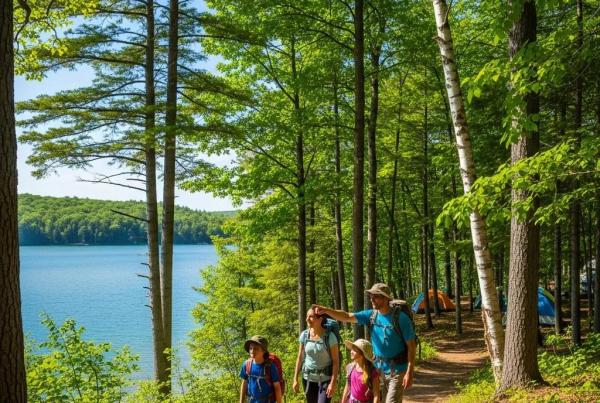
Campgrounds beside state parks make family trips easier by pairing contained, kid-friendly spaces with the park’s outdoor classrooms. On-site playgrounds and lakes give younger children supervised options right at camp, while short park trips let older kids tackle trails and nature programs. Less driving means more flexibility around naps, meals, and activities—so you can build an itinerary that fits multiple ages. A balanced weekend might be a morning nature walk in the state park, an afternoon at the campground lake, and an evening campfire back at your site—simple rhythms that take stress off caregivers and keep everyone engaged.
Choosing age-appropriate short hikes and scheduling one or two structured on-site activities helps reduce parental planning load and makes multi-generational trips easier to repeat.
What Makes The Oaks Campground the Ideal Gateway to Waterloo State Recreation Area?
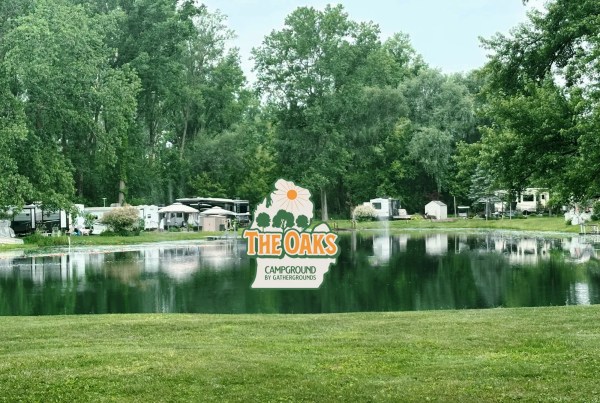
The Oaks Campground by GatherGrounds (GatherGrounds Resorts) is a great example of a private campground serving as a gateway to a large recreation area. Located in Munith, Michigan, The Oaks borders Waterloo State Recreation Area and covers roughly 160 acres, giving campers a comfortable base for day trips into the park plus private amenities that suit families and RVers. With full-hookup RV sites, water features, and family programming, The Oaks demonstrates how an adjacent campground can combine convenience and access for visitors exploring Waterloo’s trails and lakes.
This example turns the general benefits of adjacency into concrete features you can plan around; the next sections cover location logistics and amenity details that matter when you book.
How Does The Oaks Campground’s Location Provide Unmatched Access to Waterloo State Recreation Area?
The Oaks’ position next to Waterloo State Recreation Area gives quick access to trailheads, lakes, and varied habitats—making the campground an efficient basecamp. Short drives or bike rides put popular trailheads within minutes, which means less gear shuffling and more time on the trail. That convenience suits families who want morning hikes and relaxed afternoons at camp, and RVers who need to pop back to their rig between activities. For planning, consider one full day for a longer loop inside Waterloo and use shorter park stops on the other days to keep energy levels and expectations realistic.
Understanding how location affects daily logistics helps you balance active park days with low-key evenings at the campground—exactly where on-site amenities shine.
What Unique Amenities Does The Oaks Campground Offer for Families and RV Campers?
The Oaks offers on-site features that complement state-park recreation and boost comfort for families and RV travelers. The campground highlights full-hookup RV sites for fast setup and longer stays, a swimming lake and fishing pond for nearby water fun, playgrounds and weekend events for family programming, golf cart trails that improve mobility across the grounds, and a camp store for snacks and essentials. A planned Wibit water park is scheduled for 2025 and will add a floating obstacle-course attraction—likely increasing demand during summer. Together, these amenities let families mix planned activities with spontaneous play without depending solely on park facilities.
When you’re choosing an adjacent campground, weigh site type, programming, and upcoming enhancements—like the Wibit at The Oaks—against your family’s activity preferences and booking timeline.
Which Family-Friendly Amenities and Activities Can You Enjoy at Campgrounds Near Michigan State Parks?
Private campgrounds near Michigan state parks typically pair on-site family features with park-based recreation to offer varied, age-inclusive options. Swimming areas, playgrounds, short trail loops, weekend events, and camp stores provide controlled, convenient fun at camp while state parks supply longer hikes, wildlife viewing, and expanded water access. That combination helps families plan days that work for toddlers and teens alike. The table below outlines common family amenities and explains why each matters practically for trip planning.
Intro: The table below lists family-focused amenities you often find at private campgrounds near state parks and why they matter for households.
What On-Site Activities Does The Oaks Campground Provide for Kids and Adults?
The Oaks offers activities for all ages that balance active options with easygoing recreation. Families can swim and fish on the property, kids can play on nearby playgrounds while adults relax, guests can ride golf carts on designated trails, and weekend events bring social programming to the grounds. Older kids, teens, and adults can use nearby park trails for longer runs or hikes before returning to camp for an evening by the fire. A practical family day might include a morning park hike, midday lake time at The Oaks, an afternoon rest or camp-store run, and an evening event or campfire.
Intro: The next section covers upcoming improvements that will add to the family experience and affect when you should book.
What Upcoming Enhancements Will Improve Family Fun at The Oaks Campground?
The Oaks plans to add a Wibit water park in 2025—a floating obstacle course that will broaden on-site entertainment for kids and teens and make the campground an even stronger family destination. That new attraction will likely increase summer demand, so factor amenity timelines into your booking plans and consider reserving earlier for peak windows. Seasonal peaks—summer weeks and holiday weekends—will also affect availability as new features come online.
How Does RV Camping Near Michigan State Parks Enhance Your Outdoor Experience?
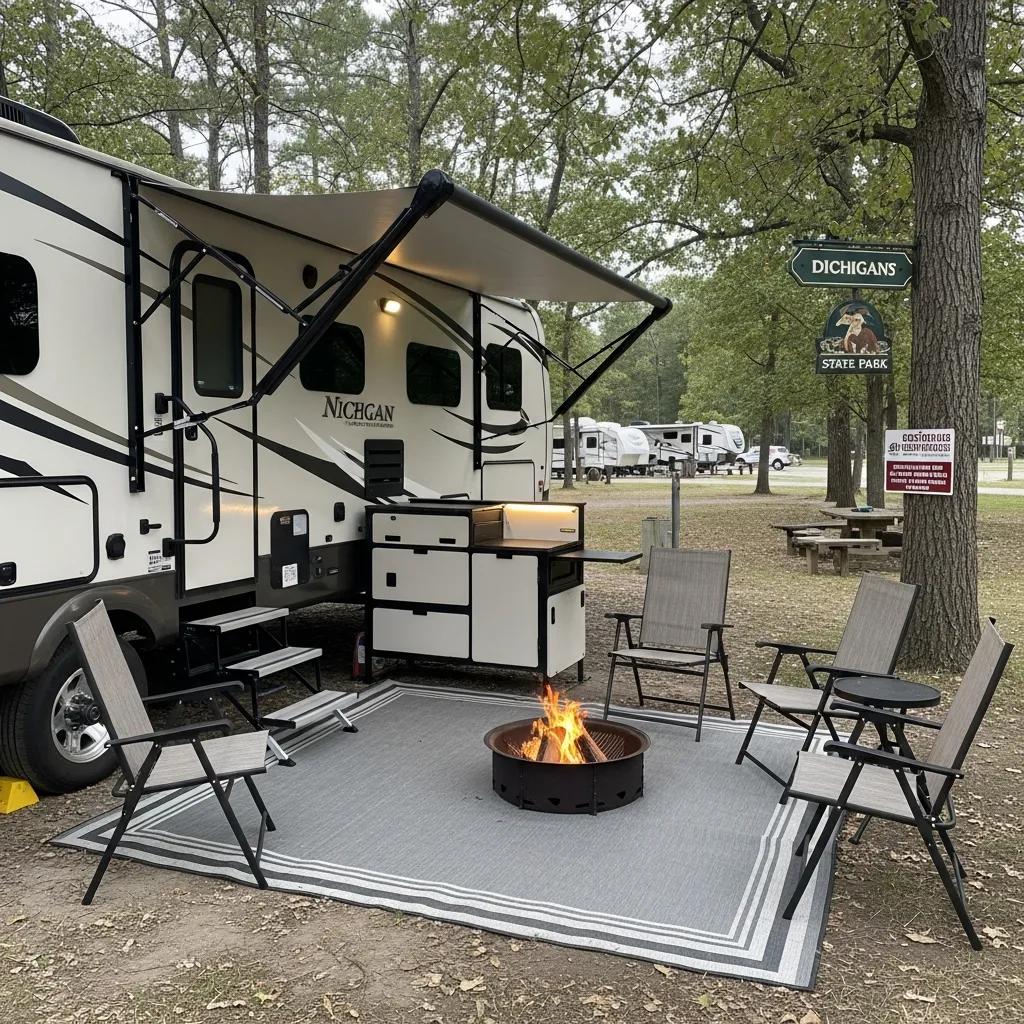
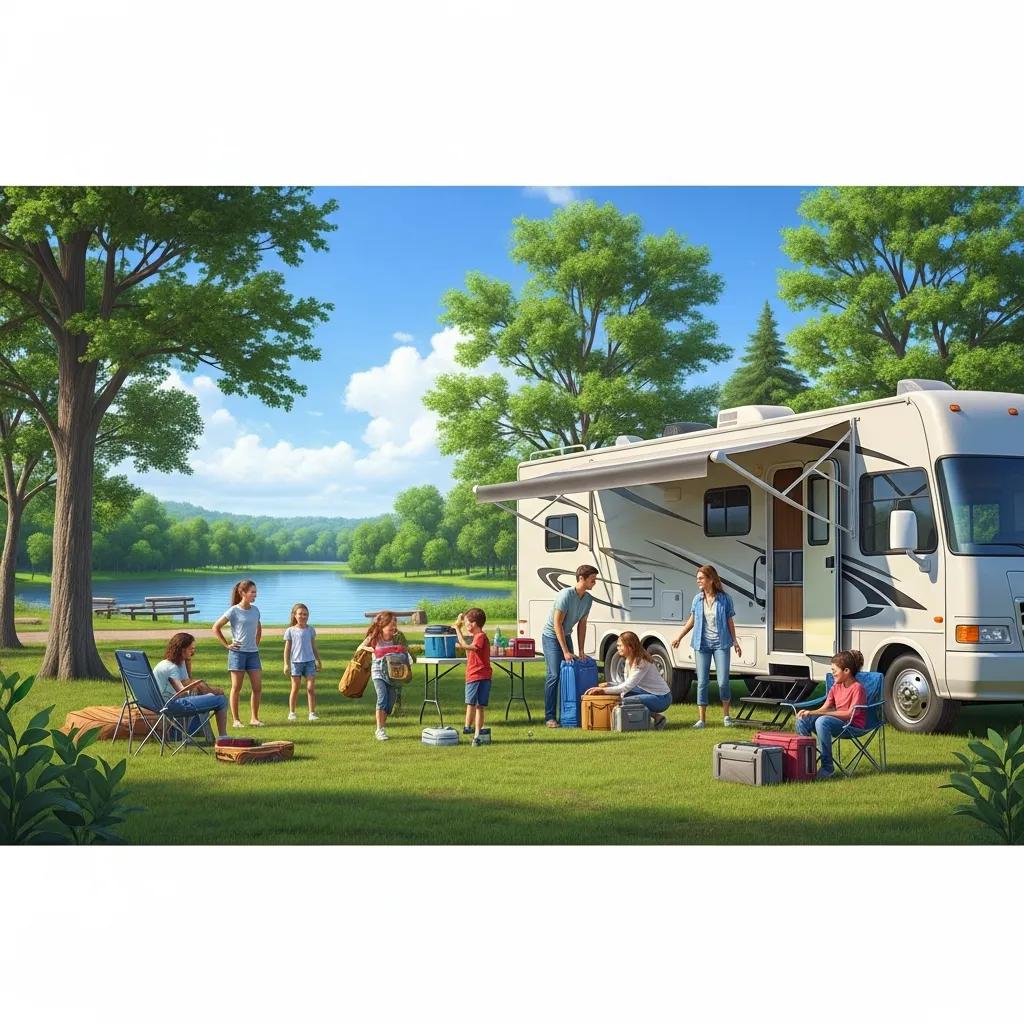
RV camping near state parks trades a little solitude for a lot of convenience—letting you stay longer, travel with more comfort, and include multiple generations without sacrificing access to natural sites. Full-hookup RV sites give you electricity, water, and sewer so kitchens, heating or cooling, and onboard systems work like home during multi-night stays. That’s especially helpful for families with small children or older adults. Staying at a private campground close to park trails means you can use vehicle convenience for mornings and evenings while spending days in the park. Below are core RV advantages of choosing campgrounds near state parks.
- Home-like utilities: Full hookups support appliances, climate control, and charging for extended stays.
- Smoother arrivals and departures: Private campgrounds often make check-in and maneuvering easier for large rigs.
- Close-to-recreation: Short drives to trailheads save fuel and reduce daily travel time.
These benefits make it practical to combine comfortable on-site living with active park days. The table below compares common RV site types so you can pick what fits your rig and needs.
Intro: The table below compares RV site types and the typical benefits you’ll find at private campgrounds near state parks.
What Are the Advantages of Full Hookup RV Sites at Campgrounds Like The Oaks?
Full-hookup RV sites remove many small hassles: steady power for heating or cooling, running water for cooking and cleaning, and sewer hookups that shorten departure chores. Those amenities cut daily setup time and make multi-day itineraries more comfortable—whether you’re combining long park hikes with restful afternoons or spending whole days exploring. For families, hookups simplify meals and meet health or comfort needs for kids and older guests. Common tips for RV setup: top off fresh water before arrival, verify power ratings for larger rigs, and bring proper sewer fittings and stabilizers.
How Does Camping Near Major Cities Like Detroit and Ann Arbor Offer Convenience?
Campgrounds within easy drive of metros like Detroit and Ann Arbor turn weekend trips into quick, doable escapes. Short drives reduce travel fatigue and make last-minute plans realistic for busy households. When you’re close to the city, you can pack lighter, plan single-day park outings, and still return to private-campground amenities in the evening. During peak season, book weeks to months in advance to lock in preferred site types—full-hookup spots are especially popular for weekend getaways.
What Should You Know About Michigan State Park Passes and Planning Your Camping Trip?
Knowing Michigan Recreation Passport rules and reservation basics will keep your trip running smoothly when you combine private campground stays with park visits. The Michigan Recreation Passport grants vehicle entry to many state parks, supporting trail and beach access; confirm current purchase channels and fees on official DNR pages before you go. Private-campground reservations are handled directly with each property and vary by season, site type, and event schedules, so book early during busy months and when new attractions are announced. The checklist and table below summarize passes, purchase points, and timing notes to help you prepare.
Campers should keep this short planning checklist handy before arrival:
- Bring your Recreation Passport or proof of purchase for state-park entry.
- Reserve private-campground sites early for summer and around new-amenity openings.
- Pack for variable weather and trail conditions; confirm pet and golf cart rules with the campground.
The table below clarifies common passes and reservation items, where to buy them, and when they matter for access planning.
How Does the Michigan Recreation Passport Affect Access to State Parks?
The Michigan Recreation Passport is the usual way vehicles gain entry to many state parks and recreation areas, supporting trails, beaches, and park services. Make sure you purchase or validate a Recreation Passport when required for your planned park days, and check official state sources for current fees and purchase options. Carrying proof of purchase with you avoids delays at park gates and keeps your day moving—especially useful for families balancing park time with campground routines.
What Are the Best Practices for Making Reservations at Campgrounds Near Michigan State Parks?
Smart reservation habits reduce stress and increase the odds of getting the site you want. Reserve as early as possible for summer weekends and when new amenities arrive, understand cancellation and refund terms for both private campgrounds and state-park sites, and keep digital or printed confirmations and permits with your travel documents. When booking a private campground, check site-specific details like hookup type, distance to shared amenities, and event schedules. If you’re planning a stay at The Oaks Campground by GatherGrounds, aim to book early for busy summer weekends and during any new-attraction openings to secure preferred site types and family features.
Reservation checklist:
- Reserve well ahead for peak dates and new amenity seasons.
- Confirm hookup type and site layout before arrival.
- Keep reservation confirmations and Recreation Passport proof accessible.
Following these steps helps avoid last-minute surprises and keeps expectations aligned between park activities and campground logistics so families and RVers can enjoy their time outdoors.
Frequently Asked Questions
What types of camping accommodations are available near Michigan state parks?
Near Michigan state parks you’ll typically find full-hookup RV sites, tent sites, and sometimes cabins. Full-hookup RV sites offer water, electricity, and sewer—good for longer stays and guests who want home comforts. Tent sites give a more rustic, close-to-nature experience and are usually less expensive. Cabins, where available, provide a dry, secure option for families who prefer an indoor night. The variety lets different budgets and comfort levels find a fit.
How can families ensure a safe camping experience at these campgrounds?
Follow campground rules, learn fire-safety procedures, and keep an eye on children—especially near water and trails. Bring a well-stocked first-aid kit and know basic first-aid. Store food securely to avoid attracting wildlife, keep your campsite lit at night, and check weather forecasts so you’re prepared for changing conditions. A little preparation goes a long way toward a safe, relaxed trip.
What activities are suitable for children at campgrounds near state parks?
Children can enjoy playgrounds, supervised swimming lakes, organized events like nature walks or crafts, and short, family-friendly hikes. On-site fishing ponds are great for introducing kids to angling. Many campgrounds also run educational programs about local wildlife, which pair well with park visits and make learning hands-on and fun.
Are there any specific tips for first-time campers visiting Michigan state parks?
Research the campground and park ahead of time to know available amenities and rules. Make a checklist of essentials—tent, sleeping gear, cooking supplies, layered clothing—and arrive early on check-in day to set up in daylight. Read campground policies on pets and campfires, and stay flexible in your plans to accommodate the unexpected. These steps help first-timers enjoy a smoother first trip.
What should campers know about local wildlife when camping near state parks?
Expect to see deer, raccoons, and many bird species. Store food and trash securely, never feed wildlife, and observe animals from a distance. Making noise on trails can help avoid surprising animals. Learning which species are common in the area and how they behave improves safety and appreciation for local nature.
How can campers make the most of their time at nearby state parks?
Plan a balanced itinerary with active mornings and relaxed afternoons. Start early when temperatures are cooler, pack a daypack with water, snacks, and a first-aid kit, and reserve time for ranger programs or guided hikes when available. Don’t forget downtime back at your campsite to recharge—mixing park days with on-site activities gives a fuller, more enjoyable trip.
Conclusion
Choosing a campground near a Michigan state park gives families and RVers a practical mix of convenience and outdoor access. With easy entry to trails and lakes plus family-friendly amenities like hookups, playgrounds, and on-site events, these properties simplify logistics and maximize time outdoors. Planning ahead—especially around peak season and new attractions like The Oaks’ upcoming Wibit—helps you get the most from your stay. Ready to plan your next trip? Explore nearby campgrounds and start making memories with less hassle and more time outside.