Swimming vs Non‑Swimming Campgrounds Near Portage Lake, Michigan — A Family-Friendly Guide
Choosing between swimming and non‑swimming campgrounds near Portage Lake shapes your whole family getaway. One option centers days around beach time and water play; the other favors quiet trails, wildlife, and slower rhythms. This guide walks families, RVers, and multi‑generational groups through the trade‑offs and planning details along the Portage Lake–Waterloo State Recreation Area corridor. You’ll learn what defines a swim‑focused campground, how sandy beaches and supervised lakes change daily routines, which non‑water amenities keep everyone happy, and how to plan an RV trip that balances lake access with nearby adventures. Sections follow common planning questions — what makes a top swimming campground; what non‑swimming options look like; where The Oaks Campground by GatherGrounds fits in; decision comparisons; and step‑by‑step RV planning. By the end you’ll have checklists, quick tables, and practical tips to match your family’s needs to the right campground near Portage Lake.
What Makes The Oaks Campground the Premier Swimming Destination Near Portage Lake?

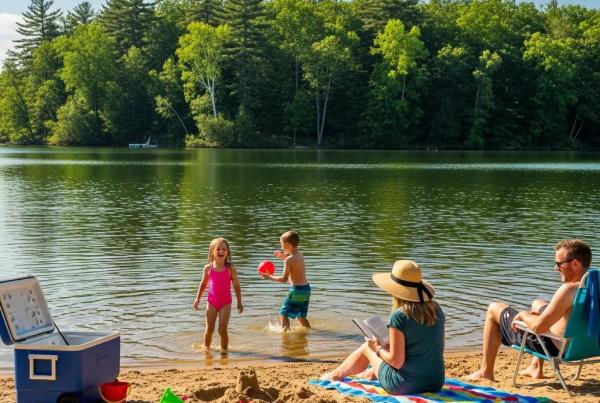
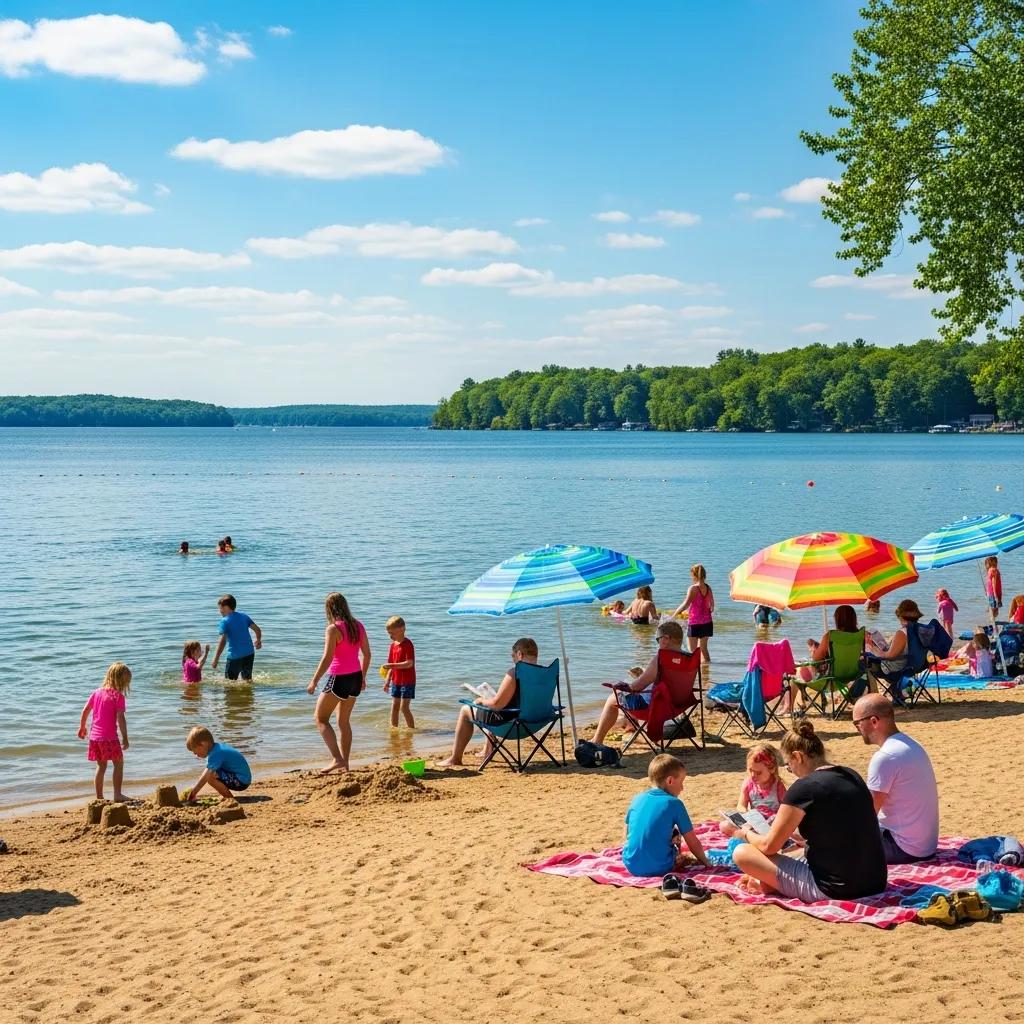
A true swimming campground puts a safe lake and sandy beach at the center of the guest experience. Shallow entry points and a broad sand shoreline make it easy for kids and adults to get in the water often, while open sightlines and an organized beach area simplify supervision and family routines. For parents, that concentrated activity means fewer logistics — you don’t need to drive offsite for a beach, and kids have predictable, close‑by entertainment. Those practical benefits tend to translate into longer stays and repeat visits from families who prioritize water time.
The Oaks Campground by GatherGrounds is locally recognized for its dedicated swimming lake, sandy beach, and a planned Wibit water park slated for 2027 — amenities that position it as a top swimming choice near Portage Lake. Those features also affect booking patterns: peak summer weekends fill up, so planning ahead is wise. The next section looks at how a lake and beach actually change daily life on site and what that means for safety and packing.
How Does The Oaks’ Swimming Lake and Sandy Beach Enhance Family Camping Experiences?
A swimming lake with a sandy beach makes a stay feel simple and playful by concentrating relaxation and activity in one easy spot. Sand gives toddlers a safe place to play at the water’s edge, creates natural spaces for beach games, and is kinder on bare feet than rockier shorelines. Clear swim zones make supervision less stressful for caregivers, allowing more relaxed downtime for everyone. Those everyday moments — morning blankets on the sand, sunset shoreline walks — are small, repeatable experiences that become the heart of family trips.
Those comforts also change what you pack and how you plan: expect more swim gear, shorter day trips offsite, and a schedule centered around daylight beach hours. That leads into what a Wibit inflatables course will add to the mix.
What Exciting Features Will the Planned Wibit Water Park Bring in 2027?
The planned Wibit water park will add inflatable obstacles and courses that give families a new way to play on the water. Those structures create clear, engaging activities that appeal to a wide range of ages and encourage repeat visits — especially on warm days. Because inflatables draw groups, the Wibit will likely increase daytime energy and crowding during peak periods, so weigh the extra excitement against the livelier atmosphere when you pick dates.
For families eager to try it, scheduling trips after the Wibit opens in 2027 is an easy way to plan a special visit; for those seeking quieter summers, consider weekdays or less busy weekends.
What Non‑Swimming Activities and Amenities Does The Oaks Campground Offer?
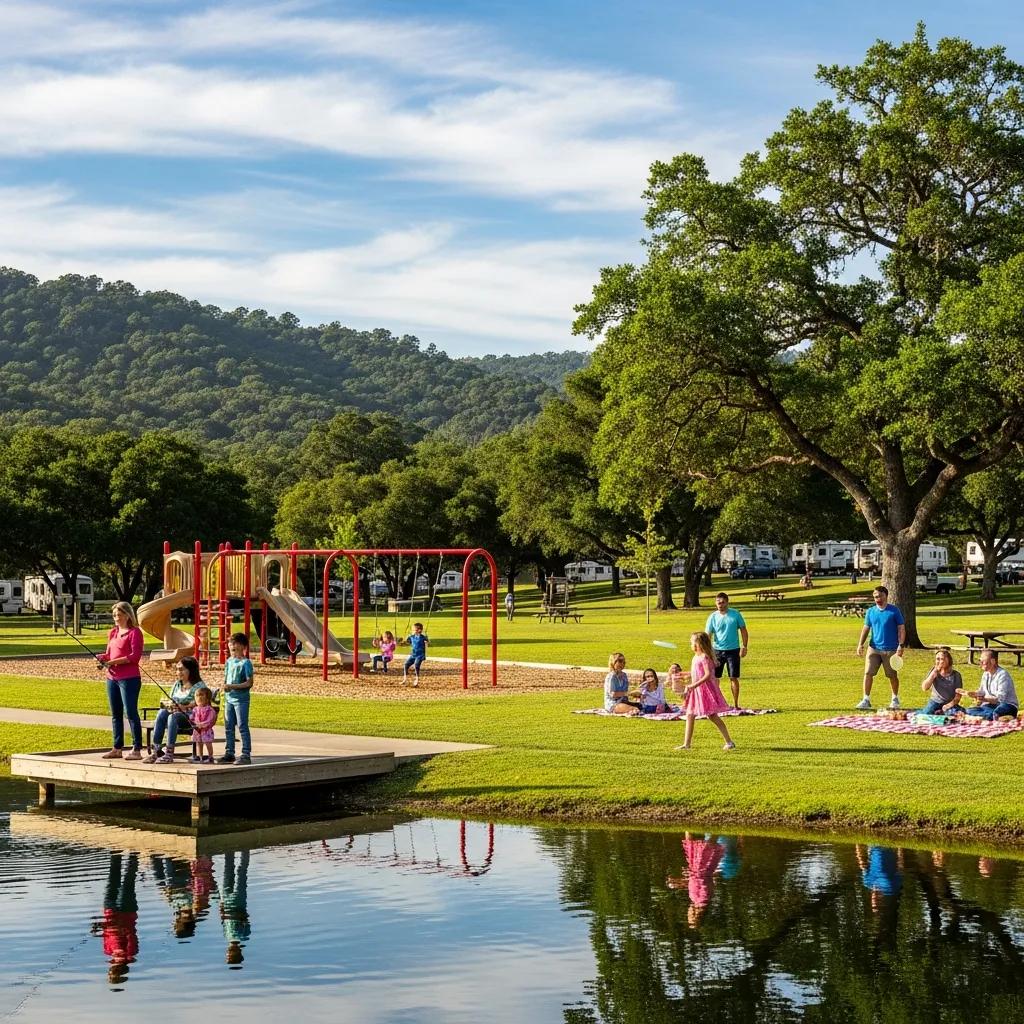
Not every camper wants water all day. Non‑swimming amenities give families other ways to enjoy their visit — fishing spots, trails, playgrounds, and weekend programming that make multi‑day stays fun without relying on the lake. Those options are especially helpful for groups with young children who tire quickly, older adults who prefer quieter activities, or mixed groups that want variety. Highlighting these alternatives helps you pick sites that fit your family’s mix of interests.
Common non‑swimming offerings nearby that families rely on include:
- Fishing and angling areas: calm ponds and shoreline spots for casual family fishing.
- Golf cart trails and paths: easy loops to move around the campground without a full vehicle.
- Playgrounds and open fields: safe places for younger kids and informal games.
- Weekend events and programming: family nights, crafts, and group activities that build community.
These options increase a campground’s appeal to non‑swimmers and multi‑generational groups. The next section explains how to structure days around fishing, trails, and playgrounds while keeping energy levels balanced.
How Can Families Enjoy Fishing, Golf Cart Trails, and Playgrounds at The Oaks?
Build easy days from on‑site features: try morning fishing, a playground break around noon, and an afternoon golf cart ride or trail walk. Casual fishing works well as a mixed‑age activity — older kids and adults pair up while little ones play nearby — and you don’t need fancy gear to enjoy it. Golf cart paths make moving gear and people simple across a larger site, and playgrounds serve as social spots where kids burn energy while parents chat. Stagger more active items (trail rides) with low‑effort ones (fishing) to keep the day smooth.
Next we cover the kinds of weekend programming that typically complement these day plans.
What Weekend Events and Family Fun Activities Are Available Beyond Swimming?
Family‑friendly campgrounds often schedule group activities to add structure and social fun: think outdoor movies, game nights, kids’ crafts, and occasional live family entertainment. Events usually follow a familiar rhythm — a Friday night social kickoff, kids’ activities during Saturday, and relaxed options on Sunday — so you can pick dates that match your energy level. These programs lift the entertainment burden from parents and help families make memories with other campers.
Choosing weekends with the right level of programming can be a deciding factor when comparing a busy, swim‑focused site to a quieter option.
How Does The Oaks Campground Connect to Portage Lake and Waterloo State Recreation Area Adventures?
A campground’s nearby natural assets expand what you can do in a day. From The Oaks, it’s easy to mix on‑site lake time with trips to Portage Lake and hikes in the Waterloo State Recreation Area. That geographic flexibility means you can split days between restful beach time and longer outdoor adventures without long drives, which is a big plus for families wanting variety.
Quick reference: how nearby attractions translate into activities from The Oaks.
Use this mapping to alternate lake days with nearby hikes and wildlife visits. The next section outlines trail types and nature experiences families commonly enjoy from The Oaks.
What Hiking Trails and Nature Experiences Are Accessible from The Oaks?
Accessible hikes range from short, stroller‑friendly boardwalks to longer loops for older kids and adults. Waterloo’s trails offer a mix of easy and moderate routes, so you can pick hikes that match energy and attention spans. Transitional habitats near lakes and ponds are great for birding and seasonal wildlife sightings — spring migrations and fall color are local highlights. For families, pick a few short trail options so younger hikers stay engaged and you still have time for on‑site activities.
These outings pair well with lake days, giving your group a restorative nature break between busier activities.
How Does Proximity to Portage Lake Enhance Camping Options?
Being close to Portage Lake adds boating, wider fishing choices, and more shoreline to explore, which complements an on‑site swimming lake. If some family members prefer boating or kayaking while others stick to the beach, proximity creates parallel plans that satisfy different interests. For weekend travelers, easy day trips offsite mean more variety without long drives. When choosing a campground, decide whether you want everything concentrated on site or want quick access to a larger waterbody for extra watercraft options.
With that in mind, the next section explains why The Oaks is a strong choice for families coming from nearby cities.
Why Choose The Oaks Campground for Family‑Friendly Camping Near Major Michigan Cities?
Short drive times from metro areas plus family‑focused amenities make a campground a natural weekend choice. For families in Detroit, Ann Arbor, Jackson, and nearby metros, The Oaks offers a swim‑ready lake plus non‑swimming alternatives, which cuts travel friction and maximizes time on site. That convenience often leads to repeat weekend bookings and makes spontaneous short trips more doable. Paired with programmed events and family amenities, The Oaks is set up for easy, memorable short escapes.
Here are practical reasons city families pick a campground like The Oaks for weekend breaks:
- Shorter drive times mean more time enjoying the campground and less time on the road.
- Family‑oriented amenities keep activities on site and cut down on day trips.
- Diverse activity mix satisfies multi‑generational groups and varied interests.
These conveniences influence how and when families reserve sites. The next section covers travel logistics in more detail.
How Does The Oaks Provide Convenient Access for Campers from Detroit, Ann Arbor, and Jackson?
Campgrounds within easy driving distance become go‑to weekend spots because they lower the barrier to getting away. Most visitors plan short Friday‑to‑Sunday trips; The Oaks’ location supports that pattern with straightforward arrival and parking so you can check in and unload quickly. That ease of access makes early departures and late returns less stressful and helps families make the most of a weekend.
Knowing these travel patterns helps you choose dates that match event programming or quieter weekends. Next, we highlight the kinds of memories families often make at a well‑equipped campground.
What Unique Family Memories Can Be Created at The Oaks Campground?
At a mixed‑amenity campground, memories come from repeated rituals: sunrise swims, sandcastle contests, shared campfire meals, and starry evenings after a day of hiking. Those rituals build travel traditions that kids remember year after year. The variety of on‑site options — playgrounds, water features, trails — lets families rotate activities so every visit feels fresh while keeping familiar favorites. Planning a couple simple rituals before your trip, like a beach breakfast or an evening walk, helps create a comforting routine for younger children.
Those routines are part of why picking the right mix of proximity and amenities matters. The next section lays out a clear comparison between swimming and non‑swimming campgrounds to help you decide.
What Are the Key Differences Between Swimming and Non‑Swimming Campgrounds Near Portage Lake?
Differences come down to daily structure, supervision needs, noise and crowd levels, and packing. Swimming campgrounds center daytime life around water — more swim gear, active supervision, and busier days — while non‑swimming sites favor quiet, trail time, and wildlife viewing with calmer evenings. Consider your group’s ages, mobility, tolerance for crowds, and whether you prefer on‑site water access or nearby day trips. The table below highlights how amenities shape outcomes so you can match the campground to your goals.
This comparison makes it easier to weigh the trade‑offs. The following sections explain how swim amenities change planning and why non‑swimming sites can be a better fit for some groups.
How Do Swimming Amenities Impact Camping Choices and Experiences?
When you choose a swimming campground, expect to pack swimsuits, life vests, water shoes, and extra sun protection. Days often cluster around prime daylight hours at the beach, which can lead to fewer offsite trips and longer stays to make the most of water amenities. Supervision needs rise, so families often select campsites with clear sightlines to swim zones or set up alternating caregiver shifts. These practical changes matter when you match a campground to your family’s energy and preferences.
Next, we outline what non‑swimming campgrounds offer in return.
What Are the Benefits of Non‑Swimming Campgrounds for Diverse Camper Preferences?
Non‑swimming campgrounds deliver quieter nights, excellent stargazing, closer trail access, and a lower gear burden — ideal for birders, photographers, hikers, or anyone who prefers solitude. They’re a good fit for families with members who have water anxieties or mobility limits and for groups wanting longer, nature‑focused stays. For mixed groups, these sites provide a calmer rhythm that many find restorative.
With those contrasts in mind, RV campers who want lake access but strong on‑site logistics should plan carefully. The next section gives an RV‑focused checklist.
How to Plan Your RV Camping Trip Near Portage Lake with Lake Access and Amenities?
Good RV planning comes down to picking the right site, confirming hookups, packing appropriate gear, and timing reservations around events like the Wibit opening. The more you check ahead — hookups, pad size, and site proximity — the smoother your stay. Use the short checklist below to turn goals into bookings and a packing plan that minimizes surprises.
RV checklist for balancing lake access with campsite logistics:
- Reserve a site with the space and proximity you want to the lake or amenities.
- Confirm hookup types and on‑site services (dump station, water fill, power amperage).
- Pack for water days (life vests, towels, water shoes) plus trail gear and layers for cool evenings.
- Time reservations around programmed weekends or the Wibit 2027 opening if that’s a priority.
These steps help you decide whether lakeside positioning or other site features deserve priority. The next section explains common RV hookup options.
What RV Camping Facilities and Hookup Options Does The Oaks Campground Provide?
Select sites based on hookup needs: full hookups support longer, more comfortable stays; partial hookups require more self‑sufficiency. Many family campgrounds offer water fill stations, dump stations, and level pads to make RV stays practical for short and long visits alike. Always verify amperage, sewer configuration, and pad dimensions with the campground before arrival so you pick the right spot and avoid surprises.
Quick reference to common RV site types and what they suit best:
Use this table to weigh lake proximity against hookup needs and desired stay length. Next we offer tips to get the most from a combined lake + trail trip.
How to Maximize Your Stay with Water Activities and Nearby Attractions?
Plan days by energy and activity: morning swims, mid‑day hikes to Waterloo or Portage Lake, and evening campfire time. Reserve prime sites early for busy weekends and alternate high‑energy outings with restful ones so little ones recharge. Bring flexible gear so you can pivot quickly between lake play and hiking. When big attractions (like the Wibit) open, consider adding an extra night so you can enjoy them without rushing.
These simple scheduling choices turn a menu of amenities into a balanced family rhythm that keeps everyone happy and reduces logistical stress.
Frequently Asked Questions
1. What should families consider when choosing between swimming and non‑swimming campgrounds?
Think about ages, interests, and supervision needs. Swimming campgrounds are lively and water‑focused — great for kids who love the beach. Non‑swimming sites offer quieter days for hiking and wildlife watching. Also weigh noise tolerance, safety needs, and whether you want most activities on site or prefer day trips to nearby lakes.
2. Are there any specific safety measures at swimming campgrounds?
Yes. Many swimming areas use lifeguards, marked swim zones, and posted safety rules. Some sites supply flotation devices and beach signage. Regardless, parents should supervise children closely and choose campsites with good sightlines to the swim area.
3. How can families balance activities between swimming and non‑swimming days?
Create a flexible plan: swim in the morning when energy is high, follow with a picnic and a nature hike in the afternoon. Mixing high‑energy and low‑energy activities keeps kids engaged and prevents burnout.
4. What types of gear should families pack for a camping trip at The Oaks Campground?
Pack for both worlds: swimsuits, towels, sunscreen, life vests, and water shoes for beach days; fishing gear, hiking boots, and layered clothing for cooler nights and trail time. Recreational items like bikes or a golf cart (if allowed) make getting around easier, plus basic picnic gear and campfire supplies.
5. What are the benefits of attending weekend events at The Oaks Campground?
Weekend events add easy entertainment, social time, and memorable moments without extra planning. Activities like game nights, outdoor movies, and kids’ crafts give families chances to connect and meet other campers, making the trip feel fuller and more social.
6. How does the planned Wibit water park impact future camping experiences?
The Wibit will bring new inflatable courses and obstacles that boost on‑lake activity and appeal to a wide age range. Expect more daytime energy and popularity on warm days — great for families who want extra water fun, but potentially busier during peak times.
7. What are some tips for families traveling from major cities to The Oaks Campground?
Leave early Friday or Saturday to maximize time onsite, book in advance for busy weekends, and choose dates that match your preferred programming level. Pack efficiently for both lake and trail activities so you can switch plans easily based on weather and energy levels.
Conclusion
Choosing between a swimming or non‑swimming campground near Portage Lake comes down to the rhythm you want for your trip. The Oaks Campground blends a swim‑ready lake, sandy beach, and growing family programming with quiet options for nature lovers — giving most families something to enjoy. Match your group’s needs, book the right site, and plan a few simple rituals to turn a weekend away into a family tradition. Ready to start planning your trip?