Ultimate Guide to Pet-Friendly Camping in Michigan: Best Campsites for Your Dog
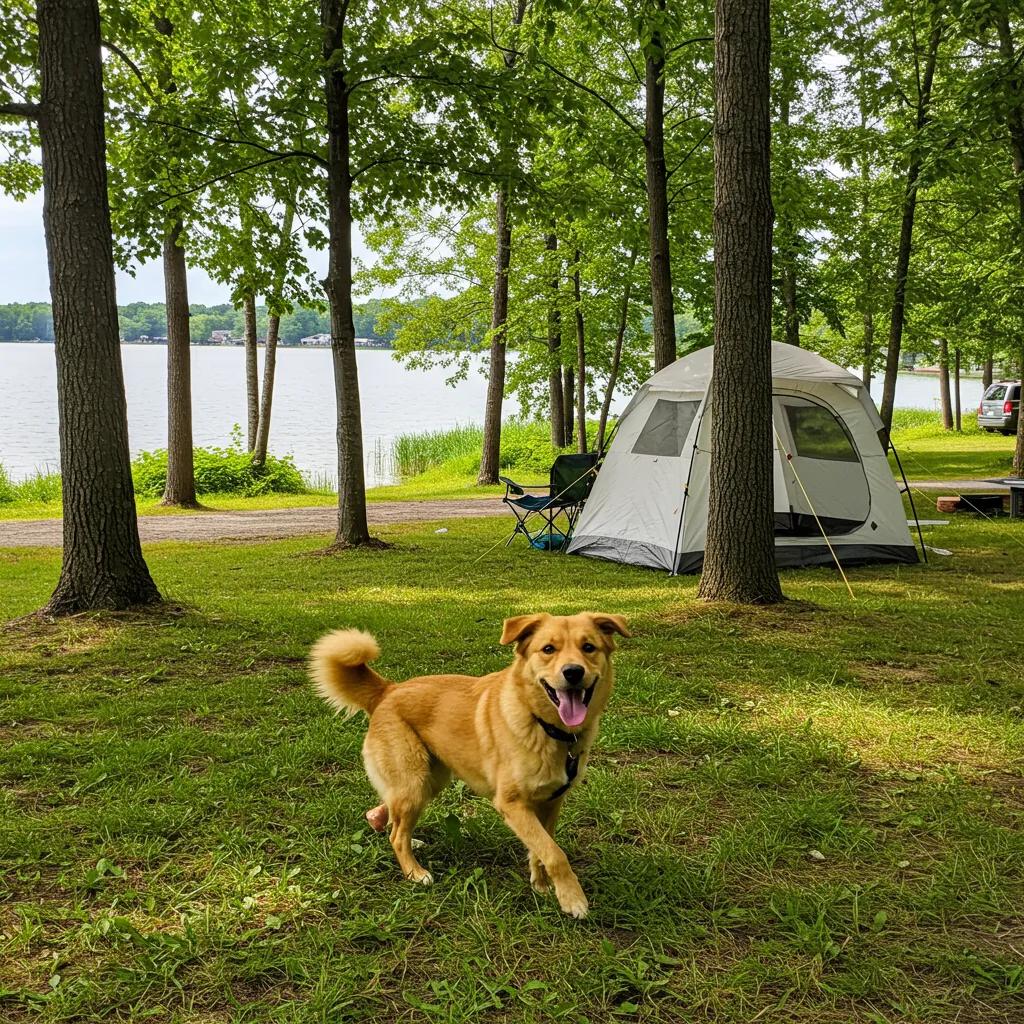
Planning a pet-friendly camping trip in Michigan means finding outdoor spots where your dog can safely explore, play, and relax while you soak in the lakes, forests, and family fun. This guide will walk you through what makes a campground truly welcoming to pets, how Michigan’s natural beauty and park systems cater to dog owners, and practical tips for picking the right site and packing smart for your furry companion. If you’re on the hunt for the best pet-friendly camping in Michigan for your dog, or wondering which Michigan campgrounds that allow dogs offer the best perks, you’ll find curated recommendations, clear rules, and handy checklists right here. We’ll tackle common frustrations—vague pet policies, leash and cleanup rules, and a lack of on-site pet facilities—with straightforward solutions and campsite comparisons. You’ll discover top campground picks, Michigan State Parks’ specific leash and beach regulations, a quick packing list for your dog, key pet-friendly amenities to prioritize, and local activities near Durand and Walnut Hills that welcome pets. Keep reading to compare your options, get the lowdown on regulations, and get ready for a safe, fantastic trip with your dog.
What Are the Best Pet-Friendly Campgrounds in Michigan?
A truly pet-friendly campground offers secure spaces for your dog to exercise, straightforward pet policies, and accommodations that welcome dogs, all of which help reduce stress and boost safety. In Michigan, the top spots strike a balance between natural access—think trails, water, and shade—and convenient on-site amenities like dog parks, pet waste stations, and pet-friendly cabins or RV sites. To pick the perfect campground, you’ll want to check leash rules, available off-leash areas, and whether cabins or sites actually allow pets, so you don’t face any surprises upon arrival. Below, we’ve gathered our top picks and a quick comparison to help you find Michigan pet-friendly cabins with dog park access and campgrounds that truly welcome dogs.
This brief comparison highlights three common types of campgrounds and the pet amenities they typically offer.
Why Choose Michigan for Dog-Friendly Camping?
Michigan boasts a diverse outdoor playground—lakes, rivers, forests, and dunes—that’s naturally suited for dog-centric adventures and exploration. The state’s extensive trail networks and abundant freshwater access make it easy to plan hikes and swims for your dog, promoting both physical exercise and mental stimulation. With distinct seasons, you can find cool lakeside spots in the summer or crisp autumn trails for longer dog walks, enhancing well-being for both pets and families. These natural advantages mean many campgrounds and parks across lower Michigan and beyond offer fantastic pet-friendly options.
Which Campgrounds Offer Dedicated Dog Parks?
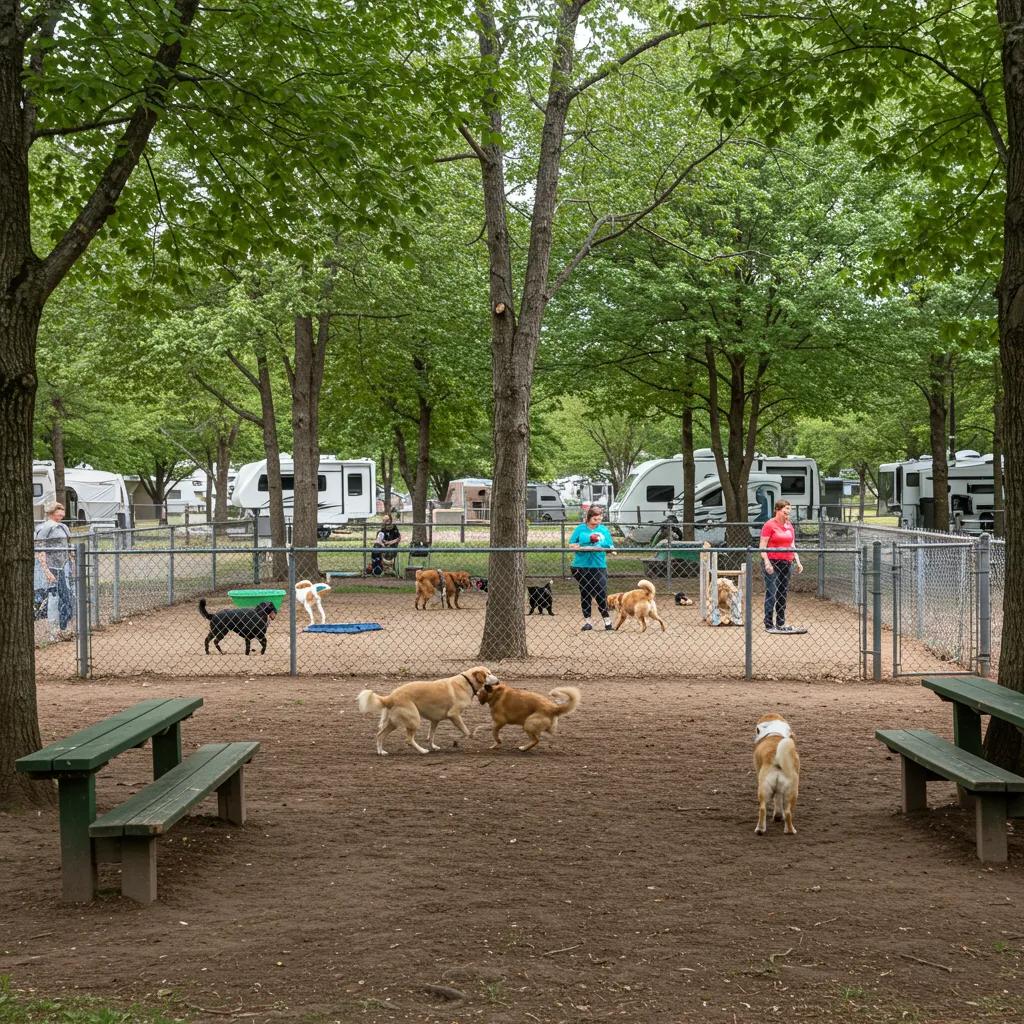
Dedicated dog parks at campgrounds are usually fenced, provide access to water, and sometimes even feature separate areas for smaller dogs, all designed to enhance safety and enjoyment. A great campground dog park helps prevent off-leash conflicts, allows for supervised socialization, and makes it much easier to meet the daily exercise needs of energetic breeds. Before you book, be sure to confirm the dog park’s operating hours, the condition of the fencing, and whether it includes waste stations and shade to keep your dog cool on hot days. Understanding these features will help you decide between most private campgrounds and larger family resorts.
Pet-Friendly Campsites: Policies and Infrastructure for Pet Travelers
Additionally, with over one-third of guests travelling with pets, campsites would benefit from creating pet-friendly zones, clear pet policies, and basic infrastructure like dogwalking areas.
Seasonality in Camping Tourism, 2025
How Does Walnut Hills Family Campground Stand Out for Pet Owners?
Walnut Hills Family Campground, operated by GatherGrounds Resorts in Durand, Michigan, really shines for pet owners by combining a large, dedicated dog park with a variety of pet-welcoming accommodation types. The property offers RV sites, tent sites, and cabins that welcome pets, alongside family amenities like a Wibit water park and Shiawassee River float trips, providing diverse activity options for dogs and their humans. With modern, renovated facilities and a strong focus on family-friendly activities, Walnut Hills serves as a practical example when comparing amenities like dog park size, cabin policies, and on-site pet conveniences. For those ready to book, Walnut Hills accepts online reservations and clearly highlights its dog park and pet-friendly cabin offerings.
Here are some top pet-friendly campground choices to consider as you plan your Michigan trip:
- Walnut Hills Family Campground (Durand): Features a large dog park, pet-friendly cabins, and on-site family activities perfect for dogs and owners alike.
- Michigan State Parks (select parks): Offers leash-required trails and varied beach access, ideal for day hikes with your dog, provided park rules allow.
- Private family campgrounds with fenced dog areas: Often include pet waste stations and smaller off-leash zones, but rules and maintenance can vary widely.
These quick picks offer a starting point for comparing pet amenities across different campground types and lead into understanding park rules.
What Are Michigan State Parks’ Pet Rules and Regulations?
Michigan State Parks generally welcome dogs but enforce leash rules, specific area restrictions, and waste disposal responsibilities to protect wildlife and fellow visitors. The purpose behind these rules is public safety and environmental preservation: leashes prevent wildlife disturbance and reduce conflicts, while waste rules safeguard water quality. Knowing the typical leash length, beach exceptions, and required cleanup responsibilities will help pet owners avoid fines and ensure a positive experience for everyone. The next section clarifies common allowances and exceptions, so you can check park-specific regulations before you travel.
Are Dogs Allowed in Michigan State Parks?
Yes, dogs are generally permitted in Michigan State Parks, but with important caveats designed to protect ecosystems and visitor safety, such as leash requirements and restricted access to certain beaches or buildings. Park managers work to balance pet access with wildlife conservation and public use, which results in variable policies across parks that owners must verify before visiting. Always plan to follow posted rules, carry a short leash for crowded areas, and be prepared for potential restrictions on some trails or during seasonal events. Confirming park-specific guidance beforehand prevents surprises and ensures a smoother trip for your dog.
Balancing Park Ecology and Visitor Experience with Dogs
Although park mandates try to balance ecological integrity with visitor experience and satisfaction, these interests can compete with each other. An issue that has gained growing attention is spatial conflict between wildlife and the behaviour of park visitors’ dogs, including on beaches in protected coastal areas.
Parks, dogs, and beaches: Human-wildlife conflict and the politics of place, R Gifford, 2015
What Are Leash and Waste Disposal Rules for Dogs?
Leash and waste rules are in place to minimize wildlife interactions, limit dog disturbances, and maintain sanitation in natural areas; enforcement can vary, but these are consistent expectations across most parks and campgrounds. Leash lengths are typically designed to ensure direct control, while pet waste stations and disposal bags help keep common areas clean and protect waterways. In practice, always carry extra waste bags, use designated disposal points when available, and respect enforcement measures to support shared access. These practices also model good pet etiquette and reduce the likelihood of future access restrictions.
Which State Parks Have Dog-Friendly Trails and Beaches?
Some state parks designate specific trails and shoreline areas as dog-friendly, focusing on lower-risk habitats and manageable visitor density to allow for safe dog walks and occasional water access. When selecting a trail, prioritize loop routes with shade, moderate terrain, and proximity to water for cooling off; check seasonal advisories for ticks or high water conditions. Use park maps and filter tools on official state resources to find pet-allowed trails and beaches, and plan routes that match your dog’s fitness and comfort level. These preparatory steps help minimize risks and maximize enjoyment for both you and your dog.
How to Plan a Safe and Enjoyable Camping Trip with Your Dog in Michigan?
Planning a dog-friendly camping trip begins with essential gear, conditioning, and contingency planning to ensure safety and comfort; thorough preparation reduces stress and helps manage environmental risks. A clear packing checklist covers hydration, safety, and comfort, while pre-trip conditioning and obedience practice improve campsite behavior. Combining careful planning with knowledge of park regulations and pet amenities makes outdoor stays predictable and pleasant. The following packing table and checklist provide concrete items and their purposes, so you can assemble your supplies efficiently.
What Essential Gear Should You Pack for Camping with Dogs?

Pack gear that covers safety, health, and comfort: a strong leash and harness, visible ID, sufficient food and water, a collapsible bowl, waste bags, a basic first-aid kit, and a familiar bed or blanket. These items protect your dog and simplify management at camp: the leash and harness ensure control, ID helps with reunification, and first-aid items prepare you for minor incidents. Also include tick prevention and any regular medications, and test gear like crates or trail harnesses at home so your dog is comfortable. Proper gear significantly reduces the chance of emergency problems while camping.
How to Prepare Your Dog for Outdoor Camping Adventures?
Preparation involves conditioning walks, practice overnight trips, and gradual exposure to camping gear like crates, tents, or vehicle sleeping arrangements. Increase walk lengths and vary terrains to build stamina, and simulate camp nights to help your dog acclimate to new sleeping spaces and noises. Schedule a vet visit to confirm vaccinations and discuss regional risks such as ticks or water-borne hazards before you travel. These steps make camping less stressful and enhance your dog’s adaptability to the outdoor environment.
What Are Best Practices for Dog Etiquette at Campgrounds?
Good campground etiquette starts with keeping dogs leashed where required, supervising off-leash activity only in approved areas, minimizing barking, and cleaning up waste immediately to maintain community goodwill. Respecting quiet hours, controlling interactions with other pets, and securing food away from wildlife prevents conflicts. Communicate polite behavior expectations to family members and practice recall commands so your dog responds reliably. Consistent etiquette helps preserve access to pet-friendly facilities for future visitors.
What Pet-Friendly Amenities Should You Look for in Michigan Campgrounds?
Pet-friendly amenities remove barriers to enjoyable stays by providing exercise spaces, hygienic waste disposal, and suitable lodging that welcomes dogs; these features reduce stress and increase convenience. Prioritize dog parks, pet waste stations, shade and water access, pet-friendly cabins or RV sites, and readily available information about local pet rules. Use amenity quality indicators—like the size of the dog park, fencing condition, maintenance, and clear posted rules—to evaluate suitability for your dog. The following lists and examples explain why each amenity matters and how they enhance your experience.
- Dog Park: Offers a safe, off-leash space for exercise and socialization for dogs.
- Pet Waste Stations: Help maintain cleanliness and protect water quality by enabling proper disposal.
- Pet-Friendly Cabins/RV Sites: Provide contained, comfortable accommodations suitable for families with dogs.
- Nearby Trails with Water Access: Support exercise and cooling opportunities for dogs during warmer months.
Why Are Dog Parks and Pet Waste Stations Important?
Dog parks allow for controlled off-leash activity and socialization, which helps reduce pent-up energy and improves campsite behavior during quiet hours. Pet waste stations prevent environmental contamination and signal a campground’s commitment to pet-friendly infrastructure, making stays more pleasant for all guests. When scouting a park, check for good fencing quality, the presence of separate small-dog areas, and the placement of waste stations relative to campsites. These amenities directly impact the day-to-day ease of camping with a dog.
Which Campgrounds Offer Pet-Friendly Cabins and RV Sites?
Pet-friendly cabins typically feature hard flooring, specific pet policies, and sometimes cleaning fees; RV sites that welcome pets should offer space for containment, shade, and easy access to walking areas. Confirm rules regarding furniture, maximum pet counts, and any additional fees before booking to avoid surprises. Opt for cabins with durable interiors and RV sites located near trails or dog parks to streamline daily routines. Clear communication with campground staff about your pet’s needs will enhance your stay.
How Do Pet Amenities Enhance Your Camping Experience?
Amenities such as dog parks, waste stations, and pet-friendly cabins reduce logistical friction and increase opportunities for safe exercise and relaxation, benefiting both dogs and their owners. Practical conveniences make longer stays more feasible and lower stress when managing feeding, waste, and exercise. Positive amenity experiences often lead to repeat visits and better reviews, reinforcing the value of selecting well-equipped sites. Prioritizing these features leads to smoother, more enjoyable outings.
Where Can You Find Pet-Friendly Activities Near Michigan Campsites?
Pet-friendly activities near Michigan campsites include dog-friendly hiking trails, supervised river floats, and outdoor attractions that welcome leashed dogs; planning these activities adds significant value to your trip. Safety considerations—like current strength in rivers, tick season, and beach rules—should guide your activity choices and gear, such as canine life jackets. Local attractions near Durand and Walnut Hills include Shiawassee River floats and nearby trails that commonly allow dogs, and planning day trips around these options can enhance your stay. The following list highlights activity types and preparatory tips to help you integrate outings into your camping itinerary.
- Shaded hiking loops: Short to moderate trails offer exercise and shelter from the sun.
- River floats and supervised water activities: Calm river sections can be enjoyed with proper supervision and canine flotation devices.
- Beach or lakeside walks where permitted: Provide opportunities for swimming and recovery, subject to park rules.
What Are the Top Dog-Friendly Hiking Trails in Michigan?
Choose trails with moderate distance, varied shade, and firm footing to match your dog’s fitness level; these characteristics help reduce overheating and paw strain. Look for loop trails that allow for flexible turn-back points and are close to potable water sources for refills. Always check trail maps and seasonal advisories before heading out, and use a short leash on crowded or wildlife-sensitive paths. Selecting your route thoughtfully maximizes enjoyment while minimizing risk.
Can You Take Your Dog to Beaches and Rivers Like the Shiawassee River?
Dogs can often accompany owners to riverbanks and some beaches, but access depends on local regulations and seasonal restrictions designed to protect swimmers and wildlife. Prioritize safety: assess current strength, avoid high-flow periods, and consider a canine life vest for deep or fast-moving water. Keep dogs leashed near public swim zones if required, and rinse them off after freshwater exposure to reduce tick and parasite risks. These precautions help integrate water activities responsibly into pet-friendly itineraries.
Which Nearby Attractions Welcome Pets Around Durand and Walnut Hills?
Near Durand and Walnut Hills, you can typically find local trails, river-access points, and outdoor attractions that welcome leashed dogs; these options expand your activity choices beyond the campground. Verify specific attraction policies in advance, plan shorter visits for heat-sensitive dogs, and use local information resources provided by campgrounds to identify pet-friendly spots. Walnut Hills specifically highlights Shiawassee River float trips and nearby trail options as accessible activities for guests traveling with dogs, so checking their reservation and information resources can help coordinate day trips.
Making Reservations at Walnut Hills Family Campground
If Walnut Hills Family Campground sounds like the perfect fit for your needs, remember that the property accepts online reservations and proudly promotes pet-friendly features like a large dog park and pet-friendly cabins. Book early during peak seasons to secure sites close to dog amenities, and don’t hesitate to ask about any pet-related policies when booking to ensure you’re compliant. Using the campground’s reservation resources helps confirm cabin acceptance and dog-park availability before you arrive, making planning straightforward. Booking ahead reduces stress and secures the best setup for a successful dog-friendly camping trip.
Frequently Asked Questions
What should I consider when choosing a pet-friendly campground in Michigan?
When selecting a pet-friendly campground in Michigan, consider factors such as the campground’s pet policies, available amenities, and nearby activities. Look for campgrounds that offer dedicated dog parks, waste disposal stations, and pet-friendly accommodations. Additionally, check leash requirements and any restrictions on off-leash areas. Understanding the campground’s layout and proximity to trails or water access can enhance your experience, ensuring your dog has ample opportunities for exercise and exploration.
Are there any specific health precautions I should take for my dog while camping?
Yes, it’s essential to take health precautions for your dog while camping. Ensure your dog is up-to-date on vaccinations, especially for ticks and other regional hazards. Bring a first-aid kit that includes items like tick removal tools and antiseptic wipes. Keep your dog hydrated, especially during warm weather, and monitor them for signs of overheating. Additionally, consider using a canine life jacket if engaging in water activities. Regularly check for ticks and other pests after outdoor excursions.
How can I ensure my dog behaves well at the campground?
To ensure your dog behaves well at the campground, start with proper training and conditioning before your trip. Practice basic commands and recall in various environments to reinforce good behavior. Gradually expose your dog to camping gear and simulate camping experiences at home. During your stay, supervise your dog closely, especially in shared spaces, and keep them leashed when required. Providing plenty of exercise and mental stimulation will also help reduce anxiety and promote calm behavior.
What are the best practices for cleaning up after my dog while camping?
Cleaning up after your dog is crucial for maintaining a pleasant camping environment. Always carry waste bags and use them to promptly pick up after your dog. If waste disposal stations are available, use them; if not, pack out the waste in a sealed bag. Be mindful of your surroundings and avoid leaving waste near trails or water sources. Practicing good hygiene not only keeps the campground clean but also sets a positive example for other pet owners.
Can I take my dog on all hiking trails in Michigan State Parks?
No, not all hiking trails in Michigan State Parks allow dogs. While many parks do permit dogs, they often have specific trails designated as dog-friendly. Always check the park’s regulations before heading out, as some trails may have leash requirements or restrictions during certain seasons. Look for maps or resources provided by the park to identify which trails are suitable for dogs, ensuring a safe and enjoyable hiking experience for both you and your pet.
What should I do if my dog gets lost while camping?
If your dog gets lost while camping, remain calm and take immediate action. Start by retracing your steps and calling your dog’s name. Use familiar commands or sounds that your dog recognizes. Inform fellow campers and campground staff about the situation, as they can help keep an eye out. If your dog is microchipped, ensure your contact information is up-to-date. Consider using a GPS collar or tracking device for added security during your camping trips.
Conclusion
Embarking on a pet-friendly camping adventure in Michigan allows you and your dog to explore stunning landscapes while enjoying essential amenities tailored for your furry friend. By choosing campgrounds with dedicated dog parks, clear pet policies, and nearby activities, you can ensure a stress-free experience for both you and your pet. Understanding the rules and preparing adequately enhances your trip, making it enjoyable and memorable. Start planning your next outdoor getaway today and discover the perfect campsite for you and your dog!