Unveiling Hidden Costs: What to Know About Campground Amenities and Services Before You Book
Camping “hidden costs” are those extra charges or service fees that pop up after the initial campsite rate, often turning a planned weekend budget into a surprising expense. This guide breaks down what these hidden fees typically look like at private campgrounds, why they’re a thing, and how to spot which charges are included versus extra before you book. You’ll learn what a base campsite rate usually covers, common add-on fees to watch out for, how pet and vehicle policies can impact your total, and what to expect for reservation timing or modification costs. We also cover practical steps to confirm fees and highlight how a family-focused operator, Walnut Hills Family Campground, lays out amenity specifics to help you budget. By the end, you’ll have checklists, comparison tables, and actionable tips to sidestep surprise charges when booking RV sites, tent sites, or cabins, and when enjoying amenities like the Wibit water park or canoe and kayak rentals on the Shiawassee River.
What Does the Base Campsite Rate at Walnut Hills Family Campground Include?
The base campsite rate is your starting point, defining the standard offering you get for a night’s stay and explaining how services are bundled. Base rates typically bundle the site reservation itself, basic site features, and access to certain common amenities, which helps cut down on surprise charges. Knowing this base package is key to comparing campground pricing, whether you’re looking at private spots or state parks. Below is a quick table showing common inclusions by accommodation type to set your expectations before you book.
The table below shows typical inclusions by site type.
Which Accommodations Are Covered in the Base Price?
Accommodation types are the specific kinds of “camping accommodations” and define what a base rate usually secures. RV sites, tent sites, and cabins are the most common options, and each comes with different included items due to their physical setup and service needs. For instance, an RV site typically includes a defined parking pad and access to campground utilities in some models, while a tent site focuses on ground space and shared facilities. If you’re planning an RV site, tent site, or cabin stay, be sure to check the reservation and rates page to confirm exactly which items are bundled into the base price.
These distinctions are why comparing site types helps you anticipate extra costs, like those for premium cabin amenities or metered services that might not be bundled with simpler tent sites.
What Amenities Are Included Without Extra Charges?

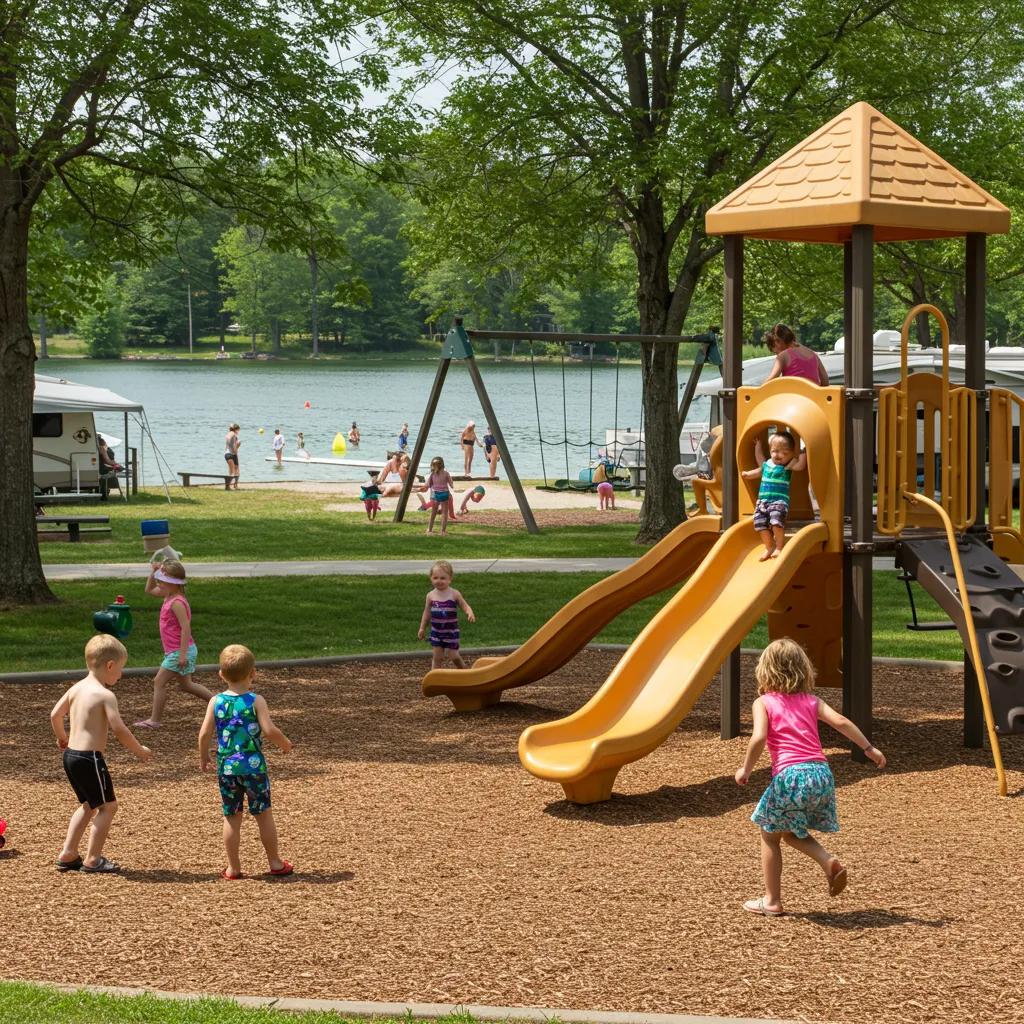
An included amenity is any facility guests can use without paying an extra fee beyond the base rate, and having more included amenities means less spending per person during your stay. Family-focused campgrounds often include general-use facilities like playgrounds, a swimming lake, and certain activity areas so guests get plenty of recreational value from their booking. Public information suggests that Wibit water park access is often presented as an included amenity at some family campgrounds, which can really boost family fun without per-use fees. Always check for age or safety restrictions that might limit use for younger guests.
Common included amenities at many private campgrounds include:
- Playgrounds and general grounds access: Open to registered guests at no extra cost.
- Swimming lake access: Typically included but may have lifeguard or age restrictions.
- Wibit water park access: Often listed as included; confirm any time or size limits.
Confirming included amenities before you arrive helps prevent last-minute choices that add expense and ensures your group meets any safety or age requirements for access.
How Does Seasonal Pricing Affect Base Rates?
Seasonal pricing is how operators adjust base campsite rates based on demand, and it directly impacts what you pay per night. Peak seasons—usually summer weekends and holidays—mean higher base rates because demand is up and amenities see more use, while off-peak times often bring lower base prices and promotional discounts. Seasonal tiers don’t always change what amenities are included; rather, they change the cost of reserving the same package. Checking a campground’s rate calendar early can help you lock in a lower base rate and avoid paying premium weekend prices.
Planning around off-peak dates or midweek stays is a smart way to cut down on nightly costs without giving up access to included amenities, and booking earlier often secures your preferred site types at standard rates.
What Are Common Extra Fees for Campground Amenities and Services?
Common extra fees are charges added on top of the base rate for additional services, and understanding these fee models helps prevent budget surprises during your stay. Private campgrounds typically use a mix of flat one-time fees, hourly or daily rental rates, per-item costs, and metered utility billing for extras. Below is a table summarizing typical extra fees, their billing types, and notes to help you compare likely costs and make informed choices before arrival.
The table below compares common extra fees and typical billing models.
Are Utility Hookups Charged Separately?
Utility hookups—electric, water, and sewer—are specific types of campground utility services and are billed differently depending on the operator’s policy. Some campgrounds include basic hookups in the base rate, others charge a flat hookup fee, and some meter high-usage electricity separately for RV guests. For RV stays, confirm whether 30/50 amp electrical service, water, and sewer access are included or billed separately; this impacts both nightly cost and how you manage consumption on-site.
Ask for explicit hookup terms when reserving an RV site so you can budget for metered charges or choose a site type that includes utilities without add-ons.
What Are the Costs for Recreational Equipment Rentals?

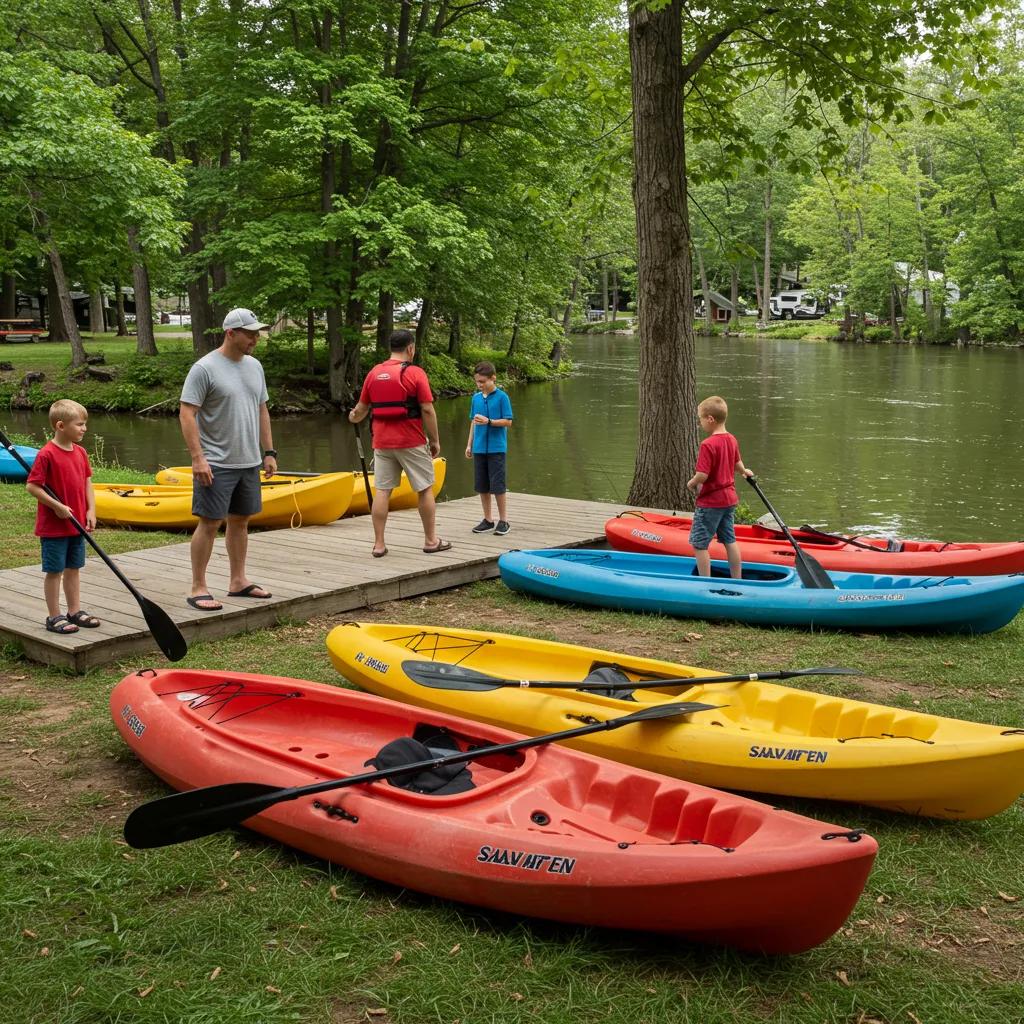
Recreational equipment rentals are a way to monetize access to gear, and they’re commonly priced by the hour or by the day to reflect usage and maintenance costs. Rental categories often include canoes and kayaks, water-park access that requires a reservation, and specialty items; canoe and kayak rentals on the Shiawassee River are typically offered as hourly or half-day options at family campgrounds with river access. Rental agreements might require safety briefings, lifejacket returns, and a deposit to cover potential damage.
Typical rental pricing models include:
- Hourly rentals: Charged per hour for short floats or paddles.
- Daily rentals: Flat fee for full-day use and often a better value.
- Deposit or ID hold: Temporary security to protect equipment value.
These models let you choose short excursions or full-day trips while understanding the impact on your camping budget.
Do Camp Store Items Like Firewood and Ice Incur Additional Charges?
Camp store items are sold individually and usually come with markups compared to local grocery prices, which is how camp stores cover convenience and stocking costs. Staples like firewood, ice, snacks, bottled water, and basic toiletries are commonly sold on-site and billed per item or per bundle. Firewood often has sourcing rules to prevent invasive pests, which can add to the cost, and buying in bulk or bringing your own supplies are common ways to save.
Common camp store staples include:
- Firewood bundles: Sold per bundle; local sourcing rules may apply.
- Ice: Sold per bag; convenient but marked up.
- Snacks and toiletries: Sold per item for guest convenience.
Bringing basic supplies or planning shopping stops before you arrive can cut down on camp store expenses and help you avoid high per-item markups.
How Do Pet and Vehicle Policies Affect Your Total Camping Cost?
Pet and vehicle policies are rules that can translate into added fees or restrictions, and they can significantly impact your total trip cost if not planned for. Campgrounds typically outline pet rules, allowed breeds or sizes, and whether a per-pet or per-night fee applies; they also set limits on how many vehicles or extra guests a single site can accommodate before extra-vehicle or guest charges kick in. Understanding these policies before booking helps you avoid unexpected charges and choose the right site type for your group size.
Below is a quick table clarifying typical pet and vehicle policy attributes and how they translate into costs.
What Are the Pet Fees and Restrictions at Walnut Hills?
Pet policies at family-focused campgrounds usually include a fee structure and on-site accommodations, balancing guest comfort with operational needs. Walnut Hills Family Campground offers pet-friendly facilities like a dog park, which helps with pet exercise and reduces the need for paid pet services; however, specific fee amounts and any breed or size restrictions are detailed in the campground’s pet policy. Common pet fee models include a per-pet nightly charge, a refundable deposit, or a one-time cleaning fee, and proof of vaccination or leash rules are standard requirements.
Confirm the pet-fee policy and any leash or vaccination requirements before arrival to ensure you budget correctly and follow site rules.
Are There Extra Charges for Additional Vehicles or Guests?
Extra-vehicle and extra-guest charges exist because each additional person or vehicle increases wear and tear, amenity use, and parking demands, which operators account for through surcharges. Typical approaches include a flat nightly fee per extra vehicle, a per-person nightly charge for guests beyond the site’s capacity, or limits that require booking a larger site instead. To avoid fees, consider carpooling, parking overflow vehicles off-site when allowed, or reserving a site that explicitly accommodates extra vehicles and guests.
Checking the site’s maximum occupancy and vehicle allowances when booking helps prevent surprise surcharges and ensures you comply with campground capacity rules.
What Fees Should You Expect for Reservation Changes and Timing?
Reservation change fees are administrative processes campgrounds use to manage inventory and demand, and they can include cancellation penalties, modification fees, early check-in charges, and no-show policies. Typical cancellation windows require notice 48–72 hours before arrival for a partial or full refund, while later cancellations might result in a partial credit or forfeiture of the deposit. Understanding these timelines helps reduce the risk of losing funds when plans change.
Documented policies protect both guests and operators, and planning with flexible options or insurance is a smart way to mitigate the financial risk of last-minute changes.
What Are the Cancellation and Modification Fees?
Cancellation and modification fees are usually tiered based on how far in advance you make changes and serve to recoup lost revenue when a site can’t be rebooked. A common structure is free cancellation up to a set window (e.g., 48–72 hours), a partial refund or credit for later cancellations, and forfeiture for no-shows. Modifications like date changes or site swaps might incur modest processing fees or rate differences if seasonal pricing applies.
When booking, ask for the specific cancellation window and modification process, and consider travel protection to safeguard your funds if plans become uncertain.
Are Early Check-in or Late Check-out Options Available for Extra Cost?
Early check-in and late check-out options are convenience services that may be offered for a flat fee, as a percentage of the nightly rate, or as a complimentary perk for off-peak stays. These options exist because sites need to be prepared and cleaned between guests, and they allow operators to monetize schedule flexibility. To request either option, contact the reservation team in advance and confirm availability, as capacity constraints can make these options impossible without notice.
Planning your arrival and departure around standard check-in/out times is the simplest way to avoid extra fees, but paying a small premium can ease logistics when travel schedules are tight.
How Does Walnut Hills Family Campground Ensure Transparent Pricing?
Transparent pricing means listing fees and policy details in easily accessible places so guests can make informed decisions, and it builds trust and budgeting certainty for travelers. Walnut Hills Family Campground positions itself as a family-friendly destination that highlights amenities like organized weekend events, playgrounds, sand volleyball, and gaga ball pits, and transparency about which amenities are included versus extra helps families plan. The campground also provides reservation flows and public profiles where summary fees and policies are presented during booking, allowing guests to confirm totals before payment.
Where Can You Find Detailed Fee Information Before Booking?
Detailed fee information typically appears in several places during the booking process, and checking all available sources helps prevent surprises. Look for fee breakdowns in the reservation summary, the campground’s rate and policy pages, and public business listings that summarize amenities and common charges. Saving or screenshotting the reservation confirmation that lists all line-item fees is a good habit to keep proof of what was promised at booking.
Confirm fees in the reservation summary and keep your confirmation so you can reference exactly what was included and what was charged.
How Does Transparent Pricing Benefit Your Camping Experience?
Transparent pricing reduces stress, improves budgeting accuracy, and builds trust between guests and operators, and each of these benefits directly enhances the quality of a family camping trip. When you know which amenities are included—like playground access, lake swimming, or Wibit water park use—you can plan activities without last-minute spending. Choosing a site type that fits your group size and anticipating extra fees for rentals or camp store items keeps the weekend focused on the experience rather than surprises, which is especially valuable for family stays and organized weekend events.
Clear pricing lets you compare options objectively, select the best value for your needs, and enjoy your stay with fewer unexpected costs.
Frequently Asked Questions
What should I do if I encounter unexpected fees during my stay?
If you encounter unexpected fees during your stay, the first step is to review your reservation confirmation and the campground’s fee structure. Contact the campground’s management to clarify any discrepancies. Many campgrounds have customer service representatives who can assist with billing questions. If the fees seem unjustified, ask for a detailed breakdown and express your concerns. Keeping a record of all communications can help resolve issues more effectively.
How can I find out about special promotions or discounts at campgrounds?
To find out about special promotions or discounts at campgrounds, regularly check their official website and subscribe to their newsletters. Many campgrounds offer seasonal deals, early booking discounts, or loyalty programs that can save you money. Additionally, follow their social media channels for flash sales or exclusive offers. Calling the campground directly can also yield information about any current promotions that may not be advertised online.
Are there any age restrictions for using certain amenities at campgrounds?
Yes, many campgrounds impose age restrictions on specific amenities for safety reasons. For example, swimming areas may have age limits or require adult supervision for younger children. Water parks and recreational equipment rentals often have guidelines to ensure safety. Always check the campground’s website or inquire at the front desk about any age-related restrictions before planning activities to avoid disappointment.
What are the best practices for budgeting for a camping trip?
To budget effectively for a camping trip, start by estimating your base campsite rate and then add potential extra fees for amenities, rentals, and supplies. Create a checklist of all expected expenses, including food, travel, and any recreational activities. Consider setting aside a contingency fund for unexpected costs. Researching campground policies and fees in advance can help you avoid surprises and ensure a more enjoyable experience.
How can I ensure my campsite is suitable for my needs?
To ensure your campsite is suitable for your needs, carefully review the campground’s site descriptions and amenities before booking. Consider factors such as the type of accommodation (RV, tent, cabin), proximity to facilities, and accessibility. If traveling with pets or children, check for pet-friendly policies and age-appropriate amenities. Contact the campground directly with any specific questions to confirm that the site meets your requirements.
What should I know about campground safety and emergency procedures?
Understanding campground safety and emergency procedures is crucial for a secure stay. Familiarize yourself with the campground layout, including emergency exits, first aid stations, and contact information for staff. Many campgrounds provide safety briefings upon check-in, so pay attention to these instructions. Additionally, inquire about local wildlife precautions and fire safety rules to ensure a safe and enjoyable camping experience.
Can I change my reservation after booking, and what fees might apply?
Yes, you can often change your reservation after booking, but fees may apply depending on the campground’s policy. Common fees include modification charges or differences in rates if you change to a different site type or date. Many campgrounds allow free changes within a specific timeframe, typically 48-72 hours before your arrival. Always check the campground’s cancellation and modification policy to understand any potential costs associated with changes.
Conclusion
Understanding the hidden costs associated with campground amenities and services empowers you to make informed decisions and budget effectively for your trip. By knowing what to expect regarding base rates, extra fees, and included amenities, you can enhance your camping experience without unexpected financial surprises. Take the time to review campground policies and fee structures to ensure a smooth and enjoyable stay. Start planning your next adventure today by exploring our comprehensive guides and resources.