
Hidden Costs of Camping: Are There Fees When Booking Campgrounds in Your Area?
Many campers worry about surprise charges when booking campsite reservations, and understanding hidden fees can save both money and frustration. This article explains what “hidden fees” are, why they appear in campground reservation flows, and how to identify them before you finalize a booking. You will learn the common fee types—reservation fees, utility hookup fees, pet surcharges, amenity rentals, site-lock fees, and cancellation penalties—and practical steps to avoid unexpected costs when searching for “are there any hidden fees when booking campgrounds near me.” The guide maps a clear checklist for reading pricing disclosures, walks through sample reservation details to watch for, and provides regional context comparing local norms to the value offered by Walnut Hills Family Campground by GatherGrounds. Throughout, the focus is on pricing transparency, actionable avoidance tactics, and how to confirm the full total before you pay.
What Are the Common Hidden Fees When Booking a Campground?

A common hidden fee is any charge added to the base reservation that increases the advertised nightly or rental price; these fees exist because campgrounds and booking platforms partition costs into base rates and supplementary charges. The mechanism is simple: base reservation fees cover the site or cabin, while separate attributes—utilities, pet privileges, amenity access, and processing—are billed as add-ons to manage variable use and operational costs. The benefit of identifying these fees early is clearer budgeting and fewer surprises at checkout. Below is a concise list of the most frequent hidden fee categories to watch for when you compare campground offers.
- Reservation or booking service fees that appear at checkout and increase the total paid.
- Utility hookup fees for electricity, water, or sewer added per night or per stay.
- Pet fees charged per pet or per stay when animals are allowed.
- Amenity rental fees for optional rentals (canoes, Wibit modules, equipment) that add per-use or per-day costs.
- Site-lock fees, sometimes called site-hold fees or non-refundable deposits, that guarantee a specific campsite for a booking window or reserve the site beyond the normal booking rules.
- Cancellation fees that reduce refunds or forfeit deposits due to non-refundable or late cancellation policies.
This table clarifies how each fee relates to a booking and why careful review of triggers reduces unexpected charges.
This table clarifies how each fee relates to a booking and why careful review of triggers reduces unexpected charges.
Which Extra Charges Should Campers Expect Beyond Base Site Rates?
Extra charges beyond the base site rates include costs associated with utilities, on-site rentals, and premium location or service upgrades that a campground offers. These charges exist because some amenities are optional usage items or require maintenance and staffing, so operators separate them as additional attributes on a reservation. The practical result is that two campsites with the same base rate can have different final prices depending on hookups, pet inclusion, and amenity use. Understanding which extras apply to your chosen site lets you compare the true total cost rather than only the advertised nightly rate.
When you compare offers, check whether amenities like water park access or river float trips are included or billed separately, as inclusion determines overall value.
How Do Reservation and Booking Fees Impact Your Total Camping Cost?
Reservation and booking fees typically operate as platform service charges or processing fees that the booking system applies at checkout, and they increase the total amount you pay beyond the advertised base rate. The mechanism is straightforward: platforms add a percentage or flat fee to cover payment processing or marketplace services, which is then passed to the guest. The benefit of spotting these charges early is the ability to choose direct booking with the campground or a rate that bundles fees, thereby reducing the final checkout amount. A simple example illustrates the impact: a base rate plus a 5–10% booking fee raises your out-the-door cost noticeably compared to a no-fee direct reservation.
Comparing the reservation summary line-by-line before payment reveals whether the platform or campground adds processing fees that change your budget.
Campground Reservations: Understanding Reservation Fees and Their Impact
Park managers assess fees in addition to Ptrip that affect the reservation and.
What Are Site Lock Fees and How Do They Affect Your Stay?
A site lock fee, sometimes called a site-hold fee or non-refundable deposit, is a charge that guarantees a specific campsite for a booking window or reserves the site beyond the normal booking rules. The mechanism is to secure inventory for campers who want a particular location, and the benefit to the campground is reduced last-minute cancellations; the downside for guests is diminished flexibility if plans change. Site lock fees affect your stay by limiting your ability to shift sites without losing the deposit or by imposing stricter cancellation terms. Alternatives include refundable deposits or flexible cancellation windows that some providers offer to balance certainty with consumer protection.
If you prefer flexibility, ask whether the deposit is refundable and what conditions trigger forfeiture before agreeing to any site-lock arrangement.
How Can You Identify and Avoid Unexpected Camping Costs?
Identifying and avoiding unexpected camping costs requires deliberate review of the reservation flow, explicit questions about pricing disclosures, and comparison of direct versus third-party booking options. The mechanism for avoidance is proactive verification: read the pricing details, view the final checkout summary, and ask clear questions if any line item is unclear. The benefit is predictable budgeting and greater confidence in the reservation you accept. Below is a practical step-by-step checklist you can use while booking to minimize surprise charges.
- Review the reservation summary carefully before finalizing payment to spot service fees or taxes.
- Read the campground’s pricing page and rules for utility hookups, pet policies, and amenity access.
- Compare direct booking to third-party platforms to see if service fees differ or are waived.
- Ask the campground about refundable deposits, cancellation terms, and whether amenity access is included.
- Confirm whether equipment rentals (canoes, Wibit access, float trips) are included or billed separately.
Summarizing the checklist: following these steps reduces the chance of surprise charges and clarifies whether advertised amenities are part of the base reservation.
As a practical example of transparent disclosure, Walnut Hills Family Campground by GatherGrounds emphasizes amenities and activities on its site and provides a dedicated pricing section where campers can review what’s included and what is billed separately. This example shows how reviewing a campground’s pricing hub supports informed decisions about total cost and booking platform choice.
What Should You Look for in Campground Pricing Disclosures?
Pricing disclosures should list base inventory prices, line-itemed add-ons, taxes and fees, and clear pet and cancellation policies so you understand all attributes that affect total cost. The mechanism is to separate fixed charges (base nightly rate) from variable charges (utilities, amenity rentals) and display them in the reservation flow. The benefit of thorough disclosures is fewer surprises and a simple way to compare different campgrounds based on total price rather than headline rates. Look for keywords like “service fee,” “processing,” “pet fee,” and “utility hookup” in the booking widget or price breakdown to identify potential extras.
If a campsite’s homepage emphasizes amenities but lacks a pricing or FAQ section, seek the campground’s pricing hub or contact them to confirm which items are included.
Are Reservation Fees Refundable and What Are Cancellation Policies?
Reservation fees and cancellation policies vary, but the core concept is that refundability depends on the rate type and the campground’s stated terms: non-refundable rates for discounted bookings often forgo refunds, while refundable rates retain more flexible cancellation terms. The mechanism behind non-refundable pricing is risk-sharing; campgrounds reduce no-shows by offering lower rates with stricter terms. The benefit of verifying refundability before payment is clear: you manage risk for unexpected schedule changes and avoid forfeiting the full cost. When you find ambiguous language, request explicit sample scenarios—such as cancellation within X days—to understand financial exposure.
Always confirm whether a deposit is refundable and under what circumstances, then weigh flexibility against immediate savings.
Understanding How Campground Fees Influence Demand
It will be important to understand how fees affect demand.
How Do Pet Fees and Amenity Charges Add to Your Camping Budget?
Pet fees and amenity charges create variable cost attributes that raise a booking’s total depending on whether you bring animals or use optional facilities; the mechanism is per-pet or per-use billing that accounts for cleaning, liability, or equipment wear. The benefit of budgeting for these items ahead of time is that you can decide whether to bring a pet or plan activities that incur additional charges. Many campgrounds list pet and amenity fees on a pricing or policy page, and choosing sites with included amenities can reduce incremental spending.
Budget tip: if pet-friendly options or water park access are important, prioritize campgrounds that explicitly include those amenities in the base reservation to simplify cost comparisons.
What Fees Does Walnut Hills Family Campground Charge When Booking?
Walnut Hills Family Campground by GatherGrounds lists a range of on-site amenities—RV and tent sites, cabins, a Wibit water park, a swimming lake, Shiawassee River float trips, playgrounds, a dog park, sports facilities, and weekend family events—which together describe the camping product and the value included with a reservation. The mechanism for presenting value is amenity-driven; highlighting included activities helps guests assess whether the base reservation aligns with their needs. The benefit is clarity on what experiences the campground emphasizes as part of the stay. Because explicit price line items are managed in the campground’s pricing hub, campers should consult that section for exact fees or any add-on charges.
Intro to included-items table: The table below shows items explicitly presented as part of Walnut Hills’ guest experience and whether those items are described on public listings as included or require separate confirmation.
What Is Included in the Base Reservation Fee at Walnut Hills?
The base reservation at Walnut Hills typically covers access to the campground’s core facilities and site or cabin rental as described in public listings, and the mechanism is inclusion via amenity mentions that define experience value. The specific benefit is an expectation that features such as the swimming lake, playgrounds, and access to on-site activities form part of the guest experience unless the pricing hub states otherwise. Since detailed pricing disclosures are located in a dedicated pricing section, campers should consult that hub for precise inclusions and any exceptions. This approach helps determine whether a base rate represents comprehensive access or if add-ons are required for certain attractions.
When pricing language is unclear, contact the campground or review the reservation flow to confirm whether specific amenities are bundled.
Which Additional Fees Apply for Utilities, Pets, and Rentals at Walnut Hills?
Based on available public information, potential additional fee categories at Walnut Hills align with common campground attributes—utility hookups for RVs, pet fees for dog park access, and rental charges for specialty amenities or river float equipment—but exact amounts are provided in the campground’s pricing resources. The mechanism is standard: some attributes are variable and billed separately to reflect usage and maintenance costs. The benefit of recognizing these categories is improved budgeting and a targeted set of questions to ask before booking. Campers should consult the pricing hub or reservation summary to confirm whether utilities, pet privileges, or rentals are part of the base fee or billed as add-ons.
Intro to EAV-style table for Walnut Hills fee categories:
How Does Walnut Hills Ensure Transparent Pricing for Campers?
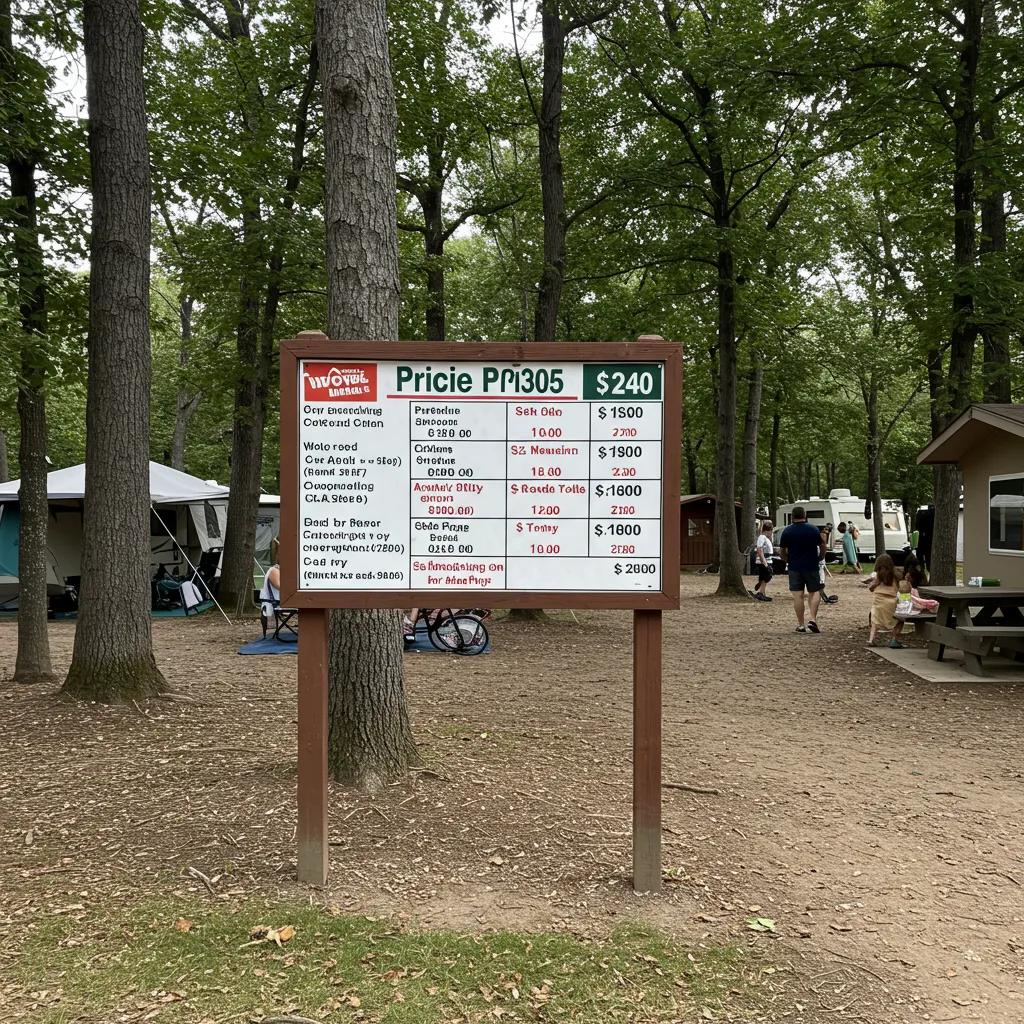
Walnut Hills Family Campground’s public materials emphasize amenities and activities and point campers toward a dedicated pricing section for details, which is a practical transparency mechanism because it centralizes PriceSpecification and cancellation policies for easy review. The mechanism of transparent pricing relies on explicit line-item disclosure and FAQ-style explanations that reduce ambiguity at checkout. The benefit to campers is reduced risk of unexpected fees and increased trust in the booking process. For maximum clarity, campgrounds should display reservation summaries, fee breakdowns, and cancellation terms before payment—practices Walnut Hills is positioned to use and that campers should look for in any booking flow.
As a next step when booking, examine the reservation summary and pricing hub to validate whether the final total matches your expectations for included amenities.
How Do Campground Fees in Your Area Compare to Walnut Hills’ Pricing?
Regional comparison focuses on fee types and value propositions rather than inventing specific prices; typical local fee attributes include seasonal demand, amenity density, and platform versus direct booking differences, which together determine overall regional cost patterns. The mechanism driving regional variability is supply-demand and amenity mix—campgrounds with water parks or extensive programming often justify higher base rates or add-on structures. The benefit of this qualitative comparison is that campers learn to evaluate total value by matching amenity inclusion to price rather than comparing headline nightly rates alone. Use local research to determine whether a campground’s inclusions align with your priorities.
Intro to regional comparison table: The table below contrasts common regional fee categories with how Walnut Hills presents those attributes to highlight where value is delivered.
What Are Typical Regional Camping Fees Around Durand, Michigan?
Typical regional camping fees around Durand, Michigan are structured by factors such as seasonality, proximity to attractions, and amenity offerings, and the mechanism is that higher-demand periods and richer amenity sets create more variable fee structures. The benefit of understanding these drivers is that campers can time visits to avoid peak premiums or choose accommodations with more inclusive packages to lower out-of-pocket extras. To research local fees, consult campground pricing pages, reservation summaries, and local booking platforms that list full checkout totals rather than just nightly rates.
When comparing options, prioritize disclosure quality and the list of included amenities rather than only the headline price.
Campground Revenue: Strategies for Increasing Fees
To generate more campground revenue, managers might increase fees
Why Does Walnut Hills Offer Better Value Despite Additional Fees?
Walnut Hills may offer better perceived value because its publicly emphasized amenities—Wibit water park, swimming lake, river float trips, playgrounds, and family events—provide bundled experiences that reduce the need for outside rentals or travel to other attractions. The mechanism of value here is inclusion: if a base reservation grants access to multiple attractions, the net cost per experience is lower than booking separate activities elsewhere. The benefit to campers is a more all-in-one experience that simplifies budgeting and increases convenience. When comparing campgrounds, weigh included amenities and transparency equally with base rates to identify the true best value.
Choosing a campground with clear pricing and rich included amenities often yields a higher-quality stay for a comparable total outlay.
Frequently Asked Questions
What Should I Do If I Encounter Unexpected Fees After Booking?
If you encounter unexpected fees after booking, the first step is to review your reservation confirmation and the campground’s pricing policies. Contact the campground directly to discuss the charges and seek clarification. Many campgrounds are willing to address concerns and may offer solutions, such as refunds or adjustments, especially if the fees were not clearly disclosed. Keeping a record of all communications and documentation can help resolve disputes effectively.
Are There Any Discounts Available for Extended Stays at Campgrounds?
Many campgrounds offer discounts for extended stays, typically for bookings of a week or more. These discounts can vary widely, so it’s essential to inquire directly with the campground about their policies. Some may provide a percentage off the total cost or a flat rate for longer reservations. Additionally, loyalty programs or membership discounts may apply, so check if the campground participates in any such programs to maximize savings.
How Can I Find Campgrounds with No Hidden Fees?
To find campgrounds with no hidden fees, start by researching online reviews and forums where campers share their experiences. Look for campgrounds that emphasize transparency in their pricing and provide detailed breakdowns of costs on their websites. Directly contacting campgrounds to ask about their fee structures can also help. Additionally, consider booking through reputable platforms that clearly outline all charges before finalizing your reservation.
What Are the Benefits of Booking Directly with Campgrounds?
Booking directly with campgrounds often provides several advantages, including better pricing, as many campgrounds waive third-party booking fees. Direct bookings may also offer more flexible cancellation policies and the opportunity to ask specific questions about amenities and fees. Additionally, some campgrounds provide exclusive deals or packages for direct bookings, enhancing the overall value of your stay. Always check the campground’s website for any special offers.
Can I Negotiate Fees with Campgrounds?
While negotiating fees with campgrounds is not common practice, it can be worth a try, especially for longer stays or during off-peak seasons. Campground managers may be open to adjusting fees or offering discounts if you express your interest in booking. Be polite and reasonable in your request, and highlight any special circumstances, such as being a repeat visitor or booking multiple sites for a group.
What Should I Do If I Need to Cancel My Reservation?
If you need to cancel your reservation, review the campground’s cancellation policy first, as it outlines the terms and potential fees associated with cancellations. Contact the campground as soon as possible to inform them of your decision. Depending on their policy, you may receive a partial or full refund, or you might forfeit your deposit. Always keep a record of your cancellation request for reference.
How Do Seasonal Changes Affect Campground Fees?
Seasonal changes can significantly impact campground fees, with prices typically rising during peak seasons, such as summer and holidays, due to increased demand. Conversely, off-peak seasons may offer lower rates and special promotions to attract visitors. Understanding these seasonal trends can help you plan your camping trips more economically. Always check the campground’s pricing page for seasonal rates and any special events that might influence pricing.
What Are the Most Common Hidden Fees Campers Encounter?
The most common hidden fees are reservation/service fees, utility hookup charges, pet surcharges, amenity rentals, site-hold deposits, and cancellation penalties; the mechanism is that these fees represent variable attributes separate from base site rates. To verify each, check the reservation summary for labeled line items and the campground’s pricing or FAQ pages for policy language. Confirming these items before payment is the simplest way to avoid surprises.
Always request a final invoice or booking confirmation that itemizes fees before completing payment.
Do Campgrounds Charge Extra for Amenities Like Water Parks or Canoe Rentals?
Some campgrounds include amenity access in the base reservation while others charge separately for attractions like water parks or canoe rentals; the mechanism depends on the campground’s pricing model and whether the amenity is operated as a staffed, limited-capacity attraction. Walnut Hills lists a Wibit water park and river float trips among its amenities, so campers should confirm whether those attractions are bundled in the reservation price or billed as add-ons in the pricing hub. Knowing inclusion status helps determine true cost and planning.
If amenity use matters to your trip, prioritize properties that explicitly state inclusion on their pricing pages.
How Can Campers Confirm All Fees Before Booking?
Campers can confirm all fees by following a short checklist: read the campground’s pricing and policy pages, view the full reservation summary before payment, ask the campground to clarify ambiguous line items, and compare direct versus third-party booking totals. The mechanism is transparent verification—request explicit statements on refundability, pet policies, utility charges, and amenity fees. The benefit is elimination of hidden costs and confident budgeting for the trip.
Use these steps each time you book to ensure the advertised base rate matches the final total you will pay.
Conclusion
Understanding the hidden costs of camping can significantly enhance your outdoor experience by ensuring you budget accurately and avoid unexpected fees. By being aware of common charges like reservation fees, utility hookups, and pet surcharges, you can make informed decisions that align with your camping needs. Take the time to review pricing disclosures and ask questions to clarify any uncertainties before booking. Start planning your next camping adventure with confidence by exploring our comprehensive resources today.