What Makes Campgrounds Affordable for Family Fun? Budget-Friendly Tips and Value Insights
Affordable family camping means getting meaningful recreation, comfortable lodging choices, and included amenities without paying hotel or theme-park prices. This article explains how accommodation options, on-site inclusions, and planning strategies combine to cut overall trip costs while delivering memorable family experiences. Readers will learn practical comparisons of RV sites, tent camping, and cabins, which free activities replace paid entertainment, actionable money-saving tips like meal prep and off-season timing, ways to pair campground amenities with nearby free attractions, and how seasonal deals plus online reservations secure the best value. The guidance emphasizes family camping value, budget-friendly glamping options, and simple planning steps that reduce expenses and boost enjoyment. Each section uses concrete examples and short decision aids so families can choose an affordable approach that fits their budget and preferences.
How Do Campground Accommodations Offer Affordable Options for Families?
Campground lodging types—RV sites, tent camping, and cabins—create a spectrum of affordability by trading equipment needs, hookups, and comfort for nightly cost and convenience. The mechanism is simple: hyponyms like RV sites and cabin rentals each bundle different attributes (hookups, space, built-in bedding) that change total trip cost and setup effort. Families benefit because selecting the right lodging reduces ancillary expenses such as hotel fees, extra gear rental, or frequent dining out. Understanding these tradeoffs helps parents match lodging to family size, budget, and desired comfort level, which sets up a quick comparison of cost drivers in the following subsection.
What Are the Cost Benefits of RV Sites, Tent Camping, and Cabins?
RV sites provide electrical and water hookups that eliminate generator rental and allow families to use home-style appliances, which reduces incidental spending and enhances comfort. Tent camping is the hyponym associated with lowest per-night fees but requires gear investment; it lowers nightly rates and encourages DIY meal habits that save money over time. Cabin rentals bridge the gap as mid-tier options that often cost less than hotels for a family group while offering built-in sleeping and shelter, translating to lower packing and lodging friction. These options demonstrate the semantic triple: RV sites → provide → hookups, which directly reduces auxiliary equipment costs and simplifies family logistics.
Different accommodation types present specific cost-to-value tradeoffs:
This comparison clarifies how choosing a lodging type influences overall trip expenses and helps families prioritize which attributes matter most for value, leading into how specific family budgets map to each option.
How Do Different Lodging Types Fit Various Family Budgets?
Matching lodging to family budget uses clear personas that connect accommodation attributes to real needs and savings. A small family on a tight budget often chooses tent camping to minimize nightly cost and maximize outdoor time, accepting extra effort for setup and cooking. Mid-range families may prefer cabins to reduce gear needs and avoid hotel costs for comparable comfort, while larger or comfort-focused groups benefit from RV sites that streamline meals and utilities. Families should weigh the semantic relationship: lodging type → affects → packing and food costs, then select the option that lowers their largest expense drivers and fits their trip style.
For families ready to book, consider the campground’s reservation tools: many providers offer simple online availability and comparisons between RV sites, tent sites, and cabins through their Online Reservations systems. These booking tools help secure the best site type for a chosen budget and schedule, and they reduce the uncertainty that can push families toward costlier last-minute alternatives.
Which Free and Included Activities Make Family Camping More Affordable?
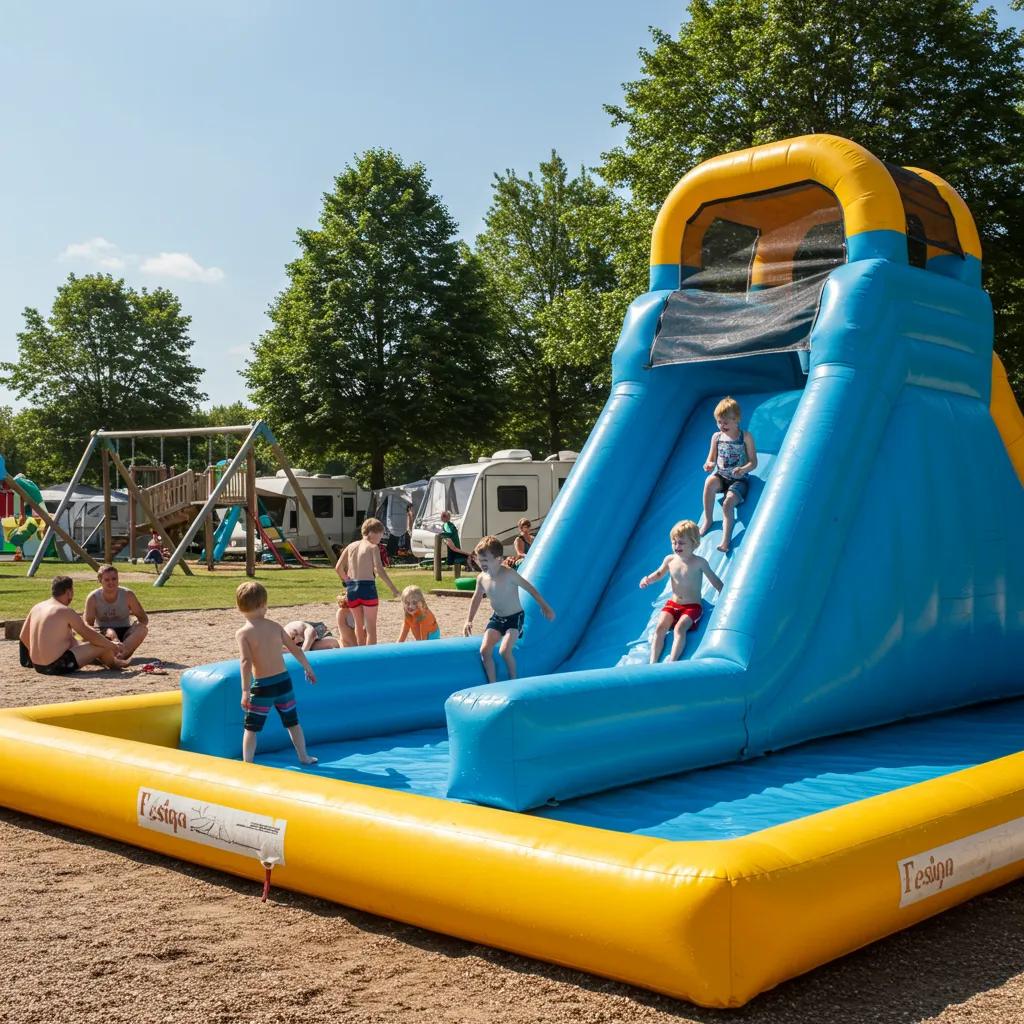
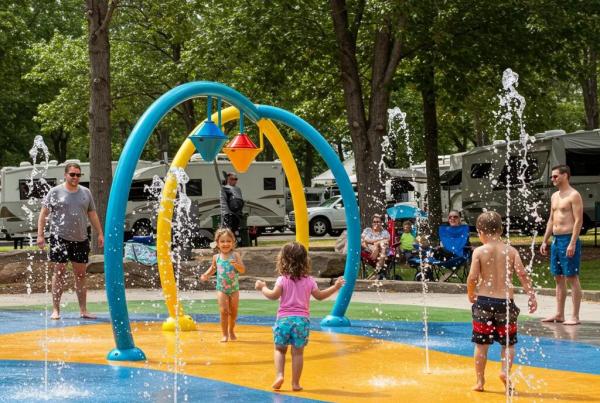
Included on-site amenities replace paid attractions by delivering entertainment and recreation within the campground stay, which reduces outside spending on tickets, rentals, or transit. The mechanism is that meronyms—components of the campground such as water parks and playgrounds—serve multiple ages and occupy whole days of family activity. Using included amenities increases perceived value per night by providing built-in experiences that otherwise would require separate purchases. Below are typical included activities that save money and how families can use them throughout their stay.
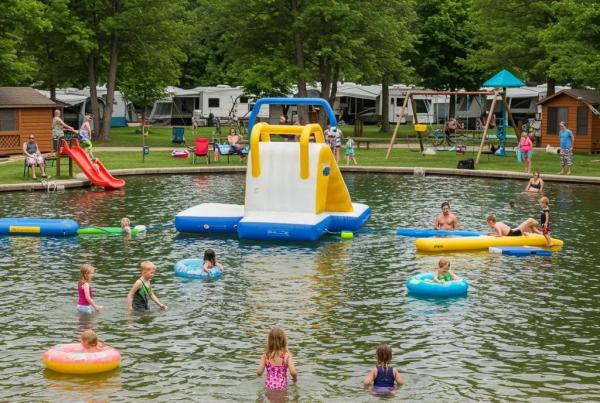
- Wibit water park: Inflatable water obstacle course for extended family entertainment without ticketed entry.
- Swimming Lake: On-site lake access provides swimming and relaxation without external beach fees.
- Playgrounds & sports courts: Multi-use areas replace paid play centers and keep kids active.
- Weekend family events: Scheduled programming supplies structured fun and cuts the need for paid excursions.
These included amenities collectively reduce the need to travel off-site for entertainment and minimize per-person activity spending, which makes the campground stay more budget-friendly and encourages multi-day enjoyment without extra fees.
How Does Access to Water Parks, Playgrounds, and Sports Facilities Save Money?
On-site attractions like a Wibit water park and playgrounds substitute for day visits to commercial parks and aquatic centers, eliminating admission and parking fees while keeping transport costs low. The mechanism is multi-use capacity: these facilities entertain kids of different ages sequentially, meaning one set of amenities covers diverse interests and time blocks. Families can replace an external day’s entertainment with a morning at the water park, an afternoon picnic by the lake, and evening play at the playground, consolidating costs into the lodging fee. Planning to use these facilities reduces incidental expenses and allows reallocation of the entertainment budget toward lengthening the stay rather than paying per-activity fees.
This table shows which amenities directly reduce external spending and why prioritizing them during the trip multiplies savings, which naturally leads to exploring scheduled events and river experiences next.
What Family Events and River Float Trips Are Included at Campgrounds?
Many campgrounds schedule family- and kid-friendly events every weekend, providing themed activities, crafts, and group games that replace paid entertainment and reduce planning overhead. River float trips on nearby waterways like the Shiawassee River offer scenic, low-cost nature experiences that count as an included recreational highlight and often require minimal extra gear. These programmed events and guided float opportunities integrate with on-site facilities so families can build full days of outdoor fun without seeking external vendors. By using scheduled events and river floats, families get curated experiences at marginal additional cost, enhancing the overall value of the stay and simplifying trip logistics.
Campground-organized offerings function as bundled entertainment that reduces the need for outside bookings and incremental spending, which sets up practical money-saving tactics families can apply before and during the trip.
What Are the Best Money-Saving Tips for Planning a Family Camping Trip?

Effective saving starts with intentional planning: meal prep, group gear strategies, and timing trips during off-peak windows directly lower expense lines. The mechanism is behavioral: consolidating food, timing, and shared resources reduces variable costs like restaurant meals, extra rentals, and premium weekend rates. Families who combine these tactics see the greatest per-person savings while maintaining high enjoyment. The following specific tips translate these principles into actionable steps that families can follow when organizing a budget-friendly camping getaway.
Meal planning and efficient cooking are central savings levers:
- Plan meals for bulk cooking: Prepare easy meals that scale for the whole family and use campground grills or fire pits to avoid takeout.
- Pack staples and snacks: Bring pantry basics to minimize grocery runs and expensive convenience purchases.
- Use shared cookware and containers: Coordinate with family group members to avoid duplicate gear and reduce packing complexity.
These steps make food a controllable and predictable cost, and they flow directly into gear and timing strategies described next.
How Can Meal Prep and Campfire Cooking Reduce Camping Costs?
Meal prep replaces costly restaurant meals by focusing on batch-cooked, portable recipes that rehearse well at a campsite and use limited fuel. The mechanism is economies of scale: cooking for the group reduces per-person food cost and leverages campground grills and fire pits, which eliminates the need for expensive single-serve options. Sample approaches include pre-chopped vegetables, pre-marinated proteins, and one-pot meals that serve multiple people with minimal cleanup. By combining shopping lists, shared storage, and bulk meal plans, families can significantly lower dining expenses and free budget for extra nights or activities.
Planning meals this way also improves schedule flexibility and reduces time spent traveling for food, which transitions into why timing a trip affects overall affordability.
Why Are Off-Season and Midweek Bookings More Affordable?
Off-season and midweek bookings lower lodging rates because demand drops during these periods, and campgrounds often offer promotions to fill sites, which directly reduces nightly cost. The mechanism is supply-demand: fewer visitors mean more availability and lower prices, and families also benefit from reduced crowds and easier access to preferred sites. A short checklist for choosing dates includes checking shoulder-season weather patterns, targeting Tuesday–Thursday stays, and monitoring seasonal offer windows. Families who shift travel from high-demand weekends to midweek often capture the best value while enjoying quieter amenities and better site choices.
This timing strategy works hand-in-hand with online booking tools and seasonal packages that further increase savings, which we explore in the next section.
How Can Families Discover Local Free Attractions to Enhance Affordable Camping?
Local free attractions extend the value of a campground stay by offering zero- or low-cost day trips that combine naturally with on-site activities to create varied family experiences. The mechanism is complementary pairing: meronyms like nearby parks and trails add diversity without inflating the trip budget. Families should curate a short list of proximate options that suit different ages and mobility levels, use campground maps for planning, and combine short excursions with on-site amenities to keep costs low. Below is a compact list of neighborhood attraction types that commonly pair well with campground stays.
- Nature trails and state parks: Free or low-fee hiking and wildlife watching that require minimal gear.
- Local community events: Seasonal fairs or farmers markets that offer low-cost entertainment and local flavor.
- Picnic spots and river overlooks: Scenic areas that create an affordable half-day outing without entry fees.
These local choices complement campground amenities and allow families to build varied days without adding substantial expense, which leads into how to secure the best rates via deals and reservations.
What Nearby Parks, Trails, and Community Events Offer Budget-Friendly Fun?
Selecting a few nearby parks, short trails, and community events supplies flexible options for day trips that rarely carry high entrance fees and often enrich the camping experience. The mechanism is accessibility: short drives to free trails or town events transform a single campsite into a multi-attraction holiday without extra lodging cost. Families should prioritize attractions within easy reach to minimize fuel and time costs, and plan a loose itinerary that alternates on-site play with short off-site visits. Mapping these options before arrival helps families balance active days and restful afternoons while keeping the overall budget in check.
Using these nearby offerings alongside campground amenities preserves low per-person costs and supports longer, more economical stays.
How Do Local Hidden Gems Complement Campground Experiences?
Hidden gems—small community parks, rural picnic areas, or quiet river access points—create inexpensive day outings that deepen the family’s outdoor immersion and avoid commercial prices. The mechanism is discovery: lesser-known spots often lack entry fees and offer uncrowded experiences that feel special without the premium price. Families can pack a day bag, plan a picnic using prepped meals, and rotate activities between on-site amenities and a local gem to sustain interest over multiple days. Combining these low-cost excursions with campground facilities increases perceived vacation value while keeping direct expenses low.
These local pairings support a budget strategy of mixing included campground offerings with low-cost community sites, preparing families to capture seasonal deals and efficient booking next.
How Do Seasonal Deals and Online Reservations Maximize Value for Family Campers?
Seasonal discounts, package offers, and transparent online booking systems help families secure the best rates and avoid last-minute price spikes by making availability and offer details visible in advance. The mechanism is price transparency: Online Reservations surfaces site types and seasonal promotions so families can compare RV sites, tent sites, and cabins and pick the best combination of cost and amenities. Using booking tools and watching for midweek, shoulder-season, or family-bundle promotions reduces both the per-night rate and the risk of paying premium rates. Below are common offer types to look for when planning a value-focused camping trip.
Look for these promotion types when planning a stay:
- Midweek discounts: Lower rates for Tuesday–Thursday stays that reduce nightly averages.
- Shoulder-season pricing: Reduced rates in early/late season windows with milder crowds.
- Family packages: Bundled stays that include activities or amenities for a predictable total cost.
These offer types are effective when paired with careful date selection and online booking tools that make availability and site attributes clear.
What Seasonal Discounts and Packages Are Available for Families?
Typical seasonal promotions include midweek discounts, shoulder-season pricing, and family bundle packages that may combine lodging with included activities to simplify budgeting. The mechanism is bundling: combining lodging with amenity access shifts variable activity costs into a predictable package price, often yielding per-person savings. Families should check reservation tools for current offers and compare total-package value versus pay-as-you-go options. Monitoring seasonal windows and flexible dates often yields the best packages for families seeking nature-forward yet wallet-conscious vacations.
Using these packages reduces decision friction and encourages multi-night stays that increase per-trip value.
How Does Easy Online Booking Simplify Affordable Family Camping?
Online Reservations simplifies planning by providing immediate visibility into site types, availability, and any active offers so families can compare RV sites, tent sites, and cabins without phone calls or uncertainty. The mechanism is immediate confirmation: seeing available dates and specific amenities prevents expensive last-minute substitutions and allows families to lock in midweek or shoulder-season savings. Booking online also enables straightforward comparisons of accommodation attributes and supports planning around included amenities and local activities. Families ready to secure low-cost, value-packed stays should use campground reservation systems to capture the best available rates and site configurations.
Frequently Asked Questions
What should families consider when choosing a campground?
When selecting a campground, families should evaluate several factors including location, amenities, and accommodation types. Proximity to local attractions can enhance the experience, while amenities like swimming pools, playgrounds, and organized activities can provide additional entertainment without extra costs. It’s also important to consider the type of lodging that best fits the family’s needs, whether it’s RV sites, tent camping, or cabins, as each option has different implications for comfort and budget. Reading reviews and checking for seasonal deals can also help in making an informed choice.
How can families ensure they are getting the best campground deals?
To secure the best campground deals, families should book early and take advantage of online reservation systems that highlight seasonal discounts and package offers. Monitoring campground websites for midweek or shoulder-season pricing can yield significant savings. Additionally, families can subscribe to newsletters or follow campgrounds on social media to stay informed about special promotions. Comparing different campgrounds and their amenities can also help families find the best value for their specific needs and budget.
What are some tips for camping with young children?
Camping with young children can be enjoyable with proper planning. Families should choose campgrounds with child-friendly amenities like playgrounds and shallow swimming areas. Packing familiar items such as favorite toys or blankets can help children feel more comfortable in a new environment. Planning simple, engaging activities like nature scavenger hunts or storytelling around the campfire can keep kids entertained. Additionally, ensuring that meals are easy to prepare and that safety measures are in place will contribute to a stress-free camping experience.
How can families make the most of their campground stay?
To maximize their campground experience, families should plan a flexible itinerary that balances on-site activities with local excursions. Utilizing included amenities like water parks and playgrounds can provide entertainment without additional costs. Engaging in scheduled events organized by the campground can also enhance the experience. Families should consider preparing meals together to foster bonding and save on dining expenses. Lastly, exploring nearby parks or trails can add variety to the trip while keeping costs low.
What are the benefits of camping during the off-season?
Camping during the off-season offers several advantages, including lower rates and reduced crowds. Campgrounds often provide discounts to attract visitors during these times, making it more affordable for families. Additionally, off-season camping allows for a more peaceful experience, with easier access to amenities and activities. Families can enjoy nature without the hustle and bustle of peak season, and they may also have the opportunity to witness unique seasonal changes in the environment, enhancing their outdoor experience.
How can families prepare for unexpected weather while camping?
To prepare for unexpected weather while camping, families should check the forecast before their trip and pack accordingly. Bringing versatile clothing layers can help accommodate temperature changes, while waterproof gear and tarps can protect against rain. It’s also wise to have a backup plan for indoor activities, such as board games or crafts, in case of inclement weather. Ensuring that tents and equipment are weather-resistant will enhance comfort and safety, allowing families to enjoy their camping experience regardless of the conditions.
Conclusion
Choosing budget-friendly campgrounds allows families to enjoy memorable experiences without overspending on accommodations or activities. By leveraging various lodging options, included amenities, and strategic planning, families can maximize their outdoor adventures while minimizing costs. Embrace the opportunity to explore local attractions and seasonal deals that enhance your camping experience. Start planning your affordable family getaway today and discover the joy of camping together!