

Public vs. Private Campgrounds Along I-80: Key Differences for Family Campers and RV Travelers
When you’re traveling along Interstate-80, choosing between public and private campgrounds can really shape your trip, affecting everything from cost to the amenities you’ll enjoy and your family’s overall experience. This guide breaks down what sets public campgrounds (run by state, federal, or local agencies) apart from private ones (like commercial RV parks and resorts). We’ll explain why these differences matter for families and RV travelers cruising down I-80, and help you decide which is the best fit for your journey. You’ll get clear definitions, a straightforward comparison of amenities, insights into costs and reservations, and practical steps for booking a nearby private option. We’ll also highlight the family-friendly perks of private parks and walk you through reserving an RV site or tent spot at a typical private campground. By the end, you’ll be ready to compare public campground features with private offerings, weigh trade-offs like noise levels versus proximity to I-80, and book the perfect spot for your trip using modern reservation methods and easy-to-follow examples.
What Defines a Public Campground Near I-80?
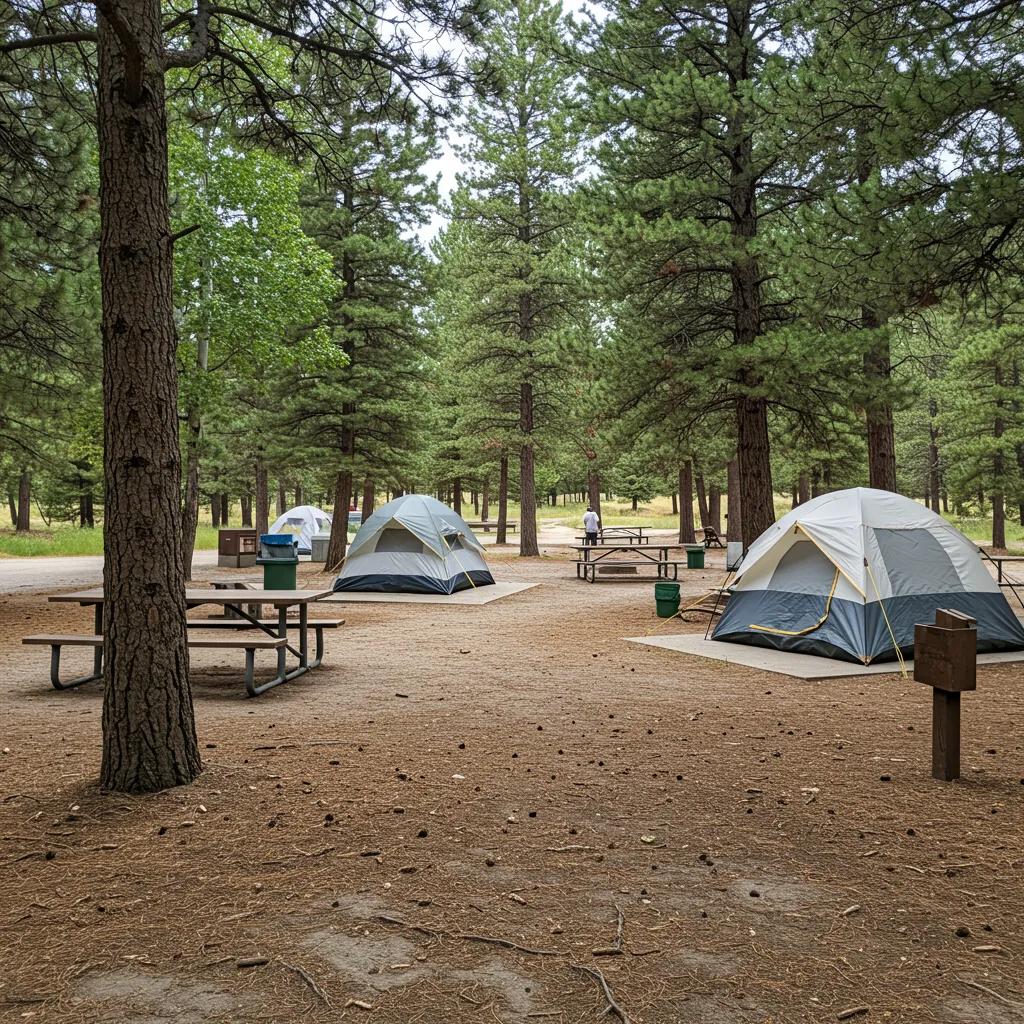
A public campground near I-80 is essentially a government-managed camping area, overseen by state, federal, or local agencies. These spots are all about providing outdoor recreation while focusing on conservation and accessibility. Because they typically operate on fixed budgets and follow standardized rules, you’ll often find more rustic amenities and fewer utilities compared to private parks. The upside for travelers? Usually, lower nightly fees and a chance to really immerse yourself in nature, making public campgrounds a smart, budget-friendly choice for a quick overnight stop or a low-key outdoor escape. Understanding these basic characteristics helps you figure out if a public campground fits your travel plans and budget as you drive along the I-80 corridor.
What Are the Typical Characteristics of Public Campgrounds?
Public campgrounds usually lean into natural settings and essential services, offering a predictable experience managed by an agency with standard policies and group facilities for recreation. These characteristics stem from agencies balancing public access with resource protection, which often means less infrastructure than you’d find at commercial parks, and sometimes seasonal or volunteer staffing. Campers can expect features that prioritize nature and affordability over full-service convenience, appealing to those looking for a quieter, more rustic getaway. The next section lists common attributes to help you quickly compare public options with private parks.
You’ll typically find these features at public campgrounds:
- Basic utilities and limited hookups are common; many sites might not have electrical or water service.
- Facilities often include vault toilets or simple restrooms, picnic tables, and primitive trails for day use and overnight stays.
- Management adheres to agency rules, with seasonal openings, set permit windows, and standardized reservation portals.
These features make public campgrounds a great choice for budget-friendly, nature-focused stays, and they clearly contrast with the private park amenities we’ll discuss next.
Which Public Campgrounds Are Popular Along I-80 in Ohio?
Popular public spots along the I-80 route in Ohio generally include state park campgrounds, national forest or federal recreation sites, and county-managed camping areas that emphasize conservation and day-use activities. Travelers can expect these locations to be situated near natural attractions, trailheads, and offer lower-cost overnight stays rather than resort-style amenities, making them reliable choices for road trips on a budget. However, for RV travelers needing hookups or families looking for organized activities, these public sites often lack full-service facilities, which is key information when deciding where to stop along I-80. Knowing the types of public campgrounds near the route helps travelers plan whether to prioritize cost and scenery or convenience and services.
What Are the Pros and Cons of Camping at Public Campgrounds?
Public campgrounds offer distinct advantages and trade-offs that are important for family campers and RV travelers, especially when you’re traveling along a major highway like I-80. They typically provide affordability, quieter natural surroundings, and access to trails and conservation areas, which is great for those seeking a rustic experience or lower nightly costs. On the flip side, public sites often lack full hookups, organized family programming, and on-site services, which can be less convenient for RV travelers or families who want predictable entertainment and utilities. Weighing these pros and cons helps you decide when a public campground is the right choice versus when a private campground might offer better value for a family-focused stay.
What Defines a Private Campground and How Does Ridge Ranch Campground Stand Out?
A private campground is a commercially run property that offers a more robust set of services, flexible reservation systems, and amenities specifically designed to attract families and RV travelers. Private campgrounds typically provide full hookups, planned activities, on-site recreation, and even concierge-style services because they operate as businesses focused on repeat visits and customer satisfaction. This translates to greater convenience, more activity programming, and often a higher perceived value for families who want reliable services close to travel routes. As a prime example, Ridge Ranch Campground by GatherGrounds is a private, 76-acre lakefront campground in Newton Falls, Ohio, showcasing many of the benefits private parks offer travelers near I-80.
What Amenities and Activities Do Private Campgrounds Offer?
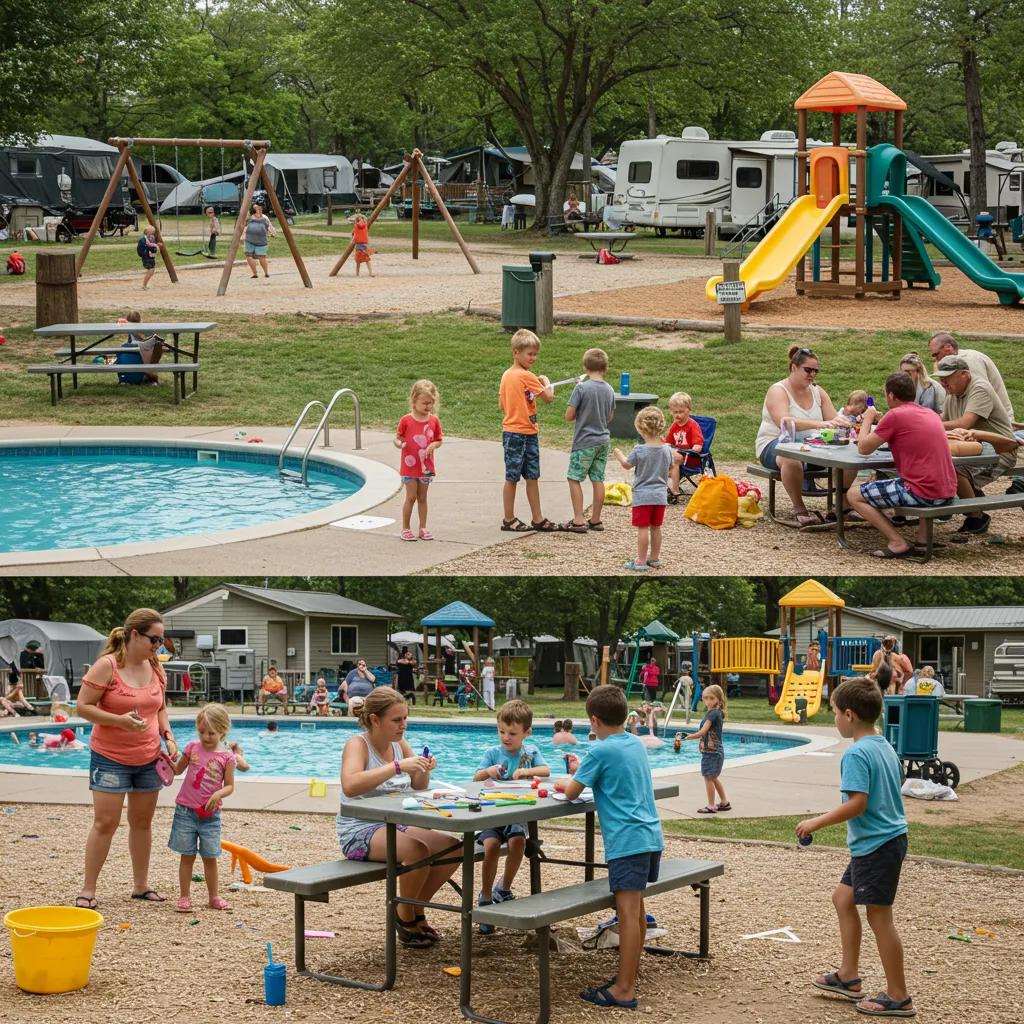
Private campgrounds offer a wide array of utilities and recreational options designed to boost comfort and appeal, usually including robust site utilities and on-site entertainment for families. Amenities typically fall into categories like utilities (full hookups, dependable water and power), recreation (pools, beaches, water features), family services (kids’ programs, crafts, DJ nights), and conveniences (rental equipment, online reservations). These features are intentionally provided to attract families and RV travelers who prioritize ease and entertainment during their stays. The next paragraph connects these general categories to specific examples, showing how private campgrounds turn amenities into tangible family benefits.
You’ll often find these at private campgrounds:
- Full hookups and reliable utilities that can easily support RV travelers and larger rigs.
- On-site recreational amenities like beaches, water play areas, and scheduled family events.
- Guest services such as rentals, programmed activities, and online reservation systems for your convenience.
These amenities create a distinctly different camping experience compared to public sites, focusing on comfort, structured entertainment, and convenience.
Why Is Ridge Ranch Campground a Top Private Campground Near I-80?
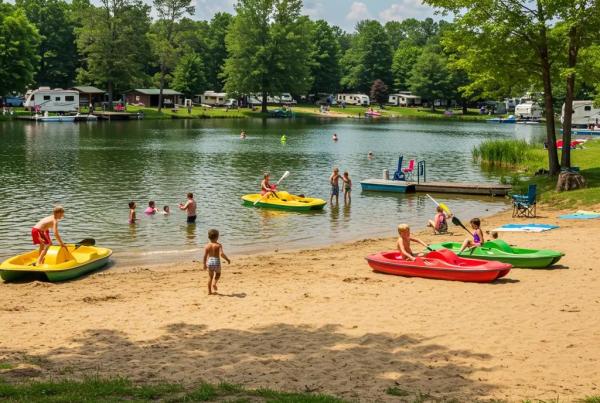
Ridge Ranch Campground by GatherGrounds truly embodies the strengths of a private park with its beautiful lakefront access and engaging family programming, all while being conveniently located for I-80 travelers. The property boasts a 17-acre lake with a sandy beach and a variety of family activities like DJ nights and crafts, demonstrating how private campgrounds deliver exceptional value through their amenities. Ridge Ranch also offers RV sites and tent camping with full hookup options and seasonal site choices, providing practical options for RV travelers near a major highway. With plans to add a Wibit waterpark and an arcade by 2026, Ridge Ranch clearly shows how private campgrounds invest in amenities that enhance family appeal and justify the convenience for travelers passing through I-80.
What Are the Advantages and Disadvantages of Private Campgrounds?
Private campgrounds offer clear benefits in terms of utilities, programming, and convenience, but they also come with trade-offs that travelers should consider based on their budget and preferences. The advantages include full hookup RV sites, structured family activities, on-site recreational amenities, and modern reservation systems that simplify planning and reduce uncertainty. On the downside, you might find higher nightly rates, park rules that are stricter than public sites, and potential crowding during peak seasons, which can diminish the sense of solitude. Balancing these pros and cons helps families and RV travelers decide if private parks like Ridge Ranch offer enough added value for their trip along I-80.
How Do Public and Private Campgrounds Compare Along I-80?
A direct comparison helps clarify how amenities, cost, reservations, rules, and accessibility differ between public and private campgrounds, making it easier for travelers to choose the right option for their I-80 journey. The key distinctions lie in utility availability, recreational programming, pricing models, booking flexibility, and the trade-offs involved with locations near the highway. Comparing these core attributes reveals which campground type best aligns with your travel priorities, whether that’s overnight convenience, family entertainment, or rustic solitude. The following table summarizes these comparisons in a clear, attribute-based format for quick reference.
This table compares typical public campgrounds, typical private campgrounds, and Ridge Ranch Campground across essential attributes.
How Do Amenities Differ Between Public and Private Campgrounds?
Amenities differ primarily in their scope and service focus: public campgrounds prioritize access to natural features, while private campgrounds focus on guest services and entertainment. Public sites offer basic facilities and trail access, whereas private parks provide utilities like full hookup RV sites, beaches, rental equipment, and active programming. Ridge Ranch’s recreational amenities are a great example of the private model: lakefront recreation, family events, and future plans for a Wibit waterpark and arcade that significantly enhance family stays. Evaluating these amenity differences helps families decide if the added conveniences of private campgrounds are worth the cost compared to the rustic benefits of public sites.
What Are the Cost Differences Between Public and Private Campgrounds?
Cost structures vary: public campgrounds typically have lower base nightly fees with occasional extra charges for permits, while private campgrounds charge higher nightly rates that might bundle services or include add-on fees for specific activities. Public sites are appealing when headline affordability is your main goal, but private parks can offer better value for families if the amenities, convenience, and utilities reduce other travel expenses and save time. When comparing costs, think about the total trip value: if full hookup sites or organized kids’ activities cut down on external spending, a private park’s higher rate can easily be offset by the convenience and entertainment it provides.
How Do Reservation Systems and Availability Vary?
Reservation systems reflect the different organizational models: public campgrounds use government portals with fixed booking windows and seasonal schedules, while private campgrounds typically offer integrated online reservations with more real-time availability and flexible cancellation policies. Private parks often make it easier to book specific site types, like full hookup sites or seasonal sites, which is a big plus for RV travelers who need certainty. Understanding these differences helps travelers plan: use agency portals for budget-friendly public stays and private booking systems for guaranteed full hookup sites or specific family-focused dates.
What Are the Typical Rules and Regulations at Each Campground Type?
Rules and enforcement differ based on ownership: public campgrounds follow standardized agency policies focused on conservation, quiet hours, and resource protection, while private campgrounds may enforce stricter or more varied park-specific rules to maintain the guest experience. Private parks often have explicit rules about pool access, event conduct, pet policies, and generator usage hours, all enforced by on-site staff, which can enhance safety and predictability for families. Checking these policies in advance ensures your expectations align with your family’s needs and helps avoid any surprises upon arrival.
How Does Location and Accessibility Impact Your Camping Experience?
Location and accessibility play a big role in convenience and noise trade-offs: sites located directly off I-80 minimize driving time but might expose campers to highway noise, while campgrounds a bit further off the beaten path offer quieter settings at the cost of a slightly longer drive. Ridge Ranch’s strategic proximity to I-80, combined with its beautiful lakefront setting, perfectly illustrates how private campgrounds can balance convenience with recreational value for road travelers. Considering that easy roadside access reduces transit time for families and RV drivers, it’s worth weighing whether quick in/out access or a quieter, more secluded setting better suits your itinerary.
Why Are Private Campgrounds Often Better for Family Camping Near I-80?
Private campgrounds often provide a superior experience for family camping because they offer programmed activities, controlled staffing and safety measures, and amenities specifically designed for children and group entertainment. These parks invest in family-friendly infrastructure and services, which leads to better supervision, less planning hassle, and more engaging on-site activities for kids. The result is a camping experience that supports multi-generational stays, accommodates various age groups, and meets the needs of RV travelers who value full hookup sites and recreational amenities. A structured table below connects specific amenities to family benefits, making this relationship clear.
The following table links private campground attributes to family benefits.
What Family-Friendly Activities Are Common at Private Campgrounds Like Ridge Ranch?
Private campgrounds commonly schedule a variety of activities such as kids’ crafts, DJ nights, paddleboat rentals, and special seasonal events that create structure and entertainment for families. These programmed events reduce the planning burden for parents and offer safe, supervised options for children to socialize and play, which is especially valuable on longer stays or weekend getaways. Ridge Ranch’s family-oriented programming, its sandy beach, and on-site recreation are perfect examples of how private parks attract families seeking both convenience and activities. These entertainment options are a key reason why many families prefer private campgrounds for stays near I-80.
How Do Private Campgrounds Enhance Safety and Privacy for Families?
Private campgrounds boost safety by providing staff presence, enforcing park rules, and offering organized layouts that keep family areas separate from high-traffic zones, creating predictable environments for children. Controlled access or monitored facilities, along with visible staff for events or amenities, reduce safety risks and improve response times if issues arise. These operational differences are significant for families who prioritize supervision and security over the solitude sometimes found at public sites. The stronger rule enforcement and staff oversight in private parks create a sense of managed privacy and reliability for family campers.
How Does Ridge Ranch Campground Cater Specifically to Family Campers?
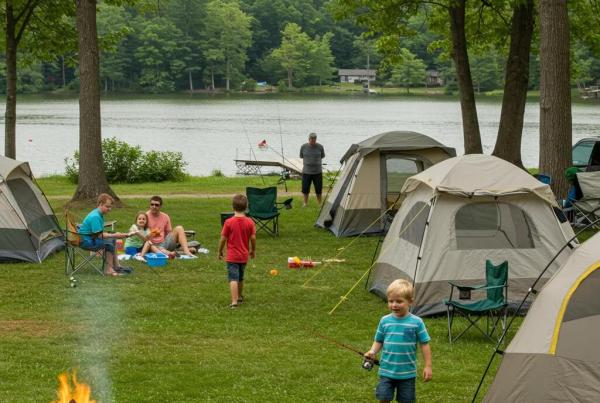
Ridge Ranch Campground focuses on family amenities that support both recreation and convenience, featuring a 17-acre lake and sandy beach that offer natural play spaces and water-based recreation perfect for children. The campground schedules a range of family-friendly activities like DJ nights and crafts, and provides RV sites and tent camping with full hookup options that support family RV travel and comfort. With planned additions like a Wibit waterpark and arcade set for 2026, Ridge Ranch demonstrates a continuous investment in family entertainment that enhances the value of a stay. These features clearly show how a private campground’s offerings directly meet family needs for both activity and convenience.
How to Choose the Right Campground Along I-80: Public vs. Private?
Selecting the right campground along I-80 means aligning your trip priorities—budget, desired amenities, travel convenience, and who’s traveling with you—with the campground’s characteristics and booking realities. Families should consider whether they need full hookups, programmed activities, and easy online reservations, or if a rustic, cost-effective public campground is a better fit. This decision framework helps travelers pick the campground type that will maximize their trip satisfaction while minimizing logistical headaches. The following subsections offer a prioritized checklist and situational guidance to help you choose between public and private options.
What Factors Should Families and RV Travelers Consider?
When deciding between public and private campgrounds, prioritize utilities, desired activities, budget constraints, and travel timing, as these factors significantly influence both comfort and feasibility for your trip. Think about whether you need full hookup RV sites, scheduled children’s programming, or a quiet natural setting, and also consider how close you want to be to I-80 for quick access. It’s also wise to evaluate reservation flexibility and cancellation policies, which can be crucial for last-minute travel adjustments. Use this checklist to quickly compare options and select the campground that best matches your travel priorities.
Key decision factors include:
- Essential utilities and hookups for your rig or tent.
- Desired activities and the level of supervision needed for children.
- Your budget and flexibility regarding peak-season availability.
Applying these considerations will guide you toward the campground type that best supports your trip goals.
How Do Amenities and Location Influence Your Choice?
Amenities and location impact both the day-to-day experience and the overall value of a camping trip; being close to I-80 cuts down on travel time but might mean more noise, while amenities like full hookups and on-site recreation reduce the need to travel elsewhere for entertainment. For quick overnight stops, proximity and ease of access often matter more than amenities, making public or basic private sites perfectly suitable. For longer family vacations, parks with beaches, programming, and full hookup sites offer greater experiential value, even with higher rates. Matching location and amenities to your trip length and family needs will clarify which option provides the best travel return.
When Is It Better to Book a Public Campground vs. a Private Campground?
Use these simple guidelines: opt for public campgrounds for low-cost overnight stops or when you’re seeking rustic solitude, and choose private campgrounds for family vacations, longer stays, or when RV utilities and programming are high priorities. Public campgrounds are ideal for budget road trips and accessing wilderness areas, whereas private campgrounds cater to families and RV travelers who value convenience, safety, and on-site entertainment. Balancing these scenarios helps travelers pick the campground type that best fits their trip’s purpose and their expectations along I-80.
How to Book Your Stay at Ridge Ranch Campground: A Private Campground Near I-80
Booking at a private campground typically involves an integrated online reservation process, where you select your site type and confirm payment and park rules; Ridge Ranch follows this standard private-park reservation model, offering options for both RV sites and tent camping. A clear booking process helps reduce uncertainty and ensures you reserve the right full hookup sites or seasonal options for longer stays. The following numbered steps outline the typical procedure for reserving at a private campground like Ridge Ranch, along with practical tips to increase your chances of securing your preferred dates. After the step list, a concise table summarizes availability and booking notes for common site types.
- Select your travel dates and preferred site type, noting whether you require full hookup sites or a tent-only area.
- Check availability for your chosen dates and confirm whether seasonal sites or short-term reservations are offered.
- Complete the reservation form with your camper details, submit payment, and carefully review the cancellation or modification policies.
What Are the Steps to Reserve RV and Tent Sites Online?
Reserving RV and tent sites online begins with selecting your date range and site type, choosing available spots from a park map or list, and then completing the booking with your payment and camper information. You should expect to receive a confirmation number and an email containing park rules and check-in/check-out instructions; be sure to note any site-specific details, such as length limits or hookup types. Booking early is recommended for peak-season dates, and having some flexibility with arrival times can improve your site selection options. Following these steps ensures your reservation is clear and perfectly matches your RV or tent requirements.
What Seasonal and Full Hookup Site Options Are Available?
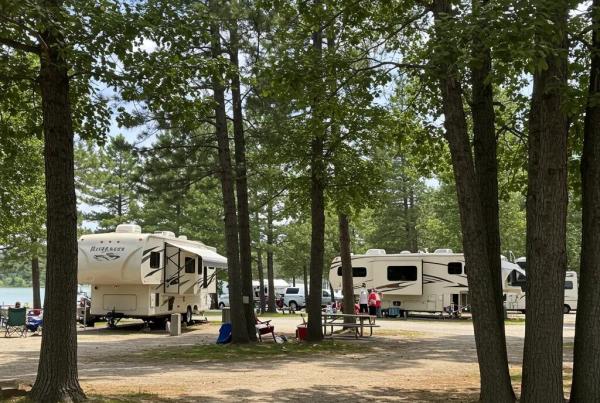
Private parks typically offer full hookup sites for RVs and seasonal sites for extended stays, with each option tailored to different traveler needs: full hookups are ideal for transient RV travelers needing utilities, while seasonal sites are for guests who want a home base for weeks or months. Full hookup sites provide water, sewer, and electrical service that can easily support larger rigs and longer stays without the hassle of daily setup. Seasonal sites offer stability for long-term campers but often require different reservation arrangements; understanding these distinctions will help you select the correct booking option for your travel plans.
How Can You Access Ridge Ranch Campground Easily from Interstate-80?
Accessing private campgrounds like Ridge Ranch from I-80 is usually quite straightforward because these parks are strategically located to serve road travelers, minimizing detour time and simplifying arrival logistics. Travelers should use readily available map services to pinpoint the best exit and approach route, and plan arrival times to avoid peak check-in periods during busy holiday weekends. Ridge Ranch’s convenient proximity to I-80 offers ease for families and RV travelers who prefer short drives from the highway to their campsite. Preparing for easy access reduces travel stress and maximizes the time you can spend enjoying on-site recreation.
Frequently Asked Questions
What Should I Consider When Choosing Between Public and Private Campgrounds?
When you’re deciding between public and private campgrounds, think about factors like your budget, the amenities you want, and the kind of experience you’re looking for. Public campgrounds are generally more affordable and offer a rustic experience, while private campgrounds provide more amenities and family-oriented activities. Consider if you need full hookups for an RV, organized activities for children, or a quiet natural setting. Evaluating these aspects will help you choose the campground that best fits your travel needs.
Are There Any Seasonal Considerations for Camping Along I-80?
Yes, seasonal factors can significantly influence your camping experience along I-80. Public campgrounds might have limited availability during peak seasons, often requiring reservations well in advance. On the other hand, private campgrounds may offer more flexible booking options but can also get crowded during holidays and weekends. Weather conditions can also affect accessibility and amenities, so it’s a good idea to check seasonal trends and plan your trip accordingly to ensure a pleasant camping experience.
How Can I Ensure a Safe Camping Experience for My Family?
To ensure a safe camping experience for your family, choose campgrounds with positive reviews regarding safety and security. Look for private campgrounds that have staff on-site, enforce park rules, and offer organized activities for children. Additionally, familiarize yourself with campground rules and emergency procedures. Always supervise children, especially near water or busy areas, and make sure your campsite is well-lit at night. Taking these precautions will enhance your family’s safety while camping.
What Are the Best Times to Book a Campground Along I-80?
The best times to book a campground along I-80 are typically during the off-peak seasons, such as late spring or early fall, when demand is lower and prices might be reduced. For public campgrounds, booking well in advance is essential, especially for popular sites. For private campgrounds, consider booking during weekdays or non-holiday periods to avoid crowds. Always check availability and cancellation policies to secure your preferred dates and site type.
Can I Bring Pets to Campgrounds Along I-80?
Many campgrounds along I-80 welcome pets, but policies can vary quite a bit between public and private sites. Public campgrounds often have specific rules about leash requirements and designated pet areas. Private campgrounds might offer more flexible pet policies, including pet-friendly cabins or specific pet zones. Always check the campground’s pet policy before your visit to ensure you comply and to prepare for a comfortable stay for both you and your furry friends.
What Should I Pack for a Camping Trip Along I-80?
When packing for a camping trip along I-80, consider the amenities available at your chosen campground. Essential items include a tent or RV, sleeping bags, cooking supplies, and food. If you’re staying at a private campground, you might also want to bring recreational gear for on-site activities, such as swimsuits for pools or beach equipment. Don’t forget personal items like sunscreen, insect repellent, and a first-aid kit. Tailoring your packing list to your campground’s offerings will enhance your camping experience.
How Do I Find Reviews for Campgrounds Along I-80?
To find reviews for campgrounds along I-80, use online platforms like Google Maps, Yelp, or dedicated camping websites such as Campendium and AllTrails. These platforms provide user-generated reviews and ratings that can offer valuable insights into the campground’s amenities, cleanliness, and overall experience. Additionally, social media groups focused on camping can offer personal recommendations and tips from fellow campers. Reading multiple reviews will help you make a well-informed decision about where to stay.
What Is the Main Difference Between Public and Private Campgrounds?
The primary difference lies in ownership and service focus: public campgrounds are government-operated with an emphasis on access and conservation, while private campgrounds are commercially run, prioritizing amenities and guest services. This difference in ownership leads to distinct reservation systems, varying amenity levels, and different approaches to rule enforcement. Public campgrounds are typically more affordable and rustic, whereas private campgrounds offer conveniences like full hookup RV sites and programmed family activities that appeal to travelers who prioritize comfort.
Are Private Campgrounds Better for Families?
Yes, private campgrounds are often better for families when amenities, programmed activities, and staff presence are key priorities, as they provide structured entertainment and facilities designed specifically for children. However, this preference really depends on your budget and whether your family values solitude and natural settings over extensive services. Families should weigh the value of on-site recreation and full hookups against the nightly cost to determine which campground type best aligns with their priorities along I-80.
How Do Amenities Differ in Public vs. Private Campgrounds Near I-80?
Private campgrounds generally offer more on-site services and entertainment—including full hookup sites, beaches, rental equipment, and activity programming—while public campgrounds focus more on natural features with more basic facilities. This distinction significantly impacts trip planning: private parks reduce the need to travel off-site for activities, whereas public sites require more self-sufficiency. Refer back to the comparison table earlier for a concise overview of these amenity differences.
Are State Parks Considered Public Campgrounds?
Yes, state parks are a type of public campground and are managed by state agencies whose priorities include recreation, conservation, and public access. They operate under agency rules for reservations and resource protection and typically provide basic to moderate amenities, depending on the specific park. Understanding state parks as public campgrounds helps travelers set realistic expectations regarding facilities and reservation processes.
How Can I Find Private Campgrounds Near Me Along I-80?
To find private campgrounds along I-80, use map searches and campground directories with proximity filters and search terms like “private campgrounds with lake access I-80” or “RV camping full hookups I-80.” You can also consult campground brand directories and review park amenity lists for family programming. For a specific private example near I-80, consider Ridge Ranch Campground by GatherGrounds in Newton Falls, Ohio, which offers RV sites and tent camping, full hookup sites, and family-focused recreational amenities. Using these search strategies will help you discover private parks that meet your needs for convenience, hookups, and family activities.
Conclusion
Choosing between public and private campgrounds along I-80 can significantly shape your family’s camping adventure, offering a balance between cost, amenities, and convenience. Public campgrounds provide rustic charm and affordability, while private campgrounds like Ridge Ranch offer enhanced services and engaging family-friendly activities. Understanding these differences empowers you to make informed decisions that perfectly align with your travel priorities. Start planning your next adventure by exploring our recommended campgrounds today.