Seasonal vs. Standard Camping: Your Guide to the Perfect Site
Seasonal and standard camping sites are designed for different kinds of adventures. Seasonal sites let you set up camp for the whole season, creating a real sense of neighborhood and a home away from home. Standard (or transient) sites are for shorter stays, perfect for when you want flexibility and the freedom to explore. This guide will walk you through what seasonal camping is all about, how it works, what to expect from standard camping, and how they stack up in terms of length, cost, setup, and community. If you’re weighing whether to make a long-term RV home or just pop in for a weekend, you’ll get the lowdown on contracts, hookups, amenities, and the lifestyle trade-offs. We’ll also connect these differences to campground features and booking steps so you can pick the perfect spot. Let’s dive into definitions, comparisons, the good and the not-so-good, and how to book your ideal seasonal or standard experience at Walnut Hills Family Campground, focusing on the perks of seasonal camping, full hookup expectations, and the joy of community.
What’s Seasonal Camping All About?
Seasonal camping is your ticket to a long-term campsite rental, letting you leave your RV or gear set up for the entire season. It’s all about convenience and that cozy community vibe, saving you the hassle of constant packing and unpacking. Think of seasonal arrangements like a lease, with clear start and end dates, a deposit, an application, and guidelines for utilities and site upkeep. Campers opt for seasonal sites to enjoy regular weekend getaways, local events, and to become part of the campground’s friendly faces, getting to know all the amenities. Understanding these core benefits helps explain why families and frequent visitors love seasonal stays.
What Makes a Seasonal Camping Site Special?
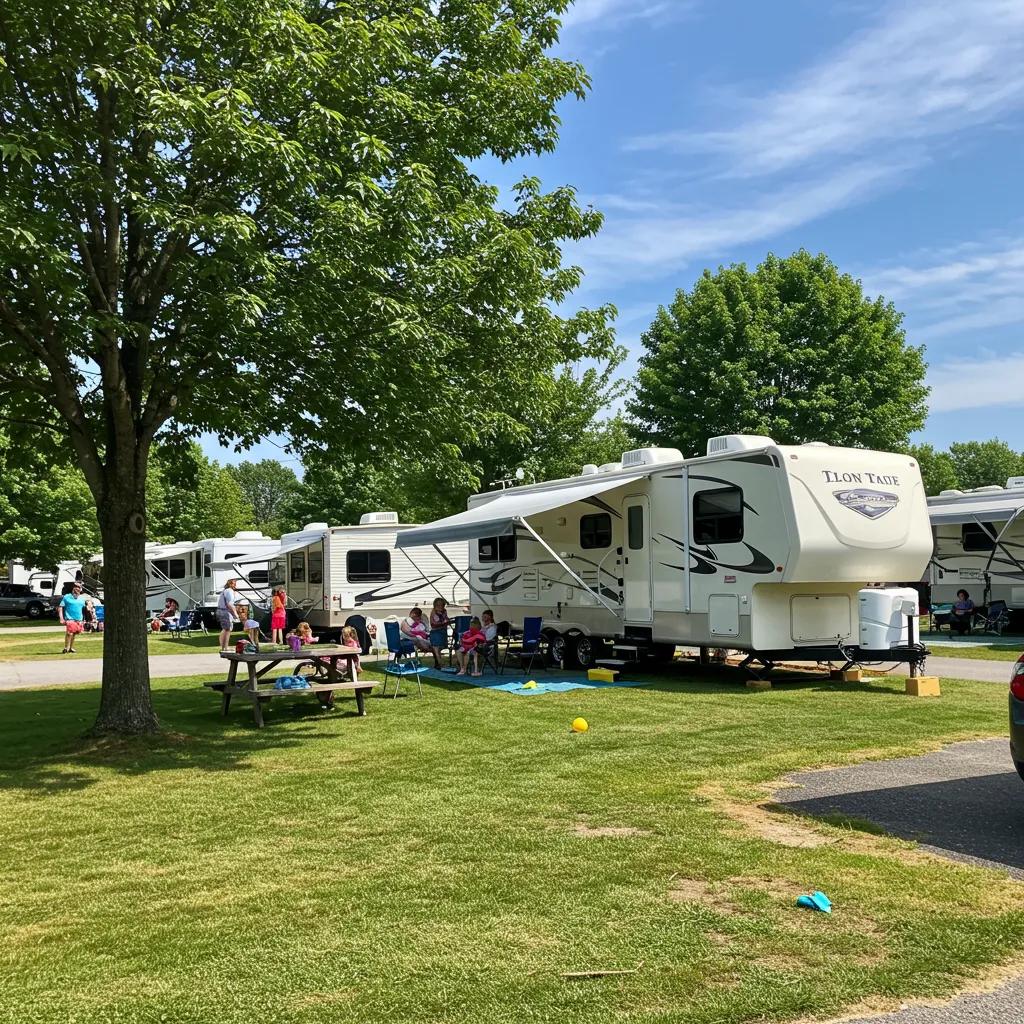
A seasonal camping site is defined by its extended stay option – you get permission to keep your RV, trailer, or equipment on-site for a whole season, usually under a formal agreement. These sites typically come with designated parking pads and often provide reliable utility access, depending on the site’s classification, which means less setup and breakdown each time you visit. Seasonal sites also have their own set of rules and community standards to keep that stable, neighborly atmosphere just right. This blend of permanence and shared expectations is a huge part of what makes seasonal camping so appealing.
How Long Do Seasonal Camping Stays Typically Last, and What Are the Terms?
Seasonal camping durations usually cover the campground’s main operating season, often spanning several months and aligning with the best weather or event calendars, with the exact dates set by the campground. Agreements typically involve an application, a deposit, and clear terms for utilities, who’s responsible for maintenance, and expected conduct. You should be prepared for timelines regarding approval and move-in. It’s wise to review the contract details for fees, any termination clauses, and winterization rules to avoid any surprises. Knowing these terms helps you weigh the commitment against the convenience.
What Amenities and Hookups Come with Seasonal Sites?
Seasonal sites often come with various hookup options – from just electricity to full hookups including water and sewer – along with a consistent spot and sometimes space for on-site storage or minor improvements, as permitted by the campground. Many seasonal campers enjoy regular access to campground-wide amenities like a swimming lake, water features, playgrounds, and recreation areas perfect for family fun. Having reliable hookups and amenity access means less daily setup and a more enjoyable seasonal experience. Here’s a quick rundown of what you can typically expect at a seasonal site.
Seasonal site features at a glance:
How Does Seasonal Camping Build Community at Walnut Hills?
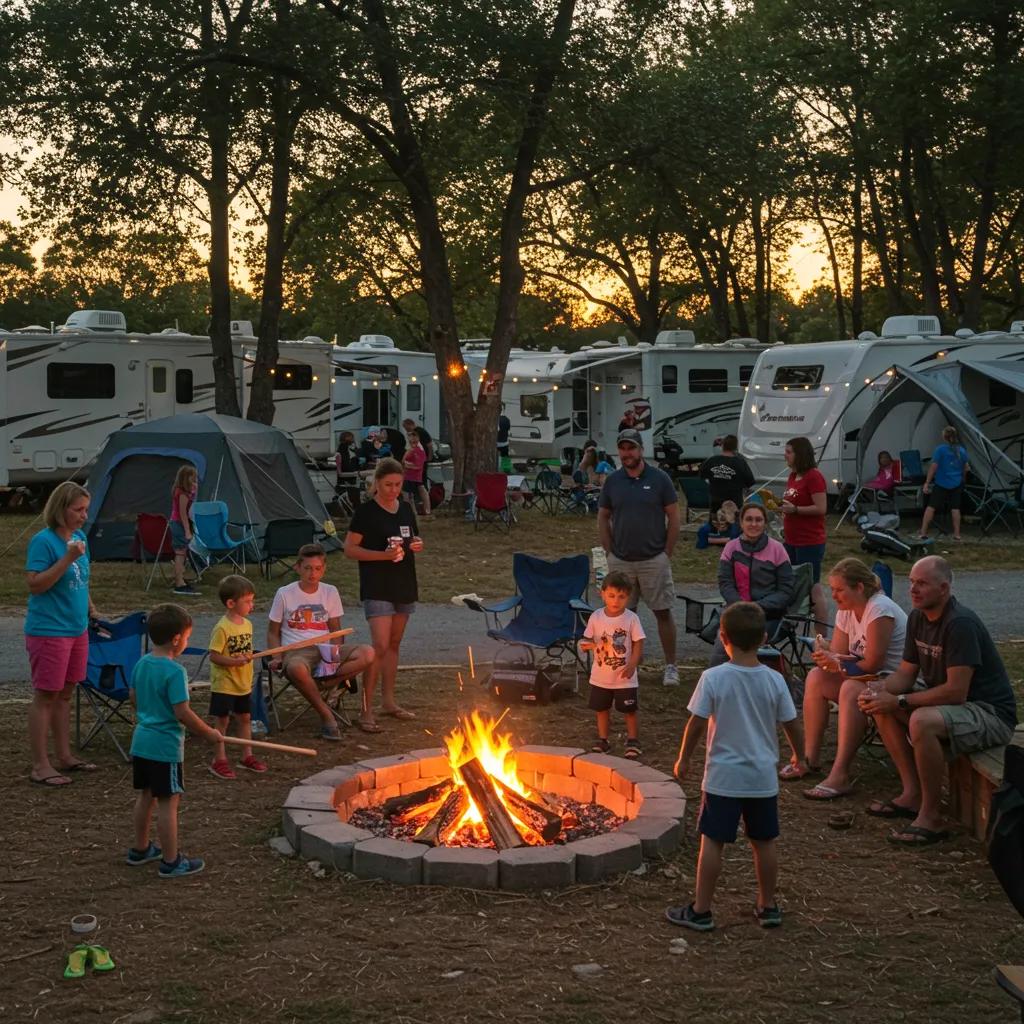
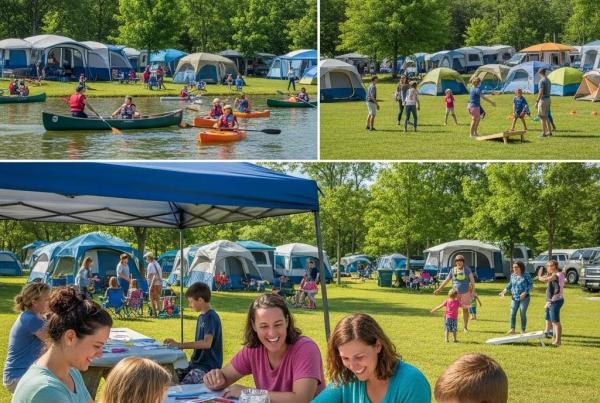
Seasonal camping creates a true neighborhood feel because campers return to the same spot time and again, opening doors for regular events, shared activities, and deeper friendships. At Walnut Hills Family Campground, our seasonal guests can dive into family-friendly amenities like our Wibit water park, swimming lake, multiple playgrounds, and community events that really encourage neighbors to connect and participate together. With consistent programming and on-site gatherings, it’s easy for seasonal occupants to build friendships and create lasting traditions throughout the season. These community aspects are often the deciding factor for families who cherish routine social connections.
After H2 ‘What Is Seasonal Camping and How Does It Work?’, Walnut Hills Family Campground offers Seasonal Camping Site options (RV, tent, seasonal) for campers looking for long-term stays. If you’re interested in a seasonal spot, please reach out to the campground directly to ask about application details and site availability to start your reservation. This specific offering at our campground supports the convenience and community benefits we’ve described.
What Is Standard Camping and What Should You Expect?
Standard camping, also known as transient camping, means booking for short periods – by the night or for a few nights. You’ll set up and pack up your camp each time you visit, which gives you maximum flexibility for travel and exploring. These stays usually come with a nightly rate, and the site features can vary a lot. Some transient sites offer full hookups, while others are more basic tent pads with shared facilities. Transient campers are all about mobility and variety over staying put, making standard sites perfect for road-trippers, weekend adventurers, and anyone exploring multiple spots. Knowing the typical features and expectations of standard camping helps travelers pick the right sites and book the best windows.
What Defines a Standard Camping Site?
A standard camping site is all about short-term rentals – you can book it by the night or for a few nights, with the expectation that you’ll set up and pack away your gear at the end of your stay. Standard sites come in various types, like RV or tent pads, and might offer different hookup levels. Campground rules will guide how long you can stay and how you use the site. As a guest, you’re responsible for setup, teardown, and following the rules for using amenities, which helps the campground manage turnover and availability for other visitors. This transient model really maximizes your flexibility for moving between destinations.
What Amenities Are Common at Standard Camping Sites?
Common amenities for standard camping sites include electrical hookups (often 20A or 30A), water spigots, tent pads, and access to shared bathhouses, laundry facilities, and a campground store. When reserving, transient campers should always check the site descriptions to confirm specific hookups, pad size, and how close they’ll be to facilities like playgrounds or the swimming lake. Access to broader campground amenities – such as a game room, sports field, or dog park – usually comes with standard stays, offering plenty of family-friendly recreation. Double-checking amenity details when you book helps avoid any surprises upon arrival.
What Are the Perks of Standard Camping for Campers?
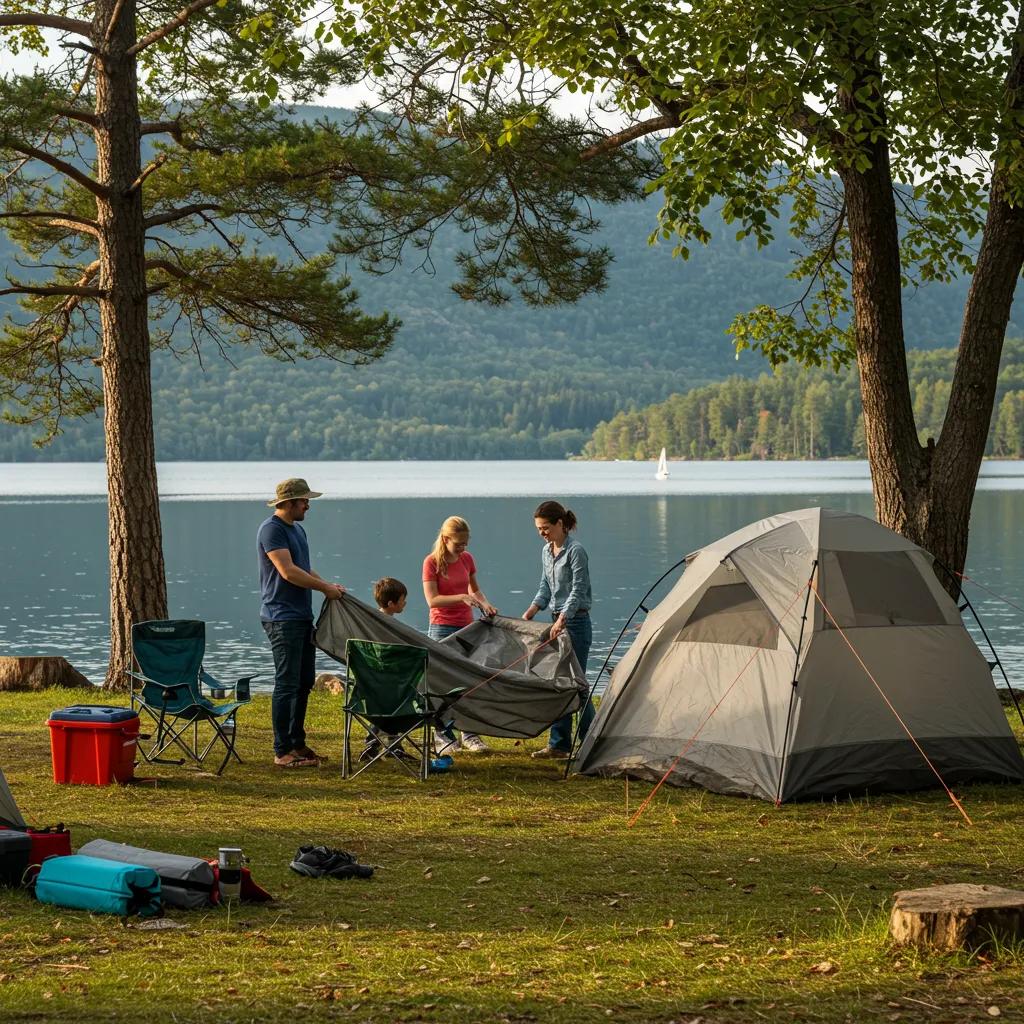
Standard camping offers a bunch of benefits for travelers who love flexibility, exploring new places, and low-commitment stays that let them sample different campgrounds or regions. Nightly reservations mean you can change your plans on a dime, try out new locations without long-term ties, and skip the lease-like obligations or seasonal fees. For families on weekend trips or road-trippers who are always on the move, the transient model means less upfront commitment and a chance for diverse experiences. These advantages make standard sites the go-to choice for many campers on the move.
What Are the Downsides of Standard Camping?
Standard camping can be less convenient if you’re a frequent visitor because setting up and packing up repeatedly takes time and effort compared to leaving your RV set up all season. Over many visits, nightly rates can really add up and become more expensive than a seasonal flat fee for regular campers. Availability during busy periods might be limited, and transient campers might not build the same kind of neighborhood connections as seasonal occupants. These trade-offs help campers decide if flexibility or long-term convenience is a better fit for their needs.
After H2 ‘What Is Standard Camping and What Should Campers Expect?’, Walnut Hills Family Campground offers Standard Camping Site options for RV and tent campers and supports online reservations for transient stays. If you’re planning a short visit, please use our campground’s reservation system to pick your site type and confirm hookups when you book.
How Do Seasonal and Standard Camping Sites Compare?
Seasonal and standard sites mainly differ in how long you stay, how you pay, how often you set up camp, and how integrated you become into the community. Seasonal camping offers permanence and neighborhood vibes, while standard camping provides flexibility and freedom to travel. Comparing these features helps campers match their stay type to their visiting habits and lifestyle priorities. The following quick comparison table breaks down the essential differences to help you decide fast and highlights which scenarios are best for each option. Reviewing these differences will clarify cost-effectiveness, convenience, and social aspects for potential campers.
Quick comparison summary:
What Are the Main Differences Between Seasonal and Standard Sites?
The key differences lie in the length of commitment – seasonal sites are rented for a full season, while standard sites are booked nightly – and the setup expectation. Seasonal campers leave their RVs set up, whereas transient campers pack up each time. Seasonal sites often offer predictable access to amenities and neighborly events, while standard sites provide variety and the chance to visit many places. These distinctions affect how you budget, your social opportunities, and how you plan your travel calendar. Understanding these core differences helps campers choose the right model for their habits.
How Do Costs Compare: Seasonal vs. Standard Camping?
Costs vary based on how often and how long you camp. Seasonal sites typically have a one-time or periodic seasonal fee that can be quite economical if you visit often. Standard sites charge nightly rates that add up quickly for repeated short stays. For example, a family visiting most weekends might find seasonal rates more cost-effective than paying a nightly fee every time, whereas occasional visitors benefit from the pay-as-you-go pricing. When comparing total costs, be sure to factor in deposits, utility charges, and any potential off-season storage or winterization fees. A clear cost comparison helps you figure out which payment model fits your visit frequency best.
Who Is Seasonal or Standard Camping Best For?
Different camper personalities fit each model perfectly. Families and frequent visitors who love routine and community often lean towards seasonal sites, while road-trippers and vacationers seeking variety and mobility choose standard sites. Seasonal camping is a great fit for those who attend regular weekend events, local programs, or want their RV ready for spontaneous visits. On the other hand, transient stays are ideal for those exploring multiple destinations. Matching a camper’s visit frequency and lifestyle with the right site type leads to greater satisfaction and better cost alignment.
What Are the Pros and Cons of Seasonal Camping?
Seasonal camping offers convenience, deeper community connections, and potential cost savings for frequent visitors, balanced against commitments and site rules that might limit travel flexibility. Looking at the advantages and considerations side-by-side helps families and individuals decide if seasonal placement fits their recreation habits. The following lists highlight the main benefits and common things to keep in mind, providing clear decision support and tips for prospective seasonal campers.
What Are the Biggest Advantages of Seasonal Camping?
Seasonal camping comes with some great advantages, including less packing and setup, stronger social bonds through regular neighborly interactions, and easier access to campground amenities for your regular fun. Leaving your RV in place saves prep time and lets you enjoy spontaneous weekend trips without the full setup hassle, which is super convenient for busy families. Community programming and shared activities often make the seasonal experience even better, creating a sense of belonging that transient campers rarely get to experience. These benefits are why so many campers choose seasonal arrangements.
- Main advantages at a glance:
- Convenience: Your camp setup stays put for repeat visits.
- Community: Regular events and neighborly relationships build social value.
- Potential savings: Frequent visitors might pay less overall than with nightly fees.
These advantages make seasonal camping a fantastic choice for regular campground users, especially families looking for routine.
What Are Common Things to Consider or Downsides of Seasonal Camping?
Common considerations include committing to a specific season, following campground rules, potential extra fees for utilities or site services, and having less travel flexibility while your site is occupied. Seasonal campers should carefully review contract terms regarding deposits, cancellation policies, and any maintenance duties to avoid unexpected charges. Helpful tips include clarifying rules about subletting, winterization expectations, and approval timelines upfront. Weighing these trade-offs ensures campers choose seasonal arrangements that align with their lifestyle and budget.
How Can Campers Book Seasonal or Standard Sites at Walnut Hills Family Campground?
Booking at Walnut Hills Family Campground has different processes for seasonal and standard sites. Seasonal applicants usually submit an application and a deposit to get a site assigned, while transient campers book nightly sites through our campground’s reservation system. Clear, step-by-step booking instructions make it easier for everyone and prepare you for the paperwork, approvals, and payment expectations. Here are the actionable steps tailored for each booking type to guide you through the process.
What’s the Seasonal Site Application and Reservation Process?
Seasonal applicants should expect to fill out an application, provide a deposit as required, and then wait for site assignment and approval from campground staff before moving in. The exact documentation and timing can vary by season. The seasonal process typically involves choosing your preferred site types, confirming your hookup needs, and agreeing to the site rules and payment schedules. It’s a good idea to ask about utility responsibilities, move-in windows, and community guidelines to ensure a smooth transition to your seasonal spot. Following these steps will help you secure a Seasonal Camping Site and become part of the campground community.
Steps for seasonal application:
- Complete and submit the seasonal application with all necessary information.
- Provide your deposit and confirm your preferred site type (RV or tent seasonal options).
- Await approval and site assignment, then schedule your move-in during the designated window.
These steps outline the typical seasonal booking flow and prepare you for what’s next.
How to Make Online Reservations for Standard Camping Sites?
To book a standard camping site at Walnut Hills, simply choose your desired dates, select the right site type (tent or RV), confirm the hookups and amenities, and complete your payment through the campground’s reservation system. Take a moment to review site descriptions carefully for hookup levels, pad size, and how close they are to facilities like bathhouses or the playground before finalizing your reservation. Be ready to set up camp and follow campground policies. Keeping your dates flexible can sometimes help you snag a site during peak times. Following these tips will ensure a smoother transient camping experience.
Steps for standard reservations:
- Select your dates and preferred site type in the campground reservation system.
- Verify the hookup level and amenities listed in the site description.
- Complete payment and confirmation, then get ready for on-site setup and check-in.
These straightforward instructions will guide transient campers through booking and preparing for their arrival.
Got Questions? We’ve Got Answers!
What should I think about when choosing between seasonal and standard camping?
When you’re deciding between seasonal and standard camping, consider how often you plan to camp, your budget, and how much you value community engagement. Seasonal camping is perfect for those who visit frequently and want to build a sense of belonging, while standard camping is great for travelers who crave flexibility and variety. Take a look at the costs for each option, including potential savings for frequent visits versus the convenience of short-term stays. Also, think about the amenities that matter most to you and how they fit your camping style.
Are there any special rules for seasonal campers at Walnut Hills Family Campground?
Yes, seasonal campers at Walnut Hills Family Campground do need to follow specific rules outlined in their rental agreement. These might cover site maintenance, how to use utilities, and general community conduct. Campers are usually expected to join in on community events and keep their sites looking good according to campground standards. It’s really important to understand these rules to ensure everyone has a great experience and to help maintain a harmonious neighborhood atmosphere among all seasonal occupants.
Can I switch from a standard site to a seasonal site while I’m already staying?
Switching from a standard site to a seasonal site during your stay at Walnut Hills Family Campground is usually possible, but it really depends on whether sites are available and what the campground’s policies are. If you find yourself loving your time here and want to extend it seasonally, it’s best to chat with the campground staff about the application process and any steps you’ll need to take to make the change. Getting in touch early can help make the transition smooth if you decide to commit to a seasonal arrangement.
What types of campers usually prefer standard camping?
Standard camping appeals to a wide range of campers, especially those who put a high value on flexibility and adventure. Road-trippers, families on quick weekend getaways, and individuals exploring multiple destinations often choose standard sites because they’re designed for transient stays. This model lets them experience different campgrounds and environments without any long-term commitments. Standard camping is also ideal for those who love spontaneous trips and want the freedom to change their plans without being tied to one specific location.
How can I make my stay at a standard site even better?
To really enhance your experience while camping at a standard site, plan ahead by looking into the campground’s amenities and any cool attractions nearby. Try to arrive early to get a good spot and get familiar with the layout. Make sure you have all the essential gear for setting up camp, and consider packing fun extras like bikes or games to enjoy during your stay. Connecting with other campers and joining in on campground activities can also make your experience richer, helping you build friendships and create lasting memories.
What are the typical costs involved with seasonal camping?
The costs for seasonal camping usually include a one-time seasonal fee, which can vary depending on the campground and the amenities offered at the site. You might also have additional expenses like utility fees, deposits, and potential charges for maintenance or community events. It’s crucial to read the contract carefully to understand all the financial commitments. For campers who visit often, seasonal camping can be more budget-friendly than paying nightly rates, especially if you plan to use the site regularly throughout the season.
Does Walnut Hills Family Campground have seasonal camping events?
Yes, Walnut Hills Family Campground frequently hosts seasonal events designed to bring our campers together. These often include family-friendly activities, themed weekends, and social gatherings that encourage neighbors to connect. Participating in these events can really boost your camping experience, allowing you to make new friends and create shared memories with fellow seasonal campers. Be sure to check the campground’s event calendar for specific dates and details so you don’t miss out on any exciting activities during your stay.
Your Perfect Camping Adventure Awaits
Deciding between seasonal and standard camping sites can really shape your outdoor experience. Seasonal options offer that wonderful sense of community and convenience, while standard sites provide the thrill of flexibility and adventure. Understanding the key differences in duration, cost, and amenities empowers you to make the best choice that fits your lifestyle and travel plans. Whether you’re looking for a long-term home away from home or a spontaneous getaway, both options are designed to meet diverse camping needs. Come explore the possibilities at Walnut Hills Family Campground and find the perfect site for your next adventure.