
Best Dog-Friendly Campgrounds Near Me for Adventure: Top Pet-Friendly Camping in Michigan
Finding truly dog-friendly campgrounds near you means balancing space, safety, and adventure so both family and canine thrive. This guide explains what “dog-friendly campgrounds” means, how facilities enable pet enjoyment (fenced off-leash areas, water access, and clear pet policies), and why choosing the right site improves outdoor adventures for dogs and owners. Many people struggle to identify campgrounds that combine large dog parks, dependable water activities, and transparent pet rules; this article solves that by mapping top choices, accommodation types, trail options, safety checklists, and booking steps. You will learn how to evaluate dog parks and amenities, compare RV, tent, and cabin setups for pets, prepare your dog for river floats and hikes, and reserve pet-accepting sites with confidence. The following sections cover the best camp categories for adventure, pet-friendly accommodations and fees, dog activities and trails (including river options), essential health and packing tips, and practical booking steps so you can plan a safe, spirited trip with your dog.
What Are the Best Dog Friendly Campgrounds in Michigan for Adventure?
Dog-friendly campgrounds for adventure are sites that combine secure off-leash zones, direct water access, and nearby trails so dogs can safely exercise and explore. These campgrounds enable outdoor play through structured amenities like fenced dog parks, swimming lakes, and trailheads that accept leashed pets. Choosing a campground with those features increases exercise, socialization, and safety for dogs while reducing owner logistics and stress. Below is a concise top-three approach to identify strong options for adventurous families camping with dogs.
Which campgrounds make the best shortlist depends on specific amenities and access rather than brand alone. Look for dedicated dog play areas, water entry points suitable for dogs, and clear pet rules that support active outings. These selection criteria help you prioritize sites that match your dog’s energy level and your family’s activity plans.
Dog park quality varies; important attributes include secure fencing, shade, and an easy-to-clean surface that supports running and social play. A large, fenced area with water access and agility features reduces leash stress and allows off-leash exercise under supervision, which is vital for high-energy breeds. Knowing this, evaluate park size, fencing height, and surface type before arrival.
Walnut Hills Family Campground in Durand, Michigan, stands out as an example because it includes a large, dedicated dog park and family-focused water amenities that support active dogs and owners. The campground’s combination of a Wibit water park and swimming lake plus a dedicated dog play area illustrates how integrated pet amenities can create a complete adventure destination. For families ready to book, check the campground’s reservations page and pet policy details before selecting dates to confirm availability and any pet requirements.
Different campground types serve adventure needs in distinct ways:
- State parks with dog access: Great for trail diversity and river access for leashed hikes.
- Regional RV resorts: Often offer larger dog parks and on-site pet services.
- Private family campgrounds: Provide curated activities and pet-focused amenities for social play.
This comparison highlights why matching amenities to your dog’s needs yields better outdoor experiences and peace of mind for owners.
Which Michigan Campgrounds Offer Large Dog Parks?
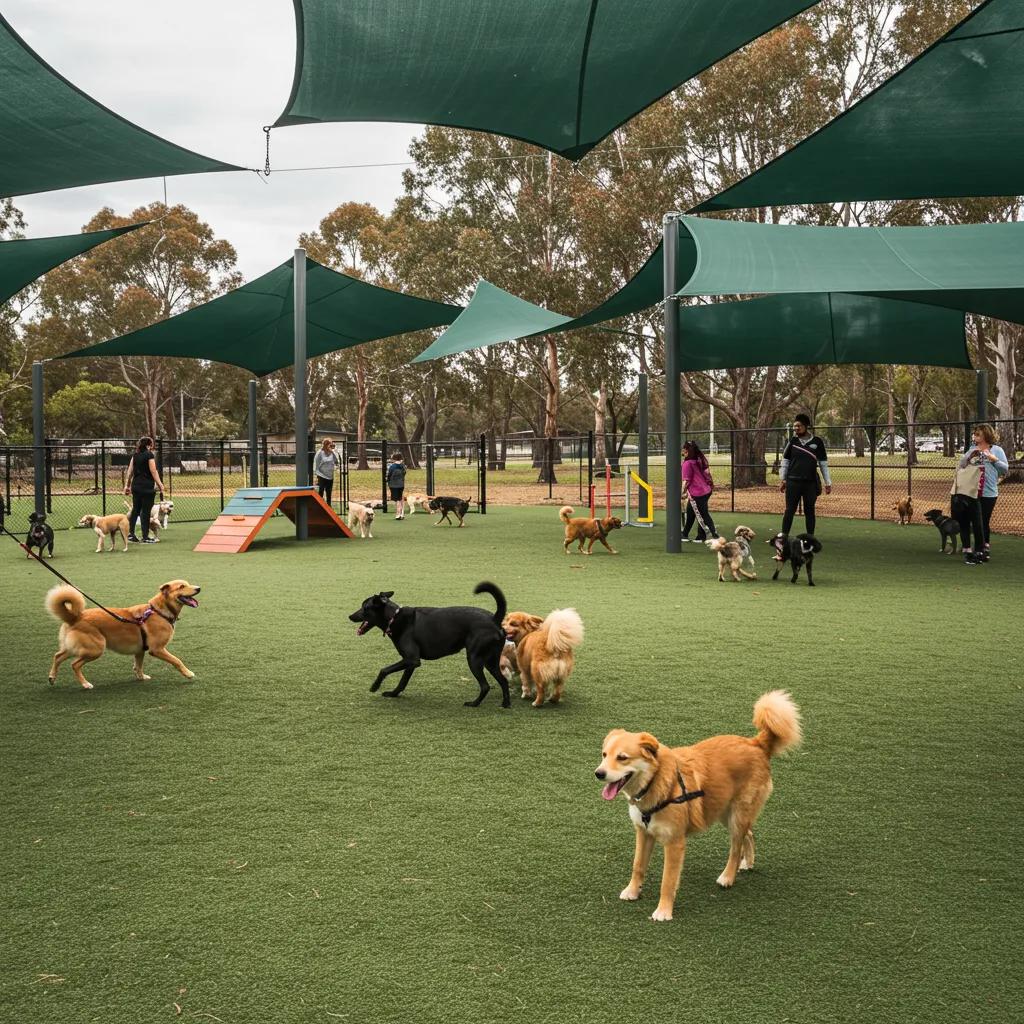
A large dog park is a fenced area where dogs can run off-leash, socialize, and access shade and water safely; size and features directly affect play quality. Large parks typically include secure fencing, separate small/large dog areas, water stations, and open turf for fetch and sprinting. These attributes reduce injury risk and improve socialization opportunities, making them essential for high-energy pets and families seeking active days. When evaluating parks, verify fencing condition, entrance double-gates, available seating for owners, and whether water access is suitable for dogs. Understanding these specifics helps you plan trips that match your dog’s fitness and interaction needs.
How Do Pet Friendly Campgrounds in Michigan Support Outdoor Adventures?
Pet-friendly campgrounds enable adventure through clear leash rules, trail access, and activity programming that includes dogs, creating structured opportunities for exercise and exploration. They support river or lake activities with designated entry points and safety guidance, and often provide equipment rentals or guided trips that accommodate leashed dogs. Many sites also offer on-site recreational options—sand volleyball, game rooms, and family events—that let owners balance pet care with group activities. Identifying campgrounds that explicitly list these amenities avoids surprises and ensures daily plans include safe, pet-friendly adventure choices.
What Unique Features Make Walnut Hills Family Campground Stand Out?
Walnut Hills Family Campground emphasizes integrated family and pet amenities that support both social play and active water fun for dogs and people. Notable on-site features include a large, dedicated dog park and a Wibit water park and swimming lake that allow families to mix water recreation with supervised pet-friendly spaces. Renovated facilities and diverse recreational activities create comfort and variety for multi-generation groups, and these attributes reduce packing burden while expanding on-site adventure options. For specific reservation steps and the campground’s pet policy and any fees, review the reservation information provided by the campground before booking.
What Pet Friendly Accommodations Are Available for Dogs in Michigan Campgrounds?
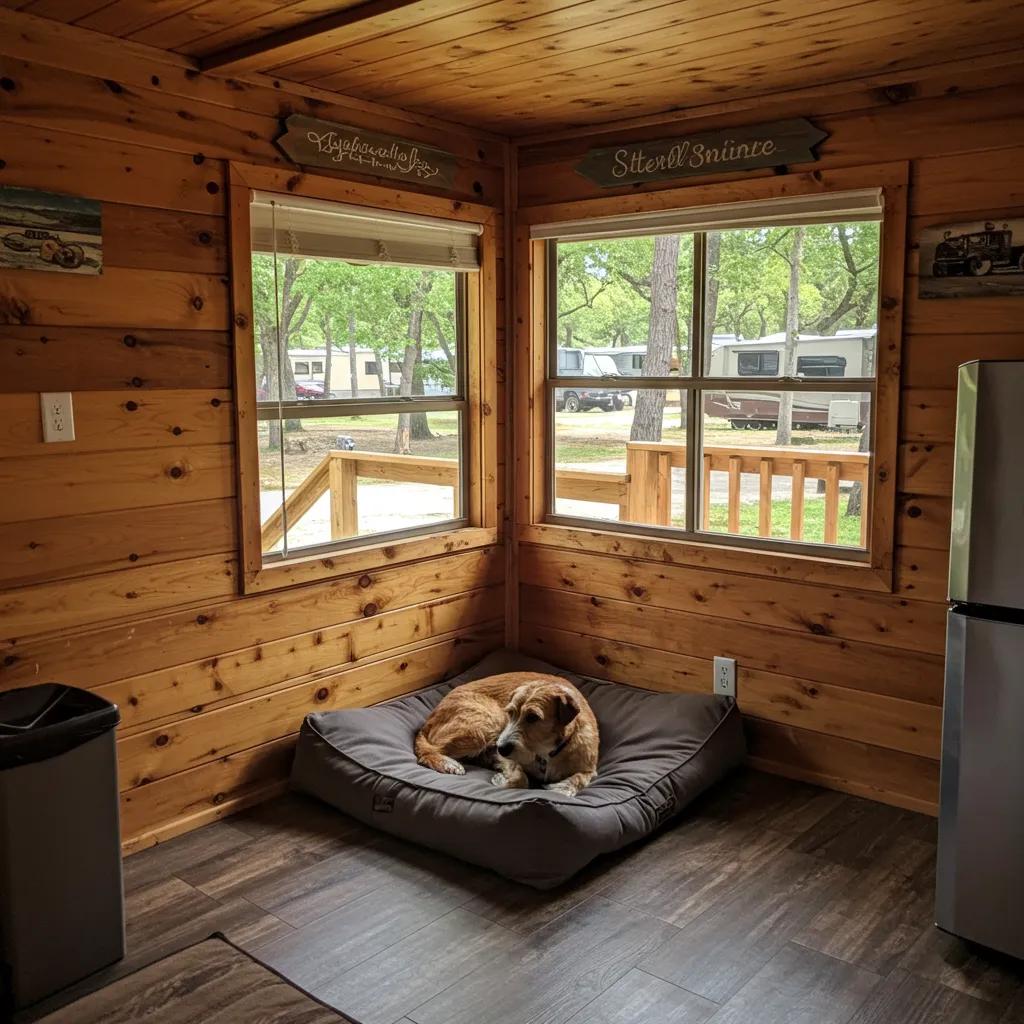
Pet-friendly accommodations in Michigan typically include dog-friendly RV sites, tent sites, and cabins, each offering different levels of space, control, and comfort for dogs and owners. RV sites provide continuity of home comforts and easy access for pet routines, tent sites offer close-to-nature experiences with leash control, and pet-friendly cabins deliver sheltered lodging that can ease anxiety for some dogs. Selecting the right accommodation depends on your dog’s behavior, need for containment, and tolerance for shared spaces.
Below is a comparison table that highlights pet allowances, typical fees, leash rules, and on-site pet amenities to guide decisions.
Which RV sites welcome dogs and what are common pet policies? RV sites that accept pets usually allow dogs on-leash in shared spaces, expect owners to clean after pets, and require disclosed pet counts at booking. RV hookups and drive-up convenience simplify routines like feeding and nightly containment. Prepare an RV checklist to keep your dog comfortable: secure tie-outs, elevated beds, and stored food to avoid wildlife attraction. Transitioning from RV specifics leads naturally to tent and cabin considerations for dogs.
Are there dog friendly tent sites and cabins in Michigan? Many campgrounds offer tent sites that accept dogs and cabins that welcome pets, with cabin features varying from simple sleepers to renovated facilities with hard floors and enclosed porches. Enclosed porches and durable floors make cabins easier to keep clean and reduce anxiety for dogs, while tent sites provide immediate outdoor immersion for active breeds. For families seeking more comfort, pet-friendly cabins often include rules about bedding and cleaning deposits—verify these before booking to avoid misunderstandings.
What are the fees and restrictions for camping with dogs? Expect per-pet fees, occasional refundable deposits, and requirements such as current vaccinations and leash compliance. Some sites enforce size or breed considerations and charge cleaning fees if extra maintenance is required. Preparing documentation and budgeting for pet fees avoids surprises at check-in and makes arrival smoother.
RV and Tent Packing Checklist
- Food and measured bowls: Bring familiar food and labeled containers to prevent digestive upset.
- Leash, harness, and tie-out: Ensure secure control and safe short-term containment at the site.
- Bedding and familiar toys: Provide comfort and reduce anxiety in new sleeping areas.
Use this checklist to reduce stress and keep routines consistent, making campsite adaptation easier for your dog.
How Can I Enjoy Dog Friendly Activities and Trails at Michigan Campgrounds?
Dog-friendly activities and trails combine local natural features with campground amenities that facilitate safe outdoor play and exploration for dogs and owners. Dogs benefit from varied terrain and water access that allow controlled swimming, hiking, and supervised river floats when permitted. Campgrounds that coordinate seasonal pet events or guided excursions make it easier to join group activities that are dog-appropriate. When selecting activities, prioritize those with clear safety guidance and amenities that support canine participation to ensure both fun and responsible recreation.
What Dog Friendly Hiking Trails Are Near Walnut Hills Campground?
Nearby trails suitable for dogs generally include short loop hikes and riverbank paths that accept leashed pets and provide moderate terrain for varied fitness levels. These trail options offer entry points reachable from camp, shaded sections for hot days, and clear signage about leash requirements and trail etiquette. Bringing fresh water and a collapsible bowl makes trail breaks comfortable for dogs, while early starts avoid peak heat and wildlife encounters. From these trail basics, river activities are the next natural adventure to consider.
Can Dogs Join River Float Trips on the Shiawassee River?
Dogs can often join river float trips when operators or campgrounds allow leashed pets and when safety measures are in place, such as canine life jackets and gradual water entry points. Proper preparation includes familiarizing your dog with water, using a canine-approved life vest, and planning shorter floats to assess comfort. River float bookings that accept dogs typically require disclosure at reservation and may have weight or behavior rules; always confirm specifics before arrival so both owner and dog are prepared.
What Seasonal Pet Events and Outdoor Adventures Are Offered?
Seasonal pet events can include dog socials, agility meetups, and themed weekend gatherings that bring dog owners together for supervised play and skill-building. These events often require pre-registration and confirmation of vaccinations and behavior standards, providing socialization opportunities in controlled settings. Participating in seasonal activities enhances community connection and gives dogs consistent outlets for exercise and enrichment.
- Typical seasonal activities: Dog meetups, agility demos, holiday dog walks.
- How to join: Check event listings and register early to secure a spot.
- Benefits: Socialization, training practice, and structured exercise.
These events expand adventure options at camp and help owners find like-minded pet travelers.
What Are Essential Tips for Camping Safely with Dogs in Michigan?
Camping safely with dogs requires planning around health, local wildlife, and campground etiquette so that outings remain enjoyable and low-risk. Preventive care—updated vaccines, parasite prevention, and a travel-ready first-aid kit—reduces the chance of interruptions. Understanding leash rules, waste disposal expectations, and quiet hours protects your dog and preserves access for other campers. The following paragraphs outline concrete packing and safety steps to prepare both novice and experienced campers.
What Should I Pack for a Dog Friendly Camping Trip?
Packing for dogs focuses on food, hydration, safety, and comfort items that sustain routines and respond to outdoor hazards. Bring measured food portions, potable water, a collapsible bowl, a sturdy leash and harness, a canine life jacket for water activities, and a basic first-aid kit tailored to dogs. Include familiar bedding and toys to reduce stress, and pack booties for rough terrain or hot surfaces. Preparing these items streamlines arrival and ensures daily needs are met so you can focus on adventure.
How Can I Ensure My Dog’s Health and Safety Outdoors?
Preventive measures include up-to-date vaccinations, flea/tick prevention, and a vet contact plan for emergencies; these steps minimize health risks while camping. Monitor your dog for signs of heat stress, fatigue, or injury, and schedule regular water and rest breaks during activities. Keep identification tags and microchip information current to aid recovery if separation occurs. With these precautions in place, you can safely explore trails and water features with your dog.
What Are the Leash and Waste Disposal Rules at Dog Friendly Campgrounds?
Campgrounds typically require leashed dogs in shared spaces and designate off-leash zones for supervised play, with strict expectations for waste pickup and disposal. Carry biodegradable bags, a scooper, and a trash plan to maintain cleanliness and community trust. Respecting leash rules and communal spaces preserves access to pet amenities and reduces conflicts with wildlife and other guests. Adhering to these etiquette norms keeps sites welcoming for future dog travelers.
How Do I Book a Stay at a Dog Friendly Campground in Michigan?
Booking a pet-friendly campsite is a straightforward process when you know where to look, what policy elements to verify, and how to confirm pet acceptance before arrival. Start by searching official campground reservation pages or reputable aggregators, review the pet policy for fees and restrictions, and disclose pets during booking to avoid surprises. Confirm cancellation terms related to pets and retain reservation confirmations that list pet allowances. Below are practical booking channels and a condensed fee table to aid decision-making.
Where can you find online reservations and what are the best channels? Use the campground’s official reservations page for the most current availability and policy details, consider trusted aggregator platforms for comparative pricing, and call the campground if policies seem unclear. Booking early for holiday weekends secures premium sites, while off-peak reservations can reduce fees.
- Campground website: Most reliable for policy details and site-specific rules.
- Aggregator platforms: Useful for comparing options across multiple sites.
- Phone reservations: Best for clarifying pet policies or special requests.
This blend of channels helps you confirm pet acceptance and secure ideal dates.
Use this quick table to compare booking options and anticipate fees; always request written confirmation that pets are accepted under your reservation.
What Is the Pet Fee Structure and Cancellation Policy?
Pet fees commonly appear as per-pet nightly charges, flat per-stay fees, or refundable deposits for cleaning; cancellation policies vary by provider and season. Confirm whether fees are refundable and whether cancellations triggered by pet behavior incur charges. Clear communication at booking prevents unexpected costs.
Where Can I Review the Full Pet Policy Before Booking?
Full pet policies are usually posted on the campground’s reservation page or included in booking confirmations; review them for vaccination, leash, and cleaning requirements. If policy language is unclear, contact the campground directly to clarify allowed breeds, maximum pet counts, and any size restrictions. Verifying these items before arrival streamlines check-in and ensures a smoother stay.
For families seeking a site with integrated dog amenities, Walnut Hills Family Campground (Durand, Michigan) offers diverse pet-friendly camping accommodations (RV sites, tent sites, cabins) and on-site activities. To reserve a pet-friendly accommodation at Walnut Hills, use the campground’s reservation channel and review the posted pet policy and any fees before finalizing your booking.
Frequently Asked Questions
What should I consider when choosing a dog-friendly campground?
When selecting a dog-friendly campground, consider the amenities that cater to your dog’s needs, such as large, secure dog parks, water access for swimming, and nearby trails for hiking. Additionally, review the campground’s pet policies, including leash requirements, cleaning expectations, and any breed or size restrictions. It’s also beneficial to check for nearby veterinary services in case of emergencies. Prioritizing these factors ensures a safe and enjoyable experience for both you and your dog.
Are there specific health precautions I should take for my dog while camping?
Yes, ensuring your dog’s health while camping involves several precautions. Make sure your dog is up-to-date on vaccinations and flea/tick prevention. Bring a first-aid kit tailored for pets, and keep your dog’s identification tags and microchip information current. Monitor your dog for signs of heat stress or fatigue, especially during outdoor activities. Regular breaks for water and rest are essential to keep your dog comfortable and healthy throughout your camping trip.
What types of activities can I do with my dog at campgrounds?
Many campgrounds offer a variety of activities suitable for dogs, including hiking, swimming, and organized pet events. Look for campgrounds that provide dog-friendly trails, designated swimming areas, and seasonal events like dog socials or agility courses. Engaging in these activities not only helps your dog burn off energy but also allows for socialization with other pets and owners, enhancing the overall camping experience for both of you.
How can I prepare my dog for a camping trip?
Preparing your dog for a camping trip involves several steps. Start by acclimating your dog to the camping environment, which may include spending time in a tent or RV at home. Pack familiar items like bedding, toys, and food to provide comfort. Ensure your dog is trained to follow commands, especially regarding leash control. Additionally, practice short hikes or outdoor activities to gauge your dog’s comfort level and stamina in a new setting.
What are the common pet fees at campgrounds?
Pet fees at campgrounds can vary widely, typically ranging from per-pet nightly charges to flat fees for the entire stay. Some campgrounds may also require refundable cleaning deposits. It’s essential to check the specific campground’s pet policy for detailed fee structures and any additional costs associated with bringing your dog. Being aware of these fees in advance helps you budget appropriately for your camping trip.
Can I leave my dog unattended at the campground?
Leaving your dog unattended at a campground is generally not recommended. Many campgrounds have policies against leaving pets alone, as it can lead to stress or behavioral issues. If you need to step away, consider bringing a crate or using a secure area where your dog feels comfortable. Always check the campground’s specific rules regarding unattended pets to avoid any potential issues during your stay.
What should I do if my dog gets lost while camping?
If your dog gets lost while camping, remain calm and act quickly. Start by searching the immediate area, calling your dog’s name, and using familiar commands. Notify campground staff and fellow campers, as they can assist in the search. It’s also helpful to have a recent photo of your dog and their identification tags updated with your contact information. Consider using a GPS tracker on your dog’s collar for added security during outdoor adventures.
Conclusion
Choosing the right dog-friendly campground enhances your outdoor adventures by providing secure spaces, water access, and tailored amenities for both pets and their owners. This guide empowers you to make informed decisions, ensuring a memorable experience for your family and furry friends. Start planning your next camping trip by exploring our recommended campgrounds and their unique offerings. Discover the perfect spot for your next adventure today!