
Understanding Cleanliness and Maintenance Standards at Ohio State Park Campgrounds: What to Expect
How clean and well-maintained a campground is can make or break your family’s outdoor adventure, determining whether your stay feels safe, comfortable, and truly enjoyable. This guide dives into what those standards mean for your visit to Ohio public campgrounds. You’ll learn how Ohio’s health and natural resources authorities set the bar for sanitation, how facilities keep things sparkling with cleaning schedules and modern hygiene features, and what you can realistically expect from campground restrooms, shower houses, dump stations, and lakeside amenities. Knowing these standards helps you plan around busy times, understand when to flag an issue, and gauge if a property meets the requirements set by the Ohio Department of Health (ODH) and the Ohio Department of Natural Resources (ODNR). We’re covering the nitty-gritty here—cleaning frequency, fixtures, waste disposal, water testing, staff training, and what campers can do to help. So, let’s get to the bottom of it: how clean are Ohio State Park bathrooms and campsites in reality? Keep reading for detailed sections on facility hygiene, maintenance operations, waste handling, water safety, staff protocols, camper guidelines, and upcoming property enhancements designed to elevate your experience.
What Are the Cleanliness Standards at Ohio State Park Campgrounds?
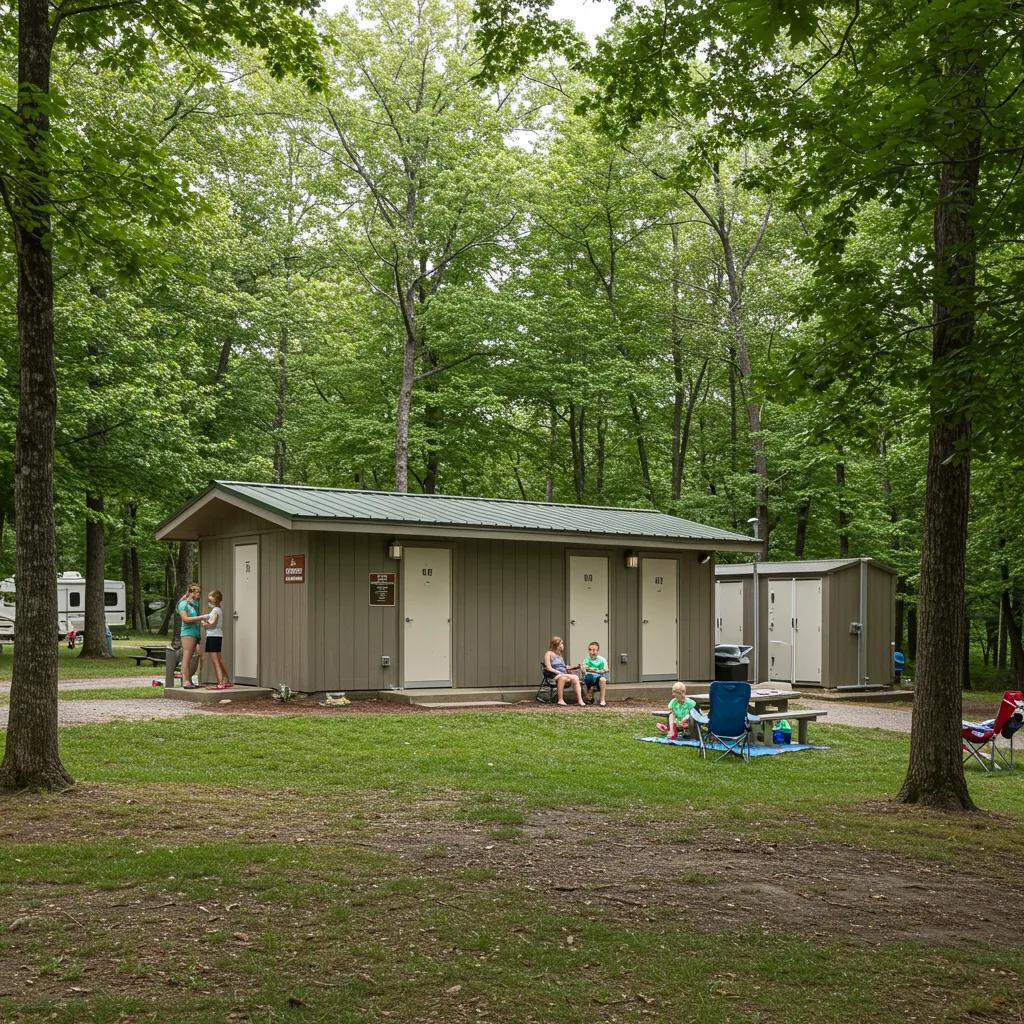
Campground cleanliness standards are all about keeping restrooms, shower houses, and shared spaces sanitary, guided by public health rules from ODH and operational best practices from ODNR. These standards mean regular cleaning of surfaces everyone touches, keeping supplies stocked, and ensuring facilities are inspected and maintained to cut down on germs and keep you comfortable. When these standards are met, you get safer public spaces, a lower risk of illness, and a more reliable, enjoyable visit. The next section will walk you through typical cleaning schedules and how they ramp up during peak visitor times.
How Often Are Restrooms and Shower Houses Cleaned?
How often restrooms and shower houses get a scrub depends on how busy they are, how many staff are on hand, and what the regulations say. Generally, expect multiple checks each day and regular deep cleans of high-touch spots. The usual routine involves a thorough cleaning in the morning, midday checks to restock and tidy up, and another sanitation sweep before nightfall. Weekends, holidays, and special events mean even more frequent attention. Cleaning crews typically focus on disinfecting door handles, faucets, toilet flushers, and shower controls, plus making sure soap and paper supplies are always full to keep hygiene top-notch. These scheduled cleanings help prevent the spread of germs and set the stage for the modern fixture upgrades we’ll discuss next.
What Modern Hygiene Features Are Used in Campground Facilities?

You’ll find modern hygiene features popping up in campground buildings—think touchless sinks, automatic soap dispensers, water-saving low-flow fixtures, and hand-sanitizer stations. These are designed to cut down on germ transmission and conserve water, all while making sanitation easier. They minimize the need to touch surfaces, simplify cleaning by reducing nooks and crannies, and often pair with tough materials that hold up to frequent disinfecting. Prioritizing touchless and water-efficient options is a common goal in renovation projects, and you can expect to see them in facilities getting a refresh to meet today’s guest expectations. Understanding how these fixtures work with cleaning routines shows how campgrounds put regulations into practice, which is neatly summarized in the table below.
How Does Ridge Ranch Campground Meet Ohio Health Regulations?
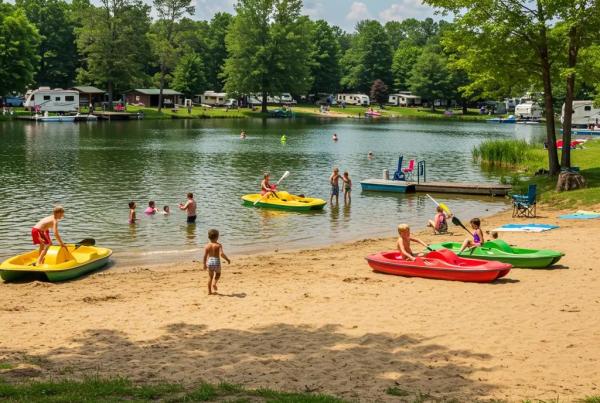
Ridge Ranch Campground puts state sanitation expectations into action with guest-focused upkeep across its 76 acres, complete with a 17-acre lake, offering both RV and tent sites alongside family activities. On-site, this means regular cleaning of restrooms and shower houses, incorporating modern fixtures as part of ongoing upgrades, and staffing that keeps an eye on supplies and cleanliness, especially during busy family times. Ridge Ranch meticulously documents maintenance activities and aligns routine water and facility checks with state guidance to ensure safe drinking water and ready-to-use amenities for everyone. These on-site practices are a great example of how local campgrounds bring state hygiene and maintenance standards to life, leading us naturally into how maintenance systems are managed more broadly across campgrounds.
How Are Maintenance Standards Ensured at Ohio State Park Campgrounds?
Maintenance standards go hand-in-hand with cleanliness goals, involving clear staff roles, scheduled inspections, and efficient repair processes to keep facilities safe and functional for guests. Campground managers establish inspection schedules—daily sanitation checks, weekly structural reviews, and seasonal readiness assessments—to spot potential hazards and prioritize repairs using a documented work-order system. Preventive maintenance, like keeping up with landscaping and checking equipment, helps avoid downtime and extends the lifespan of amenities while keeping guests safe. The next section details the daily duties of staff that keep these systems running smoothly.
What Is the Role of Staff in Daily Facility Upkeep?
Campground staff and hosts are the first line of defense for maintenance and sanitation, handling cleaning tasks, restocking supplies, monitoring busy areas, and addressing guest concerns. Their daily duties typically include checking restrooms, tidying up litter, performing minor fixes, and alerting maintenance managers to bigger issues, ensuring a swift response to cleanliness needs. Staff also keep records of inspections and cleaning activities, which is crucial for regulatory compliance and answering guest questions. A clear division of duties among day staff, hosts, and maintenance crews ensures that reported problems move quickly from discovery to resolution, a process further detailed in the repair and inspection workflows.
- Clean and disinfect restroom high-touch surfaces during scheduled rounds.
- Restock soap, paper, and sanitizer stations after each inspection.
- Pick up litter and empty public trash receptacles at regular intervals.
How Are Repairs and Inspections Scheduled and Managed?
Repairs and inspections follow a clear lifecycle, starting with daily checks and guest feedback, moving to logged work orders, and concluding with confirmation of completion and proper documentation. Inspection types cover safety, sanitation, and structural evaluations, each assigned a priority level—immediate safety risks, repairs needed within 24 hours, and routine preventive tasks. Effective systems use straightforward reporting forms or logs so staff can escalate issues and track progress. Best practices encourage sharing inspection summaries or providing guests with an easy way to report problems. Transparent repair management not only fixes issues but also demonstrates compliance and informs future preventive maintenance planning, keeping campsites in great shape.
What Maintenance Practices Keep Campsites and Amenities in Top Condition?
Routine groundskeeping, seasonal preparations, and specific upkeep for amenities—like playground checks, dock maintenance, and court resurfacing—are key to guest safety and enjoyment. Preventive tasks include trimming trees to remove hazardous branches, raking beaches to clear debris, regularly inspecting docks for loose boards, and applying seals or resurfacing high-traffic areas seasonally to prevent wear and tear. Scheduled maintenance helps avoid emergency repairs and ensures amenities stay usable and clean, boosting guest satisfaction and lowering long-term costs. These practices work hand-in-hand with waste management systems to guide proper disposal and maintain cleanliness throughout the property.
What Waste Management and Sanitation Policies Are in Place at Ohio State Park Campgrounds?
Campground waste policies are designed to manage trash, recycling, and wastewater responsibly, preventing contamination and environmental damage while keeping facilities clean for visitors. Common approaches include using central dumpsters or requiring pack-in/pack-out, providing designated recycling bins where possible, and giving campers clear instructions on how to bag and when to drop off refuse. For RV owners, legal disposal of greywater and blackwater at designated dump stations is mandatory, with operational procedures in place to keep these stations sanitary. The following sections detail trash handling steps, dump station procedures, and camper responsibilities that collectively ensure sanitary conditions.
How Is Trash Disposal Handled for Campers?
Trash handling methods can differ by location, but generally involve on-site dumpsters in central spots, scheduled pickups, and guidance for campers to bag waste securely and use recycling bins when available. Campgrounds often post clear signs showing dumpster hours, sorting rules, and prohibited items to deter wildlife and prevent cross-contamination. Staff regularly check dumpsters and the surrounding areas to prevent overflow and maintain sanitary conditions near restrooms and gathering spots. Clear instructions for guests and consistent pickup schedules help reduce litter and improve the overall cleanliness visitors experience.
Campground trash-handling best practices often include these steps for campers:
- Bag and seal waste before placing it in designated dumpsters to reduce odors and pests.
- Separate recyclables into clearly labeled containers when provided by the property.
- Follow posted pickup times and dumpster-location directions to avoid attracting wildlife.
Following these steps helps keep campsites tidy and reduces the workload for staff, supporting broader sanitation goals and connecting to RV waste procedures discussed next.
(EAV Table) Waste handling summary for common campsite scenarios
Below is a concise table summarizing how different waste types are typically managed at campgrounds.
What Are the Procedures for Greywater and Blackwater Disposal?
Greywater and blackwater from RVs must be disposed of at designated dump stations to protect soil and water quality, using clear steps that limit exposure and contamination. Typical procedures include lining the dump inlet, securing sewer hoses with the proper fittings, emptying tanks slowly, rinsing hoses where allowed, and using site-provided disinfectant or clean-out facilities to ensure the station stays sanitary. Maintenance teams schedule regular cleaning of dump stations, empty portable holding tanks, and disinfect surfaces between heavy use periods. Proper use of dump stations protects local water sources and is often enforced through posted rules and staff inspection of RV service areas.
To help campers use dump stations correctly, follow this numbered procedure:
- Position the RV and secure the sewer hose to the designated inlet with proper fittings.
- Open blackwater tank valve first, then greywater, allowing a full flush cycle.
- Rinse and sanitize hose and fittings if station provisions allow; close valves and store equipment safely.
Adhering to this procedure minimizes spills and odors, reduces staff cleanup time, and preserves ground and water quality for all guests.
Camp Health and Safety Standards: A Trainer’s Guide
Performance objectives to be met in the health unit include: knowledge of physical and emotional needs of campers and staff and various methods of fulfilling those needs; identification of licenses, certificates of operation, insurance, and/or records required to meet state and local health standards; identification of sources of information for employment requirements of camp health personnel, appropriate camp health center facilities, and health center equipment a
Trainer Guide: Health and Safety Managerial. Camp Administration Series., 1981
What Are Campers’ Responsibilities for Maintaining Clean Campsites?
Campers help keep campgrounds sanitary by practicing Leave No Trace principles, properly disposing of pet waste, securing food and trash, and cleaning fire rings after use to minimize wildlife encounters and preserve campsite condition. Expected behaviors include packing out what you pack in when required, bagging pet waste and using designated bins, extinguishing fires completely and raking or removing ash as instructed, and promptly reporting any sanitation hazards to staff. These actions reduce health risks and the workload for maintenance teams, fostering a respectful environment for other guests. Following these responsibilities aligns directly with property policies and shared expectations for campground cleanliness.
How Is Water Quality and Safety Managed at Ohio State Park Campgrounds?
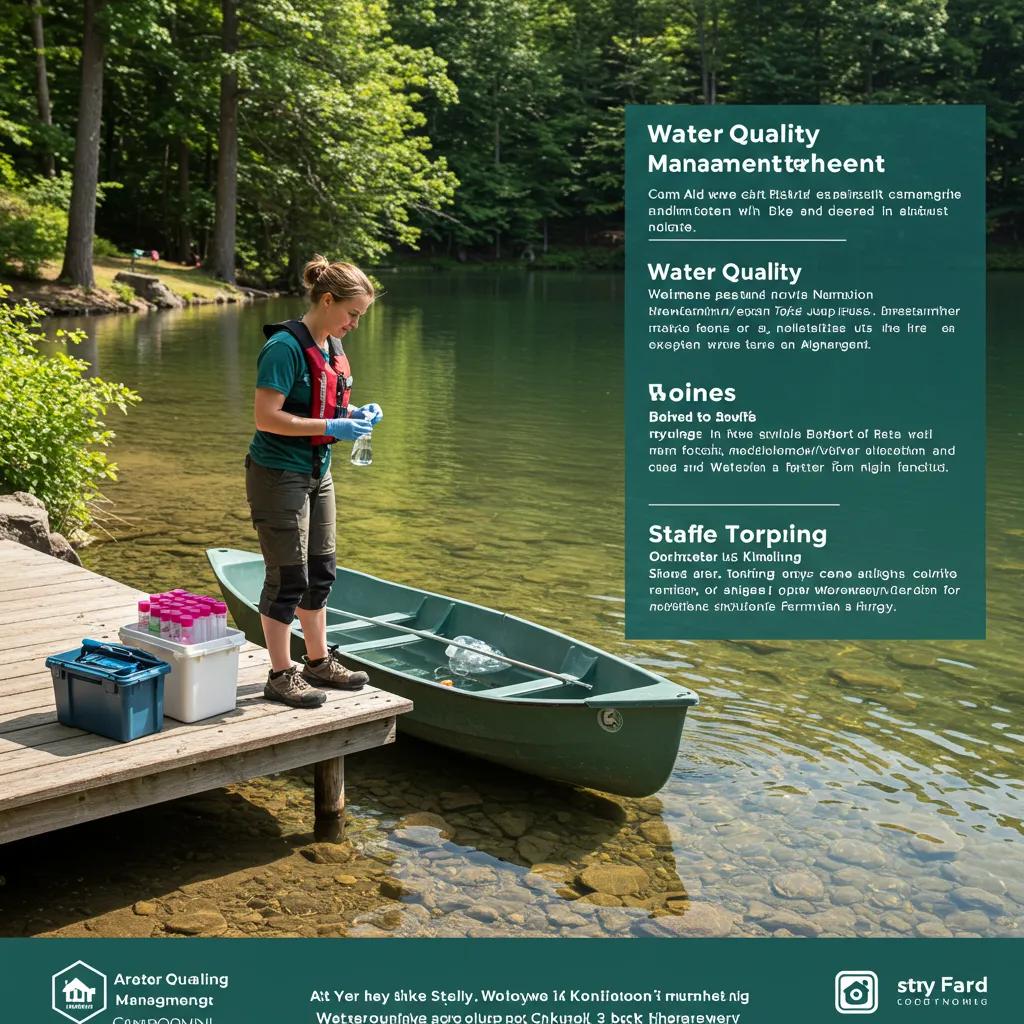
Water quality management ensures safe drinking water and monitors recreational lake conditions to protect swimmers and boaters, with testing and advisory protocols overseen by public health and natural resources authorities. Campgrounds get their drinking water from municipal systems or treated wells and follow testing schedules to check for contaminants; any advisories or issues are communicated to guests as required. Recreational waters—like lakes or beaches—are regularly inspected for algae, debris, or contamination, and closures or advisories are posted when necessary. The subsections below explain potable water testing, lake maintenance, and safety measures for water activities.
What Standards Ensure Potable Water Safety?
Potable water safety adheres to ODH standards, which mandate periodic testing for bacteria and chemical contaminants and regular maintenance of water delivery systems to prevent cross-connections and contamination. Campground operators typically keep records of their water source type, recent test dates, and any corrective actions taken, and they notify guests if issues arise, ensuring transparency and public safety. Routine flushing of taps, maintenance of backflow prevention devices, and prompt repair of leaks are operational practices that support water safety. Clear testing protocols and communication of results help guests trust the reliability of drinking water at any given campground.
How Is Lake Water Quality Maintained for Recreation?
Maintaining lake water quality involves cleaning shorelines, removing aquatic debris, monitoring for algal blooms, and coordinating with ODNR for advisories and closures when water quality risks are identified. Raking beaches and removing trash helps reduce contaminants that can lead to bacterial growth or aesthetic problems, while regular water sampling and communication with authorities help detect harmful conditions early. When advisories are issued, properties post clear signage and inform guests to prevent exposure. These proactive maintenance tasks protect recreational users and tie into broader safety protocols discussed next.
What Safety Measures Are in Place for Water Activities?
Water activity safety includes encouraging life jacket use, defining supervised swim hours when staff are present, posting clear hazard warnings, and ensuring rental equipment is inspected and maintained. Staff responsibilities include regularly checking flotation devices, inspecting docks and launch areas, and communicating weather or water advisories to guests. Promoting or requiring life jacket use for non-swimmers and children, along with visible safety signage, reduces the risk of incidents and helps guests make informed decisions about water recreation. These measures complement water quality practices to create a safer aquatic environment for campers and families.
What Training and Protocols Do Staff Follow to Maintain Cleanliness and Safety?
Staff training and protocols form the operational backbone for executing sanitation plans, covering everything from hygiene procedures to safe chemical handling and inspection documentation. Training modules typically cover disinfection techniques, proper use of personal protective equipment (PPE), waste handling, guest communication, and emergency response, with refresher courses scheduled to maintain standards and incorporate regulatory updates. Daily cleaning and disinfection routines are codified into checklists and logs, allowing staff to demonstrate compliance and operational consistency. The following subsection outlines typical training approaches and routine activities that keep facilities safe and sanitary.
How Are Staff Trained on Hygiene and Cleaning Procedures?
Staff training focuses on practical skills—correctly using disinfectants, understanding contact times for cleaning agents, wearing appropriate PPE, and how to fill out cleaning logs—ensuring sanitation protocols are applied consistently. Training often includes hands-on demonstrations, written procedures, and periodic skill checks, with managers reviewing logs and addressing any gaps found during inspections. Refresher training is scheduled seasonally or when new equipment is introduced, creating a continuous loop of improvement in operational cleanliness. Well-trained staff reduce risks and are better equipped to communicate with guests about sanitation measures and how to report issues.
What Are the Daily Cleaning and Disinfection Routines?
Daily routines target high-touch items like door handles, faucets, railings, and communal surfaces, using approved disinfectants applied with recommended contact times and appropriate PPE for staff. The typical schedule includes morning deep cleaning, midday inspections and touch-up disinfections, and evening sanitation, with extra attention during busy periods or events to prevent contamination spikes. Documenting each cleaning cycle in logs creates an audit trail for internal review and regulatory compliance, and it helps managers allocate staffing resources effectively. These routines ensure visible cleanliness and build confidence in facility safety for visitors.
How Does Ridge Ranch Campground Ensure Compliance with State Regulations?
Ridge Ranch Campground supports compliance through documented cleaning logs, staff training on sanitation routines, and ongoing facility upgrades that incorporate modern fixtures and amenity improvements as part of its operational approach. The property’s renovation activity and commitment to guest experience reflect practices that align with ODH and ODNR expectations for potable water safety, waste handling, and facility hygiene. Staff at the campground implement scheduled inspections and maintain records to demonstrate adherence to regulatory guidance and to support continuous operational improvement. These measures exemplify how property-level protocols translate state standards into everyday guest experiences and lead into what campers themselves can do to help maintain cleanliness.
What Are Campers’ Guidelines for Supporting a Clean and Well-Maintained Campground?
Campers play a vital role in maintaining campground hygiene by following Leave No Trace principles, managing pet waste responsibly, keeping fire rings clean, and storing food securely to prevent attracting wildlife. Clear expectations include packing out what you pack in when required, bagging pet waste and using designated bins, fully extinguishing fires and raking or removing ash as instructed, and promptly reporting any sanitation hazards to staff. These actions reduce health risks and the workload for maintenance teams, fostering a respectful environment for other guests. The following subsections translate Leave No Trace into campground actions, explain pet-waste best practices, and provide fire-ring maintenance steps.
What Are the Key Leave No Trace Principles for Campers?
Leave No Trace principles adapt well to campgrounds by focusing on planning, minimizing campfire impact, packing out trash, and respecting wildlife, all of which contribute to cleaner and safer sites. Practical steps involve bringing appropriate trash bags, using established fire rings, avoiding ground disturbance, and keeping noise and light to a minimum to avoid disturbing other guests. Applying these principles helps reduce environmental impacts and prevents extra cleanup tasks for staff, enhancing the campground experience for everyone. Clear adherence to these practices supports broader sanitation and maintenance goals and leads into specific pet-waste responsibilities discussed next.
Campers can follow these core Leave No Trace steps:
- Plan ahead and bring adequate waste bags and storage containers.
- Dispose of all trash and food waste in designated receptacles.
- Use existing fire rings and remove no more wood or vegetation than permitted.
How Should Pet Waste Be Managed at Campgrounds?
Pet waste management requires owners to pick up, bag, and dispose of pet waste in designated bins to prevent bacteria spread and minimize odors and pest attraction, contributing to a cleaner campsite environment. Many campgrounds provide pet stations with bags and specific disposal points; if stations are unavailable, guests should bag the waste and include it with their sealed trash or carry it out if required. Prompt removal of pet waste protects water quality, reduces tick and fly problems, and respects the comfort of other guests. Consistent pet-waste practices complement general campsite cleanliness and reduce the need for staff intervention.
How Can Campers Help Maintain Fire Ring and Campsite Cleanliness?
Maintaining fire rings and campsites involves fully extinguishing fires, removing or safely storing coals according to property rules, and cleaning food-preparation areas to eliminate odors that attract wildlife. After a fire is out, campers should scatter cool ash where permitted or dispose of it according to site guidance, avoid burying coals which can reignite later, and store food in secure containers or vehicles. Cleaning cookware and properly bagging food scraps prevents nuisance animal encounters and keeps common areas sanitary. These campsite behaviors protect guests and simplify maintenance work for campground staff.
What Future Enhancements Will Improve Cleanliness and Maintenance at Ohio State Park Campgrounds?
Planned renovations and modernization at campgrounds, including upgrades to restrooms, installation of touchless fixtures, and new amenities, directly enhance cleanliness by reducing contact points and improving materials that withstand repeated cleaning. Property-level investments also improve maintenance efficiency—new layouts can streamline cleaning routes, and modern systems reduce downtime for repairs. GatherGrounds Resorts’ approach to acquiring and enhancing properties typically focuses on upgrades that support guest experience and operational effectiveness, which is outlined further in the following H3 subsections.
What Renovations and New Facilities Are Planned at Ridge Ranch Campground?
Ridge Ranch Campground is currently undergoing renovations with stated plans that include an arcade and a Wibit waterpark slated for 2026, along with other ongoing facility improvements intended to enhance family-friendly offerings across the 76-acre property with a 17-acre lake. These renovations are designed to modernize guest amenities, expand recreation options, and refresh communal facilities, which can include upgraded restrooms and shower houses that are easier to clean and maintain. Guests can expect renovations to improve both entertainment options and operational cleanliness over time. These planned upgrades lead into how modernization supports hygiene and maintenance efficiencies described next.
How Will These Upgrades Enhance Cleanliness and Guest Experience?
Upgrades such as renovated restrooms, durable new fixtures, and reconfigured amenity spaces reduce crowding, lower wear on older infrastructure, and simplify cleaning routines for staff, resulting in a cleaner and more comfortable guest environment. New materials and touchless technologies make surfaces easier to disinfect and limit high-touch interactions, while redesigned traffic flow around amenities can decrease peak-time congestion that strains sanitation schedules. Better facilities also support clearer signage and guest education about disposal and safety rules, enhancing the overall maintenance ecosystem. These benefits illustrate how capital improvements translate into measurable hygiene and operational improvements for campers.
What Is GatherGrounds Resorts’ Commitment to Continuous Improvement?
GatherGrounds Resorts emphasizes acquiring and enhancing properties to create memorable outdoor experiences, and this commitment manifests at Ridge Ranch through renovations and operational updates that support both guest enjoyment and cleanliness objectives. The company’s approach prioritizes guest experience and ongoing facility enhancements that align with modern maintenance practices and public health guidance. Continuous improvement—through upgrades, staffing practices, and amenity additions—helps properties remain competitive while delivering safer, cleaner environments for families. This organizational focus underpins the operational measures described throughout this guide and illustrates how property-level action complements state standards.
Frequently Asked Questions
What should I do if I encounter a cleanliness issue at the campground?
If you notice a cleanliness issue during your stay, it’s important to report it to campground staff immediately. Most campgrounds have a designated process for handling such concerns, which may include filling out a report or speaking directly with a staff member. Prompt reporting helps ensure that issues are addressed quickly, maintaining the cleanliness and safety of the facilities for all guests. Staff are trained to respond to these reports efficiently, so your feedback is valuable in upholding hygiene standards.
Are there specific guidelines for campfires to ensure cleanliness?
Yes, maintaining cleanliness around campfires is crucial. Campers should use designated fire rings and ensure that all fires are fully extinguished before leaving the area. It’s also important to remove any leftover ashes and debris according to campground rules. Properly managing campfires not only keeps the site clean but also minimizes the risk of wildlife attraction and fire hazards. Always check with campground staff for specific guidelines related to fire safety and cleanliness.
How can I ensure that my pet does not contribute to cleanliness issues?
To prevent your pet from contributing to cleanliness issues, always clean up after them immediately using designated waste bags and bins. Many campgrounds provide pet stations for this purpose. Additionally, securing food and trash can help avoid attracting wildlife. Educating yourself about the campground’s pet policies and following them diligently will contribute to a cleaner environment for everyone. Responsible pet ownership is key to maintaining the campground’s hygiene standards.
What are the consequences of not following cleanliness guidelines?
Failing to adhere to cleanliness guidelines can lead to several consequences, including potential fines or removal from the campground. Campgrounds enforce these rules to ensure a safe and enjoyable experience for all guests. Additionally, neglecting cleanliness can attract pests and create health hazards, impacting the overall environment. It’s essential to respect the guidelines to foster a pleasant atmosphere and maintain the campground’s reputation for cleanliness and safety.
How often are the campground facilities inspected for cleanliness?
Campground facilities are typically inspected on a regular basis, with daily checks for cleanliness and sanitation. Staff conduct thorough inspections of restrooms, shower houses, and common areas to ensure they meet health and safety standards. These inspections help identify any issues that need immediate attention and ensure that cleaning protocols are being followed. Regular inspections are a critical part of maintaining a clean and safe environment for all campers.
What should I do if I see wildlife near the campground facilities?
If you encounter wildlife near campground facilities, it’s important to remain calm and avoid approaching the animals. Report the sighting to campground staff, who can take appropriate measures to ensure the safety of both guests and wildlife. Keeping food secured and following campground guidelines for waste disposal can help minimize wildlife encounters. Educating yourself about local wildlife and their behaviors can also enhance your camping experience while promoting safety and cleanliness.
Are there any upcoming improvements to campground cleanliness standards?
Yes, many campgrounds, including those in Ohio State Parks, are continuously working on improvements to cleanliness standards. This may include renovations to facilities, the installation of modern hygiene features, and enhanced staff training programs. Upgrades often focus on reducing contact points and improving cleaning efficiency. Campers can expect to see these enhancements as part of the campground’s commitment to providing a safe and clean environment for all visitors.
Conclusion
Understanding cleanliness and maintenance standards at Ohio State Park campgrounds ensures a safe and enjoyable experience for families. By adhering to state regulations and implementing modern hygiene practices, campgrounds can provide reliable facilities that enhance guest comfort. Embrace the opportunity to explore these well-maintained environments and enjoy the great outdoors with peace of mind. Discover more about our campgrounds and plan your next adventure today!