
“`html
Understanding Seasonal Site Fees: What to Expect at Michigan Campgrounds This Year
Seasonal site fees are a contract-based charge that allows campers to occupy the same campsite for an extended portion of the camping season, offering stability and convenience for families and long-term visitors. This article explains what seasonal site fees cover, how they differ from nightly rates, the typical cost drivers for Michigan seasonal camping in 2025, common campground policies, and practical steps to reserve a seasonal site. Many campers weigh the value of a “home away from home” against variable extras like metered utilities and guest fees; understanding inclusions, exclusions, and booking mechanics makes that decision easier. We will define seasonal site fees, compare RV, tent, and cabin seasonal options, present typical policy patterns, and walk through reservation steps so you can evaluate seasonal camping options across Michigan. Throughout, the guide uses current market context and semantic clarity to help you compare providers and identify which amenities or contract terms matter most.
What Are Seasonal Site Fees at Michigan Campgrounds?
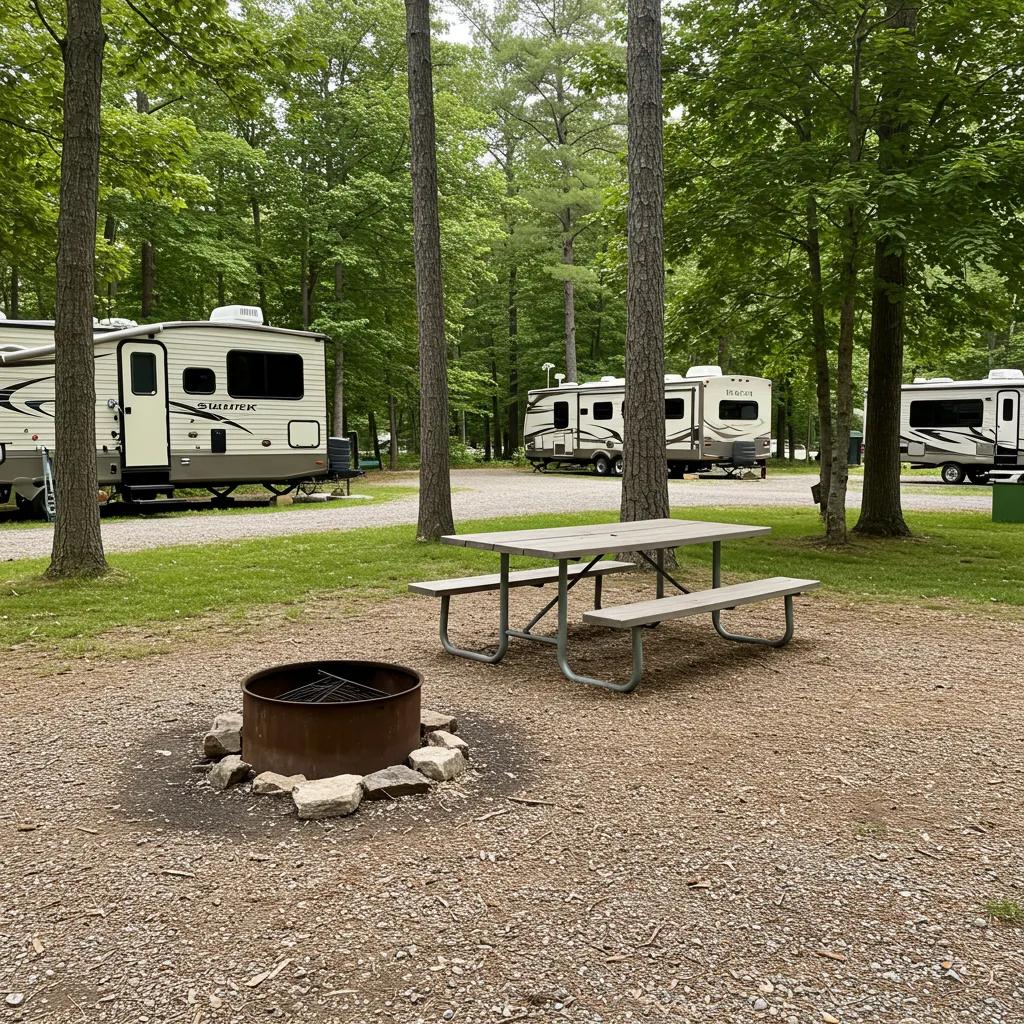
Seasonal site fees cover extended use of a specific site for a defined season, typically billed as a single seasonal charge or in scheduled installments; the fee secures exclusive occupancy and may include some basic utilities and access to onsite facilities. The mechanism works by converting repeated short stays into a longer-term arrangement that reduces administrative turnover and provides campers with a consistent spot all season, which delivers convenience and stronger community ties. Understanding what is included versus extra is critical because inclusion levels vary by campground and influence overall value. Below are common inclusions and exclusions to watch for when comparing seasonal site fees, which will help you identify true cost-per-season and amenities access before signing a contract. These distinctions also lead directly into how seasonal fees compare with nightly rates and why some campers prefer seasonal arrangements.
- Basic water hookup and sewer access when offered as part of the site package.
- Limited electric service at a base level, though many parks meter or surcharge usage.
- Access to shared onsite amenities such as restrooms, playgrounds, and common areas.
These inclusions clarify expectations and help campers anticipate additional charges and service-level trade-offs when evaluating seasonal versus nightly options.
How Do Seasonal Camping Fees Differ from Daily Rates?
Seasonal fees differ from daily rates by billing frequency, site-hold policies, and the administrative model that treats the campsite as a semi-permanent space rather than transient lodging. The mechanism is a contract: a seasonal camper secures a physical site for months, avoiding nightly check-ins and fluctuating nightly availability. The primary benefit is stability—campers can personalize and leave gear in place—which reduces setup time and fosters community continuity. Comparing the cost-per-night equivalent requires spreading the seasonal fee across the season length; that calculation highlights value when campers plan frequent visits and prefer consistent site placement.
This contrast between seasonal and nightly billing naturally leads to understanding the types of seasonal sites offered in Michigan and which option fits specific camper needs.
What Types of Seasonal Sites Are Available in Michigan?
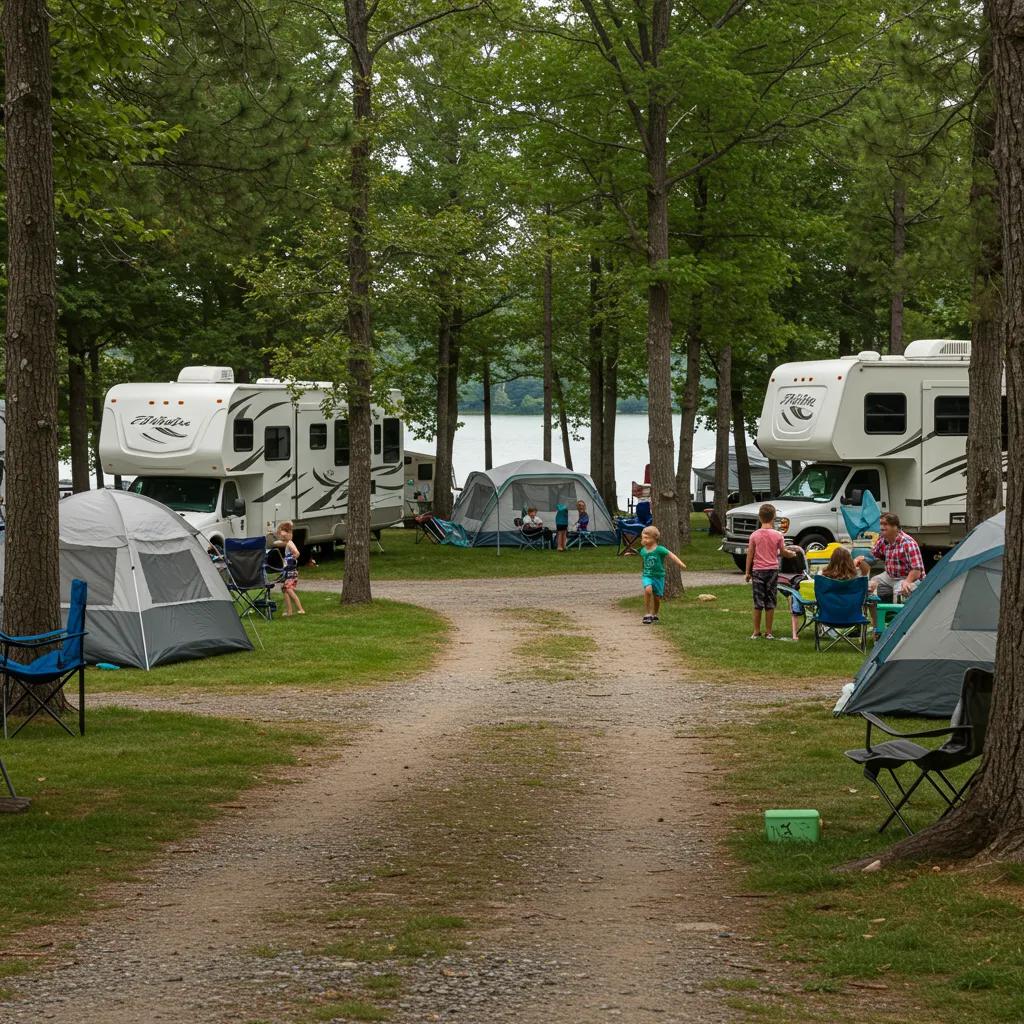
Seasonal site types commonly include seasonal RV sites, tent-only seasonal sites, and seasonal cabin sites, each offering distinct hookup profiles and suitability for different camper preferences. RV seasonal sites range from full-hookup spaces (water, sewer, electric) to partial-hookup sites and are typically chosen by RV owners who prioritize convenience and on-site utilities. Tent seasonal sites are more rustic with limited utilities and appeal to campers who prioritize outdoor simplicity, while cabin seasonal sites provide low-maintenance shelter and may attract families seeking an elevated basecamp. Premium locations, such as waterfront or larger lots, often command a higher seasonal rate due to location and space benefits.
These site-type distinctions set the stage for assessing how much seasonal camping typically costs in Michigan and what variables most influence price.
Which Amenities Are Typically Included in Seasonal Site Fees?
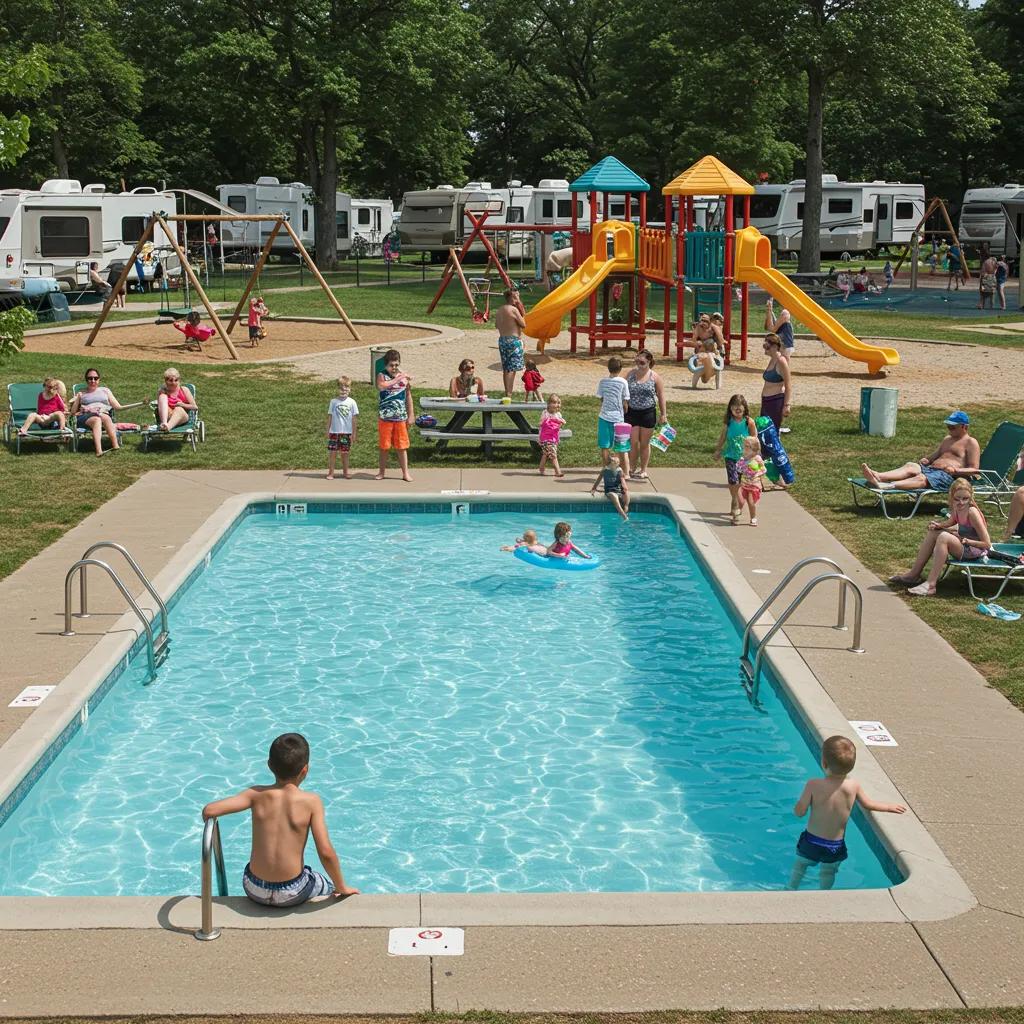
Seasonal site fees often include access to basic amenities and shared facilities, but certain amenity tiers or premium services may be optional or incur extra charges. Typical inclusions are access to restrooms, basic water and sewer hookups where provided, and communal recreational areas. Common exceptions include metered electric usage, exclusive amenity passes (for pools or water parks), and paid services like equipment rentals. Campers should verify guest policies, parking rules, and any storage or winterization fees when reviewing seasonal agreements.
This clarification helps campers compare net value between seasonal offers and prepares them to ask specific questions about extras and access when contacting campgrounds.
How Much Does Seasonal Camping Cost in Michigan for 2025?
Seasonal camping costs vary by site type, location, hookups, and included amenities; the price mechanism reflects a combination of base site value plus recurring or usage-based extras. In 2025, market patterns show a range from modest to premium seasonal arrangements depending on waterfront proximity, full-hookup availability, and resort-style amenity inclusion. Key variables that influence seasonal cost include site hookups, site size and location, on-site amenities, demand in the region, and whether utilities are metered. Understanding these drivers helps you estimate the relative cost of seasonal camping across Michigan without relying on a single fixed number.
Factors that most affect seasonal price:
- Site hookups and infrastructure level.
- Location premium such as waterfront or proximity to main facilities.
- Amenity access and whether pools, water parks, or special programming are included.
These variables feed into typical seasonal price structures across site types, summarized in the table below to compare attributes campers commonly evaluate.
This comparison clarifies how site type and infrastructure translate into seasonal pricing differences and helps campers identify where to focus inquiries about exact rates.
What Are the Average Seasonal RV Site Fees in Michigan?
Average RV seasonal fees reflect differences between full-hookup and partial-hookup sites, as well as site location and resort-level services. Full-hookup seasonal sites typically command higher seasonal charges because they include water, sewer, and electric infrastructure, and they reduce the need for portable services. Waterfront or larger-lot RV sites also increase seasonal value due to desirability and limited availability. Utility metering—where the campground bills actual electric consumption separately—can significantly affect total seasonal spend and should be confirmed before committing.
These RV-specific cost drivers are closely related to how tent and cabin seasonal rates compare, which clarifies choices for different camper profiles.
How Do Tent and Cabin Seasonal Rates Compare?
Tent seasonal sites generally present the lowest base seasonal cost because they require minimal infrastructure and fewer utilities, appealing to campers who prefer rustic, low-maintenance stays. Cabin seasonal sites offer a sheltered, low-upkeep alternative that can sit between tent and RV pricing; cabins often include at least basic utilities and may carry a higher base rate but lower personal maintenance responsibilities. Families or campers seeking convenience and consistent shelter often choose cabins, while minimalists and budget-conscious campers often prefer tent seasonal sites.
Recognizing these differences informs expectations about additional costs, which we address next.
What Additional Costs Should Campers Expect?
Additional costs commonly excluded from base seasonal fees include metered electric charges, guest day-use fees, vehicle or storage fees, equipment rental, and service charges for winterization or maintenance. These extras are billed through varying mechanisms—per-use, monthly, or at season-end—and can change the effective cost-per-season if not accounted for. Insurance and local taxes may also apply depending on campground policies and local regulations.
- Metered utilities often billed based on consumption.
- Guest fees may apply per visitor or per vehicle.
- Winterization, storage, or transfer fees can be one-time season charges.
Accounting for these extras gives a more complete picture of total seasonal cost and guides the contract review process.
What Are the Common Policies for Seasonal Camping at Michigan Campgrounds?
Common policies for seasonal camping include deposit requirements to hold a site, a payment schedule for the balance, cancellation terms that define refundable versus non-refundable portions, and site-hold rules for off-season storage. The contractual mechanism protects both campground operations and seasonal campers by clarifying obligations for payments, site maintenance, and transferability. Campers should examine deposit timing, acceptable payment methods, and consequences for missed payments in any seasonal agreement. These policy elements directly affect financial planning and the risk profile of committing to a seasonal site.
Below are typical deposit/payment/cancellation patterns across Michigan campgrounds to guide expectations.
Reviewing these typical patterns helps campers ask the right contract questions and compare providers on transparency and flexibility.
What Deposit and Payment Schedules Are Typical?
Deposit practices commonly require an initial sum at reservation to secure a seasonal site, with the remaining balance due by a specified date or in scheduled installments. Installment options vary by campground and may include multiple payments timed before peak season or monthly billing through the season. Consequences for missed payments range from late fees to loss of site reservation, so clarity around deadlines and accepted payment methods is essential.
What Are the Cancellation and Refund Policies?
Cancellation and refund policies define how much of the deposit or payments are returned if a camper withdraws, with many campgrounds distinguishing between refundable and non-refundable deposit portions. Standard variants include full refund within an early cancellation window, partial refunds with penalties, or strictly non-refundable deposits for high-demand sites. Campers should confirm transfer or resale options for seasonal contracts, as some parks allow site transfers to mitigate cancellation risk.
Careful review of these policies reduces surprises and supports informed decision-making when committing to a seasonal site.
How Long Is the Typical Camping Season in Michigan?
The typical camping season in Michigan runs from spring through fall, with exact start and end dates varying by campground and regional climate. This seasonal window influences contract length, payment schedules, and off-season storage policies for RVs or gear. Some campgrounds offer extended or shortened seasons based on weather or operational choices, so confirming exact dates with the specific campground is essential before signing.
Knowing the season length helps campers amortize seasonal fees into a cost-per-day estimate and plan visit frequency accordingly.
How Can Campers Reserve Seasonal Sites at Michigan Campgrounds?
Campers can check availability using campground websites, Google Business Profile listings, and direct phone inquiries, with reservation systems or on-site offices managing seasonal site assignments and contracts. The reservation mechanism typically involves an inquiry, site selection, deposit to hold the site, contract signing, and payment scheduling—a process that ensures both parties agree on terms, rules, and utility arrangements. Waiting lists or priority placement may be used for high-demand sites, and proactive communication improves the chance of securing a preferred lot.
Below is a concise booking flow to guide your next steps.
- Check availability through the campground’s official site or business listing and note specific site types.
- Contact the campground to ask about seasonal terms, utility metering, and guest policies.
- Place a deposit to hold the site and review the seasonal contract carefully before signing.
Following this flow ensures you confirm inclusions, payment terms, and any extra charges before committing. For example, Walnut Hills Family Campground (operated by GatherGrounds Resorts) lists Seasonal Sites at Walnut Hills Family Campground as an available product; interested campers should consult the campground’s reservation channels to confirm site availability and contract details.
Where Can You Check Seasonal Campsite Availability in Michigan?
Primary channels to check availability include campground websites, Google Business Profile listings, and direct phone inquiries, with reservation platforms or email contacts sometimes used to manage waitlists. Verifying site specifics—hookups, location, and amenity inclusions—requires speaking with campground staff or reviewing the site map. Keep a record of available sites and any priority rules to compare offers and timing across providers.
Confirming availability through multiple channels helps avoid miscommunication and speeds the booking process.
What Steps Are Involved in Booking a Seasonal Site?
Booking a seasonal site typically requires an initial inquiry and site selection, payment of a deposit to reserve the site, a contract outlining terms, and scheduled payments or a lump-sum balance. The process ensures that site assignment, utility responsibilities, and cancellation terms are documented. Carefully reviewing the contract and asking about meter billing, guest policies, and off-season storage will prevent unexpected charges later.
Are There Waiting Lists or Priority Options for Seasonal Sites?
Many campgrounds maintain waiting lists for preferred seasonal sites and sometimes offer priority to returning seasonal campers or those who commit early. Waitlist mechanics vary—some parks require a deposit to secure a spot on the list, while others use chronological order or past-stay loyalty. Increasing chances of placement typically involves early inquiry, flexibility on site selection, and readiness to place a deposit when a site becomes available.
Understanding waitlist rules and priority options helps prospective seasonal campers plan and improves the likelihood of securing desirable sites.
Why Choose Seasonal Camping at Michigan Campgrounds?
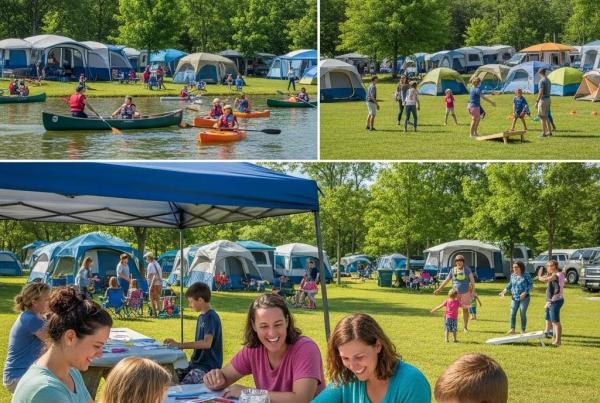
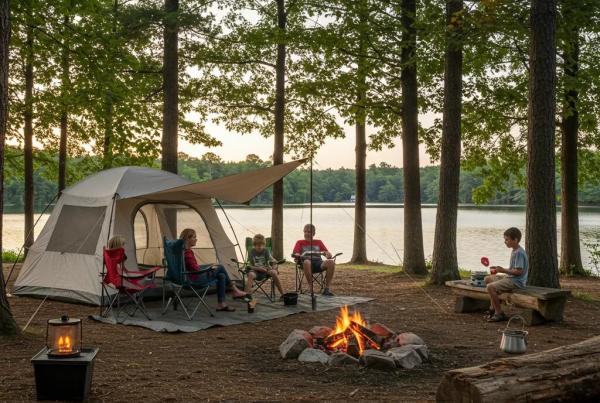
Seasonal camping creates a residential-style experience that offers convenience, community, and potential cost savings for frequent visitors, combining long-term access with campground amenities. The mechanism of seasonal occupancy fosters stronger neighbor relationships, recurring family routines, and simplified logistics by minimizing repeated setup and teardown. Amenities like water parks, swimming lakes, playgrounds, and canoe rentals enhance the lifestyle value of seasonal stays for families and groups. For campers seeking continuity, Seasonal Sites at Walnut Hills Family Campground provide one example of a family-oriented seasonal offering that pairs community-focused amenities with a recreational environment.
Below are primary benefits of long-term seasonal camping:
- Greater community and routine through repeated seasonal presence.
- Practical cost amortization for frequent visitors who would otherwise pay nightly rates.
- Easier logistics and personalization of a site for comfort and convenience.
These benefits illustrate why many families and long-term campers choose seasonal arrangements and guide how to evaluate campground offerings for the upcoming season.
Frequently Asked Questions
What should I consider when choosing a seasonal campground in Michigan?
When selecting a seasonal campground, consider factors such as location, amenities, site type, and community atmosphere. Look for campgrounds that offer the specific facilities you need, like water and electric hookups, recreational activities, and proximity to attractions. Additionally, assess the campground’s policies on guest access, cancellation terms, and payment schedules. Reading reviews from previous campers can also provide insights into the campground’s environment and service quality, helping you make a well-informed decision.
Are there any restrictions on guest access at seasonal sites?
Yes, many campgrounds have specific policies regarding guest access at seasonal sites. These policies can include guest fees, limits on the number of visitors allowed at one time, and rules about overnight stays. Some campgrounds may require guests to register or pay a fee for day-use access to amenities. It’s essential to clarify these rules with the campground before booking to avoid unexpected charges and ensure a smooth experience for your guests.
Can I transfer my seasonal site reservation to someone else?
Transferring a seasonal site reservation is often subject to the campground’s policies. Some campgrounds allow site transfers or subletting under specific conditions, while others may have strict rules against it. If you need to transfer your reservation, check the campground’s cancellation and transfer policies to understand any fees or requirements involved. Communicating with campground management can help clarify your options and ensure compliance with their regulations.
What are the typical payment methods accepted for seasonal site fees?
Most campgrounds accept various payment methods for seasonal site fees, including credit cards, debit cards, checks, and sometimes cash. Some campgrounds may also offer online payment options through their websites or reservation systems. It’s important to confirm accepted payment methods when making your reservation, as some campgrounds may have specific requirements or limitations on payment types, especially for deposits and installment payments.
How can I prepare for the off-season if I have a seasonal site?
Preparing for the off-season involves several steps to protect your seasonal site and equipment. First, ensure that all utilities are properly shut off, especially water, to prevent freezing. Remove any personal items, furniture, or equipment that could be damaged by winter weather. Some campgrounds may offer winterization services or storage options for RVs and gear, so inquire about these services. Lastly, check the campground’s policies regarding off-season access and maintenance to stay informed.
What are the benefits of seasonal camping compared to traditional camping?
Seasonal camping offers several advantages over traditional camping, including stability, community, and convenience. Campers can enjoy a designated site throughout the season, reducing the hassle of setting up and tearing down equipment for each visit. This arrangement fosters a sense of community as families and friends return to the same location, creating lasting relationships. Additionally, seasonal campers often benefit from cost savings, as the overall expense can be lower than paying nightly rates for frequent visits.
Conclusion
Seasonal camping at Michigan campgrounds offers families a unique blend of convenience, community, and cost savings, making it an attractive option for long-term visitors. By understanding the nuances of seasonal site fees, amenities, and policies, campers can make informed decisions that enhance their outdoor experiences. Embrace the opportunity to create lasting memories in a familiar setting by exploring seasonal options that suit your needs. Start planning your next adventure today by checking availability at your favorite campground.
“`