How to Choose the Best Campgrounds: Key Factors You Should Always Compare for Family-Friendly Camping
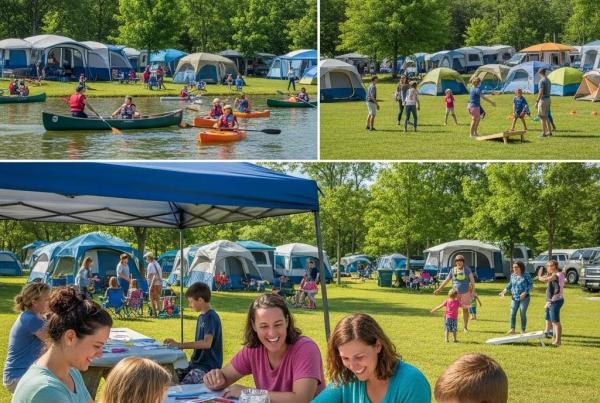
Planning your next family camping trip starts with a clear checklist so you can compare campgrounds and book a stay that fits your needs. This guide explains what to evaluate when choosing the best campgrounds, clarifies how location, amenities, activities, accommodation types, and safety influence family comfort, and offers practical comparison tools you can use before you reserve. For a real-world example that aligns with these comparison factors, consider Campground stays and online reservations for RV, tent, and cabin accommodations at Walnut Hills Family Campground in Durand, Michigan as a model property that illustrates many family-focused options. Many families struggle with too many variables—this article removes the guesswork by mapping decision factors to concrete attributes and showing how each choice affects enjoyment and logistics. Read on for location factors, an amenities checklist, activity recommendations, accommodation comparisons, and safety and privacy considerations tailored to family camping and peak-season booking.
What Location Factors Should You Consider When Choosing a Family Campground?
Location determines your daily rhythm at camp because it sets travel time, access to nature, and nearby attractions that shape activity options. Consider proximity to natural features and local draws because shorter drives make day trips easier for families and increase the number of outings you can plan. Accessibility matters for RVs and small children, since road quality, parking, and emergency access influence safety and convenience. Terrain and shade affect campsite comfort and day planning, which in turn changes the kinds of sites you should request when booking.
How Does Proximity to Attractions and Natural Features Impact Your Camping Experience?
Proximity to trails, lakes, and family attractions increases activity options and reduces travel fatigue, which helps younger children stay engaged and rested. Being near natural features like rivers or lakes enables spontaneous swimming, fishing, or short hikes without long drives, providing time-efficient outdoor play. The tradeoff is that sites close to attractions can be busier and noisier, so weigh convenience against quiet when comparing campgrounds. Short drives to attractions also make it feasible to plan half-day activities and return for naps or downtime.
Why Is Accessibility and Travel Time Important for Family Campers?
Accessibility determines whether your chosen campground is realistic for your family’s driving tolerance and vehicle size, and it directly affects safety in emergencies. Aim for drive times under two hours for families with young children to reduce stress and allow more time at the site; for longer-distance trips, plan an overnight stop or split travel. Check whether roads are paved for RV access and whether parking and pull-through sites are available for larger rigs. Good access to nearby services and clear emergency routes also reduce risk and give peace of mind during busy holiday weekends.
What Terrain and Shade Options Should You Look for in a Campsite?
Terrain and shade influence comfort, campsite setup, and seasonality of your stay by affecting tent stability, RV leveling, and daytime temperature. Look for flat, well-drained sites for tents and RVs, and prioritize mature trees or shade structures in hot months to reduce sun exposure and improve daytime comfort. Waterfront sites offer views and water play but may have higher insect levels and less shade; inland sites often provide more privacy and tree cover. When booking, request shaded or waterfront sites based on your family’s priorities and consider seasonal sun paths for midday comfort.
Which Amenities Are Essential in a Campground Amenities Checklist for Families?
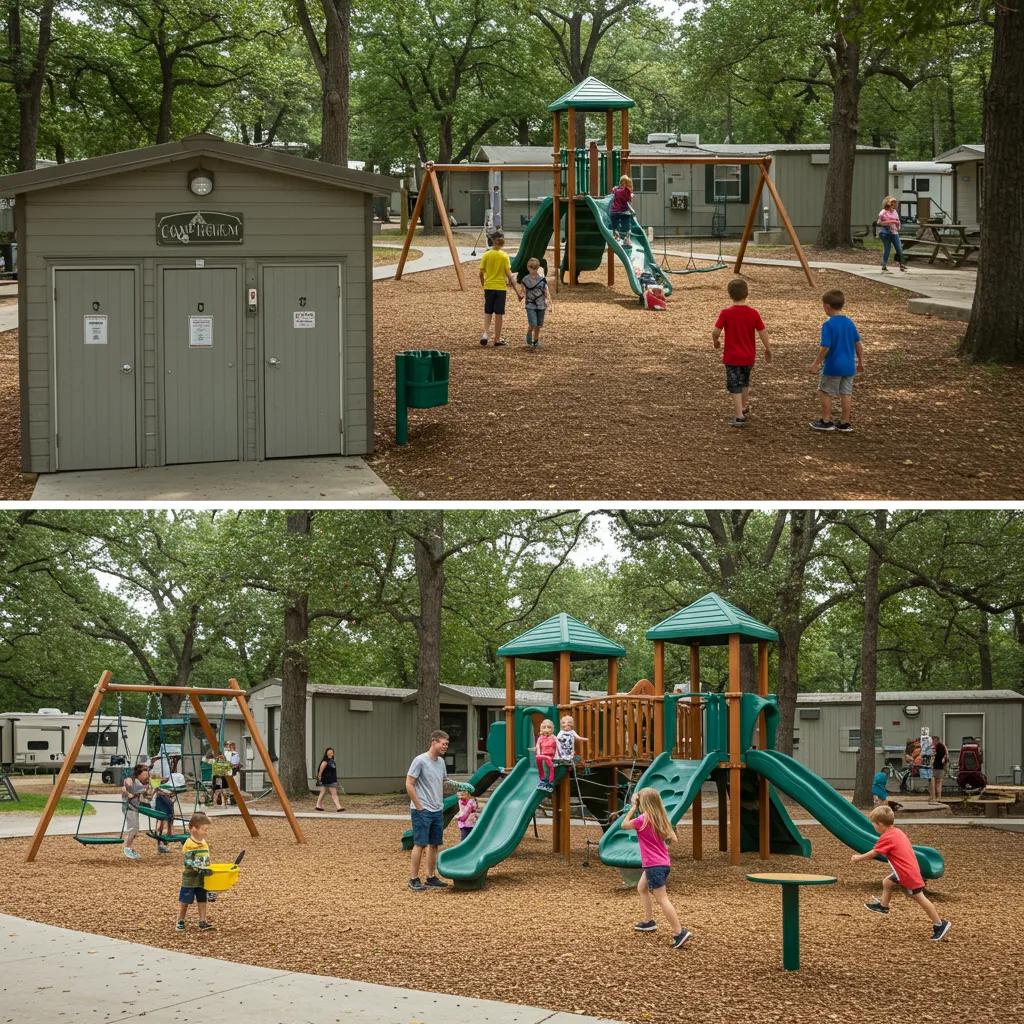
Essential amenities increase convenience and satisfaction because they reduce packing strain and keep routines intact while camping. Families typically prioritize clean restrooms and showers, dependable RV hookups, a campground store for last-minute supplies, and child-friendly features like playgrounds and safe water play areas. Pet-friendly amenities such as a dog park matter for families traveling with pets; they provide exercise and socialization without disrupting other campers. Use the table below to compare amenity availability and family value at prospective campgrounds before booking.
Intro: The table below compares common campground amenities by why families value them and what to check when evaluating properties.
This comparison helps families prioritize which amenities will have the biggest impact on comfort and should influence site selection and packing.
Intro list: Use this quick checklist to evaluate campground amenities before you book.
- Check restroom and shower quality in photos and reviews.
- Confirm RV hookup types and availability for your rig.
- Verify presence of a camp store and basic supplies.
- Look for playgrounds and designated pet areas.
Summary: These checklist items let you quickly eliminate campgrounds that lack baseline family conveniences and focus on properties that save time and enhance comfort.
What RV and Tent Site Hookups Make Camping More Comfortable?
Hookups determine how self-sufficient and comfortable your stay will be by supplying power, water, and waste handling for RVs and convenience for tent campers. A 30A hookup supports most smaller RVs’ electrical needs, while a 50A hookup is necessary for larger rigs with higher power draws; full hookups add sewer and water for extended stays. Tent campers benefit from water/electric sites when they want a near-RV convenience without sacrificing the traditional experience. When comparing sites, ask whether waterfront or full-hookup sites are available and whether site spacing accommodates slide-outs or extra family gear.
How Do Clean Restrooms and Shower Facilities Affect Family Camping Satisfaction?
Sanitary, renovated restrooms and private family showers make multi-day camping more feasible for all ages by preserving dignity and reducing hygiene-related stress. Families increasingly expect separate changing areas, family stalls, and accessible fixtures that support toddlers and older adults alike. Photographs, recent reviews, and maintenance notes reveal a campground’s commitment to cleanliness and determine whether you can rely on facilities during peak weekends. Clean facilities often correlate with higher repeat bookings because they improve perceived value and reduce post-trip cleanup chores.
Why Are Campground Stores and On-Site Services Valuable for Families?
Campground stores and on-site services reduce packing lists and solve last-minute needs, which is especially valuable for families traveling from a distance or with limited packing capacity. Common store items include groceries, firewood, toiletries, and basic camping gear; on-site rentals and information desks further simplify activity planning. If a campground offers equipment rentals or booking assistance, families can add activities without extra gear. Consider how a store and services lower trip friction and let you plan lighter while preserving flexibility during your stay.
What Activities and Entertainment Should a Family-Friendly Campground Offer?
Activities shape daily schedules and decide whether every family member stays engaged, as diverse programming accommodates multiple ages and interests. Water-based features, playgrounds, sports courts, and organized events provide structured and unstructured play options that reduce sibling conflict and create shared memories. Unique local experiences like river float trips broaden the adventure offering and can be arranged through providers when available. Below are activity types to prioritize and suggestions for verifying safety and suitability before reserving your site.
Intro list: Key activity types to look for at family campgrounds.
- Supervised water features and swimming areas for safe aquatic play.
- Playgrounds, sports courts, and open fields for multi-age recreation.
- Organized weekend events and themed programming to build engagement.
- Local adventure options like river floats or guided rentals to add variety.
Summary: Prioritizing diverse, age-inclusive activities ensures each day offers options that match family energy levels and weather conditions.
How Do Water Parks, Lakes, and Swimming Areas Enhance Family Fun?
Water features broaden daily activity hours by offering low-effort entertainment that appeals across ages and often becomes the trip centerpiece for kids. Inflatable water parks and supervised swim areas extend playtime while lifeguard presence and clear swim zones improve safety for younger swimmers. Evaluate water features by checking staff presence during peak hours, age restrictions, and available rental equipment for non-swimmers. Water-based amenities also increase repeat visit appeal by delivering concentrated fun that families often prioritize over remote solitude.
What Land-Based Sports and Playgrounds Are Best for All Ages?
Versatile land-based facilities like sand volleyball, basketball courts, and gaga ball pits support multi-age engagement because they scale from toddler play to teen sports. Playgrounds with varied equipment and safe surfacing keep younger children active while open fields and sports courts facilitate family tournaments and group games. Equipment quality and routine maintenance influence safety and sustained use, so prioritize campgrounds that invest in durable play spaces. A basic equipment checklist (balls, nets, safety mats) helps families anticipate what to bring or rent.
Why Are Organized Weekend Events and Themed Activities Important?
Organized events create community, reduce planning load for parents, and amplify perceived value by turning a stay into an experience-filled weekend. Themed weekends, crafts, kids’ clubs, and family contests offer structure and social opportunities that can be especially helpful for first-time campers or larger families. Verify event frequency and schedule in advance to ensure programming aligns with your travel dates. Events also drive repeat visits as families return for favorites and create shared memories across stays.
How Can River Float Trips Add Unique Experiences to Your Camping Trip?
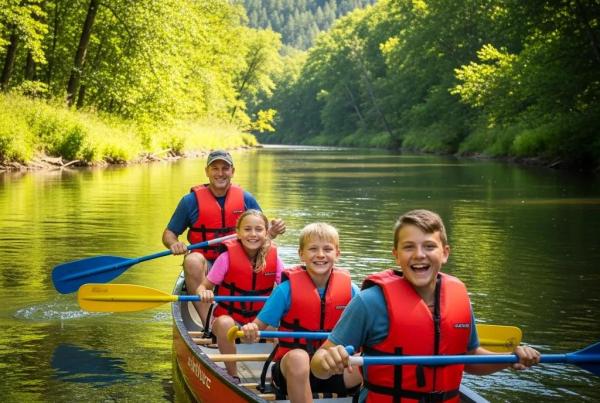
River float trips provide a low-effort outdoor adventure that pairs well with multi-day stays and introduces a memorable group activity for families. Rentals and guided floats simplify logistics, supply safety equipment, and manage timing so families can combine floating with other campground activities. Check provider details and safety practices, and plan float duration around younger children’s endurance and nap schedules. Incorporating a float trip diversifies your itinerary and showcases local natural assets without needing advanced skill.
How Do Accommodation Types Affect Your Family Camping Choice?
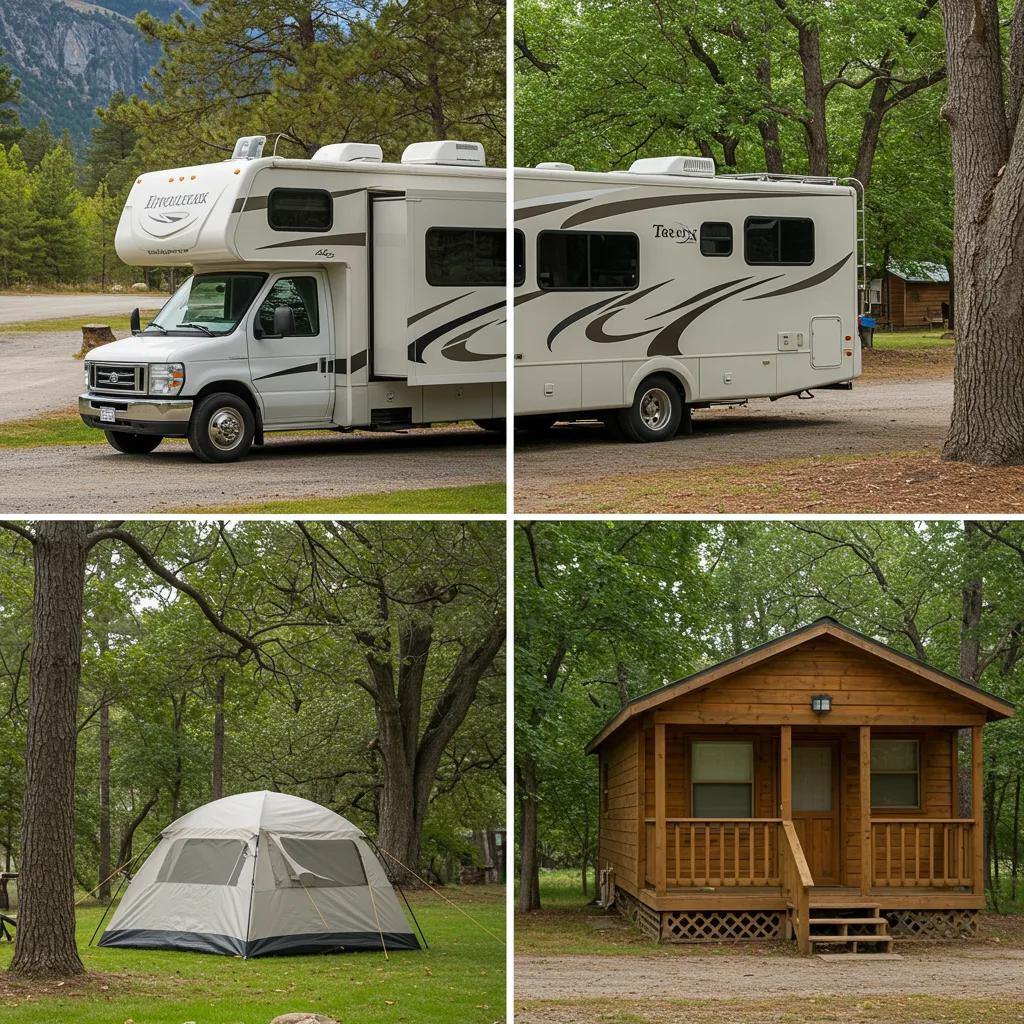
Accommodation type fundamentally changes packing, comfort level, and experience because RVs, tents, and cabins each offer distinct tradeoffs in cost, convenience, and immersion in nature. RV camping gives mobile comfort and onboard facilities, tent camping maximizes closeness to nature and lowers cost, and cabin rentals deliver a glamping-style balance with fixed comforts. Use the comparison table below to match family priorities to the best accommodation type and refine your booking decision accordingly.
Intro: This table compares accommodation types across attributes families typically consider.
Summary: Matching capacity, setup needs, and comfort expectations to these categories helps families choose the accommodation that balances experience and logistics.
What Are the Benefits of RV Camping for Families?
RV camping enhances convenience by providing onboard kitchens, bathrooms, and sleeping areas that simplify routines and reduce campground setup time. Availability of 30A or 50A hookups and full-hookup waterfront sites affects comfort for longer stays and large families with power needs. RV site size and layout matter for slide-outs and outdoor living space, so confirm site dimensions when booking. RV camping suits families who want mobility and amenities without sacrificing proximity to campground activities.
Why Choose Tent Camping for a Traditional Outdoor Experience?
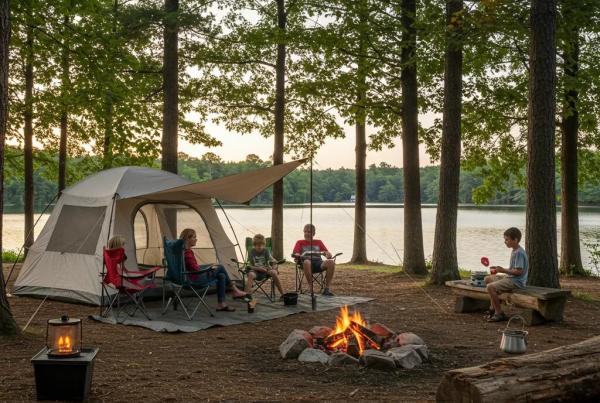
Tent camping places families directly in nature, encouraging unplugged experiences, campfire traditions, and a lower-cost stay that fosters skill-building for kids. Families should bring gear for weather protection and consider comfort upgrades like sleeping pads and portable shelters to improve rest and daytime shade. Tent sites near playgrounds and facilities create a balance between immersion and convenience for families with young children. Choose tenting when the priority is nature immersion and flexible site choices.
How Do Cabin Rentals Provide a Glamping Option for Comfort Seekers?
Cabin rentals offer fixed beds, shelter from weather, and often climate control or kitchenette options that appeal to families wanting nature access without intensive setup. Cabins reduce packing demands, making them ideal for mixed-skill families or those traveling with grandparents and small children. Booking early is important for cabins during peak seasons because they combine campsite convenience with higher demand. Cabins serve as a middle ground for families seeking reliable comfort while still enjoying campground activities.
How Do Safety, Privacy, and Community Features Influence Campground Selection?
Safety, layout, and pet policies shape whether a campground feels family-friendly by determining levels of supervision, privacy, and ease of social interaction. Presence of lifeguards, staffed offices, and clear emergency procedures reduces risk at water features and common areas. Campsite spacing and natural buffers influence privacy and noise levels, which affects naptimes and evening relaxation. Pet policies and a large dog park matter for families traveling with pets because they provide controlled areas for exercise without compromising other campers’ comfort.
What Campground Safety Measures Should Families Expect?
Families should expect visible staff presence during peak hours, posted emergency procedures, and lifeguards at supervised water features to ensure rapid response and clear safety lines. Adequate lighting in common areas and secure check-in processes enhance overall safety and reduce nighttime hazards for children. Ask about campground rules, emergency contact protocols, and first-aid availability when booking to confirm preparedness. These measures lower risk and increase confidence, allowing families to focus on recreation.
How Does Campsite Layout Affect Privacy and Comfort?
Campsite layout determines privacy through spacing, orientation, and natural buffers, and it directly affects noise, sightlines, and outdoor living comfort. Choose corner sites, sites with mature trees, or family-specific loops to increase separation from high-traffic areas and reduce disturbances. Reading campground maps and site photos helps you identify quieter loops and larger site footprints suitable for family setups. A site’s position relative to playgrounds and restrooms also balances convenience against potential noise.
Why Are Pet-Friendly Policies and Dog Parks Important for Family Campgrounds?
Clear pet policies and dedicated dog parks allow families to travel with pets while minimizing disruptions and safety risks to other campers. Dog parks provide secure off-leash exercise and socialization for pets, which reduces leash-related congestion in play areas and common facilities. Verify leash rules, potential pet fees, and whether pet areas are separated by size to ensure suitability for your dog. Thoughtful pet amenities make campgrounds more inclusive for families who treat pets as part of the household.
Frequently Asked Questions
What should families consider when planning meals for camping trips?
When planning meals for camping trips, families should consider the availability of cooking facilities, food storage options, and dietary preferences. It’s essential to pack non-perishable items and easy-to-cook meals that require minimal preparation. Additionally, families should think about the cooking equipment they will need, such as portable grills or camp stoves. Planning meals that can be prepared in advance and stored in coolers can also enhance convenience and reduce stress during the trip.
How can families ensure their camping gear is suitable for all ages?
To ensure camping gear is suitable for all ages, families should prioritize comfort and safety. This includes selecting sleeping bags and tents that accommodate different sizes and preferences, as well as ensuring that equipment is age-appropriate. For younger children, consider bringing portable cribs or sleeping pads. Additionally, families should check that all gear is lightweight and easy to handle, making it accessible for everyone, from toddlers to grandparents.
What are some tips for keeping kids entertained while camping?
Keeping kids entertained while camping can be achieved through a mix of planned activities and spontaneous play. Families can bring along outdoor games, craft supplies, and books to engage children during downtime. Nature scavenger hunts, storytelling around the campfire, and organized games can also provide structured fun. Additionally, involving kids in setting up the campsite and cooking can make them feel included and invested in the camping experience.
How can families prepare for inclement weather during their camping trip?
Preparing for inclement weather during a camping trip involves checking forecasts and packing accordingly. Families should bring waterproof gear, such as rain jackets and tarps, to protect against rain. It’s also wise to have extra blankets and warm clothing for cooler temperatures. Planning indoor activities, like board games or crafts, can help keep spirits high if outdoor plans are disrupted. Always have a backup plan for shelter and activities to ensure safety and comfort.
What are the benefits of choosing campgrounds with organized activities?
Choosing campgrounds with organized activities offers several benefits, including structured entertainment and opportunities for social interaction. These activities can help families bond and create lasting memories while reducing the burden of planning. Organized events often cater to various age groups, ensuring that everyone has something to enjoy. Additionally, they can introduce families to new experiences, such as crafts or guided nature walks, enhancing the overall camping experience.
How can families assess the suitability of a campground for their specific needs?
Families can assess the suitability of a campground by researching its amenities, activities, and safety features. Reading reviews and checking photos can provide insights into cleanliness and the overall atmosphere. It’s also helpful to contact campground staff with specific questions about pet policies, accessibility, and family-friendly features. Creating a checklist based on family priorities, such as proximity to attractions and available activities, can streamline the decision-making process.
What are some eco-friendly practices families can adopt while camping?
Families can adopt several eco-friendly practices while camping to minimize their environmental impact. This includes using biodegradable soaps, packing out all trash, and following Leave No Trace principles. Families should also consider using reusable containers and utensils to reduce waste. Encouraging children to respect wildlife and natural habitats fosters a sense of stewardship. Additionally, choosing campgrounds that prioritize sustainability can enhance the eco-friendly experience and support conservation efforts.
Conclusion
Choosing the right family-friendly campground can significantly enhance your outdoor experience by ensuring comfort, safety, and access to engaging activities. By evaluating location, amenities, and accommodation types, families can make informed decisions that cater to their unique needs and preferences. Don’t leave your next adventure to chance; use this guide to compare campgrounds and secure the perfect spot for your family. Start planning your unforgettable camping trip today!