What Makes a Campground Perfect for Dogs? Key Features of Dog Friendly Campgrounds and Pet Friendly Camping
A dog-friendly campground is a place where facilities, rules, and activities are intentionally designed so dogs can play, relax, and travel safely with their owners. This article explains what makes a campground perfect for dogs by defining essential amenities, clear pet policies, preparation steps, on-site activities, and booking considerations that reduce stress for pets and people. Readers will learn how features like fenced off-leash areas, wash stations, pet waste stations, and nearby water access support canine health and socialization while practical policies keep everyone safe. The guide maps what to look for in amenities, how to interpret leash and fee rules, what to pack for multi-day trips, and which activities enhance a dog’s camping experience. Throughout, the piece references a concrete example—Walnut Hills Family Campground in Durand, Michigan—as a property with a large dog park and pet-friendly accommodations to illustrate best practices for dog friendly camping. By the end you’ll know how to evaluate campgrounds, prepare your dog, and choose suitable sites or cabins for an enjoyable trip.
What Essential Amenities Define a Dog Friendly Campground?
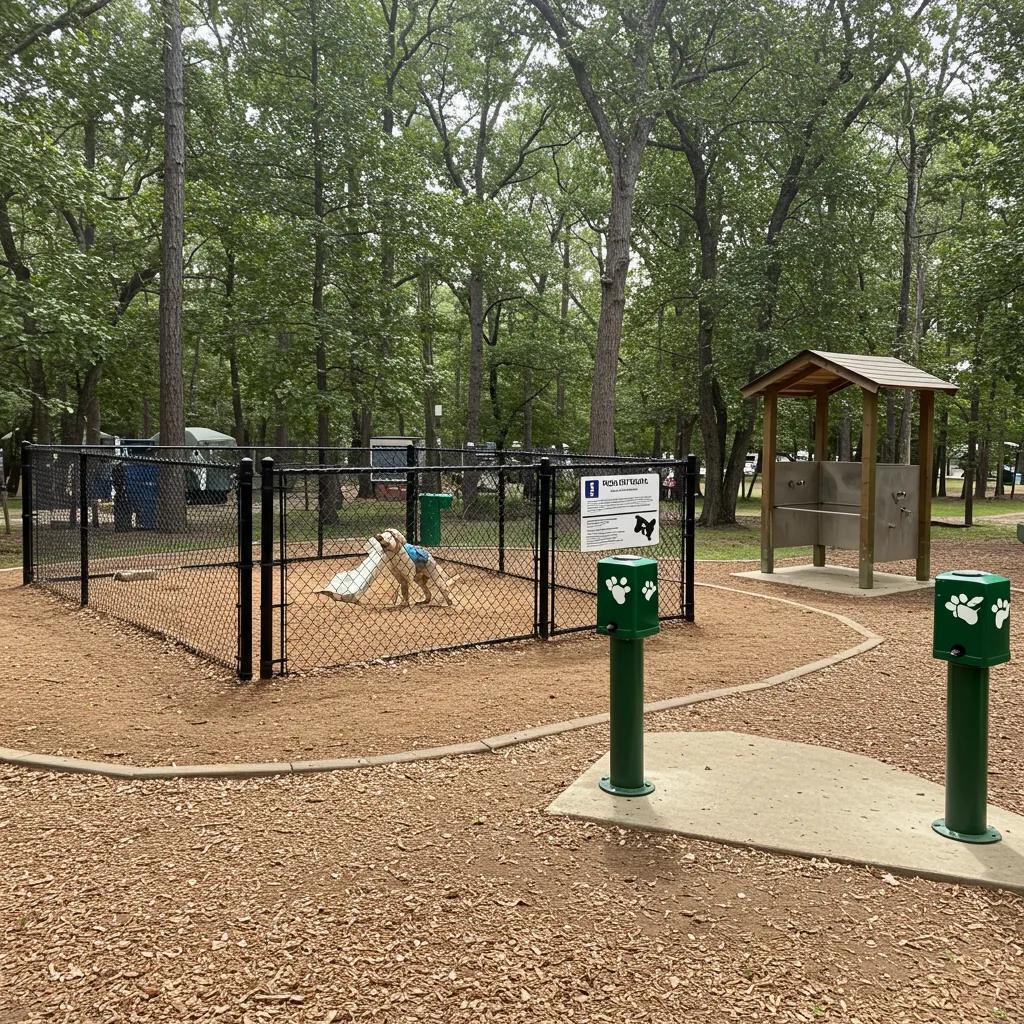
An essential dog-friendly amenity is any on-site feature that improves canine safety, exercise, or hygiene while minimizing owner workload. These amenities work by reducing risk (secure fencing), increasing comfort (shaded relief areas and water), and enabling convenient cleanup (pet waste stations and dog wash facilities). When a campground provides these items, dogs can socialize, cool off, and recover from exertion without creating nuisance for other guests. Understanding the specific amenities to expect helps owners choose campgrounds that support long stays and repeat visits.
Dog-friendly campgrounds typically offer a core set of amenities that directly benefit dogs and owners:
- Fenced off-leash dog park with clear sightlines for supervision.
- Dog wash station and rinse areas to remove mud and algae.
- Pet waste stations and plentiful disposal points to keep areas sanitary.
These amenities form the baseline for a comfortable stay, and the next subsection explains how a large dog park multiplies those benefits for exercise and socialization.
How Does a Large Dog Park Enhance Camping with Dogs?
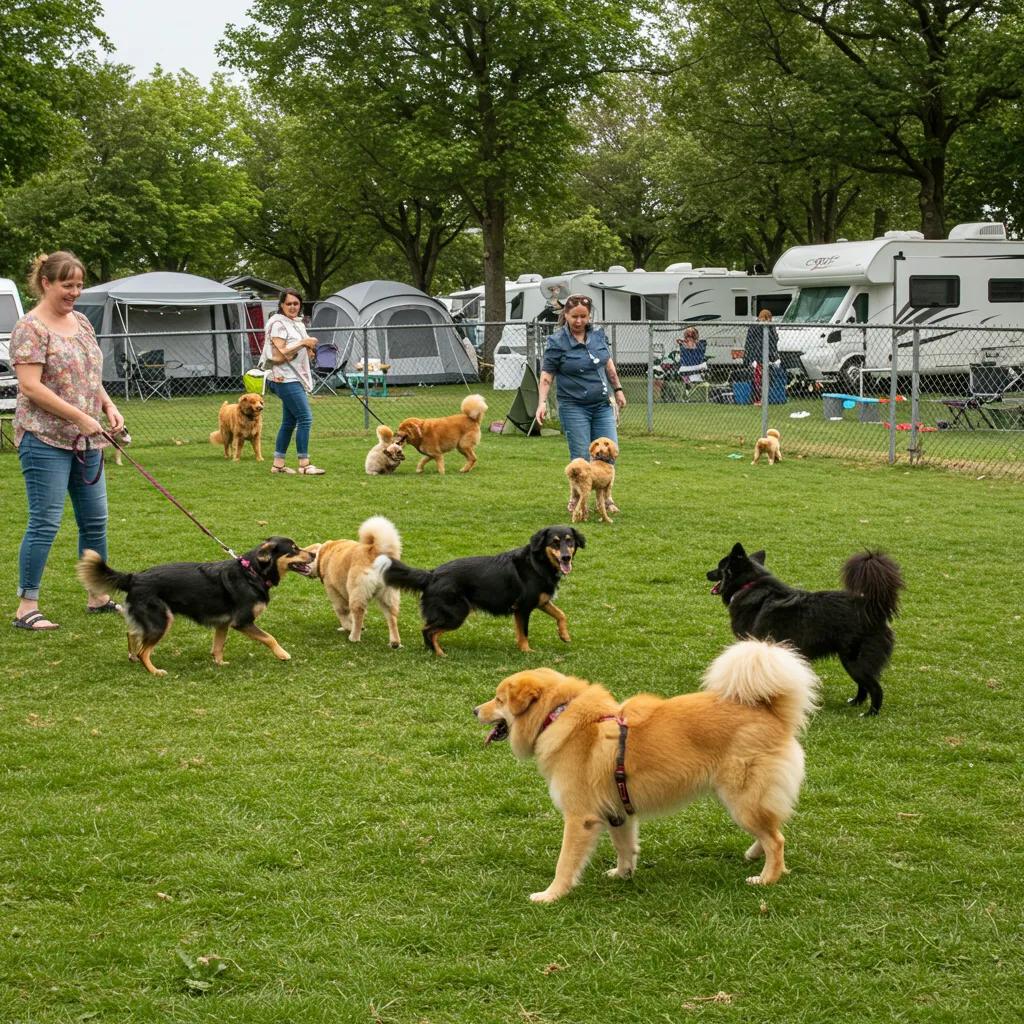
A large dog park enhances camping by providing a secure, off-leash space where dogs can exercise, sniff, and socialize, which reduces on-site stress and leash reactivity. Off-leash play boosts physical conditioning and mental stimulation, and well-designed parks include fencing, shaded zones, water access, and clear separation options for small or shy dogs.
When a campground has a large dog park, owners spend less time improvising play spaces and more time enjoying family activities while supervising pets. Walnut Hills Family Campground’s public notes identify a large dog park as a central amenity, which illustrates how a dedicated play area can become an organizing feature for events and daily routines at a pet-friendly resort.
Off-Leash Dog Parks: Benefits, Risks, and Community Impact
Off-leash dog parks are public spaces where dogs can exercise off-leash in designated areas under the supervision of their owners [1]. The prevalence of dog ownership (32% of Canadian households) [2], along with increased urbanization and density, have increased the demand for off-leash dog parks; however, off-leash dog parks have triggered controversy since their introduction to North America in 1979 [3]. Proponents often value access to areas where their dogs can exercise and socialize, while opponents cite concerns about public safety and nuisance [4,5,6,7]. Off-leash dog parks are of particular interest in health promotion because they may enhance physical activity and social networking for some individuals, while deterring park use for others [1].
Public health considerations associated with the location and operation of off-leash dog parks, T Rahim, 2018
What Pet Facilities Should Campgrounds Provide for Dogs?
Pet facilities provide hygiene, comfort, and convenience and typically include wash stations, drinking fountains, designated relief areas, and waste stations that support sanitary operation. A dog wash station allows owners to rinse off river or lake sediment and prevent mud transfer into cabins or RVs, while drinking fountains positioned near play areas reduce dehydration risk during active periods. Agility equipment or basic play structures add enrichment and can be rotated for maintenance, improving longevity of the amenity. Proper signage and frequent maintenance schedules keep these facilities usable and safe for pets and people.
This quick comparison highlights which facilities most directly affect daily comfort and cleanliness at pet-friendly campgrounds, and it leads into why choosing appropriate accommodations matters for different dog needs.
Why Are Pet Friendly Accommodations Important for Dog Owners?
Pet-friendly accommodations—such as pet-friendly cabins, RV and tent sites, and pet-designated campsites—matter because they offer durable surfaces, outdoor access, and proximity to relief areas that reduce conflict and damage. Cabins with hard floors and direct exterior doors limit indoor cleanup and provide safe containment, while pet-friendly RV and tent sites give direct access to nearby trails and waste stations that make routine care manageable. Owners of large or anxious dogs may choose sites with extra space or cabins near the dog park to shorten transit time for walks. Selecting the right accommodation type improves a dog’s comfort and lowers the likelihood of policy violations or emergency moves.
What Are the Key Pet Policies That Make Camping Safe and Enjoyable for Dogs?
Clear pet policies define leash expectations, behavior standards, waste rules, and any fees or breed considerations so guests understand obligations before arrival. Policies work by aligning guest behavior with operational needs—leash rules limit off-site interactions, quiet hours reduce noise complaints, and waste rules maintain hygiene. When campgrounds publish concise policies, conflicts decline and enforcement becomes transparent. The following subsections outline typical leash and behavior rules, how fees and restrictions are handled, and how Walnut Hills Family Campground frames its pet-friendly stance to support happy stays.
Common pet policy elements create predictable, enforceable norms that protect both animals and people:
- Leash and supervision requirements that limit off-site off-leash activity and ensure rapid owner control.
- Waste and sanitation rules that require immediate pickup and disposal at provided stations.
- Quiet hours and behavior standards that prohibit persistent barking or aggressive conduct.
These policy fundamentals reduce risks and set expectations before arrival, and the next subsection describes typical leash and behavior rules in more detail.
What Are Common Leash and Behavior Rules at Dog Friendly Campgrounds?
Common leash and behavior rules require dogs to be on a leash—often six feet or shorter—in campsites, common areas, and trails unless inside a designated off-leash park. These rules exist because leashed dogs are less likely to enter conflict with wildlife, other dogs, or unaware guests, and supervision reduces incidents that result in injury or damage. Behavior rules typically ban unattended dogs, require owners to address excessive barking, and set consequences for aggression to protect community safety. Understanding and following these rules helps owners avoid fines or eviction and keeps stays enjoyable for everyone.
How Do Pet Fees and Breed Restrictions Affect Dog Friendly Camping?
Pet fees and breed or size restrictions fund additional cleaning and maintenance and sometimes offset perceived higher risk of damage or liability. Typical pet fees are modest and cover janitorial work for cabins, waste station maintenance, and occasional extra sanitation after high-traffic periods. Breed or size restrictions are used by some operators to manage liability concerns, though transparent communication at booking prevents surprises and fosters trust. Asking about fees and disclosure policies before reserving a site is a practical step to avoid misunderstandings and to confirm what’s permitted for your dog.
How Does Walnut Hills Family Campground’s Pet Policy Support a Happy Stay?
Walnut Hills Family Campground is described as dog-friendly with a large dog park and integrated event planning that references a field next to the dog park, indicating intentional pet-area design. These publicly noted features demonstrate how on-site facilities and event placement can coexist with pet use to create family-oriented programming that accommodates dogs. Prospective guests seeking dog-friendly camping accommodations and activities will find Walnut Hills a concrete example of a property that lists both amenities and event scheduling tailored around pet spaces. Reviewing the campground’s pet policy page before arrival helps owners confirm current rules and plan appropriately.
This condensed policy table enables quick comparison of key items owners should verify before booking and transitions into how to prepare for a trip.
How Can Campers Prepare for a Successful Dog Friendly Camping Trip?
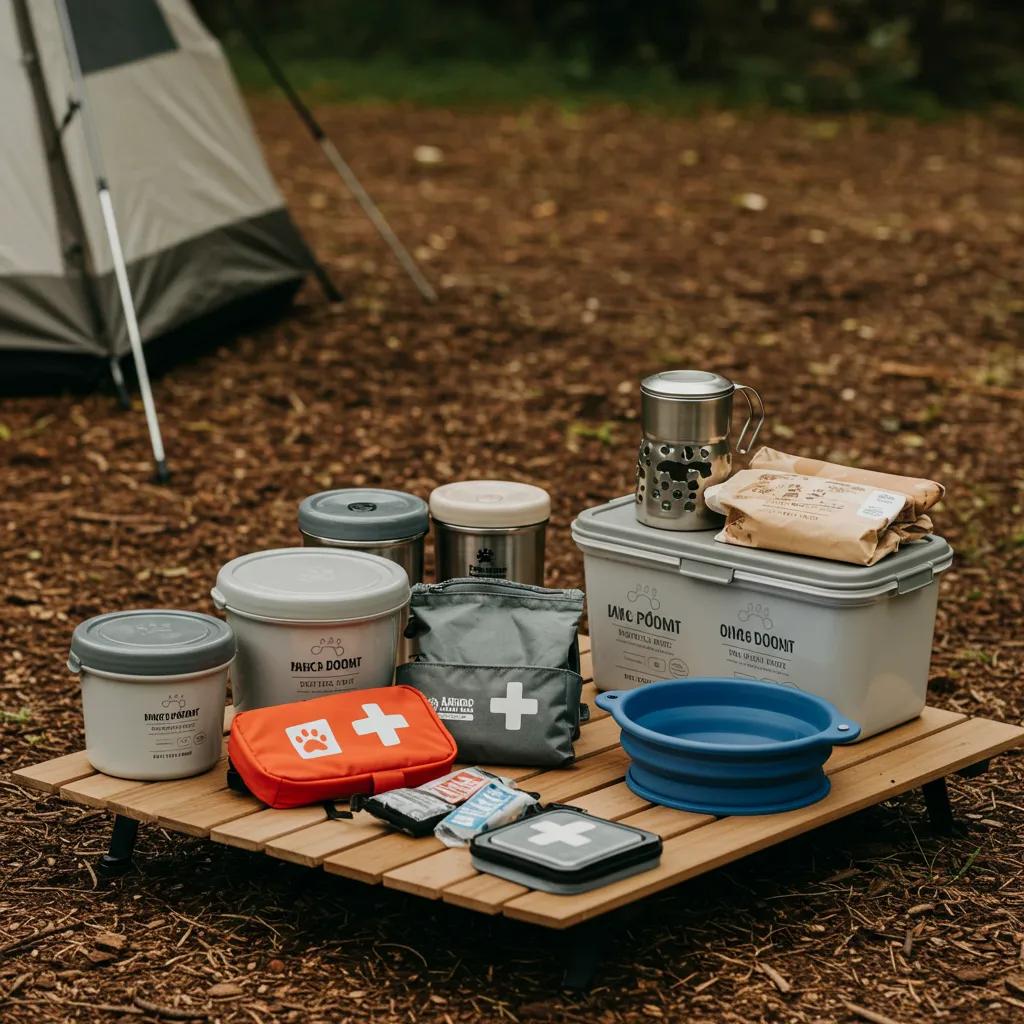
Preparation combines the right gear, updated health documents, and behavior readiness so dogs adapt to the campsite environment with minimal stress. Planning ahead reduces unexpected interruptions and keeps pets safe around rivers, lakes, and group activities. The subsections below provide a compact packing checklist and essential health and safety advice that help owners prepare for day-to-day needs and emergencies while camping with dogs.
What to pack centers on items that maintain routine, safety, and comfort for dogs during multi-day stays:
- Food and measured portions to preserve digestive regularity.
- Collapsible water bowl and extra water when potable supply is limited.
- Leash, harness, and ID tags to ensure control and identification.
This packing table summarizes essentials for quick reference, and the next subsection covers health precautions and water safety in more depth.
What Are the Must-Have Camping Essentials for Dogs?
Must-have essentials include durable food containers, a reliable leash and harness, a comfortable bed, identification with updated tags, and a compact first-aid kit. These items support a dog’s daily routine, reduce stress during new experiences, and speed recovery from minor injuries. For multi-day river trips or lake access, bring flotation support if your dog is inexperienced in water and extra towels to dry off after swims. Preparing these items in advance smooths campsite logistics and keeps the focus on safe recreation.
What Health and Safety Tips Should Dog Owners Follow While Camping?
Health and safety tips include confirming vaccinations and parasite prevention before travel, carrying first-aid supplies, and supervising dogs near water to prevent accidents. Tick and flea protection protects long-term health and avoids bringing pests home, while hydration strategies prevent overheating during active play. Plan for emergency transport routes and local veterinary contacts in case of serious incidents, and consult a veterinarian before extended trips for personalized advice. These precautions make camping safer and allow quicker responses if problems arise.
What Activities and Adventures Make a Campground Perfect for Dogs?
Activities that align with canine interests—off-leash play, supervised swimming, short trail walks, and dog-friendly events—create memorable outdoor experiences for both pets and owners. Activity programming that places events adjacent to pet spaces reduces logistical friction and encourages participation without leaving dogs isolated. The next subsections list on-site opportunities and explain how to verify nearby trail rules to ensure safe exploration.
On-site activities that most dogs enjoy are straightforward, safe, and supervised:
- Dog park sessions that allow social play and exercise.
- Swimming at a supervised lake area with owner supervision.
- Family events held near pet zones so dogs and owners can participate together.
These activities increase satisfaction and loyalty, and the following subsection outlines typical on-site offerings.
Which On-Site Activities Are Ideal for Dogs and Their Owners?
Ideal on-site activities include scheduled dog-park social hours, supervised swimming opportunities in a swimming lake, and family-friendly events located next to pet areas to keep pets included. Supervised play reduces risk, and event placement near dog facilities makes logistics simpler for owners balancing activities with pet care. Walnut Hills lists a swimming lake, river float trips, and family events in ways that highlight inclusive recreation for dogs and people. Encouraging responsible participation helps maintain amenity quality and fosters repeat visits.
What Nearby Trails and Outdoor Adventures Are Dog Friendly?
Nearby dog-friendly trails and river access offer variety but require confirmation of local rules, leash requirements, and seasonal restrictions before visiting. Check park or trail authorities for leash policies and whether dogs are permitted on river float trips; recent studies and local signage are the best sources for current restrictions. When planning trail outings, bring water, waste bags, and a map of permitted routes to avoid accidental trespass. Verifying rules in advance preserves access and prevents fines or closures.
How Do Dog Friendly Campgrounds Like Walnut Hills Encourage Booking and Repeat Visits?
Campgrounds encourage booking and loyalty by combining clear policies, visible pet amenities, easy reservation processes, and regular events that include pets in family experiences. Clear communication about pet offerings reduces booking friction and increases confidence for owners of large or active dogs. The following subsections describe why Walnut Hills stands out and how campers can secure pet-friendly accommodations.
Why Choose Walnut Hills Family Campground for Pet Friendly Camping in Michigan?
Walnut Hills Family Campground is presented as a flagship property with diverse accommodations—RV and tent sites, cabins—plus pet-focused amenities like a large dog park, a swimming lake, and family events scheduled near the dog area. These attributes illustrate how combining varied lodging options with dedicated pet spaces supports both convenience and recreation for dog owners. Prospective visitors looking for dog-friendly camping accommodations and activities can view Walnut Hills as an example of integrated pet amenities that enhance repeat stays and family memories.
How Can Campers Easily Book Pet Friendly Cabins and Sites?
To book pet-friendly cabins or RV and tent sites, confirm pet rules and availability for your dates, request pet-designated accommodations when reserving, and disclose relevant details like number and size of dogs. Early reservations during peak season improve chances of securing sites near amenities such as the dog park or swimming lake, and asking about any per-pet fees or documentation at booking prevents surprises. Planning ahead and selecting accommodations that match your dog’s energy and space needs leads to a smoother, more enjoyable camping experience.
Frequently Asked Questions
What should I consider when choosing a dog-friendly campground?
When selecting a dog-friendly campground, consider the amenities offered, such as fenced dog parks, wash stations, and pet waste disposal areas. Additionally, review the campground’s pet policies regarding leash requirements, behavior standards, and any associated fees. It’s also important to assess the campground’s location in relation to nearby trails and water access, as well as the overall environment to ensure it meets your dog’s needs for exercise and socialization.
How can I ensure my dog is comfortable during a camping trip?
To ensure your dog is comfortable while camping, pack familiar items such as their bed, toys, and food. Maintain their routine by providing regular meals and exercise. Additionally, ensure they have access to fresh water and shade, especially during hot weather. Familiarize your dog with the camping environment gradually, and supervise them closely to help them adapt to new sounds and sights, which can reduce anxiety and enhance their overall experience.
What are the best activities for dogs at campgrounds?
Ideal activities for dogs at campgrounds include off-leash play in designated dog parks, supervised swimming in lakes, and participating in family-friendly events. Engaging in these activities allows dogs to socialize, exercise, and enjoy the outdoors. Additionally, short trail walks can provide mental stimulation and physical exercise. Always ensure that activities are safe and supervised to prevent accidents and ensure a positive experience for both dogs and their owners.
How can I prepare my dog for a camping trip?
Preparing your dog for a camping trip involves ensuring they are up-to-date on vaccinations and parasite prevention. Pack essential items such as food, water, a leash, and a first-aid kit. Familiarize your dog with camping gear, like tents or RVs, before the trip. Additionally, practice basic commands and ensure your dog is comfortable with being on a leash. This preparation helps reduce stress and ensures a smoother transition to the camping environment.
What should I do if my dog has a health issue while camping?
If your dog experiences a health issue while camping, remain calm and assess the situation. Have a first-aid kit on hand and know how to treat minor injuries. For more serious concerns, locate the nearest veterinary clinic or emergency animal hospital before your trip. It’s wise to have a plan for emergency transport and to keep a list of local veterinary contacts. Always consult your veterinarian for advice tailored to your dog’s specific health needs before embarking on your trip.
Are there specific dog breeds that are better suited for camping?
While many dog breeds can enjoy camping, those with high energy levels and adaptability, such as Labrador Retrievers, Australian Shepherds, and Beagles, often thrive in outdoor environments. Breeds that are smaller or less active may also enjoy camping but may require more supervision and care. Ultimately, the best breed for camping depends on the individual dog’s temperament, energy level, and how well they adapt to new experiences. Always consider your dog’s personality and needs when planning a camping trip.
How can I find dog-friendly trails near campgrounds?
To find dog-friendly trails near campgrounds, start by researching local parks and recreation websites, which often provide information on trail rules and pet policies. Apps and websites dedicated to hiking and outdoor activities can also help identify suitable trails. Additionally, consider reaching out to campground staff for recommendations on nearby trails that allow dogs. Always verify leash requirements and any seasonal restrictions before heading out to ensure a safe and enjoyable experience for you and your dog.
Conclusion
Choosing a dog-friendly campground like Walnut Hills Family Campground ensures a memorable experience for both pets and their owners, thanks to essential amenities and clear pet policies. By understanding the key features that enhance canine comfort and safety, you can make informed decisions for your next camping trip. Preparing adequately and selecting the right accommodations will lead to a stress-free adventure for you and your furry friend. Start planning your perfect getaway today and explore our recommended campgrounds for an unforgettable experience.