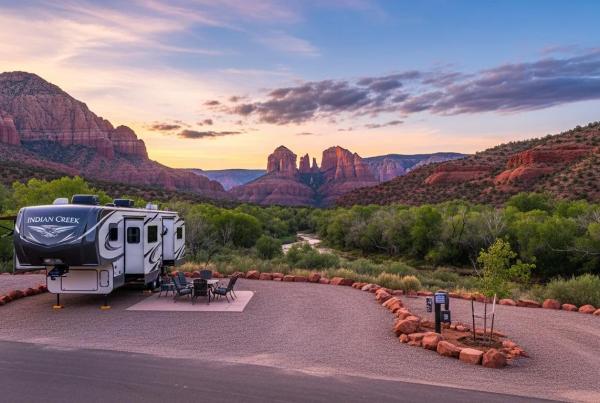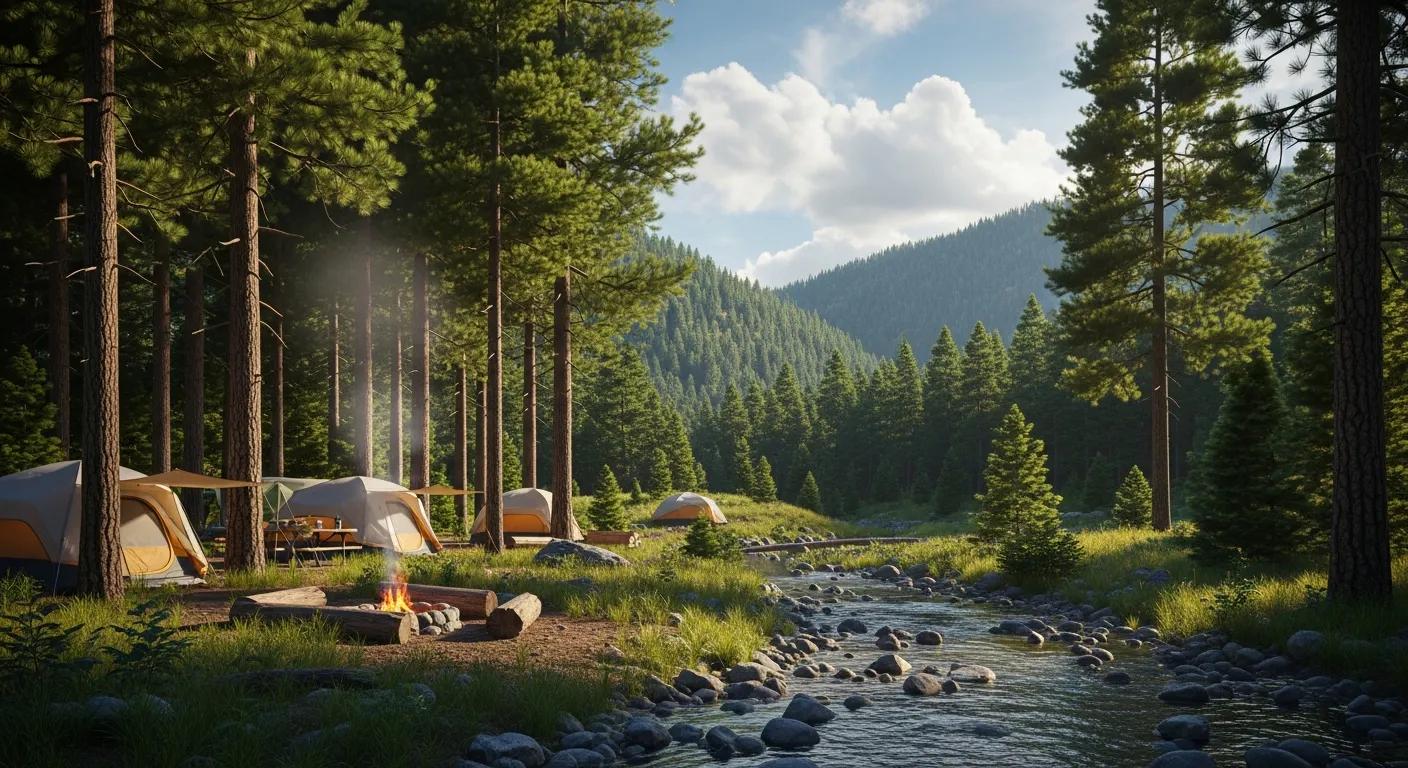
Discover the Charm of Indian Creek Campground
Indian Creek Campground shines for families because it combines kid-friendly amenities, easy access to outdoor activities, and scenic spaces made for both energetic play and relaxed downtime. This guide walks through the features that typically define an “Indian Creek”–style park—amenities, favorite family activities, standout natural settings, and how guests judge their stays—so you can pick the right destination. We include practical comparisons and nearby Michigan examples to help you weigh options. Read on to learn which comforts matter most, what activities keep everyone happily occupied, how to read guest reviews, and how location changes the experience. Each section offers clear checklists, example comparisons, and program ideas so you can plan your family trip with confidence.
What Unique Amenities Does Indian Creek Campground Offer to Families?
Campgrounds using the “Indian Creek” name tend to focus on family conveniences that boost comfort, safety, and flexibility for multi-generational groups. Typical categories include full hookup RV sites, designated or supervised swimming areas, playgrounds and pavilions, on-site camp stores, and clean restrooms with showers—features that reduce stress for parents and make it easy for kids to play nearby. Together these amenities let tents, trailers, and large RVs camp in comfort and make group stays more manageable.
Below is a short list of core family amenities and why they matter, followed by a compact comparison showing how a nearby Michigan campground implements similar features.
- Full hookup RV sites: Direct water, electric, and sewer access for longer, more comfortable stays.
- Swimming areas: Lakes, ponds, or seasonal swim zones for supervised family water time.
- Playgrounds and pavilions: Safe play areas and covered gathering spots for meals and events.
- Camp store and basic services: On-site supplies for snacks, basics, and those forgotten items.
These essentials reduce friction so families can spend time on activities, not logistics. Knowing these baseline features helps you decide if a campground suits your trip style and makes side-by-side comparisons easier.
Comparison of common family amenities and local implementations:
This table shows how features translate into real benefits and what to expect when you compare parks. The next section breaks down why full hookup RV sites matter for family campers.
How Do Full Hookup RV Sites Enhance the Camping Experience?
Full hookups bring water, electricity, and sewer directly to your RV, which simplifies life on the road: run appliances, keep food cold, use the onboard bathroom, and stay comfortable through bad weather. For parents and multigenerational groups, hookups mean less hauling of water jugs, fewer trips to shared dump stations, and easier care for infants or older relatives. They’re especially helpful for longer stays or larger rigs and let families focus on activities rather than chores.
The Oaks Campground by GatherGrounds includes full hookup RV sites, with level pads and reliable utility access designed to support extended family stays. That local example shows how hookups pair with other family amenities to create a smoother, more comfortable stay.
What Water Features and Facilities Are Available for Family Fun?
Water options at family-focused campgrounds vary from small fishing ponds to full swimming lakes—and some parks now add inflatable water courses for extra play. Different features support different activities: shallow lakes and sandy beaches for supervised swimming and sand play; stocked ponds for easy fishing with kids; and structured water parks for active, timed play. Safety measures—lifeguards, marked swim zones, and clear supervision guidelines—should be part of any water offering to reassure caregivers and protect children.
One nearby example highlights a swimming lake with a sandy beach and plans for a Wibit-style inflatable water park in coming seasons, alongside a quieter fishing pond. Together, those options let families tailor a day to younger kids, teens, or adults who prefer relaxing by the water.
Which Family Activities Make Indian Creek Campground a Memorable Destination?
Campgrounds that families return to combine thoughtful programming with infrastructure that appeals across ages. Look for themed weekends and craft sessions, guided nature walks and easy hikes, fishing programs for beginners, and trail networks suitable for golf carts or bikes. A balanced mix of scheduled events and free-time options helps families plan days around both structure and spontaneity. Below are high-engagement activities that commonly appeal to families and how each supports bonding and skill-building.
- Themed weekend events: Seasonal crafts, costume days, and friendly contests that get everyone involved.
- Guided hikes and nature programs: Short, educational walks that keep kids curious and moving.
- Fishing and pond activities: Low-barrier outdoor skills and calm, teachable moments.
- Golf cart and trail exploration: Accessible outings for groups with varied mobility.
These programs create shared memories and encourage family time outdoors, increasing overall satisfaction and repeat visits. The next section shows themed event examples and craft ideas that reliably draw participation.
What Themed Events and Crafts Engage Children and Adults?
Themed events and craft stations work because they’re easy to join and produce tangible keepsakes families take home. Successful examples include seasonal festivals, hands-on craft tables, scavenger hunts that mix learning and play, and low-pressure competitions like camp-cooking contests. A predictable schedule—morning crafts, afternoon games, evening campfire stories—helps parents balance planned activities and downtime. Clear age guidance, short activity blocks, and simple sign-ups raise participation and reduce friction.
Well-run themed weekends pair creative programming with practical infrastructure—pavilions for crafts, shaded seating, and straightforward signups—to keep events flowing. Families leave with photos, projects, and memories that last beyond the trip. The table below summarizes common event types, age suitability, and the perks families gain.
Matching activity type to age and interest helps families pick events that fit their group. Next, we look at how fishing and hiking programs scale for all ages and abilities.
How Do Fishing and Hiking Opportunities Cater to All Ages?
Fishing and hiking are flexible campground staples: shallow, stocked ponds offer quick wins for kids and beginners, while longer streams or larger lakes appeal to more experienced anglers. Trails vary from flat loops suitable for strollers to longer scenic routes for teens and adults seeking a workout. Basic safety—life jackets for small children, trail maps, and footwear guidance—helps families prepare and enjoy outings safely.
Programs that include gear rentals, basic lessons, or family challenges let novices participate without specialized equipment. A campground with both a stocked pond and nearby trails lets families alternate active and relaxed moments, so days stay balanced no matter the weather or energy level.
What Are the Best Features That Set Indian Creek Campground Apart?
Standout campgrounds blend attractive natural settings, durable recreational infrastructure, and attentive guest services to deliver stays that feel special. Wooded campsites, water views, and open meadows invite quiet moments—sunrise watching, birding, or lakeside evenings—while well-kept trails, playgrounds, and clear event calendars expand activity options. Practical services like a camp store and readable signage reduce friction. When these elements align, a campground becomes a regional favorite that guests return to year after year.
When you evaluate a campground, balance landscape qualities with supporting amenities: a beautiful but poorly maintained park can frustrate families, while a highly serviced park with little natural charm may feel manufactured rather than restorative. The next section explains how scenery supports visitor enjoyment and activity choices.
How Do Scenic Views and Natural Surroundings Enhance Visitor Enjoyment?
Scenery enriches the guest experience by offering sensory variety—visual vistas, birdsong, and seasonal shifts—that relaxes people and sparks curiosity. Easy-to-reach viewpoints, lakeside picnic spots, and short nature loops turn simple moments into memorable ones. Campgrounds next to protected natural areas add layers of opportunity, with extended trail networks and better chances to spot wildlife, giving families more options for day trips and exploration.
Families often report higher satisfaction when landscapes invite gentle exploration and quiet downtime. Close access to larger parks or preserves multiplies those possibilities with longer hikes and more varied wildlife viewing.
What Recreational Trails and Outdoor Adventures Are Offered?
Trail offerings differ by park, but many campgrounds include short hiking loops, multi-use paths for biking and walking, and golf cart-friendly trails that let families cover more ground with less effort. Golf cart networks are especially handy for groups with small children or members who prefer low-impact outings. Trails that change scenery—woodland stretches, open meadows, and lakeside runs—encourage repeated exploration and support both short and longer day trips.
Trail usefulness depends on permitted uses (foot traffic, bikes, golf carts), clear length and difficulty markings, and amenities like trailhead maps, benches, and picnic clearings. Below are key trail details families should check before booking.
- Permitted uses and vehicle restrictions: Confirms planned activities are allowed and safe.
- Length and difficulty markings: Helps families choose routes that match abilities.
- Trail connectivity to attractions: Enables combined trips to ponds, lakes, or nearby sites.
These practical trail traits help you plan adventures that fit your group’s stamina and interests. The next section covers how visitor reviews reveal a campground’s day-to-day performance.
How Do Visitor Reviews and Ratings Reflect the Indian Creek Campground Experience?
Reviews gather guests’ impressions about cleanliness, service, amenity reliability, and family friendliness, and they can be a solid indicator of consistency when read carefully. Watch for recurring notes about working hookups, timely restroom upkeep, friendly staff, and active programming. Recent photos, seasonal context (some features run only in peak months), and management replies help you see how feedback is handled.
Use the checklist below to spot review signals that matter to families, then apply those signals when booking.
- Consistent mentions of clean restrooms and showers: a sign of reliable housekeeping.
- Working hookups and clear site descriptions: confirms advertised utilities match reality.
- Active family programming and organized events: shows an engaged on-site team.
- Management responses to concerns: indicates accountability and guest care.
Reading reviews for these patterns helps you separate one-off issues from systemic problems and make a confident choice. The next subsection digs into what guests commonly report about cleanliness and amenities.
What Do Guests Say About Cleanliness and Amenities?
Cleanliness and amenity reliability are often cited as deal-breakers for family stays. Positive reviews usually mention freshly cleaned restrooms, safe playgrounds, dependable hookups, and a stocked camp store that keeps trips into town to a minimum. Negative feedback tends to focus on inconsistent maintenance, broken equipment, or unclear site maps that complicate arrivals. When reviewing feedback, prioritize recent comments and look for trends rather than one-off complaints.
Tip: check for seasonal shifts—many campgrounds ramp up maintenance in peak season but reduce staffing in shoulder months. Verified photos and notes about staff responsiveness are strong indicators that management prioritizes upkeep and guest experience.
How Do Families Rate the Overall Atmosphere and Service?
Families judge a campground’s atmosphere by how safe, welcoming, and activity-friendly it feels. High ratings often come with friendly staff, clear family rules and safety notes, and dependable event schedules. Low confidence often follows reports of poor supervision, confusing signage, or weak communication. To better gauge service, filter reviews by family travelers, look for event calendars, and note examples of helpful staff interactions.
Using reviews this way helps families predict the level of on-site support and decide whether to bring extra gear or rely on rentals and programs.
Where Is Indian Creek Campground Located and How Does Its Setting Influence the Visit?
Location shapes everything: access to regional attractions, weekend drive times, and the local landscape—lakes, woods, or prairies. A campground next to a state recreation area or regional park opens up extended trails and day-trip options. Close proximity to cities makes weekend escapes easier for families who want short drives. Knowing a campground’s geographic relationships helps you plan logistics, mix on-site and off-site activities, and pick the right length of stay.
The table below links nearby places to accessibility and typical benefits.
This map-style view clarifies how setting affects itineraries and why campgrounds that serve as regional bases are so useful. Next we list nearby attractions and parks that commonly complement a campground stay.
What Nearby Attractions and Natural Parks Complement the Campground?
Campgrounds near larger parks or recreation areas let families mix camping with broader outdoor experiences—longer hikes, bigger lakes for boating, and improved wildlife viewing. Nearby draws often include state recreation areas with mapped trails, nature centers with educational programs, and small-town events that add cultural variety. Using a campground as a basecamp simplifies logistics: set up once, then rotate day trips without re-packing every morning.
For families wanting a Michigan base that balances on-site offerings with regional access, camps adjacent to state recreation areas provide immediate entry to expanded trails and day-use facilities—great for mixing quiet campsite days with bigger explorations.
How Does Proximity to Urban Areas Affect Accessibility and Appeal?
Being close to an urban center affects who visits and how often. Campgrounds within a two- to three-hour drive attract weekenders and frequent short-stay visitors, while remote parks are better suited for longer vacations. Short drives let families bring extra gear and groceries, while longer trips require more advance planning and reliance on on-site provisioning.
Families planning quick getaways should check reservation windows and arrival policies to maximize time on site. If you’re driving in from a nearby city, look for easy check-in, family-focused amenities, and a range of short activities that fit condensed itineraries.
For a local Michigan option that balances amenities with regional access: The Oaks Campground by GatherGrounds sits next to Waterloo State Recreation Area and is an easy drive from nearby metro areas, making it a practical basecamp for both overnight stays and short family trips. When comparing sites, consider drive time, nearby attractions, and whether on-site amenities fit your group’s needs before you reserve.
- Amenity checklist: Verify full hookups, water features, playgrounds, and an on-site camp store.
- Activity alignment: Match your planned activities to available programming and trail types.
- Review verification: Look for recent guest feedback on cleanliness and service consistency.
These steps turn the guide’s information into practical choices you can use when booking a stay.
Frequently Asked Questions
What types of wildlife can families expect to see near Indian Creek Campground?
Families can expect to see a variety of wildlife—songbirds, waterfowl, deer, and small mammals are common. The campground’s natural setting makes for good birdwatching and casual wildlife spotting. Guided nature walks often point out local species, so bring binoculars and a camera if you enjoy observing animals up close.
Are there any specific safety measures in place for children at the campground?
Yes. Indian Creek Campground emphasizes child safety with designated swim areas (and lifeguards where provided), maintained playgrounds, and clear signage across the property. Staff receive safety training, and the campground posts rules and guidance for activities like swimming, fishing, and hiking. Parents are still encouraged to supervise children, especially near water and on trails.
What are the best times of year to visit Indian Creek Campground?
Late spring and early fall are popular for mild weather, blooming nature, and comfortable daytime temperatures. Summer brings a full slate of family activities but can be busier. Choose based on whether you prefer quieter shoulder seasons or the livelier summer schedule—each season offers its own highlights.
What types of camping accommodations are available at Indian Creek Campground?
Indian Creek typically offers a mix of accommodations to suit different preferences: tent sites tucked into scenic spots, RV sites with full hookups, and cabins for those who want added comfort. Each option is designed to meet varying needs so families can pick what works best for them.
How can families prepare for their stay at Indian Creek Campground?
Reserve early for peak times, pack essential camping gear, and check the campground’s website for current amenities and event schedules. Bring layered clothing for changing weather, basic first-aid items, and any specialty gear for planned activities. A flexible itinerary and simple supplies—outdoor games, fishing gear, and snacks—go a long way toward a relaxed trip.
What local attractions can families explore while staying at Indian Creek Campground?
Nearby attractions often include state parks and recreation areas with longer trails, local nature centers with educational programs, and small towns that host markets and seasonal festivals. Using the campground as your home base makes it easy to combine quiet campsite days with nearby day trips for variety and discovery.
Conclusion
Indian Creek Campground offers families a practical mix of comfort, safety, and activities—full hookup RV sites, swim areas, play spaces, and organized programming—so you can focus on making memories together. Understanding the campground’s amenities, setting, and guest feedback helps you pick the right spot and plan a smoother trip. Ready to plan? Use the checklists above and explore nearby options to find the perfect family getaway.