

How Accessible Are Popular Campgrounds? Insights on Distance From Urban Centers and Family Camping Near Cities
Camping accessibility measures how easily urban families can reach outdoor sites by travel time, road quality, and booking convenience, delivering quick escapes without long drives. This article explains the core metrics used to judge accessibility, compares typical drive times to a nearby example campground, and shows which amenities make short trips practical and memorable for families. Many urban households seek weekend options that minimize travel fatigue while maximizing activities for kids, and understanding distance, route simplicity, and on-site offerings makes planning straightforward. Below we define accessibility metrics, present city-specific drive-time context for Walnut Hills Family Campground, outline family-focused amenities and weekend programming, and offer step-by-step booking and seasonal planning tips. Readers will leave with practical checklists, comparison tables, and concrete examples that help decide whether a given campground is a convenient family option close to cities.
What Defines Accessibility for Campgrounds Near Urban Centers?
Accessibility for campgrounds near cities means measurable factors—distance, estimated drive time, road quality, and reservation ease—that reduce travel friction and increase the likelihood of short, frequent trips. These metrics work because shorter drives lower logistic burdens for parents, reduce time spent in the car for children, and make spontaneous weekend plans realistic. Below is a concise set of core accessibility metrics families should evaluate when choosing a city-proximate campground. Use these measures to compare sites quickly and prioritize campgrounds that reduce travel time while offering family services.
- Distance from city center measured in miles or kilometers.
- Typical drive time under normal traffic conditions.
- Road and route quality including highway vs. backroads.
- Ease of booking and available accommodations.
Assessing these metrics gives families a repeatable way to shortlist campgrounds, and the next section explains practical measurement tools and a checklist to apply before reserving.
How Is Accessibility Measured for Campgrounds?
Accessibility is measured by combining quantitative metrics (miles, minutes) with qualitative checks (road type, signage, parking availability), producing an actionable score for each campground. Practically, families should use route planners and real-world checks to confirm drive times, verify whether major highways serve the route, and inspect parking and entrance conditions via satellite views. Recommended measurement tools include Google Maps for drive-time estimates, traffic-aware apps for departure planning, and local reviews for road-condition notes. Apply this simple measurement checklist before booking.
- Check estimated drive time at likely departure windows using a route planner.
- Verify route simplicity: number of turns, highway segments, and major exits.
- Confirm on-site parking and entrance layout via satellite or campground photos.
Use the checklist to prioritize campgrounds that minimize travel complexity; the next subsection explains why proximity matters specifically for family trips.
Why Is Proximity to Cities Important for Family Campgrounds?
Proximity matters because reduced travel time directly lowers child fatigue, simplifies packing, and enables shorter stays that still feel rewarding, making weekend escapes more frequent and manageable. Shorter distances provide families with flexibility to return quickly for forgotten items or emergencies, and they increase the feasibility of multi-generational trips where older relatives or very young children require shorter transit. Proximity also aligns with modern demand for local tourism and spontaneous weekend plans, letting families take advantage of scheduled activities without dedicating an entire day to transit. With these advantages in mind, the next section compares typical drive times from major Michigan cities to a nearby example campground.
Wildly Inaccessible: Reaching Public Lands via Public Transit
O’Connell, Nineveh.Massachusetts Institute of Technology ProQuest Dissertations & Theses, 2024. 31851329.
Wildly Inaccessible: Reaching Public Lands via Public Transit, 2024
How Close Are Popular Campgrounds to Major Michigan Cities Like Detroit and Lansing?
Accessibility comparisons hinge on typical drive times from urban centers; categorizing campgrounds by how many hours they require helps families choose destinations for short breaks. The table below shows typical drive distances and estimated drive times to Walnut Hills Family Campground from three major Michigan cities in practical terms, using approximate values to illustrate accessibility categories. This comparison highlights how some campgrounds are within a one- to two-hour drive—making them realistic weekend options—while more remote locations require longer travel commitments.
This table helps families see where Walnut Hills sits relative to major urban centers: typically reachable within one to two hours for many metro residents, which reduces travel fatigue and maximizes recreational time. For families making the drive, simple route tips can further smooth the trip.
- Leave outside peak commuter hours to avoid highway congestion.
- Choose main highways with straightforward exits for easier navigation with children.
- Pack a small “first-stop” kit to avoid searching for supplies on arrival.
These route tips reduce stress and improve arrival timing; next we look at what on-site amenities make a nearby campground especially family-friendly.
What Is the Distance and Travel Time from Detroit to Walnut Hills Family Campground?
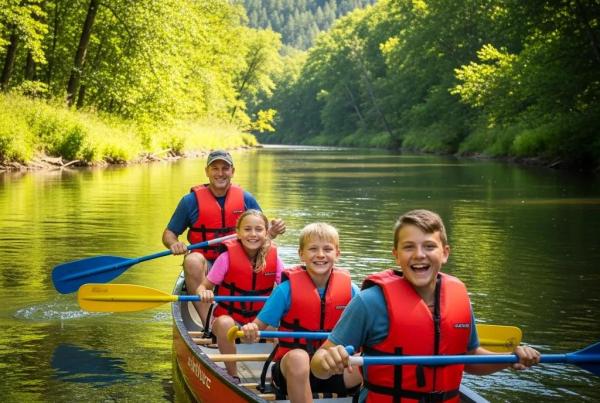
Distance and drive-time estimates from Detroit to Walnut Hills are defined as practical travel metrics that determine whether a campground fits weekend plans by families. From Detroit, Walnut Hills is typically within a one- to one-and-a-half-hour drive under normal conditions, offering a quick escape that avoids the multi-hour treks some northern destinations require. Travelers should depart outside rush hours and use a traffic-aware route planner to account for incidents; early arrivals often secure preferred sites and enjoy the full afternoon. Families who value shorter drives benefit from the time saved, allowing more hours for activities like river float trips and lake play.
How Easily Can Families Reach Walnut Hills from Lansing and Grand Rapids?
Families traveling from Lansing and Grand Rapids evaluate accessibility by estimating drive time and planning rest stops suitable for children, which affects overall trip comfort. From Lansing the drive commonly takes under 90 minutes depending on route choice, making day trips and short weekend stays practical; from Grand Rapids, expect a longer drive potentially over two hours, which still fits extended weekend plans but may require a more deliberate departure. Key considerations include planned breaks for young children and selecting simple, highway-focused routes that minimize complex turns. Preparing snacks and entertainment for the car further reduces travel stress and improves the arrival experience.
What Amenities and Activities Make Accessible Campgrounds Ideal for Families Near Cities?
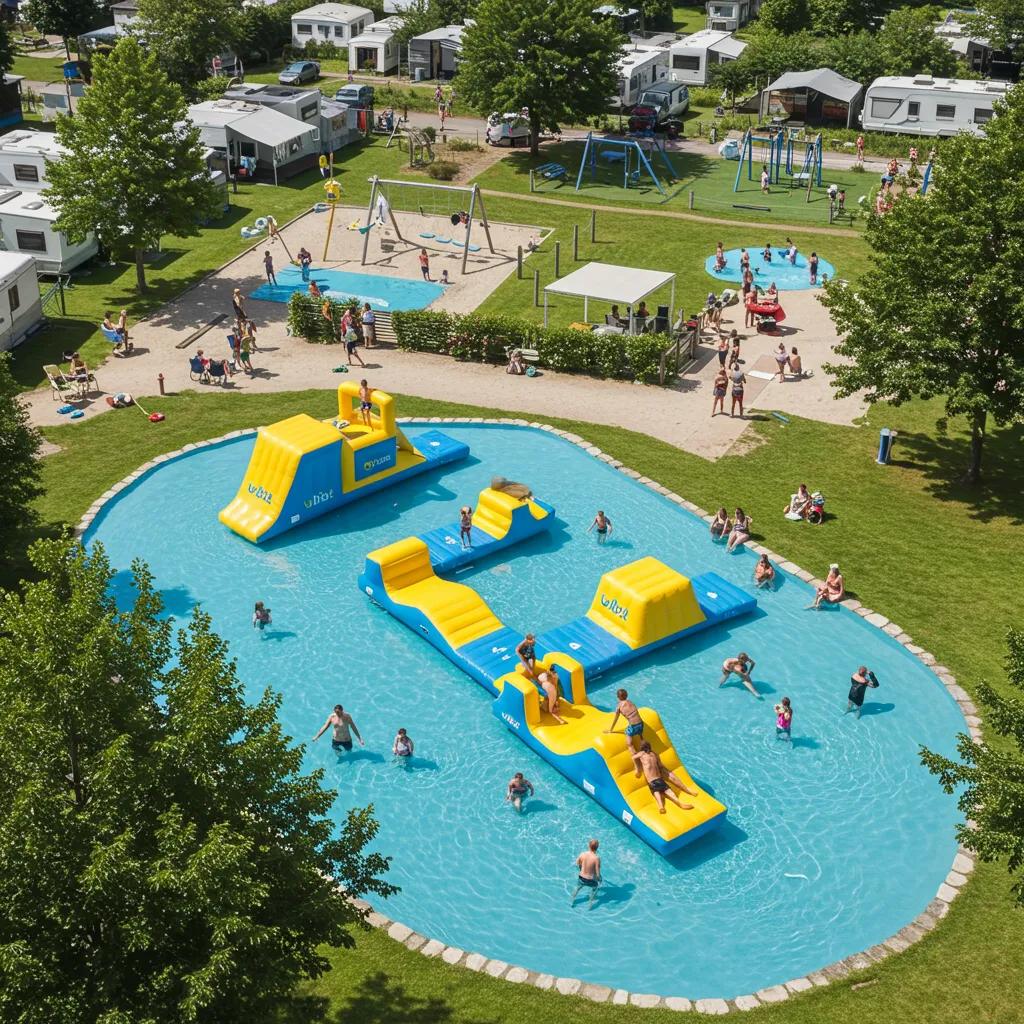
Family-friendly campgrounds close to cities combine convenient access with amenities that replace long-distance excursion needs, meaning families get rich outdoor experiences without extensive travel. Important amenities include safe swim areas, water play structures, playgrounds, clean restrooms, and weekend programming that fills short stays with activities. The table below links amenity to a concrete feature and the family benefit to illustrate how on-site offerings multiply the value of a quick trip.
These amenity features show why accessible campgrounds can feel like full vacations: families access diverse activities without additional driving, and the next subsection lists specific offerings at the nearby example site.
Which Family-Friendly Amenities Does Walnut Hills Offer Close to Urban Centers?
Walnut Hills Family Campground provides a suite of family-oriented amenities that support short, activity-rich trips for city residents, including a Wibit water park, a swimming lake with beach access, renovated bathrooms, multiple playgrounds, a campground store, and a large dog park. These features reduce the need for off-site drives to beaches or activity centers, enabling families to spend more of their short getaway enjoying organized recreation. On-site sports courts, a game room, and a ball field further expand options for mixed-age groups, helping parents tailor days to toddlers or teens. Highlighting these amenities clarifies how proximity plus facilities equals a practical family weekend.
How Do Weekend Events Enhance the Family Camping Experience at Accessible Campgrounds?
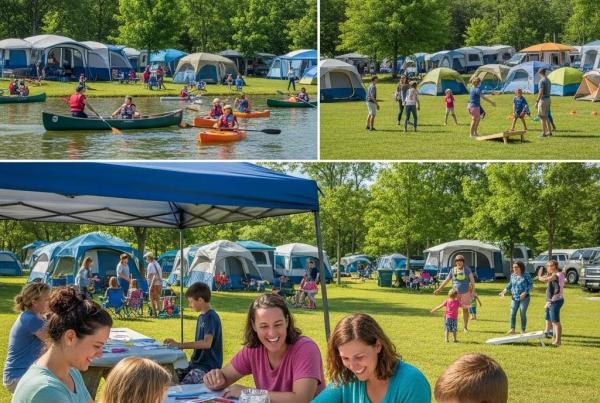
Weekend events provide structured entertainment that transforms short stays into memorable mini-vacations by offering predictable programming for kids and adults alike, which reduces planning friction for busy families. Events such as pavilion activities, kid-friendly games, and community gatherings create a festive atmosphere and let parents relax while children engage in supervised fun. Walnut Hills explicitly schedules family and kid-friendly events at pavilions every weekend, demonstrating how frequent programming enhances repeatability and memory-making without extra travel. These predictable events make it simpler to choose a nearby campground when time is limited.
How Can Campers Plan and Book Their Stay at Accessible Campgrounds Near Cities?
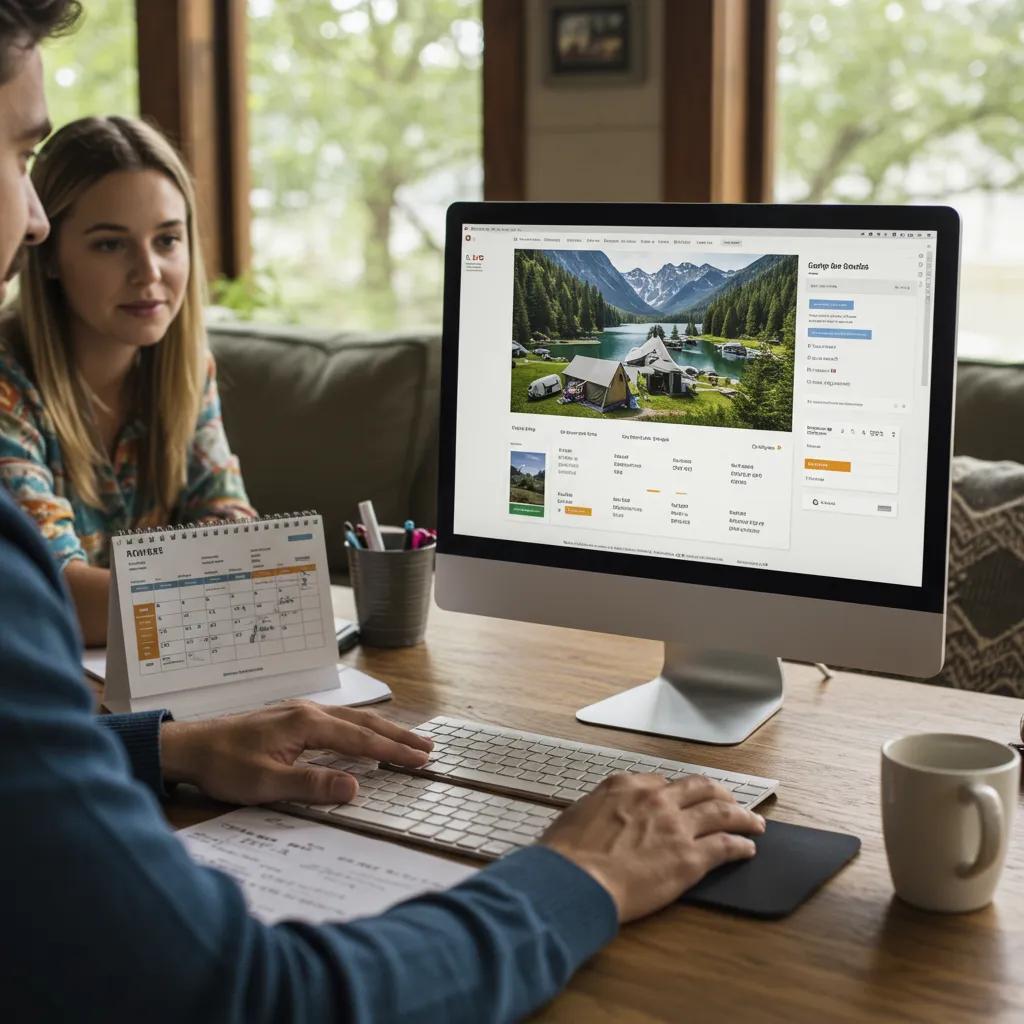
Planning and booking for accessible campgrounds center on choosing the right accommodation type, reserving at the optimal lead time, and checking seasonal availability to avoid peak crowding; these steps cut planning friction and lock in the best sites. Families should compare RV & Tent Sites and Cabins by comfort needs and check event calendars before confirming dates. The table below compares accommodation types with booking options and seasonal notes to guide decision-making for urban families seeking quick escapes.
Comparing options helps families match comfort and convenience to trip length, and the next subsection gives a concise step-by-step reservation workflow.
What Are the Best Practices for Online Reservations at Walnut Hills Family Campground?
Best practices for reserving online focus on choosing dates, comparing accommodation features, and confirming policies to avoid last-minute issues when traveling with children. Start by searching available dates for your party size and preferred accommodation—RV & Tent Sites or Cabins—then review amenity notes and any scheduled weekend activities that matter to your group. Confirm cancellation and check-in policies, and reserve early for peak summer weekends to secure preferred sites; GatherGrounds Resorts encourages online reservations and checking availability ahead of popular holiday weekends. Following these steps ensures smoother arrivals and maximizes time spent on-site.
- Search dates and select the accommodation type that matches your family needs.
- Review amenities and weekend event schedules before choosing a site.
- Confirm reservation details, cancellation terms, and check-in instructions.
- Reserve early for peak weekends or choose midweek stays for lower demand.
These steps streamline booking and reduce uncertainty; the final subsection outlines seasonal expectations and saving strategies.
What Seasonal Availability and Pricing Should Families Expect?
Seasonal patterns typically show peak demand during summer weekends and shoulder-season availability during spring and fall, affecting both site availability and nightly rates. Families should expect higher competition for RV & Tent Sites and Cabins during summer holidays and weekend events, and consider midweek stays to find lower rates and quieter conditions. Exact pricing varies, so check current campground rates before planning; avoid assuming flat season pricing. Use flexible dates and early reservations to secure better options without sacrificing convenience.
- Book midweek for lower demand and better site selection.
- Plan early for summer weekends when family events increase occupancy.
- Use off-peak shoulder seasons for milder weather with reduced crowds.
These strategies make family trips more affordable and predictable, improving the likelihood of repeat local getaways.
What Are the Benefits of Choosing Campgrounds Close to Urban Centers for Family Getaways?
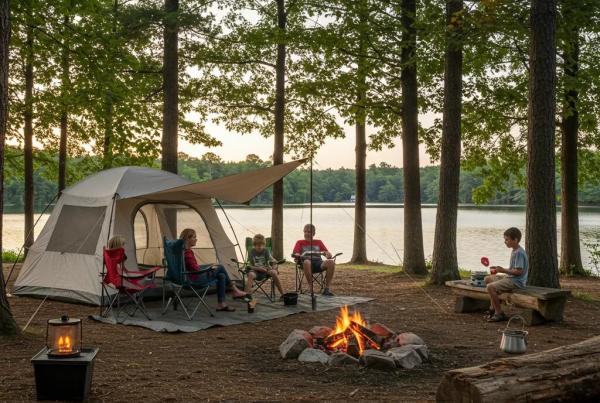
Choosing campgrounds near cities delivers logistical, emotional, and economic benefits: less time in transit, easier packing and returns, and more frequent, lower-stress family outings that build memories. Accessibility reduces travel friction for multi-generational trips and short stays while enabling families to attend scheduled activities without sacrificing entire weekends to driving. Economically, shorter drives lower fuel and incidental costs, and emotionally, less travel time increases time spent together at the campsite. Given these advantages, nearby campgrounds can become the backbone of a family’s seasonal recreation plan, and Walnut Hills provides concrete examples of these benefits.
- Less total travel time means more activity time at the campsite.
- Reduced planning friction supports spontaneous or frequent weekend trips.
- On-site amenities and events increase the value of shorter stays.
In practice, accessible campgrounds enable families to create routine outdoor traditions without long drives; the next subsection explains how one nearby example puts this into action.
How Does Walnut Hills Provide a Convenient Outdoor Escape Without Long Drives?
Walnut Hills exemplifies a convenient escape by pairing a location reachable from major Michigan cities with on-site features that replace the need for additional day trips, notably river float trips on the Shiawassee River and a swimming lake with water attractions. These time-efficient experiences let families enjoy nature-based activities within a short arrival window, maximizing weekend hours for play and relaxation. With modernized facilities and scheduled weekend events, visitors can plan short stays that feel complete, avoiding long-distance travel to find similar recreation. For families prioritizing memory-making over marathon drives, this combination of proximity and amenities is particularly compelling.
Why Do Families Prefer Accessible Campgrounds for Creating Lifelong Memories?
Families prefer accessible campgrounds because repeated, low-friction trips build traditions and layered memories—frequent short outings often create more cumulative positive experiences than occasional long vacations. The ease of booking, short drive times, and on-site programming mean families can return regularly, try different activities, and involve extended relatives without the logistical burden of long travel. Walnut Hills reinforces these preferences through scheduled weekend events and family amenities that support diverse age groups, helping families turn nearby escapes into lasting traditions. Ultimately, accessibility converts occasional camping into a repeatable, memory-rich family practice that fits modern urban life.
Frequently Asked Questions
What types of accommodations are available at accessible campgrounds?
Accessible campgrounds typically offer a variety of accommodations to suit different family needs. Options may include RV and tent sites, cabins, and group areas for events. RV and tent sites can range from primitive spots to those with full hookups, while cabins provide a more comfortable indoor experience. Families should consider their comfort preferences, the number of guests, and the amenities offered when selecting the best accommodation type for their stay.
How can families ensure a smooth camping experience with young children?
To ensure a smooth camping experience with young children, families should plan ahead by packing essential items such as snacks, entertainment, and comfort items. Choosing campgrounds with family-friendly amenities, like playgrounds and swimming areas, can enhance the experience. Additionally, scheduling breaks during travel and selecting simple routes can help minimize stress. Engaging children in the planning process can also make them more excited and prepared for the trip.
What safety measures should families consider when camping near urban centers?
When camping near urban centers, families should prioritize safety by researching the campground’s security features, such as lighting, staff presence, and emergency protocols. It’s also wise to familiarize themselves with the surrounding area, including nearby hospitals and emergency services. Teaching children about campsite safety, such as staying within designated areas and understanding wildlife interactions, can further enhance safety during their stay. Always have a first-aid kit on hand for minor injuries.
Are there any environmental considerations families should keep in mind while camping?
Yes, families should be mindful of environmental considerations while camping. This includes practicing Leave No Trace principles, such as cleaning up after meals, disposing of waste properly, and minimizing campfire impact. Educating children about local wildlife and ecosystems can foster respect for nature. Additionally, families can choose eco-friendly products and practices, such as using biodegradable soaps and reducing plastic waste, to help preserve the natural beauty of the campground for future visitors.
What are some tips for maximizing family bonding during camping trips?
To maximize family bonding during camping trips, families can engage in group activities such as hiking, fishing, or playing games together. Setting aside time for shared meals and storytelling around the campfire can strengthen connections. Encouraging each family member to participate in planning activities ensures everyone feels included. Additionally, capturing moments through photos or journaling can create lasting memories that families can cherish long after the trip is over.
How can families find the best deals for camping reservations?
Families can find the best deals for camping reservations by booking early, especially for peak seasons, to secure lower rates and preferred sites. Utilizing online platforms that compare campground prices and availability can also help identify discounts. Signing up for newsletters or loyalty programs from campgrounds may provide exclusive offers. Additionally, considering midweek stays or off-peak times can lead to significant savings while enjoying a quieter camping experience.
Conclusion
Choosing campgrounds close to urban centers offers families the chance to enjoy memorable outdoor experiences without the burden of long travel times. By prioritizing accessibility, families can maximize their time together, engage in fun activities, and create lasting traditions. Walnut Hills Family Campground exemplifies how convenient amenities and scheduled events enhance the family camping experience. Start planning your next adventure today and discover the joy of accessible camping!