

Michigan State Park Camping: A Family-Friendly Guide to Reservations, Amenities, Rules, and When a Private Campground Makes Sense
Camping in Michigan’s state parks blends protected natural areas with organized, reservable campsites managed by the Michigan Department of Natural Resources (Michigan DNR). This guide walks you through the DNR reservation system, explains when you’ll need a Recreation Passport, outlines typical campground amenities, and covers the rules families should know. If you’re wondering about booking windows, tent vs. RV site choices, or whether a nearby private campground might be easier for your crew, you’ll find clear steps, side-by-side comparisons, and practical tips here. Read on for step-by-step reservation help, an amenities comparison (including private options), pet/fire/alcohol policy highlights, family-friendly park picks, and a straightforward comparison to The Oaks Campground by GatherGrounds so you can choose the right place for your next trip.
How Do I Make Michigan State Park Camping Reservations?
Reserving a Michigan state park campsite means using the DNR’s centralized reservation system to pick dates, choose a site type, and add any required passes. That centralized approach makes availability predictable, enforces Recreation Passport rules where needed, and handles deposits and cancellations consistently across parks. Knowing how the system works helps you plan around busy weekends and gives you clear backup options if preferred dates are already taken.
Follow these hands-on steps to reserve a Michigan state park campsite:
- Create an account with the Michigan DNR reservation provider and sign in before searching dates and site types.
- Confirm whether a Recreation Passport or extra fees are required and add them during checkout.
- Choose your campsite type, check available amenities (electric, water, dump station), and complete payment with any required deposit.
- Note cancellation deadlines and manage changes through your reservation account if plans shift.
This short checklist covers the basic flow; the next section explains the DNR platform and how the Recreation Passport affects bookings.
What Is the Michigan DNR Reservation Process and Recreation Passport Requirement?
The Michigan DNR uses one reservation platform where you set up an account, search parks by name or feature, pick site types, and finalize bookings with payment and deposit rules that vary by park. Many parks require a Recreation Passport — a vehicle or visitor pass that covers park access or lowers daily fees — so checking that requirement before you book avoids surprises at arrival. Familiarity with account setup, payment options, and how the Recreation Passport applies will make the booking process faster and reduce last-minute stress.
What Are the Cancellation Policies and Reservation Windows for State Parks?
Cancellation rules and booking windows balance fair access with protecting park resources. Sites often open for reservation on a predictable date each season; peak-season reservations can be made months in advance (commonly up to nine months), while shoulder-season windows are shorter. Deposits may be refundable if you cancel before a stated deadline; last-minute changes can mean fees or lost deposits. These rules affect flexibility, so if you need last-minute dates, private campgrounds can sometimes offer easier availability and different cancellation terms.
Before moving on to amenities, here’s a quick reference table summarizing reservation sources and what to expect when you start booking.
What Amenities Can I Expect at Michigan State Park Campgrounds?

Most Michigan state park campgrounds offer a dependable set of basics—sites with picnic tables and fire rings, potable water, and restrooms—kept intentionally simple to preserve the park experience. These essentials give families reliable sanitation and a comfortable base while leaving the landscape largely natural. Some parks add showers, flush toilets, or dump stations, but features vary by campground. Knowing what’s standard helps you pick the right site or decide whether a private campground’s upgraded services will better fit your family.
Common state park amenities include:
- Flush or pit toilets and potable water: Reliable sanitation and drinking water access.
- Picnic tables and fire rings: The basics for cooking, meals, and evenings by the fire.
- Trails and beach or lake access: Easy entry points for hiking, swimming, and fishing.
- Group sites and interpretive programs: Space and activities for larger family gatherings and learning.
These features form the baseline expectation at many parks. Below is a side-by-side comparison showing how state park offerings typically stack up against private-campground enhancements like those at The Oaks Campground.
Which Campsite Types and Facilities Are Common in Michigan State Parks?
State park sites generally fall into four categories: rustic tent sites, semi-modern sites with electricity, modern sites with hookups, and group sites. Rustic tent sites are minimal—usually a cleared pad and fire ring—great for campers who want a true outdoor feel. Semi-modern and modern sites add electric service, potable water nearby, and sometimes showers for longer stays or RVs. Group sites provide extra space and shared facilities for reunions or scout trips. Choose by your gear, how close you want to be to facilities, and the balance between convenience and solitude you prefer.
What Outdoor Activities and Family Features Are Available?
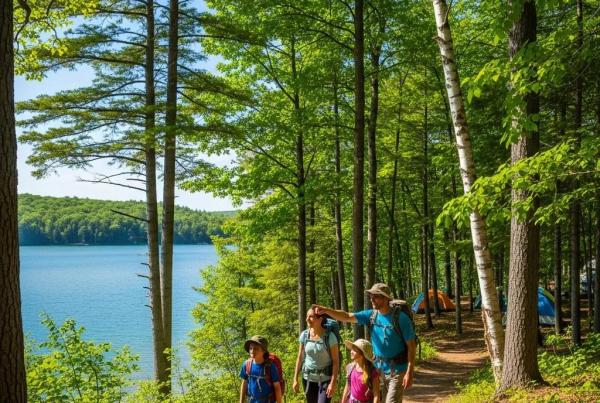
Michigan state parks offer a steady lineup of family-friendly activities: hiking, swimming, fishing, boating, and seasonal interpretive programs. Parks keep trails maintained and run programs that are safe and accessible for a wide range of ages and abilities. Plan short nature walks for little ones or longer hikes for teens, and look for playgrounds or scheduled programs that add hands-on learning. When picking a campsite, consider how close it is to the activities you want—shorter daily trips make packing and supervision easier for families.
What Are the Rules and Regulations for Camping in Michigan State Parks?
State park rules set expectations for pets, quiet hours, maximum stay limits, and fire or alcohol use to protect the parks and make camping pleasant for everyone. Leash rules, quiet-hour enforcement, and fire restrictions exist to protect wildlife, reduce conflicts between visitors, and lower wildfire risk. Knowing these rules beforehand reduces hassles and helps your family enjoy a safe, trouble-free stay. The sections below break down the main policies so you can prepare accordingly.
Quick rule checklist before you go:
- Pets must be leashed and kept in designated areas: Keeps wildlife and other visitors safe.
- Quiet hours are enforced, usually in the evening and overnight: Gives everyone a chance to rest.
- Stay limits apply: Prevents long-term occupancy and preserves access for others.
Read on for details on pet rules, quiet hours, and stay limits.
What Are the Pet Policies, Quiet Hours, and Stay Limits?
Most parks require pets to be on a leash and under control at all times, and pets are often restricted from buildings and certain trails to protect wildlife and visitors. Quiet hours—typically during evening and overnight—are enforced to keep noise down; violations can lead to warnings or fines. Stay limits cap the number of consecutive nights you can reserve so sites remain available to other visitors. Always check the specific park’s posted rules before arrival so your family can plan accordingly.
What Fire and Alcohol Regulations Should Campers Know?
Campfires are usually allowed only in park-provided fire rings or approved containers; temporary burn bans or permit rules can be in effect during dry spells. Alcohol is generally permitted in moderation inside private campsites, but public intoxication or disruptive behavior is not tolerated. Follow posted burn advisories, use only approved containers or grills, and fully extinguish fires before leaving your site. Observing these rules keeps the campground safe and helps avoid citations.
Here’s a compact comparison showing common state park rules and how private campgrounds like The Oaks might differ.
Which Are the Best Michigan State Parks for Family Camping?
The best family parks balance access and amenities: safe swimming areas, short, kid-friendly trails, playgrounds, and nearby services for supplies or emergencies. Weekend travelers often choose parks closer to major cities for shorter drives; families seeking solitude pick more remote parks. Think about your family’s energy level and logistics—do you want an easy weekend or a longer retreat? That will guide your park choice and what to pack.
Look for these family-friendly features when choosing a site:
- Accessible sandy beaches and supervised swimming areas: Perfect for young kids and easy family water time.
- Short, well-marked loop trails with interpretive signs: Great for learning walks and easy hikes.
- Playgrounds and picnic pavilions: Safe play spaces and covered gathering spots.
- Close proximity to towns or services: Shorter drives for supplies or medical needs.
These features help narrow your options before you check park calendars and reservations.
What Kid-Friendly Activities and Park Highlights Make These Parks Ideal?
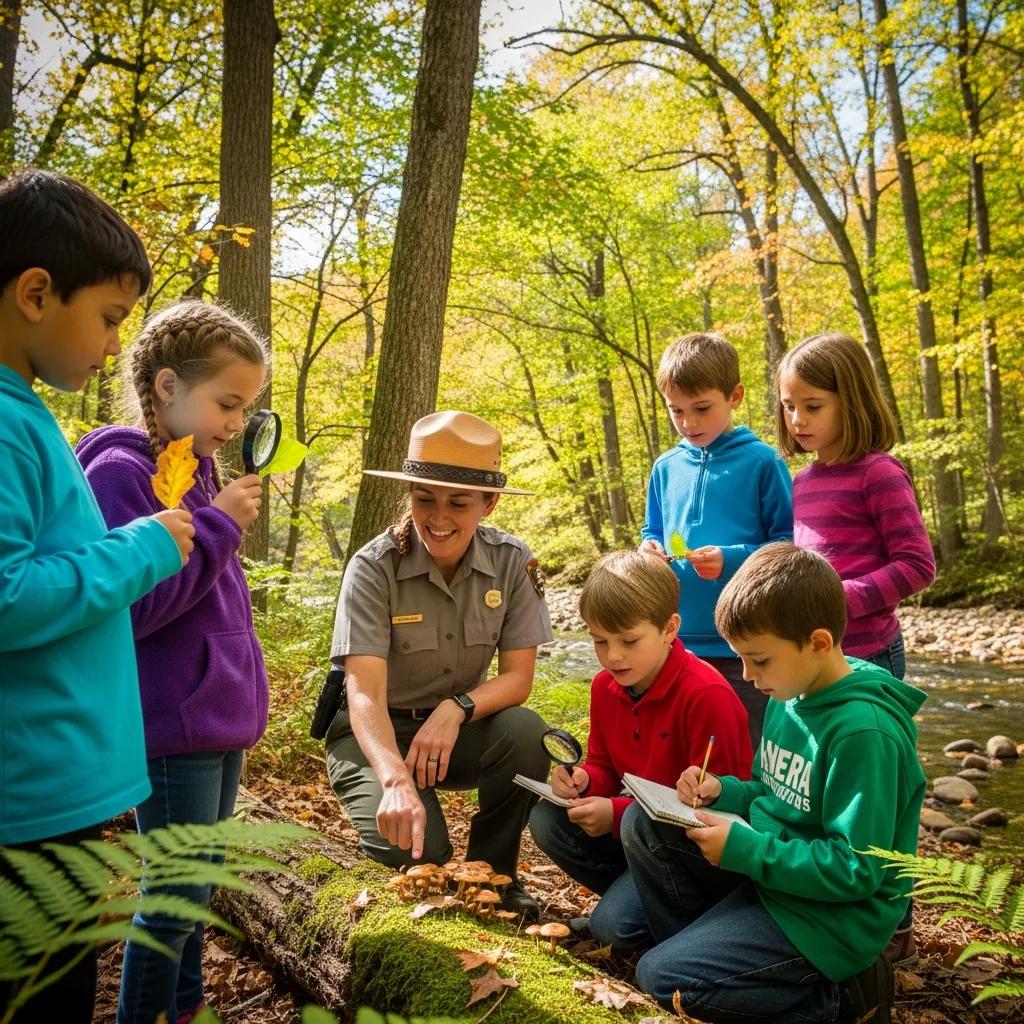
Kid-friendly park programming often includes interpretive walks, junior-ranger-style activities, playgrounds, and safe, shallow beach areas for supervised swimming. Seasonal schedules vary, but many parks run guided nature walks, campfire talks, and hands-on demos that keep kids engaged and teach stewardship. Choosing a park with these offerings stretches a day of outdoor time into a memorable, educational experience.
How Does Proximity to Major Cities Affect Family Camping Choices?
Drive time matters. Parks near Detroit, Ann Arbor, Jackson, Toledo, or Fort Wayne are great for short weekend trips that don’t require extensive packing or long drives. More distant parks reward longer stays with quieter settings and deeper backcountry options. The Oaks Campground’s adjacency to Waterloo State Recreation Area makes it a convenient pick for families near Ann Arbor or Jackson who want quick trail access without the extra drive—offering a balance between convenience and outdoor opportunity.
How Does The Oaks Campground Compare to Michigan State Park Camping?
Comparing The Oaks Campground by GatherGrounds with Michigan state parks highlights differences in booking ease, on-site amenities, and family services, while noting that nearby state lands broaden outdoor access. The Oaks operates as a private campground focused on full-hookup RV sites, a private lake, playgrounds, and family conveniences designed to make multi-day stays simpler. For families who want predictable services and easier reservations, a private campground often delivers. Below are practical pros and cons to help you decide.
Simple pros/cons comparison:
- Pros of State Parks: Natural, preserved settings; interpretive programs; minimal infrastructure footprint.
- Cons of State Parks: Fewer hookups and higher competition for peak-season sites.
- Pros of The Oaks Campground: Full hookups, private lake and ponds, on-site playgrounds and store, and easier booking.
- Cons of Private Campgrounds: Extra fees and more rules tied to services and events.
That comparison explains why some families prefer a private campground for convenience; below are The Oaks’ standout features.
What Unique Amenities and Activities Does The Oaks Offer?
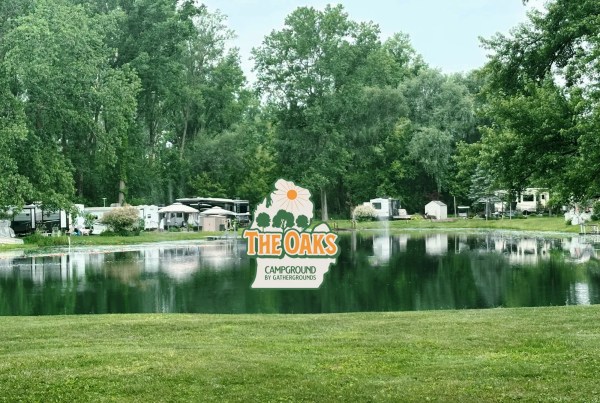
The Oaks Campground by GatherGrounds offers private-campground amenities like full-hookup RV sites, a private swimming lake, a fishing pond, golf-cart-friendly riding trails, multiple playgrounds, pavilions, and an on-site camp store. Those features aim to create a resort-like camping experience: full hookups support longer RV stays with household comforts, and family attractions—like the planned Wibit water park in 2026—add organized fun. Because the campground borders Waterloo State Recreation Area, you get private convenience plus easy access to public trails and lakes.
Why Choose The Oaks Campground for Family Camping Near Waterloo State Recreation Area?
Pick The Oaks when you value family convenience and on-site programming but still want access to Waterloo’s natural assets. The private model simplifies reservations, provides consistent on-site services (store, playgrounds, pavilions), and reduces drive time for families from nearby metros. Planned investments—like the Wibit water park (2026) and golf-cart trails—show a focus on family attractions that complement state-park recreation. For parents balancing comfort, safety, and outdoor access, The Oaks offers a hybrid solution that blends private amenities with nearby public recreation.
How Can I Book and Experience Camping at The Oaks Campground?
Booking at The Oaks means checking site availability, choosing the site type that fits your needs (full-hookup RV or tent), and reviewing the campground’s deposit and cancellation policies. Private campgrounds often show real-time availability and offer flexible modification options, which can be easier for last-minute travel than state systems. Peak summer weekends fill quickly, so plan early or consider weekdays and shoulder seasons for more options. Check the event calendar to line up your stay with family programming or seasonal openings like the planned waterpark.
What Is the Reservation Process and Availability at The Oaks Campground?
To reserve at The Oaks, pick your site type, confirm dates, and follow their deposit and cancellation steps. Availability is usually best on weekdays and during shoulder seasons; summer weekends and holidays book first. Because The Oaks sits next to Waterloo State Recreation Area, it’s easy to pair on-site family time with public-park adventures. Book early for high-demand dates or opt for off-peak windows if your schedule allows.
What Seasonal Events and Family Activities Are Offered at The Oaks Campground?
The Oaks runs seasonal weekend programming and family events centered on lake play, playground time, and community gatherings. Expect family-friendly weekend activities, pavilion events, and seasonal celebrations; future additions like the Wibit water park (2026) will expand onsite options. These events pair well with Waterloo’s trails and water access, so check the campground’s calendar before booking to sync your visit with special programming.
- Plan ahead for peak season to secure the dates and hookups you want.
- Pack camping basics plus family activity gear (swimwear, trail shoes, outdoor games).
- Confirm pet and fire rules for both state parks and private campgrounds to avoid surprises.
Frequently Asked Questions
What should I pack for a camping trip to Michigan state parks?
Pack the essentials: a tent, sleeping bags, cooking gear, and enough food. Bring layered clothing for changing weather, sturdy shoes for hikes, toiletries, and a first-aid kit. Add recreational gear—fishing rods, bikes, swim gear—and any required passes like the Recreation Passport.
Are there any age restrictions for camping in Michigan state parks?
There aren’t general age restrictions, but minors should be accompanied by an adult. Some parks have specific rules on group sizes or supervision for organized activities, so check the individual park’s guidelines before you go.
Can I have a campfire at Michigan state parks?
Campfires are usually allowed but must stay in park-provided fire rings or approved containers. Always check for burn bans—especially in dry weather—and fully extinguish fires and dispose of ashes properly to protect the environment.
What are the best times of year to camp in Michigan state parks?
Late spring through early fall is the most popular window, with June–August as peak season. Early fall is lovely for cooler weather and fall colors. Campsites fill fast in summer weekends, so book early for busy dates.
Are there any special programs for kids at Michigan state parks?
Yes—many parks offer interpretive programs, nature walks, and junior-ranger activities designed for kids. Schedules vary by season and park, so check the park’s events calendar to plan participation.
What should I know about wildlife encounters while camping?
Store food securely to avoid attracting animals and follow park guidance on wildlife encounters. Learn which animals are common in the area—deer, raccoons, and occasionally bears—and keep a respectful distance. Proper food storage and cautious behavior keep both you and wildlife safe.
How can I find out about park events and activities during my stay?
Check the Michigan DNR website or the specific park’s page for event calendars. Parks often post schedules at visitor centers and campground bulletin boards, and you can ask at the park office after arrival for current activities.
Wrapping Up
Michigan state parks give families a dependable blend of natural beauty, basic campground amenities, and seasonal programming. Knowing how reservations, rules, and amenities work lets you plan confidently and enjoy your trip. If convenience and upgraded services matter more, private options like The Oaks can be a great fit—especially when you want easy bookings and family-focused on-site features. Start planning, pick the spot that fits your family’s needs, and get ready for a memorable Michigan camping trip.