Your Ultimate Guide to Discovering Pet-Friendly Campgrounds in Ohio State Parks for Your Dog
This guide is your go-to resource for families and dog lovers looking to find, compare, and book pet-friendly campgrounds within Ohio State Parks. We’ll also explore when a private gem like Ridge Ranch Campground might be the perfect fit for your needs. You’ll get the inside scoop on Ohio State Park pet policies, discover which parks offer the most tail-wagging experiences for your canine companions, and learn how to plan your trips with the right gear and campsite choices. Plus, we’ll point you toward essential veterinary services and pet supply stores before you hit the road. Our focus is on practical advice—think leash rules, restricted zones, pet limits, and fee expectations—so you can legally and safely enjoy the great outdoors with your dog in Ohio. We’ll also give you a sneak peek at top parks like Hocking Hills, Alum Creek, Mohican, Salt Fork, and Caesar Creek, and show you how a private campground with RV sites and tent camping can perfectly complement your state park adventures. Dive in for checklists, comparison tables, planning maps, and straightforward reservation tips for Ridge Ranch Campground and other fantastic pet-friendly spots in the region.
What Are the Ohio State Park Pet Policies You Need to Know?
Ohio State Park pet policies are designed to ensure everyone, including wildlife and fellow campers, has a safe and enjoyable experience. These rules typically dictate where dogs are welcome and set guidelines to protect our natural surroundings, other visitors, and the canine community. You’ll generally find requirements for leashes, restrictions in certain areas like swimming beaches and some indoor facilities, and limits on the number of pets per campsite to maintain safety and cleanliness. Understanding leash laws, restricted zones, and potential fees is key to picking the right destination and avoiding any unwanted surprises. The following sections will break down which parks welcome dogs and their specific leash requirements, clarify common restricted areas, explain typical pet limits and fees, and offer a quick comparison between state park rules and private options like Ridge Ranch Campground, helping you weigh your choices before you book.
Which Ohio State Parks Allow Dogs and What Are Their Leash Laws?

Ohio State Parks generally welcome dogs in their outdoor spaces, but they do enforce leash rules to safeguard wildlife and ensure a pleasant experience for all visitors. Most Ohio parks require dogs to be kept on a leash no longer than six feet when you’re in developed areas and on trails. This helps minimize disturbances to wildlife and prevents unexpected encounters between dogs or with hikers. Keep in mind that some parks might have even stricter rules for specific trail corridors or popular scenic overlooks, so it’s always a good idea to check the park’s specific page before you arrive. Knowing the leash length requirements and any exceptions will help you be a responsible trail companion and set clear expectations for your dog’s behavior during hikes, which naturally leads to understanding where pets might be restricted within the parks.
What Areas Are Restricted for Pets in Ohio State Parks?
You’ll typically find that pets are restricted from swimming beaches, public buildings, visitor centers, some rental cabins, and designated natural preserves to protect sensitive habitats. These rules are in place because pets can sometimes disturb nesting birds, contaminate water areas, or impact fragile ecosystems. Planning alternative activities, like shoreline strolls where permitted, will help keep both your dog and the environment safe and sound. When a beach or building is off-limits, look for nearby trails that welcome leashed dogs or consider private campgrounds that might offer lake access with fewer restrictions. Knowing these restricted areas in advance helps you plan activities that respect the rules while still providing plenty of exercise and enrichment for your dog.
Are There Fees or Limits for Bringing Dogs to Ohio State Parks?
Many Ohio State Parks have a limit on the number of pets allowed per campsite, often two dogs, and may have additional restrictions for pets in cabins or special-use facilities. Sometimes, cabin rentals that do allow pets might require a deposit or an extra cleaning fee. Fees can vary by park and by the type of lodging, so it’s always wise to confirm the current charges on the park’s official information page before you book to avoid any surprises. Having your dog’s current vaccination records handy and a solid plan for sanitation and waste disposal can also help prevent any unexpected charges. Understanding pet counts, cabin exceptions, and potential fees will help you choose a campsite that suits your family and your dog’s needs, and it naturally leads to comparing state parks with private campgrounds.
The table below offers a quick summary of leash rules, typical restricted areas, pet limits, and fee notes for a selection of Ohio State Parks to help you compare them at a glance.
How Does Ridge Ranch Campground Compare to Ohio State Park Pet Policies?
Ridge Ranch Campground, brought to you by GatherGrounds Resorts, offers a flexible, private alternative to state parks. With dedicated RV sites and tent camping options, and plans for a fantastic large dog park, it’s designed with pet owners in mind. Unlike many state parks that might limit pet access on beaches or in certain cabins, private campgrounds often have more freedom to create dog-specific spaces and amenities. This can make activities like off-leash play (where permitted by the campground) much simpler. If state park rules feel a bit restrictive for your plans, booking RV sites or tent camping at a private campground with pet-focused features can be a perfect solution. For those seeking that extra bit of private flexibility, consider Ridge Ranch Campground’s offerings when planning trips that combine state park adventures with enjoyable campground-based dog recreation.
Which Are the Best Pet-Friendly Campgrounds in Ohio State Parks?
Finding the best state park campgrounds for dogs really comes down to the variety of trails, access to water, campsite layout, and the availability of nearby services for pets. The parks we’ve highlighted below are favorites among dog owners for their excellent trail options, stunning scenery, and practical accommodations for canine companions. For campers looking for alternative lodging with even more pet-specific amenities, a note follows each park to show how Ridge Ranch Campground can enhance your stay with its RV sites, tent camping, lake access, and rentals. In the following sections, we’ll dive into Hocking Hills, Alum Creek, Mohican and Salt Fork, and Caesar Creek to showcase each park’s unique strengths and practical considerations.
What Makes Hocking Hills State Park Ideal for Dog Camping?
Hocking Hills State Park is a true gem, celebrated for its breathtaking rock formations, lush forested trails, and a variety of loop hikes that offer endless stimulation for dogs who love to explore new scents and varied terrain. The trails range from easy strolls to more challenging routes, so matching the difficulty to your dog’s fitness level will prevent injuries and stress while maximizing the scenic enjoyment. Remember that leash etiquette is crucial on busy trails and near cliff edges, so keep a secure six-foot leash handy and be prepared for encounters with other hikers and wildlife. Hocking Hills’ convenient location near amenities and its extensive dog-friendly trail network make it an excellent primary destination for camping with your dog, before you even consider complementary private campground activities.
How Does Alum Creek State Park Cater to Dogs and Their Owners?
Alum Creek State Park boasts large open spaces, beautiful kettle lakes, and multi-use trails that are perfect for dogs who enjoy both structured hikes and shoreline exploration when water access is permitted. Leash rules generally apply in developed areas and along trails, and certain swim beaches may have restrictions to ensure the safety of swimmers, so always check the signage for seasonal variations and beach closures. Campsites located near trailheads offer easy access for quick outings, which is especially convenient for older dogs or those who might be a bit anxious, helping to keep your schedule flexible and stress-free. For families who want consistent lake access and equipment rentals, pairing a park visit with a private campground that offers paddleboat and canoe rentals can open up even more options for supervised water fun.
The table below lists key pet amenities at selected state parks, helping you compare trails, water access, and campsite suitability for your dog.
What Pet Amenities Are Available at Mohican and Salt Fork State Parks?
Mohican and Salt Fork State Parks offer distinct yet equally appealing experiences for dog owners. Mohican features beautiful river corridors and forest trails that are perfect for scent-rich hikes, while Salt Fork provides expansive parkland with longer loop trails and scenic overlooks ideal for endurance walks. Both parks generally require dogs to be leashed in developed areas and on trails, but they offer ample opportunities for exercise within those guidelines. Campsite layouts can vary—some sites are closer to trailheads, while others offer more secluded loops—so choose a site that minimizes disturbance to other campers and suits your dog’s temperament. After exploring the trail and campsite options, many owners find it beneficial to combine a park stay with nearby private campground amenities for additional dog-focused recreation.
Why Is Caesar Creek State Park a Favorite for Camping with Dogs?
Caesar Creek State Park is a popular choice for dog owners because it offers a fantastic combination of accessible trail loops and lovely lakeshore walking paths, giving dogs the chance to explore both wooded and waterfront environments. The park’s trail loops often loop back to the campsites within easy walking distance, making it simple to manage feeding, rest, and potty breaks without needing to take long car trips. Leash rules and seasonal restrictions on beaches still apply, so planning shorter hikes during less busy times can reduce stress and ensure you stay compliant with park policies. Caesar Creek’s blend of diverse scenery and convenient campsite access makes it a reliable and enjoyable destination for families camping with their dogs.
How Can You Plan a Perfect Camping Trip with Your Dog in Ohio State Parks?
Planning a successful dog-friendly camping trip is all about having a prioritized checklist of gear, clear criteria for selecting your campsite, an activity plan that respects park restrictions, and confirmed access to veterinary services and pet supplies. Good planning minimizes risks and enhances your dog’s comfort while ensuring positive interactions with other campers. The subsections below provide a handy essential gear list, guidance on choosing between RV, tent, or cabin options for your dog, ideas for dog-friendly activities near the parks, and tips on locating vets and pet supply stores before you depart.
The list below outlines essential gear items for camping with your dog and explains why each is important.
- Leash, harness, and ID tags: Essential for secure control and quick identification if you get separated.
- Collapsible water bowls and extra water: Crucial for keeping your dog hydrated during hikes and at the campsite.
- First-aid kit and vaccination records: For immediate care and proof of vaccinations if needed by a vet.
What Essential Gear Should You Pack for Camping with Your Dog?
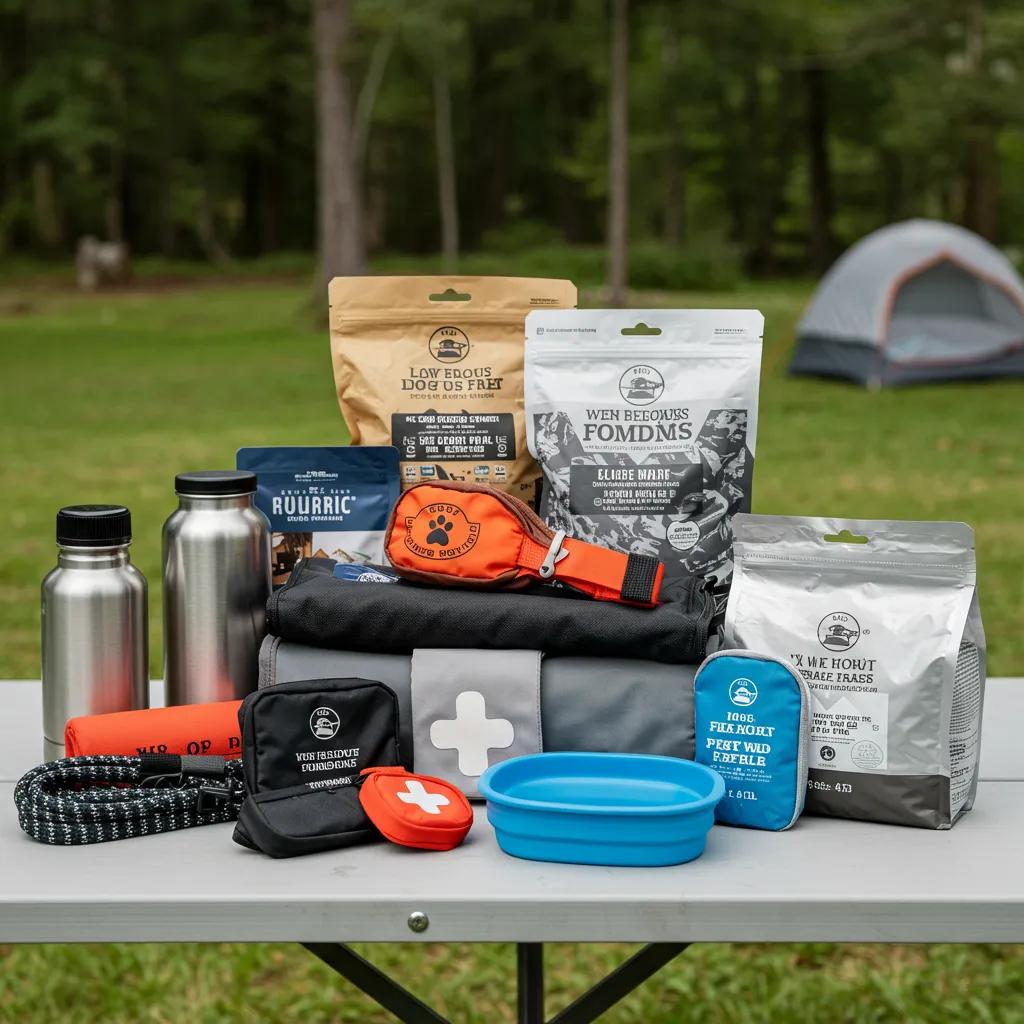
Essential gear for dog camping includes secure leashes and harnesses, identification tags with up-to-date contact information, a sturdy crate or tethering system for safe daytime confinement, comfortable bedding for insulation from the ground, and ample water provisions to maintain hydration on trails and at camp. A canine-specific first-aid kit, tick removal tools, and copies of vaccination records are vital for responding quickly to injuries or medical questions. Don’t forget waste bags and sanitation supplies to keep your campsite clean and respectful of others. Packing familiar toys and routine feeding supplies can significantly reduce anxiety for dogs in new environments and help maintain their regular behavior. Once your gear is organized, the next important step is choosing the right campsite type for your dog’s size, age, and temperament.
How to Choose the Best Campsite Type for Your Dog: RV, Tent, or Cabin?
Deciding between RV sites, tent camping, or cabins depends on your dog’s mobility, how well they tolerate temperature changes, and their need for a secure space. RV sites generally offer the most controlled environment, tents are flexible for shorter outings, and cabins can sometimes be restrictive due to park rules. RV sites and tent camping each have distinct advantages—RV sites provide easy access to climate control and a contained area for older or anxious dogs, while a tent site can be perfect for dogs who enjoy close proximity to their owners and a gradual introduction to outdoor sounds. Consider your dog’s age, health, and how they react to other dogs when selecting a spot near trailheads or in quieter loops to minimize disruptions. Ridge Ranch Campground’s RV sites and tent camping options can be particularly practical choices for families who need specific site types and are looking forward to future on-site pet amenities like a large dog park.
What Are the Best Dog-Friendly Activities Near Ohio State Parks?
Dog-friendly activities near Ohio State Parks offer plenty of fun for you and your furry friend. Think leash-guided hiking on scenic trails, supervised shoreline walks where permitted, engaging scent games on quieter loops, and short training sessions right at your campsite to keep your dog mentally stimulated. For water activities, check if paddleboat and canoe rentals are available for supervised dogs in the area; private campground rentals might offer controlled introductions to watercraft. Always adhere to leash laws and practice safety measures, such as using life vests for dogs near water and avoiding strenuous hikes during the hottest parts of the day. Planning a mix of low- and moderate-intensity activities will help maintain your dog’s energy balance, prevent injuries, and ensure rich outdoor experiences.
Where Can You Find Nearby Veterinary Services and Pet Supply Stores?
It’s crucial to locate veterinary services and pet supply stores before you even leave home. Compile a list of local emergency clinics, routine vet contacts, and nearby supply shops for food, medications, and replacement gear in case anything gets lost or damaged. Keep both digital and printed copies of your vet contacts and your dog’s medical history, and identify the fastest routes from your campsite to the nearest emergency clinic to minimize response time in a crisis. Use mapping tools to overlay vet locations, pet stores, and park access points for quick navigation if an emergency arises. Preparing these contacts and routes in advance will reduce your anxiety and ensure prompt assistance if your dog becomes ill or injured while camping.
Why Choose Ridge Ranch Campground as Your Premier Pet-Friendly Camping Destination in Ohio?
Ridge Ranch Campground by GatherGrounds offers a fantastic family-friendly camping experience across 76 scenic acres, complete with a 17-acre lake, a sandy beach, and a swimming deck. It provides a private setting that beautifully complements state park adventures for dog owners seeking additional on-site amenities. The campground currently features RV sites and tent camping, along with paddleboat and canoe rentals, fishing, playgrounds, and volleyball and basketball courts—amenities that cater to a wide range of family recreation. GatherGrounds has exciting plans for a large dog park, an arcade, and a Wibit waterpark in 2026, signaling a strong commitment to enhancing family and pet-oriented features. Its convenient location near Interstate-80 and proximity to Nelson Ledges State Park make Ridge Ranch an ideal base for combining private campground comfort with easy access to nearby state-park trails.
What Pet-Friendly Amenities Does Ridge Ranch Currently Offer?
Ridge Ranch Campground’s current offerings that are particularly appealing to pet owners include its 17-acre lake featuring a beach and swimming deck, providing opportunities for supervised water experiences and lakeside walks. The open spaces around the campsites are also conducive to exercise. On-site recreational amenities like paddleboat and canoe rentals and fishing offer controlled water activities for families, though standard safety supervision for dogs is always required. The RV sites and tent camping options provide flexible lodging choices for families traveling with pets who are looking for a private campsite environment. These current amenities make Ridge Ranch a practical and enjoyable complement to state parks, especially when pet restrictions might limit certain activities.
This EAV-style table clarifies which Ridge Ranch amenities are current versus planned, helping set expectations for pet owners.
What Are the Plans for Ridge Ranch’s Future Large Dog Park and Other Pet Facilities?
GatherGrounds has exciting future plans for a large dog park at Ridge Ranch, which will offer a dedicated off-leash area for supervised play and socialization, making it incredibly convenient for campers who want a secure space for their dogs to run and play. These planned investments—alongside other 2026 additions like a Wibit waterpark and arcade—highlight a strategic focus on enhancing family and pet amenities to broaden the campground’s appeal. These future facilities will likely ease the pressure on nearby state park beaches and trails by providing centralized dog play areas right on-site, while also offering organized spaces that encourage responsible pet socialization. Staying informed about these updates allows pet owners to plan their visits when the amenities best align with their needs.
How Does Ridge Ranch’s Location Near Nelson Ledges State Park Benefit Dog Owners?
Ridge Ranch’s prime location near Nelson Ledges State Park offers fantastic day-trip synergies. You can establish your base at a private campground with predictable pet policies and shorter travel times, while still having easy access to additional trails and scenic beauty at a nearby state park. Quick access to Interstate-80 also improves regional connectivity, potentially shortening travel times for multi-park itineraries or emergency vet visits, making Ridge Ranch a practical hub for exploring the region’s dog-friendly outdoor recreation. Combining a private campsite with state park hikes allows you to strategically sequence your activities—perhaps morning trail runs at Nelson Ledges followed by afternoon lake time at Ridge Ranch—to perfectly balance rigorous exercise with controlled relaxation. This location strategy significantly increases flexibility for families seeking a diverse range of pet-friendly activities within a single trip.
How to Make a Reservation for Pet-Friendly Camping at Ridge Ranch?
Making a reservation at Ridge Ranch Campground is straightforward. Simply select the appropriate lodging type—RV sites or tent camping—based on your dog’s needs and check availability for your desired travel dates. Have basic pet information ready before booking, such as the number of dogs and any special requirements. It’s also a good idea to confirm current pet rules or any temporary restrictions directly with Ridge Ranch staff to ensure a smooth check-in. Plan to arrive with your dog’s vaccination records and necessary supplies to streamline your stay, and don’t hesitate to ask about anticipated timelines for new pet amenities like the large dog park. Booking early, especially during peak seasons when state parks are also busy, will improve your chances of securing the ideal sites that match your dog’s activity level and your family’s preferences.
What Are the Top Tips for a Safe and Enjoyable Camping Experience with Your Dog in Ohio?
Ensuring a safe and enjoyable camping experience with your dog hinges on a few key principles: leash compliance, respectful campground etiquette, diligent health and parasite prevention, and thorough emergency preparedness. These practices are essential for protecting your dog and the natural spaces you visit. By following these guidelines, you can minimize negative interactions with wildlife and other campers, and ensure your dog remains healthy and well-behaved. The following subsections offer actionable advice on leash laws, campground behavior, health maintenance, and emergency steps, empowering you to confidently manage most situations while camping.
The list below summarizes key etiquette practices to help maintain a positive campground environment for everyone.
- Keep dogs leashed in developed areas and near other campers to ensure safety and reduce potential conflicts.
- Clean up after your dog promptly and dispose of waste in designated receptacles to protect the environment.
- Control noise and supervise dogs at all times to prevent disturbances and preserve the campground community.
How to Follow Leash Laws and Respect Pet Restrictions in Ohio State Parks?
Adhering to leash laws—typically a six-foot maximum—is crucial for protecting wildlife, reducing the risk of conflicts, and preventing dogs from wandering into restricted habitats or busy recreational zones. Always pay close attention to signage at trailheads and beaches for park-specific rules, and be prepared to use shorter tethers or even muzzles in high-traffic areas if park staff require it. Respecting restrictions on beaches and in cabins helps prevent enforcement actions and ensures continued access for future visitors with pets. Understanding and following leash rules is a fundamental aspect of responsible pet ownership and naturally leads into broader campground etiquette.
What Are the Best Practices for Dog Behavior and Campground Etiquette?
Campground etiquette is all about supervising your dog, managing barking, respecting other campers’ personal space, and cleaning up waste promptly to ensure a pleasant environment for everyone. Socialization training before your trip can help dogs tolerate crowded sites and interact calmly with other animals and people, which in turn reduces noise and potential conflicts. Use positive reinforcement techniques to maintain good recall and leash manners on trails and around communal areas, making shared spaces predictable and safe. Practicing these behaviors minimizes complaints and helps ensure long-term access to pet-friendly camping options.
How to Keep Your Dog Healthy and Comfortable During Camping Trips?
Keeping your dog healthy during camping trips involves providing ample shade, frequent water breaks, adequate rest, and protection from parasites like ticks and fleas through preventive treatments. Pack food in sealed containers to avoid attracting wildlife. Monitor your dog closely for signs of heatstroke, hypothermia, or exhaustion during hikes, and adjust activity intensity based on their age and fitness level. Maintaining their routine feeding and medication schedules can reduce stress, and bringing comfortable bedding and shelter will ensure restful nights at camp. Prioritizing these health measures will make your trips more enjoyable and reduce the likelihood of needing emergency interventions.
What Should You Do in Case of Emergencies While Camping with Your Dog?
In the event of an emergency, it’s important to remain calm and act swiftly. Administer any basic first-aid you’ve prepared, contact the nearest veterinary clinic using your pre-mapped routes, and transport your dog in a secure crate or vehicle to prevent further injury. Keep copies of vaccination records and a list of medications readily accessible to expedite care and provide essential history to clinicians. Have a contingency plan for evacuation and temporary boarding if you must leave your dog for urgent treatment. Preparing and rehearsing emergency steps can significantly decrease response time and can be lifesaving in critical situations.
How Do Ohio State Parks and Private Campgrounds Like Ridge Ranch Support Pet-Friendly Outdoor Recreation?
Both public and private providers play a vital role in supporting pet-friendly recreation through policy frameworks, amenity investments, and educational initiatives that foster responsible dog camping while protecting our natural resources. Ohio State Parks focus on establishing clear leash laws, providing informative signage, and promoting public education to minimize impacts. Private campgrounds, on the other hand, can offer greater flexibility in amenities, such as dedicated dog parks or specially curated water access points, allowing them to respond more quickly to demand. Understanding these complementary roles can help you choose the right mix of public-park exploration and private-campground comfort for each of your trips. The following subsections will examine current trends, how the ODNR promotes responsible dog camping, and the specific advantages private campgrounds offer to dog owners.
What Are the Trends in Pet Travel and Demand for Pet Amenities in Ohio?
The rise in pet travel has significantly boosted the demand for amenities like dog parks, pet-friendly lodging, and on-site services that make traveling with pets easier. Campgrounds and resorts are actively investing in pet amenities to capture this growing market. An increased consumer preference for experiences that include pets has prompted operators to plan and develop amenities such as large dog parks, convenient pet waste stations, and pet-focused programming to attract and retain guests. These trends are influencing planning decisions at both public and private sites and motivating continued investment in pet services. Recognizing these demand patterns can help you prioritize destinations that best align with your expectations for canine-friendly features.
How Do Ohio State Parks Promote Responsible Dog Camping?
Ohio State Parks actively promote responsible dog camping through clearly posted rules, educational signage, and consistent enforcement practices that emphasize leash compliance and proper waste removal. These efforts are crucial for protecting natural habitats and ensuring visitor safety. Parks may also partner with volunteer groups to help maintain trails and provide interpretive messaging about wildlife sensitivity and seasonal restrictions. By diligently following posted guidelines and participating in stewardship behaviors, dog owners play a vital role in preserving access to natural areas for both pets and people. These state-level initiatives complement the efforts of private campgrounds, which often focus on delivering enhanced amenities and guest convenience.
What Advantages Do Private Campgrounds Offer Over State Parks for Dog Owners?
Private campgrounds often present distinct advantages for dog owners, including more flexible rule sets that allow for specialized pet facilities, significant investments in dog-centric amenities, and on-site services like paddleboat and canoe rentals that can be adapted for supervised pet use. They frequently provide predictable site layouts and dedicated areas for off-leash play (where permitted), which can be particularly beneficial for dogs that require structured exercise. Ridge Ranch Campground’s plans for a large dog park, along with its current offerings of RV sites and tent camping, exemplify how private operators are expanding options for pet-owning campers. These advantages make private campgrounds a practical and appealing complement to state park visits for many dog owners.
Where Can You Find More Resources and Information on Pet-Friendly Camping in Ohio?
Reliable resources for planning your pet-friendly camping trip include the official Ohio Department of Natural Resources pages for policy updates, third-party guides offering user reviews and campsite listings, and interactive map tools to help you plan routes and overlay pet-related information. By combining authoritative ODNR policy pages with crowdsourced platforms and campground announcements, you can get a comprehensive picture of rules, amenities, and user experiences. Below are practical resource categories and recommended map layers to use when planning a trip that seamlessly blends state parks and private campground stays like Ridge Ranch.
What Are the Best Online Guides and Blogs for Ohio Dog Camping?
Third-party guides and community-driven platforms—such as national campsite listing sites, regional hiking blogs, and dog-travel resources—offer valuable reviews, trail descriptions, and tips from fellow travelers, which perfectly complement official park information. These guides often feature up-to-date user photos, specific campsite notes regarding dog suitability, and peer reviews of nearby vet clinics or pet stores. Utilizing a combination of official ODNR resources for rules and reputable guides for firsthand experiences will help you form a well-rounded planning approach. Integrating both sources allows you to validate park policies and uncover practical campsite advice.
Use the following map layers when creating an interactive planning map to map out pet-specific routes and services.
- Pet restrictions and leash-law overlays: Clearly shows where dogs are restricted or allowed.
- Veterinary clinics and emergency animal hospitals: Identifies the locations of essential emergency service providers.
- Trails and trail difficulty: Helps you match hikes to your dog’s stamina and mobility.
How to Use Interactive Maps and Visuals to Plan Your Pet-Friendly Camping Trip?
Interactive maps are incredibly useful for planning your pet-friendly camping trip. You can overlay pet restrictions, trail access points, vet locations, and campground sites to visualize proximity and travel times, allowing you to optimize daily itineraries for your dog. Create a map with layers for park rules, trailheads, water access points, and nearby services so that each day’s route minimizes long drives and maximizes safe activity time for your dog. Sharing the map with your travel companions and saving offline copies for areas with poor reception is also recommended. Visual planning helps reduce logistical surprises and ensures you can effectively balance active excursions with adequate rest and hydration for your dog.
Where to Access Official Ohio Department of Natural Resources Pet Policy Updates?
For the most authoritative rules and updates, always consult the Ohio Department of Natural Resources’ official park policy pages and individual park notices. These resources publish seasonal advisories, pet restrictions, and facility closures that may affect dog access. It’s wise to verify park-specific guidance shortly before your departure, as policies and closures can change due to weather, wildlife considerations, or maintenance. Checking official resources alongside campground notices provides the most reliable compliance information. Regular verification ensures you adhere to the latest restrictions and maintain access to pet-friendly recreation.
How to Stay Informed About New Pet Amenities and Campground Features at Ridge Ranch?
To stay up-to-date on Ridge Ranch Campground’s evolving pet amenities—such as the planned large dog park and other exciting future attractions slated for 2026—be sure to follow the campground’s official channels and public listings where announcements and updates are regularly posted. Also, keep an eye on local news and community postings for any timeline changes. When planning a trip that relies on new features, confirm the current status of amenities before booking and have contingency plans in place if facilities are still under development. Being proactive about updates will help you align your trip timing with the available pet amenities for the best possible experience.
Frequently Asked Questions
What should I do if my dog has a medical emergency while camping?
In the event of a medical emergency, it’s crucial to remain calm and act quickly. First, administer any basic first-aid you have prepared. Then, contact the nearest veterinary clinic using pre-mapped routes to ensure you can get there quickly. Always transport your dog securely in a crate or vehicle to prevent further injury. Keep copies of your dog’s vaccination records and a list of medications handy to expedite care. Having a contingency plan for emergencies can be lifesaving.
How can I ensure my dog stays hydrated while camping?
Keeping your dog hydrated during camping trips is essential, especially in warm weather. Always carry collapsible water bowls and ensure your dog has access to fresh water throughout the day. Offer water frequently during hikes and at the campsite, especially after physical activity. Consider bringing a portable water filter or purification tablets if you’re hiking in remote areas. Monitoring your dog’s water intake and encouraging them to drink regularly will help prevent dehydration and keep them comfortable.
What are the best practices for cleaning up after my dog while camping?
Cleaning up after your dog is vital for maintaining a pleasant camping environment and protecting wildlife. Always carry waste bags to promptly pick up your dog’s waste and dispose of it in designated receptacles. If there are no receptacles available, pack the waste out with you. Additionally, ensure that your dog is well-trained to relieve themselves in appropriate areas to minimize mess. Practicing good hygiene helps preserve the natural beauty of the campsite and ensures continued access for pet owners.
Are there specific training tips for dogs before a camping trip?
Before heading out on a camping trip, it’s beneficial to train your dog in basic commands such as “sit,” “stay,” and “come.” Socialization is also key; expose your dog to various environments, sounds, and people to reduce anxiety in crowded camping areas. Practice leash manners to ensure your dog walks calmly beside you and doesn’t pull. Additionally, consider introducing your dog to the camping gear, like tents and crates, to help them acclimate to the new environment, making the trip more enjoyable for both of you.
What should I pack for my dog’s comfort while camping?
Packing for your dog’s comfort is essential for a successful camping trip. Bring a comfortable bed or blanket to provide insulation from the ground and a familiar scent. Include their favorite toys to keep them entertained and reduce anxiety. Don’t forget to pack enough food in sealed containers, along with any medications they may need. A first-aid kit specifically for pets, including tick removal tools and antiseptic wipes, is also crucial. Ensuring your dog has familiar items will help them feel secure in the new environment.
How can I find pet-friendly activities near Ohio State Parks?
Finding pet-friendly activities near Ohio State Parks can enhance your camping experience. Look for local hiking trails that allow dogs, as many parks have designated pet-friendly paths. Check for nearby lakes or rivers where you can enjoy supervised shoreline walks. Additionally, consider engaging in scent games or short training sessions at your campsite to keep your dog mentally stimulated. Researching local pet-friendly attractions or events can also provide additional options for fun activities during your stay.
What should I do if my dog is not well-behaved around other campers?
If your dog struggles with behavior around other campers, proactive management is key. Start by ensuring your dog is well-socialized and trained before the trip. During your stay, keep your dog leashed and under control at all times. If your dog shows signs of anxiety or aggression, consider setting up a quiet space at your campsite where they can relax away from the hustle and bustle. Training sessions focused on positive reinforcement can also help improve their behavior over time, making future camping trips more enjoyable.
Conclusion
Discovering the perfect pet-friendly campground in Ohio State Parks is your ticket to enhancing your outdoor adventures with your dog, ensuring both safety and plenty of fun. By understanding park policies, leash requirements, and available amenities, you can make smart choices that cater perfectly to your pet’s needs. Consider exploring Ridge Ranch Campground for a wonderful blend of private flexibility and easy access to state park adventures, offering unique features specifically for dog owners. Start planning your next camping trip today and create unforgettable memories with your furry best friend!