
Effective Networking Tips for Marketing Your RV Resort to Potential Buyers
Networking to market an RV resort for sale means strategically connecting with qualified buyers, industry peers, and referral sources so your property reaches people who value its operational and legacy strengths. This article shows owners how to identify buyer types, use targeted channels, prepare compelling materials, and apply market insights to accelerate a sale without sacrificing the resort’s identity. Owners who want an RV park selling guide for owners will find step-by-step networking actions, checklists for data preparation, and comparison points to decide between broker-led listings and selling direct to operators. Many sellers worry about losing legacy or paying high commissions; this guide promises practical tactics to generate buyer interest, preserve stewardship, and clarify valuation drivers like cap rates and occupancy trends. The sections below map buyer identification, high-impact networking strategies, preparation checklists and tables, benefits of selling directly to buyers like GatherGrounds Resorts, market insight application, common seller questions, and how owner testimonials support outreach. Throughout, we integrate keywords such as “selling an RV resort without a broker,” “direct buyers for campgrounds,” and “how do I find a buyer for my campground” in actionable, research-aligned advice.
How Can You Identify and Connect with the Right RV Resort Buyers?
Identifying and connecting with the right RV resort buyers begins by classifying buyer archetypes, matching those archetypes to effective channels, and qualifying prospects by financial capability and strategic fit. This approach works because different buyers prioritize different transaction outcomes—some focus on cash flow, others on community stewardship—so targeting increases response quality and reduces wasted outreach. The immediate benefit is a shorter lead time to serious offers and clearer negotiation alignment on legacy and operations. Start by profiling buyers, then use targeted channels to reach them directly and qualify early to save time. The next subsections detail buyer types, best channels to find them, and how direct communication changes negotiation dynamics.
Who Are the Typical Buyers for RV Resorts and Campgrounds?
Typical buyers include private buyers seeking a lifestyle business, investor groups focused on returns, institutional buyers pursuing portfolio scale, and direct operators who will run the park post-close. Private buyers often value on-site amenities and owner transition support, while investor groups analyze revenue, margins, and cap rates for yield. Institutional buyers prioritize scale and standardized operations; direct operators evaluate operational fit and cultural alignment. Understanding these archetypes helps tailor your marketing message to the buyer’s dominant motivation and speeds identification of suitable prospects.
What Are the Best Channels to Network with Potential RV Park Buyers?
Effective channels include campground brokerages and online marketplaces for broad exposure, industry trade shows for face-to-face meetings, LinkedIn and industry forums for targeted outreach, and warm referrals for high-trust introductions. Each channel delivers different outcomes: broker lists generate volume, trade shows produce qualified meetings, and referrals often lead to faster closes. Use targeted messaging per channel—data-driven summaries for brokers, stewardship narratives for operators, and brief financial highlights for investors—to increase conversion. Matching channel to buyer type reduces noise and focuses conversations on relevant priorities.
How Does Direct Communication with Buyers Improve Your Selling Success?

Direct communication with buyers improves selling success by shortening feedback loops, enabling precise discussion of operational realities, and revealing a buyer’s stewardship intentions earlier in the process. When owners speak directly with operators or investor principals, they can assess compatibility and preserve legacy priorities more clearly than through intermediaries. Faster clarification of terms and expectations reduces negotiation friction and often shortens timelines to an offer. Direct outreach therefore complements broader listings by converting qualified interest into substantive proposals.
What Are the Most Effective Networking Strategies to Market Your RV Resort?
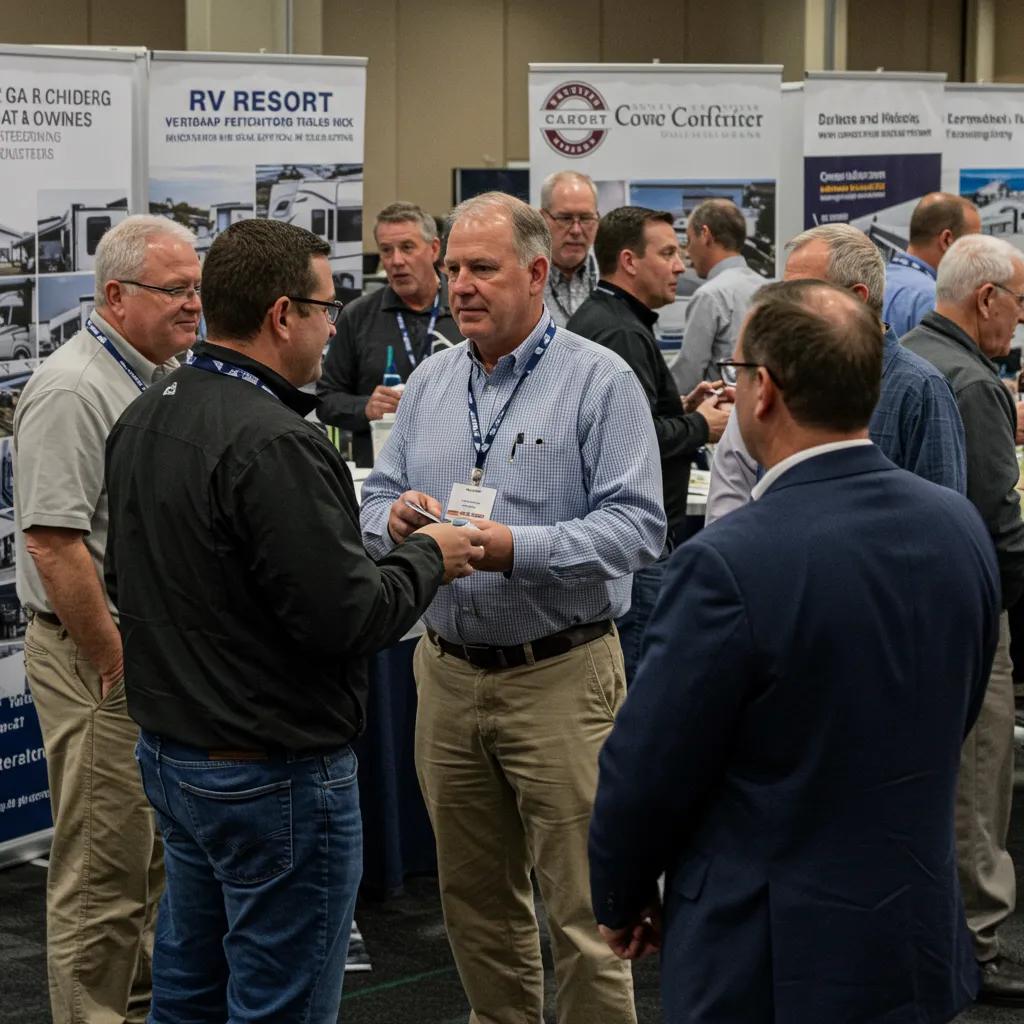
The most effective networking strategies combine in-person industry engagement, purposeful online presence, and activation of referrals and testimonials to convert warm leads into buyers. This mix works because each strategy reaches distinct buyer archetypes—trade shows and conferences attract institutional and operator buyers, online platforms capture investors and private buyers, and referrals deliver high-trust introductions. The direct benefit is a diversified funnel that balances reach with qualification, helping sellers avoid over-reliance on a single channel. Below, find practical tactics for events, digital platforms, and referral systems that produce tangible buyer conversations.
Industry events and trade shows are primary places to meet buyers and decision-makers.
- Pre-targeting: Identify attending companies and request 1:1 meetings before the event.
- Concise collateral: Prepare a one-page value sheet and site map for in-person distribution.
- Follow-up cadence: Send tailored follow-ups within 48 hours to convert interest.
These event tactics move conversations from introductions to offers and prepare sellers for next steps.
- Online platforms and social media: Use marketplace listings with anonymized financials, LinkedIn outreach to acquisition leads, and niche forums for campground operators.
- Referrals and owner testimonials: Leverage owner networks and past buyer endorsements to warm introductions and reduce buyer hesitation.
This strategy suite works together: events create connections, online platforms scale visibility, and referrals cement credibility for buyers who prioritize stewardship.
Intro to the table below: Compare networking channels with expected outcomes and best practices to help prioritize effort across channels.
This channel comparison shows where to allocate time to reach specific buyer types and the outcomes you can expect from each approach.
How Do You Prepare Your RV Resort to Attract Potential Buyers Through Networking?
Preparation to attract buyers centers on assembling core documents, crafting a legacy statement, and organizing operational data so conversations at events and in direct outreach are efficient and persuasive. Buyers evaluate tangible metrics—revenue, occupancy, expenses—alongside intangible assets like guest loyalty and stewardship practices, so presenting both cleanly increases perceived value. The result is faster qualification and stronger negotiating positions because buyers can make informed preliminary offers. The next subsections list the key documents to share, how to present legacy and amenities, and which financial items buyers will request first.
Before the table: The following checklist lists essential materials to bring to networking meetings and to include in initial outreach.
- Executive summary: One-page overview highlighting revenue, occupancy, and unique selling points.
- Financial statements: Three years of income statements and a current year-to-date summary.
- Site map and amenity catalog: Clear maps, site counts, and descriptions of services.
- Legacy statement: A short narrative about property history, community role, and stewardship goals.
- Operational documents: Maintenance logs, staffing overview, and CAPEX history.
These documents create a concise data room that speeds buyer assessment and supports confident offers.
Intro to EAV table: The table below compares documentation items, typical metrics, and what buyers most often look for during networking discussions.
This comparison helps prioritize which documents to surface first during networking and which to prepare for due diligence.
What Key Information Should You Share to Showcase Your RV Resort’s Value?
Share an executive summary, three years of financial statements, occupancy reports, an amenities catalog, and a prioritized CAPEX list so buyers can assess cash flow and required investments quickly. Present data visually—charts for revenue trends and occupancy cycles—to facilitate quick understanding at events or in email outreach. Prioritize clarity: anonymize guest data if needed, but never omit key financials when talking to qualified buyers. Starting conversations with these items increases buyer confidence and speeds the move to formal offers.
How Can You Present Your Campground’s Legacy and Amenities to Appeal to Buyers?
Craft a concise legacy statement that explains the property’s origins, community ties, and stewardship priorities, then pair it with a high-impact amenity sheet showing revenue or usage metrics for major features. Use photographic evidence and short guest quotes to convey atmosphere without compromising privacy. Highlight unique natural features and community events that drive repeat visitation, and link those points to how the buyer could preserve or amplify them post-sale. A compelling legacy narrative primes buyers who value preservation and operational continuity.
What Financial and Operational Details Support Effective Buyer Conversations?
Buyers will ask about NOI, revenue breakdown by source, utility costs, staffing models, and routine maintenance schedules, so prepare succinct answers and refer them to specific documents. Implement a simple data room with labeled folders to share after initial qualification, and be ready to discuss assumptions behind projections. Clear operational details reduce perceived risk and help buyers model post-acquisition performance. Having this material organized enables efficient due diligence and keeps momentum after networking introductions.
What Are the Benefits of Selling Directly to Buyers Like GatherGrounds Resorts?
Selling directly to an operator like GatherGrounds Resorts can simplify the sale process, reduce transaction costs, and increase the likelihood of legacy preservation when the buyer is a family-owned operator focused on stewardship. Direct sales work by removing intermediaries, enabling owner-to-operator conversations that emphasize operational fit and community continuity, which benefits sellers who prioritize a thoughtful transition. The primary outcomes are faster decisions, lower marketing and commission costs, and a higher probability that the resort’s identity is preserved. Below we compare direct sale mechanics, stewardship importance, and time/cost trade-offs versus broker routes.
In practice, selling direct often involves fewer negotiation layers and more candid discussions about operations and stewardship.
- Streamlined process: Direct contact shortens the path from expression of interest to offer.
- Legacy alignment: Family-owned buyers can commit to preservation and community continuity.
- Cost savings: Avoiding brokerage commissions can improve net proceeds.
These points illustrate why direct sale is an attractive option for owners focused on legacy and efficiency.
The comparison table below outlines Broker vs Direct Buyer to clarify trade-offs.
How Does Selling Directly Simplify the Networking and Selling Process?
Selling directly simplifies the process by enabling direct dialogue between the owner and the buyer’s decision-makers, which reduces information loss and accelerates mutual understanding. Owners can communicate operational nuances and stewardship priorities without an intermediary translating intent, which often leads to quicker term sheets or offers. Direct negotiation reduces scheduling complexity and shortens due diligence timelines when both parties are aligned. This streamlined path is particularly effective when buyers are operators who can assess operational fit immediately.
Why Is Preserving Your Campground’s Legacy Important to Buyers?
Preserving a campground’s legacy matters because it sustains guest loyalty, community relationships, and the intangible brand that drives repeat visitation and goodwill. Buyers who value stewardship understand that preserving traditions can protect revenue streams and reduce churn. When legacy preservation is part of the sale conversation, buyers and sellers can negotiate transition commitments, staff retention preferences, or programming continuity as part of deal terms. Emphasizing legacy therefore becomes a tangible value proposition in negotiations.
What Are the Cost and Time Savings Compared to Using Brokers or Agents?
Direct sales can save owners commission fees and reduce marketing timelines by focusing outreach on qualified operators or investors, though sellers may trade some broad-market exposure for a faster close. Typical savings include avoided commissions and lower ongoing marketing expenses, while timelines often compress when decision-makers meet directly and due diligence focuses on documented metrics. Sellers should weigh scenarios: broad auctions might maximize price but lengthen time, whereas a targeted direct sale often delivers a quicker, less disruptive transition.
How Can You Use Market Insights to Enhance Your Networking and Marketing Efforts?
Using market insights helps sellers position price expectations, highlight strengths, and tailor outreach to buyer sentiment, ensuring networking conversations are grounded in current RV park real estate conditions. Market data such as cap rates, recent sales, and buyer preferences inform negotiation posture and the timing of outreach to investor groups or operators. The advantage is that data-backed messaging increases seller credibility and supports realistic valuation discussions. The following subsections provide trends to watch, explain cap rates, and describe buyer demographics that shape messaging.
Intro to EAV table: The table below summarizes market metrics, recent trends, and what they imply for seller pricing and negotiation strategy.
What Current RV Park Market Trends Should Sellers Know?
Current trends include selective buyer activity with continued interest in well-located and well-operated resorts, a focus on operational improvements that drive NOI, and regional variability in demand through 2024–2025. Sellers should watch buyer preferences for stable occupancy and unique amenities that drive premium pricing. These trends suggest emphasizing operational efficiency and documented guest demand during networking conversations. Using trend data helps set realistic expectations and direct outreach to active buyer segments.
How Do Cap Rates and Valuation Impact Buyer Interest?
Cap rates are a simple valuation metric—net operating income divided by sale price—that buyers use to estimate required returns; lower cap rates generally indicate higher valuation multiples. Buyers compare cap rates across similar properties to assess relative value and risk, so presenting clear NOI figures is essential in networking conversations. Understanding cap rate expectations in your region helps tailor price requests and negotiation strategies. Sellers who can improve NOI or substantiate growth projections often command stronger offers.
How Can Understanding Buyer Demographics Improve Your Networking Approach?
Segment buyers by demographics—age, investment horizon, operator experience—to tailor messages; for example, younger private buyers may value lifestyle and amenity potential, while investor groups prioritize stable cash flow and scalability. Use persona-based outreach: stewardship narratives for family operators, financial snapshots for investors, and operational details for experienced operators. Matching language to buyer intent improves engagement rates and focuses follow-up resources on the most promising prospects. Effective messaging thus begins with knowing who you are talking to.
What Are the Common Questions Sellers Have About Networking and Marketing Their RV Resort?
Sellers commonly ask about timelines, first steps, and relationship maintenance during long sales processes; answering these directly helps set expectations and keeps networking efforts productive. Typical timelines vary by market conditions and buyer type, so providing ranges and acceleration tactics helps owners plan. The benefit is less uncertainty and more efficient resource allocation toward outreach channels that produce results. The next subsections deliver realistic timeline ranges, a starter checklist of first actions, and relationship-nurturing routines.
How Long Does It Typically Take to Find a Buyer Through Networking?
Timelines for finding a buyer through networking typically range from several months to over a year, depending on market activity, property readiness, and buyer type; direct operator sales often close faster than broad-market listings. Faster sales occur when sellers are prepared with documentation and target outreach to active buyers. Factors that delay sales include incomplete financial records, unclear transition plans, and mismatched buyer expectations. Understanding these variables helps sellers prioritize preparation to accelerate successful outcomes.
What Are the First Steps to Start Networking for Selling Your RV Park?
Begin with a five-step starter checklist: organize core financials, craft an executive summary and legacy statement, identify target buyer archetypes, select priority channels, and schedule initial outreach with concise materials. Preparing a short outreach template and a one-page property packet speeds qualification at events or in emails. Early organization signals professionalism and makes it easier for buyers to proceed to due diligence. These starter steps establish momentum for productive networking.
- Organize financials: Gather income statements and occupancy reports.
- Create executive summary: One page with key metrics and unique features.
- Define buyer targets: List operator, investor, and private buyer profiles.
- Select channels: Choose events, platforms, and referral sources.
- Initiate outreach: Send tailored messages and schedule conversations.
This structured beginning reduces time-to-offer and improves the quality of buyer engagement.
How Do You Maintain Relationships with Potential Buyers Over Time?
Maintain relationships by setting a regular nurture cadence—quarterly updates, event invitations, and targeted financial progress reports—to keep interested buyers engaged through a long sale cycle. Use a basic CRM to track interactions, interests, and follow-up tasks, and tailor communications based on each buyer’s priorities. Share milestone updates that demonstrate operational stability or capital improvements to sustain interest. Consistent, relevant updates preserve buyer goodwill and increase the chance of converting long-term leads.
How Can Owner Testimonials and Success Stories Support Your Networking Strategy?
Owner testimonials and success stories reduce buyer hesitation by providing social proof that a property has transitioned smoothly and that operational benefits were realized post-sale. Effective testimonials highlight specific outcomes—preserved traditions, retained staff, or improved guest satisfaction—that resonate with buyers prioritizing stewardship. Sharing these stories in networking materials and at events increases trust and can accelerate offers. The following subsections summarize experiences selling to GatherGrounds Resorts, explain how success stories influence market behavior, and provide a template for owners to craft their own narrative.
What Have Previous Sellers Experienced When Networking with GatherGrounds Resorts?
Generalized seller accounts indicate selling to GatherGrounds Resorts often results in a considerate transition focused on property identity and operational continuity, with direct conversations that clarify stewardship intentions. Owners reported that speaking directly with an acquiring operator helped align on staff retention and community relationships, which eased seller concerns about legacy. These anonymized experiences demonstrate how a family-owned operator can be an alternative to brokerage routes for owners prioritizing preservation. Sellers can use these examples during networking to illustrate real transition outcomes.
How Do Success Stories Influence Buyer Confidence and Seller Motivation?
Success stories provide social proof that reduces perceived transaction risk by showing tangible post-sale results like preserved amenities, continued guest satisfaction, or improved operations, which builds buyer confidence. For sellers, testimonials motivate and inform how to frame their property’s narrative for buyers who care about legacy and stewardship. Presenting concise case elements—challenge, solution, outcome—helps prospective buyers envision a successful acquisition and strengthens networking credibility. Well-structured stories therefore function as persuasion tools in outreach.
How Can You Share Your Own Story to Attract Interested Buyers?
Craft your story with a short template: introduce the property’s origin and community role, describe operational highlights and recent investments, and close with your stewardship goals and desired buyer attributes. Distribute this narrative in targeted outreach, owner networks, and at industry events, balancing exposure with privacy by anonymizing sensitive figures until buyer qualification. Use a consistent tone that emphasizes continuity and opportunity to attract buyers who value both financial return and legacy preservation. This approach draws in compatible buyers efficiently.
Effective Networking Tips for Marketing Your RV Resort to Potential Buyers
This final section reiterates the core theme: effective networking combines buyer identification, channel strategy, disciplined preparation, and data-driven messaging to attract the right buyer for your RV resort. Owners who prepare documents, craft a legacy narrative, and use targeted outreach improve the likelihood of a timely sale that aligns with financial and stewardship goals. Where owners want a direct route, the product offering “direct acquisition service for campground owners” represents a buyer type with attributes such as Family-Owned Operator, Preservation of Legacy, Direct Buyer, No-Obligation Conversation, and Focus on 130+ Sites that can be discussed during networking conversations. By integrating market insights, leveraging testimonials, and maintaining relationship cadences, sellers can market their RV resort in ways that attract qualified buyers without compromising heritage or value.
Frequently Asked Questions
What are the key elements of a compelling legacy statement for my RV resort?
A compelling legacy statement should encapsulate the history of your RV resort, its role in the community, and your stewardship goals. It should highlight unique features that have contributed to the resort’s identity, such as family traditions, community events, and environmental initiatives. Use engaging narratives and anecdotes to connect emotionally with potential buyers, emphasizing how they can continue these traditions. This statement not only showcases the value of your property but also appeals to buyers who prioritize legacy preservation.
How can I effectively use social media to market my RV resort to potential buyers?
Utilizing social media effectively involves creating engaging content that showcases your RV resort’s unique features and community ties. Share high-quality images, guest testimonials, and stories about the resort’s history and amenities. Platforms like Instagram and Facebook can help you reach a broader audience, while LinkedIn can be used for targeted outreach to potential investors. Regular updates and interactions with followers can build a community around your resort, making it more attractive to buyers who value engagement and stewardship.
What role do financial metrics play in attracting buyers for my RV resort?
Financial metrics are crucial in attracting buyers as they provide a clear picture of the resort’s profitability and operational efficiency. Key metrics include net operating income (NOI), occupancy rates, and revenue trends. Presenting these figures transparently helps potential buyers assess the investment’s viability and make informed decisions. Additionally, showcasing improvements in these metrics over time can enhance buyer confidence and justify your asking price, making your resort more appealing in a competitive market.
How can I leverage owner testimonials to enhance my networking strategy?
Owner testimonials can significantly enhance your networking strategy by providing social proof of your resort’s value and operational success. Highlight stories that emphasize positive experiences, such as smooth transitions, community engagement, and guest satisfaction. Use these testimonials in your marketing materials, at networking events, and during direct outreach to potential buyers. They can help build trust and credibility, making buyers more comfortable with the idea of purchasing your resort and continuing its legacy.
What are some common mistakes to avoid when networking to sell my RV resort?
Common mistakes include failing to prepare essential documents, not clearly defining your target buyer, and neglecting follow-up communications. Additionally, being overly reliant on a single networking channel can limit your reach. It’s crucial to diversify your outreach strategies and tailor your messaging to different buyer archetypes. Avoiding these pitfalls ensures that your networking efforts are effective and that you present your RV resort in the best possible light to potential buyers.
How can I assess the effectiveness of my networking efforts in selling my RV resort?
To assess the effectiveness of your networking efforts, track key performance indicators such as the number of qualified leads generated, the conversion rate from inquiries to offers, and the time taken to receive offers. Regularly solicit feedback from potential buyers about their perceptions of your outreach and materials. Additionally, evaluate which channels yield the best results and adjust your strategy accordingly. This data-driven approach will help you refine your networking tactics and improve your chances of a successful sale.
Conclusion
Effective networking is essential for RV resort owners looking to attract the right buyers while preserving their property’s legacy. By preparing key documents, crafting a compelling narrative, and utilizing targeted outreach strategies, sellers can significantly enhance their chances of a successful sale. Engaging with potential buyers through direct communication and leveraging market insights further solidifies the value of the information shared. Start your journey today by exploring our direct acquisition service tailored for campground owners.