Cost Comparison: Pet Friendly Campgrounds vs. Regular Campgrounds—What You Need to Know About Pet Friendly Camping Costs
Introduction
Bringing a pet changes the economics of a camping trip because many private campgrounds add explicit pet fees and invest in pet-specific amenities, which affects nightly totals and perceived value. This article explains how pet-friendly camping differs from regular camping in fee structures, amenity-driven value, and booking strategies so you can decide whether the extra cost is worth it for your dog or other pet. Readers will learn common pet fee models (per night, per pet, flat per stay), how those fees map to maintenance and amenities, and practical ways to minimize costs while preserving a great experience. The comparison covers RV sites, tent sites, and cabins and shows where pet fees are most likely to appear in reservation pages and pricing breakdowns. Finally, we highlight local, real-world examples and booking tactics—including pet-designated sites and early online reservations—to help you plan affordable pet-friendly camping near me and in Michigan. This roadmap prepares you to compare total costs and make an informed reservation decision.
What Are the Typical Pet Fees at Campgrounds Like Walnut Hills?
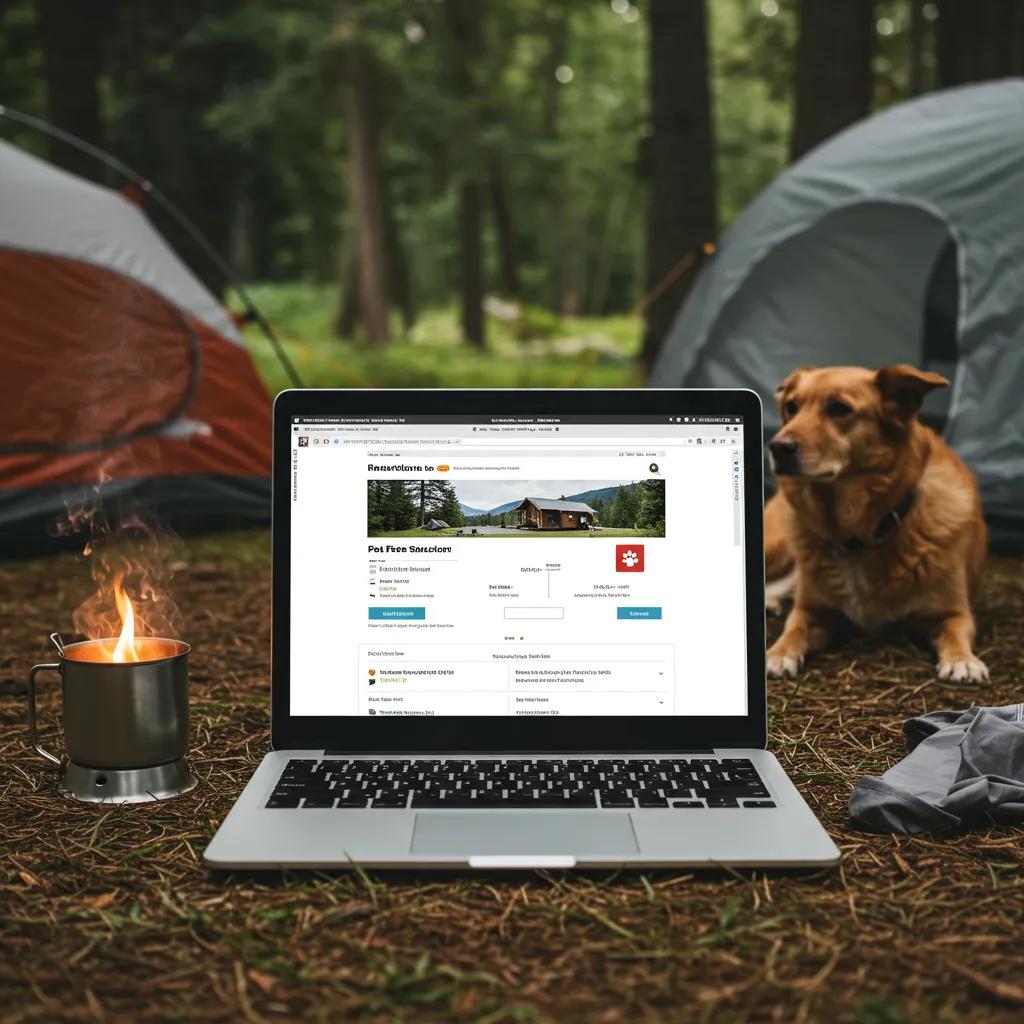
Pet fees are supplemental charges that private campgrounds use to cover pet-related maintenance, amenities, and liability costs; they work by adding a per-night, per-pet, or flat per-stay amount to the base accommodation rate. These fees exist because pets increase cleaning, waste removal, fencing and amenity upkeep, and sometimes insurance requirements, which directly raises the campground’s operating cost. Understanding fee types helps campers estimate total nightly cost and avoid surprises when booking a site with a dog. Below we list common fee structures and then provide a short mapping of what those fees typically cover so you can compare offers on reservation pages.
Common pet fee types include:
- Per-night fee: a nightly surcharge added to the base site rate to cover daily wear and waste management.
- Per-pet fee: a charge applied for each animal to reflect incremental cleaning and risk exposure.
- Flat per-stay fee: a single fee for the entire reservation used when pets stay multiple nights.
How Does Walnut Hills Family Campground Structure Its Pet Fees?
Walnut Hills Family Campground, operated by GatherGrounds Resorts in Durand, Michigan, positions pet-friendly stays with designated acres, a large dog park, and pet infrastructure that help justify pet-related charges. The campground’s pet fees are structured to reflect amenity access and maintenance costs, typically appearing on the reservation summary so pet owners can see the total before confirming. A sample scenario clarifies the math: base RV site rate plus a per-pet nightly fee or a modest flat per-stay charge results in the final payable amount. Knowing this pattern helps campers compare Walnut Hills’ pet-designated offerings with other private or state parks that may charge less or nothing.
The next subsection explains how to interpret per-night versus flat fees when you compare total costs across site types.
Are Pet Fees Charged Per Night, Per Pet, or Per Stay?
Campgrounds most commonly use three billing models: per-night, per-pet, or flat per-stay, and each has a clear budgeting implication for campers. Per-night fees scale linearly with length of stay and are easiest to project, while per-pet fees add incremental cost for multi-pet families and can change the effective per-night price dramatically. Flat per-stay fees provide predictability for longer trips but can be unfavorable for short stays if the flat fee is high relative to one-night costs. When booking online, check the reservation breakdown for fee labels and totals to determine which model applies and how it affects your trip budget.
Understanding these billing models sets up the next section, which maps fees to the amenities they typically cover.
What Amenities Do Pet Fees Cover at Pet Friendly Campgrounds?
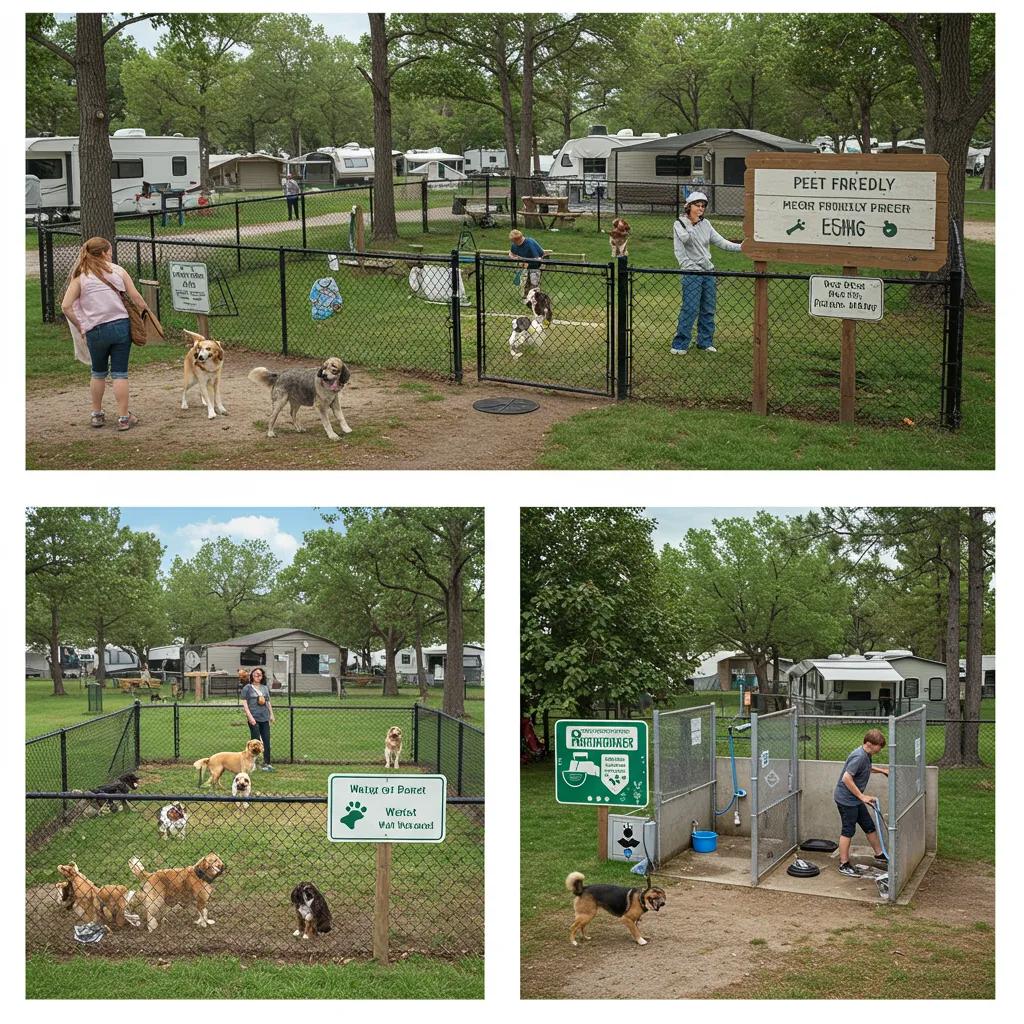
Pet fees generally fund amenities and maintenance such as fenced dog parks, pet waste stations, pet wash areas, and additional cleaning of cabins or rental units after animal stays. These investments reduce owner hassle and lower local boarding needs, but they require ongoing upkeep—waste removal, fencing repairs, and extra staffing—that fees help finance. Mapping fees to amenities clarifies value: if a campground offers a large dog park, regular waste-station servicing, and designated pet acres, the extra cost can offset boarding or daycare expenses you might otherwise incur. This clarity helps campers decide whether a fee is an expense or an investment in convenience and pet welfare.
Pet Friendly Campground Amenities and Costs
analysis specific to each campground may identify financial outlays for onsite camp stores and pet friendly amenities, such as dog runs, waste stations, and pet-sitting services.
Evaluating RV campground attributes using IPA analysis, 2015
The next section compares these pet-friendly totals directly to regular camping fees across site types.
How Do Pet Friendly Campground Costs Compare to Regular Camping Fees?
A pet-friendly campground’s total nightly cost equals the base accommodation rate plus any pet fees, and that combined cost is often modestly higher than regular camping when amenities are included. The incremental difference typically ranges from a small percentage up to a $10–$30 per-night premium depending on fee model, accommodation type, and amenity level. Comparing sample totals clarifies expected outlays and highlights when pet amenities produce net savings by avoiding external boarding costs. Below is a compact comparison table showing common site types, typical pricing components, and example totals to make this arithmetic concrete for campers evaluating options.
What Is the Average Cost Difference Between Pet Friendly and Regular Sites?
On average, pet-friendly sites cost a modest premium—often in the range of 5–20% above comparable non-pet rates—depending on fee format and amenity investment. Low-end scenarios might add only a few dollars per night for a tent site, while high-end scenarios (cabin with flat fee or RV site plus per-pet charges) can push totals significantly higher. These averages help set expectations when comparing reservation pages and allow campers to determine when the convenience and amenities justify the extra spend. Understanding average differences prepares you to compare specific campground math and value.
How Do Different Accommodation Types Affect Pet Friendly Camping Costs?
Accommodation type strongly shapes how pet fees apply: RV sites often have higher base rates so a per-pet fee is a smaller proportional increase, tent sites have low base rates so the same pet fee can be a larger percentage impact, and cabins frequently use flat pet fees and stricter cleaning surcharges. For families with multiple pets, per-pet models compound costs, while a flat per-stay fee can be more economical for longer stays. Recognizing these dynamics helps you choose the accommodation that suits both your pet and your budget.
Next we examine operational reasons campgrounds charge more for pet-friendly offerings.
Why Are Pet Friendly Campgrounds Sometimes More Expensive?
Pet-friendly campgrounds incur additional maintenance, cleaning, staffing, and sometimes insurance costs that justify higher prices or explicit pet fees. Investments in amenities such as fenced dog parks, pet wash areas, and regular waste-station servicing require capital and recurring expenses, and these costs are typically recovered through pet fees. Liability and extra cleaning for rental units after animal stays also increase operational overhead. Understanding these cost drivers clarifies why some private campgrounds, especially those with robust pet infrastructure, price pet stays higher than regular, pet-free options.
Willingness to Pay for Pet-Friendly Stays
Secondly, some consumers evidence a willingness to pay to stay at a hotel with their pets. This willingness to pay is influenced by the strength of the human-animal bond and the perceived value of traveling with a pet.
The Price of Companionship: The Human/Animal Bond, Hotel Pet Policies, and Traveler Willingness to Pay, 2024
The next major section highlights the specific amenities that often drive that value proposition.
What Are the Key Pet Friendly Amenities That Add Value to Your Camping Experience?
Key pet amenities—dog parks, pet waste stations, pet wash areas, and designated off-leash acres—directly increase convenience, safety, and exercise opportunities for pets and owners, making pet fees easier to justify. These features reduce the need for off-site services like kennels, provide secure areas for off-leash play, and help maintain cleanliness across the campground, which improves overall guest satisfaction. Below is a mapping table linking common amenities to maintenance or benefit so you can see how fees fund practical value.
Pet amenity mapping to maintenance and benefit:
How Does Walnut Hills’ Large Dog Park Enhance Pet Friendly Stays?
Walnut Hills’ large dog park provides space for exercise, socialization, and controlled off-leash play, which helps dogs burn energy and reduces behavior issues in campsites. A well-maintained park with fencing and waste stations lowers owner supervision burden and improves safety during busy weekends. That amenity also reduces the need for separate daycare or boarding expenditures while you enjoy family activities on-site. Recognizing these benefits shows how a pet fee can translate into practical, money-saving convenience for many campers.
The following H3 lists other pet facilities available at Walnut Hills and how to use them.
What Other Pet Facilities Are Available at Walnut Hills?
Walnut Hills offers several pet-friendly facilities including designated acres for pets to roam, pet waste stations, trails, and a pet-friendly site map that guides owners to appropriate areas. These facilities are designed to balance freedom for pets with campground cleanliness and safety, and they typically come with clear leash and cleanup expectations. Using these features properly—carrying bags, following posted rules, and choosing appropriate times for park visits—keeps the amenities available for everyone. These practical usage tips lead into how amenities can affect overall camping costs.
Pet-Friendly Camping Zones and Policies
There is a tendency for the number of bookings for pitches to increase with the introduction of pet-friendly zones, clear pet policies, and basic infrastructure like dog showers and waste bins.
Seasonality in Camping Tourism, 2025
How Do These Amenities Impact Overall Camping Costs?
Amenities can offset other expenses by eliminating the need for boarding or off-site daycare, especially for multi-day stays, and they often justify a modest pet fee when the alternative is paying daily for care. For example, a family that would otherwise pay kennel fees can save money by using a campground dog park and staying on-site, making the pet fee a net saving for the trip. Evaluating whether amenities cover those external costs helps determine whether a campground’s pet fees represent true value or just added expense.
How Can You Save Money on Pet Friendly Camping at Walnut Hills?
You can reduce pet-camping costs through advance planning, off-peak travel, and leveraging online reservation transparency to avoid unexpected fees, which preserves both budget and site choice. Early online reservations lock in lower base rates and secure pet-designated sites before they sell out, and off-peak stays often carry lower or no premium for pet sites. Below are practical budgeting tips and booking strategies to minimize total trip spend while still accessing pet amenities.
Best budgeting and booking tips:
- Book early and choose off-peak dates to secure lower base rates and pet-site availability.
- Pack pet food, bedding, and supplies to avoid emergency retail purchases at campground-adjacent towns.
- Compare per-pet versus flat-fee models to see which is cheaper for your stay length and number of pets.
These steps help you plan cost-effective stays and lead into the availability of package deals and off-peak rates.
What Are the Best Tips for Budgeting Pet Friendly Camping Trips?
Budgeting begins with adding expected pet fees into your nightly total, then accounting for supplies, potential cleaning fees, and local vet or emergency costs. Bring bulk food, collapsible bowls, and familiar bedding to avoid last-minute purchases, and confirm vaccination records to prevent administrative surprises. Factor in the number of pets relative to a per-pet fee and compare that against a flat per-stay option to determine which yields savings. These planning steps naturally lead to checking for promotional packages or multi-night discounts.
Are There Package Deals or Off-Peak Rates for Pet Owners?
Campgrounds sometimes offer package deals, seasonal promotions, or reduced rates for longer stays that lower the effective pet-related cost per night. Check reservation pages and promotional calendars to find bundled offers such as multi-night discounts or family packages that reduce the per-night impact of pet fees. Calling or messaging reservation staff can also reveal unpublished rates for extended stays. Identifying these opportunities helps you choose dates and lengths of stay that minimize total expense.
How Can Early Online Reservations Help Reduce Pet Friendly Camping Costs?
Early online reservations typically show the full price breakdown including pet fees, which prevents surprises and secures preferred pet-designated sites that may command lower premiums. Booking early often captures lower base rates before dynamic pricing increases them, and it gives access to site maps that indicate pet areas and proximity to amenities like dog parks. For Walnut Hills in Durand, Michigan, making reservations online ahead of time can lock in pet-designated options and clarify any fees so you can budget accurately. Early booking thus combines transparency with site selection advantages that reduce overall cost risk.
How Do You Book and Prepare for a Pet Friendly Stay at Walnut Hills?
Booking and preparation require checking pet-allowed filters, confirming fees during the online reservation flow, and preparing your pet’s paperwork and supplies to comply with campground rules and ensure comfort. A step-by-step approach minimizes errors and last-minute fees while improving your pet’s experience on arrival. Below we outline the reservation process, essential pet policies to confirm, and an actionable pre-trip checklist to ensure a smooth stay at a pet-friendly campground.
What Is the Process for Making Online Reservations for Pet Friendly Sites?
Start by filtering for pet-allowed sites, select the accommodation type (RV, tent, cabin), and review the rate breakdown where pet fees should appear as a line item. Save confirmation emails that include fee details and any site-specific rules, and verify site proximity to pet amenities if that matters for your plans. Confirm cancellation policies and any cleaning surcharges related to animals to avoid unexpected charges. These steps reduce booking errors and set expectations ahead of arrival.
What Are the Important Pet Policies to Know Before Your Stay?
Common policies include proof of current vaccinations, leash requirements in common areas, size or breed restrictions in some campgrounds, and owner responsibility for waste removal and noise control. Verify these rules on the reservation confirmation and prepare required documents to present if requested at check-in. Following posted policies and cleaning up promptly helps preserve pet privileges for all guests. Knowing these requirements informs the final pre-trip checklist.
How Can You Ensure a Smooth Experience for You and Your Pet?
Pack essentials—vaccination records, collar and leash, waste bags, travel water, a first-aid kit, and familiar bedding—and arrive during daylight to settle your pet and assess the site. Respect quiet hours, use the dog park responsibly, and promptly clean up after your pet to avoid fines or complaints. Have an emergency vet plan and contact information in the area, and introduce your pet to the site gradually to reduce stress. These practices help ensure an enjoyable trip for both you and your companion.
Frequently Asked Questions
What should I consider when choosing a pet-friendly campground?
When selecting a pet-friendly campground, consider factors such as the campground’s pet policies, available amenities, and the types of accommodations offered. Look for features like dog parks, waste stations, and pet-friendly trails that enhance your experience. Additionally, check for any breed or size restrictions, vaccination requirements, and leash laws. Understanding these aspects will help ensure a comfortable and enjoyable stay for both you and your pet.
Are there specific times of year when pet-friendly campgrounds are less expensive?
Yes, pet-friendly campgrounds often have lower rates during off-peak seasons, which typically include weekdays or non-holiday periods. Booking during these times can help you save on both accommodation and pet fees. Additionally, some campgrounds may offer special promotions or discounts for extended stays during slower months. Always check the campground’s website or contact them directly for the best deals and availability.
How can I prepare my pet for a camping trip?
Preparing your pet for a camping trip involves several steps. Start by ensuring your pet is comfortable with travel and the outdoors. Pack essential items such as food, water, a leash, waste bags, and a first-aid kit. Familiarize your pet with the camping environment by taking them on short trips beforehand. Additionally, ensure their vaccinations are up to date and bring any necessary documentation to comply with campground policies.
What are the benefits of booking a pet-friendly site in advance?
Booking a pet-friendly site in advance offers several advantages. It secures your preferred accommodation and ensures availability, especially during peak seasons. Early reservations often come with lower rates and allow you to review the full price breakdown, including pet fees. This proactive approach helps you avoid last-minute surprises and gives you time to plan your trip effectively, ensuring a smooth experience for you and your pet.
Can I bring multiple pets to a pet-friendly campground?
Many pet-friendly campgrounds allow multiple pets, but policies can vary significantly. Some campgrounds may charge additional fees for each pet or have limits on the number of animals allowed per site. Always check the specific campground’s pet policy before booking to ensure compliance and avoid unexpected charges. Preparing for your pets’ needs, such as space and comfort, is also essential for a successful camping experience.
What should I do if my pet has special needs while camping?
If your pet has special needs, it’s crucial to plan ahead to ensure their comfort and safety during your camping trip. Communicate with the campground about any specific requirements, such as dietary restrictions or mobility issues. Bring necessary supplies, including medications, special food, and comfort items. Additionally, research nearby veterinary services in case of emergencies. Being prepared will help you manage your pet’s needs effectively while enjoying your camping experience.
How can I find pet-friendly campgrounds in my area?
To find pet-friendly campgrounds in your area, start by using online resources such as campground directories, travel websites, and pet-specific travel apps. Many of these platforms allow you to filter search results based on pet policies. Additionally, local tourism boards and social media groups focused on pet travel can provide recommendations. Reading reviews from other pet owners can also help you identify the best options for your camping needs.
Conclusion
Understanding the costs associated with pet-friendly campgrounds empowers you to make informed decisions that enhance your camping experience. By evaluating pet fees against the amenities provided, you can determine the true value of your stay and potentially save on external pet care costs. Planning ahead and utilizing booking strategies can further minimize expenses while ensuring a memorable trip for you and your furry companion. Start exploring your options for affordable pet-friendly camping today!