Michigan Seasonal Camping Guide: How Summer Heat and Winter Chill Influence Camping Adventures in State Parks
Michigan’s seasonal extremes—from humid summer warmth to crisp winter chill—shape how families plan, stay safe, and enjoy state park camping. This guide explains how summer heat and winter cold influence activities, gear, and campsite choice so readers can prepare for RV, tent, or cabin camping across Michigan. Understanding these seasonal patterns helps families choose the best months to visit, pack appropriate equipment, and decide whether heated cabins or riverside float trips fit their plans. We will cover the best months for camping, how summer heat affects comfort and safety, essential winter camping gear, how seasonal weather changes amenities at private campgrounds, and year-round preparation and reservation tips. Along the way, Walnut Hills Family Campground in Durand, Michigan, will appear as a concrete example of family camping experiences—including RV, tent, and cabin rentals—and the ability to make online reservations to secure seasonal stays. Practical safety checks, packing lists, and concise tables will make it easy to plan Michigan trips that match weather, activities, and family needs.
What Are the Best Months for Camping in Michigan State Parks?
Best months for Michigan camping balance weather, crowds, and activities, with late spring through early fall offering the broadest appeal. June through August are peak months when water recreation and events are most active, delivering warm days for swimming and organized family programs but also increased insect activity and higher reservation demand. Shoulder seasons in May and September–October provide cooler temperatures, vivid spring blooms or fall foliage, and fewer crowds, making them ideal for quieter hikes and wildlife viewing. Winter months suit experienced cold-weather campers or visitors seeking heated cabins and winter sports; these months require specialized gear and may restrict some amenities and access.
When Is Summer Camping Ideal in Michigan?
Summer camping in Michigan is typically ideal from late June through August when average daytime highs allow water-based recreation and extended outdoor evenings. Warm air and higher humidity make lakes, rivers, and water parks appealing, and many campgrounds schedule family events and pavilion activities to capitalize on longer days. Campers should still plan for afternoon thunderstorms and insect peaks by bringing rain layers and insect repellent and by scheduling strenuous hikes in morning hours. For popular family destinations, book early for peak summer weekends to secure preferred RV, tent, or cabin sites and to align with on-site programming.
How Does Winter Camping Season Vary Across Michigan State Parks?
Winter camping seasons vary regionally, with southern Lower Peninsula areas offering milder winter access compared with colder northern or inland locations that accumulate heavier snow and longer freeze periods. Some state parks and private campgrounds offer year-round stays or heated cabins that remove much of the logistical barrier, while remote or primitive sites can become challenging to reach without snow-capable vehicles and winter camping experience. This variation means campers should select destinations that match their skill level—novice campers may prefer cabins, and experienced cold-weather campers will plan for deep-freeze conditions. Checking local trail and road conditions before travel reduces surprises and improves safety for winter excursions.
What Are the Benefits of Spring and Fall Camping in Michigan?
Spring and fall shoulder seasons reward campers with fewer crowds, lower rates, and strong seasonal highlights such as migrating birds in spring and dramatic foliage in fall, making them great for family nature activities and photography. Cooler temperatures reduce insect pressure in fall and allow comfortable daytime hikes, while spring can deliver vibrant wildflowers and wildlife activity but also wetter conditions that require waterproof gear. Shoulder seasons often mean more flexible reservation opportunities and quieter campgrounds, but they also demand flexible packing and contingency plans for variable weather. Campers who value solitude, seasonal scenery, and lower costs will find May and September–October especially attractive.
How Does Summer Heat Affect Camping Experiences in Michigan?
Summer heat in Michigan commonly brings warm daytime highs, elevated humidity in some regions, and a higher frequency of afternoon thunderstorms that affect comfort and activity planning. Heat influences campsite selection (favoring shaded sites and lakefront locations), daily scheduling (early morning and late-evening activities preferred), and safety measures (hydration and heat-illness awareness needed). Water amenities and shaded recreational areas reduce heat stress for families and provide natural cooling while also concentrating recreational use during peak times. Preparing for heat involves gear choices, activity timing, and understanding local microclimates to keep children, pets, and vulnerable campers safe.
What Are the Typical Summer Weather Conditions in Michigan State Parks?
Typical summer conditions include daytime highs often in the 70s to 80s Fahrenheit in many Lower Peninsula parks, with humidity rising near lakes and rivers and occasional heatwaves pushing temperatures higher. Afternoon thunderstorms are common and can develop quickly, so campers should monitor forecasts and have waterproof shelter and lightning safety plans. Regional differences matter: coastal areas near the Great Lakes can be breezier and slightly cooler, while inland sections may retain more heat and humidity. Understanding these patterns lets campers choose cooler campsite locations and schedule strenuous activities for cooler parts of the day.
How Can Campers Stay Safe and Comfortable During Michigan’s Summer Heat?
Staying safe in summer requires focused strategies for hydration, shade, and timing; families should emphasize water intake, electrolyte balance, and cooling periods during the day. Campers should set up tents or canopies in shaded spots, use sun protective clothing and hats, and schedule canoeing or hiking in morning and evening hours to avoid peak heat. Be alert for heat exhaustion or heatstroke signs—dizziness, heavy sweating that suddenly stops, or confusion—and have an emergency plan and quick vehicle access if conditions worsen. Using these precautions reduces heat-related risks and enhances comfort for all ages while camping.
Which Water Activities at Walnut Hills Help Beat the Summer Heat?
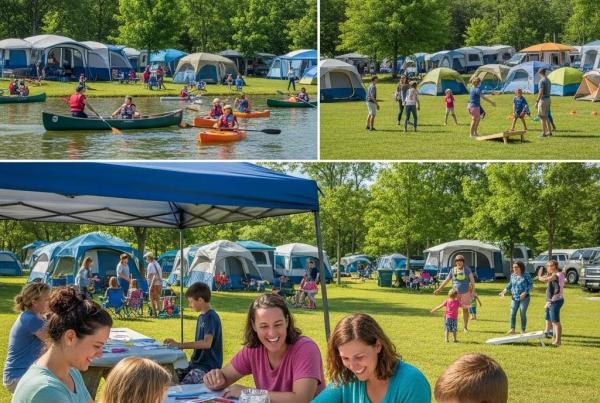
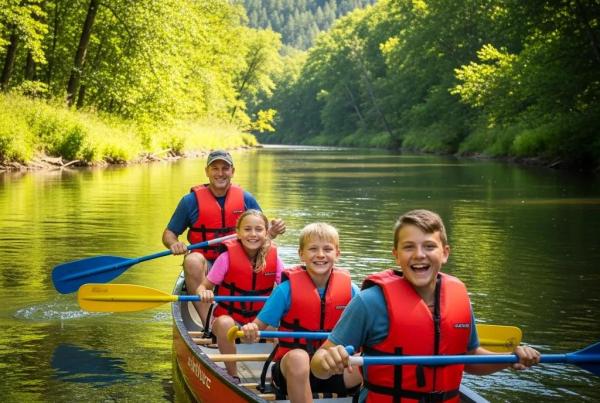
Walnut Hills Family Campground features on-site water options that directly mitigate summer heat for families who prefer water-based cooling and play. The campground’s swimming lake and Wibit water park provide supervised, family-friendly cooling experiences that reduce daytime heat stress and offer structured recreation for children and adults. On-site Shiawassee River float trips offer a natural, shaded alternative for cooling while enjoying a gentle nature experience, with life-vest use and supervision recommended for safety. Families looking to book summer weekends at Walnut Hills should reserve early to secure preferred RV, tent, or cabin sites and to plan water-activity days.
Different water amenities support cooling and fun in varied ways.
What Are Essential Tips and Gear for Winter Camping in Michigan State Parks?

Winter camping requires gear and planning that directly counter cold temperatures and preserve warmth, including insulated sleep systems, windproof layers, and proper footwear to maintain safety and mobility. Selecting appropriate shelter—heated cabins, insulated RVs, or a properly set up four-season tent—changes logistical needs and affects packing lists and emergency planning. Understanding wind chill, snow impacts on access, and the necessity of backup heat or dry fuel sources is essential for winter trips. Proper gear and a conservative checklist reduce hypothermia risk and make winter camping an inviting option for families who prepare carefully.
How Cold Does It Get Camping in Michigan Winters?
Temperatures in Michigan winters often range from the upper single digits to well below freezing in northern and inland areas, with wind chill driving perceived temperatures much lower and increasing hypothermia risk. Snow accumulation can alter access to campsites and trails, sometimes requiring snowshoes or winter tires to reach bases, and frozen water sources change daily hydration and cooking routines. Cold conditions demand attention to vehicle readiness, extra fuel, and contingency exit plans in case of storms or rapid temperature drops. Anticipating regional extremes lets campers select appropriate shelter and safety measures.
What Winter Camping Gear Is Necessary for Michigan’s Chill?
A structured gear checklist simplifies winter packing and ensures warmth and safety across cold nights and snowy days.
- Four-season tent or heated cabin access: Provides reliable shelter against wind and snow.
- Sleeping bag rated for temperatures below expected lows: Ensures overnight warmth and prevents hypothermia.
- Insulated sleeping pads with high R-value: Separates sleeper from cold ground and retains core heat.
- Layering system and waterproof outerwear: Allows activity modulation and moisture control.
How Does Walnut Hills Support Winter Campers with Amenities?
Walnut Hills Family Campground supports off-season and winter stays by offering family camping options that include cabin rentals and modernized facilities that ease cold-weather logistics. Heated cabin options and renovated bathrooms reduce the technical burden of winter camping for families who want a comfortable base while exploring nearby winter activities. These amenities make Walnut Hills a practical choice for campers seeking winter recreation without fully committing to primitive cold-weather logistics; reservations are recommended to secure heated cabin dates. Choosing sites or cabins with easy vehicle access and indoor facilities reduces weather-related stress and improves the overall winter experience.
How Does Seasonal Weather Influence Camping Activities and Amenities at Walnut Hills?
Seasonal weather determines which Walnut Hills amenities and events are active, shaping family plans and available recreational options. Summer sustains lake and Wibit activity plus weekend family events and sports programming, while winter shifts focus toward heated cabin stays and nearby cold-weather activities; spring and fall reduce some amenities while offering wildlife and foliage benefits. Understanding amenity seasonality helps campers pick the right time to book RV sites, tent spots, or cabin rentals and to plan activities that match weather windows. Clear expectations about what runs when make trip planning smoother and improve satisfaction for family visits.
Which Summer Events and Activities Are Popular at Walnut Hills?
Summer at Walnut Hills centers on family-friendly weekend events, active water play, and sports facilities that appeal to a broad age range and create memorable group experiences. Weekend pavilion programming and kid-centered activities provide structured options while playgrounds and sports fields support informal play and group competition. These events often coincide with higher reservation demand, so families should plan early to align event weekends with preferred site types like RV, tent, or cabin rentals. Booking ahead ensures participation in popular programming and better site selection near key amenities.
What Winter Adventures Can Campers Enjoy Near Walnut Hills?
Winter visitors using Walnut Hills as a base can pursue nearby cold-season activities such as snowshoeing, cross-country skiing, and ice fishing where conditions permit, leveraging the campground’s facilities for warmth and storage between outings. Planning for winter excursions involves checking local trail reports and ice conditions and bringing appropriate gear for mobility and safety in snow and cold. Using heated cabins or renovated indoor facilities makes day trips into winter terrain more comfortable and accessible for families. With preparation, Walnut Hills can serve as a convenient staging area for varied winter recreation.
How Do Spring and Fall Weather Conditions Affect Camping Plans at Walnut Hills?

Spring and fall at Walnut Hills offer milder temperatures and seasonal highlights but also variable weather that affects event schedules, amenity availability, and packing needs for families. Rainy spring days demand waterproof gear and flexible activities, while fall introduces cooler evenings and prime foliage viewing that may require warmer layers and contingency plans for sudden temperature swings. Amenity availability can fluctuate in shoulder seasons, so checking event calendars and calling ahead before travel helps set realistic expectations. Off-peak stays in spring and fall often reward campers with quieter facilities and lower reservation pressure.
How Can Campers Prepare for Michigan Camping Weather Year-Round?
Effective year-round preparation combines safety knowledge, adaptable gear choices, and smart reservation timing so families can enjoy Michigan’s full seasonal range. Key preparations include practicing heat-illness and cold-injury awareness, adjusting sleep systems for temperature, and selecting appropriate shelter types such as RV sites, tent pitches, or cabins. Reservation strategies—booking early for peak summer and checking for off-peak availability in shoulder seasons—help families secure preferred spaces. Integrating these steps reduces weather surprises and improves the enjoyment of Michigan state park and private campground stays.
What Are Key Safety Tips for Managing Heat and Cold While Camping?
Key safety measures address both heat and cold risks, focusing on prevention, early recognition, and access to help when needed.
- Hydration and shade: Maintain fluid intake and schedule activity outside peak heat hours.
- Layering and insulation: Use base, mid, and outer layers to adapt to temperature swings.
- Emergency planning: Know nearest road access, pack a charged communication device, and have a first-aid kit.
How Should Campers Adjust Gear and Clothing for Michigan’s Seasonal Changes?
Adjusting gear seasonally means swapping breathable clothing and fans for insulated pads and sleeping bags, and choosing shelter based on forecasted extremes and site access. In summer prioritize lightweight, UV-protective layers and cooling strategies; in winter prioritize high R-value pads, cold-rated sleeping bags, and fuel for stoves. Packing modular clothing that layers efficiently and storing damp items in waterproof sacks prevents discomfort and gear damage. Thoughtful gear swaps shorten setup time and increase resilience to sudden weather shifts.
What Are Reservation Tips for Booking Seasonal Camping at Walnut Hills and Michigan State Parks?
Booking strategy helps secure the right site, especially for popular summer weekends or heated cabins in winter, and should include advance planning and flexible dates. For peak summer, reserve as early as possible to lock in RV, tent, or cabin rentals; for shoulder seasons, search for midweek openings and cancellations to find deals. Use the campground’s online reservations capability to check availability and confirm site types, and consider refundable or flexible options when available to account for weather changes. Early planning and flexible booking choices improve the odds of a weather-matched trip and reduce last-minute stress.
Frequently Asked Questions
What Should I Pack for a Summer Camping Trip in Michigan?
When packing for a summer camping trip in Michigan, prioritize lightweight, breathable clothing to stay cool. Include sun protection items like hats, sunglasses, and sunscreen. Hydration is crucial, so bring reusable water bottles and electrolyte drinks. Don’t forget insect repellent to combat mosquitoes and other bugs. A portable fan or cooling towels can enhance comfort during hot days. Additionally, pack a waterproof shelter and rain gear to prepare for sudden thunderstorms, ensuring a safe and enjoyable experience.
Are There Any Special Considerations for Camping with Kids in Michigan?
Camping with kids in Michigan requires extra planning to ensure safety and enjoyment. Choose family-friendly campgrounds like Walnut Hills that offer amenities such as swimming areas and organized activities. Pack engaging games and outdoor toys to keep children entertained. Always supervise kids near water and ensure they wear life jackets during water activities. Prepare for varying weather by bringing layers and waterproof gear. Lastly, involve kids in planning to make the experience more exciting and educational for them.
How Can I Find Less Crowded Campsites in Michigan?
To find less crowded campsites in Michigan, consider visiting during shoulder seasons like late spring or early fall when demand is lower. Opt for weekdays instead of weekends for your camping trips, as this often results in fewer visitors. Research lesser-known state parks or private campgrounds that may not be as popular. Utilize online reservation systems to check availability and read reviews to identify quieter spots. Flexibility in your travel dates can also help you secure a more peaceful camping experience.
What Are the Best Winter Activities Near Walnut Hills Campground?
Winter activities near Walnut Hills Campground include snowshoeing, cross-country skiing, and ice fishing, depending on conditions. The campground serves as a convenient base for these activities, providing heated cabins for comfort. Local trails often cater to winter sports enthusiasts, and families can enjoy building snowmen or having snowball fights. Always check trail conditions and ice thickness before heading out, and ensure you have the appropriate gear for safety and warmth during your winter adventures.
How Do I Prepare for Sudden Weather Changes While Camping?
Preparing for sudden weather changes while camping involves staying informed and being adaptable. Regularly check weather forecasts and have a reliable weather app on hand. Pack versatile clothing that can be layered for warmth or removed for cooling. Bring waterproof gear, including tarps and rain jackets, to protect against unexpected rain. Keep emergency supplies, such as a first-aid kit and a charged communication device, accessible. Having a flexible itinerary allows you to adjust plans based on changing conditions, ensuring safety and comfort.
What Are the Benefits of Making Online Reservations for Camping?
Making online reservations for camping offers several benefits, including convenience and peace of mind. It allows you to secure your preferred campsite or cabin in advance, especially during peak seasons. Online systems often provide real-time availability, helping you avoid disappointment. Additionally, you can compare amenities and read reviews to make informed choices. Many campgrounds also offer flexible cancellation policies, giving you the option to adjust plans if necessary. Overall, online reservations streamline the planning process and enhance your camping experience.
Conclusion
Understanding how Michigan’s seasonal weather impacts camping experiences empowers families to make informed decisions for their adventures. By preparing for summer heat and winter chill, campers can enhance their comfort and safety while enjoying the natural beauty of state parks. Explore the diverse amenities at Walnut Hills Family Campground to find the perfect fit for your family’s needs. Start planning your unforgettable camping trip today!