

Michigan Seasonal Camping Guide: Weather Effects and Essential Tips for Campground Visitors
Camping in Michigan means planning around four distinct seasons—each with weather patterns that change how you sleep, play, and stay safe at a campground. This guide explains how seasonal weather conditions affect camping experiences at Michigan campgrounds and gives practical, actionable tips to help families and outdoor visitors plan comfortable stays. You will learn what to expect in spring, summer, fall, and winter; what gear and preparations are seasonally essential; how to stay safe in storms, cold, and bug-heavy months; and when to book for the best weather and activities. The advice targets campground visitors who want to match clothing, shelter, and activities to Michigan’s variable climate while making informed reservation choices. The article’s main sections cover seasonal weather patterns, best timing for trips, detailed gear checklists, safety measures, and booking guidance for Walnut Hills Family Campground in Durand, Michigan.
What Are Michigan’s Seasonal Weather Patterns and How Do They Affect Camping?
Michigan’s seasons create predictable shifts that directly influence camping comfort, activity options, and hazards at campgrounds. Spring brings cool, often wet conditions that can saturate sites and raise river levels, influencing where you pitch and how you protect gear. Summer provides warm weather and peak water recreation but increases insect activity and thunderstorm risks that require timing and shelter planning. Fall delivers cooler days, vivid foliage, and fewer bugs, while winter introduces snow, icy access, and limited services that push many families toward cabins or offseason planning.
How Does Spring Weather Influence Camping Conditions in Michigan?
Spring in Michigan typically produces cool daytime temperatures with frequent rain and variable nights, which results from seasonal transitions and thawing ground. Campground soils often become muddy and river levels on waterways like the Shiawassee River can rise, creating localized flood or access issues for low-lying sites. Campers benefit from waterproof shelter, elevated site selection, and flexible scheduling to avoid runoff windows. These precautions also lead into gear decisions that make early-season trips more comfortable.
What Should Campers Expect from Michigan’s Summer Weather?
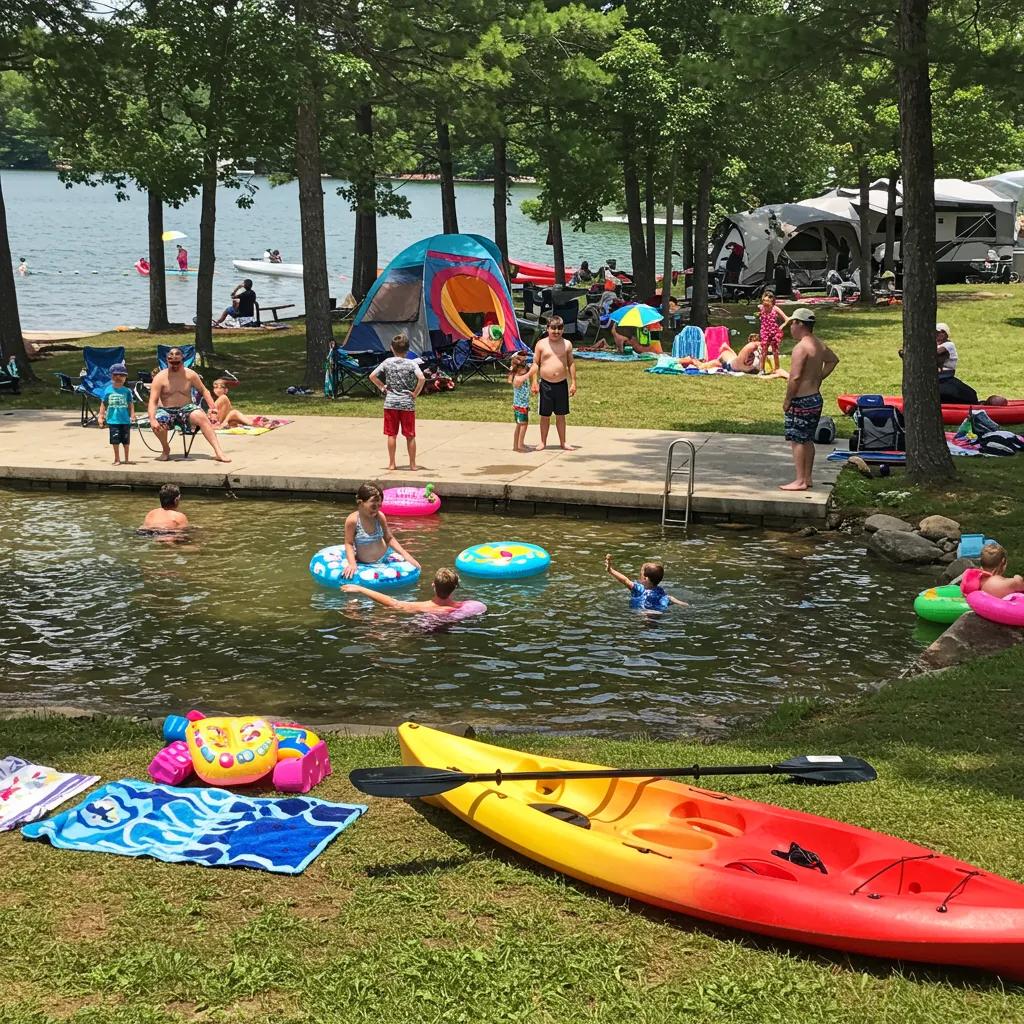
Summer brings warm to hot days with high humidity in some periods, creating ideal conditions for swimming, water parks, and river floats but also higher insect activity. Thunderstorms can form quickly in warm air, so camp plans should include lightning-aware shelter strategies and early-warning monitoring. Water-based attractions become primary draws, increasing campground crowding during peak months and making advance reservations advisable. Preparing for sun protection and insect control links directly to what to pack and how to use on-site amenities.
How Does Fall Weather Enhance Camping Experiences in Michigan?

Fall usually combines crisp mornings with warm afternoons, producing strong visuals from fall foliage and enjoyable daytime hiking temperatures for families. Cooler nights make layering essential and shift priorities toward insulated sleep systems and reliable campfires for comfort. The shoulder season often reduces crowd levels, which enhances privacy and lowers wait times for shared amenities. Planning for temperature swings ensures daytime exploration and nighttime warmth without overpacking.
What Are the Challenges of Winter Camping in Michigan?
Winter conditions bring low temperatures, snowfall, and intermittent service reductions that complicate tent camping and campsite access. Icy surfaces and snow loads create safety concerns around parking, walkways, and tent structures, while cold exposure increases risks such as hypothermia without proper insulated systems. For families or visitors who prefer not to retrofit winter tents, heated cabins or sheltered stays provide practical year-round alternatives. Recognizing winter limitations early informs whether to plan a tent trip or choose an enclosed accommodation.
This seasonal comparison clarifies how temperature and precipitation patterns change campsite selection, activities, and safety priorities across Michigan’s year.
When Is the Best Time to Camp in Michigan for Weather and Activities?
The best time to camp depends on the experience you want—quiet foliage weekends, full-service water recreation, or winter solitude—and Michigan offers different advantages by month. A direct answer for many families is that September often hits the sweet spot for balanced weather, fewer insects, and strong fall color while still offering comfortable daytime activities. Peak summer months deliver full amenity access and water parks but bring crowds and storm potential that require planning. The following bullets summarize why a shoulder month like September may be ideal for mixed priorities.
Why Is September Considered the Best Month for Michigan Camping?
September balances mild daytime temperatures with cool evenings, reducing insect pressure while preserving water-access activities for warm early-month days. This shoulder-season timing typically lowers campground crowding and makes lakefront and river experiences more relaxed, which enhances family enjoyment. Fall foliage begins to peak later in the month, giving visitors scenic hikes and photography opportunities without peak-summer congestion. These conditions also align well with booking flexibility and quieter on-site events.
- Shoulder-season calm: fewer families and reduced lines for amenities.
- Comfortable temperatures: warm days, crisp nights for campfires.
- Fall color: visual benefits without peak tourist pressure.
September’s balance of weather and activities supports both active daytime recreation and comfortable overnight stays. For visitors who value quiet and scenic landscapes, the month often proves most rewarding.
What Are the Pros and Cons of Summer Camping in Michigan?
Summer maximizes water activity access, on-site family programming, and warm evenings for outdoor play, but it also concentrates visitors at popular campgrounds and increases insect and thunderstorm exposure. Advance booking is advisable for desirable sites and for families planning specific amenities like water parks. Sun and storm preparedness reduces weather-related disruptions and helps manage heat or sudden downpours. Understanding these trade-offs supports packing, reservation timing, and daily scheduling choices.
- Pros: full waterpark and float availability; lively weekend events.
- Cons: crowds, higher insect activity, sudden storms.
- Mitigation: book early, use shade and hydration planning, monitor forecasts.
How Does Spring Camping Offer Unique Experiences at Walnut Hills?
Spring camping at Walnut Hills Family Campground gives guests earlier-season quiet and nature awakening on rolling acres near the Shiawassee River, making wildlife viewing and tranquil walks appealing.
Early-season visitors should choose higher, drier campsites to avoid muddy conditions and consider flexible timing around potential river runoff.
Walnut Hills’ campground store and renovated bathrooms and showers help visitors manage early-season needs and last-minute supply gaps. These site-specific supports reduce the friction of a spring trip and improve overall comfort.
What Essential Gear and Preparation Are Needed for Michigan Seasonal Camping?
Essential gear varies by season but always centers on shelter, layered clothing, sleep systems, and rain/insect protection to match Michigan’s variable conditions. Preparation includes checking local forecasts, choosing suitable campsite locations relative to water and trees, and confirming access to on-site amenities.
What Gear Is Recommended for Spring Camping in Michigan?
Spring packing emphasizes waterproof layers, site ground protection, and flexible clothing to handle chill or sudden rain showers that are common during thaw. A durable footprint or tarp beneath tents preserves floor integrity on damp sites and reduces moisture transfer during chilly nights. Waterproof footwear and quick-dry fabrics let campers stay active while keeping feet dry and minimizing cold-related discomfort. Bringing extra dry storage and sealing options protects sleeping systems and electronics against seasonal dampness.
Spring-focused gear prioritizes moisture management and layered comfort to reduce trip disruptions from rain and runoff.
Which Equipment Is Vital for Summer Camping and Water Activities?
Summer gear centers on sun protection, hydration, insect control, and water-safety equipment for lake and river play during warm months. Life jackets and water shoes improve safety during river floats and at water attractions, and insect repellent reduces biting insect interruptions in dawn/dusk windows. Sunscreen, wide-brim hats, and hydration systems sustain daytime activity levels at Wibit water park or during long hikes. Campers should also plan for fast-changing convective storms with quick-pitch shelter and secure gear strategies.
- Essential items:
Sun protection and hydration: high-SPF sunscreen and reusable water systems.
Water safety gear: Coast-appropriate life jackets and sturdy water shoes.
Insect control: EPA-registered repellents and treated clothing.
Campground amenities such as a campground store and renovated bathrooms and showers support last-minute needs and personal comfort during busy summer weekends.
What Should You Pack for Fall Camping in Michigan?
Fall packing emphasizes insulating layers, higher-R-value sleeping systems, and campfire planning to maximize crisp daytime exploring and cool overnight comfort. A layering strategy that pairs a breathable base, insulating midlayer, and windproof outer layer handles daytime warmth while preserving nighttime warmth. Selecting a sleeping bag with appropriate temperature rating and adding an insulated sleeping pad increases sleep quality during sub-40°F nights. Firewood planning, safe fire management, and wind assessment maintain comfort and safety at camp after dark.
Fall gear focuses on thermal efficiency and adaptable clothing systems that support both daytime activity and nighttime comfort.
What Are the Must-Have Essentials for Winter Camping in Michigan?
Winter demands insulated sleeping systems, traction devices, and either a true four-season shelter or a preheated cabin to manage extreme cold and snow. High R-value pads, cold-rated sleeping bags, and reliable heat sources are central to preventing hypothermia and maintaining comfort. For families or visitors less experienced with winter backcountry, choosing a cabin eliminates many logistical challenges while preserving a winter camping experience. These considerations align with safety protocols and local service availability during colder months.
- Winter essentials checklist:
High R-value sleep insulation and rated sleeping bag.
Traction and ice-safety gear for pathways and parking.
Cabin booking as a practical alternative to tent-only winter camping.
How Can Campers Stay Safe and Comfortable During Michigan’s Seasonal Weather?
Safety planning reduces exposure to common seasonal hazards—storm systems, cold temperatures, and insects—by prescribing concrete steps for monitoring conditions and reacting to threats. Campers should maintain situational awareness via local forecasts and use campsite selection and gear to manage risk. Understanding thunderstorm behavior, hypothermia signs, and bug prevention strategies supports resilient outdoor experiences. The following lists and table distill essential safety actions and monitoring priorities for Michigan visitors.
What Are Key Safety Tips for Thunderstorms and Rain in Spring and Summer?
Thunderstorm preparedness requires defining an in-camp shelter plan, securing loose equipment, and avoiding exposed tree lines during lightning events. Monitor forecasts before excursions and postpone river floats or open-water play when lightning is possible. Tie-downs and low-profile camping setups reduce wind damage during summer squalls, and elevated parking choices limit mud entrapment after heavy rains.
These practices reduce weather-related risks and set expectations for altering daily plans when storms are imminent.
- Thunderstorm actions:
Identify shelter: know where to go before a storm forms.
Secure gear: tie down canopies and stow lightweight items.
Suspend water activities: get off open water at first thunder sound.
Prompt action and preplanned shelter paths improve safety during sudden weather shifts.
How to Prevent Hypothermia and Cold-Weather Risks in Winter Camping?
Preventing hypothermia hinges on maintaining dry clothing layers, insulating sleeping systems, and limiting prolonged exposure to wet and windy conditions. Recognize early hypothermia signs—shivering, confusion, and slowed movement—and respond by rewarming with dry layers, warm fluids, and sheltered spaces. Travel plans during winter should include contingency routes and transport access in case removal is necessary. For many families, opting for cabins instead of tents offers a lower-risk cold-weather option while preserving the seasonal experience.
What Are Effective Strategies for Bug Prevention in Spring and Summer?
Effective insect prevention combines site selection, protective clothing, and repellents to minimize bites and tick exposure during active months. Choose campsites away from stagnant water where mosquitoes breed and clear brushy edges to reduce tick habitat near sleeping areas. Wear permethrin-treated clothing, apply EPA-registered repellents, and perform routine tick checks after hikes to lower disease risk. Timing activities outside peak dawn and dusk windows also reduces encounters with many biting insects.
- Bug prevention checklist:
Protective clothing: long sleeves and treated fabrics.
Repellents and checks: apply repellents and inspect for ticks.
Campsite choice: avoid standing water and dense brush.
These layered measures significantly reduce insect-related discomfort and health risks.
This booking table helps match reservation timing to seasonal demand and Walnut Hills’ on-site amenities.
How Do You Book and Plan Seasonal Camping Stays at Walnut Hills Family Campground?
Booking at Walnut Hills Family Campground (operated by GatherGrounds Resorts) requires matching your trip goals to seasonal amenities and expected demand to secure the right site type and activities. For summer water-park access and weekend events, reserve early to ensure preferred spots and family-friendly layouts near the swimming lake and Wibit water park. Shoulder seasons like September offer more flexible reservations for RV sites, tent sites, or cabins and often provide quieter stays. The campground’s offerings—including renovated bathrooms and showers, a campground store, and cabin options—support last-minute needs and improve comfort across seasons.
When Should You Make Reservations for Peak and Shoulder Seasons?
For peak summer weekends and holiday windows, reserve as early as possible—often several months ahead—to secure lakefront or convenient family sites. Shoulder-season reservations, such as fall foliage weekends in September, can often be booked a few weeks to a month in advance for more flexibility. For groups or large-family gatherings, plan early and consider weekday stays to reduce cost and competition. Understanding cancellation policies and seasonal opening dates helps avoid conflicts and aligns expectations with seasonal service levels.
What Seasonal Events and Activities Can Enhance Your Stay at Walnut Hills?
Walnut Hills offers seasonally dependent programming that enhances family stays, with summer water attractions like the Wibit water park and the swimming lake serving as primary draws for children and adults. Family-friendly weekend events, playgrounds, and sports facilities provide on-site entertainment during warmer months while fall weekends emphasize quieter outdoor activities and scenic river access. The campground’s multiple recreational options encourage multigenerational fun while providing alternatives when weather changes require indoor or sheltered plans.
- Seasonal highlights:
Summer: Wibit water park and swimming lake activities.
Warm months: Organized weekend family events and sports.
Fall: Scenic walks, foliage viewing, and quieter communal areas.
These activities shape when to book and what to pack for a successful stay at Walnut Hills.
How Does Walnut Hills’ Location on the Shiawassee River Affect Seasonal Camping Options?
Proximity to the Shiawassee River supplies attractive float and fishing opportunities during warm months but necessitates awareness of river-level changes and spring runoff that can affect safety and access. River floats are best planned for stable summer conditions when flows are moderate and water recreation is supervised or advised. During spring, high water can make floats unsafe and low-lying campsites near riverbanks more prone to saturation. Selecting sites with appropriate elevation and checking local conditions before boating activities reduces risk and enhances enjoyment.
This booking matrix pairs seasonal timing with Walnut Hills’ most relevant offerings to help visitors plan stays that match their activity priorities and comfort needs.
Frequently Asked Questions
What are the best practices for booking a campsite in Michigan?
When booking a campsite in Michigan, it’s essential to consider the season and demand. For peak summer weekends, reservations should be made several months in advance to secure desirable sites. In contrast, shoulder seasons like September allow for more flexibility, with bookings possible a few weeks ahead. Always check cancellation policies and seasonal opening dates to avoid conflicts. Additionally, consider weekday stays for larger groups to reduce costs and competition for sites.
How can campers prepare for unexpected weather changes during their trip?
To prepare for unexpected weather changes, campers should monitor local forecasts regularly and have a flexible itinerary. Packing layered clothing allows for quick adjustments to temperature fluctuations. It’s also wise to have a reliable shelter plan in place, including knowing where to seek cover during storms. Bringing waterproof gear and securing loose items can help mitigate damage from sudden rain or wind. Being proactive about weather conditions enhances safety and comfort during your camping experience.
What wildlife should campers be aware of in Michigan during different seasons?
Michigan’s diverse wildlife varies by season, and campers should be aware of potential encounters. In spring and summer, insects like mosquitoes and ticks are prevalent, so protective clothing and repellents are essential. Fall brings deer activity, especially during mating season, increasing the risk of vehicle collisions. In winter, wildlife such as deer and coyotes may be more visible as they search for food. Understanding local wildlife behavior helps campers stay safe and enjoy their surroundings responsibly.
What are some family-friendly activities available at Walnut Hills Family Campground?
Walnut Hills Family Campground offers a variety of family-friendly activities throughout the year. In summer, families can enjoy the Wibit water park, swimming lake, and organized weekend events. Fall weekends provide opportunities for scenic walks and foliage viewing, while winter may include indoor activities and cozy cabin stays. The campground’s playgrounds and sports facilities also cater to children, ensuring that there are plenty of options for family fun regardless of the season.
How can campers ensure their safety while engaging in water activities?
To ensure safety during water activities, campers should always wear life jackets, especially when floating or swimming in rivers and lakes. It’s crucial to monitor weather conditions and avoid water activities during thunderstorms. Campers should also familiarize themselves with the water’s current and depth before engaging in activities. Additionally, having a buddy system in place and keeping a first aid kit handy can enhance safety during water-based recreation.
What should campers know about campfire safety in Michigan?
Campfire safety is vital for a safe camping experience in Michigan. Campers should always check local regulations regarding campfires, as some areas may have restrictions during dry seasons. It’s important to build fires in designated fire rings and keep them small. Always have water or a shovel nearby to extinguish the fire completely before leaving the site. Additionally, never leave a fire unattended and ensure it is fully out before sleeping or departing the campsite.
What are the benefits of choosing a cabin over tent camping in winter?
Choosing a cabin over tent camping in winter offers several benefits, including increased warmth and comfort. Cabins typically provide insulation and heating options, reducing the risk of hypothermia. They also offer protection from snow and ice, making access easier. Additionally, cabins often come equipped with amenities like bathrooms and kitchens, enhancing convenience. For families or less experienced campers, cabins can provide a safer and more enjoyable winter camping experience while still allowing for outdoor exploration.
Conclusion
Understanding Michigan’s seasonal camping conditions empowers visitors to make informed choices that enhance their outdoor experiences. By preparing for the unique challenges and opportunities each season presents, campers can enjoy comfort, safety, and memorable adventures. Explore our comprehensive resources to find the perfect gear and tips tailored to your seasonal needs. Start planning your next camping trip today and embrace the beauty of Michigan’s diverse landscapes.