
Top Resources to Locate Camping Sites for Tents and RVs Near You: Find and Book Family-Friendly Campgrounds
Finding camping sites that accommodate both tents and RVs near you means knowing where to search, what to compare, and how to book with confidence. This article explains how to identify family campgrounds with mixed accommodations, how reservation platforms and calendars work, which amenities truly add family value, and where to find local resources near Durand, Michigan. Many families struggle to balance hookups, safety, and kid-friendly activities when choosing a campground; this guide solves that by outlining clear criteria, step-by-step booking actions, and local examples. You’ll get practical checklists, comparison tables for RV/tent/cabin choices, and targeted tips for peak weekends, plus a local spotlight on Walnut Hills Family Campground (operated by GatherGrounds Resorts) as an illustrative example. Read on for platform comparisons, amenity evaluations like water parks and river floats, and simple booking steps to secure the right site for your group.
What Are the Best Family Campgrounds with RV and Tent Sites Near Me?
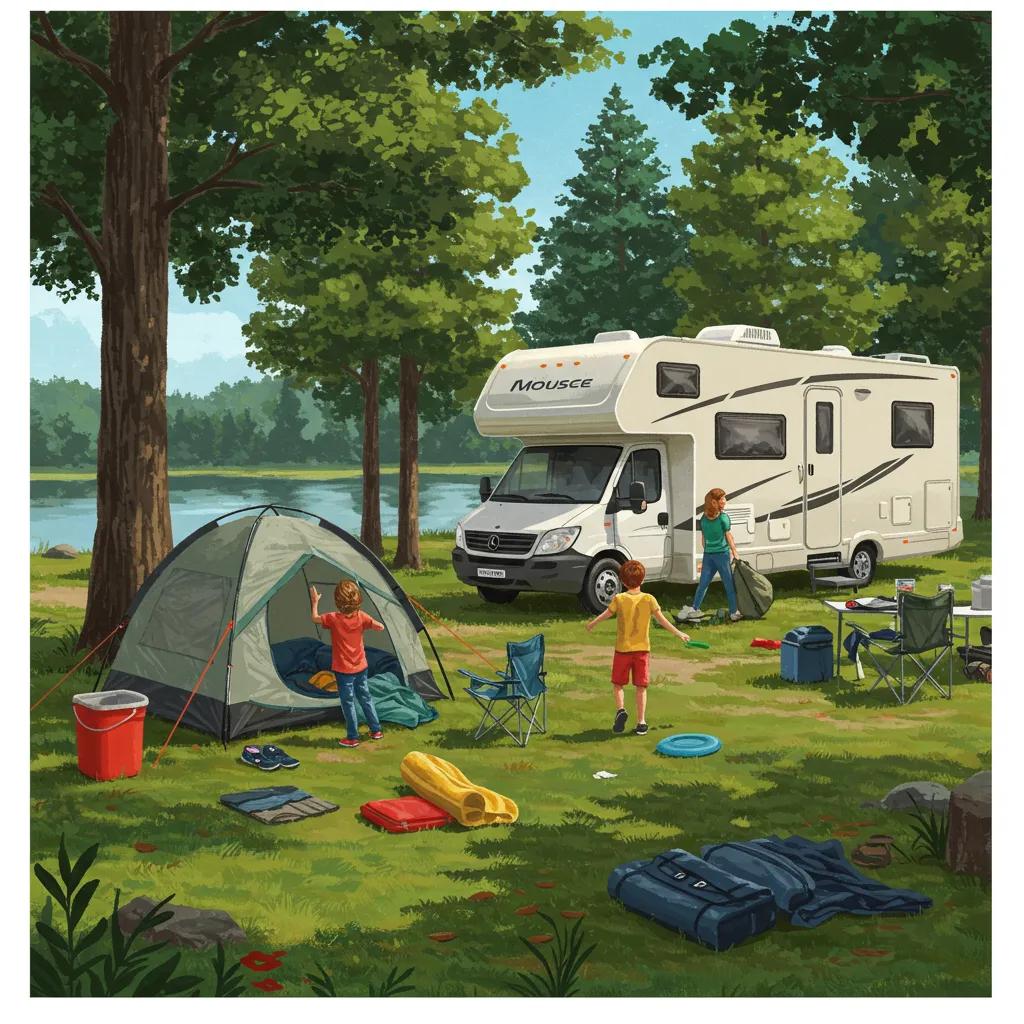
A family campground that accepts both tents and RVs offers mixed accommodations, reliable hookups, and family-focused amenities that create convenience and memorable stays. The mechanism that makes a campground “best” combines available site types, on-site activities, and safety features so families spend less time logistics-checking and more time enjoying recreation. The clear benefit is flexibility: multi-generation groups can split across cabins, tent sites, and RV spaces while sharing amenities. Below are practical criteria to prioritize when filtering results.
Families should prioritize three core criteria when choosing a mixed-accommodation campground:
- Site diversity: Clear listing of full hookup RV sites, water/electric RV sites, and primitive tent sites.
- Family amenities: On-site play areas, water features, and scheduled events for kids.
- Safety and convenience: Renovated restrooms/showers and straightforward arrival/parking logistics.
Which Campgrounds Offer Both RV and Tent Camping Options?
Campgrounds that list site types explicitly will note full hookup RV sites, water and electric options, and primitive tent sites so you can match vehicle needs and comfort levels. When a listing includes site attributes like 30 AMP or 50 AMP hookups, pull-through vs back-in, and tent-only loops, you can assess clearance and privacy. Confirming these details reduces on-site surprises and supports family layouts where adults in RVs and kids in tents share a campsite. Always verify listed attributes before finalizing a reservation.
How Do Family-Friendly Amenities Enhance Your Camping Experience?

Family-friendly amenities—playgrounds, swimming lakes, water parks, and organized events—provide structured entertainment that keeps children engaged and parents relaxed. Amenities work by concentrating activities on-site, reducing the need for constant travel, and offering age-appropriate options from splash areas to supervised play. These features save planning time and increase the value of a stay, especially for families prioritizing convenience and kid-focused fun. When evaluating amenities, check supervision rules, age zones, and any extra fees.
Where Can I Find Campgrounds with Cabin Rentals and Glamping Options?
Cabins and glamping alternatives provide comfortable, weather-resistant lodging that bridges tent authenticity and RV convenience for families wanting beds and locks without a vehicle. Listings for cabins typically specify beds, bathrooms, and whether linens or kitchens are included, which helps families compare comfort levels and pricing. Search filters labeled “cabins,” “cottage,” or “glamping” reduce browsing time on booking platforms and often show availability calendars separately from tent/RV loops. Considering cabins alongside tent and RV options gives flexible solutions for mixed groups.
This table clarifies trade-offs so families can match site type to travel style and group needs.
How Can I Find and Book RV and Tent Camping Spots Easily?
Finding and booking mixed-site campgrounds depends on using the right platforms, filtering effectively, and following a repeatable reservation flow that prevents errors. Platforms often provide calendars, filters for hookup types, and site-level photos; using those tools reduces uncertainty and increases the chance of securing desirable dates. The main benefit is predictability: a methodical search-and-book process delivers confirmed sites with clearer expectations at arrival. Below are recommended platform types and a stepwise reservation process optimized for family campgrounds.
- Marketplaces: Wide inventory and user photos for comparison.
- Park/network portals: Standardized family-amenity information.
- Official reservation systems: Authoritative availability for public lands.
What Are the Top Online Platforms for Camping Reservations?
The leading platform categories include broad marketplaces with many listings and photos, campground network portals that highlight standardized amenities, and public reservation systems for government-managed sites. Use marketplaces when you need visual comparison and filters; choose network portals for curated family offerings with event calendars; use official portals when permits or regulated sites are the focus. Platform choice affects availability visibility, cancellation flexibility, and the presence of user reviews to validate amenities and cleanliness.
Innovative Campground Reservation: Revolutionizing Camping Bookings
The platform for the camping industry has the potential to revolutionize the traditional camping booking process. It allows users to compare different campsites, check availability, and book their preferred spot all in one place. This innovative approach to campground reservation aims to simplify the process for campers and improve efficiency for campground operators.
Innovative Approach to Campground Reservation: A Review of an E-Commerce Website, V Kumar, 2023
The development of innovative online platforms is transforming how campers find and book their ideal spots. These systems aim to streamline the entire process, from initial search to final confirmation, making camping more accessible and enjoyable for everyone.
How Do I Check Availability and Rates for RV and Tent Sites?
Checking availability requires using calendar tools, reading per-night rates and added fees, and comparing site-specific descriptions for length limits or hookup type. Seasonal peaks often drive different pricing and minimum-night rules, so compare weekdays vs. weekend rates and look for fee disclosures like parking or water-park access. Use filters to narrow to 30 AMP vs. 50 AMP hookups or tent-only loops and always confirm cancellation policies before paying to avoid surprises. This diligence ensures rates align with expectations.
Online Reservations and Campsite Allocation in US National Parks
At present, a growing number of national park campsites are allocated through an online reservation system well in advance of a camper’s arrival at a park. Compounding the challenge of allocating these campsites is a long history of exclusivity within national park camping—institutionalized through campground design and predicated on a legacy of the leisure class’s affinity for camping in national parks. Given national park camping’s history of exclusivity, this exploratory study seeks to explore how online reservation systems may impact the demographics of national park campers.
Exclusionary effects of campsite allocation through reservations in US National Parks: Evidence from mobile device location data, WL Rice, 2022
The shift towards online reservation systems for campsites, particularly in national parks, highlights a significant change in how sites are allocated, moving from first-come, first-served to a more structured, pre-booked approach.
What Are the Steps to Make Online Reservations at Family Campgrounds?
A clear reservation flow reduces mistakes and speeds confirmation: search for date range and party size, filter for needed hookups and amenities, select a specific site with photos, and complete payment with required guest details. Have vehicle length, hookup needs (30 AMP, 50 AMP, full hookup), and pet information ready to avoid last-minute changes. After booking, record confirmation numbers and arrival instructions provided by the campground to streamline check-in. Below is a step-by-step checklist to guide bookings.
- Search your dates and required occupancy, then filter by hookup and accommodation type.
- Select a site and verify photos, length limits, and amenities; check map location if available.
- Complete payment, confirm cancellation policy, and save the reservation confirmation.
Practical example: when booking Walnut Hills Family Campground (operated by GatherGrounds Resorts), follow the same flow—filter for RV site type or tent loop, confirm water-park access and site hookups, then complete the reservation with vehicle and guest details to secure family-friendly amenities and weekend events.
What Amenities and Activities Should I Look for at Campgrounds That Accommodate Tents and RVs?
High-impact amenities like Wibit water parks, swimming lakes, playgrounds, and dog parks amplify family value by offering varied entertainment options on-site. Amenities work by concentrating family activities within the campground footprint, enabling simultaneous adult supervision and child engagement. The result is higher enjoyment per visit and simpler logistics compared with scattered day trips. Assess amenities for age-appropriateness, supervision, and any usage fees so the family can budget time and cost effectively.
Key family activities to look for include water features, sports areas, and guided options:
- Water play: On-site Wibit water parks and swimming lakes for structured splash time.
- Sports and games: Sand volleyball, basketball, and organized field games.
- Outdoor rentals: Canoe or kayak access and river float options where available.
How Do Water Parks and Swimming Lakes Add Value to Family Campgrounds?
Water parks and lakes provide multi-hour entertainment, naturally structured supervision zones, and opportunities for skill-building like swimming and paddle sports. Safety mechanisms—lifeguards, designated age zones, and posted rules—reduce risk and make days easier to plan, while access fees may fund maintenance and staffing. Families benefit from predictable, contained play spaces that keep children occupied, which in turn allows adults time to relax or join activities. When a campground lists a Wibit water park, confirm access details and any height or age restrictions.
What Outdoor Activities Are Available for Families at These Campgrounds?
Typical outdoor activities include river floats, canoeing, hiking, playground time, organized games, and seasonal event programming that fit varied ages and energy levels. Many campgrounds partner with activity providers for rentals and guided trips, simplifying logistics and avoiding gear transport. Scheduling activities in advance or at check-in helps families plan meals and rest periods around peak activity windows. These options broaden the camping experience beyond passive relaxation.
Are Pet-Friendly Facilities Like Dog Parks Common at Family Campgrounds?
Pet-friendly features such as large dog parks, pet policies, and designated relief areas are increasingly common and enhance family stays by including four-legged members in recreation. Common rules require leashing in common areas, vaccination proof, and pet cleanup; dog parks provide off-leash exercise but vary in size and supervision. For families traveling with pets, verify on-site dog park details and whether nearby trails allow dogs, ensuring compatibility with family plans. Packing pet supplies and checking specific policies before arrival reduces friction.
This table helps families weigh amenity impact on trip planning and costs.
Where Are the Top Local Camping Resources for Families Near Durand, Michigan?
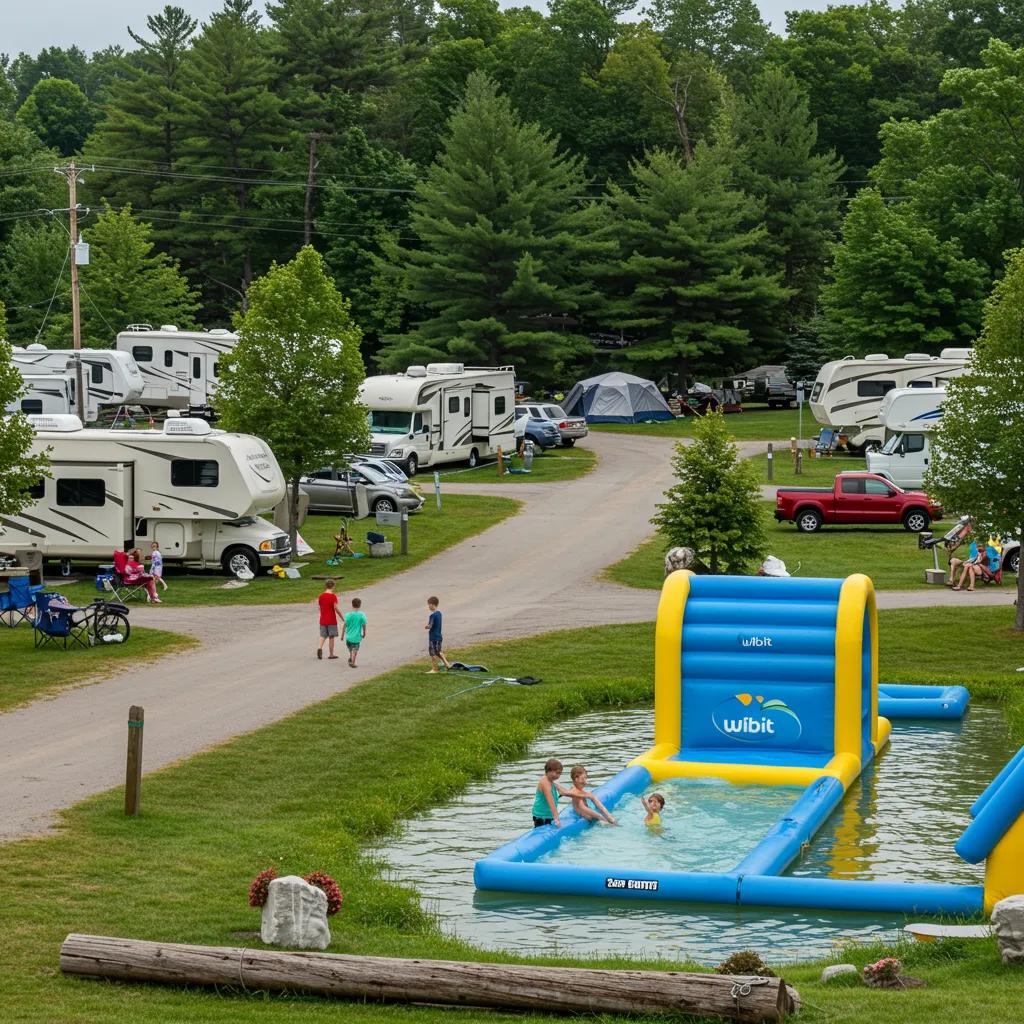
Local resources near Durand, Michigan include campgrounds with mixed accommodations, activity providers for river floats, and family-friendly attractions that complement an overnight stay. Using local guides and property cluster pages helps families compare RV, tent, and cabin options while seeing amenity detail. The benefit is a compact planning footprint: choose a basecamp that matches your priorities and then layer in nearby day trips to extend the experience. Below is a regional spotlight on a flagship property.
What Makes Walnut Hills Family Campground a Premier Choice in Durand?
Walnut Hills Family Campground (operated by GatherGrounds Resorts) serves as a local flagship with 42 acres that combine RV sites (30 and 50 AMP, water/electric or full hookup), primitive tent sites, and cabin rentals. Signature amenities include a Wibit water park, a swimming lake, renovated bathrooms and showers, a campground store, multiple playgrounds, and a large dog park, which together create a cohesive family environment. The campground also offers river float trips on the Shiawassee River and family weekend events, positioning it as a convenient Michigan option without long travel to the north.
RV Park Success Factors and Reservation Trends
Many insurers can have requirements that parks must meet. Some insurers can have requirements that parks must meet. Rental firms nationwide saw a huge increase in reservations. This study examines the extent that motivational factors vary amongst three distinct segments of travelers within the RV industry.
Thesis Topic: What makes a successful RV Park in the US, 2022
The success of RV parks is influenced by various factors, including meeting insurance requirements and adapting to reservation trends, which have seen significant increases in demand.
Which Nearby Attractions Complement Your Camping Trip?
Nearby attractions for families include local river float access points, short nature walks, and convenient dining or supply stops that reduce drive time and allow day-trip variety. Choosing attractions within a 20–40 minute drive maximizes family energy and minimizes transition time between activities. Local resources often list picnic areas, boat launch points, and kid-friendly trails that pair well with a campground base. Planning day trips around on-site events helps families fit more experiences into a weekend.
How Do Family Events and Weekend Activities Enhance the Camping Experience?
Scheduled family events—movie nights, kids’ crafts, and organized games—create high-value memories and foster socialization among campers, increasing repeat-visit likelihood and shared experiences. Events typically occur on weekends and may require early arrival or sign-up, which affects booking timing and site availability. Families should check event calendars or call ahead to confirm participation rules and any supplemental fees. Structuring a trip around a marquee weekend event can be an efficient way to maximize enjoyment.
What Tips Help Find the Best Camping Sites for Tents and RVs Near Me?
Choosing the best site requires lead-time planning, clear understanding of RV vs tent trade-offs, and site-selection based on amenity proximity and privacy. The mechanism of good site selection is matching group needs—vehicle specs, child supervision needs, pet accommodations—to site attributes listed on reservation platforms. The result is a smoother arrival, better use of on-site amenities, and a more relaxed family trip. Below are concise, actionable tips to apply when booking.
How Far in Advance Should I Book My Camping Site?
Book family campgrounds several weeks to a few months in advance for weekends and holidays, with longer lead times for peak summer dates; weekday or off-peak stays often allow shorter notice. For special weekend events or holiday programming expect higher demand and earlier sell-outs. Last-minute strategies include flexible dates, mid-week stays, and checking for cancellations. Planning ahead reduces stress and improves site selection.
What Are the Differences Between RV and Tent Camping to Consider?
RV camping offers infrastructure—beds, hookups, weather protection—and often higher per-night rates, while tent camping provides closeness to nature, lower cost, and simpler logistics for small groups. Logistics differences include vehicle length limits for RVs, need for hookup type selection, and tent site proximity to restrooms. Cost, comfort, and group composition should drive the choice so site type aligns with your family’s priorities. Consider mixed arrangements when groups want both comforts and traditional camping.
How Can I Choose the Right Site Based on Amenities and Location?
Select sites close to desired amenities for convenience—beachfront or water-park adjacency for kids—while balancing noise and privacy preferences by choosing loops away from event zones if you want quiet. Read site maps and photos to confirm shade, proximity to restrooms, and parking. If traveling with an RV, verify length limits and hookup type; for tents, check for level ground and access to amenities. Use a short checklist to finalize the choice.
Practical checklist for final site choice:
- Confirm vehicle length and hookup needs.
- Verify proximity to restrooms and kid amenities.
- Check event schedules that may increase noise or demand.
These final checks make arrival and first day easier, and for families seeking a water-park-equipped campground, consider Walnut Hills Family Campground (operated by GatherGrounds Resorts) when availability matches your dates.
Frequently Asked Questions
What Should I Consider When Camping with Pets?
When camping with pets, it’s essential to check the campground’s pet policy, which may include leash requirements, designated pet areas, and vaccination proof. Look for campgrounds that offer dog parks or pet-friendly trails to ensure your furry friends can enjoy the trip too. Additionally, consider packing pet supplies such as food, water, and bedding, and plan for your pet’s comfort and safety during your stay. Always have a backup plan for pet care in case of emergencies.
How Can I Ensure a Safe Camping Experience for My Family?
To ensure a safe camping experience, choose campgrounds with well-maintained facilities, including clean restrooms and safe play areas. Familiarize yourself with campground rules and emergency procedures. Always supervise children, especially near water features, and teach them about wildlife safety. Additionally, pack a first-aid kit and know the location of the nearest medical facility. Planning ahead and being aware of your surroundings can significantly enhance your family’s safety while camping.
What Are the Benefits of Booking a Campground with Organized Activities?
Booking a campground that offers organized activities can enhance your family’s camping experience by providing structured entertainment and opportunities for socialization. These activities, such as guided hikes, crafts, or games, keep children engaged and allow parents to relax. They also foster a sense of community among campers, making it easier to meet other families. Additionally, organized events can help you discover local attractions and make the most of your camping trip.
How Do I Choose Between Tent Camping and RV Camping?
Choosing between tent camping and RV camping depends on your family’s preferences and needs. Tent camping offers a closer connection to nature and is often more budget-friendly, while RV camping provides comfort, shelter, and amenities like beds and kitchens. Consider factors such as group size, desired level of comfort, and the type of experience you want. If your family enjoys outdoor cooking and sleeping under the stars, tent camping may be ideal; for convenience and ease, an RV might be the better choice.
What Should I Look for in Campground Reviews?
When reading campground reviews, focus on aspects such as cleanliness, staff friendliness, and the quality of amenities. Look for comments about the campground’s safety, noise levels, and the availability of family-friendly activities. Pay attention to recent reviews, as they provide the most accurate picture of the current conditions. Additionally, consider the reviewer’s family size and camping style to gauge whether their experience aligns with your expectations and needs.
Are There Any Discounts Available for Family Campgrounds?
Many family campgrounds offer discounts for various groups, including military personnel, seniors, and members of camping organizations. Additionally, booking during off-peak times or for extended stays can often yield lower rates. Some campgrounds may also have loyalty programs or promotional deals, especially during the off-season. Always inquire about available discounts when making reservations to maximize your savings and ensure a budget-friendly camping experience.
Conclusion
Finding the perfect camping site for both tents and RVs enhances family bonding and creates lasting memories. By prioritizing site diversity, family-friendly amenities, and safety, you can ensure a stress-free experience that caters to everyone’s needs. Take the next step in planning your adventure by exploring our curated list of campgrounds and booking your ideal spot today. Embrace the great outdoors and make unforgettable memories with your loved ones.