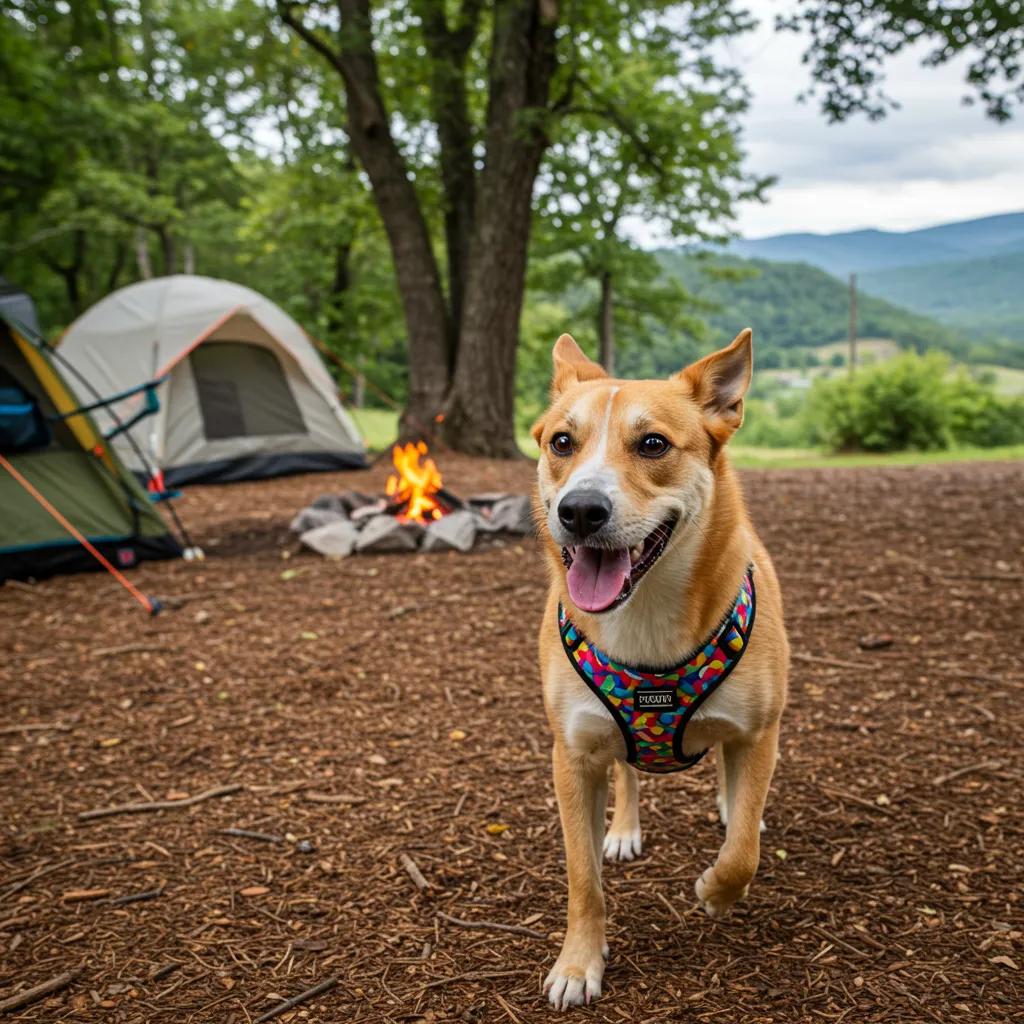
Essential Camping Pet Safety Tips: How to Keep Your Dog Safe During Your Outdoor Adventure
Camping with your dog means combining outdoor adventure with careful planning to keep your furry friend healthy and happy. This guide lays out essential camping pet safety tips to ensure a safe, enjoyable trip for everyone. You’ll learn about packing priorities, wildlife and environmental precautions, campground etiquette specific to pet travel, health preparation and emergency readiness, and safe activities you can enjoy together. This article defines core concepts like a dog camping checklist, explains how identification and first aid mitigate common risks, and shows why leash and waste rules preserve community safety. It also previews local considerations for camping with dogs in Michigan and practical steps to recognize and respond to heat, cold, bites, or poisoning. Read on for clear lists, practical tables, and step-by-step advice designed to answer common questions such as how to keep my dog safe while camping and what belongs on a pet first aid kit. Throughout, the guidance emphasizes pet travel best practices and pet-friendly campground features so you can plan confidently for a safe outdoor experience.
What Are the Must-Have Items on a Dog Camping Checklist?

A dog camping checklist identifies essential gear that supports your pet’s basic needs, safety, and comfort while camping, addressing feeding, hydration, shelter, and emergency response. Bringing the right items prevents common problems like dehydration, lost pets, and delayed emergency response, which improves the overall camping experience for both dog and owner. The list below summarizes core categories and practical choices that match different dog sizes and trip lengths. These items form the baseline of responsible pet travel and make subsequent safety steps easier to implement.
Pack the most important items for a dog camping trip:
- Food and measured portions in sealed containers to prevent spoilage and wildlife attraction.
- Fresh water supply and collapsible bowls to maintain hydration on hikes and at the campsite.
- A secure collar with updated ID tags and a sturdy leash or harness for controlled movement.
This checklist highlights primary priorities and leads into specific packing details for food, ID, and first aid needs described in the following subsections.
Which Food, Water, and Bedding Should You Bring for Your Dog?
Food and water choices center on familiarity, portability, and protection from wildlife. Bring your dog’s regular food in measured portions and store it in airtight containers to prevent spoilage and reduce scent attraction. Carry at least twice the expected water supply when river or lake access is untrusted, and use collapsible bowls or a portable bottle-and-bowl system for ease of transport. For bedding, choose an elevated or insulated pad to protect against cold or damp ground and a lightweight blanket for warmth; portable bedding supports rest and helps dogs recover after active days. Pack food portions in labeled bags for portion control and to limit exposure to animals and pests.
What Identification and Safety Gear Are Essential for Camping Pets?
Identification and visibility gear reduce the risk of permanent loss and speed recovery by ensuring pets are quickly recognizable and locatable. Update microchip contact info before travel and attach a durable ID tag with your campground destination listed. Consider a brightly colored or reflective collar and an LED light for low-light safety, and use a GPS tracker for dogs that range far from camp or are strong off-leash candidates in approved areas. A sturdy leash and harness rated for your dog’s weight protect against slips during river crossings or busy paths and create reliable control when wildlife or other campers appear. These steps make identification effective and directly lower the consequences of an escape.
Introductory comparison of common packing items and their purpose:
This table clarifies item purpose and helps you choose practical gear that reduces risk on the trail. After preparing a concise packing plan, keep in mind that many Michigan state parks and campgrounds offer pet-friendly camping experiences with designated pet areas and amenities that make packing decisions more convenient. Those amenities support safer on-site exercise and socialization while you follow the checklist above and reserve a site appropriate for pets.
How Do You Keep Your Dog Safe from Wildlife and Environmental Hazards While Camping?
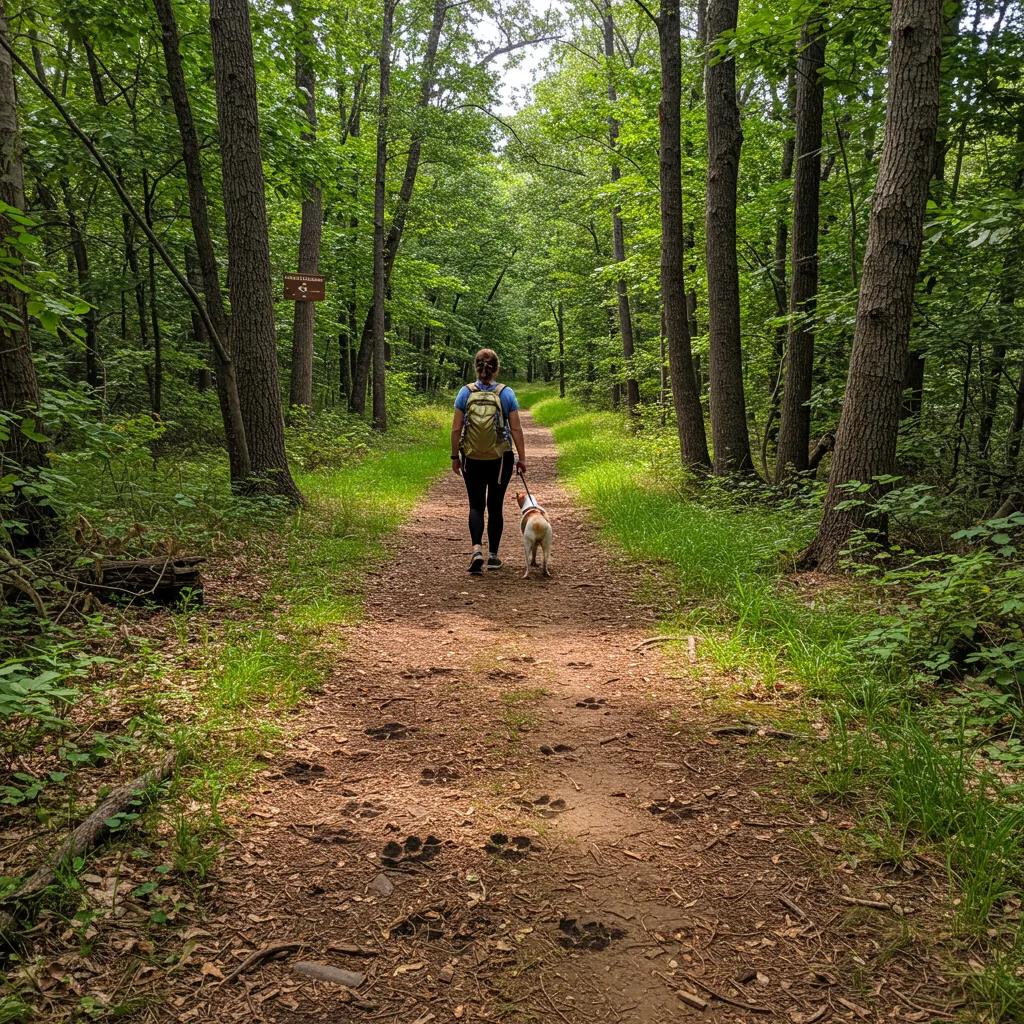
Keeping your dog safe from wildlife and environmental hazards involves preventing attractants, supervising interactions, and responding quickly to exposures. Secure food and scented items, maintain close control in wildlife-prone areas, and know basic wildlife avoidance behaviors. These practices reduce encounter likelihood and protect both your dog and local fauna, and they create safer conditions for other campers. Understanding local Michigan wildlife patterns helps tailor prevention strategies to the region and informs when to escalate to emergency response.
Key wildlife and hazard precautions:
- Store all food and scented items in sealed containers or vehicle storage to avoid attracting mammals and raccoons.
- Keep dogs leashed and within sight around tree lines and water edges where animals may travel.
- Make noise on hikes in dense vegetation to warn wildlife of your approach and reduce startling encounters.
These proactive steps lower the chance of confrontations and naturally lead into a focused look at Michigan-specific hazards and plant risks at campground sites.
What Local Michigan Wildlife Should You Watch Out for at Campgrounds?
Local Michigan wildlife that campers commonly encounter can include medium-sized mammals and small critters that react to food or pet presence. Awareness of typical species and their behavior reduces surprises and improves response choices. Keep food and trash inaccessible to animals, supervise pets near brush and river edges where animals travel, and be prepared to calmly lead your dog away if wildlife appears. If an aggressive animal approaches, move to a secure location and keep the dog close on a short leash to avoid escalation; reporting sightings to campground staff helps them manage patterns and warn other campers. These avoidance habits decrease stress for pets and align with responsible outdoor recreation practices.
Introductory local hazards table explaining common risks:
A brief local note: Campground staff are aware of Michigan-specific wildlife patterns and can offer site-specific safety reminders and guidance to guests, which helps campers tailor precautions when arriving at the campground.
How Can You Protect Your Dog from Toxic Plants and Campfire Dangers?
Toxic plants and campfire hazards present ingestion and burn risks. Learn common toxic species by appearance, keep dogs on paths to avoid unknowingly ingesting foliage, and watch pets near cooking or fire areas to prevent burns. Maintain a safe perimeter around any campfire, never leave hot coals unattended, and ensure pets have a shaded rest area away from sparks and ash to avoid respiratory or burn injuries. If ingestion of a suspicious plant or contact with hot coals occurs, keep samples or photos for veterinary assessment and seek prompt assistance; immediate rinsing of burns and stabilization are key first steps. These precautions protect pets from both plant toxins and thermal injury.
What Are Best Practices for Water and Weather Safety with Pets?
Water and weather safety demand supervision, appropriate flotation devices for weak swimmers, and vigilance for heat or cold stress. Always assess currents and water quality before allowing swimming and keep dogs on leash near moving water. Use life jackets for river floats and for dogs that tire quickly, and provide frequent water breaks to prevent dehydration in warm weather; conversely, limit exposure and provide insulated bedding in cold conditions to avoid hypothermia. Watch for signs of heatstroke—excessive panting, drooling, collapse—and respond by moving the dog to shade, offering small amounts of water, and cooling with wet towels while seeking veterinary care if severe. These practices reduce acute weather-related emergencies and keep pets comfortable.
What Are the Key Pet-Friendly Camping Rules and Etiquette at Campgrounds?
Campground rules and etiquette combine safety, respect for other campers, and environmental stewardship into clear practices that prevent incidents and preserve shared spaces for pets and people. Following leash rules, controlling noise, and promptly managing waste minimize disturbance and reduce hazards like wildlife attraction and confrontations. Awareness of designated off-leash areas and peak-use times supports responsible use of dog amenities and fosters a cooperative campground culture. The guidelines below help owners align behavior with campground expectations and maintain community safety.
When at campgrounds, follow these essential etiquette items:
- Keep dogs leashed outside designated off-leash areas and always under voice or sight control.
- Pick up and properly dispose of pet waste in provided receptacles to limit disease spread and environmental impact.
- Manage barking and agitation proactively by providing enrichment, exercise, and promptly addressing stress behaviors.
These etiquette practices reduce conflict and naturally lead into the specific leash, noise, and unattended-pet rules described in the next subsections.
When and Where Must Dogs Be Leashed at Campgrounds?
A leash requirement defines control zones to protect wildlife, other guests, and pets themselves. Dogs should be leashed in all shared spaces, near trails, and around water edges unless in a designated off-leash dog park where supervision is still required. Use a short, strong leash in crowded or high-traffic areas and a secure harness for additional control on uneven terrain or when crossing waterways. Clear leash compliance prevents stray encounters and supports quick intervention if wildlife appears, and brief leash training before arrival helps dogs adjust to campground routines. These measures reinforce safety and enable responsible enjoyment of outdoor spaces.
How Should You Manage Noise and Waste to Respect Other Campers?
Noise and waste management maintain good neighbor relations and reduce environmental and health risks. Respond to persistent barking by increasing exercise, moving the dog to a quieter area, or using calming tools, and always carry waste bags to promptly remove and pack out pet waste. Dispose of bags in designated receptacles to prevent wildlife access and to keep common areas sanitary. Addressing noise proactively and cleaning waste consistently prevents complaints, reduces wildlife attraction, and models considerate campground behavior. These small actions improve the experience for everyone and protect shared natural resources.
Why Is It Important Not to Leave Pets Unattended While Camping?
Leaving pets unattended increases risks of theft, injury, wildlife encounters, heat exposure, and barking complaints. Supervision ensures rapid response to hazards and maintains animal welfare. If owners must leave camp briefly, arrange for a trusted pet-sitter, secure the dog inside a vehicle with ventilation when permitted, or bring family members who can supervise rotations to avoid prolonged isolation. Providing adequate exercise and a comfortable sheltered space reduces the temptation for pets to roam, and communicating plans with campground staff helps manage extended absences. Prioritizing continuous supervision protects pets and respects campground safety policies.
How Can You Prepare Your Dog’s Health Before and During Your Camping Trip?
Health preparation combines preventive veterinary care, parasite control, and an on-site readiness plan to address injuries or illness. Schedule a pre-trip vet check, verify parasite prevention is current, and pack medical records and medications. These actions reduce the likelihood of preventable emergencies and ensure faster, more accurate care if issues arise. Preparing owners to recognize early warning signs and having a pet first aid kit on hand increases the chance of successful field stabilization until professional help is available. Below are concise preparation steps and a health-focused table to compare timing and actions.
Recommended vaccination and prevention checklist:
- Confirm core vaccinations are up to date and discuss region-specific risks with your veterinarian.
- Ensure flea, tick, and heartworm preventatives are current according to the product schedule.
- Pack a copy of medical records, a recent photo of your dog, and prescribed medications in labeled containers.
This checklist forms the foundation for a campground health plan and leads into the table of specific health items and timing.
What Vaccinations and Parasite Prevention Are Required for Camping Pets?
Core vaccinations and parasite preventatives protect pets from common infectious diseases and vector-borne illnesses. Consult your veterinarian to confirm rabies, distemper/parvo, and other regionally-recommended vaccines are current before travel. Begin flea, tick, and heartworm prevention as directed by product instructions—many require administration weeks before exposure to reach full effectiveness—so plan ahead to align treatment windows with your trip dates. Keeping an up-to-date vaccination record and a vet-signed health certificate (if required by transport or park rules) simplifies any emergency care and shows responsibility to campground staff. These steps directly reduce the risk of infectious complications while camping.
Emergency Preparedness for Dogs During Outdoor Adventures
Whether you’re hiking with your canine friend in a remote area or work with a dog on a search-and-rescue team or police force, you need to be prepared for emergencies when veterinary service is not available. Rescuing Rover: A First Aid and Disaster Guide for Dog Owners provides dog owners, handlers, and emergency physicians with an understandable guide for safe treatment until the dog can be transported to a veterinarian.
Rescuing rover: A first aid and disaster guide for dog owners, 1998
This table helps prioritize health items and timing so you can align prevention measures with travel dates.
Where Is the Nearest Emergency Veterinarian Near Campgrounds?
In an emergency, knowing how to quickly access professional veterinary care and having essential records ready is critical for rapid response. Prepare a compact folder with vaccination records, medication lists, and a recent photo to facilitate identification and triage. Although specific emergency clinic names and phone numbers are not provided here, campground staff can assist guests by directing them to nearby veterinary services and local emergency resources. When traveling, map out potential emergency clinics before arrival and share the plan with your group so everyone knows the steps to take if an urgent situation occurs.
How to Recognize and Respond to Common Camping-Related Pet Health Issues?
Recognizing signs like severe panting, collapse, uncontrolled bleeding, seizures, or difficulty breathing prompts immediate action: stabilize the pet, control bleeding with pressure, cool or warm as appropriate, and seek emergency veterinary care without delay. For suspected tick-borne illness, remove the tick with a proper tool, save the tick in a sealed container, and monitor for fever, lethargy, or joint pain while contacting a veterinarian. For poisoning or ingestion, determine the substance if possible, avoid inducing vomiting unless directed, and seek veterinary guidance promptly. Quick, calm responses and having first aid items and records on hand improve outcomes in common camping-related emergencies.
What Fun and Safe Activities Can You Enjoy with Your Dog at Campgrounds?
Safe recreational activities at a pet-friendly campground include supervised play at a dog park, leashed trail walks, and water activities with appropriate safety measures. These activities promote exercise and bonding while reducing behavioral issues that can arise from boredom. Planning activities around your dog’s fitness level, providing frequent water and rest breaks, and observing local rules maximize enjoyment and reduce incident risk. The descriptions below help you select appropriate options and explain how to enjoy them responsibly within campground guidelines and natural setting constraints.
How to Use the Large Dog Park Safely and Responsibly?
Using a dog park safely requires up-front checks for vaccination and behavior, active supervision, and removal of waste to reduce disease and conflict. Confirm your dog is socialized and current on vaccines before entry, and monitor play style to intervene if interactions escalate. Enter and exit calmly, keep control of high-value toys, and avoid peak times if your dog is anxious to reduce stress. Supervising play and cleaning up promptly maintains a healthy, welcoming off-leash space for all visitors and protects shared amenities from being closed due to misuse.
What Pet-Friendly Trails and Water Activities Are Available?
Pet-friendly trails and water-based options at a campground typically include leashed walking paths and supervised access to river or lake areas, with activity choice driven by your dog’s fitness and swimming ability. Select easy, shaded trails for young or older dogs and consider a life jacket for river floats or uneven shorelines. Check currents and water quality before allowing swimming and remain close to support your dog if they tire or encounter unexpected obstacles. These simple precautions enable safe trail and water enjoyment while protecting dogs from overexertion and environmental hazards.
Are There Special Pet Events or Programs at Campgrounds?
Campgrounds often support weekend activities and family-focused events that can include pet-friendly elements. Participating responsibly means following event rules, keeping dogs under control, and preparing for crowds with extra water and calming tools. If formal pet programs are not scheduled, owners can create safe activities such as short group walks, supervised play sessions, or scent games near their campsite to provide enrichment. Observing etiquette and health prerequisites when joining organized activities helps ensure a positive experience for pets, owners, and the campground community.
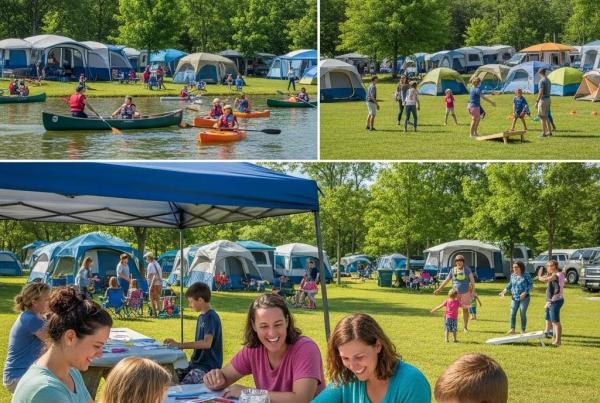
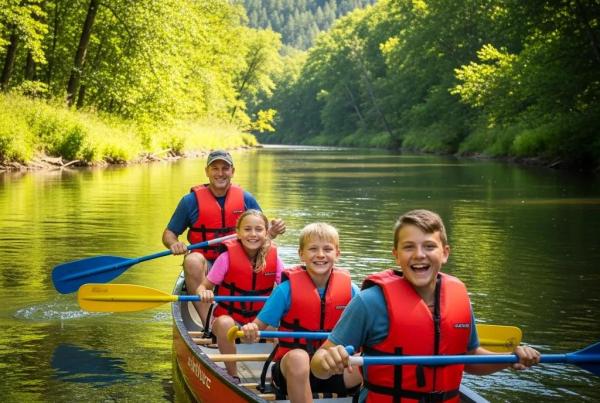
Many Michigan state parks and campgrounds offer pet-friendly camping experiences including large dog parks, river float trips, swimming lakes, and weekend activities that make it easier to plan safe, enjoyable outings with dogs. Consider reserving a pet-designated campsite and reviewing onsite amenities when preparing your trip to match your dog’s needs.
Frequently Asked Questions
What should I do if my dog gets lost while camping?
If your dog goes missing while camping, remain calm and start searching the immediate area. Call your dog’s name and use familiar commands to encourage them to return. Check nearby trails, bushes, and water edges where they might wander. Inform campground staff and fellow campers about your lost dog, providing a description and any identifying features. Utilize social media or local community boards to spread the word. Having a recent photo and your dog’s ID tags can significantly aid in their recovery.
How can I ensure my dog stays hydrated while camping?
To keep your dog hydrated during camping, always carry a sufficient supply of fresh water, ideally double the expected amount for the trip. Use collapsible bowls for easy access during hikes and at the campsite. Monitor your dog’s water intake, especially in warm weather, and encourage them to drink regularly. If your dog shows signs of dehydration, such as excessive panting or lethargy, offer water immediately and seek shade. Consider adding electrolyte solutions designed for pets if you anticipate strenuous activities.
What should I do if my dog has a health emergency while camping?
In the event of a health emergency, remain calm and assess the situation. If your dog is injured or showing severe symptoms, stabilize them as best as you can. Keep a pet first aid kit handy, and know how to use its contents. Contact the nearest veterinary clinic or campground staff for assistance. If possible, transport your dog to a veterinary facility while keeping them comfortable. Having a plan in place before your trip, including emergency contact information, can save valuable time.
Are there specific leash laws I should be aware of while camping?
Yes, leash laws vary by campground and region, but generally, dogs should be leashed in all shared spaces, near trails, and around water edges. Always check the specific rules of the campground you are visiting, as some areas may have designated off-leash zones. Using a short, sturdy leash helps maintain control, especially in crowded or wildlife-prone areas. Following these regulations not only ensures your dog’s safety but also protects local wildlife and other campers.
How can I prepare my dog for different weather conditions while camping?
Preparing your dog for varying weather conditions involves assessing their needs based on temperature and environment. In hot weather, provide plenty of shade, fresh water, and avoid strenuous activities during peak heat. For cold conditions, ensure your dog has insulated bedding and consider a dog coat for warmth. Monitor for signs of heatstroke or hypothermia, such as excessive panting or shivering. Always adjust your camping plans to accommodate your dog’s comfort and safety in changing weather conditions.
What are the signs of heatstroke in dogs while camping?
Signs of heatstroke in dogs include excessive panting, drooling, weakness, confusion, and collapse. If you notice these symptoms, immediately move your dog to a cooler area, provide small amounts of water, and apply cool, wet towels to their body. Avoid giving ice-cold water, as it can cause shock. If symptoms persist or worsen, seek veterinary care promptly. Preventing heatstroke involves regular breaks in the shade, hydration, and avoiding strenuous activities during high temperatures.
Can I bring my dog to all campgrounds?
No, not all campgrounds allow dogs. It’s essential to check the specific pet policies of each campground before your trip. Many state parks and private campgrounds have designated pet-friendly areas, while others may have restrictions or require dogs to be leashed at all times. Researching and reserving a pet-designated campsite ensures a more enjoyable experience for both you and your dog. Always adhere to campground rules to maintain a safe and welcoming environment for all visitors.
Conclusion
Ensuring your dog’s safety while camping enhances the overall experience for both you and your pet, allowing for memorable outdoor adventures. By following essential tips on packing, wildlife precautions, and campground etiquette, you can create a secure environment that prioritizes your dog’s well-being. Embrace the joy of exploring nature together by preparing thoroughly and staying informed about local regulations and hazards. Start planning your next camping trip today and discover the perfect pet-friendly campground for your adventure.