How to Prepare Your Pets for a Fun and Safe Camping Experience: Essential Pet Friendly Camping Tips
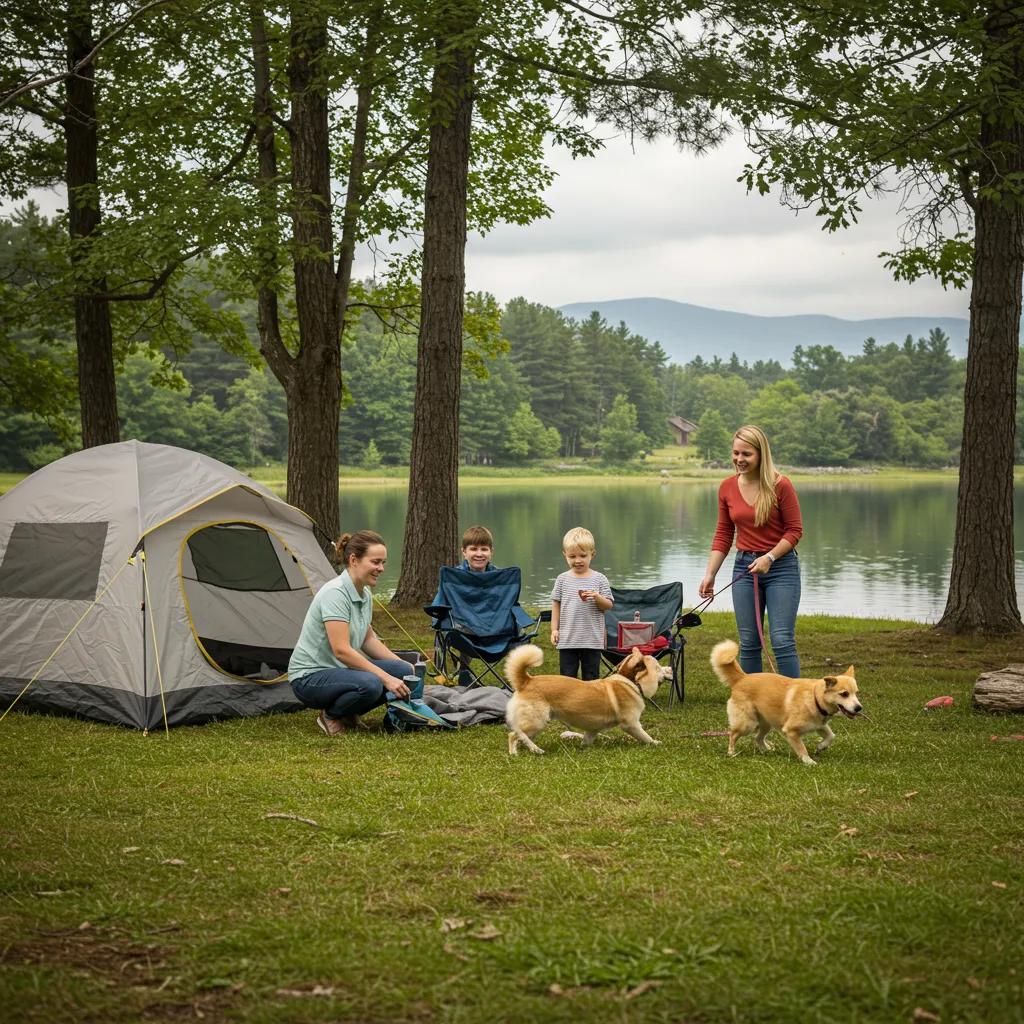
Getting pets ready for camping reduces stress, prevents injuries, and makes outdoor time enjoyable for the whole family. This guide teaches practical preparation steps that cover veterinary checks, essential gear, campsite etiquette, safety practices, and local activity ideas so you can ensure a safe and enjoyable camping trip with your pets. How to prepare your dog for camping starts with health checks and vaccinations, continues with the right leash, bed, and first-aid kit, and finishes with behavior prep and booking the right pet-friendly site. For readers headed to Walnut Hills Family Campground, note that the campground offers Pet-Friendly Camping Experiences with RV sites, tent sites, and cabins that accommodate pets plus a large dog park for exercise and socialization. The sections below walk through veterinary prep, gear checklists, behavior and hazard management, dog-friendly activities at Walnut Hills Family Campground, and step-by-step booking and arrival tips so you leave prepared and confident.
What Veterinary Preparations Are Needed Before Camping With Your Dog?
A pre-trip vet visit confirms fitness to travel, updates vaccinations, and sets parasite prevention tailored to outdoor exposure. This ensures your dog has protection against common outdoor risks and allows you to get prescriptions or medical guidance specific to camping activities. Preparing veterinary items also reduces emergency risks and streamlines care if an incident occurs. Next, verify specific vaccines, parasite preventatives, and how to assemble a practical pet first aid kit for the trail.
Which Vaccinations Should Your Dog Have Before Camping?
Core vaccines protect against systemic diseases your dog could encounter when away from home, and they reduce transmission risks in communal areas like dog parks. Confirm core vaccine status (e.g., distemper/parvovirus) with your veterinarian and update boosters based on the pre-trip exam. Vaccination timing matters: aim to complete boosters at least two weeks before travel to allow immunity to stabilize. After checking vaccines, the next step is targeted parasite prevention for outdoor environments.
Introductory parasite-control steps make camping safer by preventing fleas, ticks, and heartworm transmission in environments where exposure is more likely. Use veterinarian-recommended topical or oral preventatives and start heartworm prophylaxis according to your vet’s timeline before arrival. Perform daily tick checks after hikes and store preventatives with your pet-first-aid supplies for quick access. These daily checks reduce infestation risk and prepare you for common campsite exposures.
What Should a Pet First Aid Kit Include for Camping Safety?
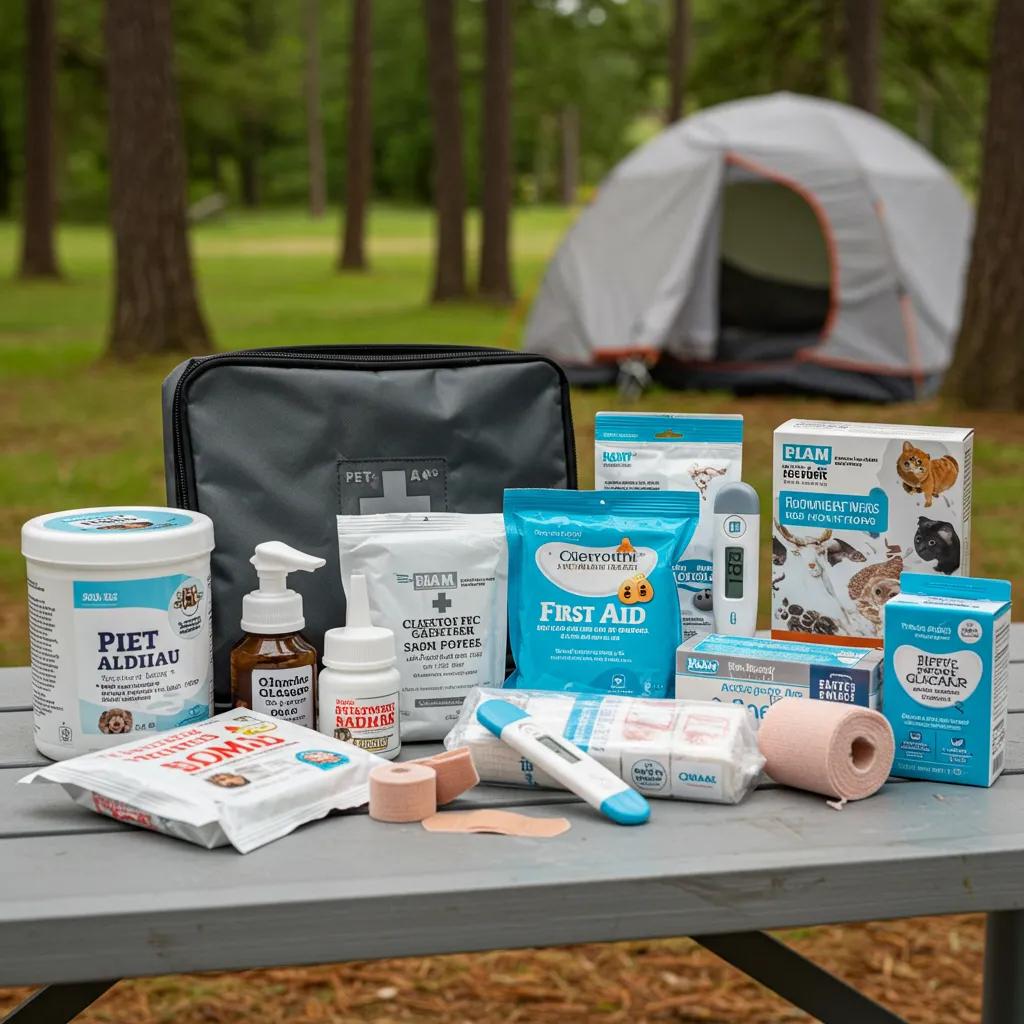
A compact pet first aid kit treats minor injuries and stabilizes your dog until professional care is available, which is critical when camping. Include bandages, adhesive tape, antiseptic wipes, tweezers for tick removal, digital thermometer, and any prescribed medications, plus printed vet contact notes. Add a lightweight muzzle, sterile saline for wound flushing, and a spare leash; pack items in a waterproof bag and keep it accessible during hikes. With these supplies organized, you can respond quickly to cuts, bites, or allergic reactions and focus on evacuation plans if needed.
Having a comprehensive first aid kit is crucial for any outdoor adventure with your pet, as it allows you to address immediate medical needs until professional help can be reached.
Rescuing Rover: Dog First Aid for Emergencies
Whether you’re hiking with your canine friend in a remote area or work with a dog on a search-and-rescue team or police force, you need to be prepared for emergencies when veterinary service is not available. Rescuing Rover: A First Aid and Disaster Guide for Dog Owners provides dog owners, handlers, and emergency physicians with an understandable guide for safe treatment until the dog can be transported to a veterinarian.
Rescuing rover: A first aid and disaster guide for dog owners, 1998
Different veterinary measures and preventives have distinct timing and use cases relevant to camping.
What Are the Must-Have Dog Camping Gear Essentials?
Essential gear creates comfort, security, and convenience while camping and directly affects how easy it is to include your pet in activities. Practical items include a secure leash and harness, collapsible bowls for food and water, a durable pet bed or crate, reflective visibility gear, and a compact first aid kit tailored for outdoor injuries. For families choosing an accommodation type, Walnut Hills Family Campground accepts pets in RV sites, tent sites, and cabins that accommodate pets, so pack bedding and containment gear that fit your chosen site and make Online Reservations accordingly. After selecting gear basics, explore specific leash and restraint types for hikes and campsite use.
This checklist highlights core items to pack for a pet-friendly camping trip.
- Secure harness and short leash for campsite control.
- Collapsible bowls and filtered water plan for hikes.
- Insulated pet bed or crate sized to your dog.
- Reflective collar or LED light for night visibility.
- Waterproof first aid kit and tarp for shelter.
These items prioritize safety, comfort, and low-weight packing so your pet stays healthy and comfortable throughout the stay. Choosing the right leash and harness next helps manage behavior on trails and in shared spaces.
Which Leashes, Harnesses, and Restraints Are Best for Camping?
A sturdy harness distributes force and reduces neck strain during hikes, while a short leash offers control in crowded campground areas. For off-trail exploration or supervised roaming, a long-line gives freedom while maintaining safety; use a fixed anchor or tie-out rated for outdoor use at your campsite when needed. Bring a backup leash and consider a crate or portable playpen for safe containment in cabins or at night. Proper restraint choices reduce escape risk and improve recall training effectiveness, which is essential before visiting dog parks or trails.
How to Pack Food, Water, and Bowls for Your Camping Dog?
Pack measured portions in resealable bags to control feeding and limit attraction of wildlife, and store food inside sealed containers or your vehicle. Collapsible bowls are lightweight, stackable, and easy to sanitize after walks, while carrying extra water or a filter ensures hydration on longer hikes. Establish a hydration schedule: offer water before and after activity, and avoid overfeeding right before long walks to reduce discomfort. Efficient food and water planning lowers wildlife encounters and keeps energy consistent during active days.
What Comfort and Shelter Gear Should You Bring for Your Pet?
Comfort gear includes an insulated bed, blanket, and a crate or sturdy barrier that fits tent or cabin layouts to create a familiar sleep zone. Elevated cots improve airflow and reduce exposure to cold or damp ground in tents, while a well-ventilated crate is ideal for RV stays and cabin supervision. Clean bedding or a washable liner helps manage dirt and allergens after outdoor play. Maintaining a dedicated sleeping area helps pets settle quickly and preserves campsite cleanliness for other campers.
How Does Visibility and Protection Gear Keep Your Dog Safe Outdoors?
Visibility and protection items prevent accidents during low-light conditions and protect paws from hot surfaces or rocky trails. Reflective collars, LED tags, and clip-on lights increase visibility after sunset and during dawn hikes. Paw wax or lightweight booties protect pads from hot sand or sharp rocks, and vet-approved insect repellents can reduce bites in tick-prone regions. Combining visibility and protection gear reduces common outdoor injuries and facilitates safer group activities.
How Can You Keep Your Dog Safe and Well-Behaved at the Campground?
Good behavior and safety at a campground stem from clear containment, respectful etiquette, and proactive hazard prevention to protect pets and fellow campers. Enforce supervised leash time, manage waste, secure food from wildlife, and prepare for weather changes to keep your dog healthy and welcome. Positive reinforcement and brief training sessions before arrival improve recall and calm in social spaces like the dog park. Next, clarify common leash rules and campsite containment strategies you should follow.
What Are the Leash Laws and Campsite Rules for Pets?
Most campgrounds require dogs to be leashed when not in a designated off-leash area, and leash length is typically short enough to control interactions with other campers. Always supervise pets and use a secure tether or crate when you cannot watch them directly, and respect quiet hours and site boundaries. Before arrival, confirm specific campground policy but plan for on-leash daytime behavior and supervised off-leash play in approved areas. Following leash rules preserves a safe environment and prevents conflicts with wildlife or other guests.
How Should You Manage Dog Waste Responsibly While Camping?
Carry waste bags and pack out all pet waste when disposal bins are not provided to follow Leave No Trace principles and prevent water contamination. Place used bags in sealed containers or dedicated campsite trash receptacles when available, and never bury waste near water sources or trails. Carry a small scoop or trowel if you must pack out waste due to local restrictions. Responsible waste management protects the environment and keeps dog areas open for other families.
How to Handle Wildlife Encounters and Prevent Pet Hazards?
Keep pets leashed and supervised to prevent chasing wildlife and to avoid bites, stings, or defensive animal behavior. Store food and scented items securely to reduce raccoon or deer attraction, and know local wildlife risks before hiking so you can avoid high-risk areas. If an encounter occurs, move calmly away, keep your dog close, and seek veterinary care for any suspected bite or toxin exposure. Preventing attraction to wildlife is the most effective way to reduce dangerous interactions.
What Weather Precautions Should You Take to Protect Your Dog?
Monitor temperature and shelter availability to prevent heatstroke or hypothermia, and adjust activity levels and gear accordingly. In hot weather, schedule walks early and late, have shade available, and carry extra water; in cold or wet weather, bring insulated coats and dry sleeping areas. Seek shelter during storms and avoid flooded or swift water access for safety. Weather-aware planning ensures pets remain comfortable and reduces emergency incidents during your stay.
What Fun Activities Can Your Dog Enjoy at Walnut Hills Family Campground?
Walnut Hills Family Campground offers family-friendly outdoor recreation where dogs can join many activities, and the campground’s large dog park provides a dedicated space for exercise and social play. Dog-friendly activities include off-leash play in the designated area, supervised trail walks, and safe water access for supervised swims where permitted; these activities build strong memories for families and pets. Plan activity times to avoid peak crowds and bring water and shade for active play. Next, learn how to use the dog park safely and introduce your dog to communal play.
How to Use the Large Dog Park for Exercise and Socialization?
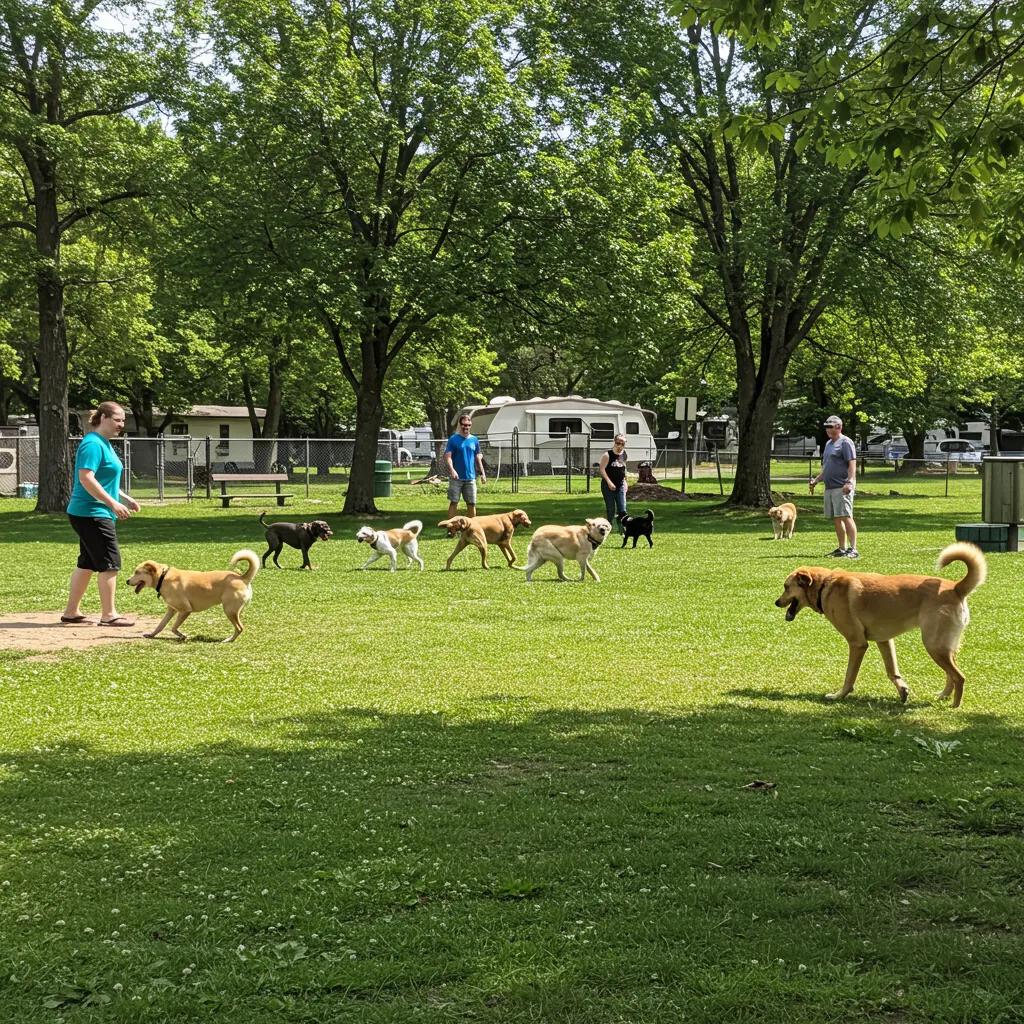
Use the dog park during quieter hours to allow gradual introductions and supervised play that reduces tension and over-excitement. Observe posted rules, keep vaccinations and preventives current, and intervene calmly if play becomes too rough; practice recall before off-leash time. Bring fresh water and pick up waste promptly to keep the area clean for others. Supervised, respectful visits to the large dog park maximize exercise while preventing incidents.
Which Pet-Friendly Trails and Water Access Are Available?
Trails at family campgrounds often vary in surface and difficulty, so choose routes that match your dog’s fitness and paw protection needs. For rivers or lakeside access, supervise swimming closely, check currents, and dry dogs thoroughly to prevent skin irritation. Keep dogs leashed where trail rules require it and yield to hikers and wildlife; plan shorter loops for younger or older dogs. Selecting appropriate trails preserves safety and enjoyment for both pets and people.
How Do You Book and Prepare for a Pet-Friendly Stay at Walnut Hills?
Booking the right site and preparing arrival details ensures a stress-free pet stay, and Walnut Hills Family Campground supports Pet-Friendly Camping Experiences through RV sites, tent sites, and cabins that accommodate pets with online reservation options. Start by choosing the accommodation type that fits your dog’s needs—RV or cabin for sheltered sleeping, tent for close-to-nature stays—and note pet-related requirements when you make Online Reservations. Prepare a brief arrival checklist including vaccination proof, bedding, crate, and waste bags to streamline check-in. After reserving, confirm any site-specific pet policies and pack the essentials described earlier.
What Are Walnut Hills’ Pet Policies and Accommodation Options?
Walnut Hills Family Campground offers Pet-Friendly Camping Experiences across RV sites, tent sites, and cabins that accommodate pets, and it emphasizes family-friendly activities and dedicated pet facilities like a large dog park. While specific weight or number limits should be confirmed at reservation time, planning for pet-friendly amenities and containment will improve your stay. Bring documentation of vaccinations and contain pets when required to respect site rules. Understanding accommodation differences helps you pick RV, tent, or cabin options suited to your dog’s size and temperament.
How to Make Online Reservations for Your Pet-Friendly Camping Trip?
Use the campground’s online reservation system to select Pet-Friendly Camping Experiences and indicate pet needs when prompted so staff can allocate appropriate RV sites, tent sites, or cabins that accommodate pets. Add notes about the number and size of pets, request pet-adjacent sites if available, and keep reservation confirmation details accessible during travel. If you have questions about policies or need special accommodations, contact the campground through their official reservation channel before arrival. Clear reservation steps and preparation reduce surprises at check-in and ensure a smooth start to your pet-friendly camping trip.
Frequently Asked Questions
What should I do if my dog has a medical emergency while camping?
If your dog experiences a medical emergency while camping, remain calm and assess the situation. Use your pet first aid kit to stabilize your dog if possible, and contact a veterinarian immediately. If you are far from veterinary services, know the nearest emergency clinic’s location ahead of time. Always have your vet’s contact information handy, and consider having a plan for transportation in case you need to take your dog for urgent care. Quick action can make a significant difference in emergencies.
How can I ensure my dog stays hydrated while camping?
To keep your dog hydrated while camping, always carry enough fresh water and a collapsible bowl for easy access. Establish a hydration schedule, offering water before and after activities, especially during hikes. If you’re in a remote area, consider bringing a portable water filter to ensure a clean water supply. Monitor your dog for signs of dehydration, such as excessive panting or lethargy, and adjust your activities accordingly to prevent overheating.
What should I do if my dog gets lost while camping?
If your dog goes missing while camping, immediately search the area, calling their name and using familiar sounds like treats or toys to attract them. Inform fellow campers and campground staff about the situation. Utilize social media or local lost pet groups to spread the word. To prevent this, ensure your dog is microchipped and wears a collar with an ID tag that includes your contact information. Training your dog in recall commands can also help in such situations.
Are there specific dog-friendly activities at Walnut Hills Family Campground?
Yes, Walnut Hills Family Campground offers a variety of dog-friendly activities. You can enjoy off-leash play in the designated dog park, supervised trail walks, and even swimming in safe water areas. These activities are designed to promote exercise and socialization for your dog while ensuring a fun experience for the whole family. Always check the campground’s rules regarding off-leash areas and supervise your dog during these activities for safety.
How can I prepare my dog for different weather conditions while camping?
Preparing your dog for varying weather conditions while camping involves monitoring the forecast and adjusting your gear accordingly. In hot weather, ensure your dog has access to shade, fresh water, and avoid strenuous activities during peak heat. For cold or wet conditions, pack insulated coats and ensure your dog has a dry, warm sleeping area. Always be ready to seek shelter during storms and keep an eye on your dog’s comfort level to prevent heatstroke or hypothermia.
What are the best practices for socializing my dog with other pets at the campground?
To socialize your dog with other pets at the campground, start by introducing them in a controlled environment, such as the dog park, during quieter hours. Observe body language and intervene if play becomes too rough. Ensure your dog is up-to-date on vaccinations and parasite preventatives before mingling with other pets. Use positive reinforcement to encourage good behavior and recall commands, making the experience enjoyable and safe for all involved.
Conclusion
Preparing your pets for a camping adventure ensures a safe and enjoyable experience for everyone involved. By following essential veterinary checks, packing the right gear, and adhering to campground etiquette, you can create lasting memories with your furry friends. Embrace the great outdoors with confidence and make the most of your pet-friendly camping trip. Start planning your adventure at Walnut Hills Family Campground today!