Comparing Cabin Pricing and Amenities Across Michigan Campgrounds: What to Expect for Your Ideal Stay
Cabin camping in Michigan offers everything from simple lakeside shelters to full glamping setups. Knowing the cost versus amenity trade-offs will help you choose the perfect stay for your group.
This guide breaks down how cabin options in Michigan campgrounds differ in price and features. We’ll cover typical nightly costs, common amenity packages, and practical tips for comparing and booking. Many travelers wonder about the average cabin rental cost across Michigan and what “glamping” truly includes. This article answers those questions with clear price ranges, amenity checklists, and booking advice. You’ll discover typical pricing for state park cabins and private campgrounds, which in-cabin and campground amenities offer the most value, how cabin styles align with price points, and how to evaluate specific campgrounds like Walnut Hills Family Campground (operated by GatherGrounds Resorts). Read on for pricing tables, amenity comparisons, and a straightforward booking checklist to simplify planning your Michigan cabin stay and make price comparisons easier.
What Are the Typical Cabin Pricing Ranges at Michigan Campgrounds?
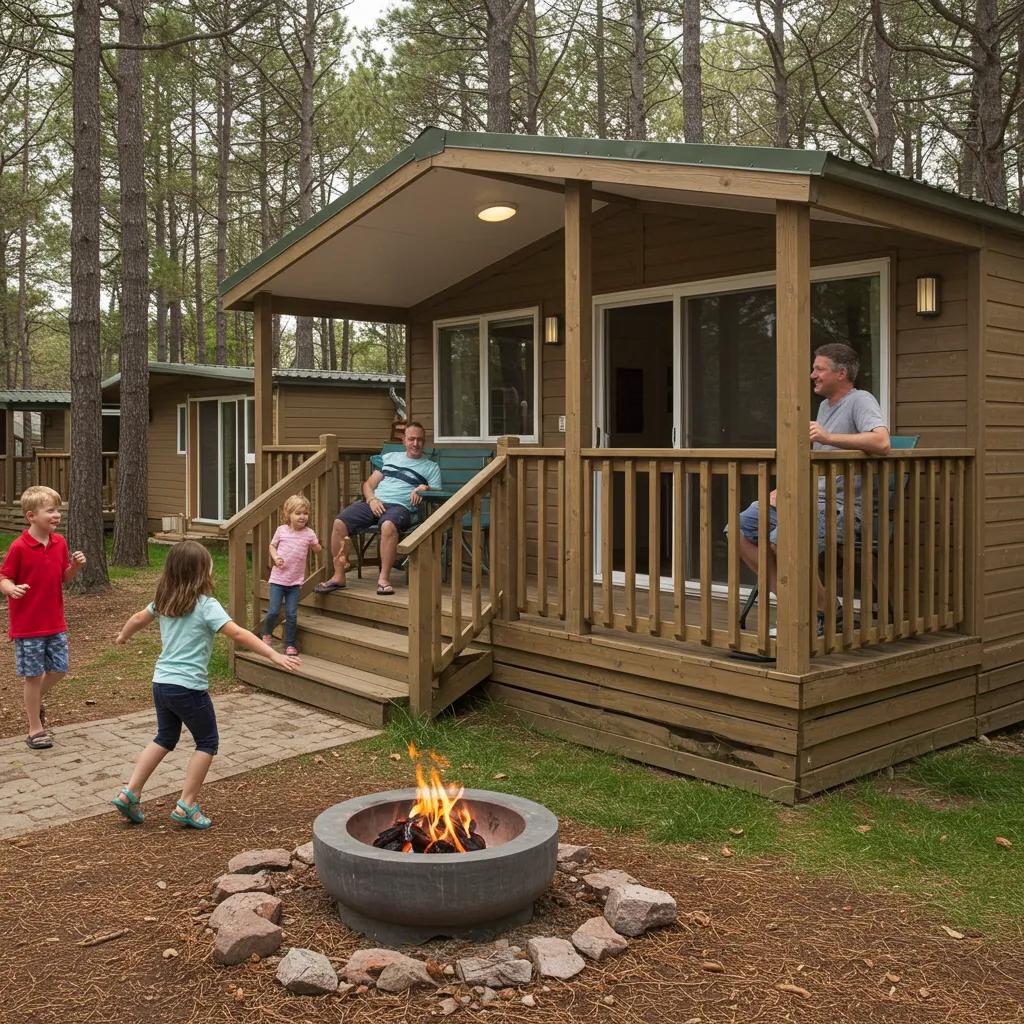
Typical cabin pricing in Michigan varies based on the provider, cabin style, season, and included services. State park cabins offer a baseline price, while private campgrounds generally charge more for added amenities. Glamping cabins command a premium for their luxury features and experiences. Understanding these tiers helps you estimate average nightly costs and anticipate any extra fees, making budget planning for weekend or peak-season trips much smoother.
Here’s a summary of how prices compare by campground type, helping you decide which category best fits your budget and comfort needs before we look at seasonal effects.
This pricing table shows the main ranges. As you can see, glamping cabins are typically at the higher end of the price spectrum, which leads us into how seasonal pricing can further influence these numbers.
How Do State Park Cabin Prices Compare to Private Campgrounds?
State park cabins usually offer essential lodging—a sleeping area, basic utilities, and sometimes shared facilities—typically ranging from $60 to $120 per night, making them a budget-friendly choice for families. Private campgrounds often charge more because they include extra amenities like on-site activities, updated bathrooms, or private beach access, adding perceived value for families and groups. By comparing features to nightly rates, you can judge the value: if a private campground includes a water park or river access, that amenity could justify a $30 to $100 nightly premium, depending on the site.
Seeing these trade-offs clearly shows when a state park cabin is sufficient and when a private campground better meets your needs for convenience and entertainment.
What Seasonal and Weekend Pricing Variations Should You Expect?
Seasonality significantly impacts cabin pricing. Peak summer months, holiday weekends, and school breaks usually mean higher nightly rates and minimum-stay requirements. Shoulder seasons and midweek dates, however, often offer reduced rates and more flexible availability. Weekend premiums can add 10–40% to weekday rates, depending on campground demand and amenities, with minimum two-night stays common for peak dates. Booking midweek or outside major holidays typically secures lower rates and fewer add-on fees, a key strategy for budget-conscious planners.
Understanding these patterns helps you schedule your stays strategically and avoid peak surcharges whenever possible.
Are There Hidden Fees or Discounts for Michigan Cabin Rentals?
Hidden fees and potential discounts can affect the total cost beyond the base nightly rate. It’s crucial to check these before booking to ensure you’re comparing accurately. Common extra charges include cleaning fees, pet fees, reservation or processing fees, and taxes. Typical discount sources include early-bird promotions, multi-night discounts, and seasonal packages. To avoid surprises, always read the full fee and policy sections when comparing listings and calculate a total-stay cost that includes all likely add-ons.
Being aware of these fees naturally leads us to the next section, which covers which amenities most influence perceived value and justify specific price points.
Which Amenities Are Commonly Included in Michigan Campground Cabins?
Cabin amenities fall into two main categories: in-cabin features that enhance daily comfort and campground amenities that shape the overall experience. Both directly influence pricing and guest satisfaction. In-cabin features like private bathrooms, kitchenettes, and climate control reduce the need for external services and often increase the nightly cost. On-site amenities such as water parks or river access add experiential value that can justify higher rates. Knowing which amenities you prioritize will streamline your selection between rustic, modern, and glamping cabins.
Here are common in-cabin and on-site amenity categories to guide your selection before we dive into family-oriented amenities in detail.
- In-cabin essentials typically include a bathroom, heating or AC, and basic bedding to ensure comfortable stays.
- Convenience features like a kitchenette or mini-fridge reduce food costs and add flexibility for families and longer stays.
- Onsite amenities such as water parks, swimming lakes, and organized activities significantly boost family appeal and justify higher prices.
These amenity groupings help clarify which features are geared towards families versus couples, leading into a more detailed look at in-cabin features that drive comfort.
What In-Cabin Features Enhance Comfort and Convenience?
In-cabin features that significantly impact comfort include a full bathroom, a kitchenette or full kitchen, reliable climate control, and quality bedding. These elements reduce reliance on shared facilities and enhance privacy. A full bathroom and heating/AC often place a cabin in a mid-to-high price tier because they offer many hotel-like comforts. A kitchenette, meanwhile, can reduce dining expenses and is particularly valuable for families with young children. Guests should prioritize features based on trip length and group needs, as a short weekend might tolerate fewer conveniences than a week-long family holiday.
Choosing which in-cabin features matter most will help focus your search and compare cabins more effectively.
What Family-Friendly Amenities Are Offered at Campgrounds?

Campgrounds targeting families often combine multiple on-site amenities—playgrounds, organized activities, water features, and family-style cabins with bunk beds—to create a complete vacation experience that keeps kids entertained. These amenities shift the value proposition: a campground with regular family programming and a water park reduces the need for external excursions and can make a slightly higher nightly rate more economical overall. Families should weigh activity schedules, lifeguard presence, and cabin sleeping configurations when judging whether a higher rate truly delivers better value.
Understanding family amenity packages clarifies when a private campground’s higher price is justified compared to a basic state park cabin.
How Do Unique Amenities Like River Access and Water Parks Add Value?
Unique amenities—river access, Wibit water park installations, and swimming lakes—transform lodging into an activity hub by bundling adventure and convenience. These often justify a clear price premium at private campgrounds. For instance, a campground offering a Wibit water park and Shiawassee River float trips creates repeatable on-site entertainment that reduces external activity costs and enhances family satisfaction. When evaluating value, compare the incremental nightly premium to the cost of sourcing similar activities off-site to determine if the amenity-driven rate is a net benefit.
These differentiated amenities lead directly into how cabin types and styles map to prices and guest expectations.
This table helps align cabin style with budget expectations and prepares you to compare cabin types for your group.
How Do Cabin Types and Styles Affect Pricing and Amenities in Michigan?
Cabin types create predictable trade-offs between cost and comfort. Rustic cabins prioritize affordability, modern cabins balance convenience and price, and glamping cabins focus on experience with luxury touches that raise rates. These distinctions explain why the same campground might offer varied nightly rates: each cabin type targets different traveler needs, from budget families to groups seeking an elevated “Michigan glamping prices per night” experience. Matching style to needs helps you select the right tier before diving into specific deluxe-versus-standard comparisons.
Understanding these style differences allows for informed choices based on your travel party and trip goals.
What Are the Differences Between Rustic, Modern, and Glamping Cabins?
Rustic cabins are basic, with minimal in-cabin features and the lowest nightly rates, appealing to outdoors-focused guests who are comfortable with shared facilities. Modern cabins add private bathrooms, kitchenettes, and climate control for comfortable stays without a luxury price tag, suiting families and small groups. Glamping cabins emphasize upgraded interiors, decorative touches, and curated experiences—these justify higher Michigan glamping prices per night for travelers seeking comfort plus novelty.
Recognizing these definitions ensures you compare similar offerings across listings and avoid mismatched expectations.
How Do Deluxe Cabins Compare to Standard Options in Features and Cost?
Deluxe cabins typically offer more square footage, higher-quality beds, private baths, and premium amenities compared to standard cabins, resulting in a noticeable cost premium that often ranges from 20–60% above standard rates, depending on location. Deluxe options might include features like expanded sleeping capacity, indoor/outdoor living spaces, and priority access to campground activities, making them more suitable for larger families or groups. Evaluate whether the added features reduce other trip costs (meals, activities) to determine if the deluxe premium represents true value.
These comparisons naturally lead to an example campground that packages many of the benefits discussed.
Why Choose Walnut Hills Family Campground for Your Michigan Cabin Stay?
Walnut Hills Family Campground (operated by GatherGrounds Resorts) exemplifies how a private campground positions glamping-style cabins and on-site amenities to deliver a premium family experience while modernizing facilities. The campground promotes Cabin Rentals at Walnut Hills Family Campground as offering the “ultimate glamping experience” alongside RV and tent sites. It pairs these lodging options with family-focused attractions like a Wibit water park, swimming lake, and Shiawassee River float trips.
Here’s a concise, schema-style table summarizing the campground’s cabin tiers and standout amenities for quick comparisons.
This structured view highlights the campground’s focus on family experiences and modernized facilities, helping travelers decide if the added nightly costs align with their priorities.
What Cabin Types and Pricing Tiers Does Walnut Hills Offer?
Walnut Hills lists Cabin Rentals at Walnut Hills Family Campground across tiers positioned from comfortable family cabins to upgraded glamping options, with pricing stratified by cabin features and seasonality. The site frames higher-tier cabins as delivering a premium, comfortable “glamping experience” and emphasizes modernized facilities like renovated bathrooms and showers to enhance guest comfort.
These offerings illustrate how campground-level choices and amenities influence booking decisions and value assessment.
Which Amenities and Activities Make Walnut Hills Stand Out?
Walnut Hills stands out for its family-friendly attractions and facility modernization, which combine to create a comprehensive vacation setting rather than just a place to sleep. Key differentiators include a Wibit water park and swimming lake for supervised water play, Shiawassee River float trips for easy river access, and renovated bathrooms, showers, and a campground store to improve convenience and comfort for guests. These amenities reduce the need for off-site planning and help families maximize time together, often offsetting modest nightly price increases.
Acknowledging these strengths shows how Walnut Hills caters to families and groups, which is the focus of the next subsection.
How Does Walnut Hills Cater to Families, Groups, and Pet Owners?
Walnut Hills structures its activities, cabin layouts, and on-site services to support families and groups seeking convenience and shared experiences. It also accommodates different camping preferences through RV and tent sites alongside cabins. The campground’s family programming and activity-rich environment make it suitable for group gatherings and multi-generational stays. Pet policies and dog-friendly spaces are included in the broader family-oriented setup—travelers should confirm specific pet fees and rules when booking.
Checking these policy details ensures your expectations align with the chosen cabin tier and the total stay cost.
How Can You Compare and Book Michigan Cabin Rentals Effectively?
Comparing and booking Michigan cabin rentals effectively requires consistent criteria, reliable tools, and a checklist for policies that impact total cost and flexibility. Use side-by-side comparisons of nightly rates, included amenities, fee disclosures, and cancellation terms to evaluate true value beyond just the base price. This approach reduces surprises and clarifies whether a glamping premium is worthwhile for your group.
Start comparisons using targeted tools, then verify availability and policies directly with campgrounds.
What Tools and Resources Help Compare Cabin Prices and Amenities?
Several practical tools can speed up accurate comparisons: campground booking platforms with filtering options, official campground cabin pages for exact amenity lists, and the campground’s Google Business Profile for current operational notes. You should cross-check multiple sources to confirm rates and inclusions. Use filters to match cabin style, occupancy, pet policies, and amenity bundles so you’re comparing like-for-like offerings. Consider contacting the campground directly if listings omit fee details. These techniques ensure that Michigan average cabin rental cost comparisons are apples-to-apples.
After a tool-based comparison, carefully check booking policies to avoid surprises.
What Should You Know About Booking Policies and Availability?
Key booking policy items that affect cost and flexibility include cancellation and refund terms, deposit requirements and payment timing, check-in/out rules, and minimum-stay policies for peak dates. Scrutinize these elements before committing. Booking earlier secures peak dates and may capture early-bird discounts, while flexible policies matter if plans are uncertain. Understanding deposit timing prevents unexpected holdbacks on your card.
Confirming these policies alongside the total calculated stay cost provides a realistic budget and improves your chances of a satisfying Michigan cabin stay.
Frequently Asked Questions
What is the best time of year to book a cabin in Michigan?
The best time to book a cabin in Michigan largely depends on your preferences for weather and activities. For those seeking warm weather and outdoor activities, summer months (June to August) are ideal, but they also come with higher prices and limited availability. If you prefer lower rates and fewer crowds, consider booking during the shoulder seasons of spring (April to May) and fall (September to October). Winter offers unique experiences like snow sports, but cabin availability may vary. Always book early for peak seasons to secure the best options.
Are cabins in Michigan pet-friendly?
Many cabins in Michigan offer pet-friendly options, but policies can vary significantly by campground. Some places may charge additional pet fees or have restrictions on the number of pets allowed. It’s essential to check the specific campground’s pet policy before booking to ensure it meets your needs. If traveling with pets, look for cabins that provide pet-friendly amenities, such as dog parks or nearby walking trails, to enhance your stay. Always confirm the details directly with the campground to avoid surprises.
What should I bring for a cabin stay in Michigan?
When preparing for a cabin stay in Michigan, consider packing essentials that enhance your comfort and convenience. Basic items include bedding, towels, and toiletries, especially if your cabin lacks these amenities. Additionally, bring food and cooking supplies if your cabin has a kitchenette. Outdoor gear like hiking boots, fishing equipment, or swimwear can enhance your experience, depending on the season. Don’t forget recreational items like games or books for downtime. Always check the cabin’s amenities list to tailor your packing list accordingly.
How can I ensure a cabin is clean and well-maintained?
To ensure a cabin is clean and well-maintained, read reviews from previous guests on booking platforms or the campground’s website. Look for comments specifically mentioning cleanliness and upkeep. Additionally, inquire about the campground’s cleaning protocols, especially in light of health concerns. Some campgrounds may provide photos of the cabin or offer virtual tours, which can help you gauge the condition. If cleanliness is a priority, consider booking cabins that have recently been renovated or are part of a reputable campground chain.
What activities are available near Michigan campgrounds?
Michigan campgrounds often provide a variety of activities to enhance your stay. Common options include hiking, fishing, swimming, and boating, especially in areas near lakes or rivers. Many campgrounds also offer organized activities such as guided nature walks, arts and crafts, or family game nights. For those interested in adventure, look for campgrounds with unique amenities like water parks or zip lines. Researching nearby attractions, such as state parks or local festivals, can also enrich your experience and provide additional entertainment options.
Can I book a cabin for a large group or family reunion?
Yes, many Michigan campgrounds offer cabins that can accommodate large groups or family reunions. Look for campgrounds that provide multiple cabins in close proximity or larger cabins designed for group stays. When booking, consider the total number of guests and the specific amenities needed, such as kitchen facilities or communal spaces. Some campgrounds may also offer group discounts or special packages for large bookings. It’s advisable to contact the campground directly to discuss your needs and ensure they can accommodate your group comfortably.
Conclusion
Choosing the right cabin in Michigan can significantly enhance your camping experience, balancing comfort, amenities, and budget. By understanding the pricing tiers and available features, you can make informed decisions that align with your group’s needs. Don’t miss out on the opportunity to explore the diverse cabin options available—start planning your ideal getaway today. Visit our site for more insights and to book your perfect Michigan cabin stay.