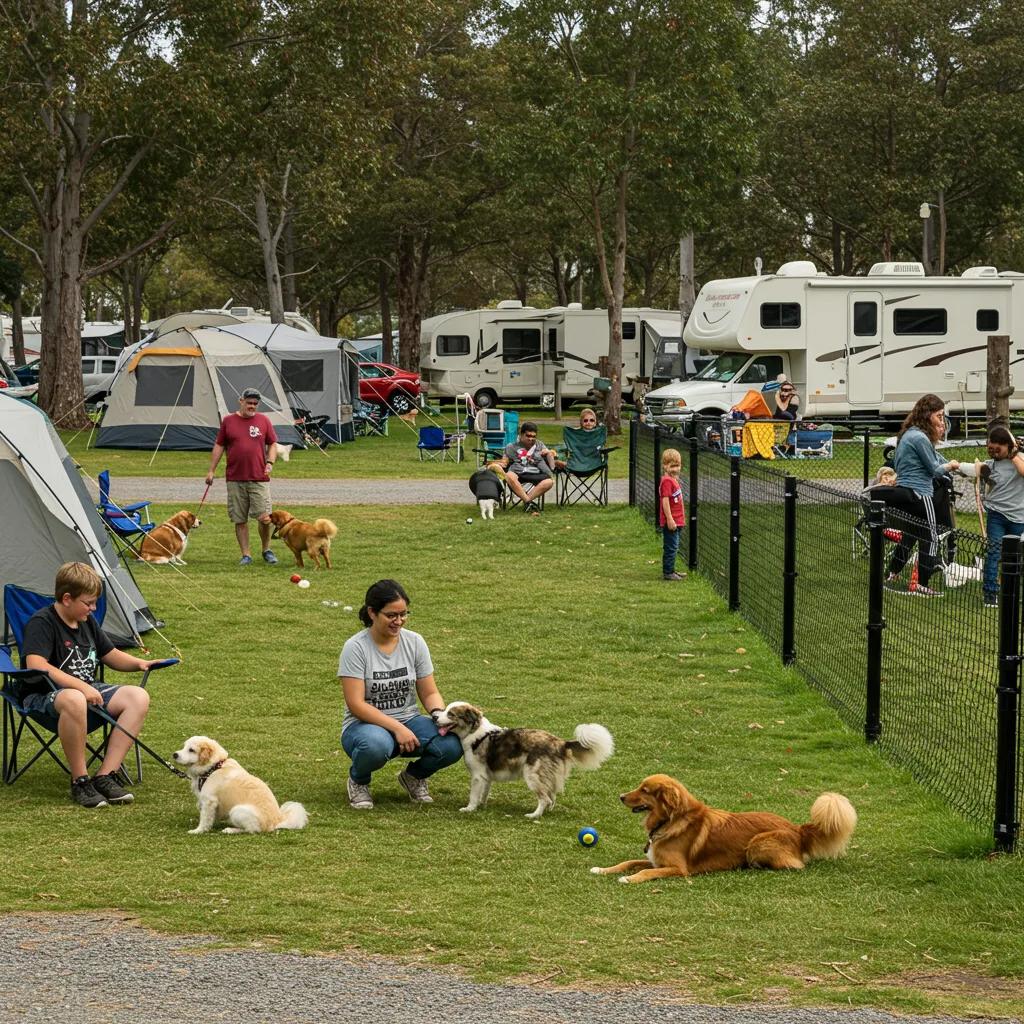
Discover the Best Dog-Friendly Campgrounds Near You: Policies and Amenities Explained
A dog-friendly campground lets owners enjoy outdoor recreation while keeping pets safe, comfortable, and within clear behavioral and sanitary rules. This guide explains what “dog-friendly” means in practice, why specific policies like leash length and restricted areas exist, and how amenities such as dog parks and pet wash stations improve the camping experience. You will learn actionable rules that apply at many Michigan campgrounds, practical packing and safety tips for camping with large dogs, and how to evaluate amenities before you book. The article also maps local context by highlighting Walnut Hills Family Campground in Durand, Michigan, operated by GatherGrounds Resorts, and explains how its features — RV and tent sites, cabins with pet restrictions, a large dog park, a swimming lake with a Wibit water park, and river float trips — fit into pet-policy decisions. Read on for clear policy summaries, amenity checklists, packing lists, and booking steps tailored to dog-friendly camping near you.
What Are the Key Dog-Friendly Camping Policies at Michigan Campgrounds?
Dog-friendly camping policies define owner responsibilities, safety requirements, and zones where pets are or are not permitted to protect people, wildlife, and facility hygiene. These policies typically include leash requirements, restricted areas such as cabins and beaches, cleanup expectations, and rules about unattended pets; enforcing these items reduces conflicts and keeps shared spaces usable for all guests. Understanding these core rules prepares dog owners to comply and plan alternatives when areas are off-limits.
Below is a quick list of the most common, enforceable policies that help set expectations for a stay.
- Leash rules and lengths are specified and enforced to control animals in common spaces.
- Certain facilities, including indoor buildings and swimming areas, are often restricted to protect hygiene and other guests.
- Pet waste removal and behavior standards are mandatory to maintain campground cleanliness and safety.
The next section breaks rules down into clear, scannable elements and provides an at-a-glance table for quick reference.
What Are the Leash Requirements for Dogs at Campgrounds?
Leash requirements state how and where a dog must be physically restrained to prevent unpredictable interactions and protect wildlife; most campgrounds prescribe a short, fixed-length leash for control. A common enforcement standard is a leash that keeps the dog within the owner’s immediate control on campsites and in common areas to prevent wandering and aggressive encounters. Practical leash types include a sturdy 6-foot leash or shorter hands-on options; avoid retractable leashes in crowded areas because they reduce control. Following leash rules not only complies with policy but also reduces stress for dogs and handlers, making it easier to enjoy trails and shared spaces safely.
Which Areas Are Restricted for Dogs at Campgrounds Like Walnut Hills?
Restricted zones typically include cabins, certain indoor buildings, the beach and lake swimming areas, and playgrounds to protect hygiene, wildlife, and guest comfort; these exclusions are designed with safety and sanitation in mind. For example, cabins may have specific pet restrictions to prevent damage and allergen exposure, while beach and lake rules often limit water access to protect swimmers and wildlife habitats. Planning alternatives—such as using a dedicated large dog park, arranging daytime care, or choosing an RV or tent site—helps owners manage restrictions without missing out on activities. Knowing restricted areas ahead of arrival reduces surprises and helps you schedule pet-friendly activities accordingly.
What Are the Cleanup and Behavior Expectations for Dogs?
Campgrounds require immediate cleanup of pet waste and expect owners to manage barking, aggression, and general behavior to ensure a positive environment for all guests and protect shared spaces. Owners should carry sufficient waste bags, use waste stations where provided, and understand that repeated noise or aggressive incidents can result in removal from the property. Unattended-pet rules commonly prohibit leaving dogs alone in campsites for extended periods, both for the dog’s safety and to avoid disturbances. Clear behavior standards preserve campground access for pet owners and demonstrate responsible pet stewardship, which in turn supports continued pet-friendly policies.
Before you book, review the policy summary table below to confirm specific rules you must follow during your stay.
Which Amenities Make a Campground Truly Dog Friendly in Michigan?
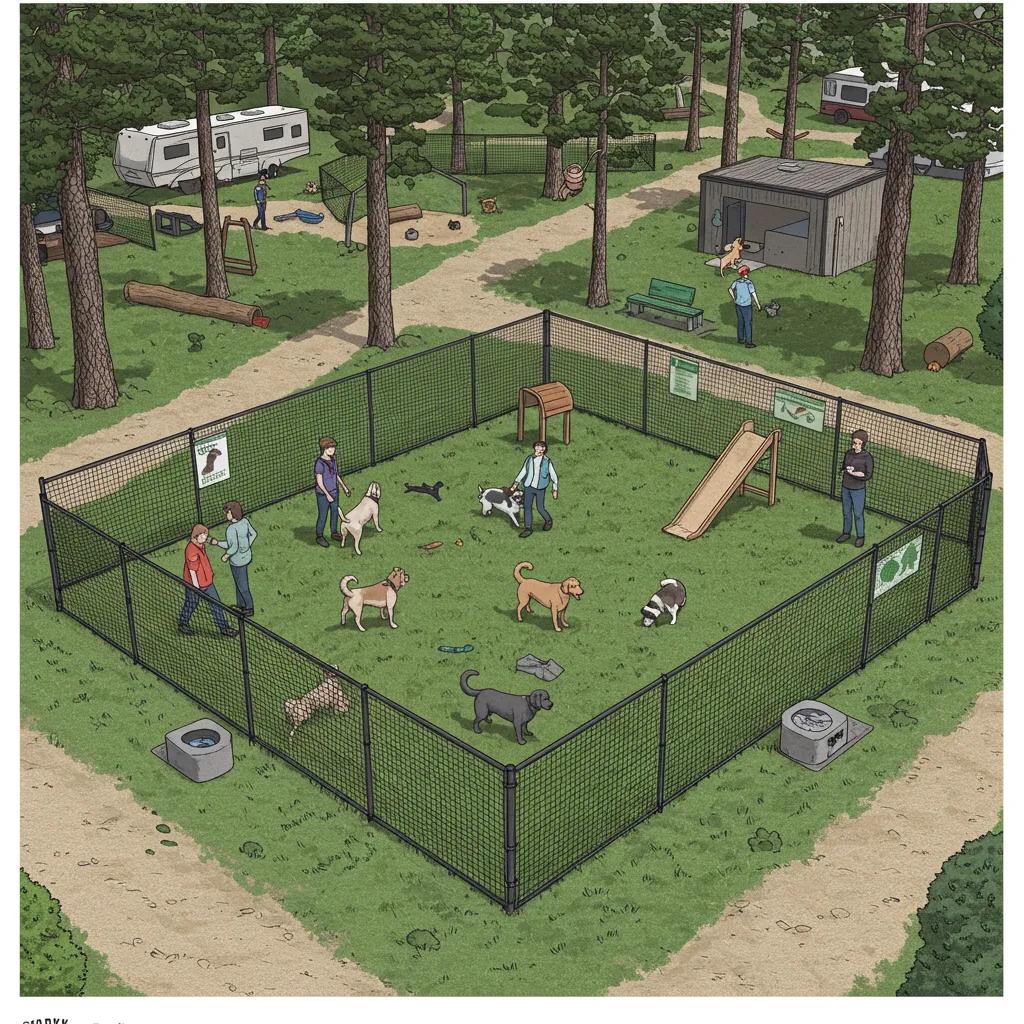
Dog-friendly amenities improve convenience, safety, and enjoyment for dogs and owners by providing designated spaces and services that meet canine needs while protecting the campground environment. Core amenities include a fenced or large dog park for off-leash play, waste stations for hygiene, pet wash stations for post-hike cleanup, on-site trails that allow leashed dogs, and access to water where permitted. These features enable owners to exercise and clean dogs efficiently, reducing mud and stress and increasing family-friendly options during a stay.
Below is a checklist of amenities owners should look for when choosing a dog-friendly campground.
- A dedicated dog park or fenced exercise area for safe off-leash activity.
- Waste stations and disposal infrastructure distributed across the property.
- Leashed trail access and clear signage for pet-safe routes.
Walnut Hills Family Campground, operated by GatherGrounds Resorts, provides several relevant amenities including a large dog park, on-site waste stations, campground trails, and a swimming lake with a Wibit water park; note that cabins may carry pet restrictions even when other dog-friendly facilities are present. These amenities make it easier for families to combine recreation—such as river float trips and lake activities—with responsible pet care.
The following comparison clarifies which amenities most directly influence a dog-friendly camping experience and helps you prioritize campsites that match your dog’s needs.
How Can You Prepare for a Dog-Friendly Camping Trip at Walnut Hills?
Preparation for a dog-friendly camping trip reduces stress and ensures compliance with campground pet policies by focusing on health, safety, and comfort items tailored to outdoor stays. Essential preparation includes confirming vaccination and ID status, packing weather-appropriate bedding and shelter, bringing secure leashes and containment options for nights, and planning for cleanup with plenty of waste bags. Preparing in advance also means checking for on-site services such as waste stations and the large dog park so you can plan walks and hygiene breaks around available infrastructure. The next subsection provides a concise, targeted packing checklist to streamline your pre-trip routine.
What Should You Pack for Camping with Your Dog?
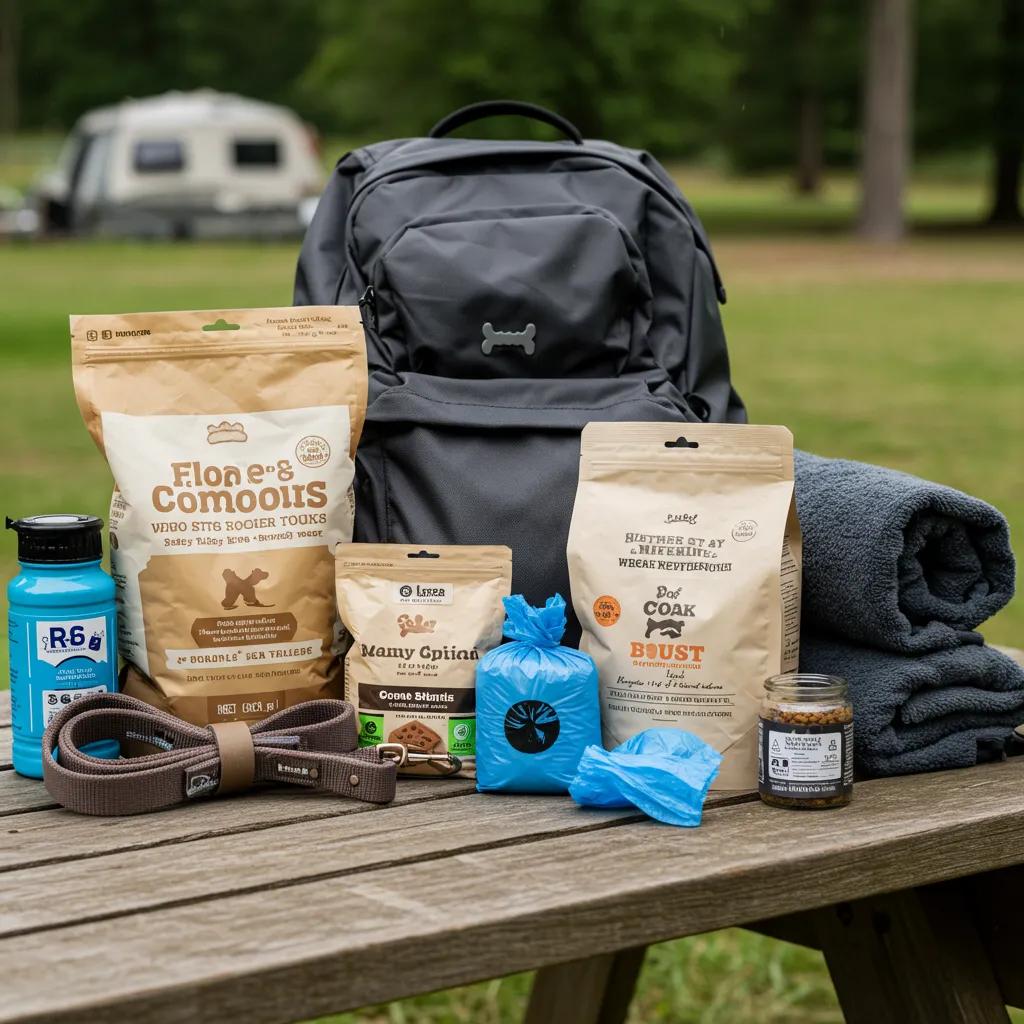
A concise packing checklist helps families prepare efficiently and follow campground rules, including those that restrict access to cabins and water areas. Pack core must-haves: sufficient food, a durable leash and harness, waste bags, and vaccination records to show on request; bring a comfortable bed and shade for naps in hot weather and a crate or tethering option for safe containment. Optional items that improve safety and fun include a life jacket if water access is allowed, tick prevention treatments, reflective gear for evening walks, and toys to minimize boredom. Preparing these items in advance makes transitions between activities—trail walks, time in the dog park, or lounging at your site—smoother for both dogs and owners.
- Food and measured portions for the entire stay, plus extra in case of delays.
- Sturdy leash, harness, and a backup tether for campsite security.
- Waste bags, a portable water bowl, and a pet-first-aid kit.
Packing these items ensures dogs stay fed, contained, and healthy while you enjoy campground amenities. Remember to include documentation of vaccinations and ID tags with your pet’s collar to comply with most campground rules.
How to Ensure Your Dog’s Comfort and Safety During Your Stay?
Ensuring comfort and safety involves managing temperature, secure sleeping arrangements, and supervised interactions with other animals and guests while respecting campground policies. On hot days, provide ample shade and fresh water and avoid mid-day exertion; in cool weather make sure bedding and shelter prevent chills. Secure dogs in tents or RVs overnight using a crate or anchored tether to prevent escapes and nighttime disturbances, and always supervise interactions at the large dog park to avoid escalation. These practices protect the dog and reduce behavioral incidents that can affect other campers, improving everyone’s experience and maintaining the campground’s dog-friendly status.
What Dog-Friendly Activities Are Available at Walnut Hills Family Campground?
Dog-friendly activities enrich a camping trip by combining exercise, social interaction, and family time while following site rules that protect shared resources and participants. Typical activities at dog-friendly campgrounds include supervised play in a large dog park, leashed walks on campground trails, and family-friendly events where dogs are welcome to participate under owner control. At Walnut Hills Family Campground specific offerings like river float trips and access to campground trails complement pet-focused recreation, though lake or beach participation for dogs may be limited per policy. The following subsection outlines trail access and nearby options to plan active days with your dog.
Which Trails and Outdoor Areas Are Dog Accessible?
Accessible trails and walking routes provide consistent exercise opportunities while keeping dogs leashed and safe from wildlife and traffic; campgrounds usually mark these routes and note difficulty levels for family planning. Within campground boundaries, “campground trails” often include easy loops suitable for families and large dogs, and owners should follow posted leash rules and trail etiquette to minimize encounters with other wildlife and guests. Nearby dog-friendly parks within Durand provide additional off-site walking options for longer outings or varied terrain; always verify local rules before visiting external sites. Choosing trails that match your dog’s fitness and leash responsiveness ensures an enjoyable, low-risk outdoor experience.
Are There Special Events or Themed Activities for Dogs and Families?
Seasonal themed weekends, meetups, or family events can add structure and social opportunities for dogs and owners, and some campgrounds host dog-friendly gatherings that encourage responsible play and engagement. If scheduled events exist, they often appear on the campground’s event calendar or announcements and may include supervised dog play sessions, adoption meet-and-greets, or family-oriented contests; availability varies by season. When events are not scheduled, families can organize small meetups at the large dog park or plan coordinated walks on designated trails to create communal experiences. Checking the campground’s event information before arrival helps families align their trip with any dog-inclusive programming.
How Do You Book a Dog-Friendly Stay at Walnut Hills Family Campground?
Booking a dog-friendly stay requires confirming pet policies, choosing the right accommodation type, and communicating any special needs in advance to avoid surprises at check-in and ensure a smooth visit. Start by reviewing the campground’s published pet policy language for leash rules, restricted areas, and cabin restrictions; save or note key rules so you can reference them during your stay. Select accommodation according to your needs—RV sites and tent sites typically allow pets more freely, while cabins may have specific pet restrictions—then follow reservation instructions and note any additional pet fees or documentation required. The steps below condense the booking process into a short checklist you can follow before finalizing a reservation.
- Review the campground pet policy and confirm leash and restricted-area rules.
- Choose an accommodation type that matches your dog’s needs and policy allowances.
- Make a reservation for an RV site or tent site early and note cabin pet restrictions before booking.
Where Can You Find Detailed Pet Policies Before Booking?
Detailed pet policies are usually available on the campground’s rules or pet policy page and should be reviewed prior to reservation to ensure compliance with leash lengths, restricted zones, and cleanup expectations. Look for explicit language about cabins, indoor buildings, beach and lake restrictions, and unattended pet rules; printing or saving policy excerpts makes them easy to reference during check-in. If any policy language is unclear, contacting the campground directly to clarify permitted areas and documentation requirements prevents misunderstandings. Gathering these details before booking helps you choose between RV sites, tent sites, and cabins based on your dog’s needs and the campground’s restrictions.
What Are the Best Dog-Friendly Accommodation Options?
Choosing the best accommodation depends on your dog’s temperament, size, and the campground’s pet rules; in many cases, RV sites and tent sites offer the most flexibility, while cabins may have restrictions or be off-limits to pets. RV sites and tent sites typically allow more direct supervision and provide easier containment options for dogs, while cabins can be suitable only if the policy permits pets with specific restrictions.
For dog owners seeking guided stays, consider dog-friendly camping experiences, including RV sites, tent sites, and potentially cabins (with specific pet restrictions) at Walnut Hills Family Campground operated by GatherGrounds Resorts to combine family-focused recreation with pet-friendly amenities.
Frequently Asked Questions
What should I do if my dog has special needs while camping?
If your dog has special needs, it’s essential to communicate these requirements to the campground staff before your arrival. Many campgrounds, including Walnut Hills, are willing to accommodate specific requests, such as dietary restrictions or mobility issues. Additionally, ensure you pack any necessary medications, comfort items, and equipment that your dog may need during your stay. Planning ahead will help ensure a comfortable and enjoyable experience for both you and your pet.
Are there any dog-friendly events at campgrounds?
Many campgrounds host seasonal events or themed weekends that are dog-friendly, providing opportunities for socialization and fun activities. These can include supervised play sessions, dog contests, or family-oriented gatherings. Check the campground’s event calendar or inquire directly about any upcoming activities that welcome dogs. Participating in these events can enhance your camping experience and allow your dog to interact with other pets and families.
How can I find nearby dog-friendly parks or trails?
To find nearby dog-friendly parks or trails, utilize online resources such as local tourism websites, pet-friendly apps, or social media groups dedicated to dog owners. Many campgrounds also provide information on nearby attractions and outdoor areas that allow dogs. Before heading out, verify the specific rules and leash requirements for each location to ensure a safe and enjoyable outing for you and your dog.
What should I do if my dog misbehaves at the campground?
If your dog misbehaves at the campground, it’s crucial to address the behavior promptly to maintain a positive environment for all guests. Remove your dog from the situation, and assess the cause of the behavior—whether it’s fear, excitement, or aggression. Implement training techniques to correct the behavior, and consider using a crate or tether for safety. If issues persist, consult with campground staff for guidance on how to proceed while ensuring compliance with their policies.
Can I leave my dog unattended at the campground?
Most campgrounds, including Walnut Hills, have strict policies against leaving dogs unattended at campsites. This rule is in place to ensure the safety of your pet and the comfort of other guests. If you need to leave your dog for a short period, consider using a crate or tethering them securely. Alternatively, arrange for a pet sitter or take your dog with you to ensure they are safe and comfortable during your absence.
What are the best practices for socializing my dog at the campground?
To socialize your dog effectively at the campground, start by introducing them to other dogs and people gradually. Use positive reinforcement techniques, such as treats and praise, to encourage calm behavior. Always supervise interactions, especially in communal areas like dog parks, to prevent conflicts. Be mindful of your dog’s body language and remove them from situations that may cause stress or aggression. Gradual exposure to new experiences will help your dog feel more comfortable in a busy environment.
How can I ensure my dog stays hydrated while camping?
Keeping your dog hydrated while camping is essential, especially during warm weather. Always carry a portable water bowl and ensure your dog has access to fresh water throughout the day. Fill the bowl regularly and encourage your dog to drink, especially after exercise or during breaks. If you’re hiking or engaging in activities, take extra water with you to prevent dehydration. Monitoring your dog’s water intake will help keep them healthy and happy during your camping trip.
Conclusion
Choosing a dog-friendly campground like Walnut Hills Family Campground allows you to enjoy outdoor adventures while ensuring your pet’s comfort and safety. Understanding policies and amenities enhances your camping experience, making it easier to plan enjoyable activities with your furry friend. Prepare effectively by reviewing pet rules and packing essential items to ensure a smooth trip. Start planning your next dog-friendly getaway today and explore our recommended campgrounds for an unforgettable experience!