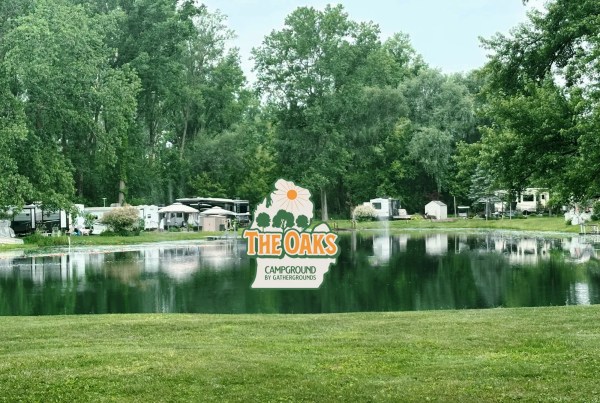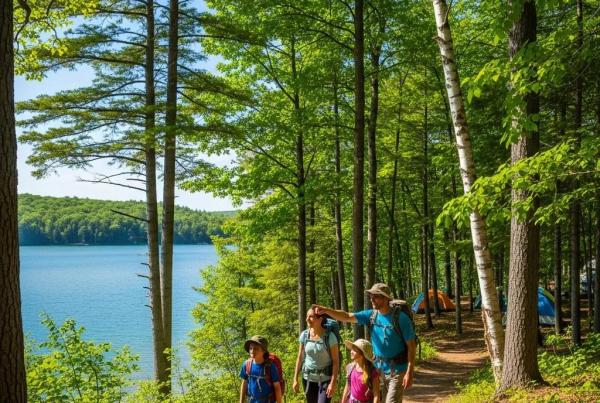


Michigan Campgrounds with Hiking Trails — Your Family-Friendly Guide
Planning a family trip to Michigan? This straightforward guide compares campgrounds that pair easy, family-friendly hiking with on-site amenities so you can pick the best spot for day hikes, multi-activity stays, and simple reservations. We cover options across both peninsulas, explain how amenities shape your hiking day, and highlight the Southeast Michigan example — The Oaks Campground in Munith — to show how campground features plus nearby state-park access make for flexible family adventures. Keep reading for top picks, packing and safety tips, quick comparison tables, and an easy reservation checklist to lock in your next trip.
Which Michigan Campgrounds Are Best for Hiking and Family Fun?
Here’s a short, curated list of campgrounds across Michigan that balance good hiking with family-focused amenities. These picks mix on-site trails with access to larger trail systems so families can choose short loops for little ones or longer hikes for adults. Your choice will depend on whether you want a lakeside cooldown after a hike, playgrounds for small kids, or a short drive from a major city. Below you’ll find quick reasons each campground works well for families, plus a compact table to help you match needs to features.
These examples include options in both the Upper and Lower Peninsulas and near metro areas. Each entry gives a one-line trail highlight and the key family amenity to consider when planning.
- Ludington State Park: Dunes and shoreline trails with beachfront camping for easy day hikes.
- Porcupine Mountains Wilderness State Park: Old-growth forest routes and wide views for family day trips.
- Waterloo-adjacent campgrounds: Mix of short family loops and access to a larger recreation area for variety.
- The Oaks Campground (Munith): On-site riding trails plus nearby Waterloo hiking and family amenities.
This quick list sets up the more detailed comparison below, where trail features, camping comforts, and drive times are laid out so you can weigh options more precisely.
Use this comparison to weigh trail scale against family conveniences and match a site to your group’s energy and accessibility needs.
Which Campgrounds Offer Family-Friendly Hiking Trails in Lower Michigan?

Lower Michigan is great for weekend escapes and short, kid-friendly hikes. Trails here often feature shorter loops, clear signage, and gentle grades — perfect for strollers or small feet. Campgrounds near cities usually offer several short trail options plus day-use areas, so you can split time between a quick hike and playground or lake fun. When you plan, favor trails marked “easy” and pick sites close to trailheads to keep transit low and energy high for younger hikers.
Families coming from Detroit or Ann Arbor can find campgrounds within one to two hours that offer multiple loop choices and family comforts, making Lower Michigan ideal for frequent weekend trips. Shorter travel times mean more outdoor hours — a real advantage for busy families. Once you’ve picked a site, check how on-site facilities support your hiking plans so you can balance active and restful parts of the day.
How Do Amenities Improve the Hiking Experience at Michigan Campgrounds?
Amenities shape how comfortable and easy your hiking days feel. A swimming lake or playground gives kids instant post-hike fun, while full hookups make it simpler for RV families to recharge after longer treks. Fishing ponds, picnic shelters, and clean restrooms give non-hikers low-effort options so everyone stays entertained. Good day-use areas and accessible restrooms also make short hikes more doable for families with young children.
Match amenities to your trip goals: pick lakeside sites when cooling off matters, or full-hookup sites if you need power and climate control. Understanding this amenity-to-activity link helps you plan balanced days — hike in the morning, relax in the afternoon, and be ready for the next adventure.
How Does The Oaks Campground Stand Out Among Michigan Hiking Campgrounds?
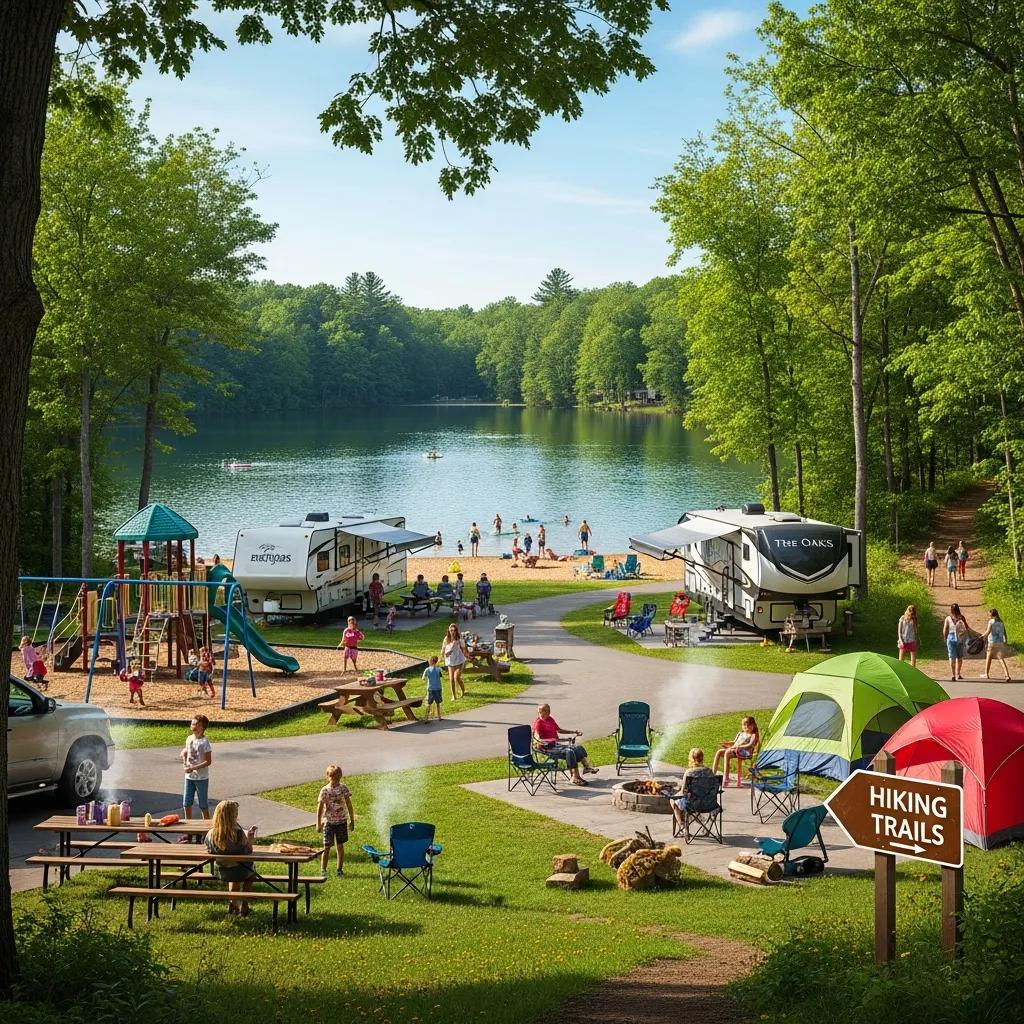
The Oaks Campground in Munith is a family-focused spot that combines generous on-site recreation with direct access to a large state recreation area. It’s a good example of how a campground can offer short, predictable on-site loops plus nearby public-park hiking for longer outings. The property’s size and mix of amenities let families choose quick walks around camp or full day hikes in the adjacent Waterloo State Recreation Area — a flexible setup for mixed-ability groups.
This table lays out what families can expect at The Oaks: a blend of on-site riding trails and easy access to Waterloo’s hiking options — a useful combination when you want both convenience and bigger trail choices.
What Hiking and Trail Options Are Available at The Oaks Campground?
The Oaks mixes internal riding trails with immediate access to Waterloo’s hiking network, serving a wide range of family preferences. Its 120 acres of trails are built for golf carts but double as wide, gentle walking routes — ideal for families who prefer smooth surfaces and short loops. For more traditional foot-hiking, Waterloo’s singletrack and mixed-surface trails are right next door, offering longer loops and more varied terrain. Families can alternate easy on-site walks with more adventurous day-hikes in Waterloo depending on energy and weather.
That flexibility makes trip planning simple: start with a nearby family loop to warm up, move into Waterloo for a longer nature hike if the group’s up for it, and return to camp for lake time and kid-friendly play.
Which Family Amenities Make The Oaks Ideal for Outdoor Adventures?
The Oaks’ amenities are designed for multi-activity stays where hiking is one of several daily options. Key features include full hookup RV sites, a swimming lake (with a Wibit water park planned for 2026), a fishing pond, and playgrounds for younger kids. These comforts let families mix active hikes with low-effort downtime so everyone gets something they enjoy. Hookups and water-based activities reduce logistics and make longer stays with mixed plans much easier.
Thanks to these amenities, you can plan morning hikes, midday lake breaks, and afternoon playground time without long drives between activities. For Southeast Michigan families, The Oaks offers a convenient, well-rounded base for camping and hiking.
What Key Factors Should You Consider When Comparing Campgrounds With Hiking Trails in Michigan?
When you compare campgrounds with hiking access, focus on four factors that determine how well a site fits your group: trail access (on-site vs. nearby), trail difficulty and suitability, family amenities and comfort, and travel time from home or the nearest metro. Together these shape your hiking experience and how easily you can blend hikes into a full trip. The compact decision table below turns these factors into quick comparison points to help you evaluate multiple campgrounds.
Use this as a quick filter: pick on-site access for easy family outings and state-park adjacency when you want flexible day-hike options.
How Do Trail Access and Difficulty Levels Affect Your Camping Choice?
Trail access and difficulty tell you who will enjoy the hikes and how to plan days around them. “Easy” trails usually mean flat terrain, clear signs, and short loops under a couple of miles — perfect for young children or mixed-ability groups. Moderate trails have rolling hills and uneven footing, while strenuous routes include steep climbs or long distances that need extra planning and gear. Match the trail difficulty to your group so younger hikers stay safe and interested and more experienced members can still explore longer routes.
Practical tip: choose campgrounds with a mix of trail types or with access to both on-site loops and nearby trail systems. That gives you flexibility to split activities by ability and let everyone recover back at camp after harder hikes.
Why Is Proximity to Major Metro Areas Important for Campers?
How close a campground is to cities like Detroit or Ann Arbor matters when families want quick weekend getaways or last-minute trips. Shorter drives save energy and give you more outdoor time. Nearby sites also make it easier to return home for forgotten items and often offer more day-use options for short visits. Southeast Michigan campgrounds convenient to Detroit are especially good value for families who prefer to trade a short drive for a full day outdoors. Remote destinations make sense for longer trips where the drive is part of the adventure.
Being near a metro can also help in busy seasons, since accessible locations sometimes have more flexible reservation windows and spare capacity for last-minute travelers.
Which Michigan State Parks and Campgrounds Offer Exceptional Hiking Trails?
Michigan’s state parks and large natural areas deliver varied hiking—from dune walks to old-growth forest ridgelines. Highlights include Waterloo State Recreation Area for mixed-use trails near Southeast Michigan, Ludington State Park for dunes and shore routes, and Porcupine Mountains Wilderness State Park for deeper wilderness hiking. Each area has its own trail character — lakeside views, dune ecosystems, or rugged forest ridges — and suits different family outings and skill levels. The table below summarizes trail character and family suitability to help you choose based on scenery and challenge.
These parks expand the hiking options available to campground guests and help you plan trips with a range of scenery and difficulty.
What Hiking Opportunities Are Found at Waterloo State Recreation Area?
Waterloo State Recreation Area offers a patchwork of trails through forest, wetlands, and rolling terrain that work for short family hikes and longer explorations alike. Its large footprint gives you both short loops for kids and extended routes for more adventurous family members — a great setup for wildlife viewing and seasonal wildflowers. Trail surfaces and signage vary, so pick routes ahead of time that match your group’s stamina. For campers at nearby sites like The Oaks, Waterloo’s connected trailheads add variety without long drives.
Local planning tip: do morning hikes when wildlife is more active and temperatures are cooler, and save afternoon activities like fishing or lake time for a low-key wind-down.
How Do Other Notable Campgrounds Compare to The Oaks for Hiking?
Campgrounds in Ludington and the Porcupine Mountains focus on natural trail variety and more remote hiking experiences, while The Oaks highlights family amenities and Southeast Michigan convenience. Ludington is scenic with dunes and shoreline hikes that are accessible and photogenic; the Porcupine Mountains offer rugged, backcountry-style trails for longer adventures. The Oaks pairs on-site recreational space with adjacent state-park access, making it a strong choice for families who want both short, convenient walks and nearby extended trails without long drives.
Recommendation matrix:
- Families wanting quick, repeatable weekend trips: choose campgrounds near metros or with on-site trails like The Oaks.
- Hikers seeking scenic variety and longer day-hikes: prioritize state parks such as Ludington or Porcupine Mountains.
- Mixed groups: pick locations offering both on-site options and nearby park access to satisfy different needs.
How Can You Plan a Successful Camping and Hiking Trip in Michigan?
Successful family trips balance preparation, safety, and realistic pacing so everyone stays engaged. Start by picking a campground that fits your group’s trail ability and amenity needs. Then plan days that mix higher-energy hikes with low-effort recovery. Pack for changing weather, sun protection, and basic first aid, and confirm campsite amenities ahead of time — especially if you need hookups or lake access. Below are practical packing and booking lists to move you from planning to a confirmed trip.
A solid plan breaks tasks into gear, safety, and booking steps so you can focus on outdoor time and avoid last-minute stress.
- Essential Gear: Comfortable walking shoes, layered clothing, a rain shell, refillable water bottles, and a small first-aid kit.
- Safety Items: Tick prevention (repellent and checks), a paper map or downloaded route, flashlight, and electrolyte packets.
- Comfort Extras: Portable chairs, a shade canopy, quick-dry towels, and small games to keep kids entertained at camp.
What Are Essential Tips for Packing and Trail Safety?
Packing and trail safety come down to expecting Michigan’s changing weather and common outdoor risks while keeping things simple for families. Dress in layers, use sun and insect protection, and bring a compact first-aid kit for blisters and minor cuts. For tick prevention — an important concern here — use repellent, wear light-colored clothing to spot ticks more easily, and perform thorough checks after hikes. Follow Leave No Trace: pack out trash, stay on marked trails, and yield to other users to keep trails in good shape and minimize wildlife disturbance.
Quick habit: assign a short safety checklist (water, map, sunscreen) to an older child or an adult before each walk to make sure nothing essential is forgotten.
How Do You Make Reservations at Michigan Campgrounds Like The Oaks?
Reserving a site follows the same basic steps at most Michigan campgrounds and works the same at The Oaks. First, check availability for your dates and pick the site type (tent, RV, or full-hookup) that fits your gear. Second, confirm key amenities — hookups, lake access, playground proximity — so your site supports post-hike plans. Third, review cancellation and check-in policies, then complete payment to secure your dates. At The Oaks, look for full-hookup or family-friendly sites that match your itinerary and follow the reservation prompts to finish booking.
Timing tip: book early for peak summer weekends. Weekday stays or shoulder seasons usually offer more availability and quieter trails.
- Check Dates & Availability: Look for open dates that align with school and work schedules.
- Select Site Type: Pick a tent site, RV full-hookup, or family site based on your needs.
- Confirm Amenities & Policies: Verify hookups, lake access, and cancellation rules before paying.
- Finalize Booking: Complete payment to lock in your reservation and get confirmation.
Frequently Asked Questions
What should families consider when choosing a campground in Michigan?
Think about trail access (on-site versus nearby), trail difficulty for your group, available amenities, and how far you’ll drive. Trail access affects convenience, difficulty determines who can join hikes, amenities like playgrounds and lakes keep kids happy, and proximity to a metro shortens travel time for quick trips.
Are there specific safety tips for hiking with children in Michigan?
Yes. Make sure kids wear proper shoes and weather-appropriate clothes, bring plenty of water, and carry a small first-aid kit. Teach trail etiquette — stay on marked paths and respect wildlife — and use a buddy system or assign an adult to supervise. Take regular breaks to keep everyone energized.
What types of trails are best for families with young children?
Choose trails labeled “easy”: flat, well-marked, and short loops. Look for routes with interest points like viewpoints, wildlife, or interpretive signs. Campgrounds with on-site short loops or nearby gentle trails are perfect for young families.
How can families balance hiking with other activities during their camping trip?
Plan a flexible day that mixes active and restful time. Hike in the morning when it’s cooler, then schedule relaxing activities like swimming, fishing, or playground time in the afternoon. Alternating activity intensity helps everyone enjoy the trip without wearing out.
What are the benefits of camping near state parks in Michigan?
Camping near state parks gives you access to more and better-maintained trails, varied scenery, and extra recreational options. State parks often offer trail networks that suit different skill levels and make it easy to plan day hikes, picnics, and other educational or wildlife-viewing activities.
How can families ensure a successful camping experience in Michigan?
Start with good planning: pick a campground that fits your group, pack the right gear, and build a flexible itinerary that balances hiking with downtime. Know campground rules and local wildlife considerations. With a little prep, families can get the most from their outdoor time and make lasting memories.
Conclusion
Picking the right Michigan campground makes a big difference for family outdoor time. Focus on trail access, difficulty, and family-friendly features to match a site to your needs. Whether you want quick weekend hikes near the city or longer adventures in a state park, our curated picks and practical tips help you plan a confident, enjoyable trip. Start planning, reserve early for busy weekends, and get ready to make great memories in Michigan’s outdoors.