Fishing vs. Swimming: A Family Guide to Michigan Waterfront Campgrounds
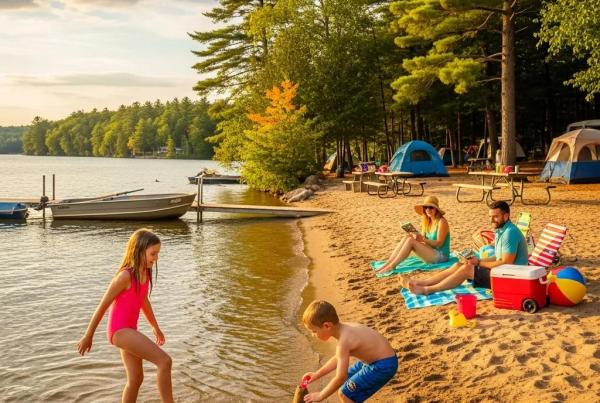
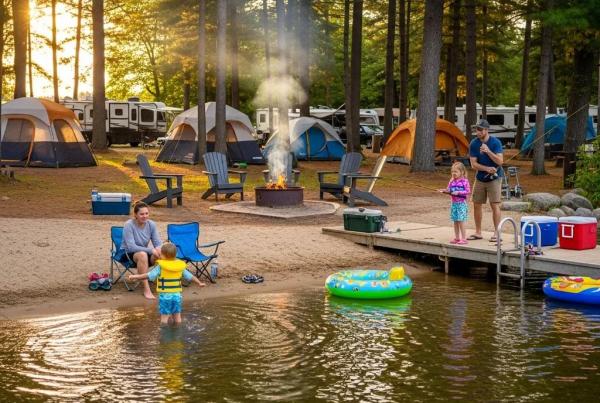
Picking the right waterfront campsite means choosing between two kinds of family fun: calm, catch-and-learn fishing and lively swim-and-play beach days. This guide helps families weigh both options at Michigan campgrounds that offer fishing and swimming, focusing on experiences, amenities, safety, and travel convenience that make a weekend or longer stay work. We use The Oaks Campground by GatherGrounds as an example family-focused spot — it has a managed fishing pond, a sandy swimming lake, and planned upgrades coming in 2025. Read on for what to expect from pond fishing, how beaches and water attractions shape days with kids, and simple planning tips—what to pack, how to choose a site, and nearby things to do—to get the most from a waterfront camping trip. We cover unique fishing moments, the practical perks of on-site swimming, decision tools for mixed-age groups, complementary features like golf cart trails and weekend events, and how to book and prepare for a stay within easy drive of Michigan metros.
Why The Oaks Campground Works So Well for Families Who Fish and Swim
The Oaks combines two different waterfront options on one easy-to-manage property: a stocked fishing pond and a sandy lake for swimming. That setup gives families choices — someone can enjoy quiet bank fishing while the rest of the group builds sandcastles or swims nearby, all within easy sight. Family-focused infrastructure — playgrounds, golf cart trails, and weekend programming — lets parents mix activities without constant logistic headaches. Located a short drive from regional population centers, The Oaks is convenient for quick weekend escapes. Below we explain how the water features, amenities, and schedules are arranged so families can move smoothly between fishing and swim time.
Making reservations at The Oaks is straightforward; availability and site details are listed on The Oaks Campground page so you can reserve a spot near the pond or the beach and plan around weekend events. That makes it simple to lock in a beachfront site or a pond-adjacent spot ahead of a busy weekend.
How The Oaks Puts Fishing and Swimming Close Enough for Family Balance
The Oaks places its pond and lake a short walk apart so parents can watch both water areas without long treks across the property. Benches, picnic shelters, and restroom access near each feature give families natural places to swap supervision and take breaks. Staff-posted schedules and staggered weekend programming often let one adult take teens to the Wibit-style water attractions while another enjoys a quieter afternoon of pond fishing. Practical tips include setting up short “watch shifts” between adults and bringing portable shade so rotations stay comfortable. This layout and programming make it realistic to enjoy both water experiences in a single day.
Why The Oaks’ Location Is Handy for Michigan Road Trips
The Oaks sits within reasonable drive times of several larger metro areas, so it’s an easy choice for short weekends or longer stays. Its closeness to outdoor spots gives families options for day hikes or nature outings beyond the campground, which is handy for mixed itineraries. Shorter drives mean less travel stress for kids and make last-minute weekend getaways more doable — a real convenience for busy parents. That accessibility also helps families decide whether to lean into fishing or swimming depending on how much time they have and how far they want to travel.
What Makes Pond Fishing at Family Campgrounds Special?
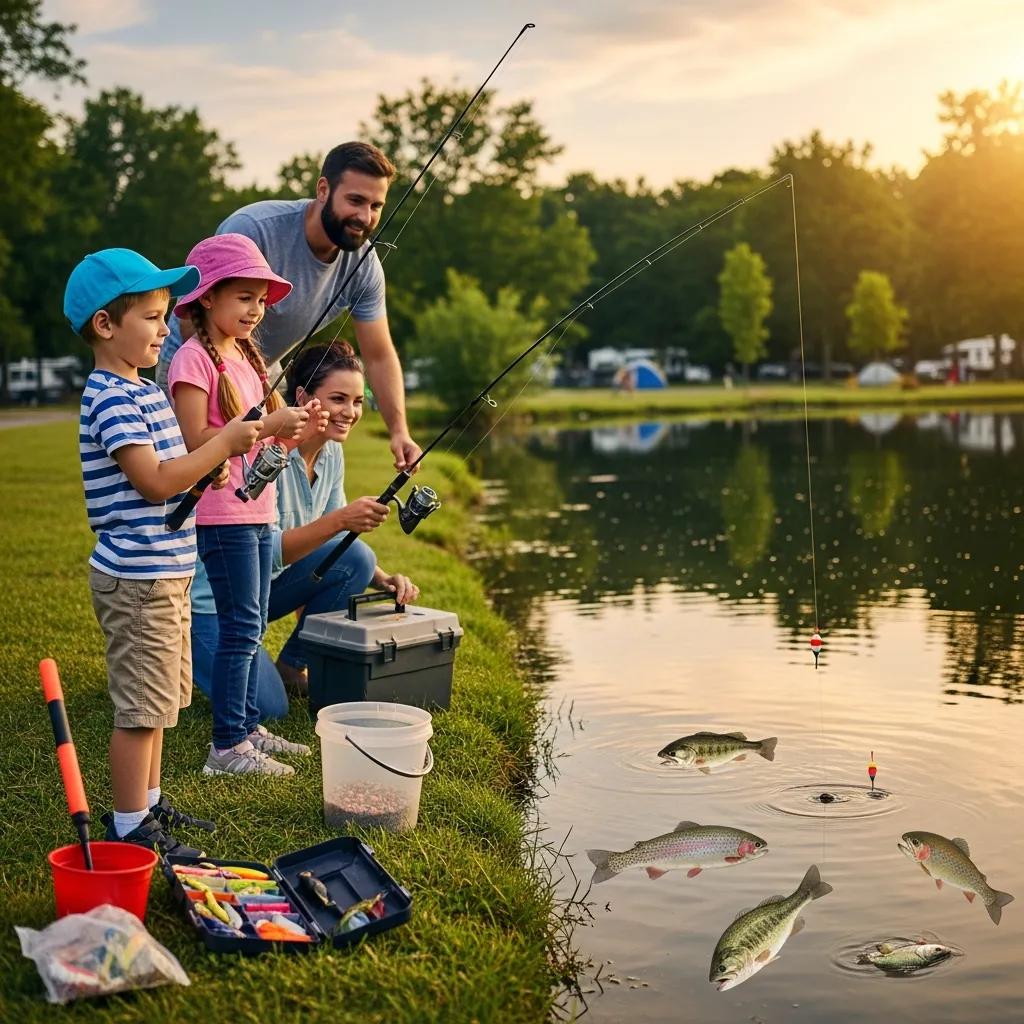
Pond fishing at family campgrounds is usually set up for easy success: accessible shorelines, predictable species mixes, and kid-friendly catch rates. Shallow banks and stocked or naturally abundant panfish and bass mean more bites and less need for advanced tackle. Those quick successes build confidence in young anglers and create low-stress teaching moments for parents.
The table below highlights common pond features and what they mean for families casting at campground ponds like The Oaks.
Which Fish Are You Likely to Catch at The Oaks Pond?
Expect typical campground pond species: panfish like bluegill and crappie, plus occasional largemouth bass. Panfish bite readily on simple baits—worms or small jigs—so kids often see quick results in warmer months. Bass offer occasional larger catches and good lessons in casting and retrieval for older children. Seasonally, spring and fall often bring higher activity, while midsummer mornings and evenings are usually the best times to fish. Light spinning rods, small hooks, bobbers, and simple tackle cover most family needs.
Family-Friendly Fishing Amenities and Safety Features
Family-focused fishing areas usually include shallow access points, posted rules, bench seating, and sometimes rod rentals or bait for guests who travel light. These amenities lower barriers to trying fishing on short notice. Safety features—marked shallow zones, life-jacket recommendations for young kids, and occasional staff oversight—help families feel secure. Operational notes like catch-and-release policies or on-site cleaning stations also clarify expectations so families aren’t surprised after a catch. Altogether, these supports make fishing an easy, low-friction option for mixed-age groups.
How On-Site Swimming Shapes Family Camping Days
Swimming lakes and sandy beaches deliver active play, social time, and cooling breaks that often define family camping memories. Shallow play zones and beachfront layouts create safe spaces for toddlers, while swim lanes and water features keep older kids and teens entertained. Swimming supports physical activity, group play skills, and relaxed downtime for adults watching from shore.
Here are three quick safety and amenity points that make a swimming area family-friendly:
- Beach safety: Clear shallow entry and posted lifeguard or advisory plans support supervised play.
- Comfort amenities: Shade, restrooms, and seating keep families comfortable during long beach days.
- Feature variety: A mix of calm play zones and active water attractions serves more ages and energy levels.
These basics explain why a managed lake and beach are a central draw for family waterfront camping.
Key Features of The Oaks’ Swimming Lake and Sandy Beach

The Oaks provides a sandy beach entry and designated shallow play areas that make early water experiences safer for toddlers. Beach seating, shaded picnic spots, and nearby restrooms cut down transition time between water play and campsite activities so families can stay comfortable all day. Routine water-quality checks and posted safety guidelines give parents confidence in maintenance and cleanliness. The beach layout typically separates shallow play areas from deeper swim zones so supervision expectations are clear and accidental drifting is minimized. These features help families choose the right campsite and plan swim rotations by age and comfort level.
This quick reference shows what families can expect from a managed swimming lake and how each feature supports a better beach day.
What the New Wibit-Style Water Park Will Add in 2025
The planned Wibit-style inflatable water park is an anchored obstacle course with climbing, jumping, and balancing elements that appeals to older kids and teens. It will raise the lake’s energy level and give youth a social draw, but it will also require clearer supervision plans because kids will want extended access. Expect age and weight limits on the inflatables, so plan rotations and clear watch roles. Check The Oaks Campground page for the latest opening details and to time your visit around this new attraction.
How to Choose Between Fishing and Swimming for Your Trip
The choice usually comes down to family makeup, trip length, and preferred pace — quiet and reflective or active and social. A simple decision matrix helps match activities to ages and goals by comparing supervision needs, gear, and weather sensitivity. Short weekend trips with young children often favor beach time for instant fun; longer stays or mixed-age groups benefit from alternating fishing mornings with beach afternoons to keep everyone happy.
The table below offers a concise pros-and-cons snapshot tailored to The Oaks’ pond-and-lake setup.
Weighing the Benefits and Trade-Offs at The Oaks
Fishing gives quiet, skill-building time with lower immediate water risk and minimal gear, while swimming delivers high-energy play that appeals broadly and builds social connections among kids. Think about supervision (toddlers need constant attention in water), gear logistics (rods and tackle vs. swim gear and life jackets), and weather—fishing can be enjoyable in cooler conditions when swimming isn’t ideal. Fishing sessions are often shorter and repeatable; beach days tend to last longer. Matching these trade-offs to your family’s needs and the campground’s dual amenities helps you pick the best plan for each day.
How Family Members Typically Use Fishing and Swimming Differently
Toddlers usually prefer shallow splash play and simple bobber fishing with close adult help. School-age kids enjoy short fishing lessons and beach exploration. Teens often choose active water challenges like a Wibit course or deeper swim areas and may favor social swim time over quiet fishing. Adults will often split their time between supervising young kids at the beach and taking turns fishing for a little downtime.
Try this simple micro-itinerary: morning pond fishing when waters are calm, picnic lunch at the shelter, then an afternoon of beach play or Wibit time — it balances energy, risk, and engagement for all ages.
What Other Family Amenities Make a Waterfront Stay Better?
Good campgrounds pair water features with trails, playgrounds, rental gear, and programmed events to expand activity choices and ease logistics. Those extras are useful when weather changes or when family members want different things. Rentals like paddleboards and kayaks let families try water sports without hauling gear, and playgrounds and trails provide land-based outlets for energy. The sections below describe common facilities and how weekend programming and internal mobility make stays more convenient and memorable.
Here are a few common complementary offerings and how they support waterfront stays:
- Playgrounds and trails give non-water options for kids and adults who want to explore.
- Rental gear like kayaks or paddleboards lets families try activities without a big equipment investment.
- On-site stores and picnic shelters reduce the need to leave the property for essentials.
These amenities remove friction and keep families onsite longer, which usually leads to more satisfying stays and better use of the campground’s waterfront features.
Which Facilities Add the Most Value to a Camping Stay?
Kayak and paddleboard rentals, short hiking trails, and playgrounds provide structured alternatives or complements to water time so different family members can stay engaged at once. When kids rotate between the beach and playground, adults can swap supervision duties and get rest periods, and trails offer easy post-swim walks to explore. Rentals let families try gear without transporting it themselves, lowering the activation energy for new experiences. These features usually come with schedules and safety guidance to help families balance water and land activities.
How Weekend Events and Golf Cart Trails Improve Convenience
Weekend events — movie nights, themed activities, and group games — bring guests together and add structure beyond unstructured play. Golf cart trails and internal paths shorten trips between campsites, water areas, and activity hubs, making it easy to move toddlers or bulky gear without long walks. For families with multiple kids or heavy equipment, cart-friendly access reduces stress and makes short, frequent trips to the beach or pond more doable. Together, events and internal mobility turn a stay into a sequence of simple, memorable activities.
How to Plan a Family Trip to Michigan Campgrounds for Fishing and Swimming
Smart planning maximizes both beach and fishing time: reserve a site near the amenity you’ll use most, pack life jackets and basic tackle, and plan supervised rotations so everyone gets their turn. Site selection changes daily logistics — pick beachfront for easy swim access or pond-side for fishing convenience. A compact packing list covers both activities without overloading: life jackets, sunscreen, light rods, basic tackle, towels, and a small first-aid kit. Below are a few practical booking steps and nearby city ideas to turn a weekend into a mini-vacation.
Before the checklist, do these three things:
- Reserve early to get sites close to the pond or beach.
- Confirm permits such as fishing licenses if needed.
- Pack for supervision — life jackets, shade, and simple fishing gear make daily rotations easier.
Booking and Pre-Trip Best Practices
Reserve a campsite that matches your activity priorities—beach-facing for swimmers or pond-side for anglers—to cut down on foot traffic and supervision hassles. Check peak season dates and weekend event schedules to avoid surprises or to plan around activities you want to join. Pack life jackets for all non-swimmers, a small tackle kit and bobbers for kids, sunscreen, and a first-aid kit to cover common waterfront needs. Finally, confirm campground rules about inflatables and catch-and-release so your plans align with site policies.
Nearby Cities and Day-Trip Ideas When Visiting The Oaks
The Oaks is within easy driving distance of several regional centers, making day trips to museums, nature preserves, or restaurants straightforward additions to a camping stay. Short drives give families options for rainy-day activities or a change of pace, while still returning quickly for evening beach time. Use nearby attractions to build a flexible itinerary that balances waterfront time with local exploration.
Ready to book? Reservations and site availability are listed on The Oaks Campground page — picking a spot near the pond or beach is the next step after you finalize your packing list and plan.
Frequently Asked Questions
What should families consider when choosing between fishing and swimming activities?
Think about your kids’ ages and interests, how long you’ll stay, and whether you want a relaxed or active pace. Fishing tends to suit families looking for quieter, skill-building time, while swimming is great for high-energy fun and social play. Also weigh gear needs and supervision—fishing usually needs simple tackle and less close supervision, whereas swimming requires life jackets and constant watch for young children. Weather matters, too: fishing can work well when it’s too cool for swimming.
Are there any specific safety measures for children while fishing or swimming?
Yes. For fishing, keep kids in life jackets near water and supervise to prevent slips and hook injuries, and teach basic fishing safety. For swimming, look for lifeguards or clear safety advisories, stay within marked shallow areas for little ones, and rotate adult supervision. Shade, hydration, and a first-aid kit help prevent overheating and treat minor scrapes.
How can families enhance their camping experience beyond fishing and swimming?
Explore other campground offerings: trails, playgrounds, rental kayaks or paddleboards, and organized events like movie nights or games. Day trips to nearby attractions—nature centers, historic sites, or kid-friendly museums—add variety and are handy alternatives on rainy days.
What are the best packing tips for a family camping trip focused on fishing and swimming?
Pack life jackets for non-swimmers, sunscreen, towels, and basic fishing gear (light rods, hooks, bait). Bring portable shade like an umbrella or canopy, and a small first-aid kit. Organize items into dedicated bags for fishing and swimming to make transitions quick and simple.
How can families effectively supervise children during mixed activities like fishing and swimming?
Use watch shifts: alternate adults between the pond and the beach so everyone gets breaks. Keep both water areas within sight when possible, set clear boundaries for where kids can go, and use portable seating or shade to stay comfortable while watching. Communication and simple turn-taking make mixed days flow better.
What are the benefits of reserving a campsite early for fishing and swimming activities?
Early reservations let you choose sites near the pond or beach, secure weekends with popular events, and avoid last-minute stress. Booking ahead also gives you time to confirm permits like fishing licenses and to plan logistics so the trip runs smoothly.
Conclusion
Whether you’re chasing quiet fishing mornings or sun-soaked beach afternoons, the right Michigan campground can make family memories that last. The Oaks Campground offers both pond and lake experiences so every family member finds something to love. Book a site that matches your priorities, pack the essentials, and you’ll be set for a relaxed, easy-to-manage waterfront getaway. Visit our reservations page to find the best spot for your next family trip.