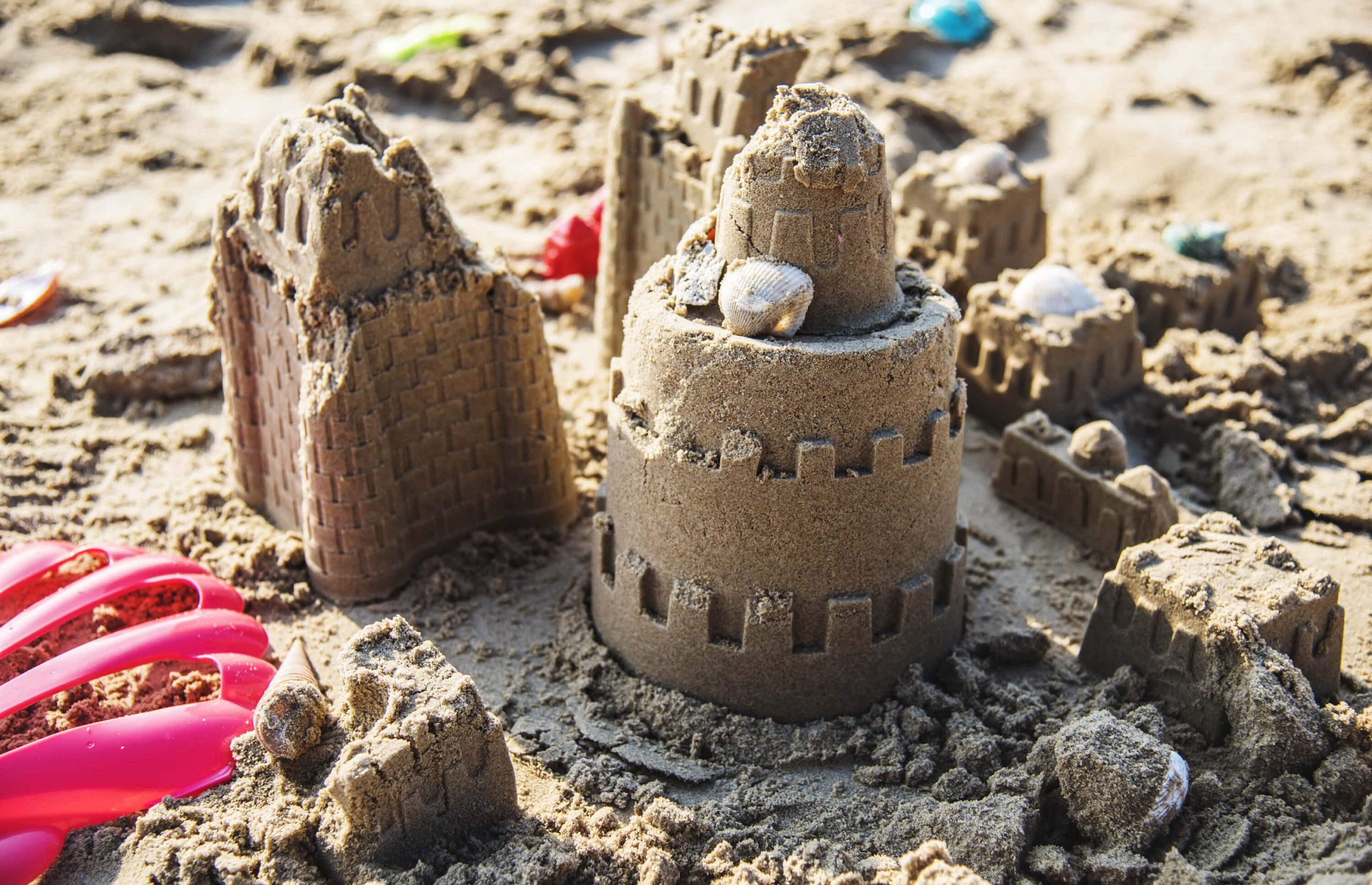


Why Michigan Campgrounds with Water Activities Are Ideal for Family Water Adventures
With thousands of inland lakes, winding rivers and miles of Great Lakes shoreline, Michigan is a go-to state for families who want water-centered camping. This guide explains why campgrounds that offer water activities deliver consistent value: they pair varied, walkable waterfronts with safe swim areas, fishing spots and growing on-site attractions like inflatable courses. Families often look for stays that balance easy access, age-appropriate water play and dependable amenities — Michigan’s mix of calm lakes, protected ponds and gentle rivers makes that balance possible for toddlers through teens. Read on to learn what makes Michigan special for waterfront camping, which water activities are common at family campgrounds, how The Oaks Campground models excellent water amenities, and practical planning tips to reserve a water-first trip. We include safety reminders, activity comparisons, and booking advice so you can choose lakeside camping options that match skill levels, vehicle setups and weekend plans while keeping the focus on memorable water days.
What makes Michigan a top pick for waterfront camping and water sports?
Michigan stands out because its landscape supports a wide variety of water experiences: shallow sandy beaches for little ones, calm bays for paddling and open water for boating and wake sports. That variety lets campgrounds offer options for every age and skill level without long drives. Recent trends show growing demand for family and RV camping and a rise in on-site water attractions, so many Michigan campgrounds now cater to multi-generational stays. Below is a quick summary of the state advantages families should consider when choosing a waterfront campground.
- Plenty of access: Thousands of lakes and rivers mean more campgrounds to choose from.
- Wide activity mix: From safe swim beaches to fishing ponds and paddling routes, there’s something for every age.
- Regional convenience: Many sites are within a few hours of metro areas, perfect for short trips and weekend getaways.
Those statewide strengths lead naturally into how specific water types — lakes, ponds and rivers — shape safe, family-friendly camping experiences.
How do Michigan’s lakes and rivers improve family camping?
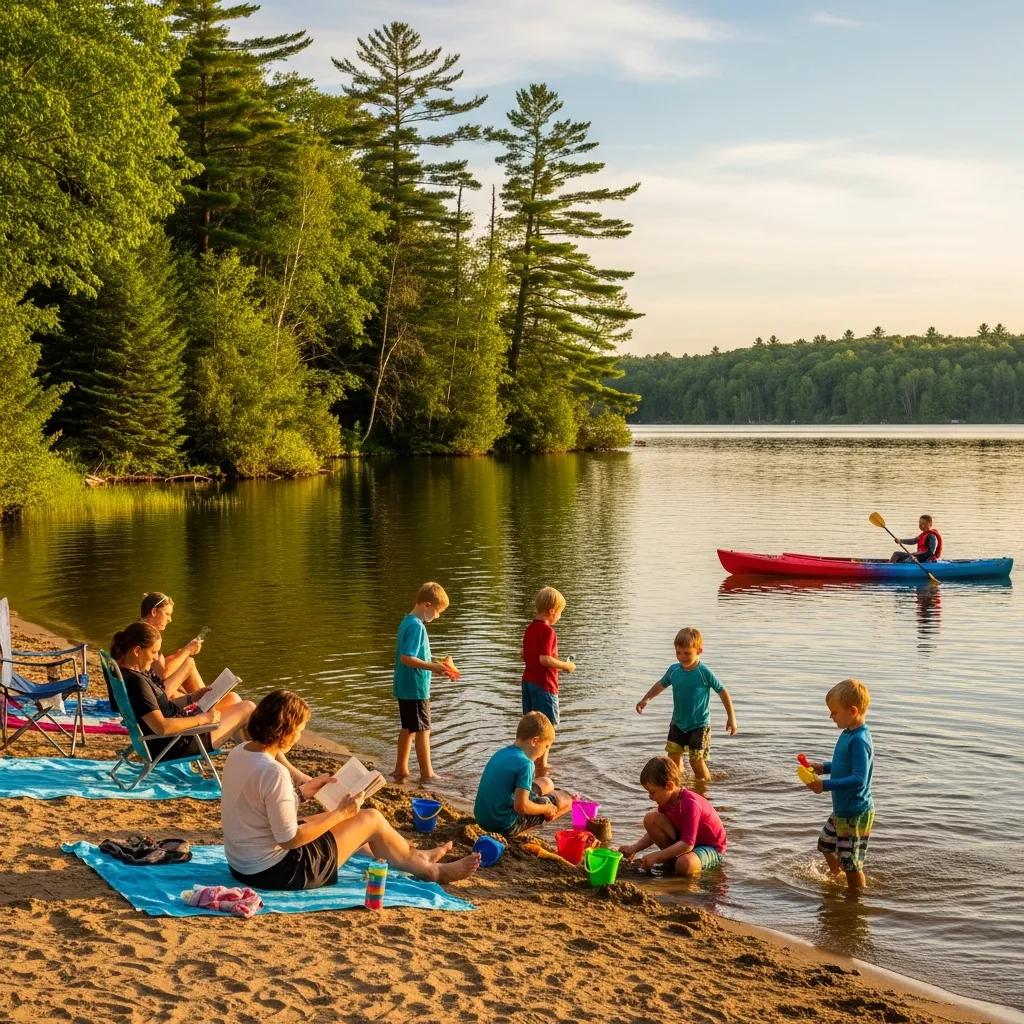
Lakes and rivers in Michigan create family-friendly conditions through gradual shorelines, shallow entry points and protected coves that cut waves and make supervision easier. Those features make lake beaches great for toddlers and early swimmers, while slow-moving river sections are ideal for short family paddles. Because conditions change by season, families should favor campgrounds that publish water-quality updates, lifeguard schedules and access details.
Timing matters: summer brings the best swim and paddle weather, while spring runoff and cooler fall temperatures shorten the comfortable season. Planning for variable weather and choosing sites with monitored beaches or sheltered coves helps families stretch waterfront days and pick activities that match kids’ abilities. These practical points set the stage for the latest trends shaping what families expect from water-focused campgrounds.
What are the newest trends in Michigan’s water recreation?
Through 2024, campgrounds increasingly add family-focused amenities like inflatable water parks and programmed aquatics to meet demand for active, supervised play. RV and family camping have both climbed in popularity, which drives interest in hook-up sites near water and weekend events that pair beach time with organized activities. Sustainability is also more visible — families now look for properties that protect water quality, limit erosion and offer low-impact boating such as non-motorized rentals.
As properties add inflatables and expanded paddle fleets, look for campgrounds that balance new attractions with safety protocols and environmental care. Understanding these trends helps families pick sites that deliver modern water fun while keeping natural access peaceful and safe.
Which water activities can families enjoy at Michigan campgrounds?
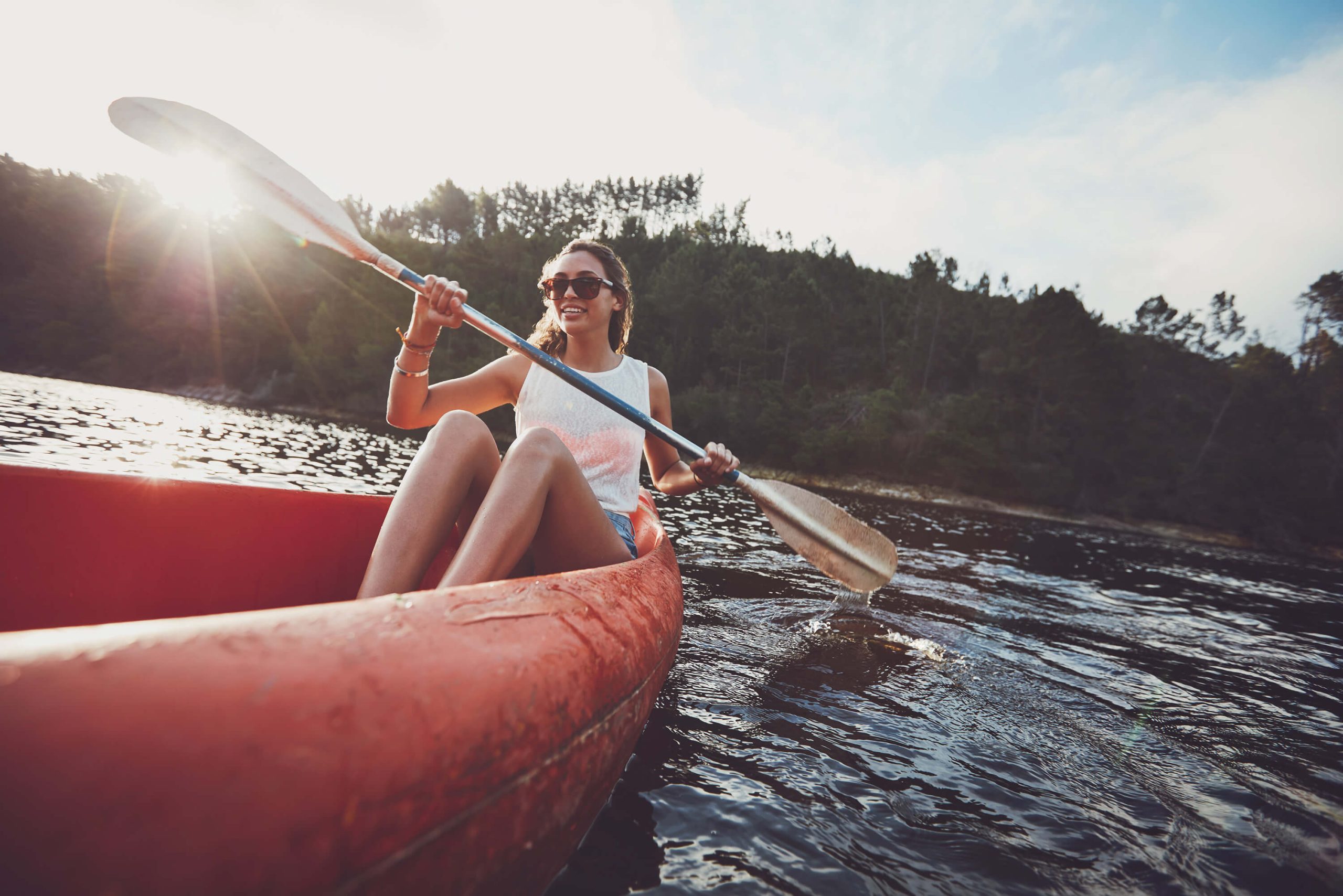
Michigan campgrounds offer a wide range of water activities, from gentle swimming and fishing to paddling and powered boating. Each activity needs specific onsite features — a sandy beach for safe entry, a stocked pond for family fishing, a launch for kayaks or a supervised waterpark area — so matching campground facilities to family goals is key. The table below summarizes common activities, where you’ll typically find them, and why they matter for families.
This comparison clarifies how different facilities support distinct family experiences and what to check when evaluating campgrounds for water-based stays.
When judging activity suitability, consider supervision levels, equipment rental availability and the participants’ skill sets. The next sections outline common swimming setups and how fishing and boating add variety to a camping trip.
What swimming and beach options do family-friendly campgrounds offer?
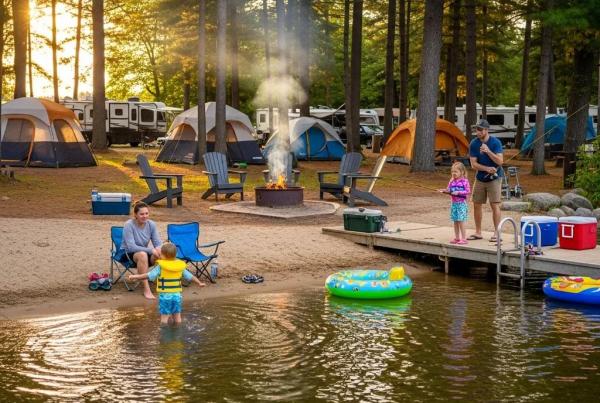
Campgrounds often provide several beach types: wide sandy shorelines with gradual drop-offs for young children, and smaller rocky coves better suited to older kids who want to explore. Sandy beaches with shallow entries are the most toddler-friendly because parents can stay close while kids play. Supervised swim areas and published water-quality results increase safety, but they aren’t guaranteed — always confirm lifeguard coverage and testing schedules before you go.
Smart packing makes beach days easier: sun-protective clothing, shade tents, water shoes and approved flotation devices keep everyone comfortable and safe. With those basics, families can move from beach time to fishing or paddling without losing momentum.
How do fishing and boating enhance a waterfront camping trip?
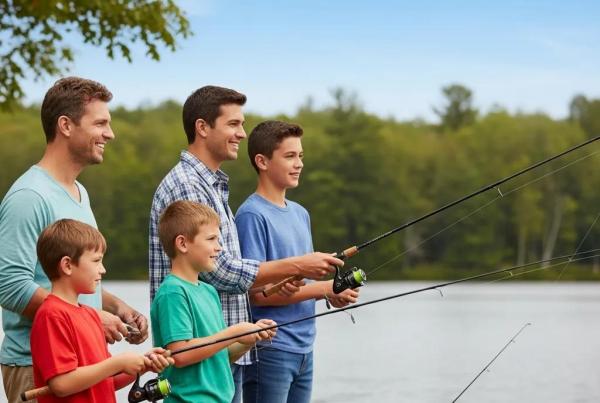
Fishing and boating create learning and bonding moments on the water: kids can learn about local species, basic casting and stewardship of aquatic habitats. Many campgrounds support family angling with stocked ponds or easy shoreline access for short, supervised sessions that fit into nap and meal schedules.
Plan ahead by checking license rules, bringing or renting appropriate gear, and choosing calm weather for first-time paddlers. Onsite fishing ponds and gentle launch areas make these activities simple to add between other family plans.
Why is The Oaks Campground a top choice among Michigan campgrounds with waterparks?

The Oaks Campground is a clear example of what families look for in water-centered stays: thoughtfully designed water features, scheduled programming and easy access from nearby cities. Set on a large natural property with trails and recreation zones, The Oaks blends a swimming lake with a sandy beach, a sizable fishing pond and a planned Wibit-style inflatable water park scheduled for 2025. Those layered amenities let visitors choose quiet lakeside afternoons or more active, supervised aquatic play.
This profile shows how The Oaks mirrors the statewide features families value, making it a strong example of a campground that supports diverse water activities and family logistics.
What water amenities will families find at The Oaks Campground?
At The Oaks, families can expect calm lake swimming, a roomy fishing pond and water-adjacent amenities like playgrounds and pavilions that support full-day planning. The swimming lake’s sandy entry is perfect for young kids and gives parents clear sightlines, while the fishing pond offers short, rewarding trips that don’t require a long drive. Covered pavilions make group meals easy, and golf cart trails across the property let families move between water and land activities with less effort.
How will the upcoming Wibit water park change water adventures at The Oaks?
The planned Wibit — an inflatable obstacle course anchored in a lake or lagoon — will bring timed, staff-supervised sessions that appeal to older kids and confident younger swimmers. These installations typically include clear rules, designated swim zones and on-site supervision, which helps keep play safe while adding a memorable, active element to weekend itineraries.
Adding a feature like this can reshape the rhythm of a stay by creating high-energy blocks of activity that kids look forward to and that help fill weekend schedules with shared challenges.
How does The Oaks Campground’s location help families who want water adventures?
The Oaks’ location adds value beyond its onsite water amenities: it’s within practical driving distance of regional population centers and next to protected lands that expand recreation options. Shorter drives reduce travel stress, make weekend planning easier, and let families add nearby paddling, hiking or fishing without long transfers. Nearby public lands and recreation areas give families choices for morning paddles and afternoon beach sessions, broadening the trip without excessive driving.
Why does proximity to Detroit, Ann Arbor and Toledo matter for campers?
Being within a reasonable drive of Detroit, Ann Arbor, Toledo and other metros means families can turn a single afternoon or weekend into a meaningful outdoor escape without complicated packing or long breaks from routine. Shorter drives make it easier to bring familiar items for toddlers, handle last-minute plans and still arrive ready for afternoon beach time. For many households, the option to leave after work or school and be lakeside in a few hours is what makes weekend camping repeatable rather than rare.
Because easy access encourages repeat trips, weigh travel time alongside onsite amenities — favor campgrounds that make frequent, low-friction escapes possible.
What water activities are available near Waterloo State Recreation Area?
Near The Oaks, Waterloo State Recreation Area offers complementary water options that extend a family’s choices beyond the campground shoreline: paddling routes, dispersed lake swimming spots and additional fishing locations in protected settings. Trails to water viewpoints and small canoe/kayak ports let families plan a morning paddle and return to the campsite for an afternoon at the beach. Combining an overnight stay with short excursions into nearby lands adds variety while keeping transit time low.
Knowing these nearby options helps families mix supervised on-site fun with short exploratory trips that deepen engagement with local water ecosystems.
What family-friendly features complement water activities at Michigan campgrounds?
Good waterfront camping relies on more than access to water — it needs amenities and programming that support comfort, safety and entertainment when kids aren’t in the water. Playgrounds, themed weekend events, pavilions for group meals and staffed youth programming all make stays easier and more fun. Practical RV services like hookups, dump stations and laundry facilities matter for multi-day comfort, letting parents focus on activities rather than chores. Below are common non-water features that amplify a waterfront visit.
- Playgrounds and supervised youth programs that keep younger kids engaged.
- Covered pavilions and picnic areas that simplify family meals and gatherings.
- RV services and convenience amenities that reduce setup time for longer stays.
How do playgrounds, themed events and safe environments improve camping stays?
Play areas and scheduled events broaden a campground’s appeal by offering structured entertainment for different ages while giving parents regular breaks. Themed weekends — like nature crafts, scavenger hunts or seasonal celebrations — create social moments and shared memories without leaving the property. Safety features such as lifeguard zones, fenced play areas and staff oversight reassure parents and let kids explore in controlled conditions, which often results in longer, more relaxed visits.
These non-water amenities ensure the family stays engaged even during rain or rest periods and help balance active days with quieter evenings.
What amenities support RV and lakeside camping?
Key amenities for RV and lakeside camping include full hook-ups, level, roomy sites for family gear, clean restroom and shower facilities, dump stations and services such as propane and laundry. Lakeside sites with private or semi-private beach access make transitions between campsite and shore quick for naps, meals and play. Campgrounds that combine dependable RV infrastructure with easy water access reduce setup time and let families focus on fun instead of chores.
Choose a campground that balances comfort features with waterfront convenience so you can enjoy lively days and restful evenings equally.
How can families plan and book a water-adventure camping trip in Michigan?
Planning a water-focused camping trip means checking permits, packing activity-specific gear and timing reservations around peak swim and event schedules. Doing these steps ahead improves safety and satisfaction. Prepare by assembling waterfront essentials, confirming campsite amenities and booking early for busy summer weekends. The checklist below gives actionable items, suggested actions and rough time or cost estimates to help you prioritize before arrival.
What should you pack for a waterfront stay at The Oaks?
For a water stay at The Oaks, start with age-appropriate flotation devices, sun protection, water shoes and basic fishing gear for pond trips. Pick a campsite near the swim zone if you want quick beach access, and plan for themed weekend activities or a pavilion for meals. For multi-generation groups, choose sites that offer quiet separation while keeping everyone within easy walking distance of shared amenities. A bit of planning reduces on-site stress and lets you get to the water faster.
Mapping gear and campsite layout before you arrive helps the family move from setup to play quickly, freeing time for water adventures and trails.
How do campers reserve stays at Michigan’s water-focused campgrounds?
Booking a water-centered campsite is straightforward: pick dates that match seasonal water conditions, choose a site type (lakeside, pond-adjacent or RV hookup), review cancellation terms and complete payment. For properties with popular water features or events, reserve early and consider mid-week stays to avoid crowds. If you’re targeting The Oaks, use the campground’s online reservation portal or phone booking to select sites near the swimming lake or fishing pond and confirm event schedules.
- Choose dates and the site type that best fit your family.
- Confirm water amenities and any event schedules before booking.
- Review rules and cancellation policies, then finalize payment.
Following these steps helps you secure water-focused stays that match your activity goals and seasonal conditions with minimal hassle.
Frequently Asked Questions
What safety measures should families consider when camping near water?
Prioritize safety by checking for lifeguards at swim areas, reviewing water-quality reports and using properly fitted life jackets for children. Supervise kids closely, learn the campground’s emergency procedures and note the location of first-aid stations. Bring a well-stocked first-aid kit and brush up on basic water-safety skills before your trip.
Are there any age restrictions for water activities at Michigan campgrounds?
Age rules vary by campground and activity. Swimming areas may restrict unsupervised swimmers, and paddle sports often require adult supervision for younger participants. Campgrounds publish guidelines for age-appropriate activities, so check ahead to confirm rules and any minimum-age requirements.
What should families pack for a water-adventure camping trip?
Pack sun protection (sunscreen, hats and sunglasses), water shoes, approved flotation devices for young children, towels and swimwear. Include a first-aid kit, snacks, plenty of water and shade options. For fishing bring gear and licenses if required. A checklist helps make sure nothing important gets left behind.
How can families find campgrounds with specific water activities?
Use campground directories, review sites and social media groups to search by amenities like swimming lakes, fishing ponds or water parks. Read family reviews for firsthand impressions, and call campgrounds directly to confirm water features, rental options and supervision policies.
What are the benefits of choosing a campground with on-site water amenities?
On-site water amenities save travel time and let families move easily between activities, which maximizes fun and minimizes logistics. Swimming areas, fishing ponds and inflatables offer structured entertainment across age groups and skill levels, encouraging full days of shared outdoor experiences with easier supervision.
How do seasonal changes affect water activities at campgrounds?
Seasons strongly influence water activities in Michigan. Summer offers the best conditions for swimming and paddling, while spring runoff and cooler fall temperatures can limit safe water use. Check seasonal water-quality updates and lifeguard schedules, and plan visits during peak summer for the fullest range of activities.
What types of educational programs are available at Michigan campgrounds?
Many campgrounds run educational offerings like nature walks, fishing clinics and water-safety workshops that teach local ecology and outdoor skills. Themed events and stewardship activities provide hands-on learning for kids and families and deepen appreciation for local waterways.
Conclusion
Choosing Michigan campgrounds with water activities gives families a wide range of safe, memorable outdoor experiences — from swimming and fishing to paddling and inflatable park fun. The combination of accessible lakes and rivers plus thoughtful amenities makes waterfront camping a practical, repeatable option for all ages. With a little planning and the right campground choice, families can build weekends full of water-based memories. Start planning your next lakeside escape by exploring recommended campgrounds that focus on family-friendly water fun.