Discover Michigan Campgrounds with Great Fishing: A Family-Friendly Camping & Fishing Guide
If you want a hands-on, family-first guide to camping near lakes with fishing in Michigan, this article walks you through what to expect, how to plan, and where to fish around Munith. You’ll learn which species are most likely to bite in small campground ponds and nearby lakes, how seasons and weather affect success, and clear steps for packing, licensing, and choosing the best campsite for kids. This guide uses The Oaks Campground as a nearby, family-friendly example while focusing on practical advice for Michigan family fishing trips. Common issues—uncertain license rules, mismatched gear for panfish, and keeping kids entertained—are solved with concise checklists, seasonal calendars, and sample day plans. Read on for sections about what makes The Oaks stand out, how to plan your trip, the best times to fish, family events and activities, nearby day-trip waters, and how to reserve the right site for your group.
Why The Oaks Campground Is a Top Spot for Family Fishing in Michigan

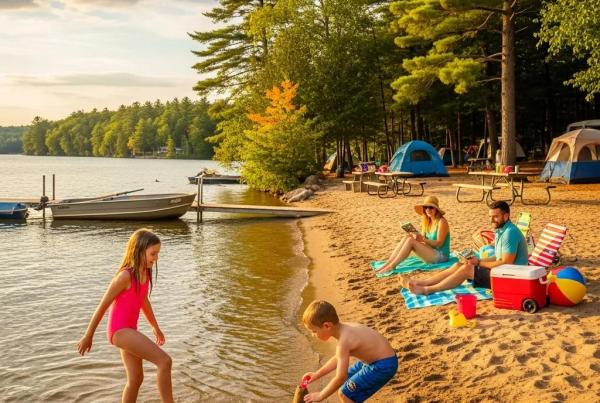
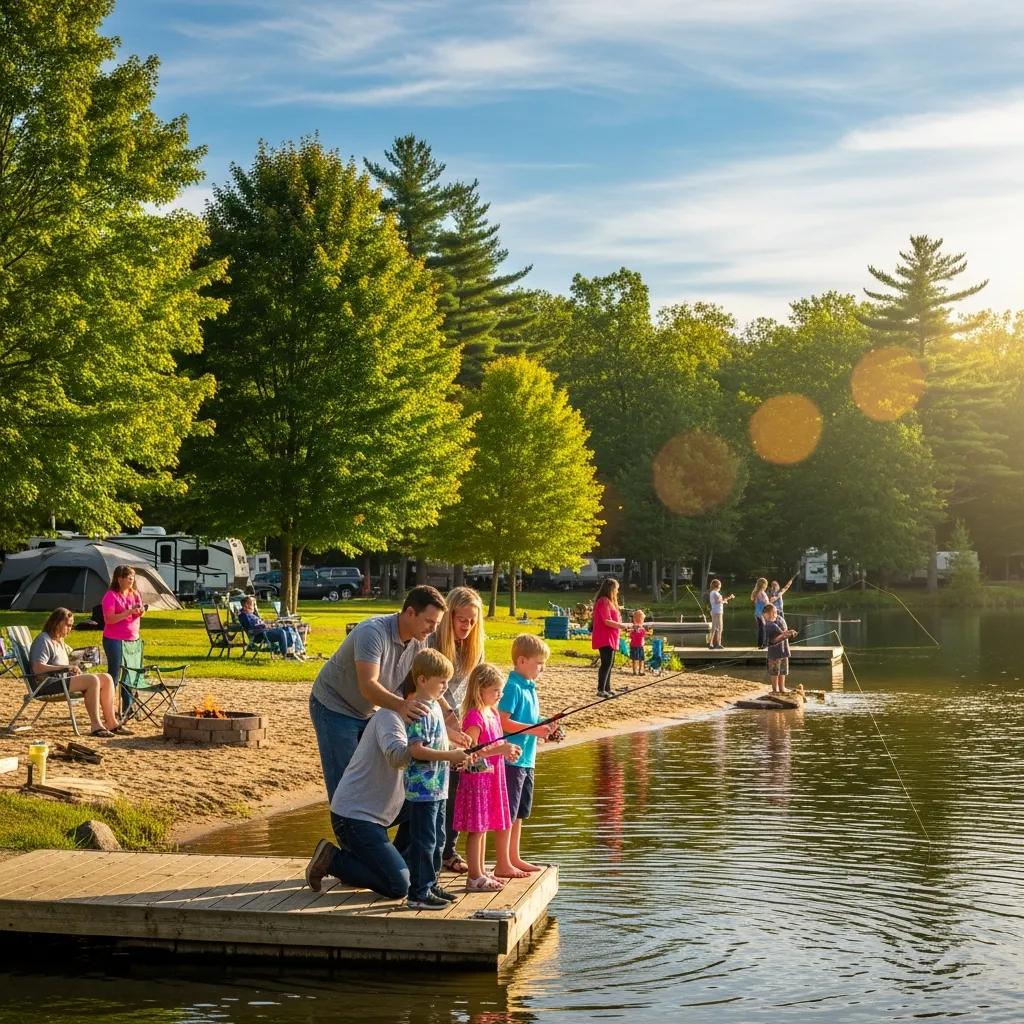
The Oaks pairs easy shore fishing with family-focused amenities that make pond angling simple and fun for first-timers and young anglers. The on-site fishing pond has gentle shorelines and short walks from most sites, which cuts down on supervision headaches and keeps your day flexible. A nearby swimming lake with a sandy beach and golf cart trails gives families options—parents can alternate supervision and still keep fishing as the trip’s anchor. Being next to Waterloo State Recreation Area also opens up larger waters for day trips and new species. Below is a quick breakdown of key campground features and how they help family fishing outings.
This brief comparison shows how each amenity supports safer, more social, and more flexible family fishing days—handy when you’re planning a trip.
Put together, these amenities make fishing safe, social, and flexible for families—so planning multi-activity days is simpler and repeat visits feel effortless.
Which Fish Species Can Families Catch at The Oaks Fishing Pond?
The pond at family campgrounds like The Oaks typically holds panfish and smaller gamefish that work well for kids and novice anglers. Bluegill and crappie are the most common panfish—frequent bites and easy hook-ups with worms or small jigs. Largemouth bass may show up and add excitement for anglers with a bit more experience; they usually need heavier tackle and a different retrieve. Smallmouth bass are less common in small ponds but may be found in nearby lakes. Expect most catches to be in the 6–10 inch range—perfect for catch-and-release practice or a small dinner. Bring small hooks, bobbers, and light tackle to boost family success.
These species notes tie into how campground amenities and event programming at The Oaks make fishing approachable and fun while families learn species-specific tactics.
How The Oaks’ Amenities Improve the Family Fishing Experience
Good amenities make transitions between activities quick and predictable, which is the difference between a stressful day and a relaxed one. Kid-safe shorelines, clear paths, and close parking or golf cart access cut down on hauling gear and help adults stay engaged when kids get bites. The sandy beach and swimming lake let families swap fishing for swim time without crowding the pond. Weekend events—like supervised kids’ derbies and casting clinics—lower the intimidation factor for new anglers and build memories that bring families back year after year.
Because these features are practical, you can plan half-day fishing sessions mixed with beach time or trail rides—perfect for keeping younger kids interested while they pick up new skills.
How to Plan Your Michigan Camping and Fishing Trip at The Oaks Campground
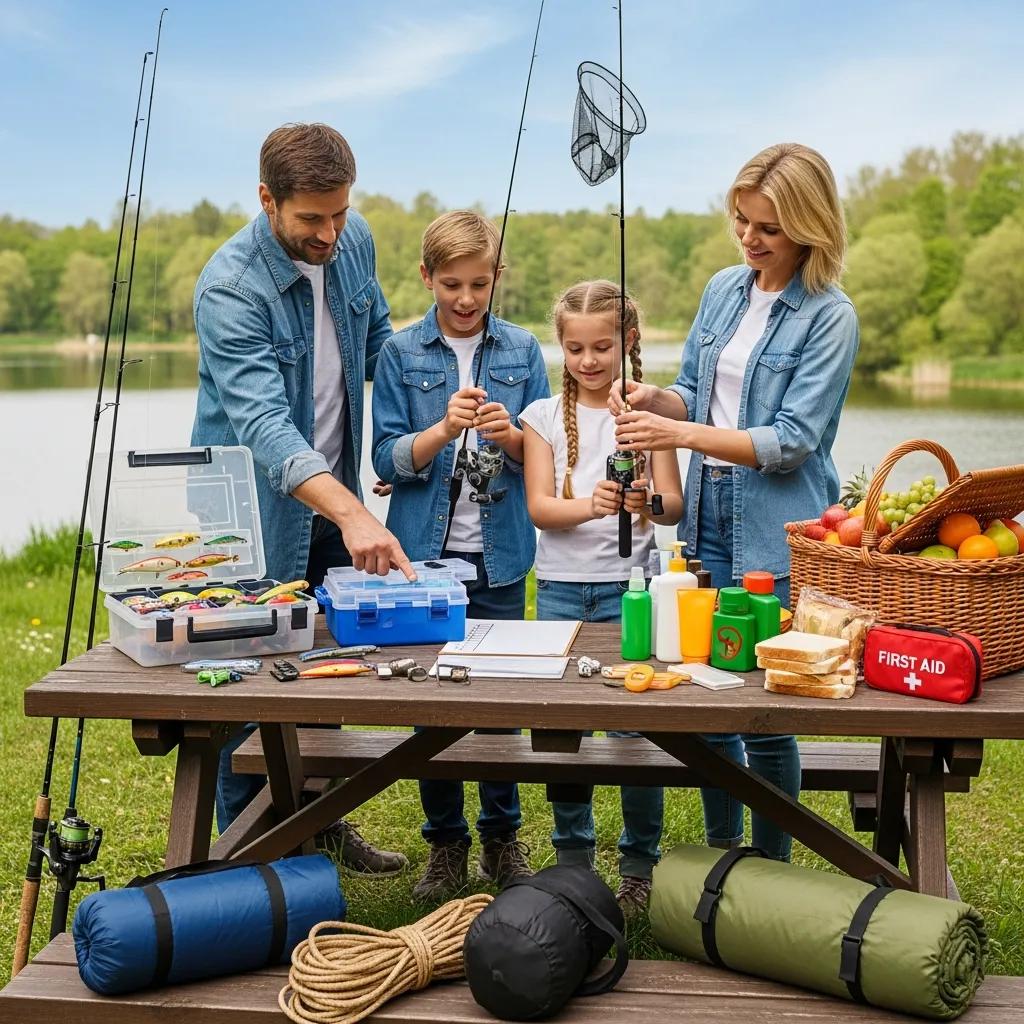
Planning a family fishing trip near Munith means sorting licenses, picking kid-friendly gear, and choosing a campsite that fits your group. Start by confirming who needs a Michigan fishing license, then pack a compact gear list focused on panfish and basic bass tactics, and pick a site close to shore for easier supervision. Add sunscreen and shade plans, a basic first-aid kit, and a rainy-day backup plan to keep the trip resilient. Below are a practical packing checklist and a simple table comparing license types to help you comply with the rules.
Use the checklist to prioritize compact, child-friendly gear and avoid overpacking items that aren’t useful for pond fishing.
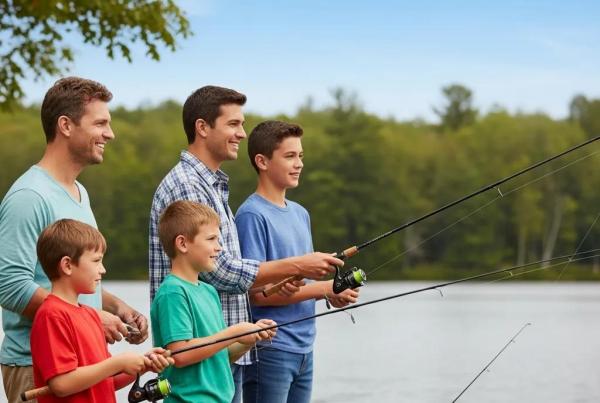
- Light, kid-friendly rods: two or three light-action rods for children and beginner adults.
- A small tackle box: bobbers, small hooks, split shot, soft baits, and a few jigs.
- Safety and comfort: sun protection, insect repellent, life jackets for young swimmers, and a basic first-aid kit.
This checklist helps families maximize time on the water and cut setup complexity—especially helpful when you’re watching multiple kids.
Checking license requirements early avoids surprises and keeps everyone fishing at the pond or on day trips compliant with Michigan DNR rules.
What Are Michigan’s Fishing License Rules for Campers?
Michigan requires licenses for most anglers but has exemptions for children and some residents, so confirm current rules before you go. Generally, anglers 17 and older need either a resident or nonresident license for the trip length, while younger anglers often qualify for exemptions or youth permits. Licenses are sold through official state vendors and retailers—carry proof while fishing. Always verify the current year’s rules before departure, since fees, age thresholds, and short-term options can change annually.
Sorting licensing early makes arrival smoother and keeps your focus on teaching fishing techniques once you’re at the pond.
2024 Michigan Fishing Regulations Campers Should Know
Key regulation points for the 2024 season include size and possession limits for some species, gear restrictions in designated waters, and seasonal openings that affect trip planning. Pond-based family fishing often faces fewer restrictions than major lakes, but you should still measure and handle fish properly to meet local rules and conservation goals. Gear limits—like number of lines or banned bait types in managed waters—may change how many rods you bring. Check the latest annual regulations before arrival so your plans match management objectives and you avoid unintended violations.
Following regulations keeps fishing sustainable and educational for kids and protects access to stocked ponds and nearby public waters for future family trips.
When Is the Best Time to Fish at Michigan Campgrounds Like The Oaks?
Season and time of day both affect catch rates at ponds and nearby lakes, so timing your trip with species activity in mind improves results. Spring brings aggressive panfish activity near shore as waters warm—ideal for kids and beginners; early morning and late afternoon are best in warm months. In summer, fishes move deeper during midday heat, while fall sees a strong pre-winter feeding pattern that can produce larger bass and crappie. Weather—wind, barometric pressure, and fronts—also changes fish behavior, so planning flexible half-day sessions usually beats long, full-day efforts for families.
To make seasonal choices easier, the table below matches common species to their best seasons and timing tips for family anglers.
This season-to-species guide helps families pick travel dates with better odds and match activities to the strengths of the pond and nearby waters.
Which Species Are Most Active in Different Seasons at The Oaks?
At a small managed pond near Munith, bluegill and crappie peak in late spring as warming water triggers spawning near shore. In summer, bass—if present—often move to deeper or shaded spots during the day and feed more at dawn and dusk. Fall concentrates feeding as fish bulk up for winter, making it a great time to target larger specimens with slightly heavier tackle. Matching baits—small jigs and live bait for panfish, larger soft plastics or crankbaits for bass—to seasonal behavior will raise your catch rate and speed up the learning curve for young anglers.
Knowing these seasonal shifts helps families plan trips that meet specific learning goals, whether that’s teaching bobber basics in spring or introducing deeper-water techniques in summer.
How Weather Affects Fishing Success at Michigan Lakes and Ponds
Temperature, wind, and barometric pressure all influence fish movement and feeding in ways families can use to their advantage. Warm, stable mornings in spring and summer often bring active inshore feeding; sudden storms can stop bites for a while but may concentrate fish in sheltered areas afterward. Light wind is usually helpful, stirring water and triggering feeding; heavy wind makes casting and supervising kids harder. Always include weather in safety planning—bring rain gear, sun protection, and a flexible schedule so you can move swimming or trail rides when storms approach.
Adapting to daily weather turns uncertain days into manageable family outings and reduces stress for supervising adults with clear, safe contingency plans.
Top Family-Friendly Fishing Activities and Events at The Oaks Campground
Family campgrounds often schedule weekend programming and informal activities that make fishing feel like a community event rather than a solo task—The Oaks follows that playbook. Look for kids’ fishing derbies, casting clinics with small prizes, and guided nature walks that pair angling tips with outdoor skills. Combining these events with the swimming lake and trails creates half-day blocks that are easy to supervise and fun for different ages. Below are common event types and simple ways to join in while keeping fishing central to the experience.
These event formats lower the barrier for newcomers and encourage families to try a few angling techniques together.
- Kids’ Fishing Derby: Short, supervised contests focused on participation and fun over size.
- Family Casting Clinic: Quick demos and practice sessions teaching basic casting and safety.
- Nature Walks with Tackle Tips: Short guided walks that show habitat and where to fish locally.
These activities usually require little or no experience and are perfect for families who want to learn together in a low-pressure setting.
Weekend Events That Boost Family Fishing Fun
Weekend events are built to keep kids engaged and allow parents to rotate supervision. Kids’ derbies typically run early morning or late afternoon and emphasize species ID—like spotting panfish—while offering small prizes and guidance. Casting clinics use soft plugs or practice plugs to teach safe mechanics quickly, which reduces snags and increases fishing time. Event schedules are usually posted at registration and on-site so families can plan around key activities without losing beach or trail time.
Joining these events speeds up skill-building for kids and makes their first catches communal, confidence-building moments.
How Families Can Balance Fishing with Other Outdoor Activities at The Oaks
Balancing fishing with swimming and trails comes down to simple scheduling and shared responsibility. Try short fishing windows—one to two hours—paired with supervised swim blocks and a mid-afternoon rest for younger kids. Rotate supervision among adults and use nearby sites or golf carts to move gear so no single caregiver handles everything. Sample day plans that alternate fishing, swimming, and picnicking create a rhythm kids adapt to quickly and allow for changes if weather or energy levels shift.
These practical routines keep kids engaged and prevent burnout by giving frequent activity changes without long waits.
Best Nearby Fishing Spots Around The Oaks Campground
The Oaks makes a great basecamp for a variety of nearby waters within easy driving distance that suit day trips for families wanting different species and experiences. Waterloo State Recreation Area offers lakes and streams with varied shore access, structure, and species mix—an easy extension for campers who want a pond day and a larger-water adventure. Other lakes near Munith give options for targeting bass, walleye, or larger panfish on quick outings; knowing launch points and likely species helps families pick the right gear and timing. Below are brief profiles of nearby spots and how families typically use The Oaks as a launch point for short angling trips.
These local highlights show how one campground stay can provide both easy pond fishing and broader regional variety for families.
Fishing at Waterloo State Recreation Area
Waterloo offers several small- to mid-sized lakes and creeks with shore and launch access suitable for families—panfish, bass, and occasional walleye depending on the water. Many lakes have boat launches for small craft and clear shorelines accessible without long hikes, which is ideal for day trips with kids and compact gear. The range of water types—from shallow, weedy bays to deeper basins—lets anglers practice multiple techniques in one outing, and park maps point out accessible spots for families with limited mobility. A short trip to Waterloo adds variety to a pond-based stay while keeping you close to camp.
A day in Waterloo expands species lessons for kids and provides simple opportunities to try boat or shore tactics in a controlled way.
Exploring Michigan’s Larger Lakes Near Munith
If you want larger-lake action, plan for a bit more logistics—longer drives, vehicle-accessible launches, and upgraded tackle for bigger fish and deeper water. Targeting bass or walleye on big lakes means mid-weight rods, stronger line, and a broader lure selection, plus boat safety gear if you bring or rent a small craft. Time day trips for early morning or late afternoon to match feeding windows, and keep kids’ participation focused on short shore sessions if you’re on a boat. Using The Oaks as a centralized campsite cuts down on repeated packing and gets you back to familiar facilities after day trips.
These tips help families move from pond lessons to larger-water angling without overwhelming younger anglers or caregivers.
How to Book Your Stay and Make the Most of Your Fishing Trip at The Oaks
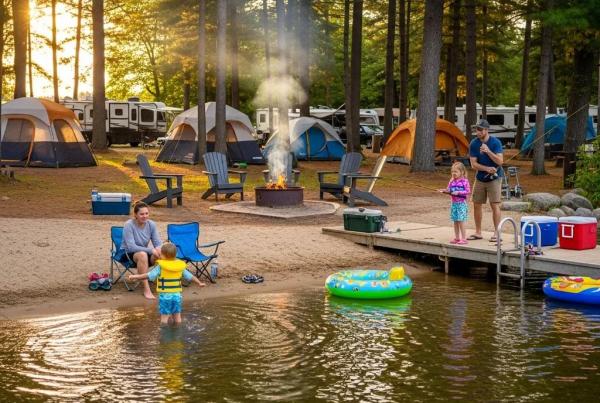
Reserve early in the season to secure a campsite close to the pond—it dramatically simplifies fishing-focused stays. The Oaks offers RV, tent, and seasonal sites; picking a site near the pond cuts walking time and makes supervision easier. When you’re ready to book, have party size, site preference, and arrival date handy to speed the process. Pack lightweight, child-friendly fishing gear that’s easy to store at your site. GatherGrounds Resorts is set to take over full operations at the close of the 2024 season, so plan ahead to lock in sites near the pond and amenities.
Smart booking choices are the difference between a convenient, repeatable family fishing trip and one that requires extra daily setup.
Which Camping Options Work Best at The Oaks?
The Oaks has a mix of site types—RV sites with hookups and creature comforts, tent sites that put you closer to nature, and seasonal options for longer stays—each offering different proximity benefits to the pond and recreation areas. RV sites give more storage and power for snacks and bait; tent sites often sit nearer trails and the pond’s shallow edges for teaching kids casting and baiting. Seasonal sites are great if you plan repeat visits and want a consistent basecamp for day trips to nearby lakes.
Picking the site type that fits your family helps you choose the best location relative to the pond and shared amenities for a lower-stress stay.
How to Reserve Your Spot and Get Ready for a Family Fishing Adventure
Reserve efficiently by preparing a short packet: preferred dates, party size, site type, and whether you need pond or beach proximity—then follow the campground’s reservation steps. On arrival, set up shade and a dedicated fishing-kit spot to cut down on repeated gear runs, and keep a compact rod-and-tackle kit for quick pond sessions. Pack a family readiness checklist—licenses, life jackets, kid-sized rods, sunscreen, and a small cooler for snacks—to smooth transitions between fishing, swimming, and exploration. The Oaks’ location next to Waterloo State Recreation Area makes it an excellent base for mixing easy pond angling with short day trips to larger waters.
With reservations made and a simple arrival plan, you’ll spend less time setting up and more time fishing and making memories.
Frequently Asked Questions
What should families consider when choosing a campsite for fishing?
Pick a site close to the water if you have young kids. Look for easy access to fishing areas—shallow shorelines or an on-site pond—plus restrooms, picnic spots, and shade for comfort. Check campground rules about fishing and any gear or license requirements so your visit runs smoothly.
How can families ensure a safe fishing experience for children?
Set clear boundaries and supervise closely near water. Equip kids with life jackets and teach basic water safety. Use kid-friendly gear—lightweight rods and barbless hooks—to reduce injury risk. Schedule breaks and alternate activities to keep kids from getting tired, and carry a first-aid kit and a quick safety briefing before you fish.
What types of bait are best for fishing with kids?
Keep bait simple and effective. Live bait like worms or crickets usually works best for panfish such as bluegill and crappie. Small jigs and soft plastics work for slightly older kids learning different techniques. Teach safe bait handling and emphasize respect for wildlife during the trip.
What are some tips for keeping kids engaged while fishing?
Mix short fishing sessions with fun breaks for swimming or exploring. Use friendly games—who can catch the most fish or spot different species—to make time interactive. Let kids help with baiting and casting so they feel involved and proud of their progress.
How can families prepare for changing weather conditions while fishing?
Check the forecast before you go and pack for changes—rain gear, sun protection, and layers. Keep a flexible schedule so you can switch activities if needed, and watch weather patterns while you’re out so you can move to shelter quickly if storms roll in.
What are the benefits of participating in organized fishing events at campgrounds?
Organized events offer structured learning—casting clinics and derbies—that build kids’ skills and confidence. They create community, let families meet others with similar interests, and often provide supervision and tips from experienced anglers, making the learning curve gentler for beginners.
How can families make the most of their fishing trip at The Oaks Campground?
Reserve a site near the pond, pack a kid-friendly gear checklist, and plan a mix of fishing, swimming, and activities to keep everyone happy. Join campground events for extra learning and keep plans flexible to adapt to weather. A little prep goes a long way toward a memorable family fishing getaway.
Conclusion
A family fishing trip at The Oaks Campground pairs accessible fishing with hands-on activities and a supportive setting for young anglers. With thoughtful planning—reserve early, pack the right gear, and mix fishing with other activities—you’ll get more time on the water and more memories. Start planning your family fishing getaway and make your next trip one to remember.