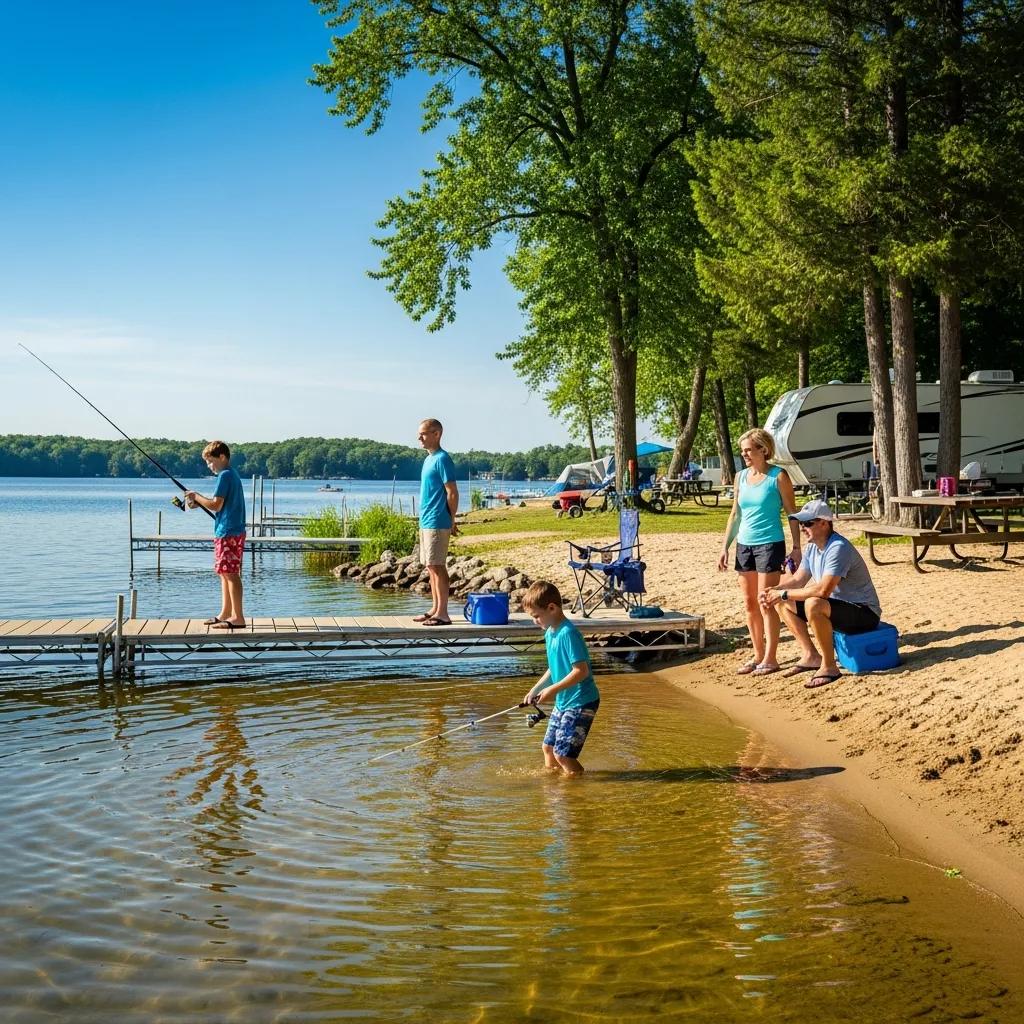
Michigan Campgrounds for Family Fishing and Swimming — A Practical Guide to Kid-Friendly Lakeside Camping
If your family wants outdoor time near safe water without a long drive, this guide walks you through choosing the right Michigan campground. We cover what makes a site kid-friendly for fishing and swimming, point you toward family-focused options near Detroit, Ann Arbor, and other metro areas, and share step-by-step tips for low-stress fishing and beach play. You’ll also learn how resorts add man-made water features and events that expand options beyond natural swimming spots. Read on for region-by-region guidance, a beginner fishing checklist, swimming-safety basics, amenity comparisons, and simple reservation advice so you can confidently pick and book a Michigan campground that fits your family.
What Makes Michigan Family Campgrounds Great for Fishing and Swimming?
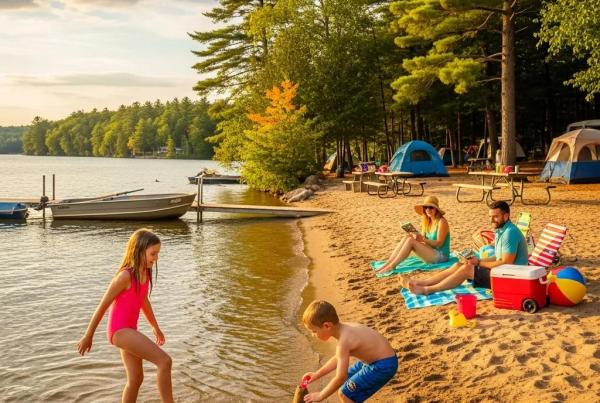
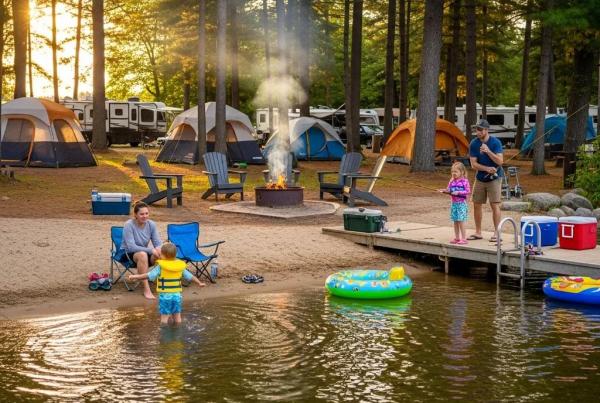
The best family campgrounds in Michigan mix easy water access, stocked ponds or safe lake shorelines, and on-site amenities that support both quick visits and multi-day stays. Easy water access means gradual shore slopes, clear entry points, and designated swim areas so parents can supervise closely. Stocked ponds or healthy lake ecosystems increase the chance of catches that keep kids excited. When water access is paired with playgrounds, picnic pavilions, and short trails, families can rotate activities to avoid fatigue and keep children safe. Those integrated features let you build a balanced day—active water time followed by shaded rest or on-land play—which is especially useful for families coming from nearby cities. Below are the specific pond and lake features to look for when choosing kid-friendly sites.
Key Features of Family-Friendly Fishing Ponds and Swimming Lakes
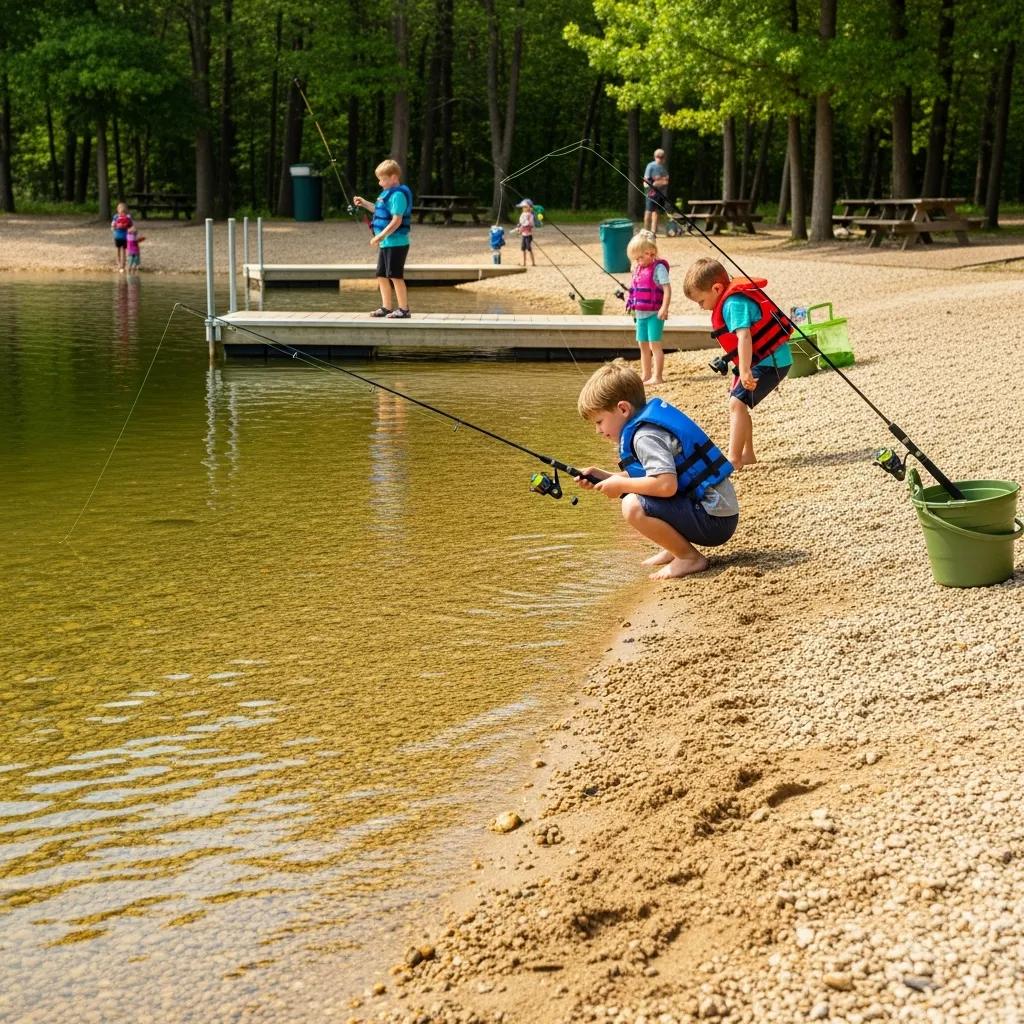
Look for ponds and lakes that are shallow near shore, regularly stocked, and have stable shoreline materials like sand or fine gravel for toddler play. Check that depth zones are clearly marked, that there’s a dock or gradual slope for easy entry and exit, and that water clarity allows supervisors to spot swimmers—these details reduce risk and make teaching water skills easier. Ponds stocked with bluegill and other panfish deliver frequent bites that reward beginner anglers and keep youngsters engaged. Also note on-site life jackets, roped swim areas, and nearby shade or pavilions for quick shelter during storms or midday sun—practical touches that make water time safer and more predictable.
Why Choose Michigan Lakeside Campgrounds for Family Water Time
Michigan’s many inland lakes and managed private ponds put water experiences within easy reach of major metro areas, so weekend trips don’t eat up the whole day. The summer season offers a concentrated window for swimming and fishing, and many sites add family programming and weekend events that complement on-water fun. Camps closer to population centers often invest more in family-focused amenities—playgrounds, pavilions, and trails—that give options beyond the water. Picking a lakeside campground in Michigan gives families flexibility: shallow-pond fishing for little ones, beach swimming for toddlers, and deeper lake access for older kids.
Where to Find the Best Michigan Campgrounds with Fishing and Swimming?
Start by targeting regions and campground types known for water access: Southeast Michigan, the Jackson County area, and the northern-lake regions each offer different advantages. State parks typically have larger natural lakes and managed beaches, while private family campgrounds and RV resorts often focus on on-site ponds, sandy swim beaches, and programmed activities for kids. Consider drive time—shorter drives make same-day or weekend trips more relaxed—and favor campgrounds with multiple on-site amenities so bad-weather alternatives are easy. Below we outline what to expect near cities and how to narrow your search by region.
Top Campgrounds Near Major Cities Like Detroit and Ann Arbor
For weekend trips from Detroit, Ann Arbor, or nearby urban centers, aim for family campgrounds within a one- to two-hour drive that offer on-site swim beaches or private fishing ponds—this maximizes daily activity time. These close-by spots often run weekend events, have playgrounds, and maintain picnic pavilions that keep kids entertained between swim sessions. To avoid traffic delays, plan off-peak departures (mid-morning or weekdays when possible). Private family campgrounds near metro areas commonly emphasize safety features—roped swim zones, supervised beaches during busy times, and well-kept docks—making them good choices for short family getaways.
Unique Offerings at The Oaks Campground in Munith, Michigan
The Oaks Campground in Munith, run by GatherGrounds Resorts, is designed with families in mind. On-site water amenities include a large fishing pond and a swimming lake with a sandy beach. The property also plans to add more water-play options—an on-site Wibit water park is scheduled for 2026—plus family-friendly features like golf cart trails, playgrounds, pavilions, and weekend event programming. Its location in southeastern Michigan makes it convenient for families from Detroit, Ann Arbor, Jackson, Toledo, and other nearby cities who want short-drive lakeside camping with built-in activities. If you want a mix of easy fishing, beach swimming, and expanding water attractions, The Oaks is worth considering.
How to Enjoy Family Fishing Adventures at Michigan Campgrounds?
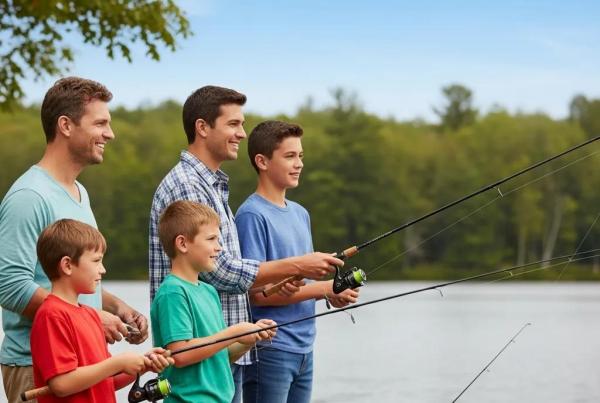
Family fishing works best when equipment and activities match kids’ attention spans and safety needs, and when you pick species and times that boost bite rates. Beginner setups—short, light rods, bobbers, and pre-tied hooks—cut frustration and speed learning. Fish early mornings or late afternoons for the best action in small ponds and sheltered coves. Follow simple safety rules—life jackets near water, adult supervision during casting, and a catch-and-release approach for learning—to keep outings low-stress and educational. Below is a compact species-to-gear guide and a few practical tips for productive family fishing sessions.
Beginner Fishing Tips and Fish Species in Michigan Lakes
Quick reference: pick the right bait, rod, and expectations for common family-friendly pond species.
In short: targeting bluegill and other panfish with lightweight rods and bobbers gives kids quick feedback and steady success, which builds confidence for more advanced techniques.
- Pack simple rigs: Pre-tied bobber-and-hook setups make casting practice safe and repeatable for young anglers.
- Choose calm times: Early morning and late afternoon often bring the best bites and cooler conditions for kids.
- Rotate short sessions: Keep fishing to 20–30 minute stretches for younger children, then switch to a shore activity or snack to prevent burnout.
These easy habits keep outings realistic, safe, and fun. The next section suggests ways to make fishing feel special for kids.
Safe and Fun Fishing Activities for Kids and Beginners
Turn fishing into a ritual with small, achievable goals: celebrate a “first catch,” run timed mini-challenges, or play simple species-identification games that reward observation as well as skill. Be explicit about safety: enforce life-jacket use near open water, handle hooks under adult supervision, and teach unhooking with barbless hooks when appropriate. Bring a lightweight ruler and a small journal or camera to record catches and memories, then switch to playground time or a beach snack to reset. Those practices build positive associations with fishing and naturally set the stage for safe swimming time.
What to Expect from Swimming at Michigan Family Campgrounds?
Swimming options at Michigan campgrounds range from sandy lake beaches to smaller supervised swim areas at private resorts. Before long play sessions, evaluate water depth, shoreline materials, and supervision. Prefer campgrounds that mark depth changes, provide roped swim areas, and offer shade or pavilions for breaks—these features make it easier to schedule rest and hydration for kids. Equipment rentals, lifeguarded hours during peak times, and accessible docks expand safe options like paddle play and supervised float sessions. Below we compare common lake features and suggest family-friendly beach activities.
Swimming Lake Features: Sandy Beaches and Water Safety
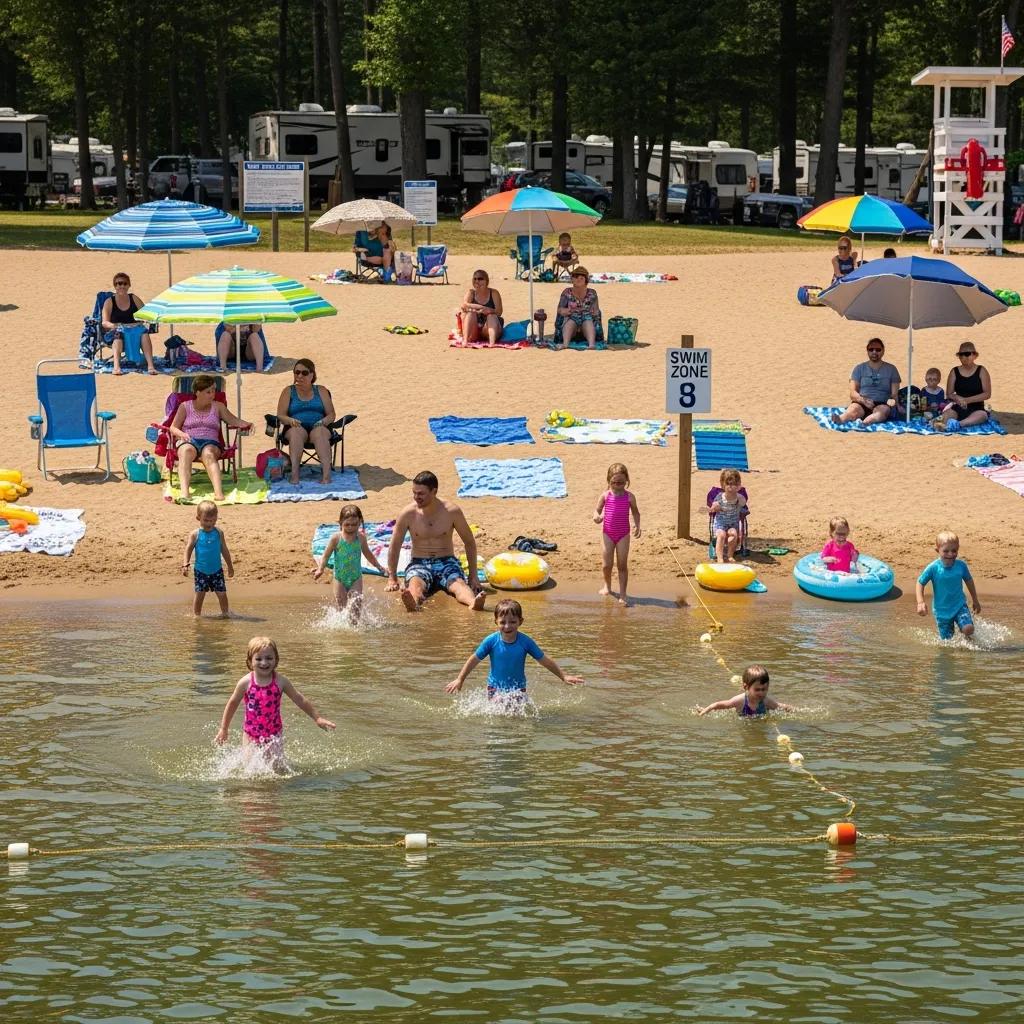
Reference table: common swim-area features to check before children play in lakes or ponds.
Bottom line: prioritize sandy, gradual shorelines with clearly marked swim zones and either lifeguarded hours or consistent parental supervision for the safest experience.
Keep beach time lively and inclusive with a few adaptable games:
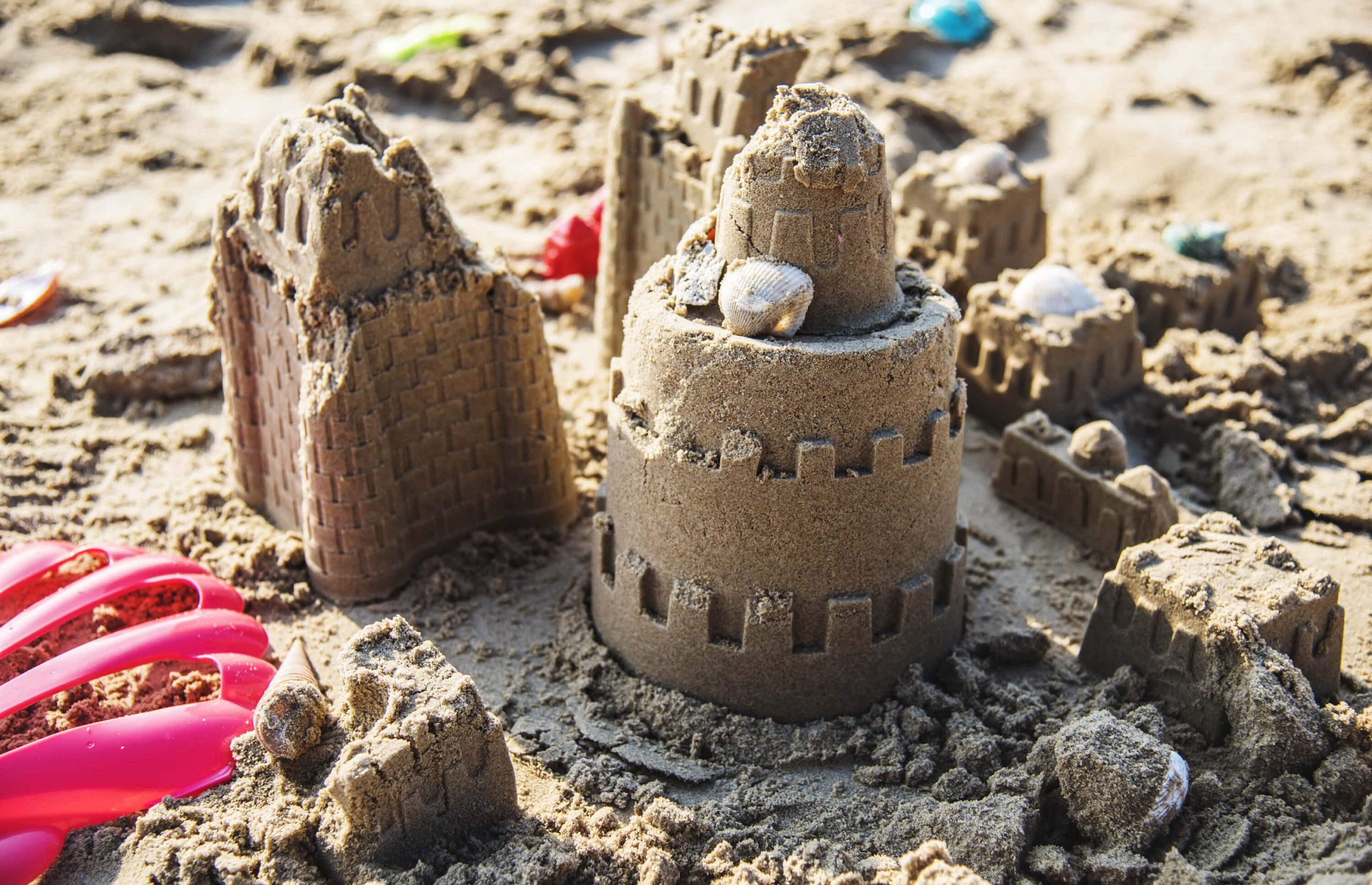
- Sandcastle relay: Teams build different parts of a castle in timed turns so toddlers and older kids can play together.
- Shoreline scavenger hunt: Search for safe natural items (smooth stones, interesting leaves) and combine exploration with a little beach cleanup.
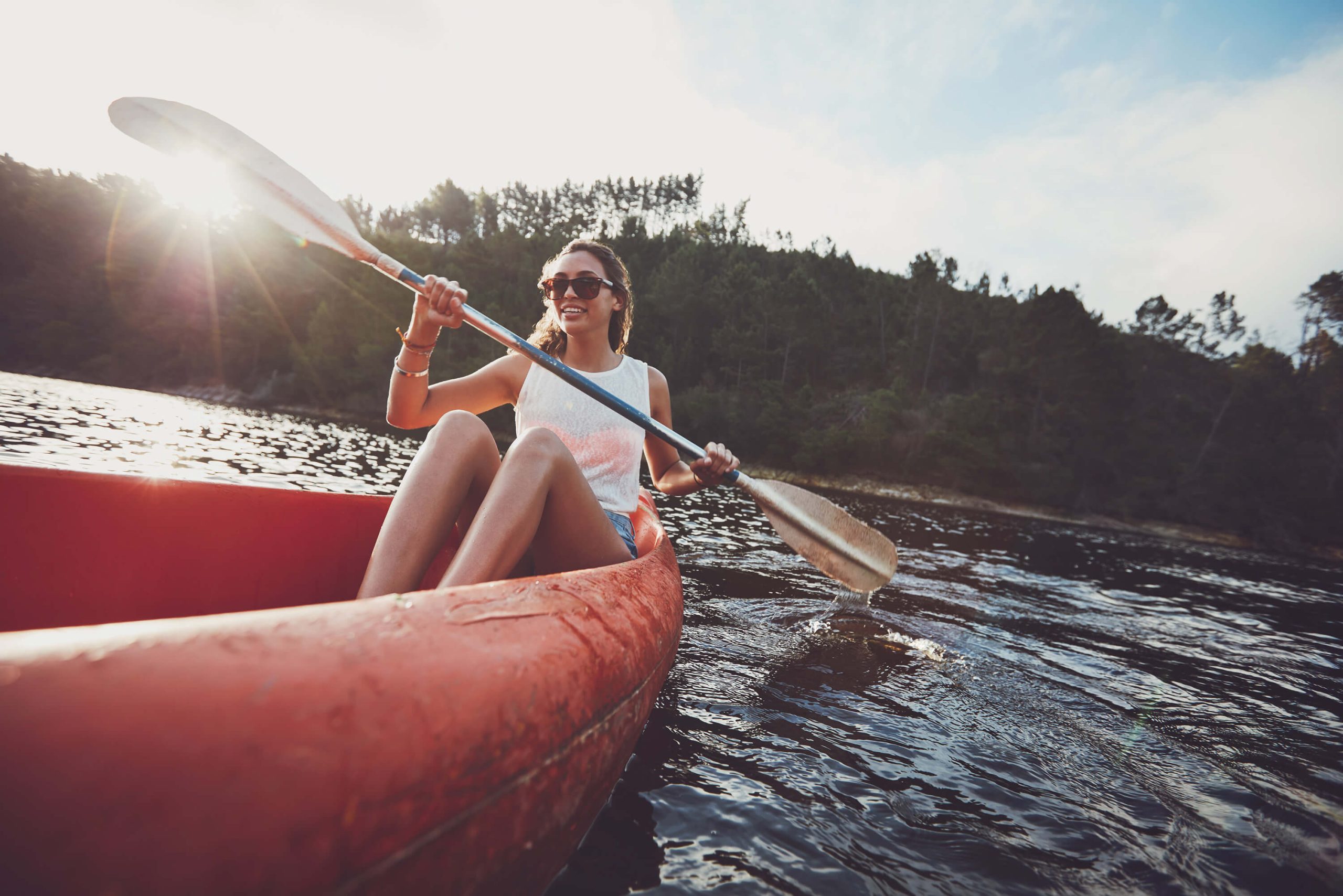
- Paddle relay: Older kids race short distances with paddles while younger kids cheer from the shore under supervision.
After a round of beach games, families often move to other on-site amenities—see the next section for how resorts expand water options.
Popular Swimming Activities and Beach Games for Families
Low-equipment games keep all ages involved without adding risk: sandcastle contests spark creativity, while relay races and gentle paddleboard games challenge older kids. Use age-appropriate floats, set clear start/stop signals to keep order, and pair water play with shaded snack breaks to manage sun exposure and energy. For toddlers, short supervised wading with flotation aids and sensory sand play work best. School-age children enjoy team games and skill-based challenges. Combining beach games with nearby playgrounds or pavilions makes it easy to alternate active periods and rest—something many campgrounds support through weekend programming.
How Do Michigan Camping Resorts Boost Water Activities for Families?
Many resorts add manufactured attractions, rentals, and programming to broaden options for kids and teens while supporting safety and predictable schedules. Features like inflatable obstacle courses, rental paddlecraft, and heated pools offer structured sessions and staff supervision—appealing to families who prefer organized activities over open-lake play. Support services such as equipment rentals, scheduled swim lessons, and lifeguarded hours reduce prep work for parents and simplify multi-day planning. The section below explains Wibit water parks, why they’re popular with families, and what to expect from scheduled sessions and safety rules.
Upcoming Attractions: Wibit Water Park and Other Water-Based Fun
A Wibit is a modular inflatable course—slides, balance elements, and climbing sections—anchored in a lake and operated in timed sessions. It’s a high-energy draw for older kids and teens and usually runs in roped, supervised areas with session bookings to limit crowding. Safety rules typically include age and weight limits, mandatory flotation devices, and scheduled time slots—plan your day around those sessions and allow extra time to gear up. When campgrounds add a Wibit, they usually publish season start dates and session rules, which expands water programming alongside sandy beaches and quiet pond fishing.
Compare on-site water amenities and how they change the family experience.
In short: manufactured amenities like Wibits and heated pools extend usable water hours and attract families seeking structured play, while natural lakes offer open-ended exploration—both can complement each other at a resort.
Additional Amenities: Golf Cart Trails, Playgrounds, and Weekend Events
Non-water features—golf cart trails, playgrounds, and weekend events—help resorts create full-day itineraries that minimize driving and keep kids engaged when the weather limits water time. Golf cart trails let families explore larger properties without long walks, playgrounds offer safe off-water play for younger kids, and scheduled weekend events provide communal activities that encourage social play. When choosing a resort, look for integrated programming—craft sessions, scavenger hunts, or evening family entertainment—that pairs with water time and reduces the need to leave the property. These combined amenities influence how long you stay and when you book.
How to Plan Your Family Camping Getaway at Michigan Lakeside Campgrounds?
Good planning cuts stress and makes water-focused trips more fun: book during shoulder seasons for quieter beaches, reserve summer weekends early, and pack a short checklist focused on safety and quick transitions between water and shade. Budget for equipment rentals, lesson fees, or special water-park sessions so surprises don’t derail the trip, and choose campgrounds with a mix of amenities to handle poor weather. Below are concrete reservation tips and the best times for fishing and swimming.
Reservation Tips, Rates, and Best Times to Visit
Reserve popular family campgrounds well ahead for summer weekends—Saturday arrivals often fill fast—while weekday stays and shoulder seasons (late spring or early fall) offer quieter beaches and lower rates. When budgeting, include possible fees for equipment rentals, water-park sessions, and weekend events; policies vary by campground, so check booking details. Consider shorter drives and earlier departures to avoid peak traffic and arrive before the busiest swim hours—this improves parking and campsite options and lowers stress. Thoughtful timing helps you balance cost, crowds, and the water activities your family values most.
Combining Camping with Nearby Attractions Like Waterloo State Recreation Area
Pair a lakeside campground with a nearby attraction like Waterloo State Recreation Area for a varied multi-day itinerary: plan a half-day hike, a morning canoe trip, and an afternoon at the beach so everyone gets a favorite activity. Check parking and permit rules at nearby sites and pack meals or plan picnics to avoid long back-and-forths that wear on kids. For families wanting mixed agendas, alternate full water days with on-land exploration to manage energy and sun exposure; early starts and packed lunches help you make the most of day trips.
Reserve stays and check availability at The Oaks Campground via GatherGrounds Resorts’ booking system to secure dates for pond fishing, sandy-beach swimming, and scheduled water-park sessions once offered. The Oaks concentrates family amenities—fishing pond, swimming lake with sandy beach, planned Wibit water park for 2026, golf cart trails, playgrounds, pavilions, and weekend events—making it a convenient base for families seeking an all-in-one lakeside camping experience. Book early for summer weekends and watch for season-open announcements to lock in dates that match your preferred mix of fishing, swimming, and on-site programming.
- Plan early: Reserve popular weekend dates well in advance to get the campsite and swim-area access you want.
- Pack smart: Bring life jackets, sun protection, simple fishing rigs, and a small first-aid kit for quick responses.
- Balance activities: Alternate water time with on-site amenities and short day trips to keep energy and interest high.
Following these steps will help you pick the best Michigan campground for family fishing and swimming while keeping safety, fun, and convenience front and center.
Frequently Asked Questions
What safety measures should families consider when swimming at campgrounds?
Look for lifeguards, roped swim areas, and clearly marked depth zones before letting kids play. Make sure young children wear properly fitted life jackets in deeper water, and supervise closely during busy swim times. Carry a basic first-aid kit and know where emergency services are located. Regular breaks for hydration and sun protection help keep kids comfortable and safe during long water sessions.
Are there specific fishing regulations families should be aware of in Michigan?
Yes—Michigan has fishing rules covering license requirements, size limits, and seasonal restrictions. Adults usually need a valid fishing license; some age thresholds allow children to fish without one. Local lakes or private ponds can have additional rules, so check regulations for your specific site. Practicing catch-and-release and respecting local limits helps protect fish populations for future family trips.
What types of amenities can families expect at Michigan lakeside campgrounds?
Common amenities include sandy swim beaches, fishing ponds, playgrounds, picnic areas, and hiking trails. Many campgrounds offer rental gear—kayaks, paddleboards, or life jackets—and organize events like family game nights or fishing derbies. Some resorts add attractions such as inflatable water parks or heated pools for more structured play. Amenities vary, so check each campground’s offerings before you book.
How can families prepare for a successful fishing trip at a campground?
Bring beginner-friendly gear: lightweight rods, bobbers, and pre-tied hooks. Fish during peak activity times—early morning or late afternoon—and teach kids basic casting and reeling techniques while stressing safety near the water. Pack snacks, water, and a small first-aid kit to keep the day pleasant. Simple preparation makes fishing less stressful and more rewarding for everyone.
What are some fun beach games families can play at campgrounds?
Try sandcastle contests, shoreline scavenger hunts, and paddle relays to keep everyone entertained. Relay races, beach volleyball, and group-building games work well for mixed-age groups. Choose age-appropriate activities so toddlers and older kids can participate safely, and pair active games with shaded rest periods to manage sun exposure and energy.
How do seasonal changes affect camping experiences in Michigan?
Seasonality matters: summer is peak season for swimming and fishing because of warm weather and long days. Shoulder seasons—late spring and early fall—offer quieter campgrounds and often better rates. Weather affects water temperature and safety, so check forecasts and prepare for changing conditions. Understanding seasonal patterns helps you pick the best dates for your family’s priorities.
Conclusion
Picking the right Michigan campground for family fishing and swimming sets the stage for safe, memorable outdoor time together. By choosing sites with sandy shorelines, stocked ponds, and family-friendly amenities—and by planning ahead—you can spend more time enjoying the water and less time worrying. Explore options like The Oaks Campground, book early for busy weekends, and get ready for a lakeside getaway your family will remember.