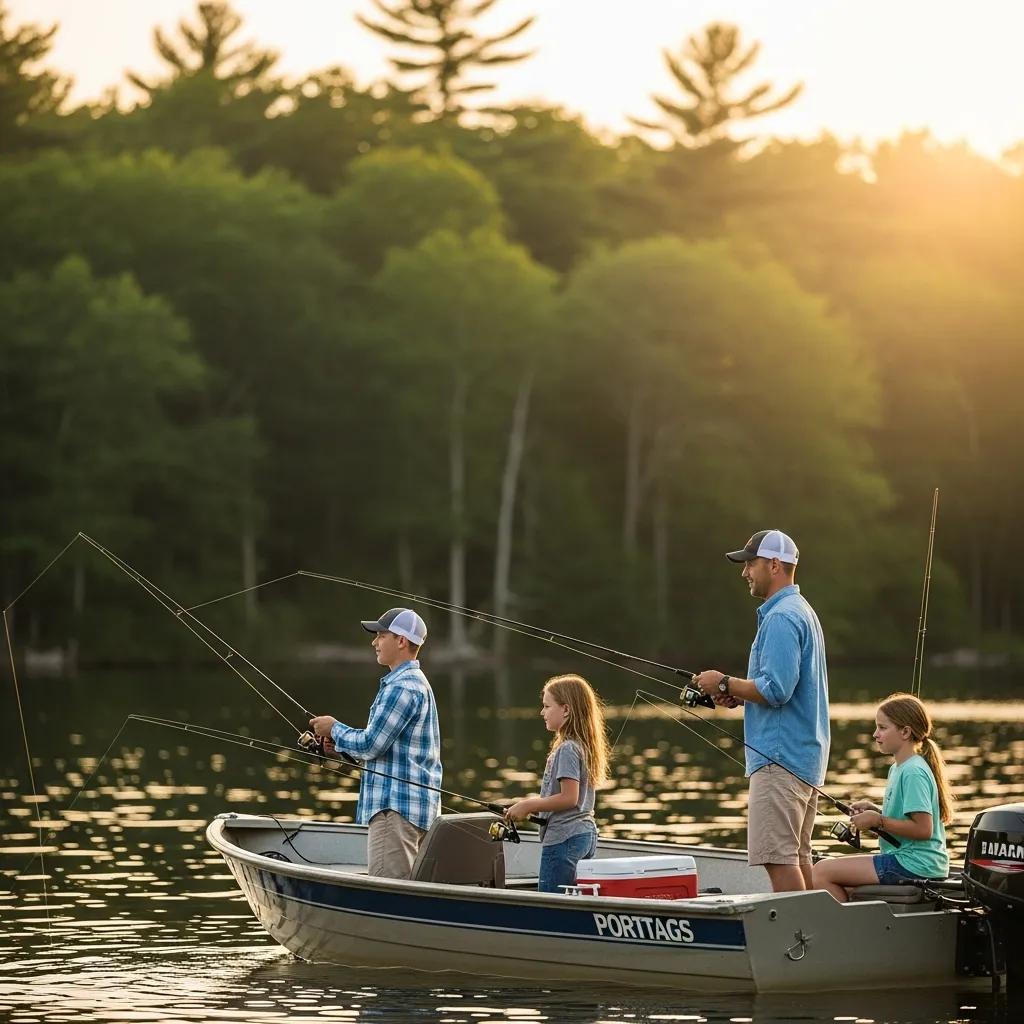
The Best Camping Spots for Fishing at Portage Lake Michigan: Your Ultimate Guide to Family-Friendly and RV Camping
Portage Lake is a small, easy-to-access freshwater lake where shallow flats, weedlines, and protected coves create steady fishing close to family-friendly campgrounds. This guide points you to the best spots on the lake and shows how to plan a nearby camping trip — including why The Oaks Campground makes a convenient base. You’ll get clear spot recommendations, seasonal tips for each species, simple techniques for shore and boat anglers, and a family-friendly camping plan focused on safety and fun. Find quick-reference tables, step-by-step planning checklists, and practical steps for booking a campsite so you can move from planning to time on the water.
Why Choose Portage Lake for Your Fishing and Camping Adventure?
Portage Lake is a productive small-lake fishery where weedbeds, shallow flats, and transition drop-offs combine to support a healthy mix of sport fish and panfish. Its calmer waters and close access points make it especially good for families and shore anglers, while nearby Waterloo Recreation Area gives easy options for hikes or a short boat ride. In short: the lake offers varied fishing within a compact area, and the nearby campgrounds make multi-day trips low-stress and easy to manage. Below we explain what drives that consistent fishing and how seasonal patterns affect success.
What Makes Portage Lake a Top Fishing Destination in Michigan?
Portage Lake stands out because its habitat — weeds, flats, and occasional deeper pockets — produces steady forage and concentrates predators like largemouth bass, walleye, and northern pike. Weedlines and flats grow insects and small baitfish; drop-offs create ambush zones where gamefish feed. Expect big windows of activity during spring spawn and again in fall, with midsummer offering early-morning and late-evening topwater action. That reliability makes Portage Lake a great place for family trips where different targets keep everyone interested.
How Does The Oaks Campground Enhance Your Portage Lake Experience?
The Oaks Campground is set up for family stays and complements Portage Lake fishing with on-site features like a beginner-friendly fishing pond, playgrounds, and easy water access so non-anglers have things to do while others head to the lake. RV and tent sites sit close to trails and shoreline points, which makes early departures and midday returns simple. Its proximity to Waterloo Recreation Area also lets you explore more water and trails without a long drive. If you plan to stay, reserve early — the campground’s booking system fills up for peak weekends.
A quick tip: pick a campsite near shared facilities to keep gear runs short while still staying close to the lake.
What Are the Best Fishing Spots Around Portage Lake Michigan?
The best places to fish are where structure meets access: north- and east-shore weedlines, deeper pocket coves, and the public launch area with nearby drop-offs. These locations combine fish-holding features with convenient access for shore and small-boat anglers, giving families several solid options.
Below is a quick comparison table to help you choose spots by access type, common targets, and difficulty so you can match locations to your group’s experience and gear.
Intro table: Quick reference to help anglers pick the right access and target species for Portage Lake outings.
North shore and west flats are especially family-friendly for shore fishing and quick, safe outings. Coves and drop-offs reward boat anglers or anyone willing to work precise presentations. The next section describes where to fish on the lake in practical terms.
Where Are the Prime Fishing Locations on Portage Lake?
Look for largemouth bass and panfish along the north-shore weedlines, target walleye in the eastern coves where deeper water comes close to shore, and watch the southern drop-off near the public launch for pike and bigger gamefish. These spots concentrate forage and offer natural ambush points along edges and structure. For family trips, choose spots that have nearby parking and gentle shoreline so kids can fish safely while adults try targeted casts.
Which Fishing Techniques Work Best at Portage Lake?
Techniques change with species and season. Largemouth often hit topwater lures and weedless soft plastics at dawn. Walleye usually respond to slow jigs or live bait near deeper transitions at low light. Panfish are steady on light spinning gear with small jigs or bait under a bobber. Pike like larger profiles — spoons, spinnerbaits, or big swimbaits — fished around drop-offs and weed edges.
- Use weedless rigs for bass in heavy vegetation.
- Fish slow and deep for walleye at dusk and dawn.
- Throw larger, flashy lures for pike near structure.
Match these techniques to the species and season to get the best results on Portage Lake.
Which Fish Species Can You Catch at Portage Lake Michigan?
Portage Lake supports a good mix of sportfish and panfish that work well for anglers of all ages: largemouth bass, walleye, northern pike, and panfish like bluegill and crappie. The mix of shallow cover and deeper pockets creates food and shelter that keep these species active throughout the year.
Below is a simple species table to help you match bait, technique, and the best season for each target.
Intro table: Species comparison for quick matching of bait, technique, and season.
Use this quick match to plan gear and timing for your trip; short species profiles follow to set expectations for typical catches.
What Are the Most Common Fish in Portage Lake?
Expect largemouth bass, walleye, northern pike, and panfish like bluegill and crappie. Bass stick to weedbeds and respond to topwater and plastic baits. Walleye prefer deeper edges and low-light feed times. Pike lurk near thick cover and need stronger tackle. Panfish live on shallow flats and offer steady action — perfect for kids and beginners. Sizes vary by season, but panfish give frequent bites while bass and walleye offer the chance for larger strikes.
When Is the Best Time to Fish for Each Species?
Timing depends on species and season. Spring spawn (April–May) brings bass and panfish shallow. Summer mornings and evenings produce topwater bass action. Walleye are most active at low light in spring and fall. Pike are aggressive after the spawn and into early summer before weeds thicken. Daily timing matters too: dawn and dusk are prime for most gamefish; midday can be great for panfish. Watch weather and wind — barometric and wind changes affect feeding, so adapt your plan to local conditions.
How to Plan Your Family Camping Trip Near Portage Lake with Fishing Opportunities
Planning a family trip near Portage Lake means balancing fishing time with kid-friendly activities and campsite logistics. Start by picking the right lodging for your group, securing licenses, packing appropriate gear, and building a flexible day plan that alternates fishing with campground activities.
Pre-trip checklist: Essential items and steps to prepare for a family fishing and camping trip.
- Secure fishing licenses for everyone who will fish and review local rules.
- Reserve a campsite that fits your group size and vehicle type.
- Pack layered clothing, life jackets, and species-appropriate tackle.
- Plan daily windows for fishing and family activities to balance time on the water and at camp.
This checklist helps you choose accommodations; the table below shows which site types suit different families.
That table makes it easier to pick a site that matches your needs. The next sections cover campground amenities and the booking steps you’ll want to follow. Remember to reserve early for busy weekends.
What Family-Friendly Amenities Does The Oaks Campground Offer?
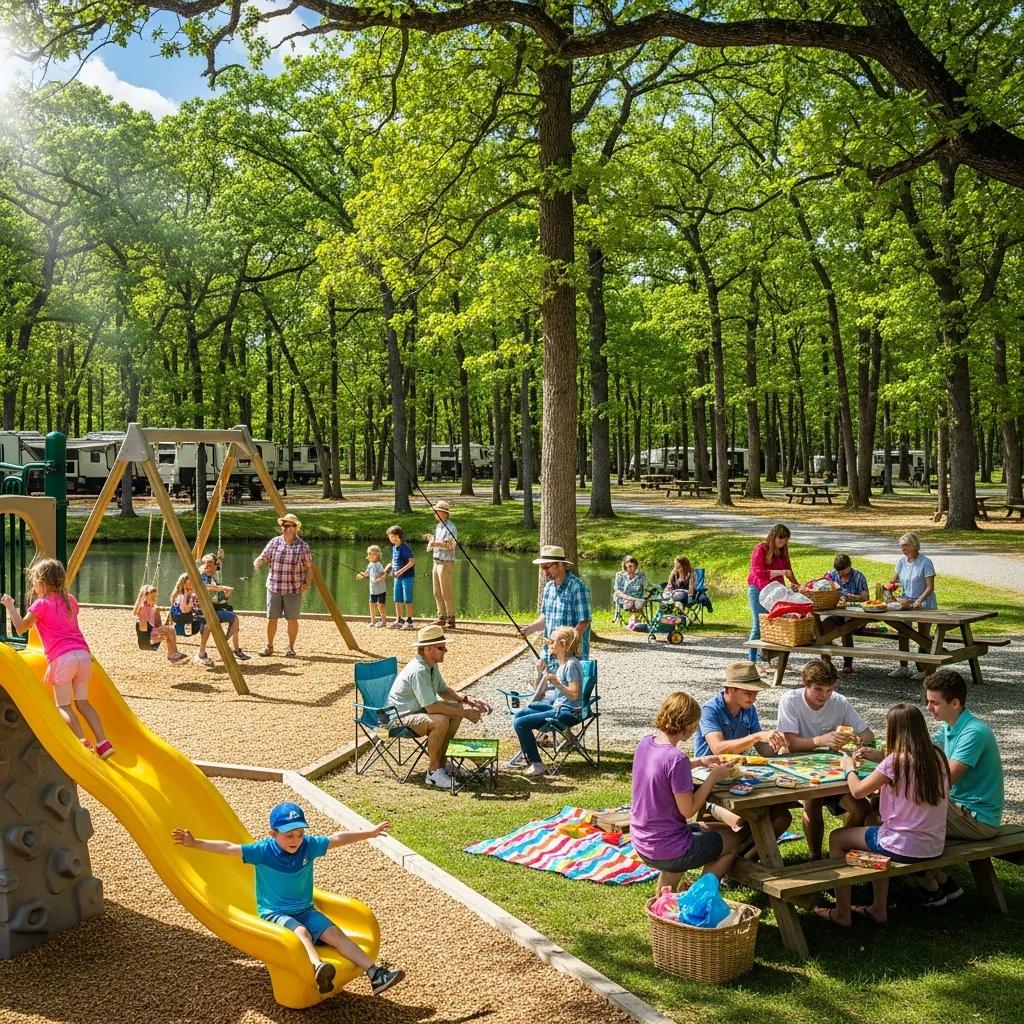
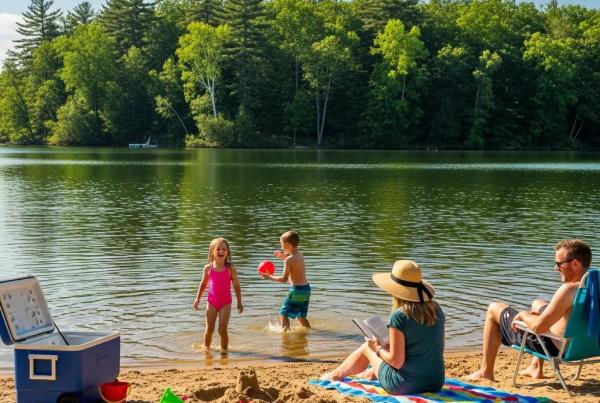
The Oaks Campground focuses on family fun with an on-site fishing pond for beginners, playgrounds, short hiking trails, and a swimming lake to keep non-fishing family members entertained. Those amenities let adults take turns fishing while others supervise kids close to camp. RV hookups and open play areas make multi-day stays easy and relaxed. If you plan to visit during peak season, book early to secure the best site.
How to Book Your Stay for RV and Tent Camping Near Portage Lake?
Start by choosing the site type—RV with hookups or a tent spot for a more rustic feel—then reserve as early as possible for weekends and holidays. Practical booking steps: pick your dates, select the right site for your party and vehicle, confirm size or vehicle restrictions, and note arrival/departure times so you can line up launch windows for fishing. For anglers, sites near shared facilities or shore access cut down on gear runs and make early-morning launches easier.
What Are the Local Fishing Regulations and Safety Tips for Portage Lake?
Fishing at Portage Lake means following Michigan rules and basic water safety to protect fish and keep families safe. Check current Michigan DNR regulations for licenses, size and bag limits, and seasonal closures before you go. Basic safety practices — life jackets for anyone in boats or kayaks, careful fish handling, and proper disposal of line and tackle — reduce risk and help preserve the lake. Below are quick regulatory and safety reminders to follow each trip.
Regulatory and safety bullet list: Quick essentials to follow on every trip.
- Obtain and carry valid Michigan fishing licenses for each angler.
- Follow species-specific size and bag limits and seasonal closures.
- Wear Coast Guard–approved life jackets when on the water; supervise children closely.
- Practice proper fish handling and release techniques to protect gamefish populations.
These basics keep your trip legal and safe. The next sections explain where to get licenses and how to fish responsibly to reduce ecological impact.
What Licenses and Rules Should Anglers Know?
Make sure everyone who fishes has the correct Michigan license and that you understand species-specific bag and size limits for Portage Lake. Rules can change by season, and exceptions exist for youth or disability cases, so check the Michigan DNR before you leave. Carry a printed or digital copy of your license while fishing — it’s an easy step that helps protect fish populations and preserves future fishing opportunities.
How to Practice Eco-Friendly and Safe Fishing at Portage Lake?
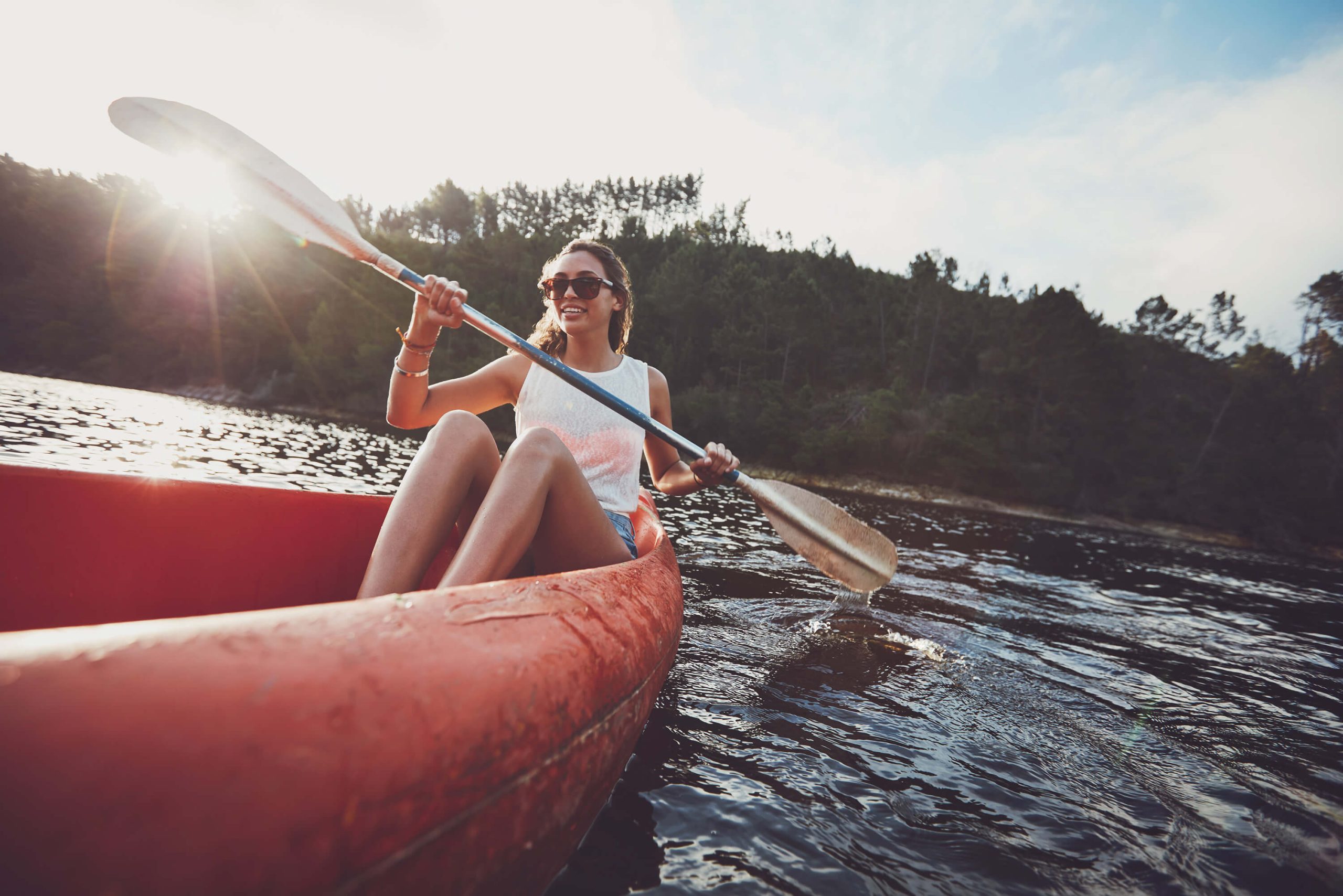
Eco-friendly fishing starts with good handling: use barbless hooks when helpful, keep your hands wet, limit air exposure, and release fish carefully to increase survival. Dispose of line and tackle properly to prevent wildlife entanglement and choose lead-free weights when possible. For safety, have life jackets for everyone on boats or kayaks, avoid overloading small craft, and share a float plan with someone on shore. Being responsible keeps the lake healthy and your family safe.
What Activities and Attractions Can You Explore Near The Oaks Campground and Portage Lake?
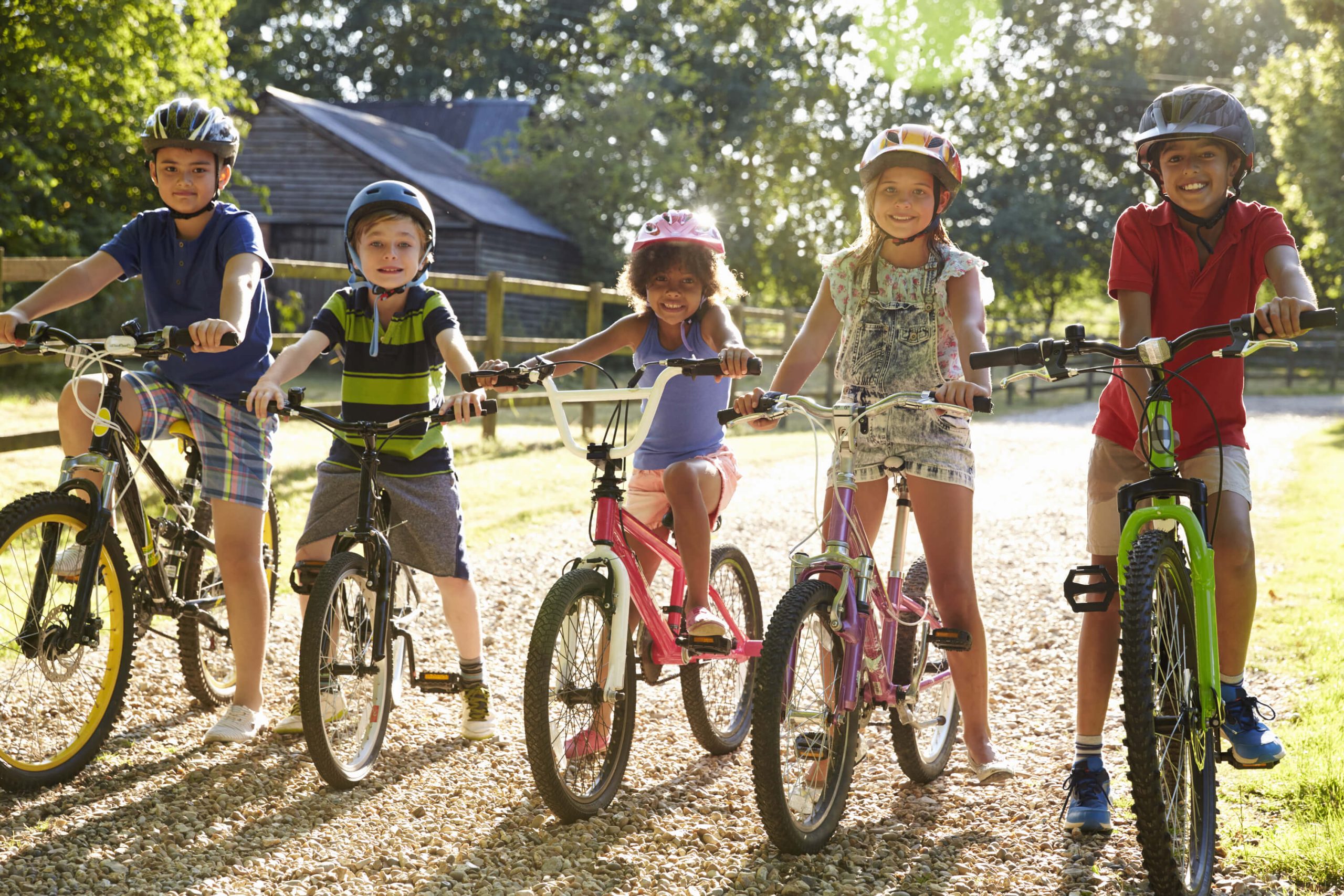
Apart from fishing, families can enjoy hikes, wildlife viewing, casual boating, and campground activities that make a multi-day stay appealing to everyone. Waterloo Recreation Area offers trails for easy family walks and longer bike rides, while the campground’s amenities give low-effort options to fill off-water hours.
Intro list: Activities to include on non-fishing hours during your stay.
- Hiking and biking nearby — trails from short loops to longer day hikes.
- Wildlife viewing and birdwatching — best at dawn and dusk.
- Family-friendly on-site recreation — playgrounds and planned water features.
These activities complement fishing days and give options for different interests. The table below highlights nearby trail choices and what they offer.
Use this guide to mix activities by season and energy level. The following sections offer ways to make the most of on-site entertainment.
Which Trails and Outdoor Activities Are Available in Waterloo Recreation Area?
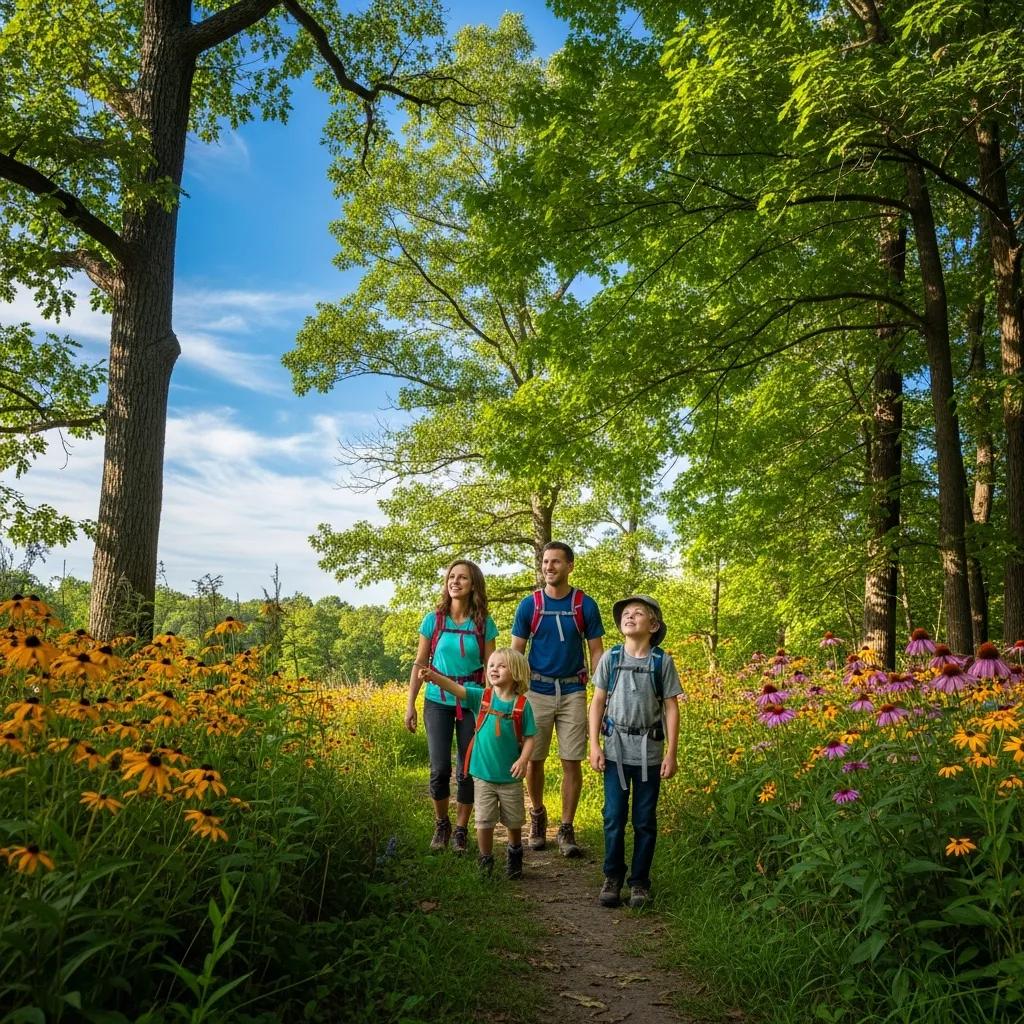
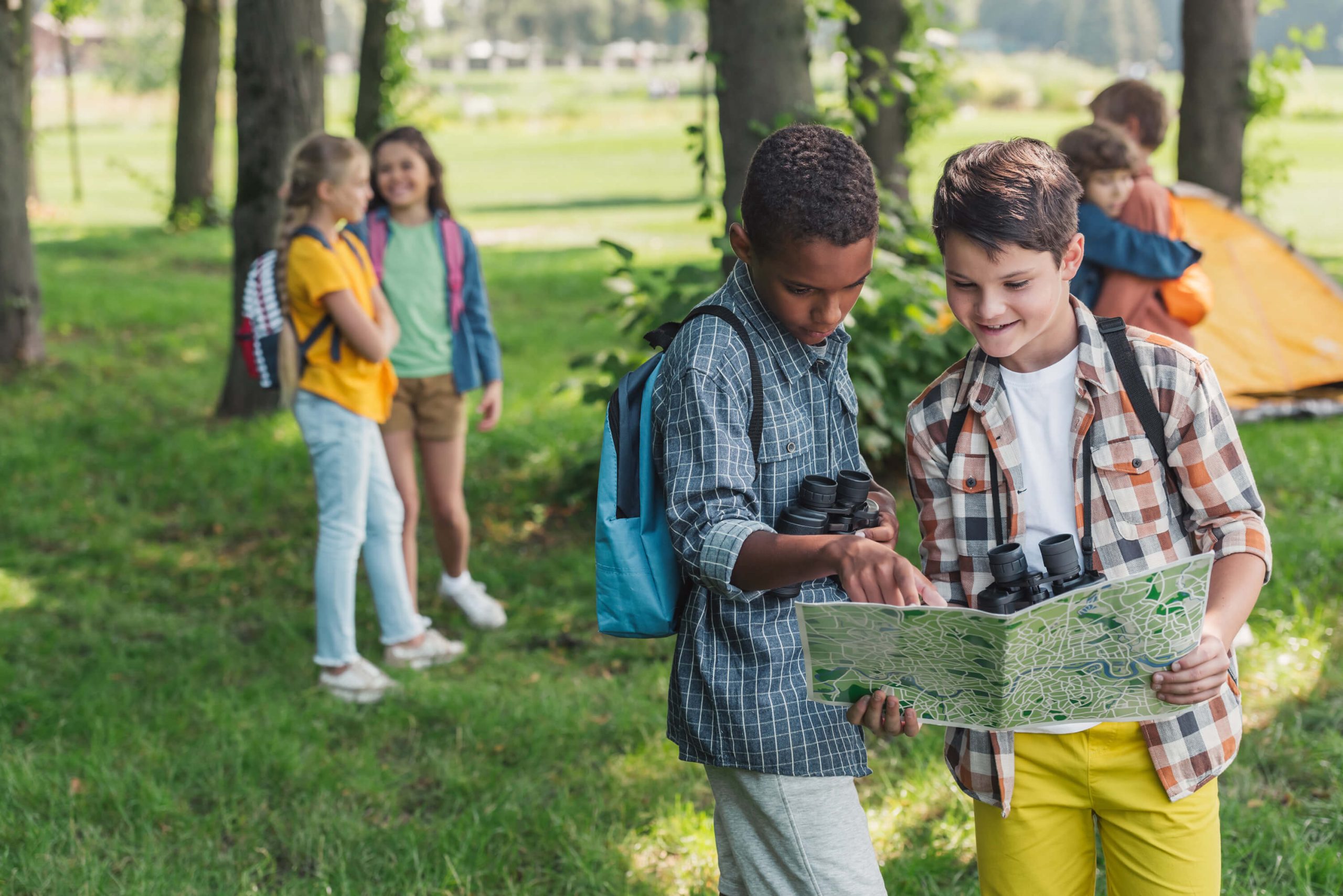
Waterloo Recreation Area has trails for short family hikes, birdwatching, and afternoon bike rides. Trails pass wetlands and woodlands where you can spot waterfowl, deer, and songbirds; autumn is especially pretty for fall color. For campers, plan short hikes in the morning before fishing or an afternoon bike ride while others relax at camp, and use nearby trailheads to keep travel time to a minimum.
How Can Families Enjoy Additional Entertainment at The Oaks Campground?
The campground offers playgrounds, a swimming lake, and a small fishing pond that’s ideal for kids and beginners. Planned upgrades, like a future Wibit water-play feature, will add more family-friendly water fun. Those amenities let parents rotate who fishes while someone else watches the kids nearby. Try an itinerary that pairs morning fishing on Portage Lake with midday pond or pool time and a late-afternoon trail walk to keep the day varied. When you’re ready, reserve early to get the site that best fits your group and schedule.
Frequently Asked Questions
What types of fish are most commonly caught at Portage Lake?
At Portage Lake, you’ll commonly catch largemouth bass, walleye, northern pike, and panfish like bluegill and crappie. Bass often hang near weedbeds, walleye prefer deeper water or low-light conditions, and panfish are plentiful on shallow flats — making them great for kids and beginners.
What are the best times of year to fish at Portage Lake?
The best times vary by species. Spring (April–May) is great for bass and panfish when fish move shallow to spawn. Summer mornings and evenings are prime for topwater bass action. Walleye are most active at low light in spring and fall, and pike are aggressive after the spawn into early summer. Planning around these windows will improve your chances.
Are there any specific fishing regulations to be aware of at Portage Lake?
Yes. Anglers must follow Michigan fishing regulations, which include carrying the correct fishing licenses and observing species-specific size and bag limits. Rules change from time to time, so check the Michigan Department of Natural Resources website before your trip to stay current and support sustainable fishing.
What safety measures should families take while fishing at Portage Lake?
Prioritize life jackets for anyone in boats or kayaks and keep kids supervised near water. Use proper fish-handling techniques to reduce stress on released fish, watch weather updates, and carry communication devices. Sharing a float plan with someone on shore is a smart safety step.
What family-friendly activities are available near Portage Lake?
Beyond fishing, the area offers hiking and biking trails, wildlife viewing, and on-site campground activities like playgrounds and a swimming lake. The Oaks Campground’s pond and play areas make it easy to balance fishing with family time.
How can families maximize their camping experience at The Oaks Campground?
Plan a balanced schedule that mixes fishing with on-site activities. Book a campsite near shared facilities for easy access to amenities, fish in the early morning or late evening, and save afternoons for swimming, hiking, or playground time. Joining campground events and rotating supervision makes the trip relaxing and fun for everyone.
Conclusion
Portage Lake is an excellent spot for family-friendly fishing and camping, offering a variety of species and accessible locations that suit anglers of all skill levels. The Oaks Campground adds family-focused amenities and easy access to the lake, making multi-day trips simple to plan and enjoy. Use this guide to choose spots, match techniques to species, and book the right campsite — then get out on the water and make some memories. Ready to go? Reserve your site early and start planning your Portage Lake getaway.