Kid-Friendly Campground Amenities for Family Fun
Our family-focused campground amenities are built to help kids play, learn, and stay safe while parents get a chance to relax. These features and programs create reliable, easy-to-plan fun that keeps children engaged throughout a stay. Below we explain the most helpful amenities, how activities are scheduled for different ages, why safety and accessibility matter, and which comfort services parents lean on. You’ll find practical tips for choosing a site, packing checklists from toddlers to teens, and sample weekend activity blocks that cut downtime and reduce caregiver stress. We highlight kid-focused features—playgrounds, a sandy swimming lake with a planned Wibit water park, fishing ponds, and golf cart trails—and show how organized events plus nature time create the kind of memories families keep. For Michigan families looking for a nearby weekend option, The Oaks Campground (by GatherGrounds Resorts) is a good example: a 160-acre, family-oriented property that offers many of the amenities described and an easy way to check availability and reservations.
Top Kid-Friendly Amenities at Our Campgrounds
Kid-friendly amenities combine on-site features and scheduled programs to meet growing needs, encourage active play, and make family logistics easier. These elements pair safe infrastructure—age-zoned playgrounds, shallow swim areas—with predictable programming like crafts and themed games so days have a comfortable rhythm for children. The result: kids burn energy, learn simple outdoor skills, and connect with peers while parents enjoy downtime. Below is a quick list of top amenities to look for, plus a short table to help compare options at a glance.
- Playgrounds with age-separated zones and soft surfacing to lower injury risk while promoting independent play.
- A swimming lake with a sandy beach and shallow entry for toddlers, plus marked swim zones for older kids.
- A stocked fishing pond and gentle golf cart trails for guided nature time and family rides.
- Organized weekend events, crafts, and themed competitions that match different ages and attention spans.
- Convenience facilities such as family restrooms, a camp store stocked with essentials, and reservable pavilions for group gatherings.
Use this comparison to match amenities with your children’s ages and safety needs so you can choose a site that fits your family.
Playgrounds and Outdoor Play Areas Designed for Children
Playgrounds are intentionally arranged play spaces where equipment is grouped by developmental needs—swings for balance, climbing structures for coordination, and low platforms for toddlers—so each child can explore safely. Soft surfaces such as engineered wood fiber, rubber surfacing, or sand help reduce impact, while fencing and clear signs make supervision simpler. A quick parental checklist—verify age labels, inspect surfacing, confirm fencing and shade—helps families check playground safety on arrival and ensures playtime supports motor-skill growth. These same age-appropriate principles carry over to waterfront design.
Swimming Lake and the Planned Wibit Water Park
Our supervised swimming lake and sandy beach provide layered water experiences for infants, toddlers, and older kids with shallow entry points and clearly marked swim zones to lower drowning risk and encourage water play. Posted rules, visible depth markers, and life-jacket policies help caregivers manage time in the water; we recommend bringing Coast Guard–approved flotation for small children and sun-protective swimwear. Looking ahead, the planned Wibit inflatable water park (expected for 2025 at The Oaks Campground) will offer staff-run inflatable courses and slides with age-separated sessions. The lake is ideal for free play and beach time, while the Wibit will provide timed, supervised challenges that build confidence and coordination for older kids.
Beach and water checklist:
- Bring life jackets sized to your child’s weight and check the fit.
- Pack water shoes and sun-protective clothing to prevent slips and sunburn.
- Review posted swim-zone rules and lifeguard schedules before entering the water.
These steps help families get the most out of safe, fun water time and lead into how programming keeps kids engaged all day.
How Our Campground Activities Keep Kids Entertained
Campground programming mixes predictable daily blocks, hands-on crafts, and themed competitions to keep kids engaged by matching activity length and complexity to different ages. Short, varied blocks—active play, quiet crafts, nature exploration—fit normal attention spans and cut overstimulation, which means happier kids and less stress for caregivers. Typical offerings include morning scavenger hunts for little ones, midday crafts or storytime, and late-afternoon mini-competitions or family tournaments that build community. Below are common activity types and a short table to help you plan which blocks suit your children.
- Active Play Blocks: Short games, relays, and playground time for expending energy.
- Craft Sessions: Guided, simple art projects for fine-motor skills and creativity.
- Nature Activities: Fishing basics, guided walks, and scavenger hunts that sharpen observation.
- Themed Competitions: Costume parades, sandcastle contests, and talent showcases with age brackets.
This blend of activities creates a comfortable rhythm so families can schedule downtime and meals around programming.
The table helps families pick activities that match attention spans, packing needs, and whether sessions require sign-up or staff supervision.
Organized Weekend Events, Crafts, and Themed Competitions
Weekend programming uses short, repeatable blocks that alternate energetic and quieter activities to avoid burnout and build anticipation across a stay. Typical schedules include morning active games, midday crafts (nature collages or friendship bracelets), and evening themed contests like scavenger hunts or family trivia. Some workshops or competitions require registration because of limited space; look for clear sign-up instructions and age brackets to make participation simple. These structured events support social skills and give families predictable timing for meals, naps, and one-on-one time.
Sample weekend schedule (illustrative):
- 9:00 AM: Morning active games for ages 4–10
- 11:00 AM: Beginner fishing lesson—family session
- 2:00 PM: Craft workshop with materials provided
- 6:30 PM: Themed family competition or talent showcase
Knowing common schedules makes it easier to pick a campsite near activity hubs, cutting transit time and boosting participation for younger kids.
Nature Exploration: Fishing Ponds and Golf Cart Trails for Families
Nature activities offer low-tech engagement that works across ages by scaling challenges—simple fishing tips for beginners, longer guided rides for older kids. Family-friendly fishing ponds usually have gentle banks, shallow edges for safe casting, and sometimes rentable beginner gear to lower the barrier for first-timers. Golf cart trails give families motorized, low-speed access to scenic spots without long hikes and pair well with scavenger-hunt checklists that encourage discovery. Mixing fishing and trail rides creates varied outdoor experiences that build curiosity and resilience.
Practical packing list for nature activities:
- Pack a small tackle kit, sunscreen, and insect repellent.
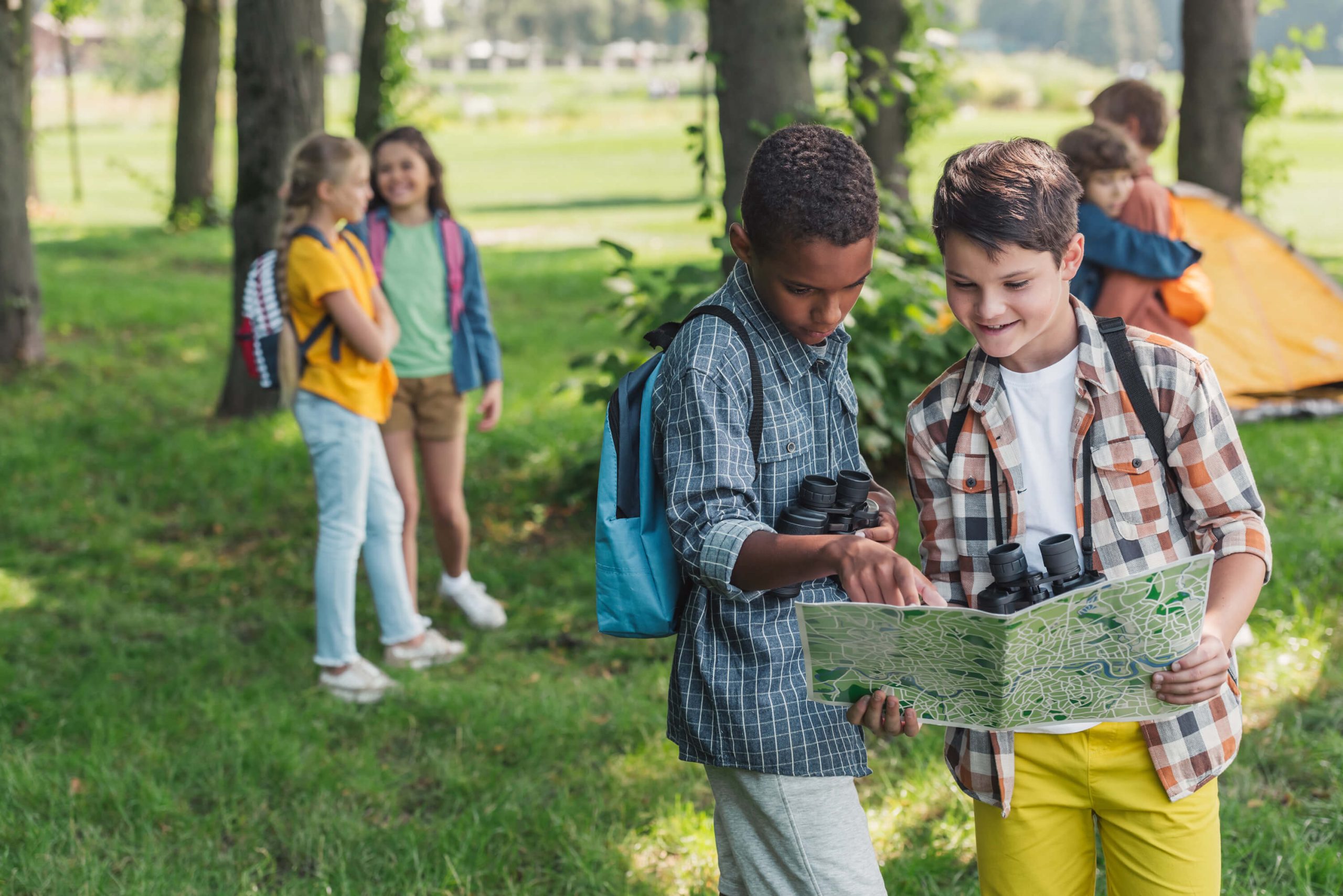
- Bring binoculars and a simple field guide for scavenger-hunt prompts.
- Confirm golf cart rules (age limits and supervision requirements) before renting.
These tips help families get educational and recreational value from outdoor amenities while staying safe and organized.
Why Safety Is a Priority in Our Family Amenities
Safety combines operational policies and smart design—lifeguarded swim zones, fenced playgrounds, and staffed activities—that together reduce risk and give caregivers confidence. Clear rules and visible safety features help prevent avoidable injuries and let kids explore within set boundaries. Campgrounds serious about safety also invest in maintenance, staff training, and signage so families know what to expect. The sections below outline specific water and playground safety measures and explain how supervision and accessibility practices support children of all ages.
- Lifeguards and posted swim rules protect families in aquatic areas.
- Regular playground inspections and impact-resistant surfacing reduce injury risk.
- Staffed activities with clear age brackets align supervision with children’s needs.
Reviewing these policies helps families decide whether a campground’s safety approach matches their comfort level.
Safety Measures at Water Areas and Playgrounds
Water safety includes posted rules, marked swim zones, and scheduled lifeguard hours—simple measures that reduce drowning risk and set caregiver expectations. Physical features like shallow-entry beaches, floating boundary buoys, life-jacket loaner programs, and visible depth markers give younger kids a gradual introduction to the water. Playgrounds benefit from routine inspections, resilient surfacing, shade structures, and fencing that keeps small children away from roads or water. Together, design and staff-guided policies create layered protection so families can enjoy activities with predictable safeguards.
Arrival safety checklist:
- Note lifeguard hours and swim-zone boundaries before kids go in the water.
- Check playground surfacing, fencing, and available shade.
- Ask staff about life-jacket availability and emergency procedures.
Visible safety features and clear policies let families relax and enjoy activities with confidence.
Supervision and Accessibility for Children of All Ages
Supervision combines staffed programming with caregiver responsibility: campgrounds provide supervised activity windows, but caregivers remain the primary supervisors for unsupervised play. Accessibility features—paved paths to main amenities, family restrooms with changing tables, and level approaches to picnic pavilions—help children with mobility needs and parents with strollers. For families with neurodiverse children or sensory sensitivities, look for quiet zones, predictable schedules, and staff willing to adapt sessions or offer early/late access when possible. Clear signage about age guidelines and recommended caregiver ratios (for example, one adult per two toddlers) supports safety while enabling participation.
These supervision and accessibility practices promote inclusion and help more families enjoy campground amenities comfortably.
Comfort and Convenience Facilities That Support Family Camping
Comfort amenities reduce friction during a stay by providing essentials and private family spaces—clean restrooms with baby-change stations, a camp store stocked with pediatric necessities, and reservable pavilions for meals. When basics are available on-site, families spend less time running errands and more time enjoying activities. Family-focused facilities often include laundry options, campsites near activity hubs, and staff who can advise on local conditions. Below is a short comparison of common conveniences and what families typically expect to find.
Families can expect these common conveniences:
- Clean restrooms with private changing areas.
- A camp store offering snacks, sunscreen, diapers, and simple toys.
- Pavilion rentals and shaded picnic areas for group meals and gatherings.
These features make stays easier and extend comfortable camping time for families with young children.
Clean Restrooms, Camp Store Essentials, and Pavilion Rentals
Family restrooms with private stalls and changing tables are essential for managing diapers and clothing changes and help families stay out longer. A well-stocked camp store fills common gaps—sunscreen, bug spray, snacks for picky eaters, disposable plates, and basic first-aid items—so you don’t need to turn a short trip into a supply run. Pavilion rentals give you a dry, shaded base for meals, celebrations, or bad-weather backup and usually come in sizes for small families or larger reunions. Knowing what the camp store carries and how pavilion bookings work lets you pack lighter and organize group plans more easily.
Packing and planning tips:
- Confirm pavilion size and reservation rules if you’re hosting multiple families.
- Bring a small emergency kit (bandages, antiseptic) and a favorite comfort item for toddlers.
- Use camp store items to top off supplies instead of overpacking.
These strategies keep logistics simple and keep the focus on family time.
Tips for Planning a Family Camping Trip with Kids
Start by choosing a campsite close to core amenities—playground, water, and restrooms—to minimize transit time and maximize participation. Pick a site that fits your children’s ages and routines. Pack layered clothing, child-sized life jackets, a day bag with snacks and water, and small quiet activities for downtime. Plan nap-friendly schedules around activity blocks to reduce crankiness. For bookings, arrive before afternoon activities so kids can settle in and join early programs; consider weekdays or off-peak weekends for a calmer visit. These steps help you build predictable days that balance active programming and parent downtime.
Short packing checklist:
- Life jacket sized to your child’s weight with a secure fit.
- Sun-protective clothing, water shoes, and sunscreen.
- Small first-aid kit, a favorite comfort toy, and spare clothing.
Following these tips makes a smooth, enjoyable family camping trip more likely and helps you plan ahead for busy weekends. When you’re ready to book, The Oaks Campground (by GatherGrounds Resorts) is a local, 160-acre example of a family-focused destination with many of these features—check their reservations page to view site photos, event calendars, and pavilion options.
Where to Find the Best Family Campgrounds Near Michigan’s Cities
The best family campgrounds balance short drives from cities with easy access to nature and kid-friendly attractions—perfect for weekend escapes that don’t spend half the day on the road. Shorter drive times mean less travel stress for young children and more time on site; camps within about 1–2 hours of Detroit, Ann Arbor, or Jackson make weekend trips practical. Drive distance also helps decide trip length—closer sites fit quick weekend itineraries, while farther destinations work better for longer stays. The sections below cover drive tips and nearby attraction pairings to help plan complementary day trips during your visit.
- Pick campgrounds with straightforward routes and flexible arrival windows to accommodate naps.
- Consider proximity to regional parks or state recreation areas for easy day-trip options.
- Look for campgrounds that list family programming on weekends to help plan activities.
These location-focused choices help families pick a site that matches their time and activity goals.
Proximity to Detroit, Ann Arbor, and Surrounding Metro Areas
Campgrounds within a one- to two-hour drive of major Michigan metros make weekend trips manageable: less driving and more time enjoying activities. Aim to arrive mid-afternoon so you can set up before evening programs and be ready for a full morning the next day. Leaving early helps you avoid rush-hour traffic and lines up well with common program schedules. When driving from the city, choose a site with central amenities and an activity map to keep young children close to restrooms and shaded areas.
Travel tips:
- Leave early to skip peak traffic and arrive in time for afternoon activities.
- Plan a short stop for toddlers to stretch legs on longer drives.
- Reserve a site near the activity hub when camping with very young children.
These points reduce travel fatigue and increase time spent enjoying family amenities.
Nearby Attractions: Waterloo State Recreation Area and Local Highlights
Nearby attractions like Waterloo State Recreation Area add hiking, lakes, and picnic spots that complement a campground stay and give families a low-effort day-trip option. Local highlights often include short family trails suitable for strollers, interpretive centers with kid-friendly exhibits, and seasonal events such as wildflower walks or junior programs that expand outdoor learning. Pairing a campsite stay with one nearby attraction creates a balanced itinerary: structured activities at the campground plus an exploratory day trip that broadens kids’ experiences without long travel.
Pairing ideas:
- Morning at the campground for scheduled kids’ activities, afternoon at a nearby recreation area for a family hike.
- Reserve a pavilion for a mid-day family meal, then take a short evening nature walk.
- Plan day trips for off-peak hours to keep evenings calm for children.
These pairing strategies make multi-day family stays more varied and keep kids engaged with different paces and settings.
We’ve mapped core family-friendly amenities, activity programming, safety practices, comfort services, and location tips to help families plan camping trips. For those wanting a nearby, family-oriented option with many of these features, The Oaks Campground (by GatherGrounds Resorts) offers playgrounds, a sandy swimming lake with a planned Wibit water park for 2025, fishing and trails across 160 acres, and regular weekend events—check availability and booking options if you’re planning a family escape.
Frequently Asked Questions
1. What should I consider when choosing a family campground?
Look for proximity to essentials—playgrounds, swimming areas, and restrooms—to cut down on walking time across the site. Check for age-appropriate activities, visible safety features like lifeguards and fenced play areas, and conveniences such as camp stores and pavilion rentals. Reading recent guest reviews and confirming family programming on weekends will also help you pick the best fit for your crew.
2. How can I prepare my children for a camping trip?
Talk through what to expect and include kids in planning. Make a shared packing list with clothing, personal items, and comfort toys. Explain the activities—swimming, crafts, hikes—so they know what’s coming, and practice basic outdoor skills at home if possible. Familiarity helps reduce nerves and builds excitement.
3. Are there any specific safety tips for camping with toddlers?
Set clear boundaries and supervision rules before exploring. Keep a close eye on toddlers near water and playgrounds, use properly fitted child-sized life jackets during water activities, and dress them in sun-protective clothing. Know the campground’s lifeguard hours and emergency plans, and keep a small first-aid kit within reach.
4. What types of organized events can families expect at campgrounds?
Expect a mix of active play sessions, craft workshops, and themed competitions scheduled throughout the day. Examples include scavenger hunts, beginner fishing lessons, and talent shows. These programs keep kids occupied and help families connect with others on site.
5. How can I ensure my child with special needs has a positive camping experience?
Contact campground staff ahead of your visit to discuss accommodations and any supports your child needs. Seek camps with quiet zones, predictable schedules, and staff willing to adapt activities. Bring familiar comfort items and plan activities that align with your child’s interests to make the stay more comfortable and inclusive.
6. What are the benefits of family camping for children?
Camping encourages physical activity, social interaction, and practical skill building. Outdoor time promotes creativity and curiosity, and navigating new experiences helps children grow independence and resilience. Shared family adventures create lasting memories and strengthen relationships.
7. How can I make the most of our camping meals?
Plan simple, kid-friendly menus and involve children in meal prep to make it fun. Pack pre-measured ingredients for quick cooking, use a portable grill or campfire for easy meals, and bring easy-to-grab snacks for activity days. Set up a dedicated eating area—like a picnic table under a pavilion—to keep mealtimes organized and enjoyable.
Conclusion
Picking a family-friendly campground with the right mix of amenities makes for safer, more relaxing time away. Age-appropriate playgrounds, organized activities, and thoughtful comfort facilities let kids explore and parents unwind. If you’re planning a nearby trip, consider The Oaks Campground as a family-focused option with many of the features described. Ready to go? Start planning and book a weekend that puts family time first.