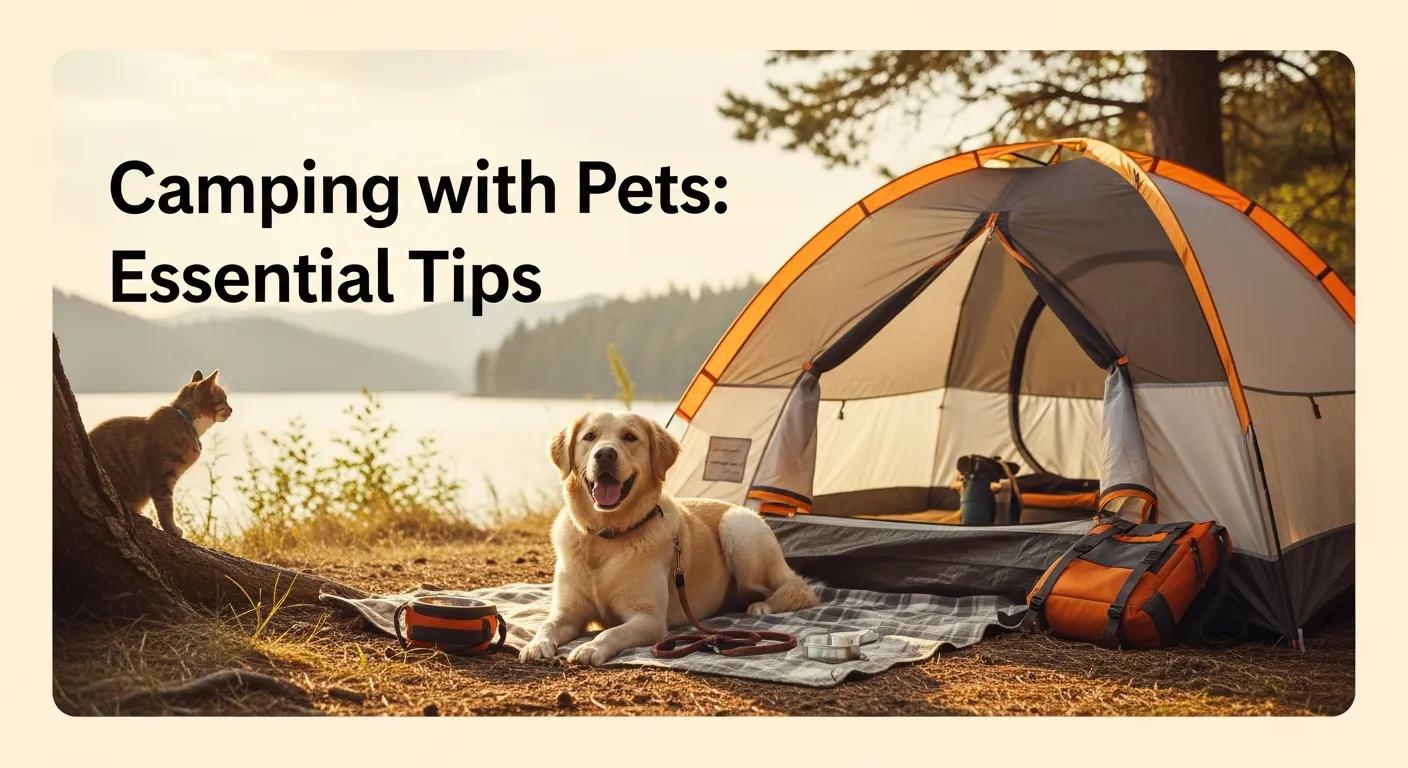
Camping with Pets: Practical Tips for Michigan Trips
Bringing a pet camping near a Michigan state park is a great way to enjoy the outdoors together, but it takes a bit of planning to keep your dog safe, other campers comfortable, and local wildlife undisturbed. This guide walks through the on-site rules, leash and waste practices, and packing essentials that make pet-friendly camping around places like Waterloo State Recreation Area predictable and low-stress. If you want a nearby campground geared toward families and dogs, The Oaks Campground offers a dog park, fishing pond, golf cart trails, playgrounds, and a camp store—check their reservation page when you’re ready to book. Read on to learn how Michigan DNR pet rules and private-campground policies interact, what to pack for local terrain and ticks, and how to follow etiquette that reduces conflicts. The guide covers leash rules, restricted park areas, a packing checklist, safety tips, etiquette, and easy steps to reserve a pet-friendly site so you can plan a safe, enjoyable trip with your dog.
What Are The Key Pet Policies at The Oaks Campground?
The Oaks balances guest safety, clean grounds, and a relaxed atmosphere by keeping straightforward pet rules. Expect leash requirements across campsites and trails, a fenced dog park for off-leash play, waste stations for quick cleanup, and guidelines for quiet hours so everyone can enjoy their stay. These policies reduce wildlife encounters and limit disturbances while still letting owners enjoy nearby state-park trails and campground amenities. Below is a short policy summary to help you scan expectations before arrival—always confirm details at check-in or on the reservation page.
The most important pet rules at The Oaks Campground are:
- Keep pets on a leash outside the dog park and while on trails; off-leash play is only allowed in the dog park under supervision.
- Pick up and dispose of pet waste in the on-site stations provided.
- Keep pets under control during quiet hours and avoid leaving them unattended for long stretches.
- You may need to register pets at check-in; confirm any fees or specific rules when booking.
These concise rules set expectations and lead into practical advice on leash length, waste handling, and using the dog park safely.
What Are The Leash and Waste Disposal Rules for Pets?
Leash and waste protocols are the backbone of responsible pet camping and help align campground behavior with nearby state-park standards. At The Oaks, leashes are required in camping loops, on trails, and in shared spaces; supervised off-leash play is allowed only inside the fenced dog park. Waste stations sit near high-traffic areas like the camp store and playground—please bag and deposit waste to limit disease risk and discourage scavengers. For control on trails and at campsites, a short, sturdy leash (about six feet) is a good choice; a long line can work in open, supervised areas.
This table makes the key pet policies easy to scan and helps you arrive prepared. The next section describes how the dog park fits into these rules.
How Does The Oaks Campground’s Dog Park Enhance Pet-Friendly Camping?
The fenced dog park gives pets a safe, controlled space to play and socialize off-leash while owners supervise and clean up. Amenities often seen at family-focused campgrounds—water, clear posted rules, and separate areas for smaller or nervous dogs—keep play safer and cut down on leash conflicts near campsites. Before you enter, make sure vaccinations are current and your dog reliably comes when called; that helps keep interactions positive. Using the dog park during quieter times can ease stress for dogs new to group play and lets you plan quiet hours and play sessions more predictably.
- Bring fresh water and a collapsible bowl so your dog stays hydrated during play.
- Watch body language and separate dogs at the first sign of tension.
- Follow posted rules about vaccinations and aggression to avoid closures or penalties.
These tips help you fit dog-park time into your campground routine while respecting shared spaces.
How Do Michigan State Park Pet Rules Affect Your Camping Experience?
Michigan state parks set rules that can overlay private campground policies, and knowing them up front prevents surprises when you cross from private grounds to state-managed trails or beaches near Waterloo State Recreation Area. State rules typically require leashes on trails and in developed areas, restrict pets in some buildings and swim areas, and require owners to control pets to avoid harassing wildlife. To avoid problems, check both campground and DNR rules before activities that cross property lines and plan pet-free options if beaches or shelters are off-limits. The table below compares general Michigan DNR guidance with Waterloo-specific notes so you can plan your route.
Knowing these differences helps you plan hikes, picnics, and water activities that comply with both campground and state rules—and avoids fines or awkward encounters.
What Are The Specific Pet Regulations at Waterloo State Recreation Area?
Waterloo follows Michigan DNR policies focused on leash control, restricted access to swim areas and buildings, and protecting wildlife and nesting habitats. When you visit from a nearby campground, assume most trails require a leash and watch for posted signs noting temporary closures for habitat protection. Consider planning a few pet-free hikes and carry vaccination and ID info in case staff or rangers ask. These small preparations make transitions between private campground areas and state lands smoother.
Which Areas Are Restricted for Pets in Michigan State Parks?
Commonly restricted spots in Michigan state parks include swim beaches, interior buildings, some picnic shelters during events, and trail segments that protect nesting birds or sensitive plant communities. These rules protect public health and natural resources. If a beach or shelter is off-limits, look for alternative pet-friendly trails, picnic areas, or a private campground’s off-leash options. Planning around restrictions keeps your itinerary flexible and your pet’s access appropriate.
What Should You Pack and Prepare for Camping With Your Dog in Michigan?
Packing right for Michigan’s changing weather, forest terrain, and tick season makes a big difference. Essentials include leashes, food, water and bowls, bedding, and a pet first-aid kit. Seasonal or terrain-specific items—tick tools, booties, a cooling mat, or a reflective vest—are smart additions. Bring vaccination records and ID when you’ll mix private camping with state-park visits or if you might need a vet. The checklist below groups items into must-haves, nice-to-haves, and emergency gear so you can pack efficiently.
Use this table to prioritize core items first, then add season-specific gear depending on your plans.
What Essential Gear and Health Precautions Are Needed for Pet Camping?
Bring a strong leash, collar with current ID, enough food, water storage, a basic first-aid kit with bandages and antiseptic, and tick removal tools—ticks are common in this region. Make sure vaccinations and parasite preventatives are up to date and carry proof in case a campground or veterinarian requests it. It’s also wise to identify a local vet before you go and confirm your microchip contact details are current.
How Can You Ensure Your Pet’s Safety and Comfort During Camping?
Safety and comfort come from preparation, campsite setup, and backup plans for weather or wildlife. Practice crate time and short on-leash hikes before your trip, bring shade and plenty of water for hot days, and pack warm bedding for cold nights. Watch pets for signs of heatstroke, hypothermia, or tick-borne illness and know how to use your first-aid kit and who to call in an emergency. Simple moves—like elevating bowls, scheduling play in cooler hours, and offering familiar toys—help pets relax and enjoy the trip.
How Can You Practice Proper Pet Etiquette While Camping Near State Parks?
Good pet etiquette keeps the outdoors welcoming for everyone and helps maintain pet access in natural areas. Focus on leash compliance, prompt cleanup, and noise control. Respect other campers by keeping pets under control, removing waste quickly, and talking things over with neighbors when issues arise. Protect wildlife by keeping pets at a distance, never feeding wild animals, and avoiding posted habitat areas. Below is a clear list of dos and don’ts to minimize conflicts when camping near state-managed lands.
- Do keep pets leashed in shared spaces to prevent chasing and to protect wildlife.
- Do promptly dispose of pet waste in designated bins to keep sites clean.
- Do check in with neighbors if your dog might be a concern and offer adjustments.
- Don’t let pets approach wildlife or livestock; maintain a safe distance.
- Don’t leave pets unattended for long periods; arrange supervision or pet care.
These practical steps show responsibility and help preserve positive relationships between pet owners and other visitors—so pets stay welcome.
How Do You Respect Other Campers and Wildlife With Your Pet?
Choose a campsite that reduces close encounters, walk dogs during quieter times, and use the dog park for high-energy play instead of letting them run at your campsite. Keep your dog controlled around strangers, give wildlife a wide berth, and don’t feed wild animals. If interactions become awkward, communicate calmly with fellow campers and be ready to move or secure your pet to ease tension. These practices protect both social harmony and nearby ecosystems.
What Are The Guidelines for Managing Pet Noise and Behavior?
Prevent noise and behavior issues by preparing in advance: tire your dog out before quiet hours, offer calming chews or crate time for anxious pets, and redirect barking quickly. During quiet hours, keep pets indoors or closely supervised; if barking continues, consider moving to a less populated site. Consistent training and cues before your trip lower the chance of disturbances and help you follow campground quiet-hour rules. These approaches make camping more restful for everyone.
How Do You Book a Pet-Friendly Stay at The Oaks Campground?
Booking a pet-friendly site is easier when you match your needs to the right spot and confirm pet rules up front. The Oaks provides pet amenities like a dog park and waste stations, which are convenient for regional travelers. When reserving, pick a site near the amenities you want—close to the dog park for easy access or away from playgrounds if you need quieter space—and confirm pet registration and fees. The simple steps below walk you through securing a pet-friendly site.
- Search available dates and note pet-friendly site types for tents, RVs, or cabins.
- Confirm pet rules and any registration or fees during the reservation.
- Choose a campsite near the amenities you want (dog park, water, shade) and add pet details to your booking notes.
- Complete payment and save confirmation details to reference at check-in.
Following these steps reduces surprises and helps you pick a site that works for both people and pets.
What Are The Steps to Reserve a Pet-Friendly Campsite?
Reserving a pet-friendly site means checking dates, understanding pet rules, and choosing a location that fits your routine—be clear about how many pets you’re bringing and their behavior. Start by checking availability for your travel window, then read the campground’s pet policy so you know leash and waste expectations. Add pet details to your reservation and be ready to show vaccination proof at check-in if requested. These actions speed check-in and make your stay smoother.
Where Can You Find Answers to Common Pet Camping Questions?
For the latest info on pet rules, amenities, and reservations, consult campground resources and state park guidance before you travel; signs and staff at check-in will also clarify site-specific rules. The Oaks lists pet-related features like a dog park, fishing pond, and trails, and their booking team can help with reservations. Michigan DNR pages outline leash laws and restricted areas for state parks so you can plan trips to Waterloo confidently. Use these official sources to confirm rules and avoid last-minute issues when combining private campground stays with state-park visits.
Frequently Asked Questions
What Should I Do If My Pet Gets Lost While Camping?
If your pet gets lost, stay calm and act fast. Search the immediate area while calling your pet’s name and check nearby campsites. Post a recent photo and details on local social pages and community groups. Tell campground staff—they often have lost-pet procedures and can help spread the word. A GPS collar or a current microchip greatly improves the chances of a quick reunion.
Are There Specific Health Risks for Pets While Camping in Michigan?
Yes—ticks are a common concern in Michigan and can carry Lyme disease and other illnesses. Make sure flea and tick preventatives are up to date and carry tick removal tools. Also watch for heat-related issues in summer: provide shade and plenty of water. Keep an eye on your pet for signs like heavy panting or lethargy, and carry a first-aid kit for minor issues.
Can I Bring My Cat Camping with Me?
Some campgrounds, including The Oaks, may allow cats, but you should always check specific policies first. If you bring a cat, use a secure carrier for transport and consider a harness for short outdoor time. Only let your cat explore under close supervision to prevent them from wandering or encountering wildlife.
What Are the Best Practices for Feeding My Pet While Camping?
Pack enough food for the trip and keep it in airtight containers to avoid pests. Keep a regular feeding schedule and always provide fresh water. Don’t feed pets near wildlife and clean up leftovers promptly to avoid attracting animals to your campsite.
How Can I Prepare My Pet for Camping?
Start with short outdoor trips to build confidence, practice basic commands like “come” and “stay,” and get your pet used to a crate or tent. Pack familiar items—beds, toys—and check with your vet to ensure vaccinations and preventatives are current before you leave.
What Should I Do If My Pet Has a Medical Emergency While Camping?
Stay calm and assess the situation. Contact a local veterinarian or emergency clinic immediately and have a list of nearby vets handy before you go. Transport your pet safely in a crate or secure harness, and use your pet first-aid kit to manage minor injuries until you can reach professional care.
Are There Any Special Considerations for Camping with Senior Pets?
Senior pets need extra attention. Check with your vet about activity limits and bring comfort items like their favorite bed or blanket. Monitor activity and hydration closely, offer frequent breaks, and be mindful of temperature extremes. Have an emergency plan and vet contacts ready.
Conclusion
Camping with your pet in Michigan can be simple and rewarding with a little planning. Learn campground rules, pack the right gear, and follow basic etiquette to keep everyone safe and happy. Use our resources to plan your next pet-friendly trip—grab your leash, check your reservations, and get outside together.