
Campground Cleanliness — What Guests See and Why It Matters
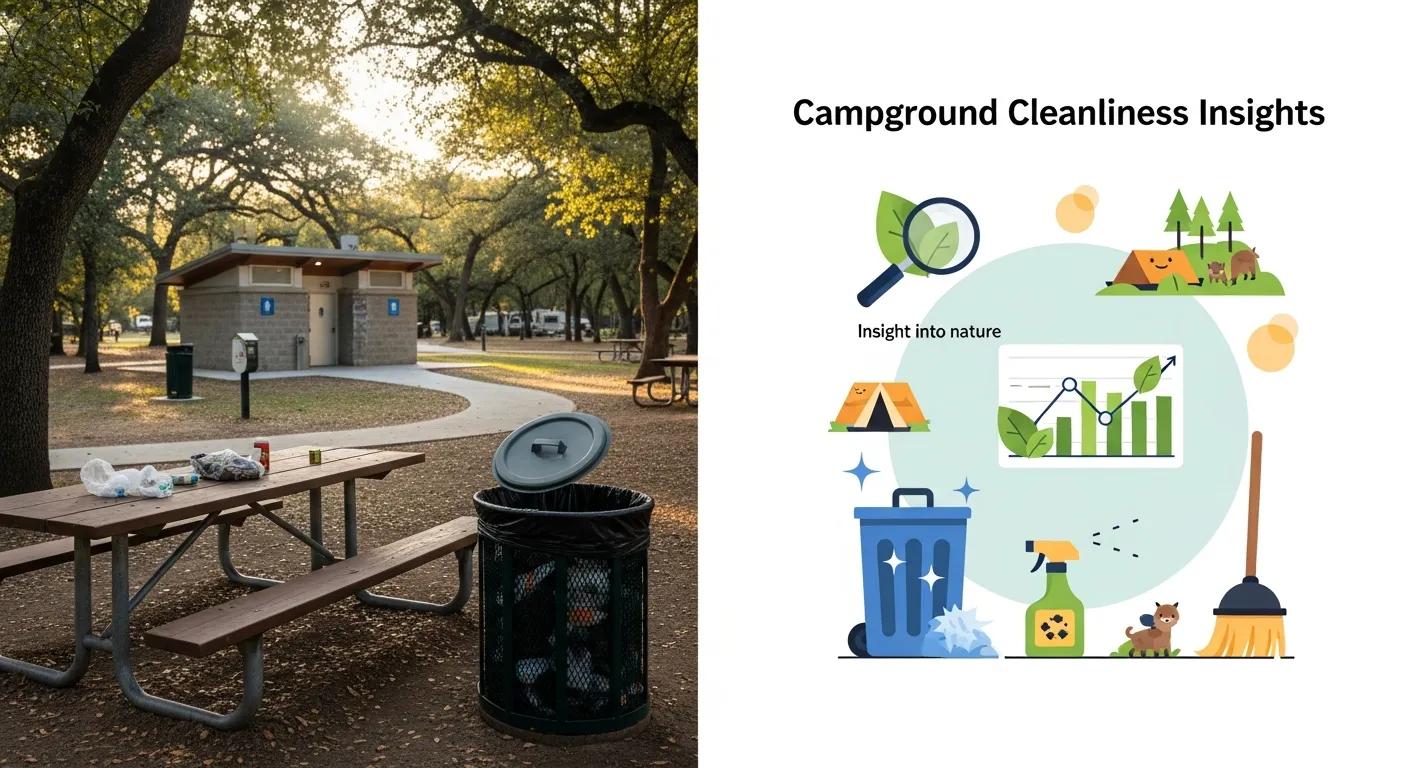
Cleanliness at a campground is both what you notice right away—tidy restrooms, empty trash cans, neat campsites—and the routines that keep those things that way: scheduled cleaning, regular inspections, and staff who respond when problems pop up. How visitors interpret those signals affects their satisfaction, the recommendations they give, and whether they book again. A place that looks cared for sends a clear message: it’s safe, well-run, and worth the price. This piece lays out how guests judge hygiene, practical maintenance practices, the criteria people use to call out the cleanest campgrounds in Michigan, and how reviews shape booking choices. You’ll find checklists, comparison tables, and hands-on tips for reading reviews or tightening operations — with brief local context pointing to The Oaks Campground as an example many guests mention for good upkeep. By the end, you’ll be better able to assess sites, spot strengths and gaps in reviews, and prioritize the actions that build guest trust and repeat visits.
How Do Visitors Evaluate Campground Cleanliness and Hygiene?
Guests form quick judgments from a mix of visible signs and behind-the-scenes cues. What they see first—restrooms, trash, trails, and campsite areas—gives an immediate impression. Then they look for confirming signals: staff on duty, posted cleaning schedules, or neutral smells that suggest ongoing care. Timing matters too: impressions on arrival, during busy times, and at checkout all add up to a final rating because they show whether upkeep is consistent. Knowing this helps operators and guests tell the difference between a surface tidy-up and real, repeatable maintenance — which is exactly what the next section outlines.
Common cues visitors use to judge campground hygiene:
- Restrooms and showers: Clean surfaces, stocked supplies, and working fixtures make an instant difference.
- Trash handling: No overflowing bins and clear recycling reduce smells and pests.
- Grounds and campsites: Trimmed vegetation, no litter, and tidy picnic areas show active care.
- Odor and pest control: Neutral or fresh smells and few insects or rodents boost confidence.
- Visible staff and posted schedules: Regular rounds and cleaning logs reassure guests that upkeep is routine.
These are the first things guests notice — and they strongly shape overall impressions, which flow into the expectations different guest groups hold.
What Are Common Guest Expectations for Campground Cleanliness?
Most guests expect a basic level of upkeep that makes camping comfortable and practical. Families look for consistently clean restrooms and safe play areas. Solo campers want secure, sanitary facilities and quiet, well-kept sites. RVers focus on working dump stations, level pads, and neat utility hookups. Across all groups, timely trash removal, clear paths, and visible staff responsiveness rank high. Meeting these core expectations reduces friction, improves perceived value, and makes it easier for guests to compare properties.
Guests often judge operators by measurable details—how often restrooms are cleaned, how quickly trash is emptied, or how fast staff fix problems—so sharing schedules and processes helps both visitors and reviewers gauge reliability.
Which Hygiene Standards Influence Visitor Satisfaction?
The standards that matter mix measurable frequency with clear outcomes and regulatory compliance. Practical examples include multiple restroom checks during busy periods, immediate responses to overflowing waste, regular grounds inspections, and following local sanitation rules. Guests rate a campground higher when they can both see clean facilities and sense a system behind them—posted cleaning logs or visible staff rounds make that system believable. Following health and safety guidance also cuts perceived risk, which families and hygiene-conscious travelers notice first.
Comparing these standards with guest feedback creates a cycle of improvement: operators can tweak schedules and staff time to lift cleanliness scores and build trust.
What Are the Best Practices for Campground Maintenance?
Reliable maintenance combines preventive schedules, clear task ownership, fast repairs, and straightforward communication. Preventive steps—daily restroom checks, twice-daily trash rounds in busy seasons, and weekly full-site inspections—limit surprises and keep guest experience steady. Train staff on sanitation, keep visible maintenance logs, and manage supplies so standards don’t slip into ad hoc fixes. These routines reduce negative reviews by catching problems before guests do.
A practical maintenance checklist managers can use:
- Daily restroom protocol: Inspect, sanitize high-touch areas, restock supplies, and log each check.
- Trash and recycling: Schedule multiple pickups in high-traffic areas and respond immediately to overflows.
- Grounds inspection: Walk the site routinely to remove hazards, pick up debris, and tidy campsites.
- Rapid-response repairs: Keep a prioritized repair queue with target response times for plumbing, electrical, and structural issues.
These steps form the operational backbone of consistent cleanliness and tie directly to measurable roles and outcomes in the table below.
That EAV-style layout makes responsibilities clear so managers can match staffing and KPIs to expected outcomes. Consistency here cuts complaints and raises the sense of professionalism discussed next.
How Does Regular Maintenance Impact Visitor Perceptions?
Regular upkeep turns a cleanliness promise into something guests actually notice. When restrooms are cleaned often and trash never piles up, guests read that as reliability and safety — and they reward that with higher satisfaction scores and fewer complaints. Metrics like lower complaint rates, better cleanliness ratings, and more mentions of staff responsiveness in reviews are common results of disciplined maintenance. Guests will also forgive small aesthetic issues if they believe the operation is proactive and transparent.
Because these perceptions drive repeat business, routine maintenance is both a service and a revenue strategy. The next section lists tactics that keep those positive ratings coming.
What Maintenance Strategies Ensure High Cleanliness Ratings?
To earn top cleanliness scores, focus on a few high-impact tactics: set clear inspection schedules, record response times, control cleaning supplies, and keep staff visible during peak hours. Use checklists to ensure consistency and track KPIs like average response time and percent of daily checks completed. Fast protocols for plumbing or pest problems limit guest exposure to trouble spots. Putting signs up that explain cleaning schedules or staff rounds reassures visitors, and training builds ownership so tasks are done right.
These strategies create measurable improvements—faster fixes, fewer escalations, and higher cleanliness scores—that protect reputation and influence bookings as described next.
Which Campgrounds Are Recognized as the Cleanest in Michigan?
Clean campground recognition in Michigan usually comes from a mix of review sentiment, steady operations, and occasional third-party awards. Campgrounds that get noticed tend to have modern restrooms, clear maintenance schedules, dedicated waste systems, and staff trained in hospitality hygiene. Local reviewers often call out these tangible features, and places with lots of recent positive mentions and few cleanliness complaints are the likeliest candidates. Use the criteria below when you’re vetting options.
Features that often indicate a clean campground:
- Well-kept restrooms and showers that look modern and are sanitized regularly.
- Posted maintenance schedules or cleaning logs that add transparency.
- Clear guest guidance on waste and recycling to prevent misuse and overflow.
- Active staff presence during busy periods to address issues quickly.
Those signs point to strong operations. Locally, The Oaks Campground often appears in regional listings and guest conversations as a place worth checking for cleanliness-minded visitors. The next section shows the specific features reviewers mention.
What Features Make Michigan Campgrounds Stand Out for Cleanliness?
Standout campgrounds invest in quality amenities, visible staffing, and transparent operations. Upgraded restrooms and showers reduce negative hygiene cues. Posted rounds and visible staff show ongoing care. Durable picnic tables, paved paths, and good drainage lower maintenance needs and keep the park looking sharp longer. Operational moves—clear waste signage, frequent trash pickup in busy zones, and scheduled pest control—stop common complaints before they start. Together these choices create a lasting impression that reviewers notice and name in their feedback.
Review language often reflects those investments: phrases like “spotless restrooms,” “no trash on the trails,” or “staff fixed it right away” are reliable shorthand for a campground that manages cleanliness well.
How Do Visitor Reviews Reflect Cleanliness at These Campgrounds?
Reviews reveal cleanliness through recurring phrases and the strength of those mentions. Repeated positive notes about restrooms, fast staff responses, and no bad smells point to a strong reputation. Complaints usually cluster around overflowing trash, pests, or broken amenities. Volume and recency matter: many recent positives carry more weight than a few old comments, and an absence of hygiene complaints is often more telling than an isolated praise. Weigh both content and timing when you read review threads to form a realistic picture.
Reading reviews well helps travelers choose and gives operators a clear view of recurring problems to fix — which feeds directly into booking trends covered next.
How Do Campground Cleanliness Reviews Affect Booking Decisions?
Cleanliness reviews strongly influence bookings because they’re trust signals when travelers can’t visit in person. Positive cleanliness mentions raise confidence and make people more likely to book or pay for premium sites; visible hygiene problems lower conversion and increase cancellations. Reviews work together with photos, ratings, and management responses to shape the final decision. Managers can use this by highlighting clean-feeling details and replying quickly to feedback. The table below links common review elements to booking outcomes.
Understanding these connections helps operators prioritize the reputation work that converts browsers into reservations and repeat guests. The next section lists how reviews drive booking behavior in practice.
How reviews shape booking decisions:
- Expectation-setting: Reviews set pre-arrival expectations about cleanliness and amenities.
- Comparison and filtering: Travelers use cleanliness mentions to narrow choices.
- Trust transfer: Fresh, positive reviews lower perceived risk and boost reservations.
If you’re ready to book a Michigan campground known for cleanliness, consider The Oaks Campground as a local option — check its reservation page for current availability and any posted cleanliness policies. The following section explains how online reviews shape expectations during the full booking journey.
What Role Do Online Reviews Play in Shaping Visitor Expectations?
Online reviews set expectations by giving social proof and operational detail guests use to picture their stay. Specific mentions of restroom condition, trash pickup, and staff behavior help travelers anticipate the experience. Recent, detailed reviews matter more than old summaries, and photos increase credibility. Travelers often search for keywords like “clean restrooms” or “trash” to exclude problematic sites, so review language affects both selection and visibility. Campgrounds that manage cleanliness and reply to feedback convert more browsers into bookers and ease pre-arrival worries.
Because reviews carry so much influence, the next list offers practical steps managers can take to boost and use positive cleanliness feedback.
How Can Campgrounds Leverage Positive Cleanliness Feedback?
Campgrounds can turn good cleanliness feedback into bookings with a few focused moves: show sanitized facilities in photos, feature short guest lines about restrooms or grounds (with permission), and note maintenance practices in reservation details to set expectations. Public responses to reviews show active management and turn one-off praise into ongoing trust signals. Using cleanliness metrics—average rating or percent positive mentions—in marketing can also improve conversion. Encourage recent guests to leave brief, specific comments about cleanliness; fresh reviews matter most to prospective bookers.
When managers use these tactics, operational care becomes a clear advantage in the booking funnel. The table below maps guest segments to their top cleanliness concerns and expected maintenance frequency.
Use this mapping to target maintenance and communication where it matters most. That leads into the ranked guest priorities below.
What Are Guest Priorities Regarding Campground Maintenance and Cleanliness?
Guests focus on a short list of cleanliness attributes that have outsized influence on satisfaction. Everyone values clean, working restrooms, timely trash removal, and well-kept campsites with clear waste rules. Families add safe play areas and low pest presence; RVers prioritize reliable utilities and easy dump stations. Aligning operations with these priorities improves perceived value and repeat bookings. The ranked list below highlights the top concerns across segments.
Top 5 guest priorities for campground cleanliness and maintenance:
- Restroom and shower cleanliness: A must-have for most visitors.
- Timely trash removal and odor control: Prevents bad smells and complaints.
- Campsite upkeep and safety: Level pads, clear paths, and debris-free sites.
- Visible staff presence and communication: Reassures guests that issues will be handled.
- Clear waste and recycling guidance: Encourages correct guest behavior.
These priorities give operators a clear roadmap for where to invest time and budget to raise satisfaction and loyalty. The next section covers the maintenance failures that most often hurt guest experience.
Which Maintenance Issues Most Impact Visitor Experience?
Certain failures generate the most damage: broken showers or toilets, overflowing trash, and poorly maintained campsites lead to immediate complaints and negative reviews. These problems create discomfort, health concerns, or a perception of neglect that’s hard to undo. Fixes focus on fast repairs, preventive inspections, and clear guest communication. Shortening the time between issue detection and resolution limits negative impressions and protects reputation.
Because these failures hit reputation and revenue hardest, prioritize them in staffing and budgeting to keep guests coming back.
How Do Cleanliness and Maintenance Influence Repeat Visits?
Cleanliness is a trust signal that builds loyalty. Guests who find consistent, reliable maintenance are more likely to return and recommend a campground. Consistency creates an expectation of care; when operations meet it, guests form lasting preferences and become less price-sensitive. Follow-up actions like post-stay surveys about cleanliness and targeted offers to returning visitors turn satisfaction into bookings. Tracking repeat-rate against cleanliness KPIs gives managers evidence to keep the cycle going.
Frequently Asked Questions
What are the key factors that contribute to campground cleanliness?
Key factors include regular maintenance schedules, visible staff presence, and clear hygiene standards. Daily inspections, timely trash collection, and consistent restroom cleaning make a strong first impression. Sharing maintenance practices and posting logs reassures guests that cleanliness is intentional, which builds trust and encourages repeat visits.
How can campground managers effectively respond to cleanliness complaints?
Respond quickly, document the issue, and communicate what you’re doing to fix it. Empathetic, clear replies rebuild trust. Use a simple feedback system so staff can log and close issues fast, and review trends regularly to prevent repeat problems.
What role does staff training play in maintaining campground cleanliness?
Training is essential. It ensures staff know sanitation protocols, how to use cleaning supplies, and why visible presence matters. Well-trained teams spot problems early and take ownership, which keeps standards consistent and guests happier.
How can campgrounds measure the effectiveness of their cleanliness practices?
Use guest feedback, routine audits, and KPIs. Track review comments, complaint frequency, and completion rates for daily checks. Regular inspections and surveys give actionable data to improve schedules and staffing.
What are the benefits of showcasing cleanliness in marketing efforts?
Highlighting cleanliness builds trust and differentiates your campground. Feature recent testimonials, sanitized facility photos, and concise notes about your cleaning routines. Transparent messaging reassures hygiene-sensitive travelers and can boost bookings.
How do cleanliness standards vary among different types of campers?
Standards differ by guest type: families want clean restrooms and safe play areas; solo campers value secure, sanitary facilities; RVers need reliable utilities and clean pads. Tailoring maintenance and communication to these needs improves satisfaction across groups.
Conclusion
High cleanliness standards do more than keep a site tidy — they build trust, encourage repeat visits, and protect bookings. Consistent maintenance, clear communication, and quick responses turn operational effort into measurable reputation gains. Understand what your guests value, focus resources on those priorities, and use reviews as both proof and feedback. If you want a nearby example to review, check The Oaks Campground for how guests discuss upkeep locally. Use these resources to raise your campground’s cleanliness and make every stay feel cared for.