Family-Friendly Campgrounds with On-Site Fishing Gear
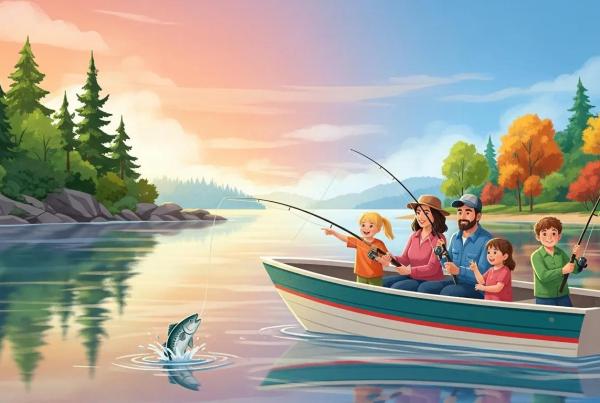
Many families looking for an easy first step into camping and fishing want calm, stocked waters and camp-store rentals that remove the hassle of hauling gear. This guide explains how beginner-friendly campgrounds in Michigan pair simple fishing spots with essential rental equipment so new anglers and their families can focus on learning and having fun. You’ll find what features make a site great for first-timers, which rental items simplify a first fishing trip, practical techniques for novices, and how to plan and reserve a family-friendly stay. Where helpful, we point to The Oaks Campground by GatherGrounds as a local example of a family-oriented Michigan option with an on‑site fishing pond and camp-store rentals, while keeping most tips useful at other beginner-friendly sites around the region.
What Makes The Oaks Campground Ideal for Beginner-Friendly Fishing and Camping?
The Oaks Campground by GatherGrounds centers family-friendly design around a large, on‑site fishing pond and amenities that ease common startup friction for new anglers and parents. Shallow pond edges and easy shore access help novices land their first bluegill or perch and build confidence fast, while nearby playgrounds and pavilions keep the rest of the family entertained. Close enough for short weekend trips from places like Detroit, Ann Arbor, Jackson, Toledo, and Fort Wayne, The Oaks turns a first-time outing into a manageable, local adventure. Ongoing improvements and the transition to GatherGrounds Resorts also signal investment in family-focused amenities, which supports a welcoming learning environment for beginners.
Knowing how The Oaks reduces barriers for first-timers helps when you’re planning your trip. The next section breaks down the on-site design features and services that directly support beginners and families.
How Does The Oaks Campground Cater to First-Time Anglers and Families?
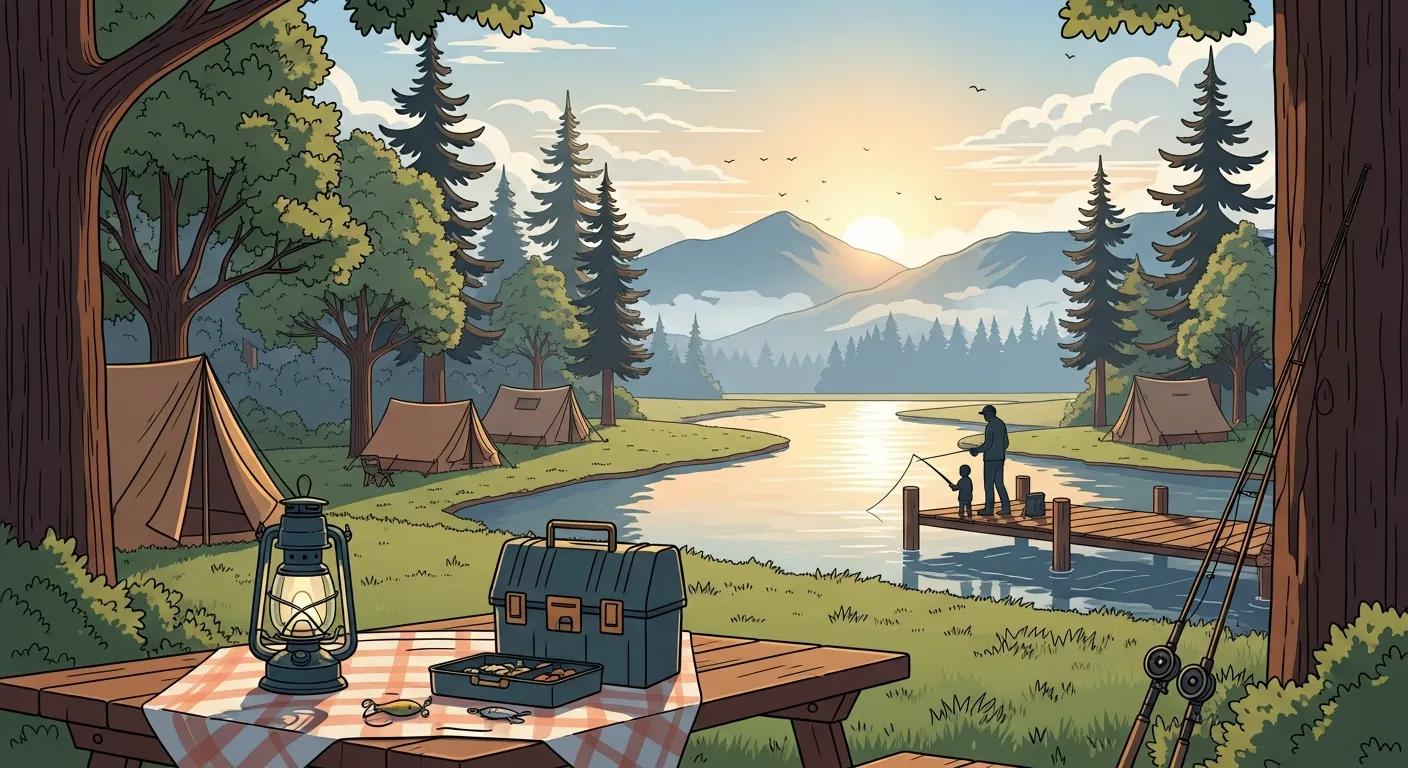
The Oaks is laid out to keep walking short and water access child-friendly, so supervision is simple while an adult fishes or teaches a child. Shallow banks, clear sightlines from picnic pavilions, and supervised swim areas lower safety concerns and make it easy to rotate activities. A centrally located camp store supplies rental gear and bait, so families can arrive light and still enjoy a productive fishing session. A typical visit might look like: arrive mid-morning, set up near the pond, spend a few hours fishing and exploring trails, then use playgrounds and pavilions for meals—an itinerary that keeps the day relaxed and rewarding.
Those layout and service choices naturally lead into the rental options that let beginners skip major gear purchases until they know they’ll stick with the hobby.
Which Essential Fishing and Camping Equipment Rentals Are Available for Beginners?
Access to basic rental gear means families don’t have to buy specialized items before trying fishing and camping. Typical rentals at family-focused campgrounds include simple fishing pole combos, small tackle kits with bobbers and rigs, live or artificial bait, child- and adult-sized life vests, and basic camping items like sleeping pads or small tents. Renting lightens the load and lowers stress, letting families test what they like and concentrate on learning. Below is a compact table comparing common rental items, what they include, and what to expect when reserving on-site.
Intro to the rental table: This table summarizes common beginner rental items, what each package usually includes, and availability notes to help when you reserve gear.
Renting is straightforward for newcomers, but calling ahead to hold key pieces reduces the chance of limited inventory on arrival. The following sections describe typical camp-store gear and the rental process so your visit goes smoothly.
What Fishing Gear Can Beginners Rent at The Oaks Camp Store?
Family-focused camp stores at stocked ponds usually carry ready-to-go fishing pole combos: a lightweight rod, an easy spinning reel, and pre‑tied rigs to keep tangles to a minimum. Small tackle kits typically include bobbers and split-shot sinkers that work well for bluegill and perch. Child and adult life vests are commonly available and useful both for pond-side safety and supervised water play. Because some liability and safety policies require vests near swim areas, renting the correct size is both practical and sometimes mandatory for young anglers.
Knowing what’s standard at the camp store makes it easier to decide whether to rent or bring your own gear. The next section explains the rental steps that make pick-up and return simple.
How to Rent Camping Essentials and Fishing Equipment for a Hassle-Free Experience?
Renting at a campground is usually a short, predictable process if you prepare a bit. First, call or email the camp store or reservations desk before your trip to request specific items and hold them for busy dates. Second, bring a photo ID and be ready for a small deposit or card authorization, then confirm pick-up and return windows to avoid late fees. Third, ask for a brief orientation—staff often demonstrate how to bait hooks, cast safely, and fit life vests correctly; that quick walkthrough reduces rookie mistakes and improves success. These steps keep rentals simple and let families spend more time learning and less time troubleshooting equipment.
Booking rental gear ahead of time pairs nicely with a short fishing plan for ponds, which the next section covers with practical techniques and timing for beginners.
How Can Beginners Enjoy Easy Fishing at The Oaks Campground’s Family-Friendly Fishing Pond?
Pond fishing for beginners is all about simple routines, predictable species, and gear that prioritizes control and visibility. A lightweight rod with a bobber and live or artificial bait gives clear feedback on bites and makes landings less frustrating. The pond’s accessible shorelines and likely stocked fish populations support short practice sessions that build casting and baiting skills without long waits. Learning local fish behavior and following a short, repeatable routine turns a few small bites into a memorable first catch and lays the groundwork for more advanced outings.
The next two sections outline common pond species and a timing-and-technique plan beginners can use to improve their odds.
What Types of Fish Are Commonly Caught by Beginners at The Oaks Pond?
At family ponds, beginners most often catch panfish like bluegill and sometimes yellow perch. These fish feed near shallow edges and respond well to simple baits like worms or small jigs. Bluegill in particular stay close to shallow cover, making them great targets for bobber rigs and short casts. They’re forgiving for novices because light lines and small hooks produce detectable bites that are easier to land. Watching where others find fish—around lily pads, fallen logs, or shaded banks—quickly shows beginners where to cast and which bait to try next.
Recognizing likely species and their habits leads directly to timing and technique choices that boost catch rates for new anglers.
When Are the Best Times and Techniques for Beginner Fishing at The Oaks?
Early morning and late afternoon are often the most productive pond-fishing times, when cooler temperatures bring fish toward the shoreline. Try a simple three-step routine: rig a lightweight rod with a bobber and small hook, bait with a live worm or small jig, and cast a short distance toward structure or shade while keeping the bobber in view. Still-fishing from shore with a visible bobber teaches bite detection, and short gentle casts build accuracy without tiring out beginners. Avoid heavy tackle that can spook panfish or casting beyond sight range; small tweaks to bait size and location usually pay off quickly.
Once you’ve gotten the hang of fishing, families often rely on nearby amenities to make the whole camping experience easier and more fun. The section below covers those features.
What Family-Friendly Amenities and Activities Enhance the Camping Experience at The Oaks?
Good family amenities turn a simple fishing day into a full weekend of low-stress activities for every age. Playgrounds, swimming lakes, covered pavilions, and short, golf-cart-accessible trails let families rotate activities so adults can fish while kids play safely nearby. These features also reduce logistics: camp stores supply forgotten items, pavilions offer weather-protected dining and watching spots, and easy trails provide quick exploration without long hikes. Matching amenities to your family helps plan a balanced itinerary that blends fishing, play, and relaxation.
The table below links common amenities to clear benefits and the audiences most likely to enjoy them during a family camping visit.
Intro to amenities table: This table connects specific amenities to the benefits they provide and who will get the most from each feature.
This map of amenities clarifies how sites support family dynamics and sets expectations for how a day can flow at a family campground. The following sections explain practical uses for these features and how events support beginners.
How Do Golf Cart Trails, Playgrounds, and Swimming Lakes Add to Family Fun?
Golf cart trails cut down travel time between sites and activity areas, making it easier to move gear and kids. Playgrounds and supervised swimming lakes offer safe options for children while adults fish, so families can stay together but flexible. Pavilions near ponds provide great vantage points for supervising anglers, and camp stores close to common areas reduce the need for long supply runs. When families can switch quickly between play, water, and fishing, the day runs smoother and stress falls.
Those practical conveniences pair well with organized events and programs that introduce kids and beginners to fishing in a friendly setting.
What Special Events and Programs Support Kids and Beginner Anglers?
Many family campgrounds schedule events like kids’ fishing days, beginner clinics, or catch-and-release contests that create low-pressure learning opportunities. Short demos on rigging, casting, and pond etiquette speed up the learning curve by offering expert tips in small groups. Staff-led mini-clinics and family contests also encourage repeat visits and social learning—kids pick up skills quickly when they learn alongside peers. Check a campground’s event calendar before you book so you can time your trip around helpful programs.
With amenities and learning supports in mind, the final section covers how to plan and reserve a first-time beginner fishing camping trip, plus essential safety reminders.
How to Plan and Book Your First Beginner Fishing Camping Trip at The Oaks Campground?
Planning your first family fishing trip means choosing the right site type, reserving rentals and activities early, and using a short safety checklist so the trip stays fun and low-stress. Decide whether a tent site or an RV full-hookup site fits your comfort level—tent sites are lower cost and simpler, while full-hookup RV sites add comfort and reduce setup time for families new to camping. Book your site and any rental equipment well before peak season, and confirm event schedules if you want to join kids’ fishing days or clinics. The table below compares common reservation options and seasonal notes to help you decide.
Intro to reservation table: This compact comparison highlights typical site options, key attributes for beginner families, and seasonal availability notes to guide your booking.
This comparison helps families weigh comfort against learning goals so you can pick the site that supports a successful first trip. The next section outlines booking steps and seasonal rate tips, followed by safety rules to review before arrival.
What Are the Reservation Options and Seasonal Rates for Beginner Campers?
Most campgrounds let you reserve online, by phone through a reservations desk, or via their business listings. Beginners benefit from checking availability early and avoiding peak summer and holiday weekends. Rates typically peak in summer, so late spring or early fall often offers quieter ponds and lower prices—ideal for learning. When booking, request rentals like poles, life vests, or camping kits so the camp store can hold them for your arrival. Confirm cancellation policies and deposit rules up front to avoid surprises if plans change.
Clear booking expectations lead into basic safety and rules that ensure a pleasant, responsible first trip.
What Safety Tips and Campground Rules Should Beginners Know?
Prioritize water safety, fire safety, and responsible golf cart use to prevent common incidents. Always supervise children near the pond and use properly fitted life vests for young swimmers and non-swimmers—vests are often required near active water areas. Practice fire safety by using designated fire rings, keeping a water bucket or extinguisher nearby, and following campground rules about burn times and leaving fires unattended. For golf carts and on-site vehicles, obey posted speed limits, ensure licensed drivers operate them, and secure children properly.
Following these basics helps families focus on learning to fish and enjoying outdoor time, with campground staff and amenities available if you need help.
- Reserve early: Peak summer weekends fill quickly—book in advance to secure sites and rentals.
- Pack light and rent smart: Renting poles and life vests reduces gear stress and lets families test what works.
- Plan short sessions: Alternate fishing with playground or swim breaks to keep young kids engaged.
These practical steps, paired with simple safety rules and a modest rental plan, make a first-time beginner fishing camping trip approachable and rewarding for families.
Frequently Asked Questions
What age group is suitable for beginner fishing at The Oaks Campground?
The Oaks Campground welcomes families with kids of all ages, and it’s especially friendly for beginners. Children around age 5 and up can actively participate with close adult supervision. The campground offers child-sized life vests and beginner gear, and playgrounds and swim areas let younger children enjoy other activities while older kids and adults fish.
Are there any fishing licenses required for beginners at The Oaks Campground?
Yes—Michigan fishing license rules generally apply at The Oaks Campground. Some camp events or special fishing days may have exemptions for young children, so check with the campground before you visit to confirm licensing requirements and any event-specific rules.
What should families bring for a successful first fishing trip?
Pack basics like sunscreen, insect repellent, snacks, and plenty of water. Even if you rent gear, bring hats, comfortable clothes, and a small first-aid kit. A camera or phone for photos is nice, too. Plan short fishing blocks with breaks for play or meals to keep everyone happy.
How can families ensure a safe fishing experience for children?
Keep children supervised near the water and have properly fitted life vests on hand. Set clear boundaries about where kids can go and how to handle rods safely. Teach simple water-safety rules—no running near the pond—and review campground emergency procedures so everyone knows what to do if help is needed.
What types of fishing techniques are best for beginners at The Oaks?
Simple techniques work best: a bobber rig with live bait or a small jig gives clear bite feedback and is ideal for bluegill and perch. Focus on short casts to structure like lily pads or shaded banks, and practice patience—small adjustments to bait and location often make a big difference.
Are there any organized fishing events for families at The Oaks Campground?
Yes—The Oaks often hosts family-oriented events such as kids’ fishing days, beginner clinics, and catch-and-release contests. These structured programs are great for novices who want guided, low-pressure practice. Check the campground’s event calendar before booking to plan around these opportunities.
Conclusion
Choosing a family-friendly campground like The Oaks makes starting out with fishing and camping easier—on-site rentals, supportive amenities, and a layout built for families remove many common barriers. With a little planning—reserve early, rent key gear, and follow simple safety steps—you can turn a first trip into a memorable family adventure. Ready to get started? Explore beginner-friendly campgrounds and reserve your stay to begin making family memories by the pond.