
Why Campgrounds With Fishing Opportunities Make for Great Family Camping and Outdoor Fun
Campgrounds that offer fishing put water-based fun right at the heart of your family camping adventure. With easy access to shorelines, waters perfect for boating, and simple fishing spots for the kids, you’ll create relaxed days and lasting memories together. This guide dives into why fishing-friendly campgrounds are such a great choice, how amenities like docks, rentals, and on-site lakes or rivers make fishing even easier, and how to plan trips that balance fishing with other activities. Many parents look for places that are great for beginner anglers but also have plenty to keep everyone else entertained. A campground with built-in fishing amenities solves this by cutting down on hassle and opening up more options. You’ll learn the main perks, what features to look for when booking, how Walnut Hills Family Campground and The Oaks Campground fit the bill, and get practical advice on packing, licenses, and timing. We’ll also touch on fish species you might find in Michigan waters, safety tips for river and lake fishing, and fun extras like water parks and playgrounds that make fishing trips enjoyable for all ages.
What Are the Key Benefits of Camping at Fishing-Friendly Campgrounds?
Campgrounds with fishing opportunities offer direct advantages by bringing together outdoor recreation, easy nature access, and built-in learning moments for families. These spots provide both immediate enjoyment and long-term well-being benefits. Fishing encourages relaxed interaction, plenty of time outdoors, and gentle physical activity, all while being a budget-friendly way to have fun compared to separate day trips. Studies and industry reports consistently show that being near water helps reduce stress and boost your mood, which is a huge plus for family vacations. The features that make fishing campgrounds so beneficial include simple access to shorelines or boat launches, amenities that help beginners, and nearby alternatives so everyone in your group stays happy and engaged.
Fishing-friendly campgrounds create practical advantages that go beyond just angling, supporting groups with multiple generations and making planning much smoother. These benefits make it easier to combine fishing, swimming, and other activities into one trip and keep everyone, no matter their age or interests, happily occupied.
How Does Fishing Enhance Family Bonding and Relaxation?

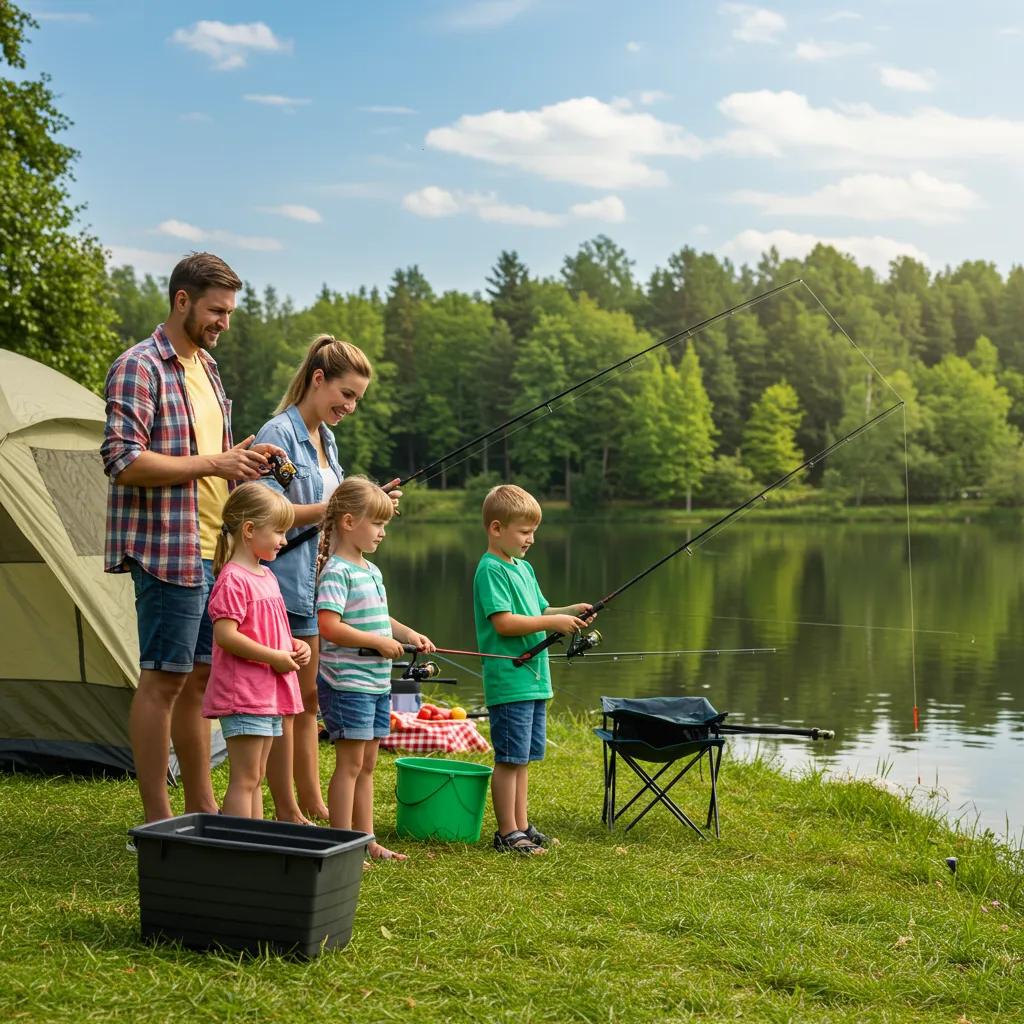
Fishing helps families bond by creating shared, low-pressure activities—like baiting hooks, learning to cast, and simply waiting together—that naturally open up opportunities for conversation and storytelling. The calm, patient rhythm of fishing slows down the day and invites older family members to share their skills with younger ones, creating teachable moments around things like tying knots and handling fish. Parents often find that kids who might resist structured activities respond really well to the freedom of exploring the shoreline combined with a simple goal, like catching some panfish. This shared pace and cooperative focus lead to relaxed evenings and memories built around small victories and time spent together.
That relaxed pace also sets the stage for adding other activities—like canoe floats or swimming—into the same day, keeping the momentum going and energy levels up for the rest of your camping itinerary.
What Mental and Physical Wellness Benefits Come From Fishing While Camping?
Fishing while camping supports mental wellness by combining time in nature, being near water, and focused attention—a mix that studies show can lower cortisol levels and improve mood. Physically, fishing from the shore, wading, and paddling offer light aerobic exercise that boosts circulation and promotes restful sleep after active days outdoors. For children, time spent outside helps develop motor skills, sparks curiosity, and reduces screen time, all of which contribute to healthier family dynamics. Together, these effects create a restorative environment that benefits emotional regulation and physical well-being for campers of all ages.
Understanding these wellness benefits helps families prioritize fishing days around rest and active play, maximizing the mental and physical rewards of a camping getaway.
Why Is Fishing a Top Activity for Campers of All Ages?
Fishing easily adapts to different skill levels: toddlers can learn to bait a bobber while teens and adults can try more advanced techniques like lure retrieval or boat fishing, making it suitable for diverse groups. It also offers short, repeatable sessions that fit family schedules—an hour at dawn, a couple of hours after lunch, or a relaxed afternoon from the shore—making it adaptable to nap times, meals, and other activities. Many local waters are home to fish that are easy for beginners to catch, while also offering challenges for more dedicated anglers, which keeps everyone interested. Since it requires minimal gear for basic success, fishing is an accessible way to get into outdoor recreation for newcomers and a satisfying pursuit for experienced anglers.
This accessibility and adaptability are why fishing remains a consistent favorite at family campgrounds and an effective way to introduce children to lifelong outdoor habits.
Which Features Make Campgrounds Ideal for Fishing Enthusiasts?

An ideal fishing-friendly campground offers clear water access, amenities that make things easier for families, and information about local fish and spots so guests can plan successful outings. Key features include docks, launch points for small boats, safe shoreline areas, and rental options that let families fish without needing specialized gear. On-site services like canoe or kayak rentals and designated fishing lakes expand the types of fishing experiences available, while posted guides on fish species and signage help beginners choose effective methods. Amenities that enhance comfort—like restrooms near launch areas, shaded shorelines, and family-friendly rules—also improve the overall angling experience.
Choosing a campground that combines these features increases your chances of having successful outings and reduces the preparation burden for family groups.
Before the table, here’s a checklist of the most important amenities to look for when booking a fishing campground. This list summarizes the concrete features that turn a campsite into a productive family fishing destination.
- Docks and Launch Points: Safe spots to put in canoes, kayaks, or launch small boats for wider fishing access.
- Boat/Canoe/Kayak Rentals: On-site rentals lower the barrier for families who don’t own watercraft.
- Shoreline Quality and Signage: Clear, safe shore areas with information about fish species and suggested techniques.
These amenities directly impact how easy and productive family fishing trips will be, helping campsites serve both beginners and experienced anglers.
Intro to EAV table: The table below compares common fishing amenities across two GatherGrounds properties so families can weigh their options when choosing a camping destination.
What Fishing Amenities Should You Look for at Campgrounds?
Fishing amenities make the difference between a frustrating outing and a productive one by cutting down on setup time and increasing accessible water. Look for docks and launch points that support safe entry, clear signage about species and regulations, storage or cleaning areas if available, and rental services for boats or paddles. Amenities that cater to children—shallow shore areas, teaching platforms, or designated family fishing spots—are especially helpful for multi-generational trips. These conveniences allow families to focus on the experience rather than the logistics.
Notably, having both fishing-specific features and family recreation options creates a good balance so non-anglers stay entertained while others fish.
How Do On-Site Boat and Canoe Rentals Improve Fishing Access?
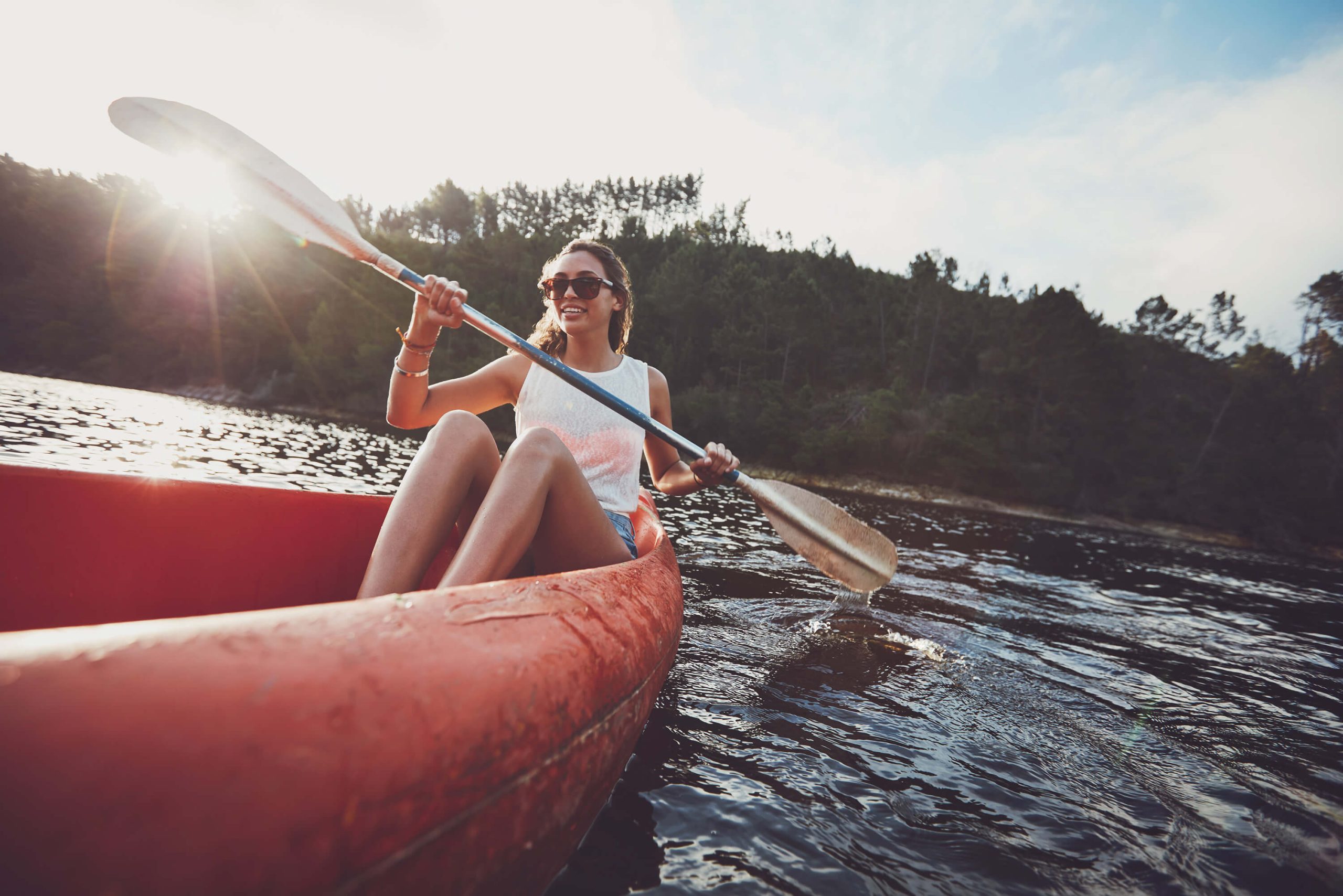
On-site boat and canoe rentals expand the reachable water and allow families to access quieter, more productive fishing spots that are otherwise unreachable from shore. Rentals reduce the cost and complexity for guests who don’t own boats, enabling spontaneous trips and multi-day exploration of different water types. For instance, Cheff’s Canoe Rental at Walnut Hills provides canoes and kayaks seasonally, simplifying logistics for river floats and river fishing without needing to bring personal craft. Rentals also streamline safety planning by allowing the campground to coordinate life jackets and launch procedures.
Because rentals change the range of accessible fishable areas, they are a high-impact amenity for family groups seeking varied angling experiences.
What Fish Species Can You Expect at Popular Fishing Campgrounds?
In Michigan campgrounds with river and lake access, common species include smallmouth bass, northern pike, and various panfish—species that offer both approachable action for beginners and technical challenges for experienced anglers. Smallmouth bass are often found near rocky areas and respond well to lures and live bait, while panfish provide consistent bites from shore and are excellent for teaching kids. Northern pike are found in vegetated shallows and require sturdier tackle, offering rewarding catches for older children and adults. Knowing the likely species helps families pack appropriate tackle and plan safe, age-appropriate outings.
Adapting tactics—bobbers and worms for panfish, light spinning rods for bass—makes trips productive and fun for groups with mixed skill levels.
How Does Walnut Hills Family Campground Offer Unique Fishing Experiences?
Walnut Hills Family Campground combines river access with a seasonal canoe livery to create a family-oriented fishing and float experience centered on the Shiawassee River. The campground’s river frontage allows shore-based anglers to fish accessible stretches, while Cheff’s Canoe Rental enables families to float to quieter pools and reach different habitats for species like smallmouth bass and panfish. Complementary amenities—a swimming lake, Wibit water park, playgrounds, and a dog park—mean that fishing can be scheduled around other activities so the whole family stays engaged. Guests with varied preferences can combine morning fishing with midday water play and afternoon exploration without ever leaving the property.
What Fishing Opportunities Does the Shiawassee River Provide at Walnut Hills?
The Shiawassee River near Walnut Hills offers both shoreline and canoe-accessible spots where anglers can target panfish and smallmouth bass in slower pools and near structure. Shore fishing is great for families who prefer to stay close to the campsite, while canoe access opens up upstream and downstream stretches that often hold larger fish. River currents and seasonal water levels influence where fish gather, so paddling to calm eddies or deeper runs can improve your success. These varied options make the river a flexible learning environment for children and a tactical water for experienced anglers.
Planning short floats or shore sessions helps families match the trip’s intensity to children’s attention spans and daily schedules.
How Does Cheff’s Canoe Rental Enhance River Fishing Adventures?
Cheff’s Canoe Rental makes river access simple by providing canoe and kayak rentals right at the campground from April through October, allowing families to fish stretches of the Shiawassee River without owning boats. Rentals reduce planning hassle—no need for vehicle trailers or personal craft—and often include basic safety equipment like life jackets, which is important for family canoe trips. Having an on-site livery also allows guests to try short floats that combine sightseeing and fishing, giving children manageable paddling distances and angling opportunities. Seasonal availability should guide your booking and packing plans for spring-through-fall visits.
This rental service effectively turns river frontage into an accessible, family-friendly fishing resource.
What Are the Local Fishing Regulations and Seasonal Tips for Walnut Hills?
Michigan requires anglers of certain ages to have a valid fishing license; generally, residents and nonresidents aged 17 and older need a license, and specific rules for seasons and limits apply to individual species. Checking current regulations through official state resources before your trip ensures you comply with size and bag limits and informs your timing for target species. Seasonally, spring and fall often bring active feeding for bass and pike, while summer mornings and evenings favor panfish activity; river flows after rains can change access and fish behavior. For river safety, always wear life jackets when canoeing and avoid fast-flowing sections with children.
Following licensing, seasonal, and safety guidance keeps family outings legal, productive, and safe.
How Can Families Prepare for a Successful Fishing Camping Trip?
Preparation turns a promising campsite into a smooth family fishing trip by aligning gear, safety, and timing with the chosen water type and the ages of participants. Essentials include appropriate rods and reels, life jackets for paddling, suitable tackle and bait, sunscreen, and basic first-aid supplies; lighter, durable gear makes it easier for kids to participate. Families should plan around peak feeding times, check licensing requirements, and consult campground services for rentals or local tips. When available, on-site rentals and accommodations reduce packing needs and simplify logistics for families traveling light.
These preparation steps reduce stress and let families focus on learning, catching, and enjoying time together by the water.
Before the gear table, here’s a short practical checklist explaining why packing the right items matters and how rentals can substitute for heavier gear.
- Pack light, pack smart: Choose compact rods and multipurpose tackle to keep kids engaged without heavy equipment.
- Prioritize safety: Life jackets, sunscreen, and a basic first-aid kit are non-negotiable for water-based activities.
- Use rentals when possible: On-site rentals reduce transport burden and ensure family-suitable equipment.
Intro to EAV table: The table below lists essential items, why they matter, and recommendations for family trips and rental substitutes.
What Essential Fishing Gear Should Families Bring?
Families should bring lightweight spinning outfits, a basic tackle assortment (hooks, bobbers, sinkers), a few soft lures or live bait, and appropriate safety gear like life jackets and sunscreen. For children, shorter, durable rods and simple bobber rigs make early success more likely and sustain interest. If paddling or planning river floats, include dry bags and sturdy footwear for wading. When campgrounds offer rentals—like Cheff’s Canoe Rental—families can leave boats and sometimes life jackets off their packing list, simplifying travel.
Preparing a compact, kid-friendly kit encourages frequent, low-stakes fishing sessions that build skills and excitement.
Do You Need a Fishing License for Camping and Fishing Trips?
Yes; in Michigan, anglers above a certain age typically must have a valid fishing license, with residents and nonresidents aged 17 and older needing a license, and specific rules for seasons and limits applying to individual species. Purchasing a license before arrival and checking species-specific regulations prevents fines and ensures sustainable practices. Many state resources also provide updated season dates and size/bag limits, which are important for weekend planning and for families targeting specific species. Confirming license requirements well before the trip avoids last-minute complications at the campground.
Always verify current state requirements and ensure each angler meets the legal age and licensing conditions.
When Are the Best Times to Fish at Campgrounds With Fishing Lakes and Rivers?
Best times depend on the species and season: spring and fall often bring more active fish in cooler water, while summer offers productive dawn and dusk windows. For family schedules, early morning sessions and late-afternoon outings balance bite times with comfortable temperatures and childcare routines. In rivers, low and stable flows often make wading and paddling safer and more productive, while lake anglers find early morning structure and shaded points fruitful. Weather and local conditions should guide daily plans, and campground staff or posted information often provide up-to-date local tips.
Planning around these windows maximizes your chances of catching fish while keeping activities family-friendly.
What Other Family Activities Complement Fishing at GatherGrounds Campgrounds?
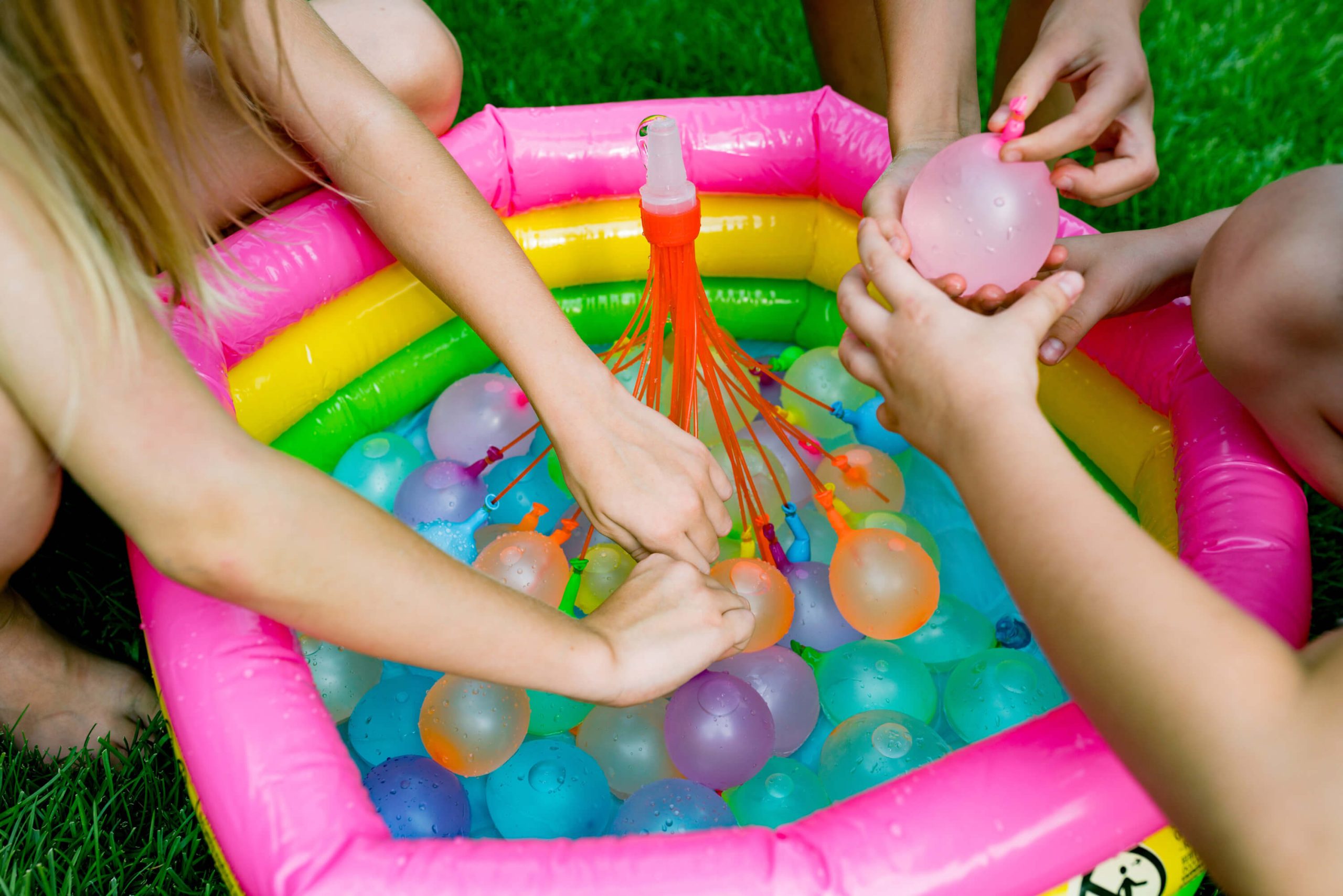
GatherGrounds campgrounds blend fishing with other family-focused amenities so that trips satisfy varied interests and attention spans. Features like Wibit water park inflatables, swimming lakes, playgrounds, and dog parks keep non-anglers and children engaged between fishing outings, while weekend programming and river float trips add organized options for families. This variety lets groups alternate active water play with quieter angling sessions, creating balanced days that appeal to all ages. For families seeking both fishing and broader recreation, these complementary offerings increase the vacation’s overall value and memory-making potential.
Integrating fishing with other activities ensures that every family member enjoys the trip and returns home with shared experiences.
How Do Amenities Like Water Parks and Playgrounds Enhance the Camping Experience?
Amenities such as a Wibit water park and playgrounds broaden appeal by offering high-energy alternatives to fishing, which helps maintain harmony in groups with mixed interests. Scheduling—fishing in the morning, water play midday, and evening campfire—keeps days varied and prevents boredom for younger children. These amenities also provide safe, supervised entertainment zones that let parents combine short fishing sessions with nearby supervision. The presence of varied attractions increases the likelihood that multi-day trips satisfy everyone, creating rich, layered memories.
By building flexibility into daily schedules, these amenities support longer, more satisfying family stays at campgrounds.
What Weekend Events and Outdoor Recreation Opportunities Are Available?
Typical weekend events include guided river floats, family-friendly games, kids’ craft sessions, and staff-led outdoor education; these programs complement self-directed fishing and provide organized options for families. Local partnerships often add opportunities such as canoe trips and nature walks that expand the recreational menu beyond the campground. Checking the property’s events calendar helps families plan around guided activities and reserve spots for popular offerings. Combining programmed events with self-guided fishing creates a well-rounded outdoor itinerary that appeals to varied ages and interests.
These offerings deepen the camping experience and help families discover new water-based activities together.
How Does Camping Near Water Promote Lasting Family Memories?
Camping near water creates rituals—shared breakfasts by the shoreline, evening fish-cookouts, and photo-ready sunset paddles—that build into lasting family memories and traditions. Water-centered days encourage storytelling, friendly competitions, and quiet reflection, all of which anchor the trip in sensory moments that families recall vividly. Capturing small rituals like “first fish” photos, group floats on calmer river stretches, or rotating roles for knot-tying fosters inclusion across ages. These simple, repeatable experiences align with GatherGrounds’ focus on creating lifelong memories at family-focused properties.
Emphasizing rituals and shared roles around water-based activities turns a single camping trip into the start of enduring family traditions.
Frequently Asked Questions
What should families consider when choosing a fishing campground?
When selecting a fishing campground, families should evaluate several key factors. Look for campgrounds that offer easy access to water, such as docks and launch points, as well as amenities like boat rentals and fishing gear. Consider the variety of fish species available and whether the campground provides educational resources for beginners. Additionally, check for family-friendly activities and facilities, such as playgrounds and swimming areas, to ensure that all family members remain engaged during the trip.
How can families ensure a safe fishing experience for children?
To ensure a safe fishing experience for children, families should prioritize safety gear, such as life jackets, especially when near water or during canoeing. It’s essential to supervise children closely and teach them about water safety and fishing etiquette. Additionally, families should choose calm, shallow areas for younger children to fish and avoid fast-moving waters. Preparing a basic first-aid kit and discussing safety rules before the trip can also help create a secure environment for everyone involved.
What types of fishing gear are best for beginners?
For beginners, lightweight spinning rods and reels are ideal as they are easy to handle and versatile for various fishing techniques. A basic tackle box with hooks, bobbers, sinkers, and a few soft lures or live bait is sufficient to start. It’s also helpful to have a fishing net for landing fish and a cooler for keeping catches fresh. Families can consider using rental gear from campgrounds to minimize packing and ensure that the equipment is suitable for children.
What are the best practices for fishing with kids?
When fishing with kids, it’s important to keep the experience fun and engaging. Start with short fishing sessions to match their attention spans and gradually introduce them to different techniques. Use simple rigs, like bobber setups, to increase their chances of catching fish. Encourage exploration and play along the shoreline to maintain interest. Lastly, celebrate small successes, such as catching a fish or learning a new skill, to foster a positive attitude towards fishing and outdoor activities.
How can families balance fishing with other camping activities?
To balance fishing with other camping activities, families can create a flexible schedule that allows for both fishing and recreational fun. Plan fishing sessions during peak feeding times, such as early morning or late afternoon, and use midday for swimming, hiking, or exploring nearby attractions. Incorporating organized activities, like guided nature walks or craft sessions, can also provide variety. This approach ensures that all family members, regardless of their interest in fishing, have enjoyable experiences throughout the trip.
What are some common fishing regulations families should be aware of?
Families should familiarize themselves with local fishing regulations, which often include licensing requirements, size and bag limits, and specific rules for different species. In Michigan, for example, anglers aged 17 and older typically need a valid fishing license. It’s important to check for any seasonal restrictions or special regulations that may apply to the campground’s waters. Understanding these rules helps ensure compliance and promotes sustainable fishing practices, making the experience enjoyable for everyone.
Conclusion
Choosing campgrounds with fishing opportunities enhances family camping experiences by blending outdoor recreation with accessible nature activities, fostering bonding and relaxation. These destinations not only provide immediate enjoyment but also promote long-term wellness through shared experiences and learning moments. By planning your next trip around these fishing-friendly amenities, you can ensure a memorable adventure for all ages. Discover our recommended campgrounds today to start creating lasting family memories.