Campground vs. RV Resort: Key Differences and Your Seller’s Guide
Selling a recreational property means weighing your legacy, its true value, and the practical steps for a smooth handover. This guide is here to help campground and RV resort owners like you figure out the best path for your objectives. You’ll get a clear picture of how campgrounds and RV resorts differ in amenities, who buys them, and what drives their value. We’ll walk you through preparing your financial and legal paperwork, and explore the upsides of selling directly versus listing with a broker. We’re directly addressing your searches for “sell my campground,” “sell an RV park,” and “sell an RV resort,” offering practical checklists and valuation concepts like NOI and occupancy that you can use right away. If you’re thinking about a direct sale, GatherGrounds Resorts is here for a no-pressure, no-obligation chat through our Campground Acquisition program to see if we’re a good fit, discuss timing, and explore transition options. Keep reading for comparison tables, step-by-step selling roadmaps, and preparation checklists to help you make a confident decision.
What Are the Key Differences When Selling a Campground vs. an RV Resort?
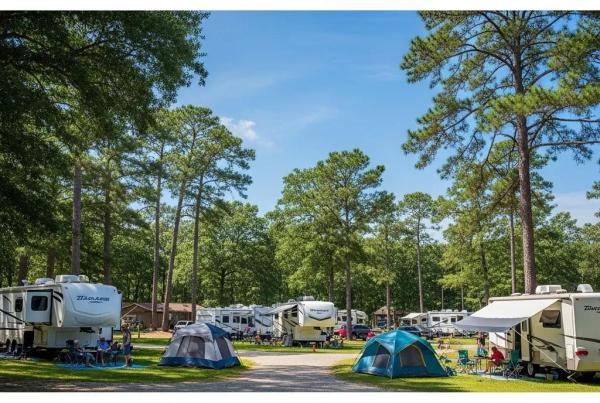
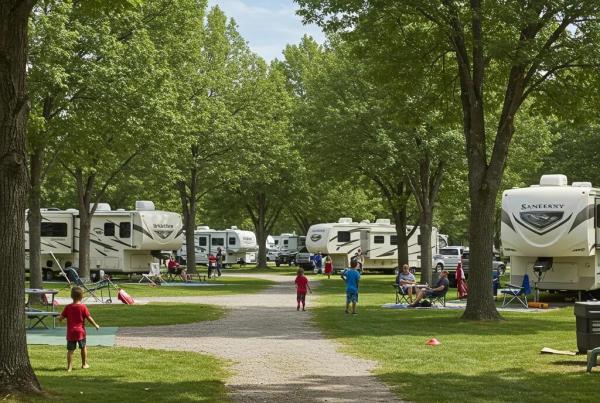
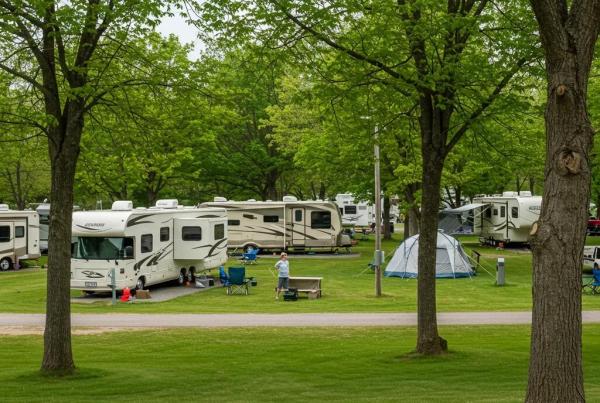
The first distinction between a campground and an RV resort lies in guest expectations, the amenities offered, and how revenue is generated. These factors, in turn, shape buyer interest and pricing. Campgrounds often focus on tent sites, rustic cabins, nature trails, and more accessible nightly rates. RV resorts, on the other hand, typically feature full hookups, pools, clubhouses, and premium nightly fees. This difference in amenities impacts operating margins and market positioning. Understanding these distinctions helps you target the right buyer and tailor your marketing or direct-buyer pitches, whether you’re looking for an investor focused on steady cash flow or an operator prioritizing guest experience. The following sections will break down feature sets, buyer demand, and typical site capacities so you can pinpoint which category best describes your asset before diving into valuation or a sale strategy.
How Do Campground and RV Resort Features and Amenities Differ?

Campgrounds typically offer tent sites, basic cabins, trail access, and simple utility hookups. RV resorts, however, usually provide full hookups, level stabilized pads, laundry facilities, pools, and a staffed clubhouse. These amenity differences affect revenue per available site and the staffing required. RV resorts often command higher average daily rates due to their on-site services and premium utilities. The table below compares representative amenities and highlights which features most strongly influence a buyer’s valuation judgment, helping you see where strategic investments might offer the biggest price uplift.
Campground and RV resort amenity comparison:
How Does Property Type Influence Buyer Appeal and Market Demand?
Buyer profiles vary significantly by property type. Investors focused on Net Operating Income (NOI) and scale often prefer RV resorts with strong occupancy, while family operators and lifestyle buyers are drawn to rustic campgrounds with established community ties. Market demand also shifts with seasons and location. Properties near lakes, trails, or popular tourist routes will naturally attract more buyer competition than remote sites. Location, therefore, plays a key role alongside property type in shaping valuation outcomes. It’s wise to identify your likely buyer personas early on, as your marketing materials, due-diligence packages, and pricing strategies will differ depending on whether an investor, operator, or family buyer is most probable. Understanding these profiles sets the stage for the valuation work that follows.
What Are the Typical Site Capacities and Layouts for Campgrounds vs. RV Resorts?
Site counts can vary widely. Smaller private campgrounds might operate with fewer than 130 sites, while RV resorts commonly exceed this number, requiring larger infrastructure to support the demand for full hookups. Layouts also differ. Campgrounds often feature looped dirt or gravel roads and dispersed tent areas. RV resorts tend to favor paved loops, level pads, and centralized amenity hubs designed for higher operational efficiency. The mix of site types—tent, RV, or cabin—directly influences revenue per available site and maintenance costs. Documenting your site counts and layouts is therefore a core part of any valuation or buyer discussion. With site capacity and layout clarified, the next section explains how these differences translate into valuation methodology.
How Does Valuation Differ When Selling a Campground vs. an RV Resort?
Valuation is fundamentally driven by cash flow, the appeal of your amenities, and market comparables. The core mechanism involves converting Net Operating Income (NOI) into a purchase price using market-derived multiples or cap rates. For campgrounds, buyers might consider seasonal variability and discretionary amenity spending, so valuation often emphasizes occupancy trends and ancillary revenue. RV resorts, with their stable full-hookup revenue, tend to attract higher NOI multiples due to more predictable cash flow. Accurate valuation requires consistent documentation—P&L statements, occupancy data, rent and lease schedules—and a clear explanation of how your site mix and amenities generate revenue. The following subsection lists the primary financial metrics buyers use and provides a straightforward framework for you to calculate an indicative value.
What Financial Metrics Does GatherGrounds Use to Value Campgrounds and RV Resorts?
GatherGrounds, along with most sophisticated buyers, prioritizes NOI, occupancy rate, revenue per available site (RevPAS), and a market-appropriate multiple when valuing properties. NOI is your revenue minus operating expenses, serving as the foundation for applying a valuation multiple or cap rate. For example, NOI directly drives the purchase multiple, occupancy influences revenue stability, and RevPAS measures per-site productivity. Below are the key metrics buyers expect, along with a short checklist to help you compute them before you reach out.
Key valuation metrics and why they matter:
- NOI: This determines the core cash flow available to investors and is the primary input for multiple-based valuation.
- Occupancy Rate: This shows revenue consistency and seasonality; higher occupancy reduces perceived risk.
- RevPAS (Revenue per Available Site): This measures how effectively your property monetizes each site and informs comparative pricing.
How Do Amenities and Location Influence Property Valuation?
High-end amenities like pools, clubhouses, and on-site retail commonly command a premium multiple by boosting average daily rates and length-of-stay. Similarly, a superior location—proximity to attractions or easy highway access—reduces marketing friction and improves occupancy. For instance, an RV resort with modern full hookups and a clubhouse will typically achieve a materially higher NOI multiple than a rustic campground with a similar site count, thanks to more predictable revenue and guests’ willingness to pay higher rates. You should present amenity-driven revenue projections and market comparables to justify any premiums during negotiations. With the impact of amenities and location defined, the next subsection details the documentation buyers require to validate these claims.
What Documentation Is Needed for Accurate Valuation?
Buyers typically request a concise set of documents that verifies historical performance and operational stability. This includes P&L statements for at least three years, tax returns, occupancy reports, nightly rate histories, site maps, and maintenance records. A well-organized documentation package minimizes buyer friction and shortens due diligence timelines because it allows for quick verification of NOI and expense trends, which directly influence the multiple applied to the price. Presenting clear, reconciled financials with supporting booking and permit documentation builds buyer confidence and often leads to better offers. This naturally leads into the description of the selling process.
What Is the Selling Process for Campgrounds and RV Resorts with GatherGrounds Resorts?
Selling directly to a strategic buyer like GatherGrounds follows a different path than a brokered listing. The direct approach emphasizes confidentiality, speed, and a negotiated purchase based on verified cash flow. Brokered sales, conversely, focus on market exposure and competitive bidding. The primary benefit of a direct buyer workflow is a streamlined diligence timeline, often leading to a quicker close. While a brokered process can sometimes yield a higher sale price through wider exposure, it typically involves months of marketing and commission fees. The following subsections outline a direct-versus-broker comparison, a step-by-step roadmap for selling to GatherGrounds, and transition practices designed to maintain staff and guest continuity.
How Does the Direct Buyer Acquisition Process Work Compared to Using a Broker?
Direct acquisition by a buyer shortens the transaction cycle by consolidating offer, diligence, and closing under a negotiated timetable. It often reduces or eliminates listing commissions. Brokered sales, on the other hand, trade speed for broader market exposure and the potential for competitive bidding. Direct sales typically emphasize confidentiality, a targeted buyer pool, and pragmatic diligence focused on verifying NOI and title. Brokers, however, build a marketing campaign to attract multiple bidders, which generally takes longer to achieve a market price. Sellers should weigh the certainty and timeline of a direct sale against the potential price upside of a brokered sale. The next subsection explains the specific stages involved when working with GatherGrounds.
What Are the Step-by-Step Stages in Selling to GatherGrounds?
The GatherGrounds direct acquisition pathway generally follows these defined stages: initial inquiry and property review, a preliminary offer based on provided financials, mutual due diligence and a site visit, a definitive agreement and closing, and finally, transition planning for staff and guests. A clear, numbered roadmap helps sellers anticipate timelines and required documents, typically compressing marketing and listing phases into a focused information exchange. Sellers who prepare their P&Ls, site maps, permit documentation, and occupancy reports before outreach can accelerate each stage, leading to a smoother due diligence period and a predictable closing. The following list illustrates the typical sequence of steps.
- Initial contact and overview: Share high-level financials and a property description for a preliminary fit assessment.
- Preliminary offer: Receive an indicative offer based on the metrics and comps you provide.
- Due diligence and inspection: Provide supporting documents and host site visits to validate NOI and property condition.
- Closing and transition planning: Execute the sale agreement and finalize staff and guest transition details.
How Does GatherGrounds Ensure a Smooth Transition for Staff and Guests?
GatherGrounds is committed to stewardship and practical transition measures. We often aim to retain existing teams where possible, maintain open communication with guests regarding reservation continuity, and plan phased modernization to preserve the property’s unique identity. This approach minimizes operational disruption because staff retention offers and onboarding sequences keep institutional knowledge intact. Guest communication templates and reservation-handling protocols protect brand reputation and occupancy. Sellers who wish to play an active role in the transition can negotiate specific involvement parameters during the sale, which leads naturally to the next section on why some owners prefer direct sales to GatherGrounds over brokered alternatives.
Why Should I Sell My Campground or RV Resort Directly to GatherGrounds Instead of Through a Broker?
Selling directly to GatherGrounds can offer practical seller benefits tied to certainty, confidentiality, and stewardship, while avoiding some broker-imposed costs. These advantages translate into concrete outcomes like faster closings and fewer transactional surprises. GatherGrounds’ Campground Acquisition program is built around a family-owned stewardship model, direct owner communication, and a commitment to preserving the property’s identity. This resonates with sellers who prioritize legacy and staff continuity over maximizing market exposure. The following subsections detail these specific benefits, contrast broker timelines and fees, and explain how GatherGrounds honors property legacy and community values during and after a sale.
What Are the Benefits of Selling Directly to GatherGrounds Resorts?
Direct sale benefits include faster negotiation cycles, reduced or eliminated commissions, enhanced confidentiality, and a buyer whose stated priorities include retaining teams and preserving property identity. These factors significantly reduce transition risk for owners. GatherGrounds’ family-owned approach emphasizes stewardship rather than immediate rebranding, often resulting in phased modernization rather than abrupt changes that can alienate long-term guests and staff. For sellers prioritizing a considerate handoff and a predictable timeline, these outcomes can deliver real value beyond the headline price. The next subsection compares these benefits with typical broker-driven timelines and fee structures.
How Does Selling Through a Broker Differ in Terms of Fees and Timeline?
Brokered sales typically involve commissions and require significant marketing time, often keeping properties on the market for months while showing to multiple prospective buyers to maximize sale price. This exposure can lead to a higher final price but also introduces timing uncertainty and potential operational distraction. Typical broker models add commission costs that reduce net proceeds to sellers, and the time-on-market can compound seasonal variability for recreational properties. Owners weighing a broker versus a direct sale should quantify the value of broader exposure against commission costs and timeline considerations. The next subsection describes concrete ways GatherGrounds honors property legacy during transition.
How Does GatherGrounds Preserve Property Legacy and Community Values?
GatherGrounds is committed to preserving property identity through practices such as retaining staff where possible, maintaining event traditions, and investing in measured modernization that respects existing community values. This stewardship model aims to keep long-standing guest relationships intact while improving infrastructure and amenities over time, striking a balance between legacy preservation and necessary capital improvements. Sellers who care deeply about community continuity can negotiate retention terms and phased improvement schedules as part of the Campground Acquisition discussion. This prepares the way for practical seller-focused preparations covered next.
How Can I Prepare My Campground or RV Resort to Maximize Its Selling Price?
Effective preparation involves clear financial documentation, targeted property improvements, and legal housekeeping. The mechanism is straightforward: lower perceived risk and greater revenue clarity lead to better offers and faster closings. Sellers should prioritize reconciled P&L statements, accurate occupancy histories, and a prioritized list of infrastructure upgrades that most directly impact NOI, such as utility enhancements, sewer improvements, and better site pads for RVs. The next three subsections present specific financial preparation steps, high-impact improvements ranked by ROI, and essential legal documents that buyers will request during diligence.
What Financial Preparations Should Sellers Complete Before Listing?
Sellers should compile at least three years of P&L statements, tax returns, nightly rate histories, and detailed occupancy and booking logs to demonstrate revenue stability and seasonality. Reconciling bank deposits to reported revenue effectively removes common buyer objections. Below is a brief checklist for preparing financial documentation, along with a short explanation of each item.
- P&L statements (3 years): Verify revenue and expense trends for accurate NOI calculation.
- Tax returns: Provide legal corroboration of reported income.
- Occupancy and rate history: Demonstrate seasonality and ADR performance.
Which Property Enhancements Have the Biggest Impact on Value?
Targeted infrastructure investments typically yield the strongest returns. This includes upgrading utilities and sewer systems, stabilizing RV pads with full hookups, and improving high-return amenities like laundry or store facilities. Amenity upgrades that increase ADR—such as a small clubhouse, playground, or site-level improvements—tend to raise RevPAS and justify higher multiples. Even cosmetic fixes can significantly improve first impressions during buyer visits. Prioritize items that increase NOI or reduce operating expenses, and document estimated costs versus projected revenue uplift to present to prospective buyers. The following table summarizes typical preparation items and their expected impact on buyer perception and value.
Preparation items and impact:
What Legal and Operational Documents Are Essential for a Smooth Sale?
Essential legal documents include deeds, zoning verifications, environmental reports (if applicable), permits, leases for vendor or cabin operators, and warranties for recent capital projects. Operationally, provide vendor contracts, payroll summaries, and maintenance logs. Buyers will scrutinize title clarity, permitted uses, and ongoing obligations, so addressing zoning or permit gaps before listing reduces negotiation risk. A concise, organized due-diligence folder that maps each document to buyer questions will accelerate the diligence timeline and increase buyer confidence. This connects to common seller questions addressed next.
What Are Common Questions About Selling Campgrounds and RV Resorts?
Sellers commonly ask about timelines, buyer priorities, and market trends. The underlying mechanism is that preparation, documentation, and your chosen sale path directly influence both speed and price. Typical timelines vary by sales strategy—direct buyer deals can close faster if documentation is ready, while brokered sales can take months depending on market exposure and seasonality. The next H3s provide concise, easy-to-understand answers about typical sale duration, buyer selection criteria, and how market dynamics affect pricing.
How Long Does It Typically Take to Sell a Campground or RV Resort?
Your time-to-close depends on your chosen route. Direct sales to a buyer can often close within a few months if documentation and financing align smoothly. Brokered listings, however, frequently remain on the market for several months, potentially up to a year, depending on the season and marketing reach. Factors that compress timelines include having prepared financials, minimal title issues, and clear zoning. Factors that extend timelines include complex environmental reviews, missing permits, or listing highly seasonal businesses during their off-peak periods. Sellers should plan for variable timelines and focus on thorough documentation to keep the process predictable and efficient. This leads into what buyers care about most.
What Are the Most Important Factors Buyers Consider When Purchasing?
Buyers prioritize sustainable cash flow (NOI), the condition and mix of sites, documented occupancy trends, and clear legal standing. They also value amenity quality and location desirability, as these directly drive RevPAS and future revenue growth. For investors, capitalization rates and multiple comparables are decisive factors, while operator buyers tend to focus on operational efficiencies and staff capability. Presenting evidence for each of these items in a well-organized due-diligence package increases the likelihood of a competitive offer and reduces negotiation friction. This ties directly into how broader market trends can influence buyer appetite.
How Do Market Trends Affect the Sale of Campgrounds and RV Resorts?
Recent market trends indicate increased interest in outdoor recreation properties, demographic shifts favoring experiential stays, and a growing investor appetite for stable cash-flow assets. Each of these trends can push valuation multiples higher in active markets. However, market cycles and regional demand mean sellers should aim to time listings for peak booking seasons when possible and ensure that comparables used in valuation reflect current demand. Keeping an eye on local occupancy trends and traveler behavior helps sellers set realistic price expectations and choose the right sale path. This transitions into how sellers are supported post-sale.
How Does GatherGrounds Resorts Support Sellers After the Sale?
Post-sale support focuses on practical transition measures: staff retention offers, operational onboarding, reservation continuity, and phased modernization plans designed to protect guest relationships and preserve property identity. GatherGrounds views acquisitions as stewardship, aiming to keep teams intact whenever feasible and to communicate transparently with guests to avoid cancellations or confusion. The subsequent subsections describe typical staff retention arrangements, guest communication tactics, and anonymized examples of successful transitions that demonstrate these practices in action.
How Is Staff Retention Handled During Ownership Transition?
Staff retention typically involves transition offers that honor existing roles for a defined onboarding period, combined with documented handover processes and training sessions. This aligns operations with new management while preserving service continuity. This approach keeps operational knowledge in-house and reduces the learning curve for the incoming team, which in turn minimizes service disruption for guests. Sellers can negotiate retention windows and specific onboarding responsibilities to ensure legacy practices are preserved during the handoff. The next subsection explains the guest communication strategies used to support continuity.
How Are Guests Informed and Supported Through the Change in Ownership?
Guest communication follows a staged plan: an initial notification confirming honored reservations, followed by periodic updates describing the benefits of the transition and any planned improvements, and final reassurance about reservation handling and loyalty programs. Clear messaging templates and reservation continuity protocols prevent confusion and maintain occupancy during the ownership change, protecting revenue and reputation. Coordinated guest outreach before and after closing preserves booking momentum and reduces cancellation risk. The following subsection summarizes transition outcomes through brief case examples.
What Examples Demonstrate Successful Transitions with GatherGrounds?
Anonymized transition summaries typically showcase preserved staff rosters, maintained reservation schedules, and targeted capital improvements completed post-close to enhance guest experience while retaining the park’s core identity. These outcomes illustrate the stewardship model: staff continuity reduces training costs, guest communication minimizes cancellations, and phased investments raise RevPAS without alienating the local community. Sellers focused on legacy preservation and a smooth operational handover can expect these practical supports, completing the practical guidance on selling a campground or RV resort.
Frequently Asked Questions
What are the common challenges faced when selling a campground or RV resort?
Selling a campground or RV resort can present several challenges, including accurately valuing the property, preparing comprehensive documentation, and navigating buyer expectations. Sellers often struggle with seasonal fluctuations in occupancy, which can affect perceived value. Additionally, ensuring that all legal and operational documents are in order is crucial, as missing information can delay the sale process. Understanding the unique buyer profiles for each property type is also essential, as it influences marketing strategies and negotiation tactics.
How can I determine the right asking price for my campground or RV resort?
Determining the right asking price involves a thorough analysis of several factors, including Net Operating Income (NOI), occupancy rates, and comparable sales in the area. Sellers should also consider the unique features and amenities of their property, as these can significantly impact buyer interest and valuation. Engaging a professional appraiser or real estate broker with experience in recreational properties can provide valuable insights and help establish a competitive price that reflects current market conditions.
What role does location play in the sale of campgrounds and RV resorts?
Location is a critical factor in the sale of campgrounds and RV resorts, as it directly influences buyer interest and property valuation. Properties situated near popular tourist attractions, lakes, or recreational areas typically command higher prices due to increased demand. Additionally, accessibility and visibility from major highways can enhance a property’s appeal. Sellers should highlight the advantages of their location in marketing materials and be prepared to discuss how it contributes to revenue potential during negotiations.
What improvements can I make to increase the value of my campground or RV resort before selling?
To increase the value of a campground or RV resort, sellers should focus on targeted improvements that enhance guest experience and operational efficiency. Upgrading utilities, enhancing site conditions, and adding amenities like laundry facilities or recreational areas can yield significant returns. Additionally, cosmetic improvements that improve first impressions, such as landscaping or signage, can attract more buyers. Documenting the cost versus projected revenue uplift for these enhancements can also help justify a higher asking price during negotiations.
How can I effectively market my campground or RV resort to potential buyers?
Effective marketing of a campground or RV resort involves creating a compelling narrative that highlights the property’s unique features, financial performance, and growth potential. High-quality photographs, detailed descriptions of amenities, and clear financial documentation are essential. Utilizing online platforms, social media, and industry-specific channels can broaden reach. Additionally, targeting the right buyer personas—such as investors or lifestyle operators—through tailored messaging can enhance engagement and increase the likelihood of a successful sale.
What should I expect during the due diligence process when selling my property?
During the due diligence process, buyers will thoroughly review all financial, legal, and operational documents related to the campground or RV resort. This typically includes P&L statements, occupancy reports, tax returns, and any relevant permits or licenses. Sellers should be prepared to answer questions and provide additional information as needed. A well-organized documentation package can streamline this process, reduce buyer concerns, and facilitate a smoother transaction. Transparency and prompt communication are key to maintaining buyer confidence.
Conclusion
Understanding the differences between selling a campground and an RV resort is crucial for maximizing your property’s value and ensuring a smooth transition. By leveraging insights on buyer profiles, valuation metrics, and the selling process, you can make informed decisions that align with your goals. If you’re ready to explore your options, consider reaching out to GatherGrounds Resorts for a no-obligation conversation about your unique situation. Take the first step towards a successful sale today.