Choosing Your Campground Broker: Key Factors for a Successful Sale
Selling your campground is more than just listing it; it’s about partnering with someone who truly gets outdoor hospitality, understands buyer motivations, and can balance maximizing your return with honoring your property’s legacy. This guide walks you through what a campground broker does, what to look for in RV park brokers, and how to evaluate them step-by-step. You’ll discover how brokers find and vet buyers, what drives campground and RV park valuations, and the realistic timelines and risks involved. We’ll also compare traditional brokerage with direct sales, showing when a direct buyer might be a better fit for your priorities like privacy, speed, and keeping your team on board. Expect practical checklists, comparison charts, and industry-specific questions to help you in your conversations.
What’s a Campground Broker’s Role in Selling Your Property?
A campground broker is a real estate and business acquisition specialist who markets your campground, finds qualified buyers, and manages the negotiation and closing process for a smooth transfer. They bring value by tapping into their broker network, preparing a listing package and valuation report, and handling due diligence and closing paperwork to help you avoid common selling mistakes. Their job often includes reaching out to buyers confidentially, checking their financial standing, and structuring offers to protect your interests while aiming for the best price. Understanding this role helps clarify when a broker is your best bet and when selling directly to an operator might better suit your goals.
How Do Campground Brokers Connect You with Buyers?
Campground brokers connect you with buyers mainly through specialized networks, targeted listings, industry events, and direct outreach to investors and operators. This broadens the pool of potential qualified buyers. They create a listing package with financials, site details, amenities, and professional photos, then use their networks and curated lists to present the opportunity to operators, consolidators, and institutional investors. Brokers also pre-qualify buyers by reviewing their financing, operational experience, and intentions, saving you time on unqualified inquiries. Effective vetting reduces transaction risk and speeds up due diligence, so understanding these sourcing methods helps you gauge a broker’s actual reach.
What Kinds of Campground Brokers and Agents Are Out There?
Campground brokerage includes local agents, national campground brokers, specialized RV park brokers, and outdoor hospitality brokers who blend commercial real estate with operational acquisitions. Local agents are great for navigating zoning and community ties but might lack national buyer connections. National brokers offer wide exposure and often attract institutional buyers but may be less familiar with regional operational specifics. Specialized RV park brokers focus on valuation metrics tied to site-level revenue and occupancy, better matching buyers for RV-centric properties. Your choice depends on your priorities: local regulations, maximum market exposure, or buyer-operational fit.
How Do RV Park Brokers Differ from General Campground Brokers?
RV park brokers focus on valuation drivers distinct from tent or destination campgrounds, emphasizing annual site revenue per RV site, utility infrastructure, site count, and occupancy trends. Traditional campground brokers, on the other hand, weigh experiential amenities and seasonal demand more heavily. RV park buyers typically seek steady, year-round income and may prioritize paved sites, hookups, and reservation systems. Campground buyers might focus more on scenic beauty, cabins, and activity programming. Brokers specializing in RV parks tailor their marketing to operators and investors who understand site-level yield and capital expenditure needs. Recognizing these differences helps you select a broker whose buyer pool aligns with your property’s primary revenue drivers.
Top Qualities to Seek in Expert RV Park Brokers
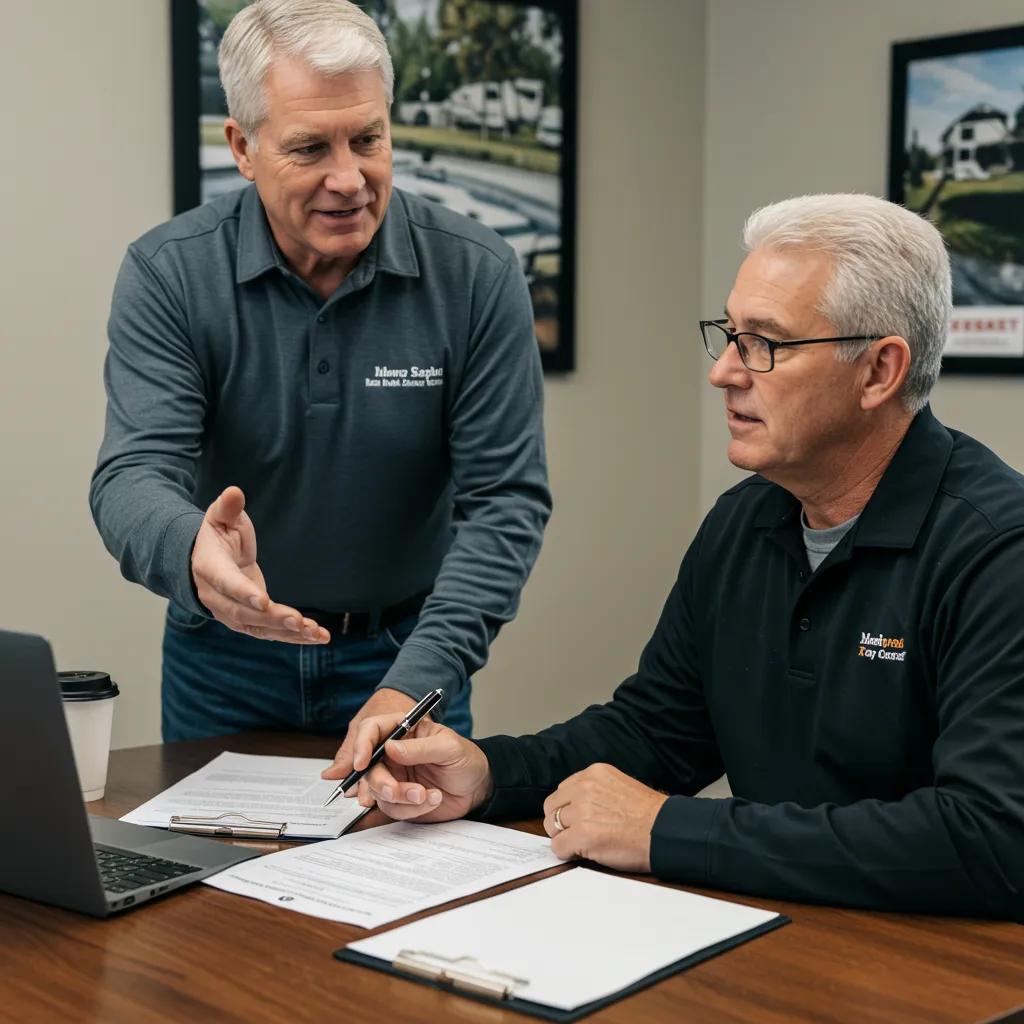
An expert RV park broker brings industry experience, a robust buyer network, clear communication, and strong confidentiality practices to protect your value and achieve a timely sale. Experience leads to accurate valuations, smoother negotiations, and relevant comparable sales for similar properties. A broad buyer network drives competitive offers and better pricing. Transparent communication and reporting keep you informed about showings, offers, and buyer qualifications, while strong confidentiality measures protect staff and customer relationships during marketing. Here are the top qualities to prioritize when interviewing brokers.
- Industry Experience: Look for brokers with a proven track record of selling similar campgrounds and RV parks.
- Buyer Network Depth: Prefer brokers who can connect you with operators, investors, and local buyers with a history of successful closings.
- Communication and Transparency: Expect regular updates on inquiries, showings, and offer status.
- Confidentiality Practices: Insist on NDAs, blind listings, and controlled tours to safeguard your staff and customers.
These qualities provide a practical checklist for selection and naturally lead to specific questions you should ask potential brokers.
A quick note: For sellers weighing representation versus a direct sale, GatherGrounds Resorts’ direct acquisition of campgrounds and RV parks from owners addresses many concerns brokers aim to solve—certainty of a qualified buyer, a streamlined process without broker commissions, and a focus on preserving legacy and staff where possible. Owners interested in a direct operator sale can compare these benefits to the broader exposure and potential pricing upside a broker might achieve.
Why Does Industry Experience Matter When Choosing a Campground Broker?
Industry experience is crucial because brokers who understand campground metrics and buyer psychology deliver more accurate valuations, find stronger buyers, and negotiate terms that reflect real operational conditions. Experienced brokers know how site counts, occupancy rates, seasonal revenue, and amenities influence buyer interest, and they can provide comparable sales and historical outcomes for similar properties. Asking for examples of closed deals for properties with similar site counts—especially if yours has 130+ sites—helps confirm their relevance. Verified experience reduces surprises during due diligence and increases the likelihood of a clean, timely closing.
How Does a Broker’s Network Affect Your Campground Sale?
A broker’s buyer network impacts both price discovery and speed to close by exposing your listing to a diverse range of potential acquirers, including local operators, regional consolidators, and institutional investors. Brokers with strong networks can run competitive processes or targeted outreach that attracts operators ready to close quickly with fewer contingencies. You should inquire about the types of buyers on a broker’s list, their average response time, and evidence of past successful introductions. A larger, more relevant network boosts the probability of favorable offers and reduces reliance on a single buyer source.
What Communication and Transparency Should You Expect from a Broker?
You should expect a consistent reporting schedule—weekly summaries of inquiries, showings, and offers—so you can track market interest and the effectiveness of marketing efforts. Transparency means having access to buyer qualification details, clear explanations of competing offers, and documented negotiation strategies, allowing you to understand the trade-offs between price, timing, and contingencies. If a broker is hesitant to share buyer credentials or vague about offer specifics, consider it a red flag. Clear communication builds trust and empowers you to make informed decisions throughout the sale process.
How Do Brokers Manage Confidentiality and Sensitive Information?
Confidentiality practices typically involve nondisclosure agreements, blind listings that omit property identifiers, and controlled property tours to protect staff, customers, and community relations. Brokers should require NDAs before sharing sensitive financials and limit public exposure until a sale is imminent. The main trade-off is that increased confidentiality can sometimes reduce the buyer pool size, so you need to balance privacy with competitive exposure. Asking how a broker will manage confidential marketing and staff communications is essential before listing.
How Do Campground Brokers Compare to Direct Buyers Like GatherGrounds Resorts?
Comparing brokerage with direct buyer offers helps clarify the trade-offs between potential price, speed, certainty, and legacy outcomes. You should weigh the benefits of commission-based representation and broad exposure from brokers against the certainty and stewardship priorities of direct buyers. Traditional brokers market broadly to secure competitive bids and may achieve higher gross prices, but this can involve longer timelines, broker commissions, and variable buyer quality. Direct buyers like GatherGrounds Resorts offer streamlined acquisitions by operators who prioritize legacy preservation and operational continuity, often simplifying negotiations and reducing confidentiality exposure. The table below summarizes key distinctions to help you evaluate both paths.
What Are the Benefits of Selling Directly to GatherGrounds Resorts?
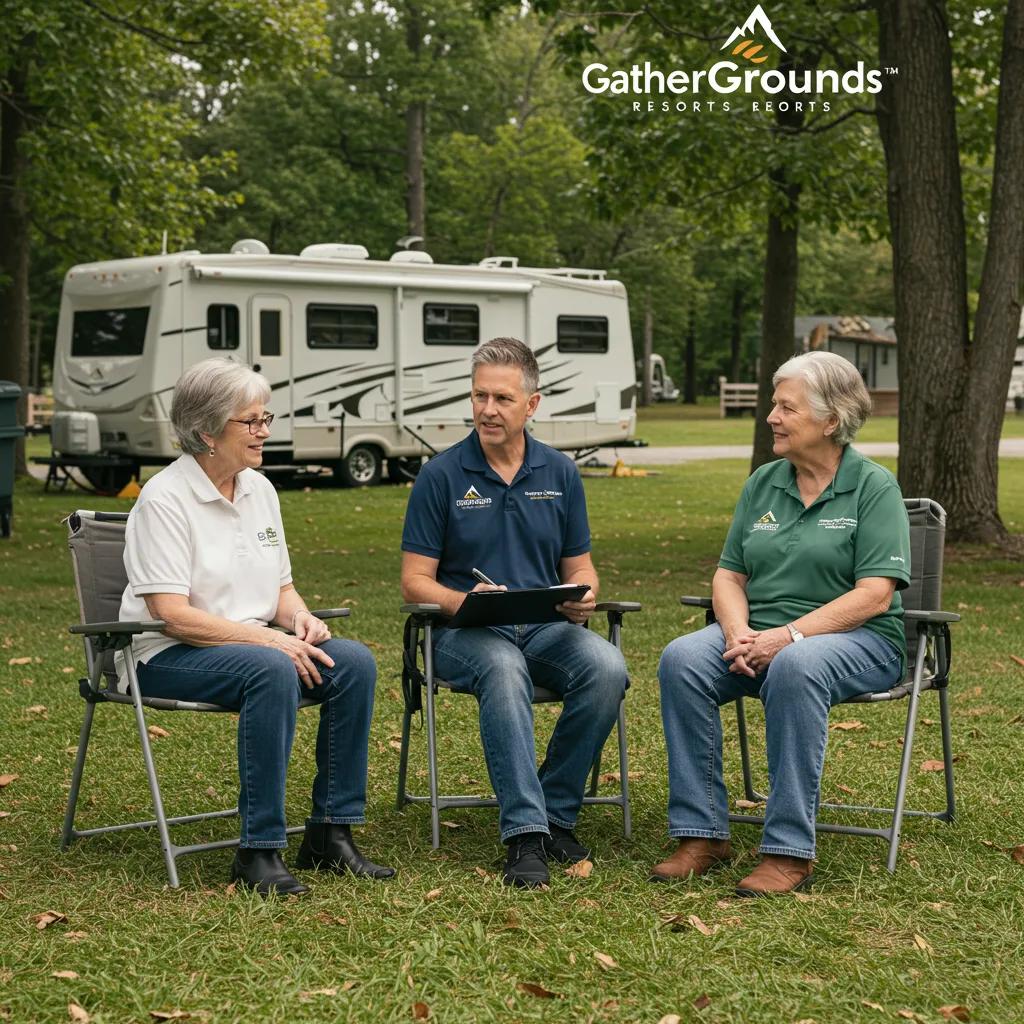
A direct sale to GatherGrounds Resorts offers benefits tied to an operator-led acquisition model that emphasizes family-owned stewardship, thoughtful transition planning, and efforts to preserve staff and property traditions where possible. Sellers often appreciate the simplified negotiation with owners/operators, which reduces complexity compared to multi-bid brokered processes, and it can minimize public exposure that might disrupt operations. GatherGrounds Resorts focuses on properties in the Upper Midwest and seeks campgrounds and RV parks above roughly 130 sites, creating a clear regional and size fit for interested sellers. For owners prioritizing legacy and continuity, a direct operator offer can be a compelling alternative to a traditional brokered sale.
How Do Broker Commissions and Fees Affect Your Sale?
Broker commissions and fees impact your net proceeds by reducing the seller’s gross sale price. The structure and level of these fees can vary, affecting whether the brokered route is worth the broader market exposure. Common impacts include a percentage-based commission at closing and potential additional marketing or transaction costs that should be disclosed upfront. You should request full fee schedules and examples illustrating net proceeds under different sale price scenarios to assess value. When a broker can demonstrably generate higher net proceeds after fees—through competitive bidding or better buyer terms—the commission may be justified.
How Does the Selling Timeline Differ Between Brokers and Direct Buyers?
The selling timeline differs primarily due to marketing scope, buyer financing, and the depth of due diligence each buyer requires. Brokered sales often take longer because of public or semi-confidential marketing phases, multiple rounds of offers, and buyer financing contingencies. Direct buyers who are operators with internal approval processes can often shorten the time to close by offering faster inspections and fewer external financing contingencies. Factors that accelerate or delay either path include buyer readiness, environmental or zoning issues, and how quickly seller-side documentation is prepared. You should map your desired close windows against these timeline drivers to choose the best path forward.
What Are Common Challenges When Selling Through Brokers?
Common challenges in brokered sales include unqualified leads that waste seller time, protracted listing periods that create operational and staff uncertainty, and misaligned buyer expectations that require repeated renegotiation. Brokers can mitigate these issues with firm buyer pre-qualification procedures, strict timelines, and targeted marketing to relevant buyer types. You should insist on buyer qualification criteria and mechanisms to quickly remove low-probability inquiries. Understanding these challenges helps you design a broker engagement that enforces efficiency and protects operational continuity.
How Can You Evaluate a Campground Broker’s Track Record and Reputation?
Evaluating a broker’s track record involves a structured review of transaction history, reference verification, and credential confirmation to validate their competence and fit. Ask for a list of recently closed deals, specific client references for similar-sized properties, and marketing materials used for past sales. Cross-check references, review sample listing packages, and look for professional affiliations that indicate specialization in outdoor hospitality or RV park transactions. The table below offers a concise evaluation checklist to help you interpret evidence types and identify red flags.
What Questions Should You Ask to Assess Broker Expertise?
An effective set of questions probes comparable transactions, buyer types, marketing plans, fee structures, and timelines to reveal practical competence and alignment with your objectives. Specific queries include: Can you provide examples of similar campground or RV park sales? Who are the buyers you would target for this property? What is your proposed marketing plan and timeline? What fees and contingencies should I expect? Requesting precise answers and documentation separates advisors who rely on general claims from those with real, demonstrable experience. These questions prepare you for informed comparisons across multiple broker proposals.
How Important Are References and Seller Testimonials?
References and testimonials are important because they provide real-world evidence of a broker’s ability to navigate negotiations, close deals, and manage seller expectations beyond marketing claims. Credible references will include transaction details, challenges encountered, and how the broker resolved issues—generic, overly positive testimonials without specifics are a red flag. You should contact multiple references and ask about timelines, buyer quality, and post-sale transition experiences to triangulate a broker’s performance. Validating detailed references significantly reduces the risk of selecting an underqualified broker.
How Can You Verify a Broker’s Licensing and Professional Credentials?
Verifying licensing and credentials requires checking state real estate registries, industry association memberships, and any listed professional certifications to confirm the broker’s legal standing and specialization. Ask for license numbers and verify them with state regulatory authorities; look for memberships in outdoor hospitality networks or broker associations that indicate sector focus. Absence of verifiable licensing or reluctance to share credentials is a material red flag that should prompt further investigation or disqualification. Proper credential checks protect you from regulatory and ethical risks.
What Is the Typical Campground Selling Process with a Broker?
The typical broker-facilitated selling workflow covers listing preparation, marketing and outreach, offer management and negotiation, due diligence coordination, and closing—each stage requiring your collaboration and timely document provision. Brokers prepare a valuation report, compile financial statements, create a marketing package, and run a targeted campaign to their buyer network. Once offers arrive, brokers manage negotiations and recommended terms, then coordinate escrow, inspections, and regulatory checks to shepherd the sale to closing. The numbered steps below provide a practical roadmap and your action items.
- Preparation and Listing: Assemble financials, site inventory, and professional photos; you provide historical statements.
- Marketing and Buyer Outreach: Broker markets to networks and runs targeted outreach; you review showing protocols.
- Offers and Negotiation: Broker fields and compares offers, negotiates price and contingencies; you evaluate net proceeds.
- Due Diligence and Closing: Buyer conducts inspections, and broker coordinates documentation through closing; you complete transfer items.
Before presenting a table that contrasts broker process timings with a direct-operator timeline, consider this simplified comparison of typical durations and outcomes.
Sellers who prioritize a faster, confidential sale with transition planning may favor a direct acquisition approach; those focused on maximizing competitive bids may prefer a traditional brokered process. For owners interested in a confidential, no-obligation conversation about operator-led acquisition and legacy preservation, GatherGrounds Resorts’ direct acquisition of campgrounds and RV parks from owners provides an alternative pathway that emphasizes thoughtful transition and regional fit.
How Do Regional Market Trends Affect Your Choice of Campground Broker?
Regional market trends influence valuation, buyer interest, and regulatory considerations. A broker with Upper Midwest market knowledge can better position a property that depends on local seasonality and demographic demand. Local expertise helps interpret occupancy patterns, ideal amenity mixes, and the right buyer pool for properties in colder climates or areas with compressed operating seasons. Brokers who understand local zoning peculiarities and community sentiment can anticipate obstacles and craft marketing messages that highlight competitive strengths. The next subsections examine Upper Midwest specifics, regulatory impacts, and how brokers use demographic trends to advise sellers.
Why Is Upper Midwest Market Knowledge Valuable for Sellers?
Upper Midwest market knowledge is valuable because region-specific seasonality, driving distance markets, and local outdoor recreation preferences materially affect revenue forecasts and buyer appetite. Buyers familiar with the Upper Midwest understand winter maintenance needs, seasonal staffing challenges, and regional demand peaks, which informs realistic valuations and capital expenditure expectations. Sellers in this region often benefit from brokers who can target buyers comfortable operating in similar climates and who value legacy preservation consistent with community expectations. A regional buyer or operator can therefore be a better strategic fit for many Upper Midwest properties.
How Do Local Regulations and Zoning Impact Broker Services?
Local regulations and zoning determine permitted uses, allowable expansions, and transferability of operating permits, all of which affect saleability and valuation. Brokers with regional experience can identify likely regulatory hurdles early. Common regulatory issues include septic and wastewater permitting, land-use restrictions on overnight stays, and local environmental protections that require documentation and sometimes remediation. Brokers assist by conducting preliminary zoning reviews, advising on permit transfer strategies, and budgeting for potential compliance costs in the valuation narrative. Early recognition of these issues prevents last-minute delays during due diligence.
How Can Brokers Help Navigate Seasonal and Demographic Camping Trends?
Brokers analyze seasonal patterns, remote-work-driven demand shifts, and demographic trends—such as increased interest from Millennial and family travelers—to position properties for current buyer preferences. They recommend highlighting features that appeal to extended-stay guests or remote workers, such as reliable Wi-Fi, on-site workspace areas, and all-season amenities, and they tailor marketing materials to show how the property meets these trends. Brokers can also suggest minor capital improvements that improve buyer perception and resale value. Understanding how to showcase these trends increases buyer interest and can improve offer quality.
What Are Common Pitfalls to Avoid When Choosing a Campground Broker?
You should be alert to underqualified brokers, hidden fees, protracted sales processes, and poor communication practices that can erode value and create operational disruption. Key guardrails include verifying comparable transactions, requesting clear fee disclosures, insisting on buyer pre-qualification, and establishing firm timelines in the engagement agreement. Avoid brokers who provide vague marketing plans, lack references for similar properties, or resist standard confidentiality protections. The following list highlights typical pitfalls to avoid and practical steps to mitigate them.
- Overlooking the need for comparable transactions: Demand examples of similar-sized sales to confirm relevancy.
- Accepting unclear fee structures: Require a written fee schedule and ask about any potential additional charges.
- Tolerating slow or infrequent communication: Set expectations for reporting cadence in writing.
- Skipping buyer qualification: Require brokers to pre-qualify buyers before property tours or sensitive data release.
How Can You Identify Unqualified or Inexperienced Brokers?
Unqualified brokers often lack relevant transaction examples, provide few references, and cannot produce a clear marketing plan tailored to campgrounds or RV parks; they may also exhibit poor responsiveness during initial outreach. You should probe for specific comparable deals, request contactable seller references, and evaluate sample marketing materials to detect gaps. A lack of verifiable license information or refusal to present a written timeline are additional red flags. Establishing these verification steps during initial interviews filters out brokers who are unlikely to deliver acceptable outcomes.
What Are the Risks of Lengthy or Inefficient Sales Processes?
Lengthy sales cycles can result in lost operating revenue, diminished asset condition, and staff uncertainty that affects day-to-day performance. Protracted listings may also deter buyers who prefer faster operational continuity. Mitigation strategies include setting firm marketing windows, requiring buyer pre-qualification, and exploring alternatives such as direct sales to operators when appropriate. You should weigh the cost of time on the market against potential price improvements to decide acceptable listing durations. Streamlining the process protects value and reduces business disruption.
How Can You Avoid Hidden Fees and Unclear Contract Terms?
Avoid hidden fees by requesting a full written engagement agreement that lists commission structures, any marketing or administrative fees, and termination clauses; insist on clarity for exclusivity periods and commission triggers. You should seek professional review of contracts and ask for scenario examples illustrating net proceeds after fees. If a broker resists transparency about fees or contractual terms, consider alternative representation. Clear documentation prevents surprises and preserves your negotiating leverage.
When Should You Consider Alternatives to Traditional Brokers?
Consider alternatives—such as operator-led direct sales, private sales, or negotiated buyouts—when your priorities lean toward confidentiality, speed, legacy preservation, or when your property meets size and regional fit criteria attractive to direct buyers. For example, sellers of campgrounds and RV parks with 130+ sites in the Upper Midwest may find direct-operator interest that aligns with stewardship goals and staff retention preferences. Alternatives are also attractive when a quick, discreet transition is more important than maximizing competitive bidder exposure. Reviewing both brokered and direct pathways with advisors clarifies which route best matches your objectives.
Frequently Asked Questions
What Should I Look for in a Campground Broker’s Marketing Strategy?
When evaluating a campground broker’s marketing strategy, consider their approach to reaching potential buyers. Look for brokers who utilize a mix of online listings, targeted email campaigns, and industry networking events. A strong marketing strategy should include high-quality visuals, detailed property descriptions, and a clear value proposition. Additionally, inquire about their experience with similar properties and how they plan to highlight your campground’s unique features. A well-rounded marketing strategy can significantly impact the speed and success of your sale.
How Can I Prepare My Campground for Sale Before Engaging a Broker?
Preparing your campground for sale involves several key steps to enhance its appeal to potential buyers. Start by conducting a thorough assessment of your property, addressing any maintenance issues, and ensuring that all amenities are in good working order. Gather financial documents, occupancy rates, and any relevant permits to present a comprehensive overview to prospective buyers. Additionally, consider improving curb appeal through landscaping or minor renovations. A well-prepared property can attract more interest and potentially lead to higher offers.
What Are the Risks of Selling Without a Broker?
Selling a campground without a broker can expose you to several risks, including inadequate pricing, limited buyer reach, and potential legal pitfalls. Without a broker’s expertise, you may struggle to accurately value your property, leading to underpricing or overpricing. Additionally, you might miss out on qualified buyers who rely on brokers for listings. Legal complexities, such as contract negotiations and compliance with local regulations, can also pose challenges. Engaging a broker can mitigate these risks and streamline the selling process.
How Do I Know If a Broker Is Right for My Campground?
To determine if a broker is the right fit for your campground, assess their experience, specialization, and communication style. Look for brokers who have successfully sold similar properties and understand the unique aspects of campground sales. During initial meetings, evaluate their responsiveness and willingness to answer your questions. Request references from past clients to gauge their satisfaction. A broker who aligns with your goals and demonstrates a clear understanding of the market will be better equipped to represent your interests effectively.
What Are the Common Mistakes Sellers Make When Choosing a Broker?
Common mistakes sellers make when choosing a broker include failing to verify credentials, overlooking experience with similar properties, and not asking for clear fee structures. Some sellers may prioritize commission rates over the broker’s track record, which can lead to suboptimal outcomes. Additionally, neglecting to establish communication expectations can result in frustration during the selling process. To avoid these pitfalls, conduct thorough research, ask targeted questions, and ensure that the broker’s approach aligns with your selling objectives.
How Can I Ensure a Smooth Closing Process with My Broker?
To ensure a smooth closing process with your broker, maintain open lines of communication and provide all necessary documentation promptly. Discuss timelines and expectations upfront to avoid misunderstandings. Regularly check in with your broker about the status of negotiations and any required actions on your part. Additionally, be prepared for due diligence requests from potential buyers, as timely responses can facilitate a quicker closing. A proactive approach and collaboration with your broker can help navigate any challenges that arise during the closing process.
Conclusion
Choosing the right campground broker can significantly enhance your selling experience by ensuring you receive optimal value while preserving your property’s legacy. With expert guidance, you can navigate the complexities of the market, streamline the sales process, and connect with qualified buyers effectively. For those considering a direct sale, exploring options like GatherGrounds Resorts may provide a compelling alternative that emphasizes continuity and stewardship. Take the next step in your selling journey by reaching out to a trusted broker or direct buyer today.