
Campground Listings vs RV Park Listings: Key Differences for Sellers and Investors
Campground listings and RV park listings represent distinct slices of outdoor hospitality real estate, and understanding their differences directly affects how owners position properties for sale and how investors underwrite offers. This article explains campground vs RV park definitions, operational contrasts, valuation methods like Adjusted Net Operating Income and cap rates, buyer profiles, and step-by-step preparation for listing or sale. Sellers and investors will learn which amenities and revenue streams drive price, how 2025 market trends influence valuations, and what documentation buyers expect during due diligence. The guide maps practical checklists, comparison tables, and actionable seller improvements so owners can improve sale outcomes whether they seek a broker, direct buyer, or operator. Throughout we use semantic relationships—site mix, ancillary revenue, and legacy preservation—to help you make choices that improve valuation and match likely buyer priorities.
What Are the Main Differences Between Campground and RV Park Listings?
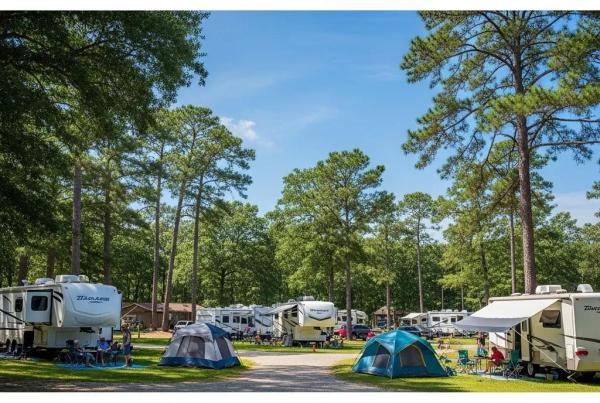
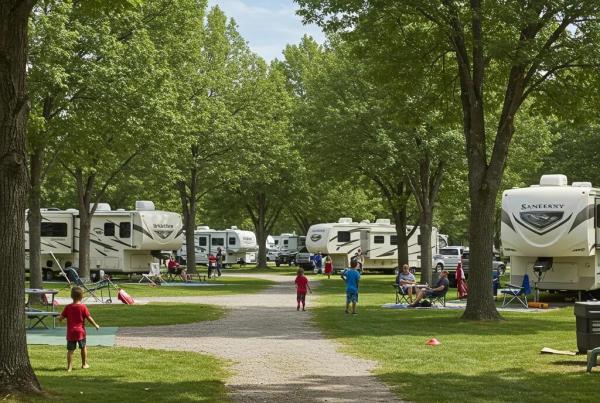
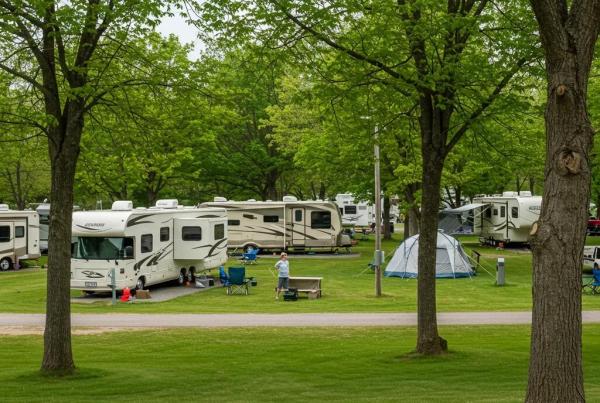
A concise definition clarifies the core difference: a campground generally emphasizes tent sites and rustic outdoor experiences, while an RV park emphasizes infrastructure for recreational vehicles such as full hookups and paved pads, and an RV resort is the premium segment with higher-end amenities and service. These distinctions matter because listing language, buyer expectations, and valuation drivers change with site mix, utility infrastructure, and guest profile. Sellers who optimize listing copy for the right buyer type increase interest and shorten time-to-offer. Below are tangible comparisons that owners can use when drafting listings, followed by a compact table to illustrate amenity and buyer appeal differences.
Campgrounds, RV parks, and RV resorts differ in operations, capital needs, and guest segmentation. Understanding these operational contrasts guides sellers toward the right marketing emphasis and prepares them for valuation conversations. The next subsection defines a traditional campground and the amenities buyers often expect.
How Is a Campground Defined and What Amenities Are Typical?
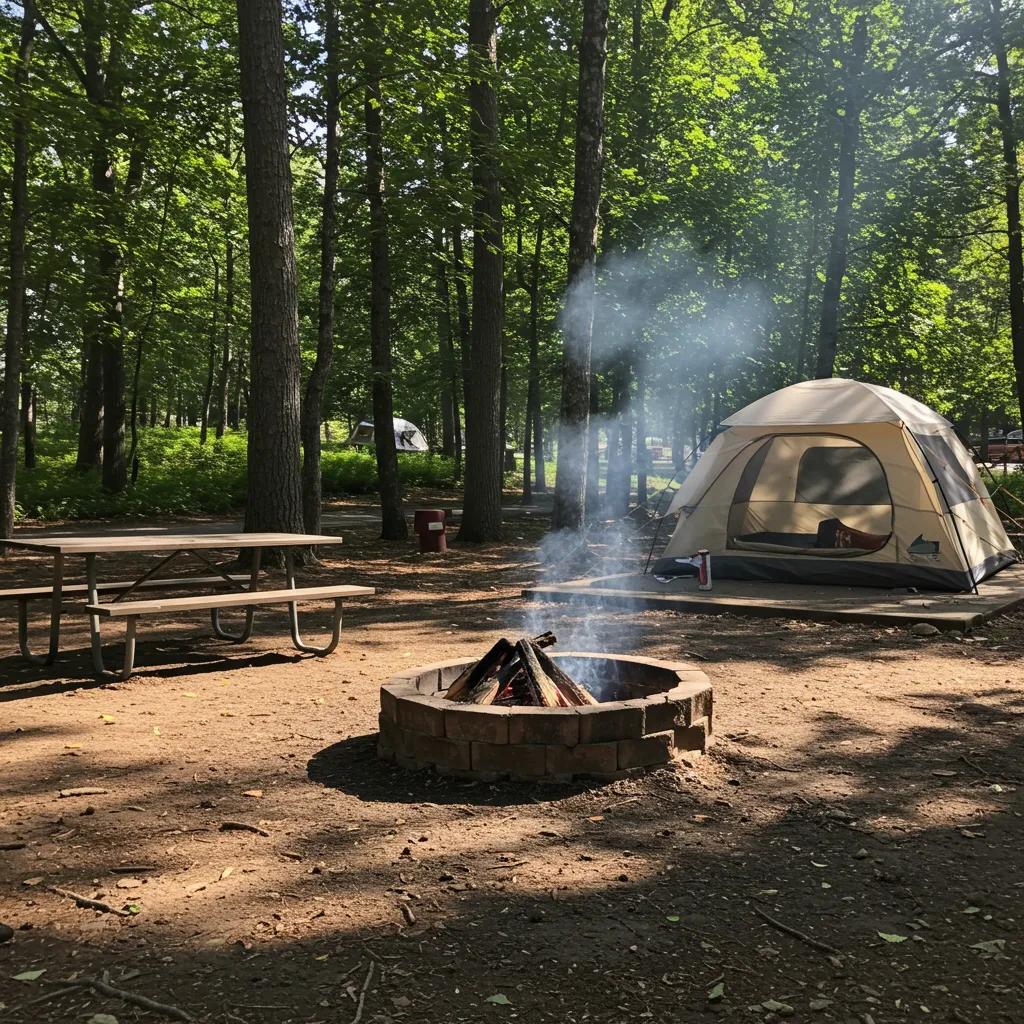
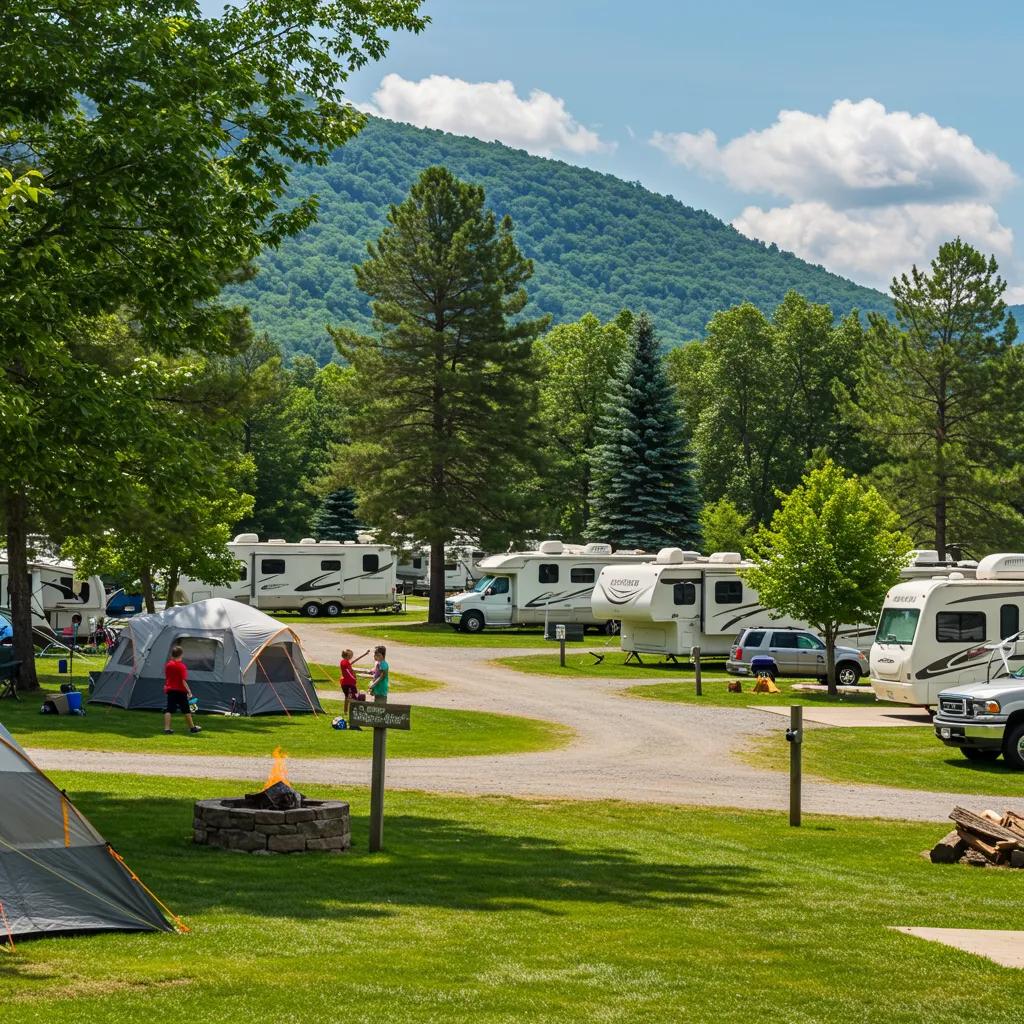
A campground is typically defined by tent-oriented sites, nature-centered programming, and limited permanent infrastructure, with value derived from site variety and natural attributes. Campground listings should highlight tent sites, basic bathhouses or vault toilets, hiking access, and seasonal operation because these core amenities attract family campers and tent-first guests. Financially, campgrounds often rely on transient nightly revenue and seasonal occupancy patterns; owners should present occupancy reports and peak-season metrics in listings to signal revenue quality. When describing a campground, emphasize natural features, community events, and site capacity to speak directly to buyers who value experiential stays and lower utility overhead.
What Distinguishes an RV Park and Its Common Features?

An RV park is characterized by infrastructure built to serve RVs—full hookups (water, sewer, 30/50A power), paved or crushed-stone pads, reliable internet, and dump stations—which supports longer stays and higher per-site revenue. RV park listings should quantify the number of full-hookup sites, presence of long-term or monthly tenancy, and condition of electrical and sewer systems since these items materially affect underwriting and price. Buyers evaluating RV park valuation prioritize revenue stability from extended-stay guests, utility capacity, and the cost of deferred maintenance of service lines and pads. Clear site maps, utility reports, and records of monthly tenancy agreements improve buyer confidence and increase the chance of competitive bids.
How Do RV Resorts Differ From Campgrounds and RV Parks?
RV resorts occupy the premium end of outdoor hospitality with amenities such as pools, clubhouses, organized activities, luxury cabins or glamping units, and a branded guest experience that supports higher average daily rates. Listings for RV resorts should present ancillary revenue streams—food & beverage, events, equipment rentals—and metrics that show higher ADR and repeat visitation because these elements justify resort-level cap rates. Buyers interested in RV resorts typically seek turnkey operations with strong branding potential and revenue diversification; they underwrite with resort comparables and expect higher marketing and operational sophistication. Describing guest experience, amenity maintenance, and revenue per available site will appeal to operators and investors targeting premium returns.
What Operational and Investment Differences Should Sellers Know?
Operationally, campgrounds tend to have lower utility costs and staffing needs but higher seasonality, while RV parks require more infrastructure maintenance, higher capital expenditures for utilities, and often produce steadier income through longer stays. Investment differences center on capex expectations, turnover, and the predictability of ancillary revenue—RV resorts have higher capex but stronger ancillary margins, RV parks sit between, and campgrounds offer lower entry cost and experiential upside. Sellers should present deferred maintenance schedules, staffing models, and utility cost breakdowns to clarify operating expense drivers for buyers. Framing these operational attributes in listing narratives helps buyers apply appropriate valuation multiples and focuses negotiations on true economic drivers.
This table clarifies how amenities map to buyer priorities and listing language. Sellers who align descriptions with buyer appeal increase visibility and traction among the right investor sets.
How Are Campgrounds and RV Parks Valued Differently in Real Estate Listings?
Valuation hinges on Adjusted Net Operating Income (NOI) converted by an appropriate cap rate or revenue multiplier; differences in site mix, occupancy patterns, and ancillary revenue change NOI composition and thus price. Adjusted NOI removes owner-specific perks and one-time expenses, producing a normalized earnings stream for capitalization. RV parks often show higher and more predictable NOI due to extended-stay and monthly revenue, while campgrounds may have higher seasonal peaks but less consistency. The following subsections define Adjusted NOI, list valuation factors, show how 2025 trends affect pricing, and give typical ROI expectations for different property types.
What Is Adjusted Net Operating Income and How Does It Affect Valuation?
Adjusted Net Operating Income is the property’s recurring revenue minus recurring operating expenses, normalized by removing owner-specific benefits and non-recurring costs to present a sustainable earnings figure. Common add-backs include owner usage discounts, discretionary owner expenses, and one-time capital repairs; these adjustments make the NOI comparable across properties and buyers. Buyers multiply Adjusted NOI by the inverse of cap rate to estimate value; therefore, increasing Adjusted NOI or reducing applied cap rate raises price materially. Sellers should prepare a reconciliation showing historical NOI and proposed adjustments to support a defensible asking price.
This EAV table clarifies how property type attributes translate into valuation effects and typical price drivers. Sellers who document revenue mix and provide clear NOIs often reduce buyer adjustments and shorten negotiation cycles.
Which Factors Influence Campground vs RV Park Valuation?
Primary valuation factors include site count and mix, occupancy and ADR, infrastructure condition (electrical/sewer/water), ancillary revenue streams, and deferred maintenance that affects future capex. Site count directly scales revenue and operational efficiency—larger pools of sites reduce per-site administrative cost and increase buyer appeal. Revenue quality—percent transient versus monthly guests, on-site services, and event income—shifts perceived risk and therefore the cap rate a buyer will apply. Sellers should prioritize presenting occupancy curves, ADR trends, and guest demographics to convey revenue stability and support a higher valuation.
How Do Market Trends in 2025 Impact Property Values?
In 2025 the broader financing environment and buyer discipline shape capitalization rates: higher interest rates tend to push cap rates upward, compressing valuations for leveraged buyers and elongating marketing periods for sellers. Simultaneously, rising demand for glamping and experiences has boosted expectations for ancillary revenue, giving properties with alternative accommodations pricing leverage. Buyers are underwriting more conservatively, focusing on adjusted NOI and deferred maintenance; sellers must therefore be proactive in demonstrating revenue resilience. Preparing documents that show occupancy, ADR, and proof of infrastructure improvements mitigates market headwinds and expedites buyer confidence.
What Are Typical ROI Expectations for RV Parks Compared to Campgrounds?
Historically, RV parks commanded tighter cap rates due to predictable monthly and extended-stay revenue, while campgrounds carried higher perceived risk and wider cap rate spreads; in current 2025 context, cap rates have trended higher across the sector as financing tightens. Typical ROI expectations vary by market and asset quality, but underwriters focus on the yield premium for ancillary revenue and the consistency of NOI when differentiating returns. For sellers, emphasizing diversified revenue and documented monthly or long-stay income reduces the perceived yield requirement. Clear presentation of NOI and revenue mix helps buyers model ROI and justify their offer levels.
When buyers evaluate value, they frequently request a short appraisal of financial adjustments; in practical terms, a professional acquirer applies a consistent approach to Adjusted NOI and cap rate selection. GatherGrounds Resorts, as an example of a family-owned operator, evaluates properties by normalizing NOI, reviewing site mix and amenity potential, and applying conservative cap rates consistent with market discipline. GatherGrounds focuses on preserving natural features and family traditions while modernizing amenities; sellers can expect transparent valuation conversations that explain add-backs and how operational improvements translate into offer price.
Who Are the Typical Buyers for Campground and RV Park Listings?
Buyer profiles range from individual owner-operators to consolidating regional operators, institutional investors, and broker/network marketplace buyers; each group values different listing features and applies unique acquisition criteria. Operators prioritize scale, site count, and immediate revenue uplift opportunities while investors emphasize predictable NOI and cap rate stability. Sellers can tailor listings to these audiences by highlighting the attributes each buyer type prizes, improving the likelihood of competitive offers. The next subsections list common buyer archetypes and explain the acquisition preferences of a family-owned operator.
What Types of Buyers Seek Campgrounds vs RV Parks?
Several buyer archetypes commonly pursue outdoor hospitality assets: individual investors or owner-operators seeking lifestyle businesses; regional consolidators and operators seeking scale and site-count efficiencies; institutional buyers or private equity seeking stable cash flow; and brokers or marketplace clients sourcing deals for third-party buyers. Each type prioritizes different signals—owner-operators focus on manageable capex and lifestyle fit, consolidators prioritize minimum site counts and operational synergies, while institutional buyers seek repeatable NOI and strong documentation. Sellers should label listings and include metrics aligned with target buyer priorities to attract the right suitors quickly.
How Does GatherGrounds Resorts Approach Acquisitions Differently?
GatherGrounds Resorts operates with a family-owned, legacy-preserving acquisition philosophy that emphasizes respectful transitions and enhancement of guest amenities while maintaining natural property features. Their approach typically involves thorough operational assessments, modest modernization to improve guest experience, and communication strategies aimed at honoring community traditions. GatherGrounds looks for quality properties that fit scale and operational criteria and frames offers around preserving legacy while improving amenity sets to drive long-term value. Sellers engaging with family-owned operators can expect hands-on acquisition discussions focused on continuity and preservation.
What Size and Site Criteria Does GatherGrounds Prefer?
GatherGrounds prefers acquiring properties above a certain scale where operational efficiencies and investment in amenities produce meaningful returns, with a stated preference for properties that meet or exceed 130 sites. Site count matters because economies of scale reduce per-site administrative cost and justify investments in upgraded utilities, marketing, and guest services. Owners of smaller properties should present strong unit economics, differentiated experiences like glamping, or clear expansion potential to appeal to buyers that favor larger portfolios. Framing site count alongside demonstrated NOI and occupancy trends makes smaller properties attractive as strategic add-ons.
How Do You Prepare and List Your Campground or RV Park for Sale?
Preparation centers on organized documentation, targeted improvements with demonstrable ROI, and listing language that emphasizes revenue drivers and operational strengths. Buyers expect clear financials, site maps, utility details, and proof of occupancy and ancillary income; presenting these materials up front reduces friction during offers and due diligence. The following checklist-style guidance and the EAV table help owners prioritize documents and preparatory steps that buyers regularly request. After the practical guidance, sellers can learn about a confidential consultation option for those who want a professional property assessment.
What Documentation and Financial Records Are Needed?
Buyers typically request a multi-year set of financial records: profit & loss statements, tax returns, bank statements, occupancy and ADR reports, and detailed site maps that show site mix and hookup types. Operational documents such as vendor contracts, utility bills, insurance history, and capital expenditure logs help buyers model both current operating costs and forthcoming capex needs. Environmental reports, permits, and zoning confirmations reduce legal risk and speed due diligence. Organizing these items into a property data book and providing clear explanations of add-backs and owner adjustments improves buyer confidence and shortens negotiation timelines.
This EAV checklist helps sellers see which documents buyers verify first and how to present evidence effectively. Compiling a complete data book is one of the highest-ROI preparation steps you can take.
How Should You Highlight Amenities and Unique Features in Listings?
Listing copy should foreground revenue-driving amenities and unique experiences—glamping units, waterfront access, group event spaces, or food-service capability—and quantify their impact using ADR and ancillary revenue metrics where possible. Use high-quality images that show site variety, amenity condition, and guest experience; images combined with concise captions that include operational metrics help buyers visualize income drivers. Include a bulleted summary of site mix, hookups, and recent capital improvements early in the listing to engage the most qualified buyers. Presenting operational metrics alongside compelling visuals increases listing clicks and pre-qualifies buyer interest.
- The listing should contain core metrics upfront:
Number of sites by type, hookup details, and occupancy averages.
Annual revenue split by lodging/nightly vs ancillary services.
Recent capex and deferred maintenance schedule.
Framing amenities with metrics helps buyers quickly assess fit and focus their due diligence requests.
What Are Common Seller Concerns and How Can They Be Addressed?
Sellers commonly worry about legacy preservation, staff continuity, and tax or timing implications when considering a sale; addressing these concerns in the listing and LOI reduces friction. Practical mitigations include specifying transition support, offering phased handover plans, and proposing staff retention incentives to ease community concerns. Engaging advisors familiar with outdoor hospitality transactions or presenting a transition plan within the offering materials reassures both community stakeholders and buyers. Clear, proactive communication of transition commitments and an itemized timeline minimizes surprises and preserves property goodwill.
GatherGrounds Resorts offers no-obligation consultations and property intake conversations for owners exploring options, providing a confidential assessment that focuses on legacy preservation and modernization potential. Owners who request a valuation call can expect a property-focused conversation that reviews site mix, NOI normalization, and suitable buyer pathways. Offering a confidential exploratory discussion helps sellers understand current market positioning and potential value without committing to a listing. This option gives owners a low-friction way to evaluate market interest and next steps.
This preparatory table shows documents that directly reduce buyer risk and seller anxiety. Completing these items prior to listing supports stronger offers and a smoother closing process.
What Is the Typical Acquisition Process for Campgrounds and RV Parks?
The acquisition process generally follows a sequence: initial inquiry and information exchange, site visits and preliminary valuation, negotiation and offer with contingencies, formal due diligence, and closing with transition planning. Each stage has specific document and timeline expectations; preparing a data book shortens early stages and reduces surprises during due diligence. Buyers commonly include financing, environmental, and title contingencies; understanding these ahead of time positions sellers to respond quickly. The subsections below outline the initial consultation, due diligence expectations, and legacy preservation mechanisms used by respectful buyers.
How Does the Initial Consultation and Property Assessment Work?
The initial consultation typically features an exchange of high-level financials, a site overview, and a discussion of seller objectives, with buyers requesting P&Ls, site maps, and occupancy snapshots to form a preliminary valuation. A site visit follows when initial metrics align; during the visit buyers examine infrastructure condition, guest flow, and amenity functionality while confirming site counts and hookup types. Buyers then present a preliminary valuation range and expected timelines, often subject to verification during due diligence. Clear, prompt responses to initial document requests accelerate offer formation and increase the likelihood of multiple competitive bids.
What Happens During Due Diligence and Offer Stages?
Due diligence verifies the assumptions used in the offer: financial accuracy, environmental conditions, title and permits, and the physical state of utilities and buildings; timelines often range from 30 to 90 days depending on the complexity of contingencies. Typical verifications include P&L reconciliation, site inspections, review of vendor contracts, and environmental or septic system assessments when applicable. Offers will specify earnest money, contingencies, and a proposed closing timeline; sellers should consult advisors and be prepared to negotiate common contingencies. Thorough preparation of documents and a responsive seller attitude shorten due diligence and can preserve offer momentum.
How Is Legacy Preservation Ensured After Sale?
Legacy preservation is achieved through contractual commitments, phased transitions, and community engagement plans that buyers include in LOIs or purchase agreements when requested by sellers. Contractual mechanisms can include agreed-upon branding retention periods, commitments to maintain local staff, or funding for community projects that honor property traditions. Buyers that prioritize legacy preservation incorporate these commitments into operational plans and communications with staff and stakeholders. Sellers should ask prospective buyers for specific legacy-preservation examples and propose measurable transition milestones to include in the sale agreement.
What Are Current Market Trends Affecting Campground and RV Park Listings?
Market trends in 2025 reflect a balance between elevated financing costs, evolving guest preferences, and increased appetite for experience-driven stays; sellers must position properties to address both capital markets and consumer demand. Interest rate-driven cap rate shifts increase buyer yield requirements while growth in glamping and remote-work-enabled stays raises ADR and occupancy potential for well-positioned properties. Buyers are more selective, emphasizing documented NOI and resilient ancillary revenue. The next subsections examine interest rate impacts, the role of glamping, and remote work influences on extended-stay demand.
How Are Rising Interest Rates and Cap Rates Impacting Sales?
Rising interest rates generally increase borrowing costs and tend to push cap rates wider, leading to downward pressure on valuations for leveraged buyers and potentially longer marketing periods for sellers. Buyers respond by tightening underwriting assumptions, demanding clearer NOI documentation, and sometimes seeking seller concessions on price or financing flexibility. Sellers can mitigate these effects by improving documented NOI, reducing deferred maintenance, or offering seller financing options where feasible. Preparation and transparent financials help sellers demonstrate value even in a higher-rate environment.
What Role Does Glamping and Alternative Accommodations Play?
Glamping and alternative accommodations—yurts, cabins, upscale tents—expand a property’s revenue mix by increasing ADR and driving shoulder-season occupancy, thereby improving NOI quality and buyer interest. Quick ROI upgrades often include adding a small number of high-yield glamping units with modest infrastructure and strong marketing to target experience-seeking guests. Buyers reward properties with diversified lodging types because ancillary income and higher ADRs reduce sensitivity to nightly volume fluctuations. Sellers should quantify ADR uplift from alternative units and include that data in listing materials to attract operators and investors.
How Is Remote Work Influencing Extended-Stay and Seasonal Rentals?
Remote work has increased demand for longer-stay options and monthly rentals in outdoor hospitality, raising the value of reliable internet, comfortable workspace areas, and utilities that support longer guest stays. Properties with designated work-friendly sites and dependable connectivity see longer average stays and greater repeat visitation, improving revenue stability. Buyers underwrite extended-stay potential by assessing broadband capacity and site comfort; sellers who invest in reliable wifi and workspace amenities can capture higher yields. Marketing targeted to remote-work demographics and presenting extended-stay data in listings communicates this value to buyers.
Frequently Asked Questions
What Are the Key Considerations for Pricing Campgrounds and RV Parks?
When pricing campgrounds and RV parks, sellers should consider factors such as location, site count, and the quality of amenities. Campgrounds may have seasonal pricing fluctuations, while RV parks often benefit from more stable, year-round income due to longer stays. Additionally, the condition of infrastructure, such as utilities and access roads, plays a significant role in valuation. Sellers should also analyze comparable sales in the area to set a competitive price that reflects the unique features of their property.
How Can Sellers Effectively Market Their Campground or RV Park?
Effective marketing of campgrounds and RV parks involves highlighting unique features and amenities that appeal to potential buyers. Sellers should use high-quality images, detailed descriptions, and data-driven insights to showcase occupancy rates and revenue potential. Utilizing online platforms, social media, and targeted advertising can increase visibility. Additionally, creating a comprehensive data book that includes financial records, site maps, and maintenance history can enhance buyer confidence and streamline the selling process.
What Role Do Environmental Considerations Play in Valuation?
Environmental considerations significantly impact the valuation of campgrounds and RV parks. Buyers often assess factors such as land use regulations, environmental assessments, and potential liabilities related to natural features. Properties with sustainable practices or eco-friendly amenities may attract higher offers due to increasing consumer demand for environmentally responsible options. Sellers should be prepared to provide documentation regarding environmental compliance and any assessments conducted to reassure potential buyers about the property’s sustainability.
What Are the Benefits of Offering Seller Financing?
Offering seller financing can make a property more attractive to potential buyers, especially in a tight credit market. It allows buyers who may not qualify for traditional loans to purchase the property, expanding the pool of interested parties. Additionally, seller financing can lead to quicker sales and potentially higher sale prices, as it provides flexibility in terms and conditions. Sellers should clearly outline the financing terms and ensure they are legally sound to protect their interests.
How Important Is Community Engagement in the Selling Process?
Community engagement is crucial during the selling process, especially for campgrounds and RV parks that have established local ties. Buyers often look for properties that have a positive reputation within the community. Sellers can enhance their appeal by demonstrating a commitment to maintaining community relationships and preserving local traditions. Engaging with community stakeholders and addressing any concerns can facilitate a smoother transition and foster goodwill, which can be beneficial during negotiations.
What Are Common Pitfalls to Avoid When Selling?
Common pitfalls when selling campgrounds and RV parks include inadequate documentation, neglecting necessary repairs, and failing to understand market trends. Sellers should avoid overpricing their property based on emotional attachment rather than market data. Additionally, not preparing for due diligence can lead to delays or lost offers. It’s essential to present a well-organized data book, address maintenance issues proactively, and stay informed about current market conditions to avoid these pitfalls and ensure a successful sale.
What Are the Key Differences Between Campgrounds and RV Parks?
Campgrounds emphasize tent sites, nature-based experiences, and seasonality, while RV parks emphasize infrastructure—full hookups, paved pads, and long-term stays—with RV resorts adding premium amenities and ancillary revenue. These distinctions affect listing language, buyer interest, and valuation: RV parks and resorts generally support steadier NOI and narrower cap rates, while campgrounds may require framing around experiential demand to attract buyers. For more detail, review the comparison table earlier in the article that maps amenities to buyer appeal.
How Long Does It Typically Take to Sell These Properties?
Typical listing-to-close timelines vary widely, often ranging from 3 to 12 months depending on asset complexity, documentation readiness, buyer demand, and financing contingencies; well-prepared listings with complete data books usually close faster. Factors that lengthen timelines include environmental or title issues, significant deferred maintenance, or a niche market that requires finding the right buyer. Sellers can accelerate a sale by organizing financials, updating key infrastructure, and targeting appropriate buyer types. Presenting a clear timeline and honest condition disclosure also builds buyer trust and prevents last-minute delays.
Is There a Specialized Broker for Campgrounds and RV Parks?
Specialized brokers provide market reach, valuation expertise, and sector-specific negotiation experience that can yield higher sale prices and smoother closings, while direct sales to operators can be faster and more confidential. Brokers add value by marketing to targeted buyer pools, managing due diligence workflows, and advising on presentation of adjusted NOI; direct buyers offer speed and simplicity but may produce narrower market exposure. Sellers should weigh confidentiality, price expectations, and timeline needs when choosing between brokerage and direct sale approaches.
How Can Sellers Maximize Their Property’s Value Before Listing?
Sellers maximize value by focusing on high-ROI improvements, tightening bookkeeping, and assembling a clear data book; priority items include fixing critical utilities, improving site cleanliness, adding a small number of high-ADR glamping units where feasible, and documenting occupancy trends. Presenting repair estimates, a capital expenditure plan, and a marketing package with professional photos increases buyer confidence and often justifies a higher price. Preparing responses to common due diligence requests upfront reduces negotiation friction and shortens the sale timeline. Prioritizing these steps creates demonstrable value that buyers can model and justify in offers.
- Document Financials: Organize 3–5 years of P&Ls, tax returns, and occupancy reports.
- Fix Critical Infrastructure: Address electrical, sewer, and water issues that impact operations.
- Enhance Marketing Assets: Invest in professional photos and clear site maps that show site types.
- Add High-Value Units: Consider a limited number of glamping or cabin units to increase ADR.
These actions are cost-effective ways to improve buyer perception and support a higher adjusted NOI when presenting the property.
This final table reiterates key pre-listing investments and documentation that typically yield the best returns in sale negotiations.
Campground Listings vs RV Park Listings: Key Differences for Sellers and Investors
Conclusion
Understanding the distinctions between campground and RV park listings is crucial for sellers and investors aiming to maximize their property value and appeal. By leveraging the right amenities and operational insights, owners can attract the most suitable buyers and enhance their sale outcomes. We encourage you to explore our resources for tailored strategies that align with your specific property type. Take the next step in your selling journey by contacting us for a personalized consultation today.