
Campfire & Grilling Rules at Ohio State Parks: Your Guide to Safe & Compliant Camping
Navigating campfire and grilling rules in Ohio state parks is key to a safe and enjoyable camping trip. These regulations help protect public safety and our beautiful forests. This guide breaks down Ohio state park fire rules, DNR grilling guidelines, burn ban procedures, and firewood transport limits. You’ll learn what makes a campfire okay, which cooking gear is usually good to go, how firewood rules help stop invasive species, and how to check for burn bans before you head out. We’ll connect general state advice to real-world campground practices, share tips for building and putting out fires safely, and answer your burning questions about bringing grills or firewood. For a local touch, we’ll highlight Ridge Ranch Campground in Newton Falls, Ohio, as a family-friendly spot that champions safe fire and grilling practices and encourages reservations to ensure everyone respects these important rules.
Ohio State Park Campfire Basics: What You Need to Know
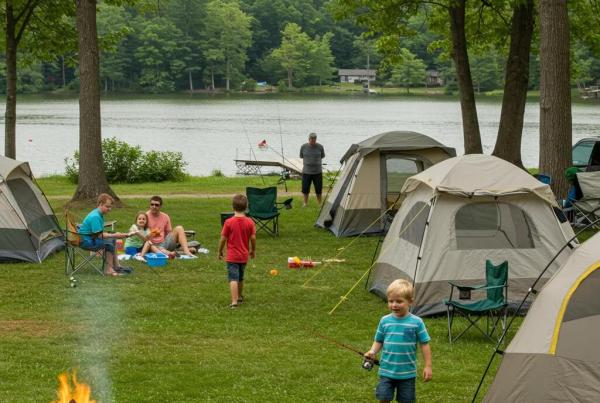
Ohio state park campfire rules are all about keeping fires contained, respecting seasonal bans, and practicing basic safety to prevent escapes and protect the environment. This system balances your fun with wildfire prevention and habitat care by keeping heat sources and embers in check where staff can manage them. You benefit from consistent rules that cut down on accidental wildfires and help keep our recreational areas pristine for everyone. Here are three core rules that sum up what’s expected:
Ohio state park fire rules focus on containment, timing, and safe operation. Understanding these points will help you pick the right gear and check conditions before you arrive.
Campfire rules at a glance:
- Fires must be in designated fire rings or grills, unless park staff give special permission.
- Burn bans temporarily halt most open fires and can also restrict charcoal or wood-burning devices.
- Fires must be watched constantly, kept small, and completely put out before you leave.
These straightforward rules help you follow Ohio Department of Natural Resources guidance and stay safe. The next section dives into when fires are permitted and how burn bans can change those permissions.
When Can You Have Campfires at Ohio State Parks?
Campfires are generally allowed at Ohio state parks during normal conditions, using designated rings, but this permission hinges on weather, fuel moisture levels, and local advisories. The Ohio Department of Natural Resources and local fire departments issue burn bans when dry conditions, high winds, or other hazards significantly increase wildfire risk. These bans temporarily suspend normal campfire permissions. A smart move is to check official notices 24–48 hours before you leave and again when you arrive to confirm if fires are permitted at your destination. Checking the burn status protects you from fines and keeps recreation areas safe for everyone.
Confirming permission before lighting up helps avoid surprises and prepares you to use other cooking methods if needed.
What’s a Designated Fire Ring and Why Is It a Must?
A designated fire ring is a built-in structure—usually metal or stone—provided at campsites. Its purpose is to keep heat, embers, and ashes contained in one spot, protecting surrounding plants and soil. These rings are required because they prevent ground scarring, stop embers from blowing and starting spot fires, and make it easier to put fires out safely by concentrating the fuel and ash. Using established rings helps preserve park resources and follows management practices that prioritize safety and restoration. Always use the provided rings and avoid digging new pits or moving rocks, as this can increase fire spread risk and damage sensitive archaeological or ecological features.
Using a fire ring cuts down on wildfire hazards and is the expected behavior in managed campgrounds. The next subsection explains how burn bans affect the use of these rings.
How Do Burn Bans Impact Campfires in Ohio?
Burn bans temporarily restrict open flames. They are declared by state or local authorities when outdoor fire conditions become unsafe. Bans can cover large areas or be limited to specific counties or parks. When a burn ban is active, campgrounds often prohibit campfires, and some bans extend to charcoal grills or wood-burning devices. It’s crucial to verify the exact scope before relying on any cooking method. Practical steps include checking official state alerts, county advisories, and contacting campground staff for site-specific guidance within 24–48 hours of arrival. Being prepared for bans prevents disrupted plans and supports public safety efforts during high-risk periods.
Understanding what triggers burn bans and where to find notifications leads us to the next important topic: safely handling and extinguishing campfires when they are permitted.
What Are the Safety Rules for Campfires at Ohio State Parks?
Safety guidelines dictate keeping fires small, maintaining a safe distance from tents and flammable items, and having extinguishing tools—like a water bucket and shovel—readily available to manage flare-ups. Campers should never leave a fire unattended, should supervise children and pets closely, and must extinguish fires completely by dousing them with water, stirring the coals, and ensuring the site is cool to the touch before leaving. These practices minimize re-ignition risks and protect the surrounding forest and wildlife. Following these simple, proactive steps helps preserve campsites for future visitors and aligns with the prevention-focused policies of park managers.
Adhering to these safety steps naturally leads to choices about cooking devices. The next major section clarifies what grills and portable pits are allowed.
Grilling Rules & Allowed Cooking Gear in Ohio Campgrounds
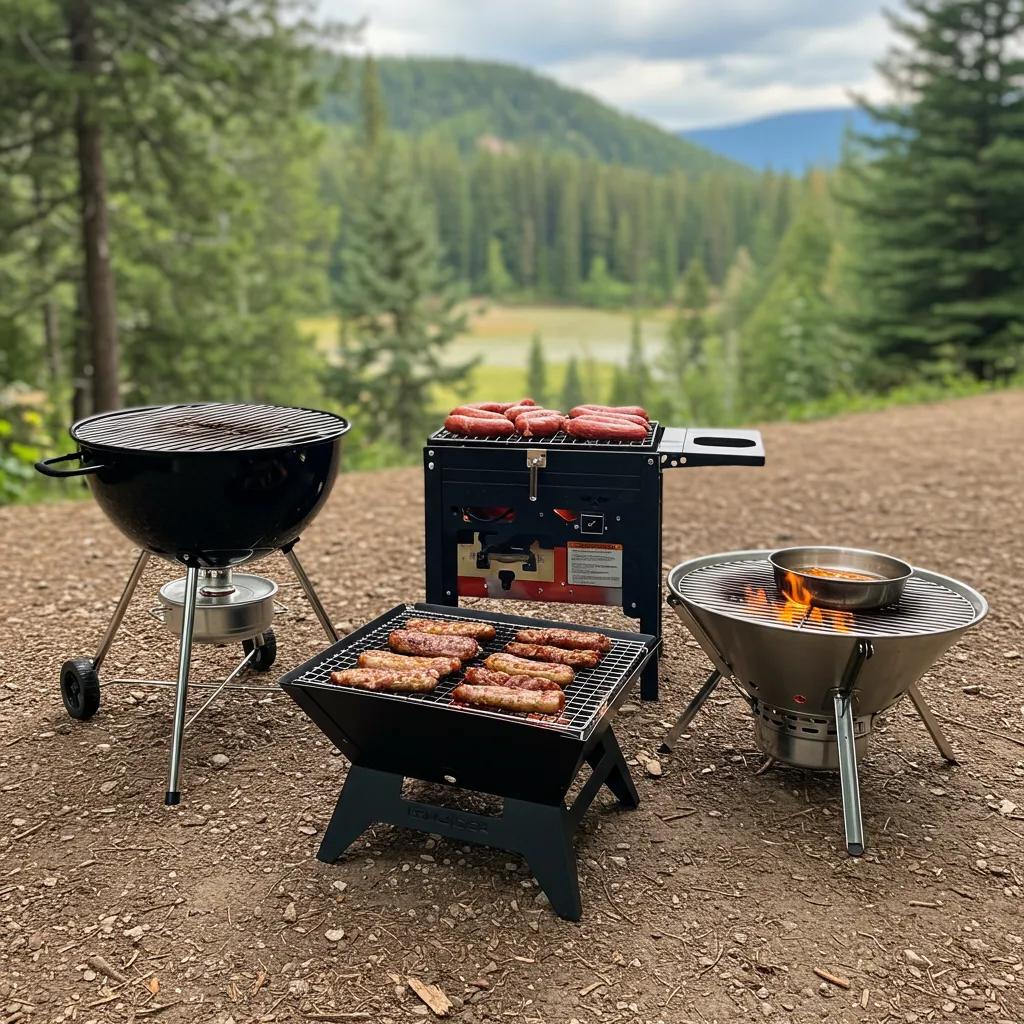
Ohio campground grilling rules differentiate between device types—charcoal grills, propane grills, portable fire pits, and open ground fires—based on ember control, heat containment, and sensitivity to burn bans. The reasoning behind these regulations is that equipment which contains embers and minimizes ground impact is more likely to be permitted, while uncontained ground fires and homemade devices pose higher risks. Campers benefit by choosing compliant gear that reduces the chance of closures or fines and ensures safe meal preparation. The quick comparison below clarifies common device allowances and typical safety restrictions.
Here’s a quick rundown of common cooking devices and their typical status in campgrounds.
This table helps campers select devices that align with park expectations and safety practices. The following subsections delve into each device type.
Are Charcoal Grills Allowed in Ohio State Parks?
Charcoal grills are conditionally allowed in many Ohio campgrounds when used in designated grills or fire rings. However, they can be restricted during burn bans because hot coals and embers can remain hazardous even after they appear to be out. Campers using charcoal must fully extinguish and cool coals, never bury hot ash in the ground, and use metal containers or park-provided receptacles for disposal. Proper containment and disposal protect the soil and reduce re-ignition risks. When planning your trip, have a backup cooking option ready in case a ban or park policy prohibits charcoal use.
Proper charcoal management prevents lingering fires and is part of responsible campground behavior. The next section covers propane grill guidelines.
What Are the Rules for Using Propane Grills at Ohio Campgrounds?
Propane grills are often permitted because they produce fewer persistent embers and can be shut off quickly. However, they still require safe setup: secure the tank upright, ensure connections are leak-free, and position the grill on a stable, non-flammable surface away from overhanging branches. Even when allowed, propane use may be temporarily suspended during severe burn restrictions, so campers should verify current advisories before relying solely on fuel-dependent appliances. Safe fuel storage and good maintenance reduce accident risks and align with Ohio Department of Natural Resources expectations for safe cooking devices. Consider portable stoves as an alternative during uncertain conditions.
Safe propane practices minimize hazards and help you stay compliant with local guidance. The following subsection discusses portable pits.
Can Portable Fire Pits Be Used in Ohio State Campgrounds?
Portable fire pits may be permitted if they feature solid ember containment, sit on non-flammable platforms, and meet campground-specific requirements. Their design can localize heat and embers more effectively than open ground fires. Permitted use is site-specific and often requires checking with campground staff, especially if the pit sits directly on the ground or lacks a spark screen. Campers should choose models with certified ember guards and use stands or pads to protect turf and soil. Always confirm allowances ahead of time and be prepared to cease use under burn bans.
Selecting a compliant portable pit keeps embers contained and reduces environmental impact. Next, we list devices that are typically banned and safer alternatives.
What Cooking Devices Are Banned in Ohio Campgrounds?
Prohibited devices typically include open ground fires outside designated rings, homemade grills or pits lacking containment, and devices that produce excessive sparks or damage vegetation. These pose increased wildfire and soil-damage risks. Park managers may also ban poorly controlled devices during heightened fire danger, with enforcement focused on prevention and visitor education. Recommended alternatives include using campground-provided grills, portable camp stoves designed for backcountry cooking, or propane grills that meet safety standards. Choosing approved devices helps maintain access to recreational areas and aligns with the protective intent of state and local regulations.
Knowing which devices are banned helps you choose compliant gear and prepares you for potential restrictions at your campsite.
Firewood Rules & Invasive Species Prevention in Ohio State Parks

Ohio’s firewood restrictions are designed to prevent the spread of invasive species—like wood-boring insects and pathogens—by limiting the transport of firewood and encouraging the purchase of local or certified heat-treated wood. The reason is simple: insects and their eggs can hitch a ride inside unstored logs, and moving wood across regions spreads pests that harm forests and recreation areas. Following local sourcing rules helps preserve tree health and the long-term usability of park resources. The practical recommendations below show how to obtain compliant firewood and why these choices matter for ecosystem resilience.
This quick table compares common firewood sources and their suitability for park use.
This comparison clarifies why parks prefer local or certified wood and how these choices protect forests. The next subsections explain the rationale and provide sourcing tips.
Why Are Restrictions on Bringing Outside Firewood to Ohio State Parks in Place?
Bringing outside firewood is restricted because transported wood can harbor invasive insects and pathogens that devastate trees, alter forest ecology, and impose long-term restoration costs on public lands. The mechanism involves pests hidden in bark or wood, meaning a single infested log can introduce species that spread regionally, diminishing forest health and recreational value. Legal and advisory restrictions aim to stop these accidental introductions by limiting the movement of untreated wood. Understanding this reason helps campers accept locally-oriented practices as crucial protective measures for our shared natural resources.
Recognizing the ecological reasons behind these restrictions guides campers toward the sourcing strategies covered in the next subsection.
Where Can Campers Buy Local or Certified Heat-Treated Firewood Near Ohio Campgrounds?
Campers should look for firewood sold at park stores, campground vendors, local hardware stores, or certified suppliers within the campground’s county. Calling ahead or checking the campground’s guest resources will confirm availability and accepted wood types. Search terms like “certified heat-treated firewood” or “local firewood vendor near [campground location]” can help identify compliant suppliers, but always verify certification status with the vendor. Buying on-site or within the immediate region reduces invasive pest risk and ensures you’re following Ohio park recommendations. Planning ahead saves time and prevents last-minute compliance issues at check-in.
Securing local or certified wood before arrival protects forests and simplifies compliance. The next section explains the broader benefits of these restrictions.
How Do Firewood Restrictions Help Protect Ohio’s Forests?
Firewood restrictions help prevent the spread of invasive pests, preserve tree health, and protect the ecological services forests provide—such as habitat, water regulation, and recreation. They do this by stopping new infestations that can kill host trees and alter forest composition. The economic and recreational impacts of pest outbreaks are substantial, and prevention through localized firewood policies is far less costly than large-scale mitigation or reforestation. Restrictions also support local wood suppliers and stewardship efforts that maintain healthy public lands for future visitors. Understanding these benefits motivates compliance and reinforces the connection between individual actions and landscape-level outcomes.
Protecting forests through firewood rules ensures long-term recreational value and is part of responsible camping behavior. The next major section applies these policies to a local campground example.
Ridge Ranch Campground: Specific Fire & Grilling Policies
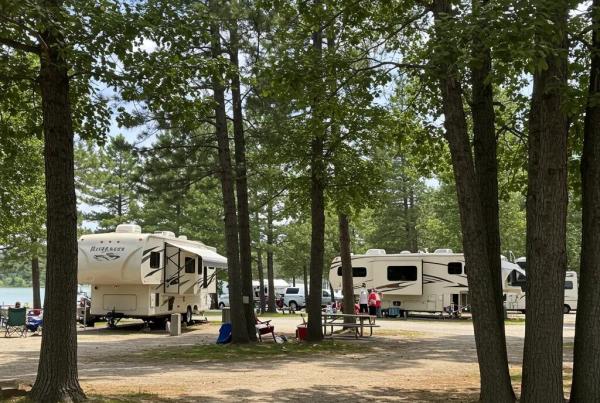
Ridge Ranch Campground in Newton Falls, Ohio, is a family-friendly outdoor destination that aligns its practices with safety and environmental policies. They encourage the use of designated fire rings, comply with burn bans, and communicate guest expectations at check-in. The campground spans 76 acres and features a 17-acre lake, offering RV and tent sites with full hookups and seasonal options. Visitor cooking needs vary, so staff emphasize safe, contained cooking methods. Ridge Ranch’s amenities—including a lakefront beach, paddleboat and canoe rentals, and family activities—depend on protecting natural assets from fire damage. Guests are encouraged to reserve sites and review on-site rules to ensure safe enjoyment of these facilities.
The table below maps Ridge Ranch amenities and likely guest actions that support compliance and safety.
This EAV mapping clarifies how Ridge Ranch’s facilities intersect with visitor responsibilities and encourages pre-arrival planning. The next subsections outline likely on-site rules and options.
Ridge Ranch Campground’s Campfire Rules & Safety Measures
Ridge Ranch emphasizes that campfires should only occur in established fire rings or approved grills to contain embers and minimize risk to the lakefront setting and family amenities. Guest responsibilities include supervising fires, having extinguishing tools nearby, and completely dousing coals before leaving the site. Staff provide posted rules and guidance at check-in to reinforce these measures. The campground’s family-focused programming and recreational assets incentivize strict adherence to safety protocols to protect shared spaces and events. When burn bans are active, Ridge Ranch notifies guests and enforces temporary restrictions to maintain compliance and guest safety.
Knowing these expectations helps visitors plan their cooking approach and supports campground staff in maintaining safe operations.
Grilling Options Available at Ridge Ranch Campground
Ridge Ranch’s mix of RV and tent sites with full hookups suggests guests can commonly use campground grills, portable propane grills, or site-specific cooking pads where permitted. Charcoal and open-ground cooking may be conditional based on current advisories. Guests should consult on-site rules provided at arrival and ask staff for permitted grilling locations, especially near play areas or the beach. The campground amenities—such as picnic areas and the waterfront—benefit from contained cooking practices that avoid ash and embers on sand or turf. Checking with staff before setup ensures a compliant and enjoyable grilling experience.
Confirming allowed devices ahead of time aligns your cooking plans with both safety and campground preservation goals.
How Ridge Ranch Ensures Compliance with Ohio Fire Regulations
Ridge Ranch ensures compliance by combining posted regulations, staff communications during reservations and check-in, and operational policies that reflect state guidance on burn bans and fire containment. Guests are expected to follow posted rules and staff directions. The campground’s approach ties site management to broader Ohio Department of Natural Resources principles to protect forested and lakefront resources. Enforcement focuses on education first, with staff ready to assist guests in safe practices to prevent incidents that would disrupt family activities or damage the property. Reviewing rules during reservation and arrival reduces misunderstandings and promotes a safe stay.
Clear guest communication and staff oversight help align private-campground practices with statewide safety and environmental goals.
Best Practices & Tips for Safe Campfires & Grilling in Ohio
Best practices for safe campfires and grilling focus on preparation, containment, vigilant supervision, and complete extinguishment to lower wildfire risk and avoid environmental damage. The principle is straightforward: predictable, repeatable safety steps reduce incidents, protect recreation assets, and preserve campground access. Implementing these practices leads to a safer camping experience, fewer emergency responses, and maintained amenities for families and future visitors. The following lists and steps provide actionable guidance you can use at any Ohio campground.
Essential do’s and don’ts for safe fires and grills:
- Do use designated rings or approved grills and check with staff about site-specific rules.
- Do keep a bucket of water and shovel nearby and maintain constant supervision.
- Don’t leave fires unattended, and don’t dispose of hot coals in vegetation or on sand.
These practical rules prepare you to build small, manageable fires. Next are step-by-step instructions for building and extinguishing campfires safely.
How Can Campers Safely Build and Extinguish Campfires?
Start by clearing combustible debris within a safe radius, use only permitted firewood or fuel, and build small fires in designated rings to reduce ember escape. Always keep water and a shovel at hand to control flames. Maintain supervision and never leave a fire unattended; assign a responsible person to watch while others sleep. To extinguish, drown coals with water until hissing stops, stir the ashes with a shovel to expose hot spots, and repeat dousing until everything is cool to the touch. Confirm the site is cool before departing to prevent smoldering re-ignition and protect campground resources.
These steps minimize re-ignition risk and form a reliable routine for responsible campers. Now, let’s consider grill-specific recommendations.
Recommended Practices for Using Grills & Cooking Devices
Place grills on stable, non-flammable surfaces away from branches and tents. Secure propane tanks upright and inspect hoses for leaks before lighting. Never leave a lit grill unattended. For charcoal, use metal containers to cool and store ashes; do not bury hot coals in the ground or leave them on the beach or grass. Portable stoves and camp stoves are excellent low-risk alternatives during burn bans, providing consistent heat with reduced ember risk. Following these practices reduces accidents and helps you stay compliant with park rules.
Adopting these grill habits protects campers and vegetation. The next subsection explains how to prepare for burn bans and restrictions.
How Can Campers Prepare for Burn Bans & Fire Restrictions?
Prepare by checking official burn-ban notices within 24–48 hours before travel, packing alternative cooking equipment like portable camp stoves, and planning meals that require minimal open flame. Create a pre-trip checklist that includes verifying campground advisories, confirming permitted devices with staff, and bringing appropriate fuel and extinguishing tools. If a ban is active, switch to no-fire meal plans or use approved gas stoves. Being flexible ensures a safe and enjoyable trip even when restrictions apply. Proactive planning avoids last-minute disappointments and supports public-safety measures during high-risk periods.
Checking alerts and packing alternatives makes your trip resilient to changing fire-danger conditions.
Common Questions About Campfire & Grilling Rules in Ohio State Campgrounds
Campers frequently ask if fires are allowed everywhere, if personal grills are permitted, what to do about firewood transport, and how to check burn bans. Concise answers help visitors make quick decisions. Addressing these common questions provides immediate, actionable guidance that reduces confusion upon arrival and improves compliance. The following short Q&A items cover the most frequent concerns and offer direct next steps to resolve them.
Quick answers to common questions:
- Are campfires allowed in all Ohio state parks? Generally, only in designated areas and subject to local burn bans and park-specific rules.
- Can I bring my own grill to Ohio state campgrounds? Personal grills like propane or certain portable pits may be allowed; always verify with the specific park or campground.
- What should I know about firewood transport and use in Ohio? Avoid transporting untreated wood long distances; buy local or certified heat-treated firewood.
- How do I check current burn ban status before camping? Check state and county advisories and confirm with the campground within 24–48 hours of arrival.
These succinct answers guide campers to verify rules for their specific site and prepare alternatives. The next section explains authoritative sources and how to access them.
Are Campfires Allowed in All Ohio State Parks?
Campfires are not universally permitted across all Ohio state parks. Allowance is limited to designated rings or grills at certain park locations and is subject to temporary restrictions like burn bans. Park-specific rules and posted signage determine site-level permissions. Campers should consult official advisories and campground information before planning to build a fire. This conditional approach balances recreational access with wildfire prevention and resource protection. Verifying site rules prior to arrival prevents misunderstandings and supports safe visitation.
Knowing that permissions vary prepares you to check specific site rules and seek clarification from park officials.
Can I Bring My Own Grill to Ohio State Campgrounds?
You can often bring personal grills—such as propane grills or certain portable fire pits—provided they meet park containment criteria and are permitted under current advisories. However, charcoal grills and open-ground devices may be restricted or prohibited depending on conditions. Campers must ensure their equipment contains embers, sits on non-flammable surfaces, and follows campground placement rules. When in doubt, ask staff upon arrival. Bringing compliant gear and having a backup plan reduces disruption if restrictions apply. Responsible grill choices maintain public-safety standards and campground access.
Confirming allowances early ensures you bring the correct cooking gear for your stay.
What Should I Know About Firewood Transport and Use in Ohio?
Avoid transporting untreated firewood over long distances because it can carry invasive pests that harm Ohio forests. Instead, purchase local or certified heat-treated wood near your destination or from campground vendors when available. Certified heat-treated wood undergoes processes that eliminate pests, and buying locally minimizes the chance of introducing pests to new areas. These simple practices help preserve forest health and recreational amenities for all visitors. Prioritizing local sources aligns with state recommendations and reduces ecological risk.
Adopting local or certified firewood practices is an effective, low-effort way to protect regional forests.
How Do I Check Current Burn Ban Status Before Camping?
Check official state and county fire advisory pages and confirm with campground staff within 24–48 hours of arrival to verify burn ban status and any site-specific restrictions. Monitoring multiple sources increases reliability. Set reminders to re-check on arrival day and bring alternatives like camp stoves if bans are likely. Using this multi-source check prevents surprises and ensures you comply with current safety guidance. Always prioritize local staff notices as they reflect on-site conditions and enforcement.
Performing these checks close to departure and again at arrival maximizes preparedness and compliance.
Where to Find Official Ohio State Campground Fire & Grilling Regulations
Official Ohio state campground fire and grilling regulations are published by the Ohio Department of Natural Resources and by county or park management. They post alerts and rules governing burn bans, permitted devices, and firewood policies. The best way to find authoritative information is to consult ODNR notices, county emergency pages, and campground communications for the most current advisories. Bookmarking relevant pages or setting alerts for local conditions helps campers stay updated during high-risk seasons. The following subsections provide practical steps to access official rules and understand enforcement.
Knowing where to find authoritative guidance makes compliance straightforward and reduces uncertainty before arrival.
How to Access Ohio Department of Natural Resources Campfire Rules Online
To find ODNR campfire rules, use the agency’s official resources and search tools to locate pages on fire advisories, park regulations, and burn bans. Use clear queries like “campfire rules,” “burn ban,” or “state park fire regulations” to surface relevant guidance. Bookmark those pages and check them within 24–48 hours before travel to see recent updates. If online information seems unclear, contact the park or campground directly to confirm site-level interpretations of state guidance. Using these steps connects campers to authoritative sources and reduces planning uncertainty.
Familiarity with ODNR navigation and search terms speeds verification and supports safe camping choices.
Latest Burn Ban Updates & Alerts from ODNR
ODNR posts burn ban advisories and fire danger notices that reflect statewide and regional conditions. These updates may be supplemented by county or local emergency alerts during high-risk periods. Checking frequently during dry months is recommended. Campers should make it a habit to review official advisories in the days leading up to a trip and again upon arrival to catch any rapid changes. Combining ODNR notices with campground communications provides the most accurate picture of permissible activities. Staying informed helps you adjust plans and choose appropriate cooking devices if bans are implemented.
Regularly monitoring official alerts reduces the chance of encountering unexpected restrictions at the campsite.
How Ohio State Park Management Enforces Fire & Grilling Restrictions
Enforcement typically involves posted rules at trailheads and campsites, staff oversight during visits, warnings or education for noncompliant behavior, and penalties when necessary to deter unsafe practices. Enforcement aims to prevent incidents and protect visitors and resources. Park management also coordinates with county fire authorities to implement burn bans and communicate changing conditions. Visitors can cooperate by following posted guidance, asking staff for clarification, and reporting unsafe fires to staff promptly. This collaborative approach keeps parks safe and accessible for everyone.
Complying with posted rules and staff directions helps preserve the park experience and supports enforcement efforts.
Frequently Asked Questions
What should I do if I arrive at a campground and find a burn ban in effect?
If you arrive at a campground and discover a burn ban is in effect, it’s essential to adapt your cooking plans accordingly. Check with campground staff for specific guidelines on what cooking methods are allowed during the ban. Consider using alternative cooking devices such as portable camp stoves or propane grills, which may still be permitted. Always have a backup meal plan that doesn’t rely on open flames to ensure a safe and enjoyable camping experience.
Are there specific firewood vendors recommended for Ohio state campgrounds?
Yes, many Ohio state campgrounds recommend purchasing firewood from local vendors or park stores that sell certified heat-treated wood. This type of firewood has undergone treatment to eliminate pests and is less likely to introduce invasive species into the park. Before your trip, research local firewood suppliers or inquire at the campground about on-site options to ensure compliance with firewood restrictions and protect the local ecosystem.
How can I ensure my campfire is completely extinguished before leaving?
To ensure your campfire is completely extinguished, follow a systematic approach. First, pour water over the fire until you hear no hissing sounds. Then, stir the ashes with a shovel to expose any hot spots, and continue dousing with water until everything is cool to the touch. This thorough extinguishing process prevents re-ignition and protects the surrounding environment. Always double-check the area before leaving to ensure no embers remain.
What are the consequences of violating campfire regulations in Ohio state parks?
Violating campfire regulations in Ohio state parks can lead to various consequences, including fines, eviction from the campground, or even legal action in severe cases. Park staff prioritize safety and environmental protection, so noncompliance can disrupt the experience for other visitors and damage natural resources. It’s crucial to adhere to all posted rules and guidelines to avoid penalties and ensure a safe camping environment for everyone.
Can I use my own firewood at Ohio state campgrounds?
Using your own firewood at Ohio state campgrounds is generally discouraged unless it is certified heat-treated or sourced locally. Transporting untreated firewood can introduce invasive pests that threaten local ecosystems. Always check with campground staff regarding their specific firewood policies and consider purchasing firewood from local vendors to comply with regulations and protect the environment.
What should I do if I see unsafe campfire practices at the campground?
If you observe unsafe campfire practices at the campground, it’s important to address the situation responsibly. First, consider approaching the individuals involved and politely remind them of the campground’s fire safety rules. If you feel uncomfortable doing so or if the behavior continues, report the situation to campground staff or management. They are trained to handle such issues and can take appropriate action to ensure the safety of all visitors.
How can I stay updated on fire regulations and burn bans while camping?
To stay updated on fire regulations and burn bans while camping, regularly check official sources such as the Ohio Department of Natural Resources website and local county advisories. It’s also a good idea to contact the campground directly within 24–48 hours of your arrival for the latest information. Setting reminders to check these sources before and during your trip will help you stay informed and compliant with current regulations.
Conclusion
Understanding the campfire and grilling restrictions at Ohio state campgrounds is essential for ensuring a safe and enjoyable outdoor experience. By adhering to these guidelines, campers can protect natural resources while enjoying their time in nature. Always check for current burn bans and campground-specific rules to avoid fines and ensure compliance. Plan your next camping trip with confidence by exploring our resources and preparing accordingly.